Interviews
Lemaire’s Designers on the Narrative Power of Clothes
The Paris-based duo talks about what inspires them, from August Sander to scooter riders in Hanoi.
Photograph by Nhu Xuan Hua for Aperture, 2025
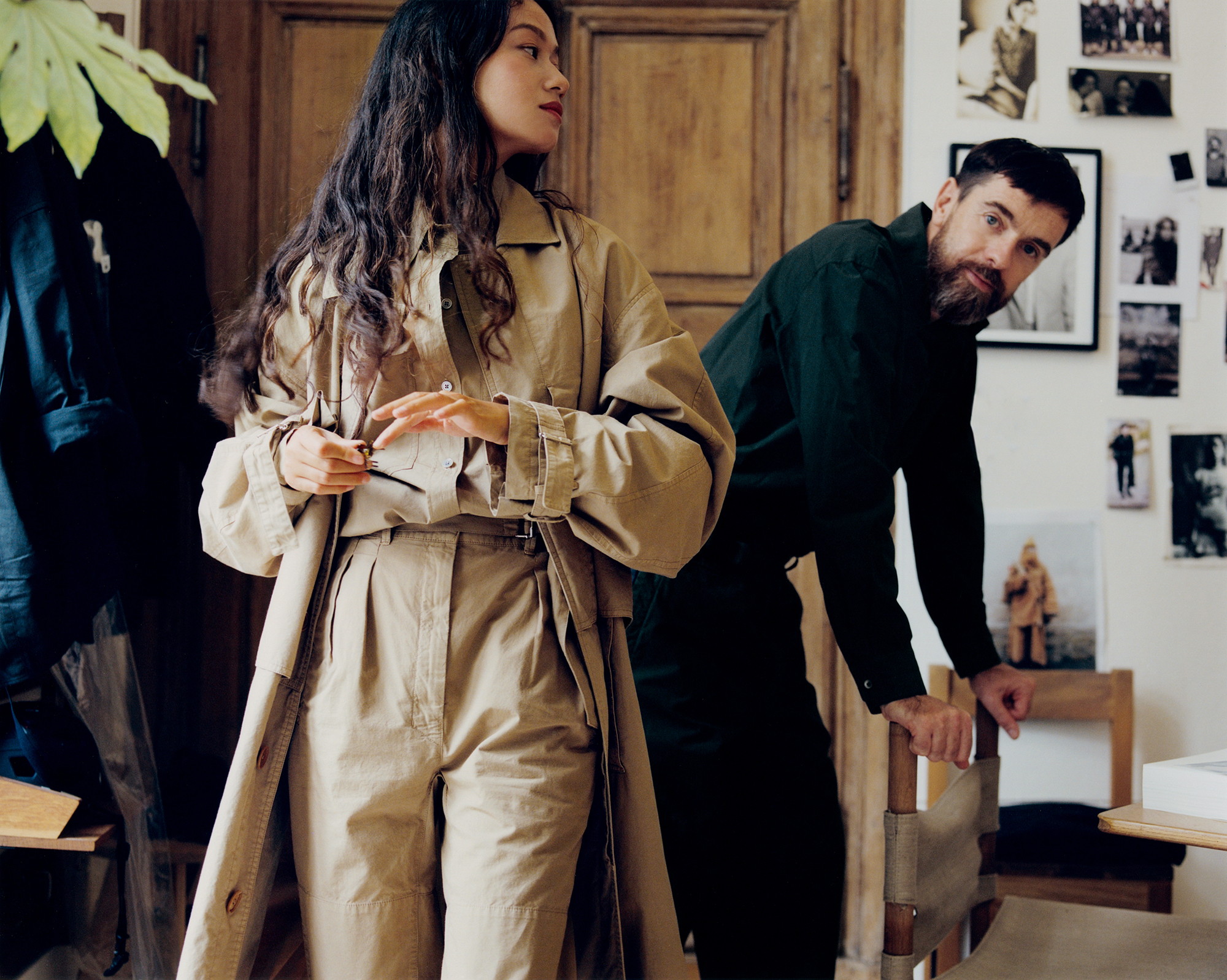
The headquarters of the fashion brand Lemaire occupies a handsome seventeenth-century building, formerly the Hôtel Pierrard, on Place des Vosges in the Marais district of Paris. The square was built to order for King Henri IV, who intended to revive the French economy by stimulating domestic silk production to overshadow the fashion for French nobles to wear clothes made in the finest Italian fabrics. The grand project did not come to fruition (the silkworms perished in the Parisian winters, forcing the seri-culture industry to move south to Lyon), but the covered arcades that grace the north and south sides of the square soon became the most coveted site in Paris to be seen promenading in the latest fashions.
Lemaire’s creative codirectors, Christophe Lemaire and Sarah-Linh Tran, acknowledge the history of the site but are careful to resist mythologizing or essentializing an idea of French fashion epitomized by la Parisienne. Instead, they remain endlessly fascinated by a concoction that is the essence of Place des Vosges: a person seen walking in an arresting outfit of the finest fabrics but also wearing something of the street, in startling combination. Lemaire launched his brand in 1991, before pausing it in 2002 to work on clothing design for the French sportswear company Lacoste and the luxury goods firm Hermès. The opening of the first Lemaire store in 2008, followed by Tran’s joining as co–artistic director in 2010, brought new focus to the endeavor.
While a Lemaire collection might at first look like a set of classic garment styles, closer inspection reveals a sensitivity to volume of shape, textile surfaces, and high-specification finishing. Lemaire has stores in Paris, Seoul, Tokyo, and Chengdu, and one opening in Shanghai in 2026. While Paris remains the starting point in Lemaire’s creative process, the brand is networked to a global understanding of the varied and rich approaches to dressing with style. On a shimmering summer morning, I met with Lemaire and Tran at their atelier, where we spoke about the role of photographic images in their designs, the narrative power of clothes, and the enduring allure of chic.
Photograph by Estelle Hanania, courtesy Lemaire

Alistair O’Neill: I want to begin by asking you about a quote in your manifesto, which I really admire, where you explain how French style interacts with global influences. You say that “French style is much like Paris today, a mixed fabric that draws strength from diversity.” What do you mean by this?
Christophe Lemaire: Well, because sometimes the city is portrayed a little bit like Emily in Paris, a kind of caricature of Paris—Paris becoming Disneyland, if you will. And some fashion brands may have a little bit too much exploited this idea of la Parisienne. For us, that approach is so limiting, as we grew up in a much more mixed Paris, in Belleville and in the northeast of Paris—with influences from Africa, the Middle East, the Maghreb, China, Vietnam—it’s a melting pot.
I think it’s interesting that we always find older people very stylish. So, we will very often refer to the very chic Arab grandfather in Belleville. And this sense of dignity is something very inspiring. Or it might be an elderly Chinese or Vietnamese lady, they will have a specific way of wearing their clothes.
Sarah-Linh Tran: Comfort is the most important factor, but somehow it becomes very chic, very dignified.
Lemaire: And, of course, there’s a tradition of the Parisian intellectual bourgeoisie, who we’re also inspired by. There is a specific tradition of being stylish and somehow quite classical, in a way, but with a free mind.
Tran: There’s a sense of effortlessness.
O’Neill: But it also comes with a sense of detachment. It’s almost as if it’s not conscious.
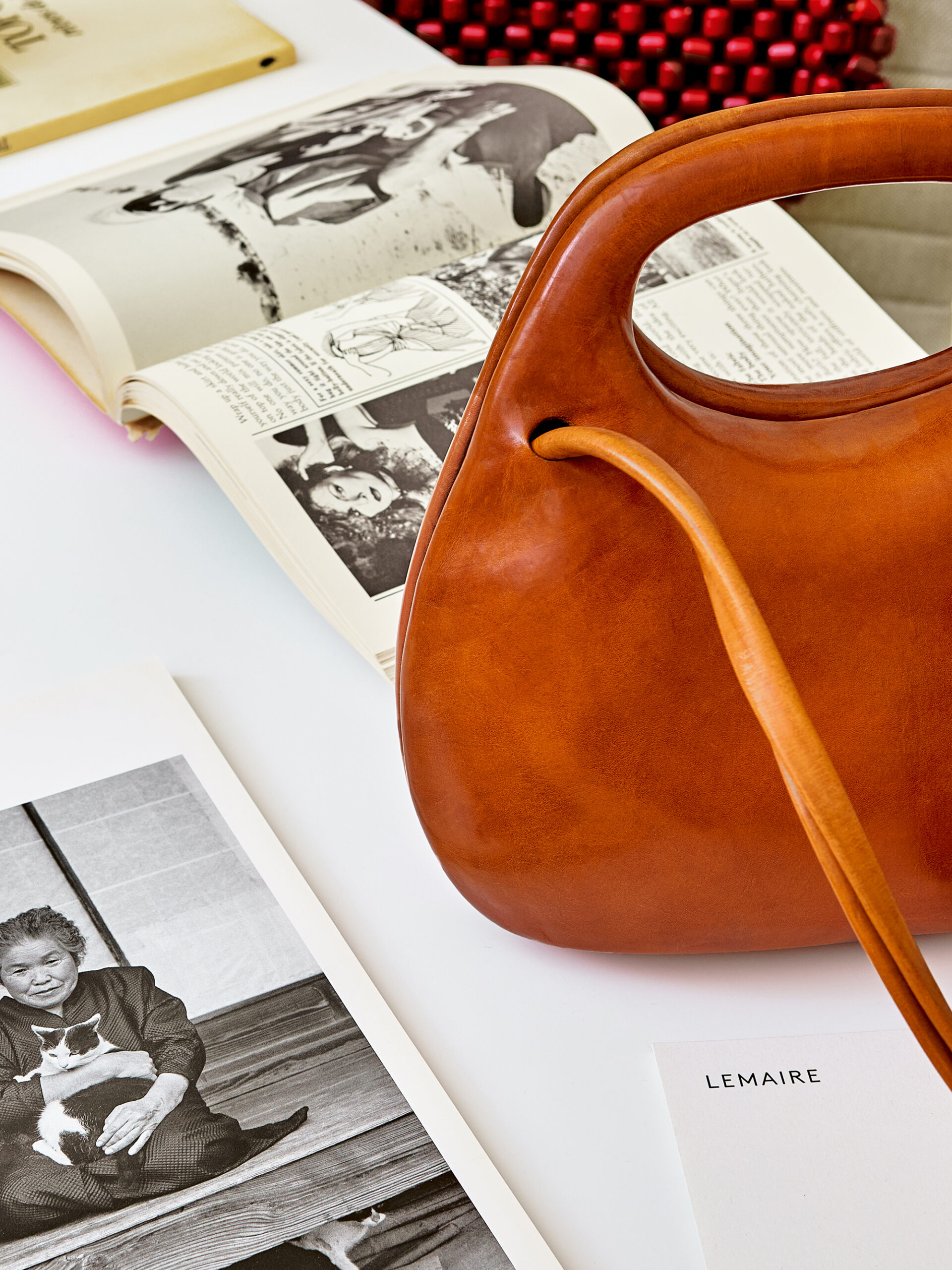
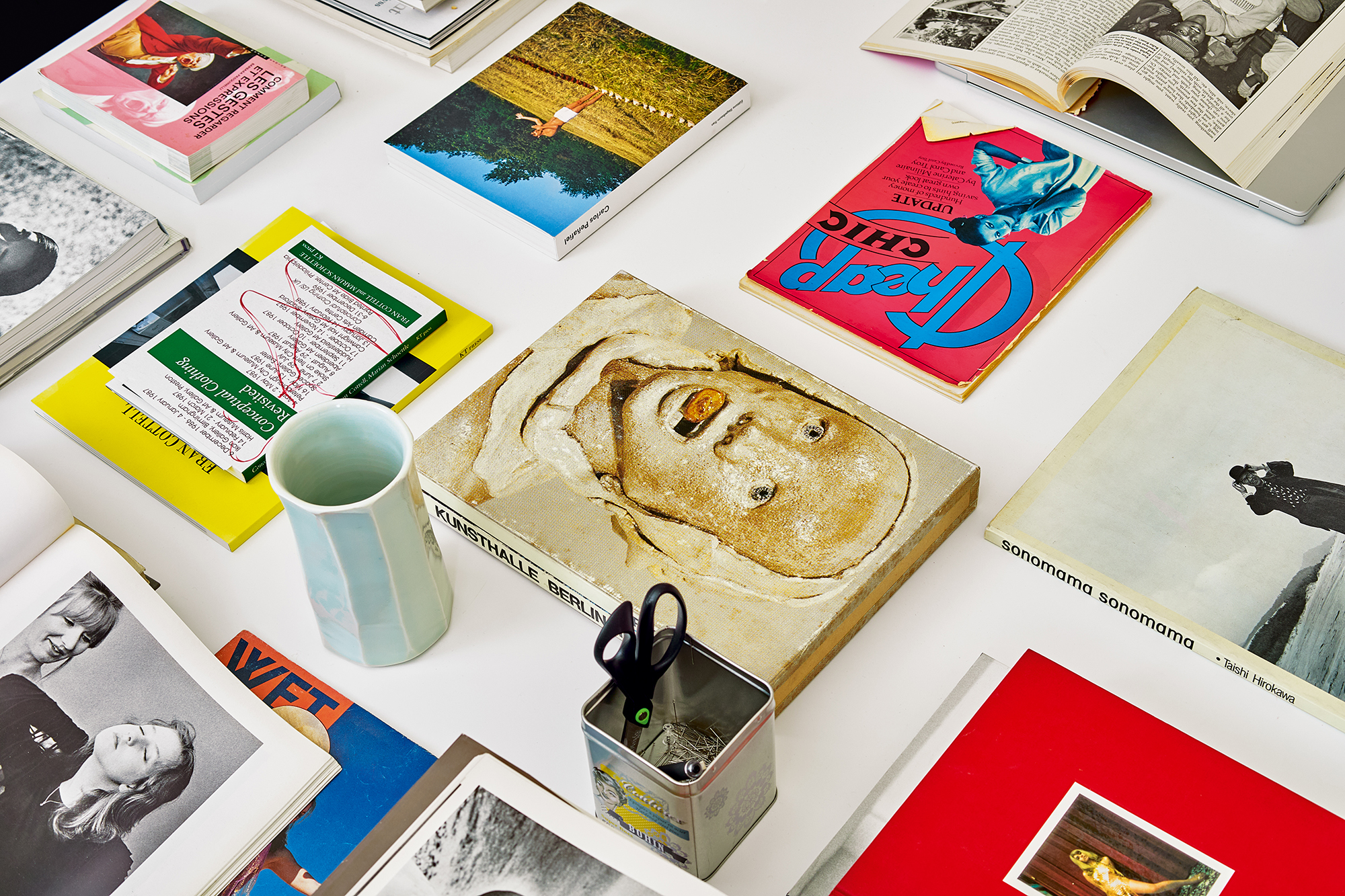
Lemaire: Yes, but it’s also very rooted in literature and cinema. When I think what it is that we like a lot about a book called Cheap Chic [published in New York in 1975 and written by Caterine Milinaire and Carol Troy], it is this idea of collage, clothes from different parts of the world but also from fashion history.
O’Neill: It’s an approach to dressing that is irreverent—so it appreciates the qualities that make some things very expensive, but it’s also about understanding what to value in the inexpensive.
Lemaire: And also accepting history, difference, and memory. In a time of amnesia, maybe it’s important to be reminded that creation doesn’t come from scratch. It’s always the layers of references, and knowledge about history.
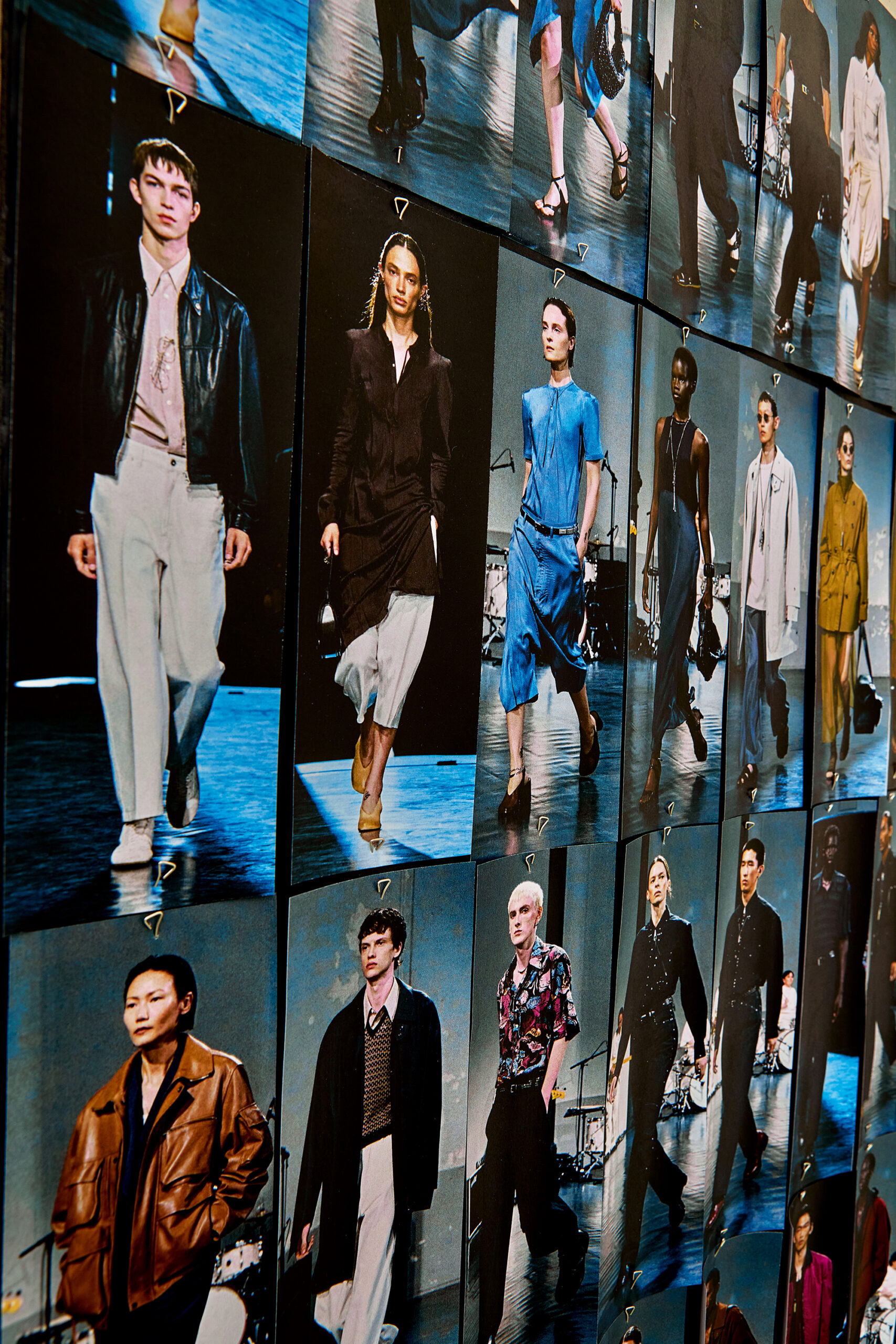
Tran: You can find diversity in our silhouette, especially this season [Spring/Summer 2026]. I think there is something a bit like cadavre exquis.
O’Neill: The Surrealist game exquisite corpse.
Tran: So, like the game, we draw the arche-type of a trench coat, and then the bottom is like a áo dài, a traditional Vietnamese dress; or you have an Arab skirt that is very oriental worn with a Western cowboy shirt. We always try to mix the influences in clothes, to blur the differences.
Lemaire: At the end of the day, style has a kind of mystery about it. You see someone in the street passing, and you’re like, Who is this person? Style is very much about that. It’s a bit unknown, it’s not easy to categorize.
Aperture Magazine Subscription
0.00

O’Neill: It might well be because it doesn’t necessarily make visual sense when you look at it. So it is like an exquisite corpse, it is like a cheap-chic idea. It’s a collage of visual sources. A lot of this thinking about dressing arises out of the 1970s. It reminds me of Anna Piaggi and the eclecticism of what she wore, with her style being both a history of fashion and a history of all the outfits she ever wore.
Lemaire: Yes, there is a certain eclecticism that we do love. And we are very much interested in traditional clothing from everywhere around the world.
Tran: We also talk a lot about layers. We have this image of a cute onion, pulling a layer to leave a second skin, then another layer, then another layer, then another! Yes, that’s built into the ethos of Lemaire.
“At the end of the day, style has a kind of mystery about it.”
O’Neill: How do photographic images function in your design process?
Lemaire: Well, it’s a document. We are very much using and watching images, both photographs and film, as inspiration.
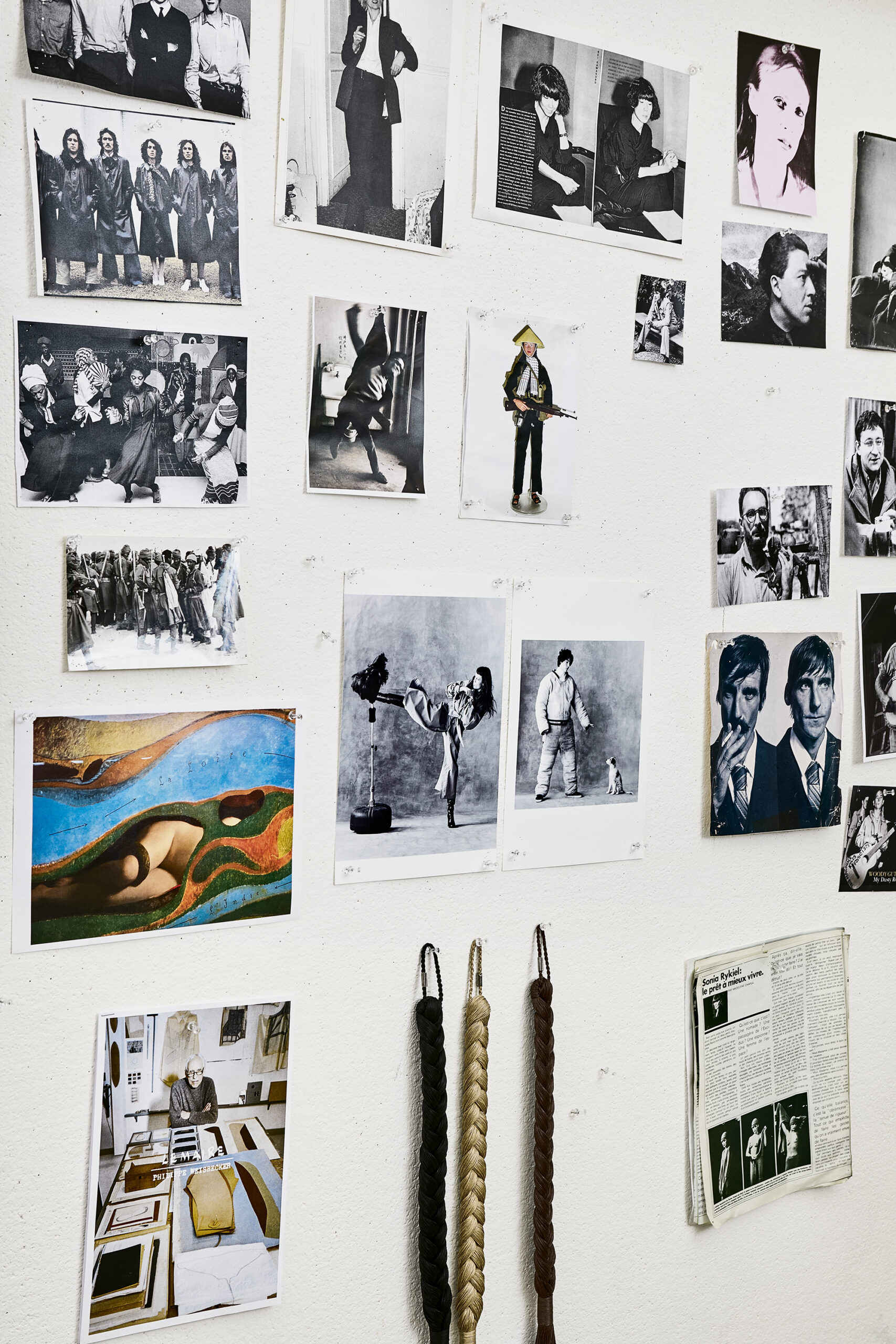
Tran: I agree. I think what’s interesting to point out is how much the use of images has evolved. When we started the brand around sixteen years ago, fewer images were available online. There was no Pinterest, but there was Tumblr. There was the library, and there were books. So you had to take a photograph and then print it to make use of the image. It really became an action, a choice that was very considered. And it’s true that today we refrain from the pile of images, because we get lost in them. If you look at the wall in Christophe’s office, it’s always the same figure that stays there. We want to stick with this energy. We’re not so much into mood boards.
Lemaire: There are images and photographers that we constantly go back to.
Tran: Cheap Chic, or Denis Colomb.
Lemaire: Or August Sander, or Avedon. So, it’s being a little bit stubborn.
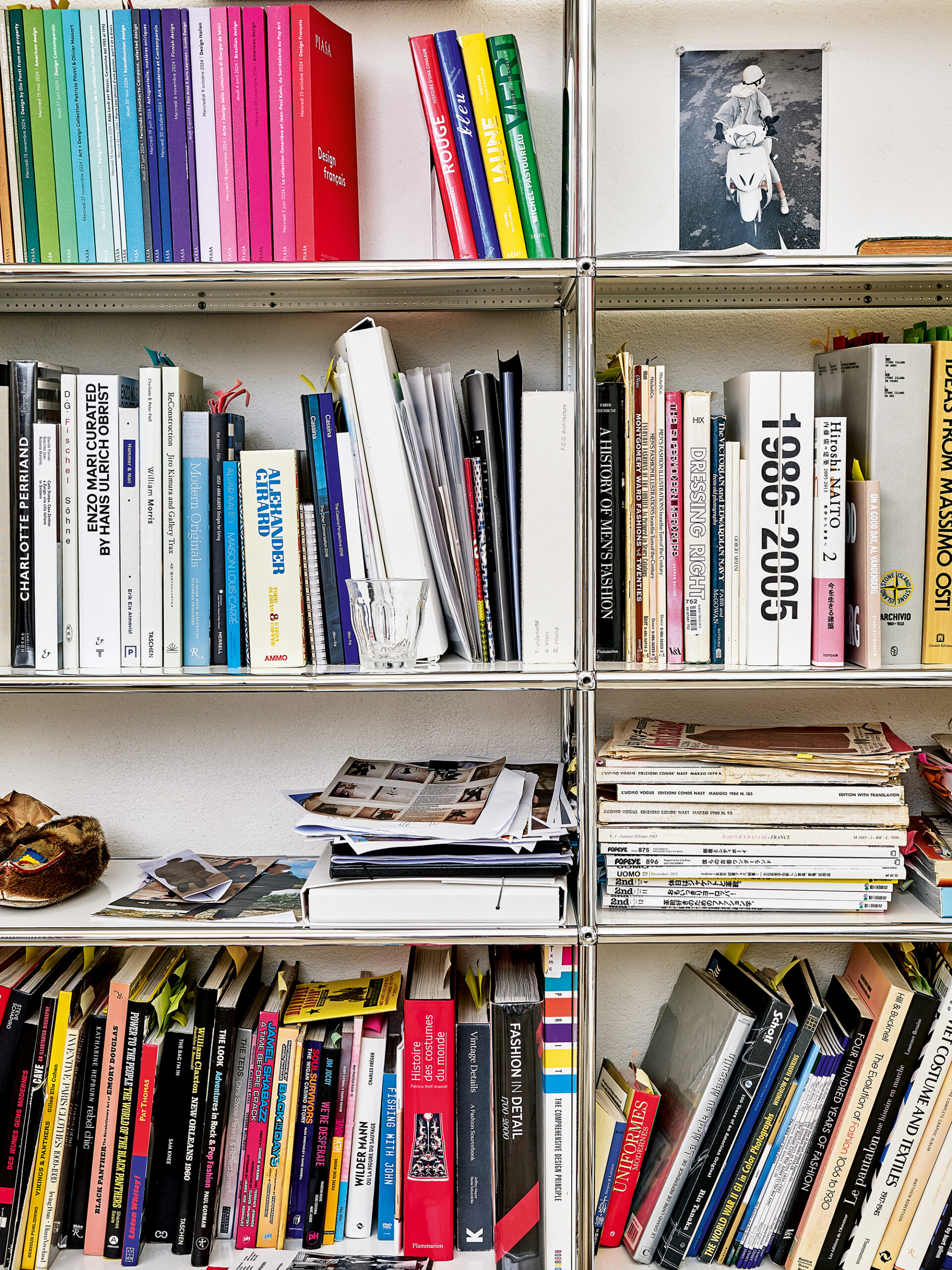
O’Neill: And it’s not just images, it’s the books as well. So, it’s not a library, it’s more like a shelf of key works.
Lemaire: Yes, exactly. Another is East Meets West [about the work of the Japanese fashion designer Issey Miyake].
Courtesy Janus Films
© Miramax and courtesy Photofest
O’Neill: Irving Penn as a reference is hard to beat. My favorite is the book that he made of early twentieth-century couture. It was based on the Diana Vreeland exhibition The 10s, the 20s, the 30s: Inventive Clothes: 1909–1939, and they’re really cropped, detailed shots.
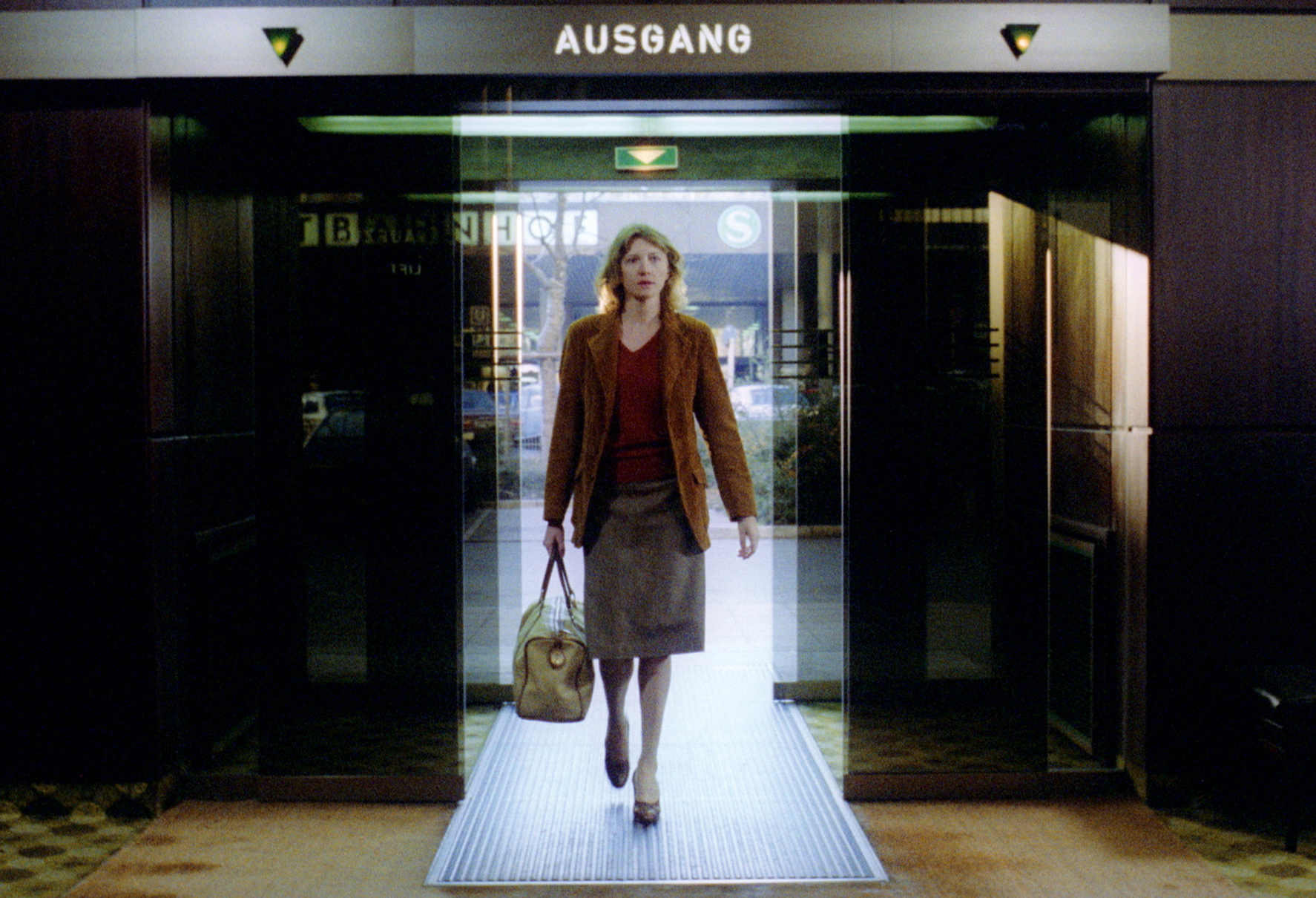
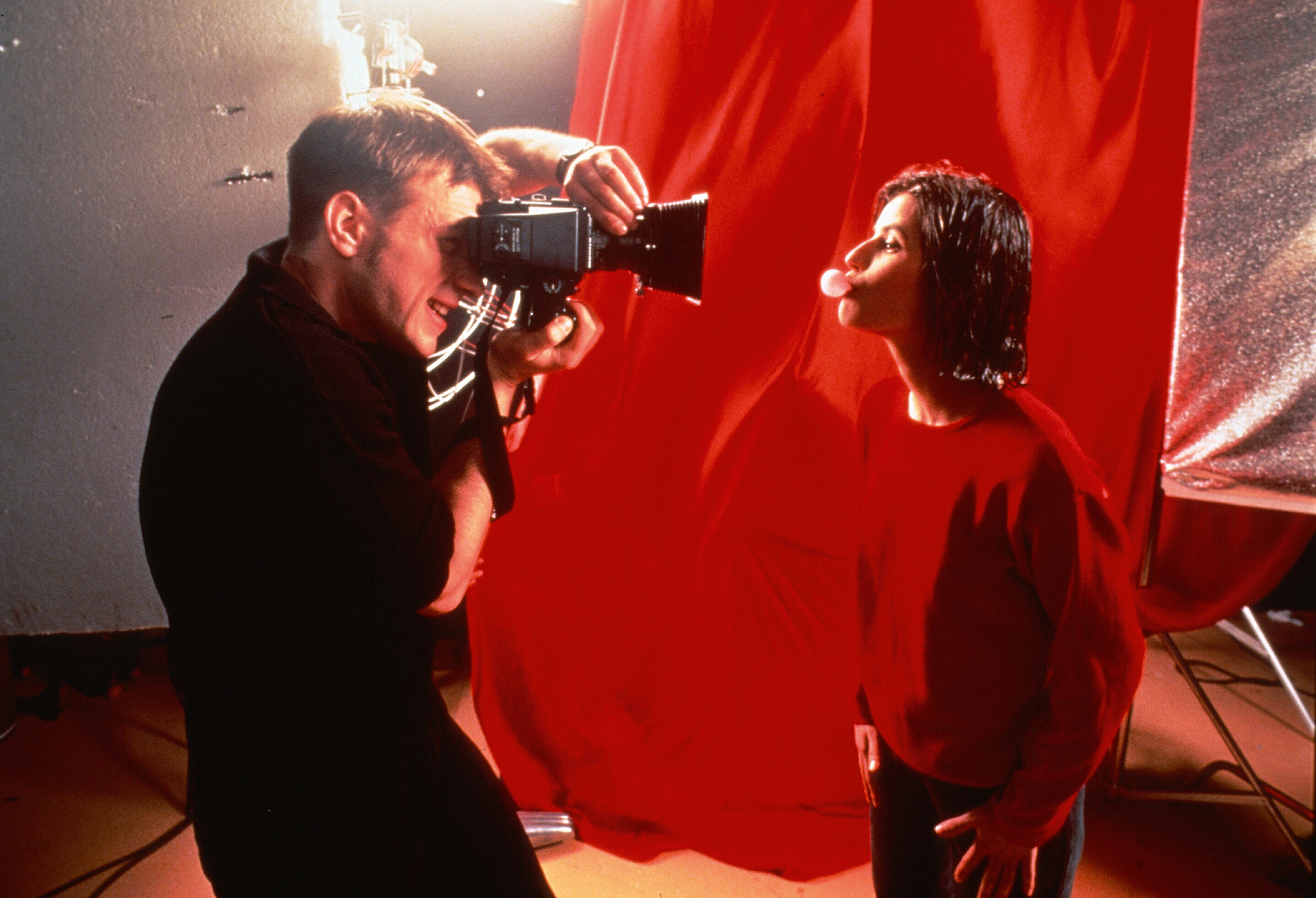
Lemaire: We look a lot at photography books but also cinema. So sometimes we do screenshots in a movie, because generally it’s what we are inspired by. For a time, we were really into the films of Krzysztof Kieślowski.
Tran: And also the actress Aurore Clément. It’s just a way to look at women walking in the city, transferring from one place to another. Moving images help understand that rhythm, that dynamism.
Lemaire: At the very start of our design process, we always put the simple reality of why do we cherish certain clothes? What do we expect from the clothes? When we wake up in the morning, we have to dress. We don’t have much time. So, it’s a very down-to-earth approach of what makes certain pieces of our wardrobe so precious for us. What is this special quality? It’s about the cut. It’s about the way it ages. It’s about the depth of the pocket. It’s about the story it tells.
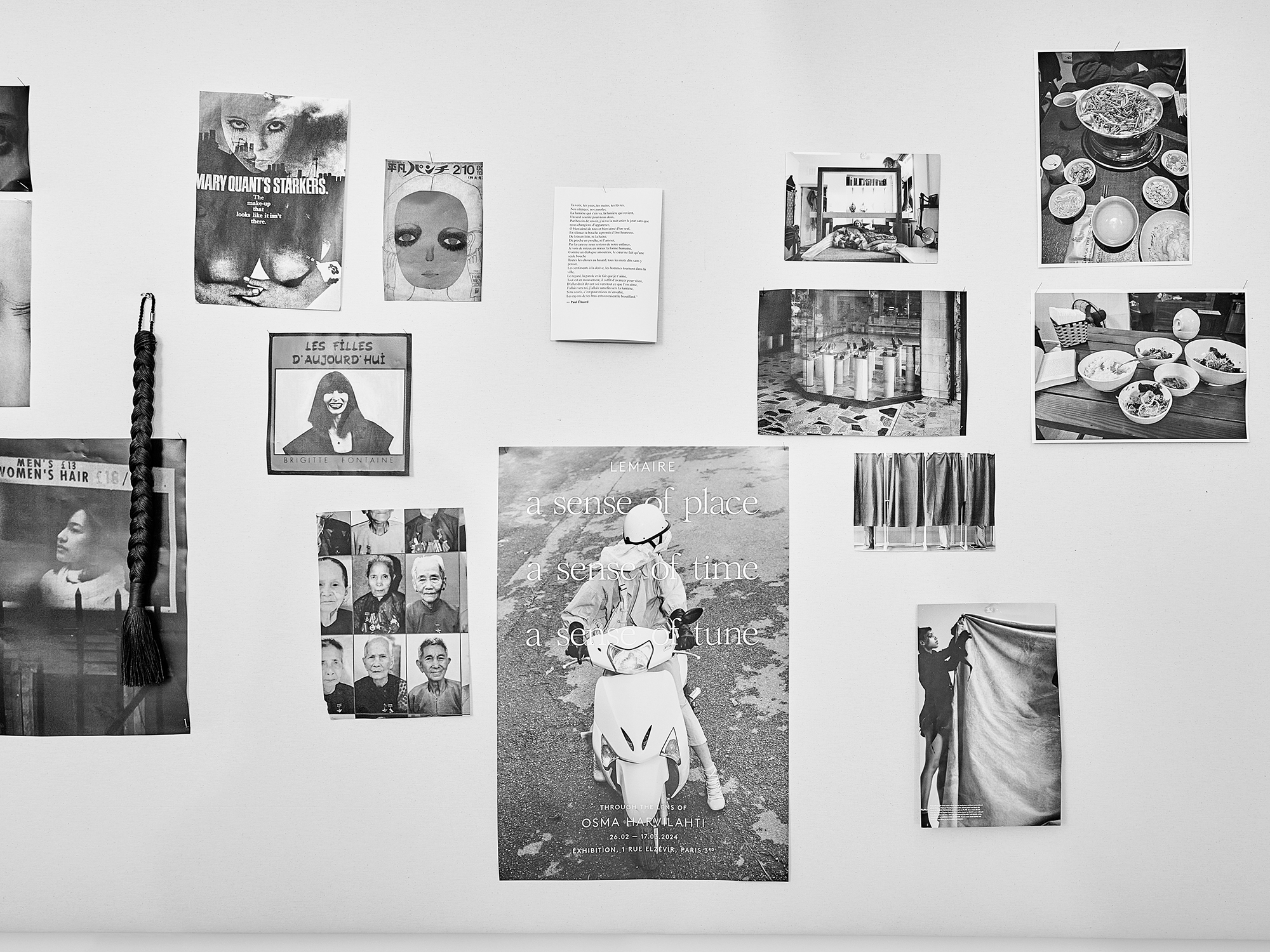
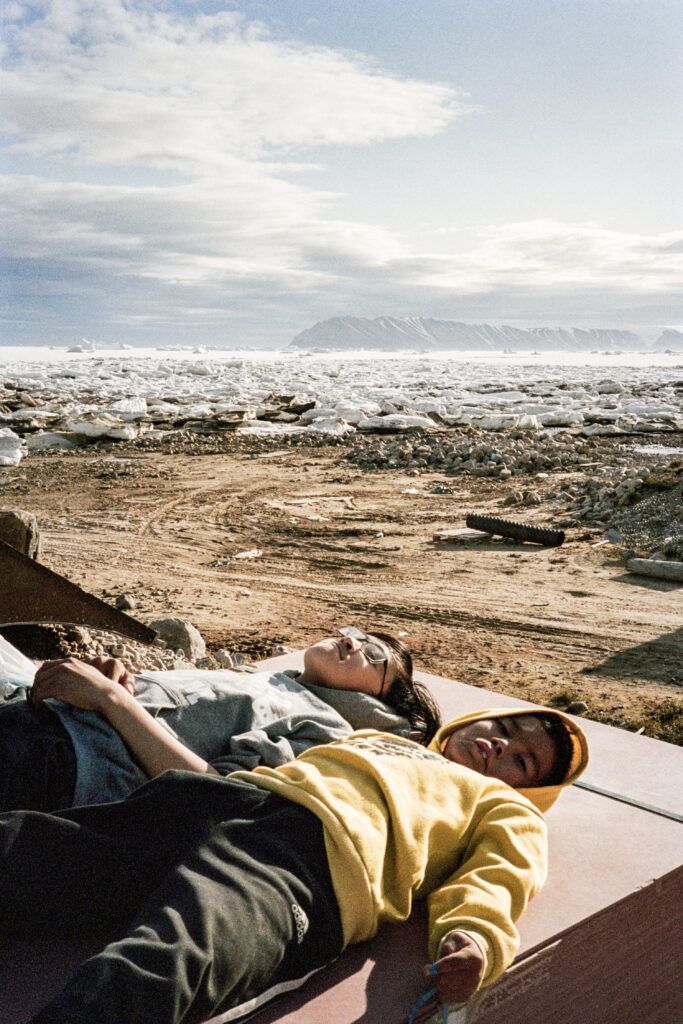
O’Neill: I wanted to ask you about a photography project by Osma Harvilahti you staged as an exhibition in your Paris store last year titled A Sense of Place, a Sense of Time, a Sense of Tune. What I really liked about the photographs and film was the visual sense of velocity, of clothes moving against the elements when worn by scooter riders in a way that was really focused. For me, it was a clever way to resolve the problem of visualizing clothes that have a degree of subtlety to them. How did it come about?
Tran: I realized a lot of things about this project after it was done. We were fascinated by the way people dress, protect themselves from the rain, from the sun, on the scooters, and the density of people. I think what we do here is tell people how to look at things a bit differently. With this project, we wanted to show a part of the world where people move differently. It was a bit audacious because, of course, Vietnam is not associated with luxury. But I think we did it in a way so there isn’t a discrepancy between the people who modeled and the brand. We wanted to showcase the freedom we felt, because for the Vietnamese people in Hanoi everybody has a scooter. You have to have a scooter, otherwise you cannot move from one place to another. And I think when we’re talking about the experience of dressing people in the atelier, and when we are discussing shooting a project, we really have to ask, “Are we going to enjoy the process? Are we going to learn something out of it?” This is why I like to start from reality or a sociological approach, for example, because it anchors the project, and it makes you discover a different dimension. The experience, I think, was like collecting a memory, and images have to be anchored in this physicality.
Lemaire: We love style, we love fashion. But from our own experience, style is passing someone in the street who has a way they move, or a way to walk. It can also be the certain way someone moves their hand, or stands. So that’s why the range of images we now produce allows us to show the clothes from different points of views.
O’Neill: We operate in a visual culture that commodifies the fashion show in image terms. It’s about how it works on the iPhone on Instagram—straight up and down, in two dimensions. So subtlety, texture, and quality of make are often compromised. I agree that you have to find other solutions, to try different ways of presenting things. So, do you see your stores as being a forum for engaging with photography as much as ceramics or other types of designed objects that you sell to complement your clothes and accessories?
Tran: That’s the forum it would be great to have. You know, we’re going to open a store in Shanghai as well. We have a lot of ambition to make this space very lively and generous.

Photographs by Nhu Xuan Hua for Aperture, 2025
O’Neill: And how is your new publishing venture going to sit in relation to that kind of activity?
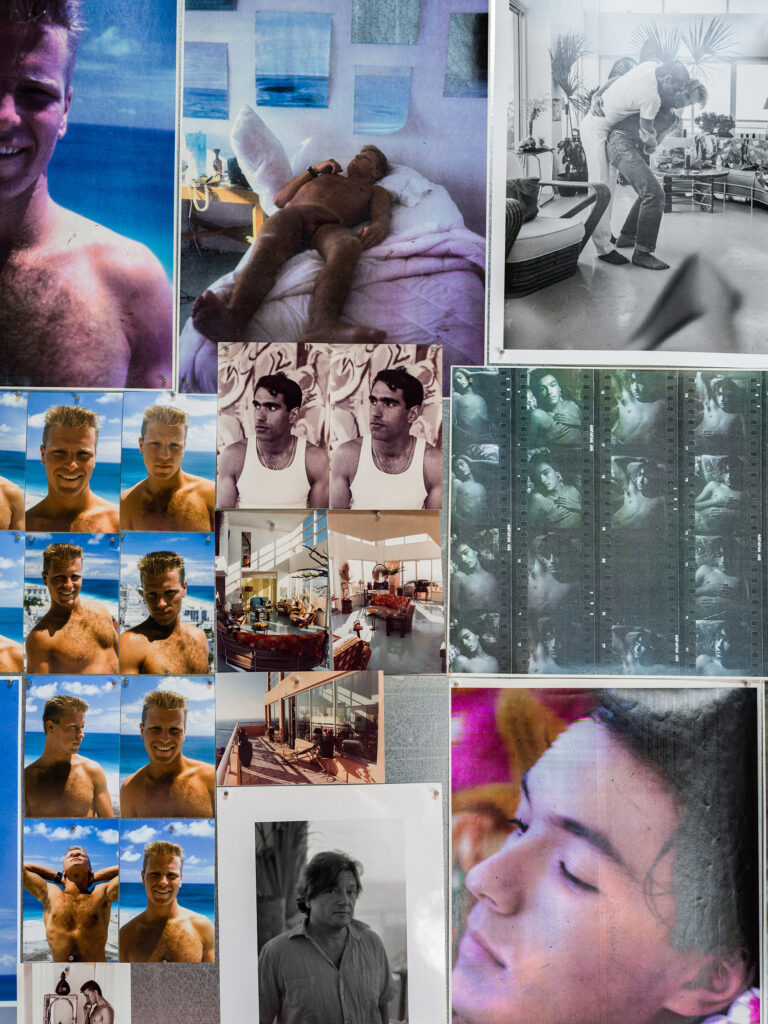
Tran: I don’t know. We did the first book on the Chilean artist Carlos Peñafiel because I think it’s important for Lemaire to portray the people we work with, by going deeper into their artistry, showing people like Carlos who have an erotic sensitivity.
O’Neill: You’ve worked with Carlos Peñafiel over a number of years, so it’s about honoring a long-standing creative relationship. It used to be something that was more valued in fashion. So for me, it’s a very generous statement to start with.
How do you see the publishing house moving forward? Do you have ideas about the kinds of books you’d like to publish?
Tran: There’s so many different things! I have many projects in mind, dealing with architecture, new editions of existing books. I’m also passionate about children’s books from the 1970s.
O’Neill: It’s actually quite refreshing to hear that you’re being intuitive about it, and that you’re letting that guide you.
Tran: I was very impressed by the exhibition on the visionary French publisher and curator Robert Delpire, staged in 2009 at Rencontres d’Arles, France, and the Maison Européenne de la Photographie, Paris. It was so emotional. He said that for him, publishing is like collecting memories for someone who has amnesia, or something like this.
O’Neill: I interviewed his widow, Sarah Moon, last month as I’m writing a chapter about her for an anthology of women fashion photographers. They had an incredible life together, and he was important to the development of her work, as he published a number of her books.
Tran: There’s a lot of freedom in the way Delpire navigated through his varied book projects. It is beautiful and inspiring to openly resist fitting in a box.
This interview originally appeared in Aperture No. 261, “The Craft Issue.”