Featured
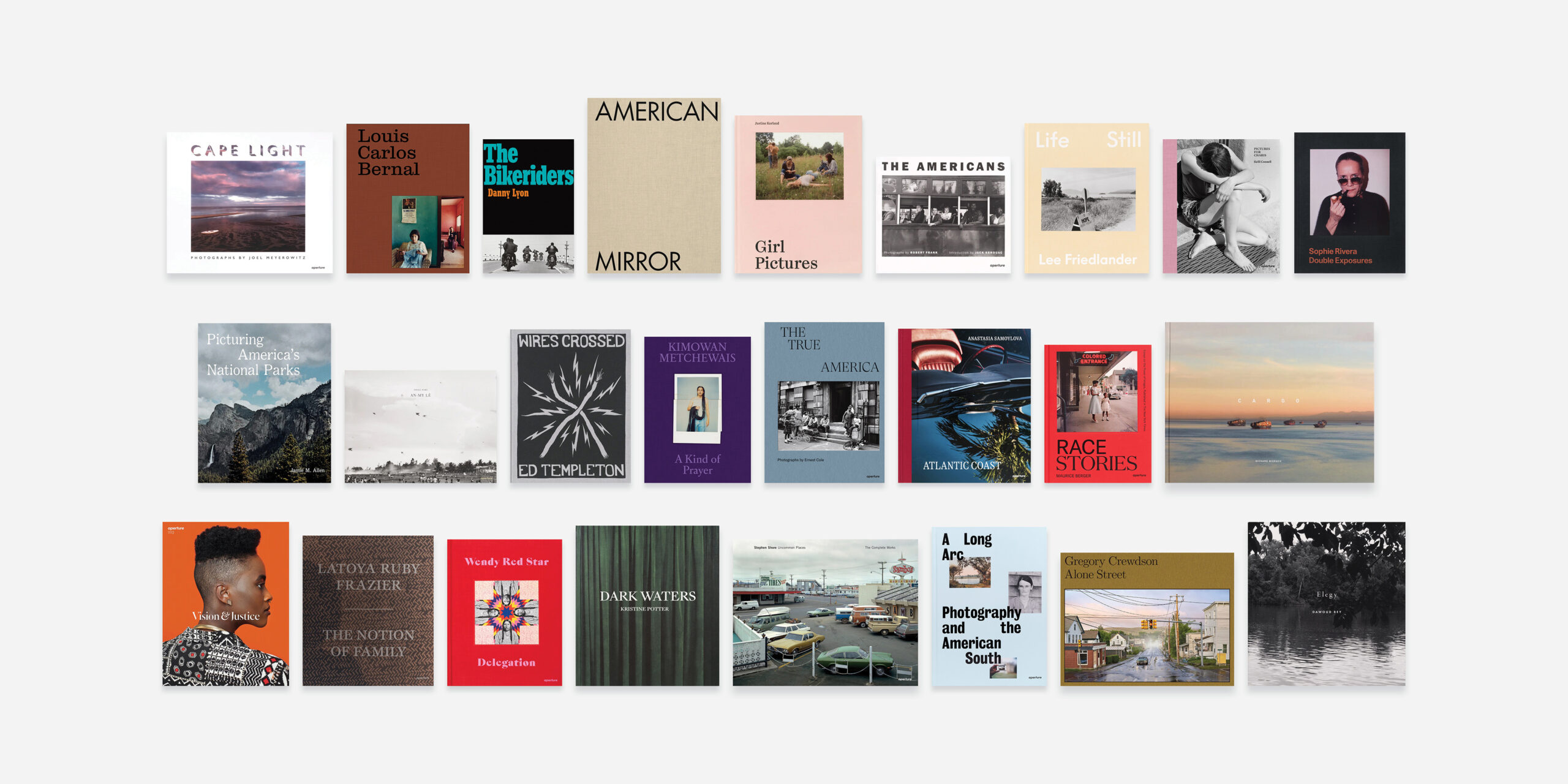
25 Photobooks That Define America
From classics to contemporary standouts, these volumes illuminate the paradoxes and possibilities of life in the United States.
© the artist and courtesy Hunters Point Press and Howard Greenberg Gallery
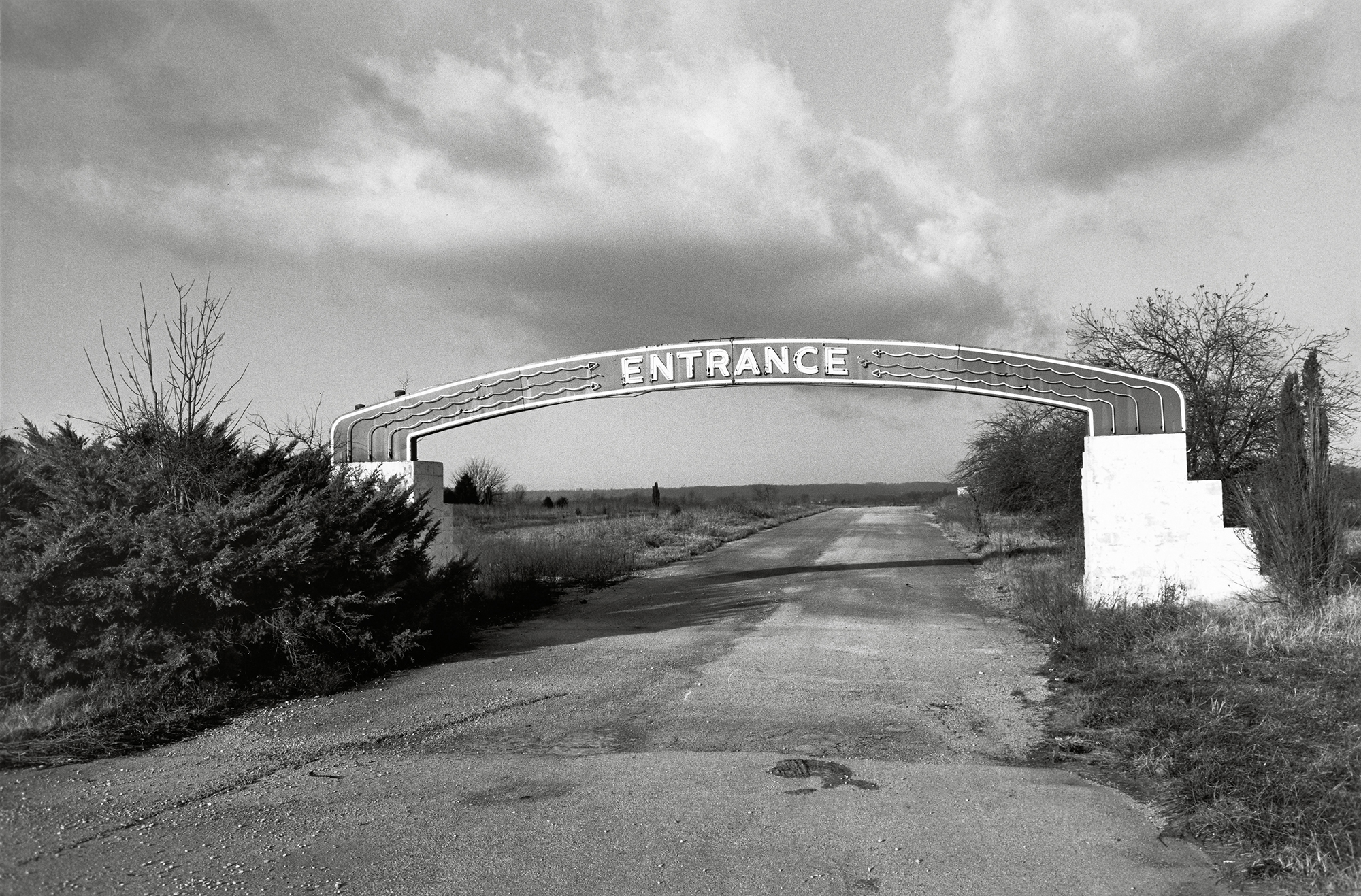
A Long Arc: Photography and the American South
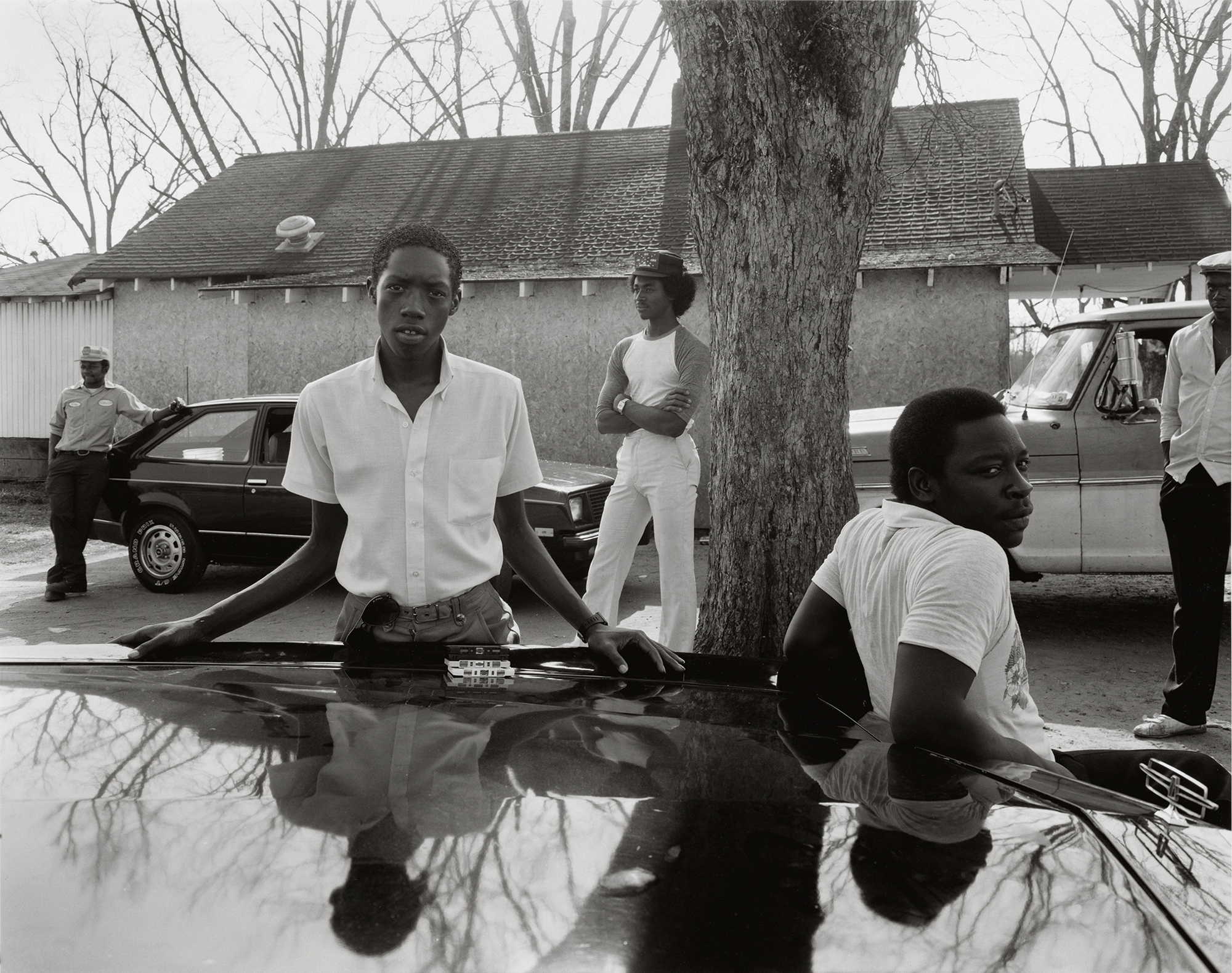
The visual history of the South is inextricably intertwined with the history of both photography and America, offering an apt lens through which to examine American identity. A Long Arc collects key moments in the visual history of the Southern United States over 175 years, featuring works by artists such as Walker Evans, Baldwin Lee, Robert Frank, Sally Mann, Carrie Mae Weems, Alec Soth, An-My Lê, and more.
Courtesy the artist
Aperture magazine’s special issues have consistently expanded and challenged the ideas and ideals of America. From American Destiny’s examination of class and labor to Vision & Justice’s exploration of Black experience and Native America’s and Latinx’s centering of Indigenous and Latinx perspectives, these landmark projects reveal a nation shaped by multiple histories, identities, and competing visions of belonging.
© Lisa Bernal Brethour and Katrina Bernal. Courtesy Center for Creative Photography, University of Arizona: Louis Carlos Bernal Archive
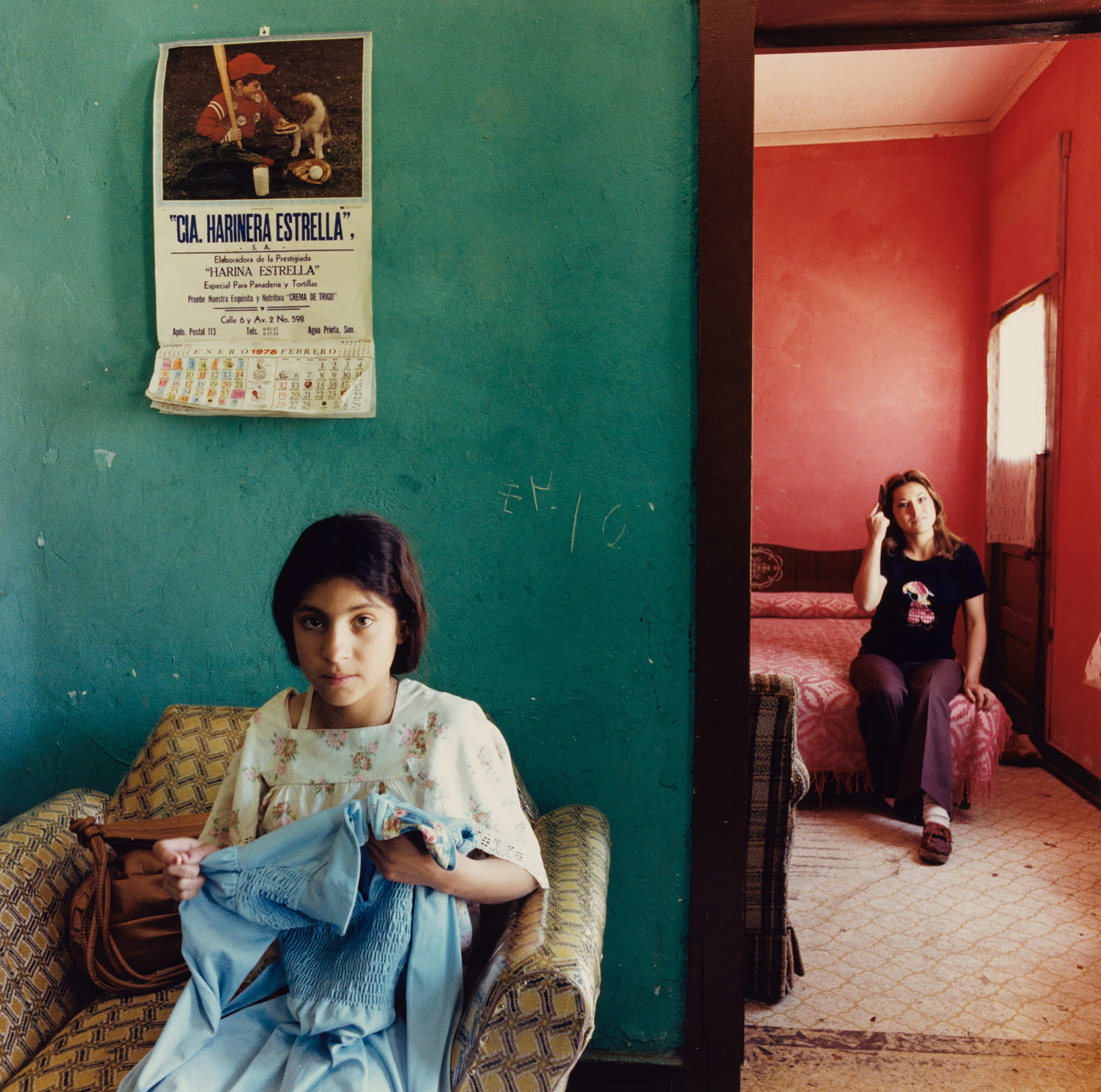
Louis Carlos Bernal: Monografía
Best known for his intimate portrayals of barrio communities of the Southwest United States, Louis Carlos Bernal made photographs in the 1970s and 1980s that draw upon the resonance of Catholicism, Indigenous beliefs, and popular practices tied to the land. For Bernal, photography was a potent tool in affirming the value of individuals and communities lacking visibility and agency. The first major scholarly account of Bernal’s life and work, Monografía is a landmark survey of one of the most significant American photographers of the twentieth century.
Courtesy the artist
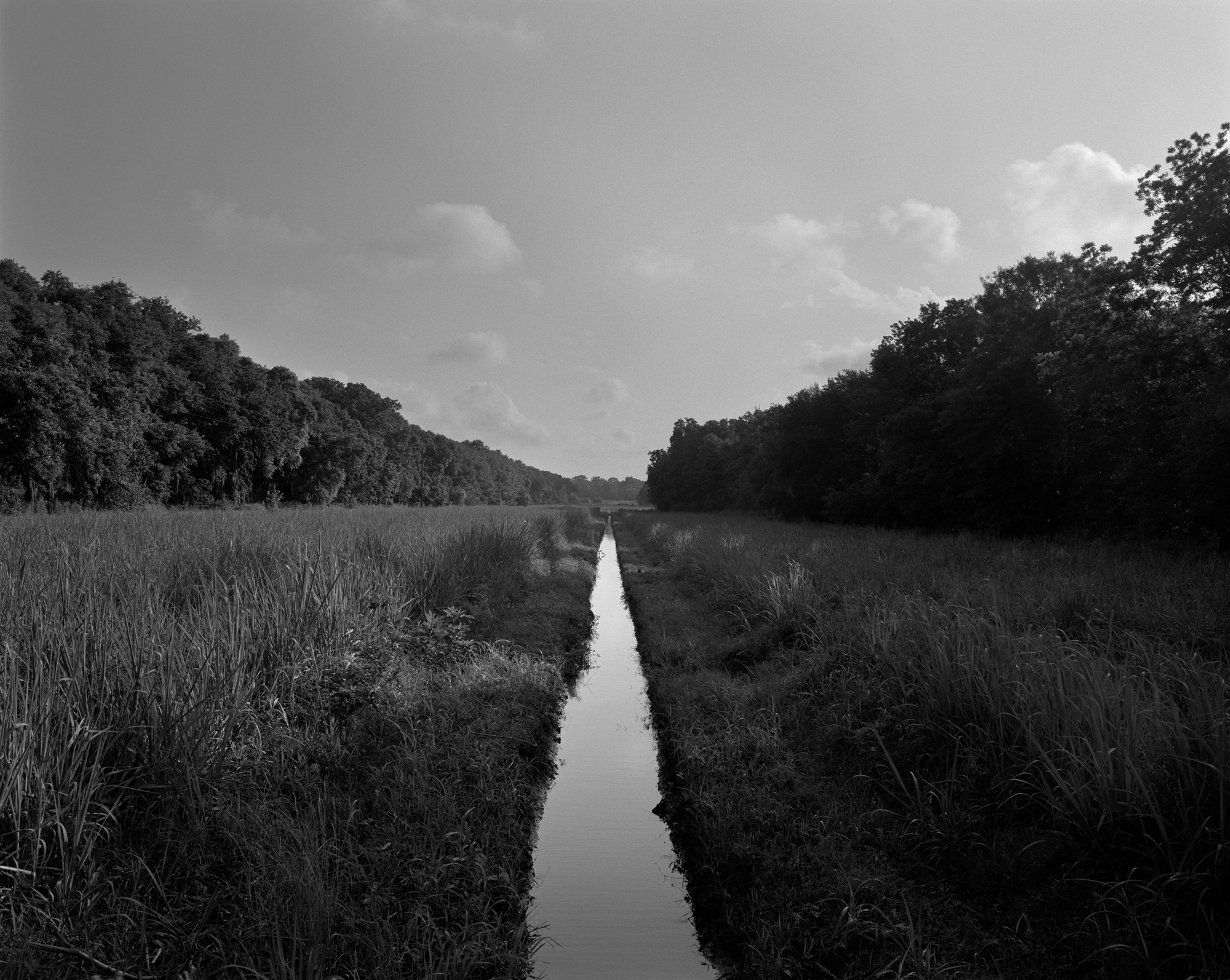
In Elegy, acclaimed photographer Dawoud Bey explores African American history in the United States, narrowing in on the deep historical memory embedded in its geography. Weaving together three of Bey’s landscape series, the book takes viewers to the historic Richmond Slave Trail in Virginia, the plantations of Louisiana, and the last stages of the Underground Railroad in Ohio. Divided into an elegy of three movements, Bey not only evokes history but retells it through historically grounded images that challenge viewers to go beyond seeing and imagine lived experiences.
© Ernest Cole Family Trust
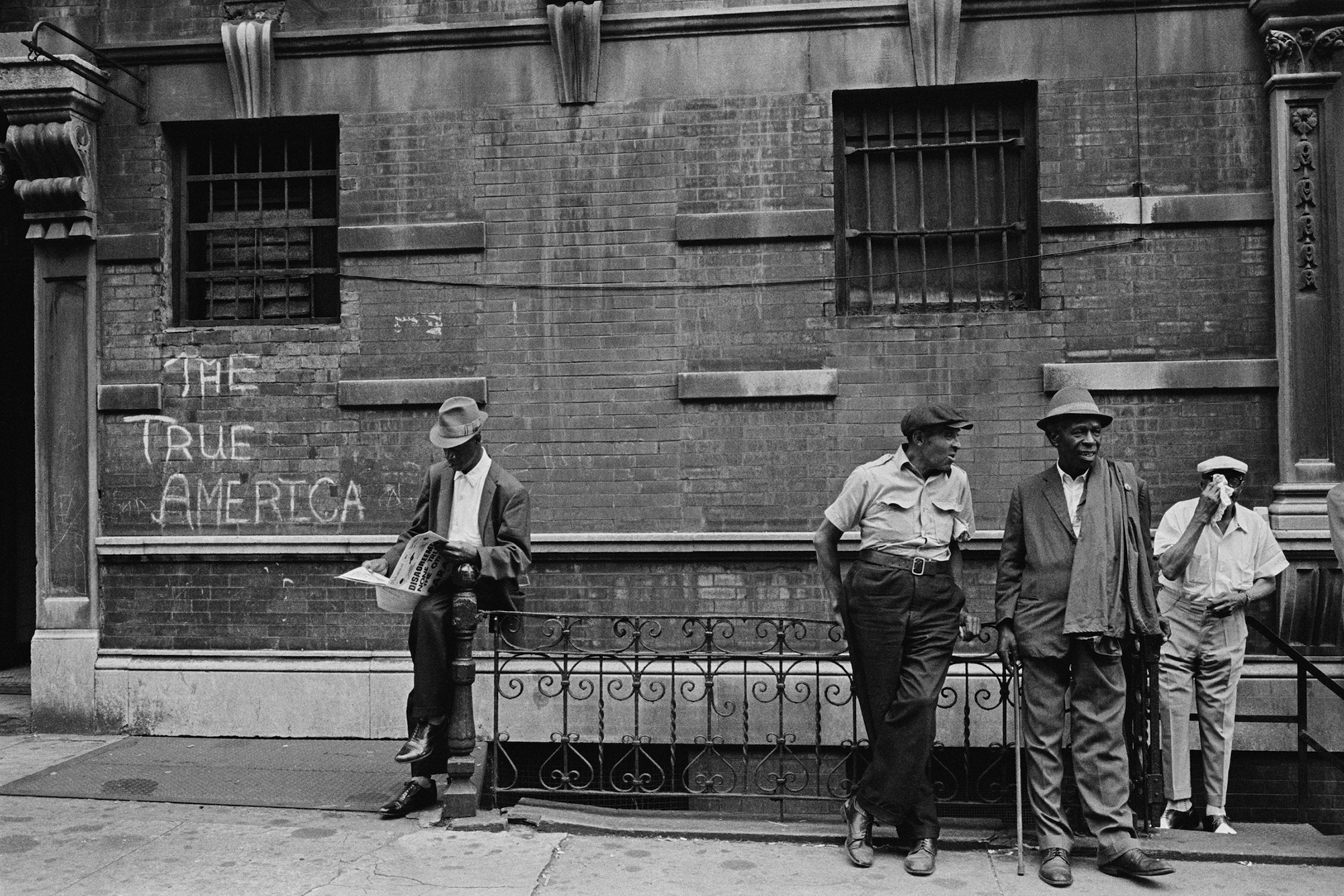
The True America is the first publication of Ernest Cole’s images made in the United States. During the turbulent and eventful late 1960s and early ‘70s, Cole photographed throughout New York City’s streets and in the rural South. These photographs reflect both the newfound freedom Cole experienced in the US and the photographer’s incisive eye for inequality as he became increasingly disillusioned by the systemic racism he witnessed.
Courtesy the artist
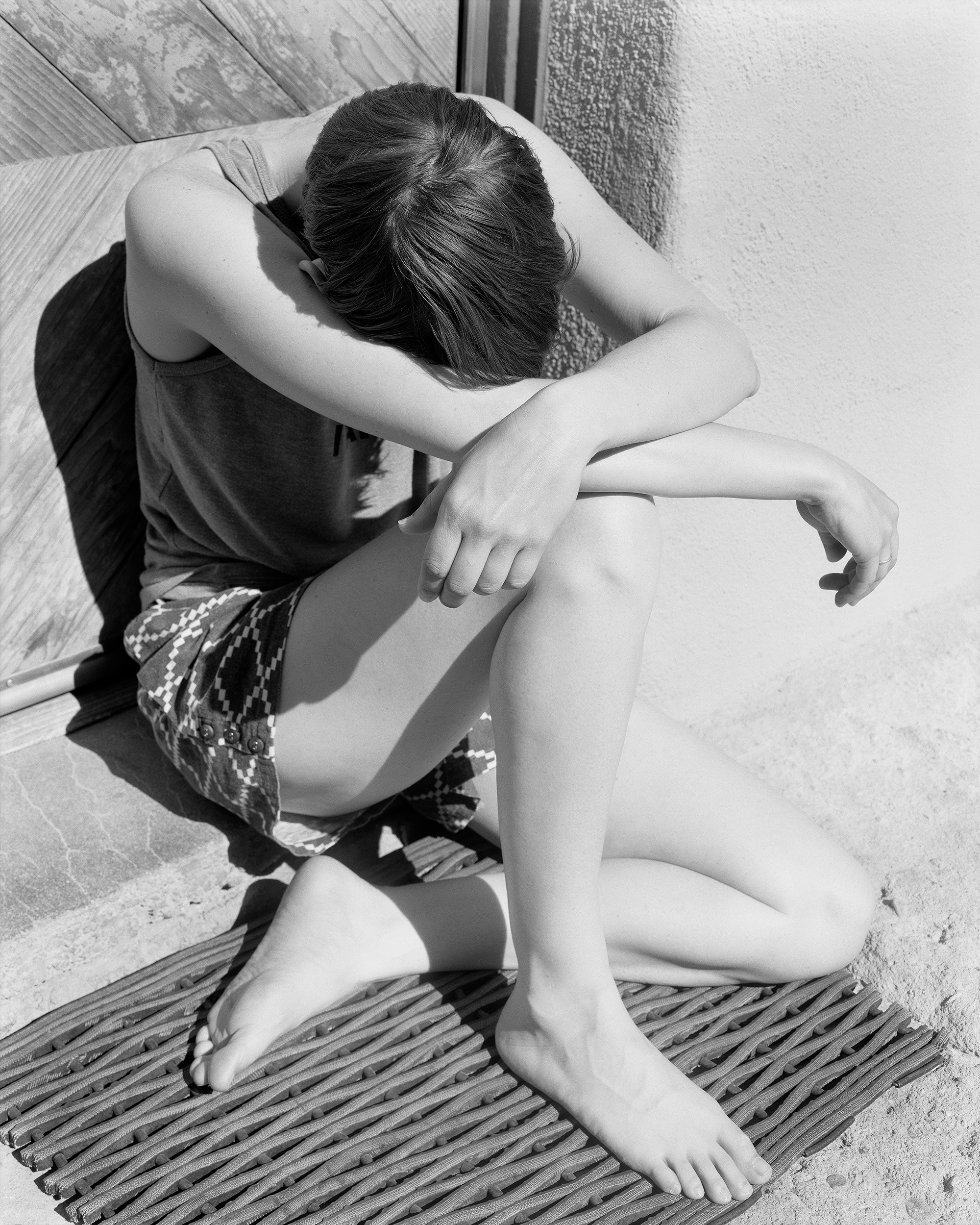
Kelli Connell: Pictures for Charis
In Pictures for Charis, Kelli Connell takes inspiration from the life of Charis Wilson and her collaborations with Edward Weston through the contemporary lens of a queer woman artist. Connell focuses on Wilson and Weston’s shared legacy, traveling with her own partner, Betsy Odom, to locations in the Western United States where the earlier couple made photographs together more than eighty years ago. Bringing together photographs and writing by Connell alongside Weston’s classic figure studies and landscapes, Pictures for Charis raises vital questions about photography, gender, and portraiture in the twenty-first century.
© the artist
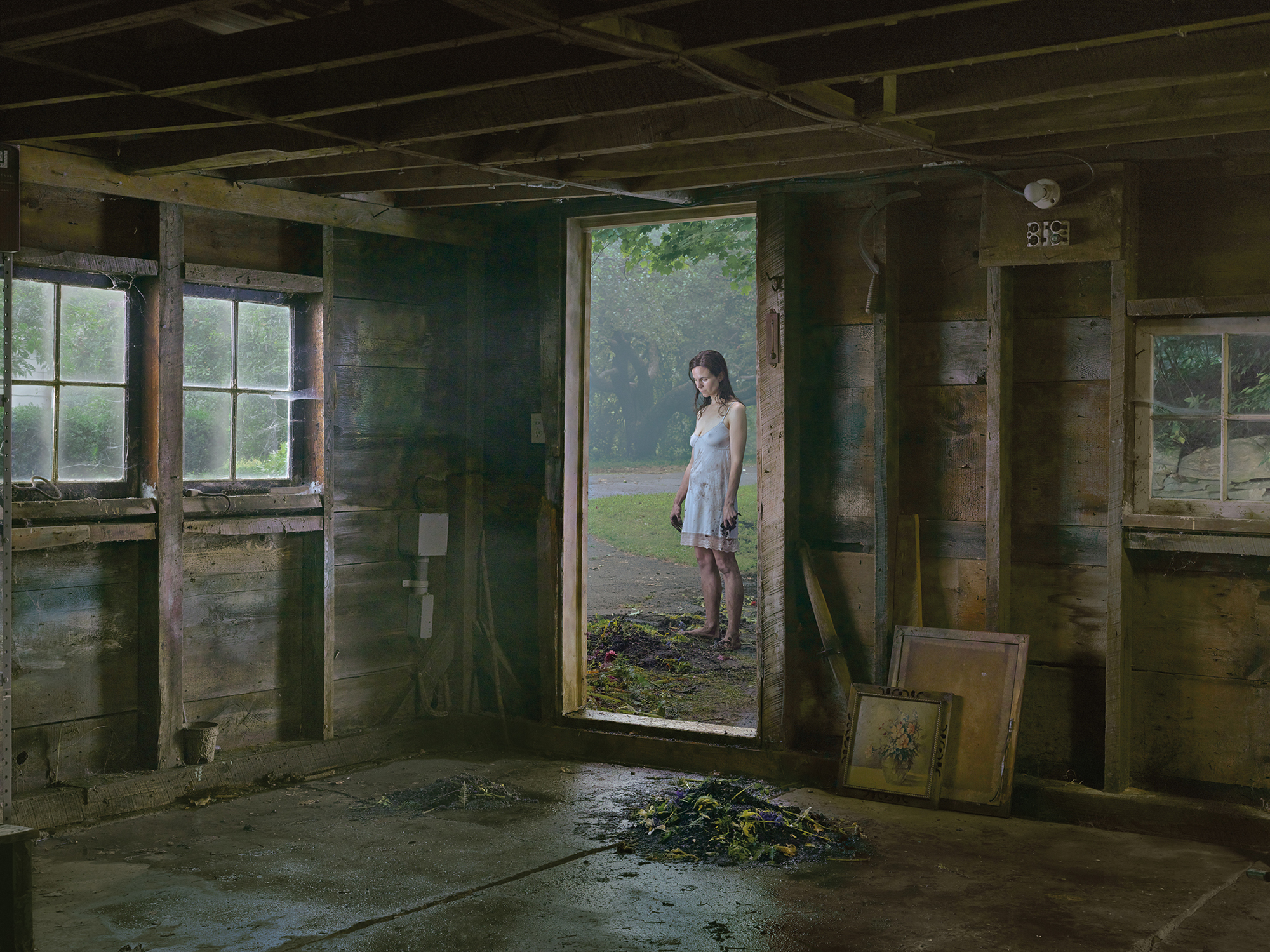
Gregory Crewdson: Alone Street
Alone Street expands on Gregory Crewdson’s obsessive exploration of the psychogeography of small-town, post-industrial New England and underscores the precision and depth of his unique mode of photographic storytelling. In each image, light, color, and carefully crafted scenography draw out equal parts yearning and ennui—with downed streetlights, abandoned baby carriages, and decommissioned carnival rides setting the scene for a cast of classic Crewdsonian characters. Alone Street also brings together behind-the-scenes images and storyboards, revealing the extensive preparation and planning that went into the making of each work.
© The June Leaf and Robert Frank Foundation
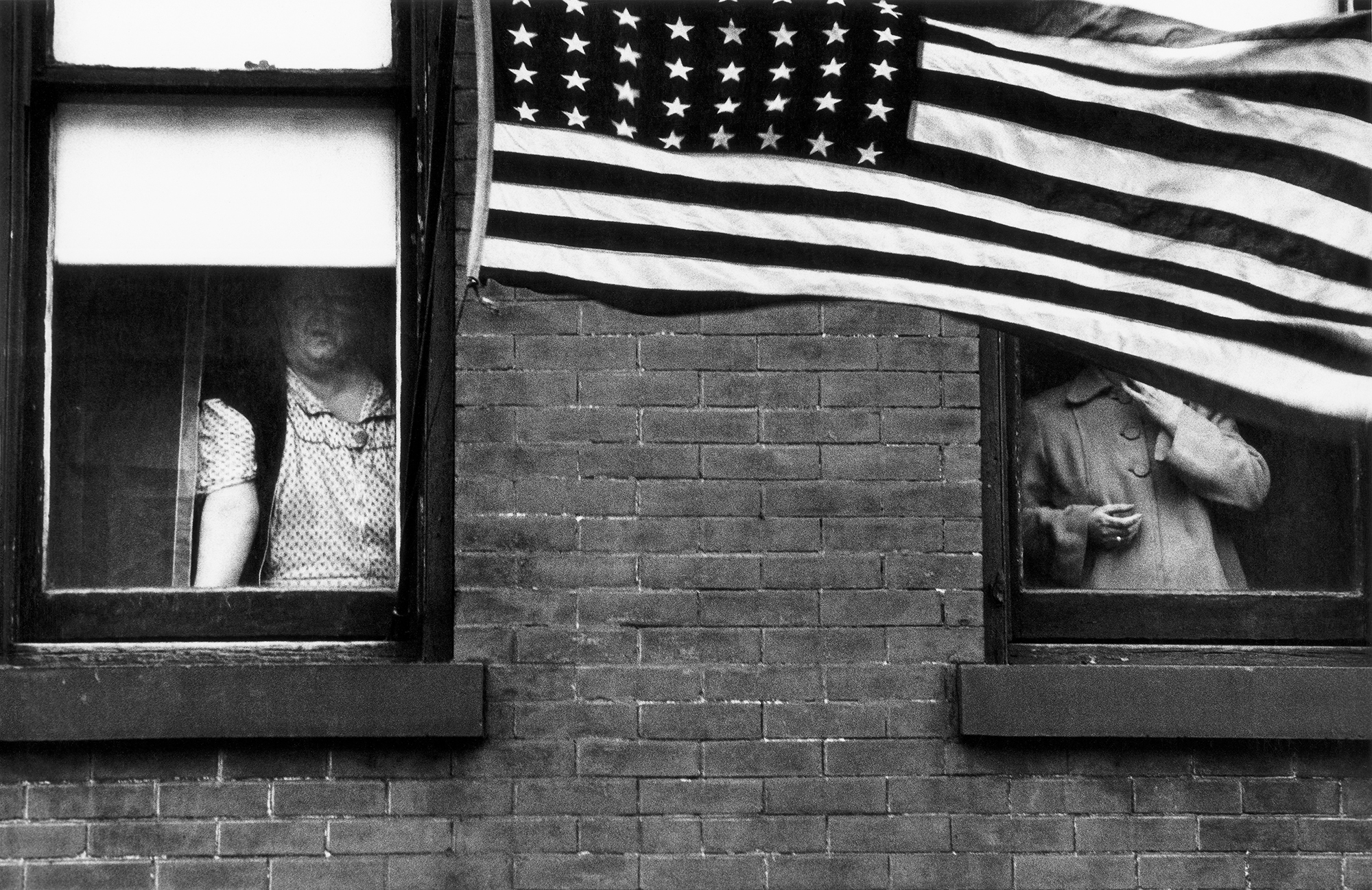
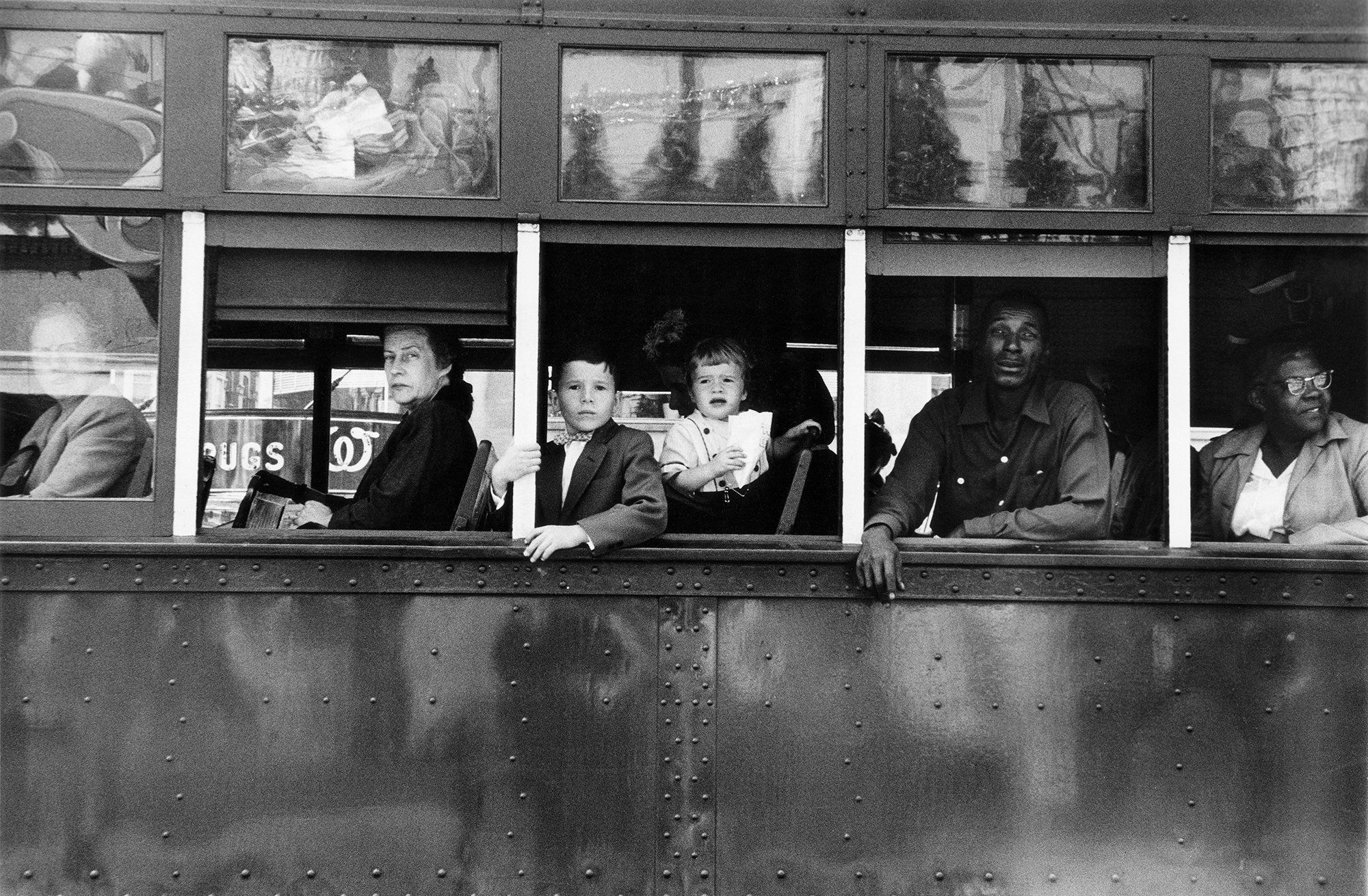
In the nearly seven decades since its publication in the 1950s, Robert Frank’s The Americans has become one of the most influential and enduring works of American photography. Through eighty-three photographs taken across the country, Frank unveiled an America that had gone previously unacknowledged—confronting its people with an underbelly of racial inequality, corruption, and injustice and the stark reality of the American dream. Frank’s point of view—at once startling and tenacious—is imbued with humanity and lyricism, painting a poignant and incomparable portrait of the nation at a turning point in history.
Courtesy the artist
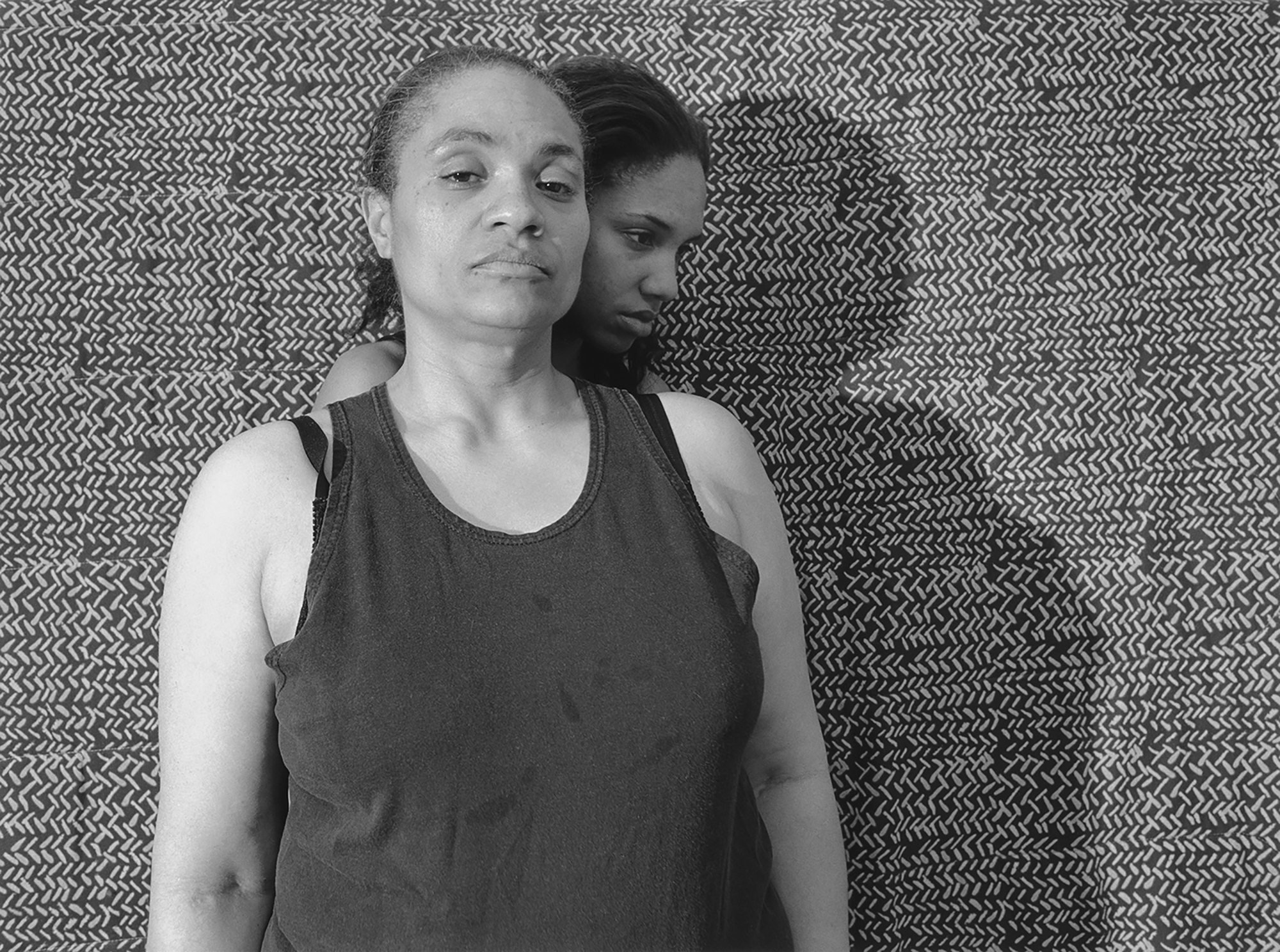
LaToya Ruby Frazier: The Notion of Family
LaToya Ruby Frazier’s award-winning first photobook, The Notion of Family, offers an incisive exploration of the legacies of racism and economic decline in America’s small towns, as embodied by her hometown of Braddock, Pennsylvania. Frazier examines the effects of that decline on the community, her own family, and the narratives of the region. Setting the story across three generations—her grandma Ruby, her mother, and herself—Frazier reinforces the idea of art and image-making as a transformative act, a means of resetting traditional power dynamics and narratives—both those of her family and of the community at large.
© the artist
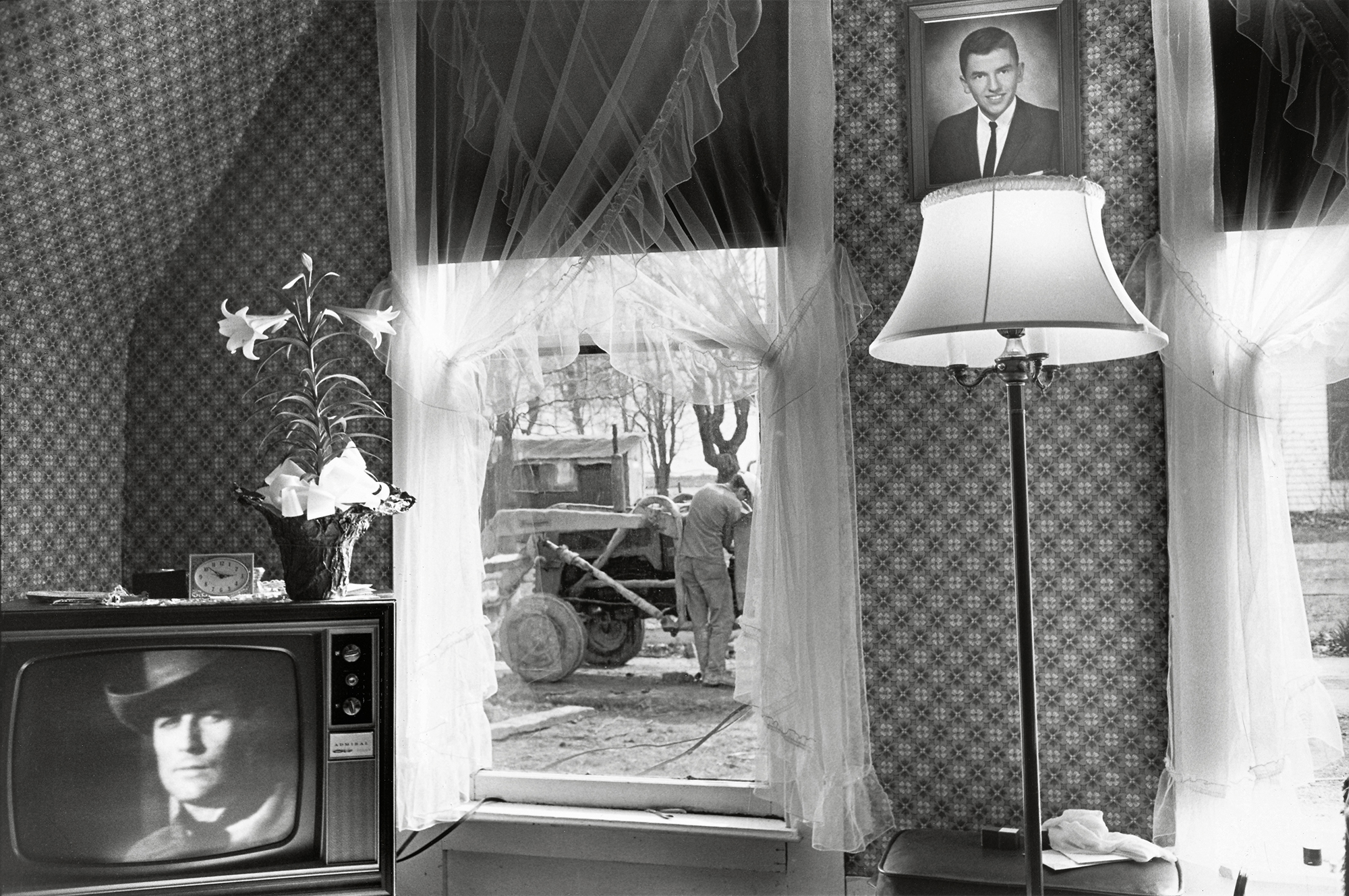
How does the United States seem at once so small and big, quiet and loud, phony and true? In Life Still, Lee Friedlander brings together rarely seen and unpublished images from the past sixty years alongside new work to stage a visual dialogue between past and present. Pulitzer Prize–winning writer Hua Hsu observes how these stubborn paradoxes of the American consciousness—the irony, humor, and self-conflict—remain as vivid today as they always have been. By seeing contradictions in the commonplace, Friedlander presents us with a book of enduring riddles about American culture.
Courtesy the artist
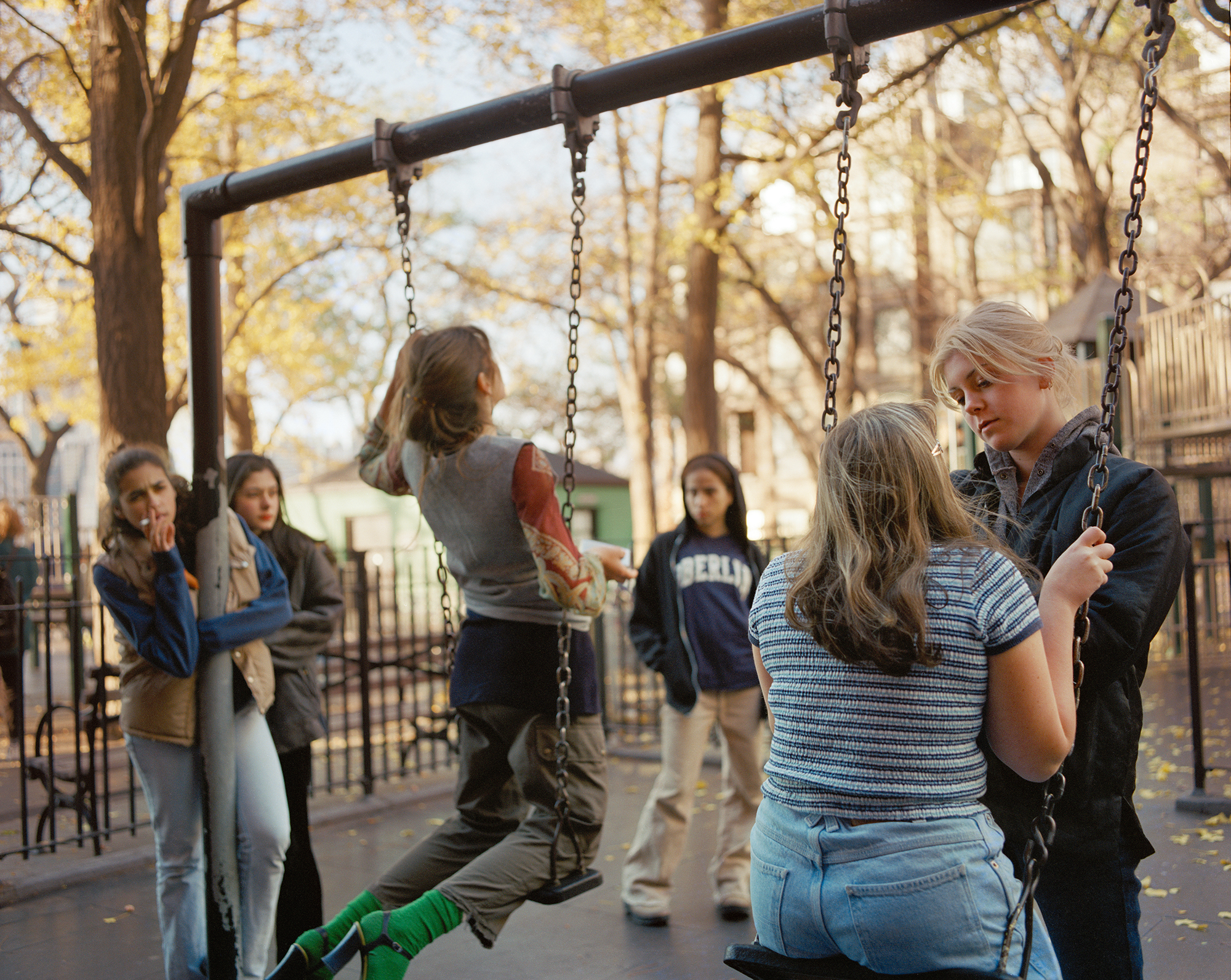
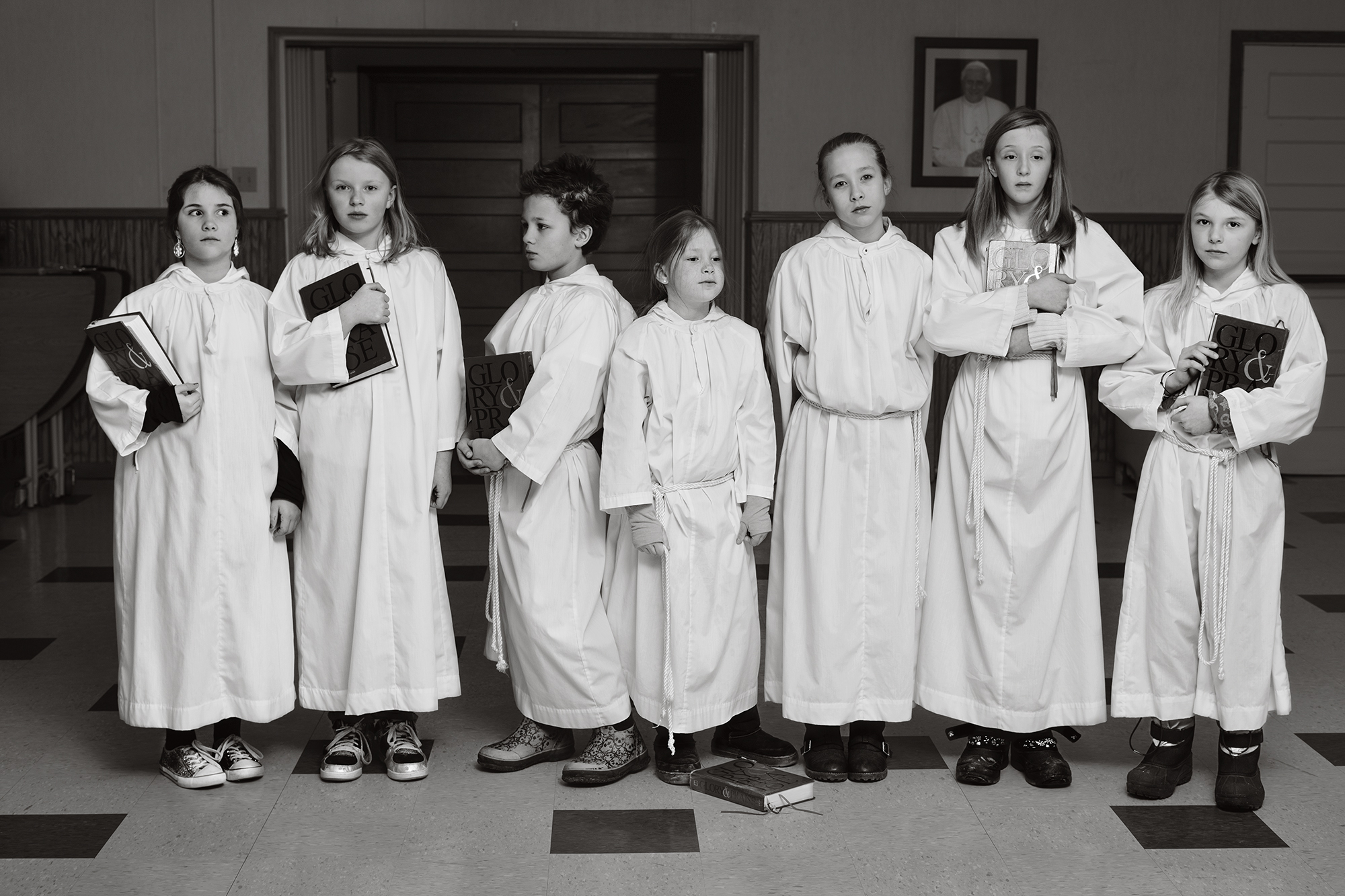
Justine Kurland: Girl Pictures
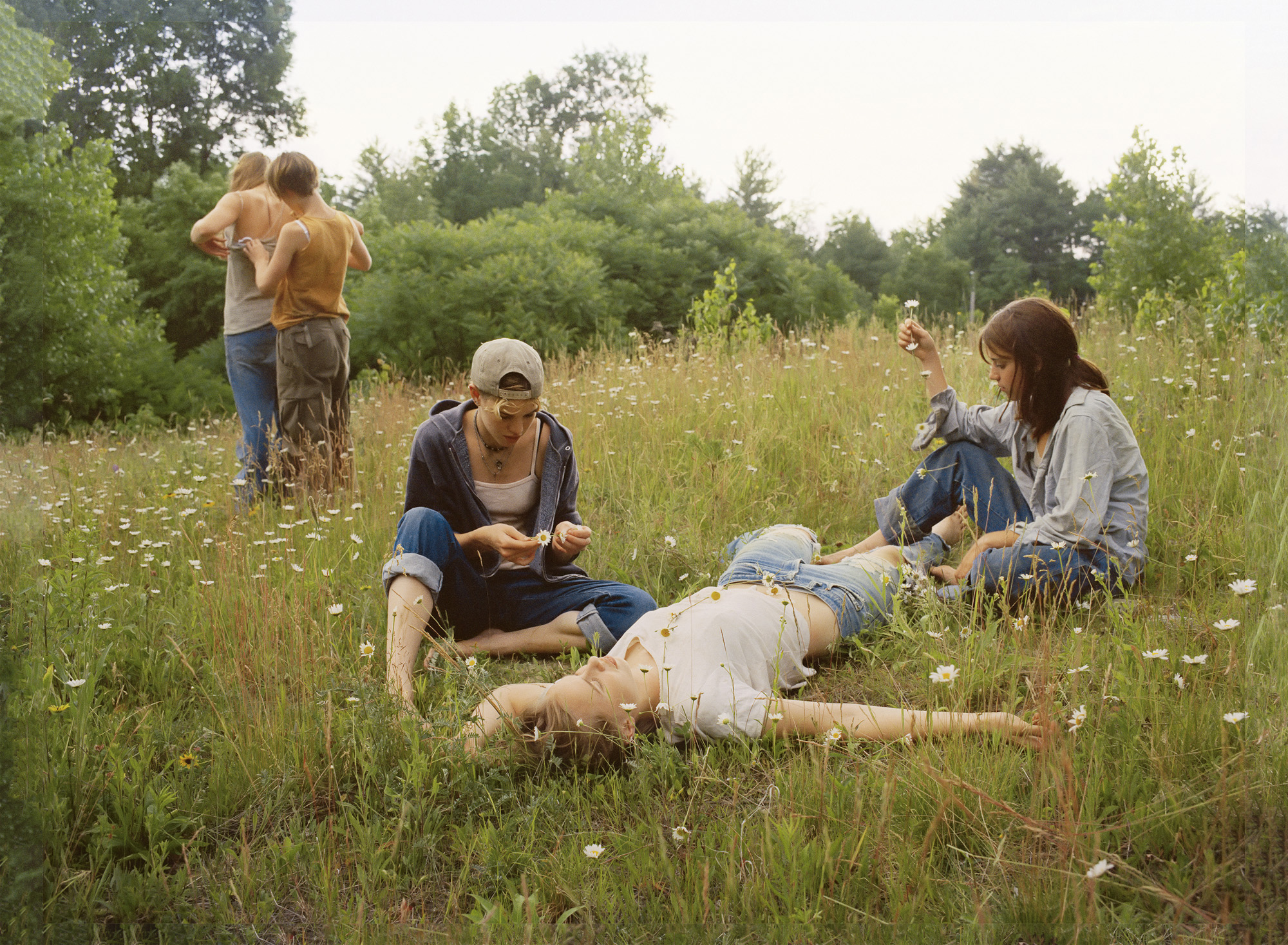
The North American frontier is an enduring symbol of romance, rebellion, escape, and freedom. At the same time, it’s a profoundly masculine myth: cowboys, outlaws, Beat poets. Photographer Justine Kurland, known for her idyllic images of American landscapes and their fringe communities, sought to reclaim this space with her now iconic series Girl Pictures. Made between 1997 and 2002, Kurland’s photographs stage scenes of teenage girls as imagined runaways, offering a radical vision of community and feminism.
Courtesy the artist
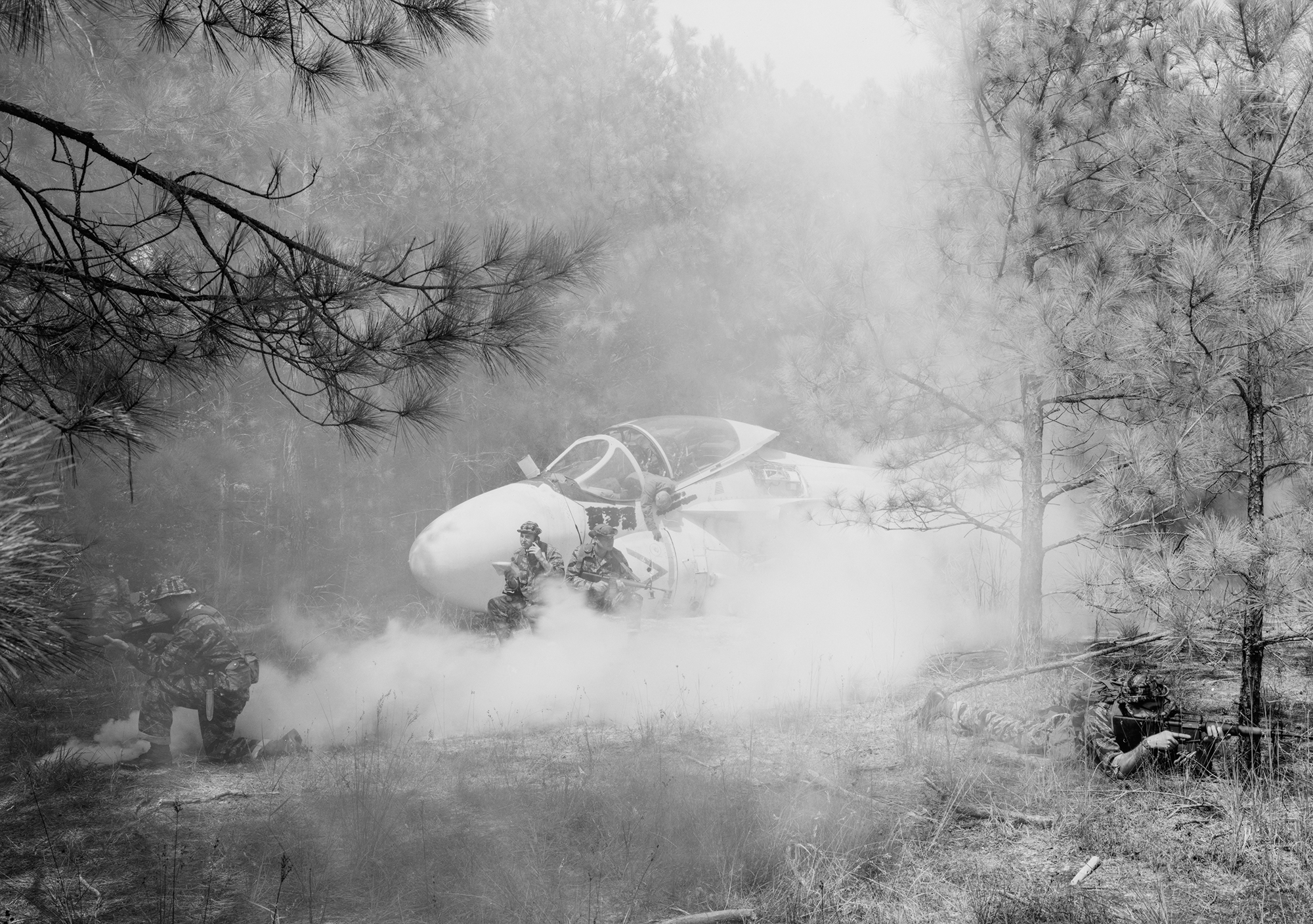
Throughout her career, An-My Lê has used photography to examine her personal history and the legacies of US military power, probing the tension between experience and storytelling. First published by Aperture in 2005, this reissue brings together three of Lê’s interconnected series—Viêt Nam, Small Wars, and 29 Palms—alongside a new afterword by Ocean Vuong. Taken together, this trilogy presents a complexly layered exploration of the issues surrounding landscape, memory, and the representation of violence and war.
Courtesy the artist and Edwynn Houk Gallery
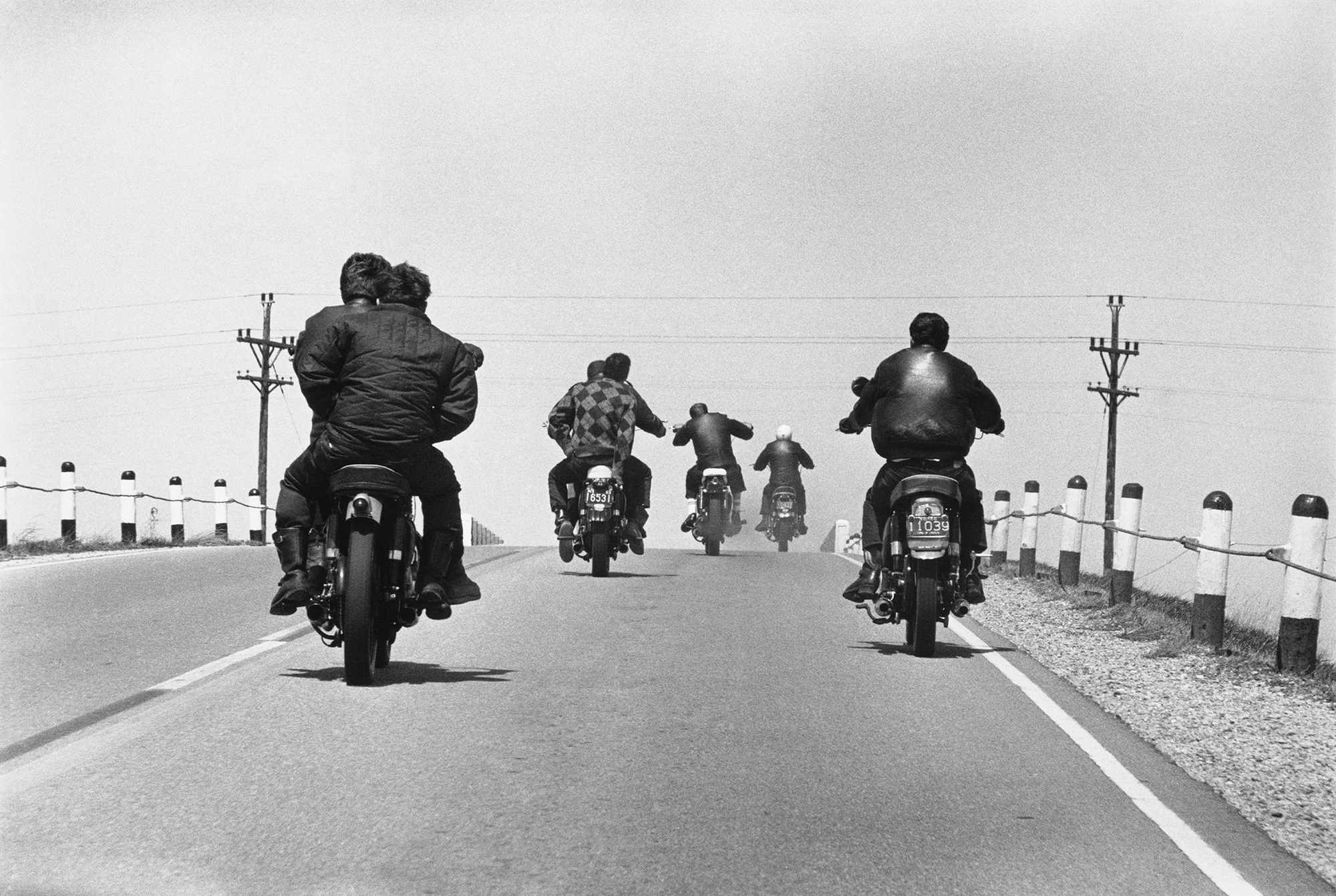
Danny Lyon’s riveting book about a Chicago motorcycle club is one of the definitive accounts of American counterculture. First published in 1968, The Bikeriders offers an immersive look into the Chicago Outlaws Motorcycle Club, bringing together photographs and transcribed interviews by Lyon from 1963 to 1967. The volume was also the inspiration for the 2024 film of the same name starring Austin Butler, Jodie Comer, and Tom Hardy.
Courtesy the artist
Kimowan Metchewais: A Kind of Prayer
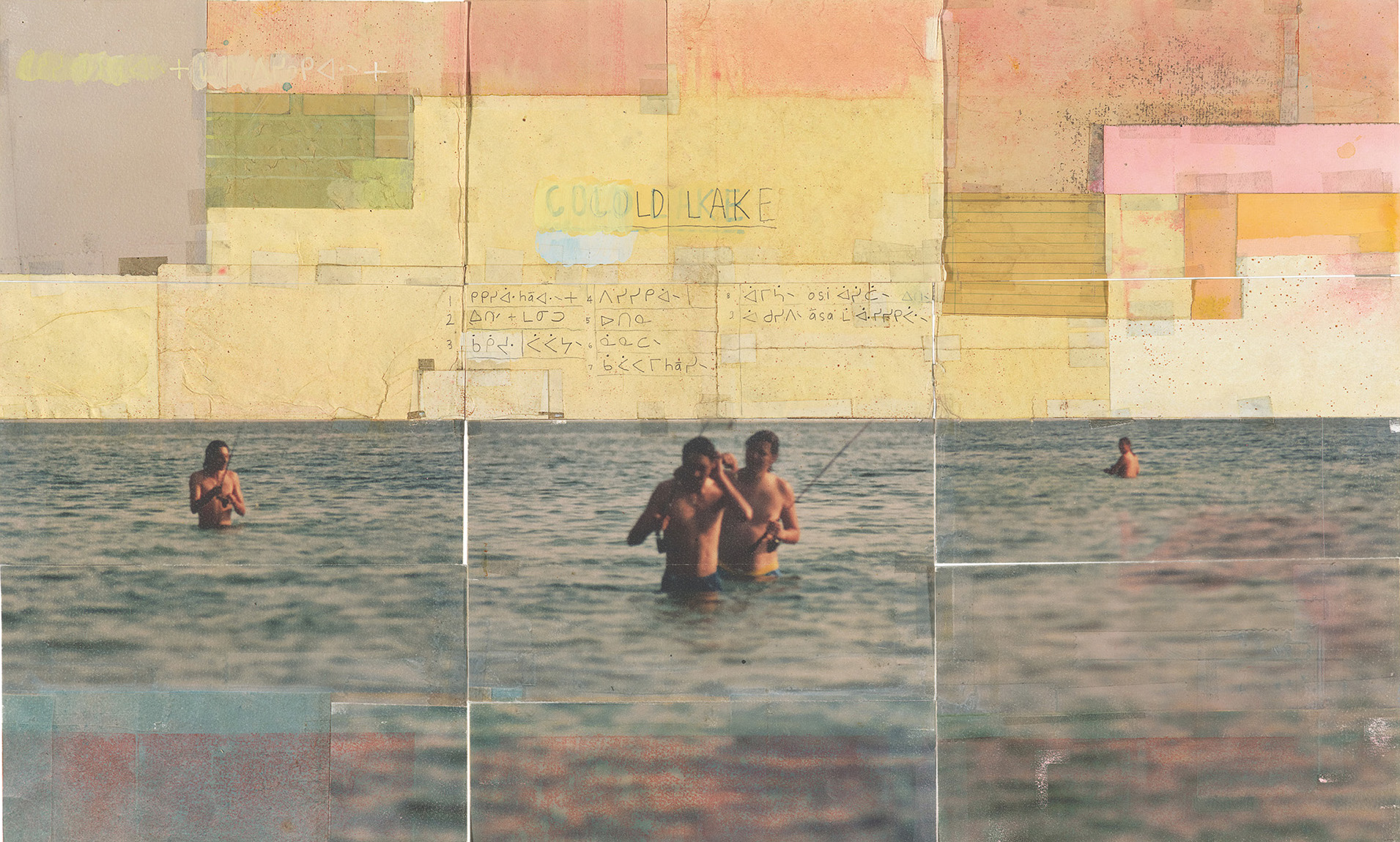
A Kind of Prayer is the first-ever survey dedicated to Kimowan Metchewais, the late Cree artist who has been an inspiration to generations of photographers, including Wendy Red Star. Metchewais’s exquisitely layered works explore Indigenous identity, community, and colonial memory. After his untimely death at the age of forty-seven in 2011, Metchewais left behind an expansive body of photographic and mixed-media work—selections from which are currently on view in the 2026 Whitney Biennial—including an extensive polaroid archive that addresses a range of themes, such as self-portraiture, the body, language, and landscapes. This book showcases an essential artistic vision and perspective on Native life in North America.
© the artist and courtesy Howard Greenberg Gallery
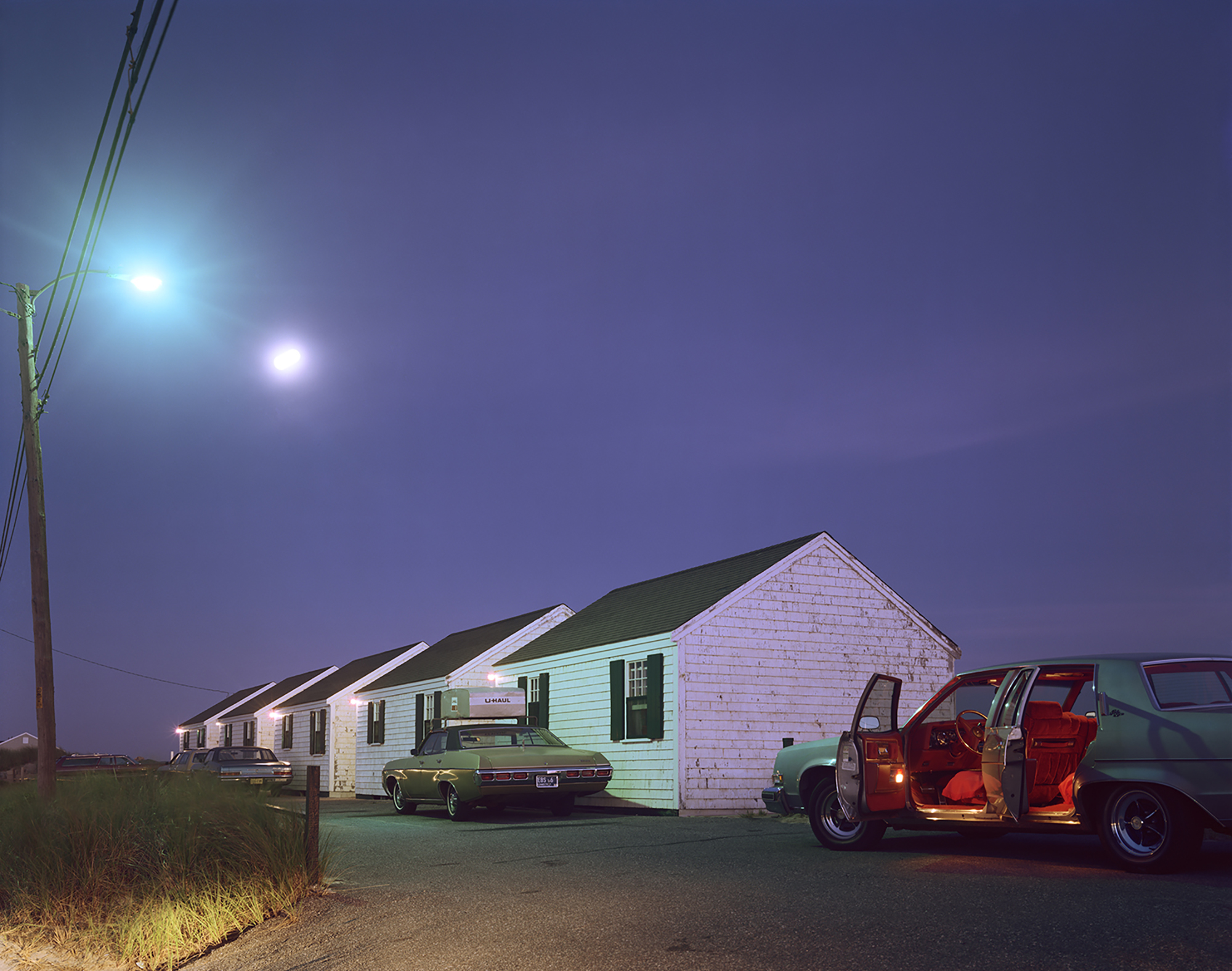
Cape Light, Joel Meyerowitz’s series of serene and contemplative color photographs taken on Cape Cod, Massachusetts, quickly became a timeless classic after its publication in 1978. In it, everyday scenes—an approaching storm, a local grocery store at dusk, the view through a bedroom window—are transformed by the stunning light of Cape Cod and the luminous vision of the photographer. Meyerowitz is a contemporary master of color photography, and through his eyes small-town life on the cape is imbued with a powerful and captivating beauty.
Courtesy the artist
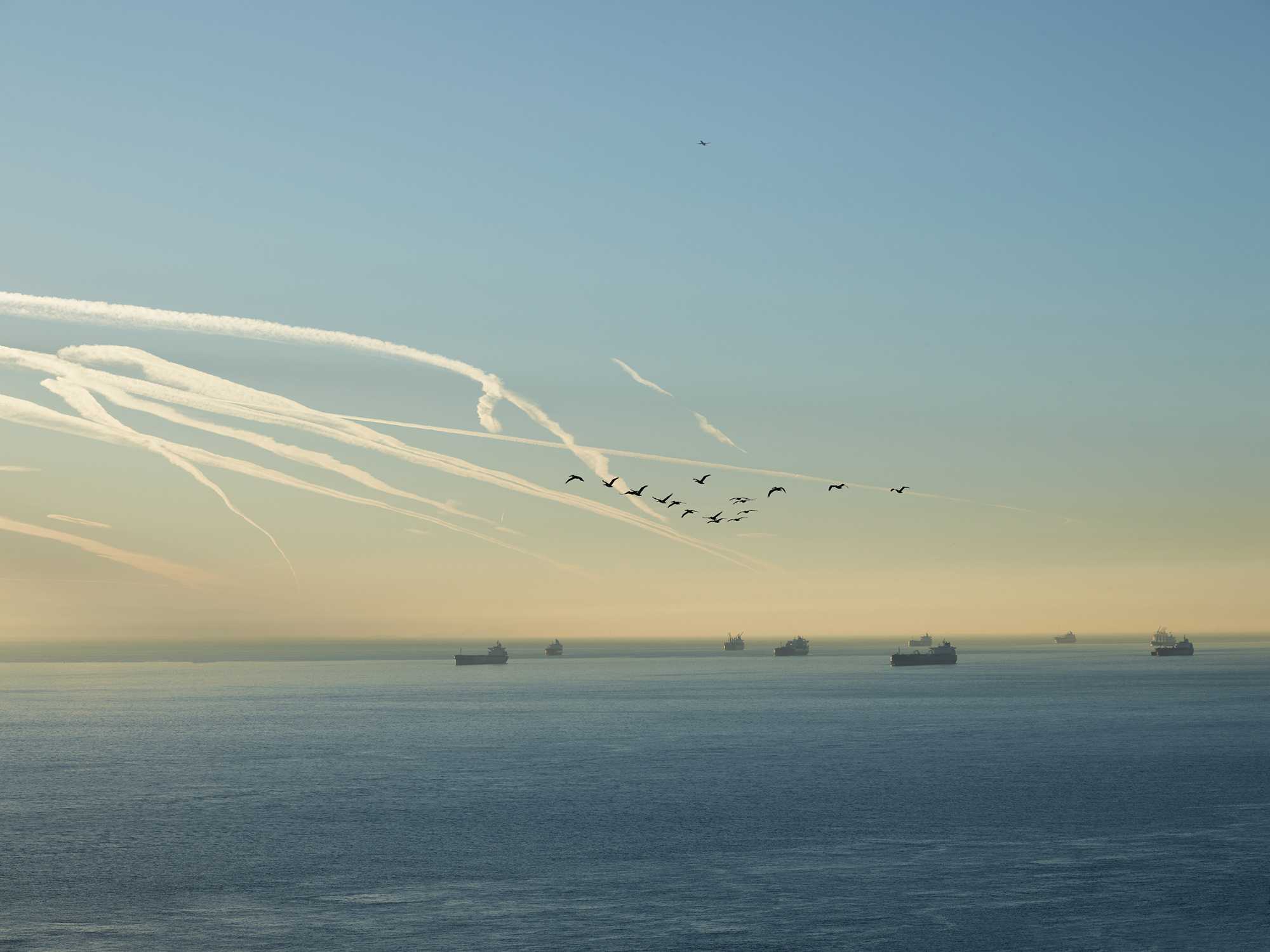
Eerie, sparse, and undeniably beautiful, Richard Misrach’s images offer a timely meditation on the profound impact of global trade on the environment. In 2021, in the middle of the COVID-19 pandemic, which, at its height, seemed to nearly halt the networks of international trade, Misrach began taking thousands of photographs of cargo ships as they traveled to and from the Port of Oakland, California. Cargo presents the acclaimed photographer’s sublime meditation on the often unseen patterns of global trade and commerce.
Courtesy the artist
Philip Montgomery: American Mirror
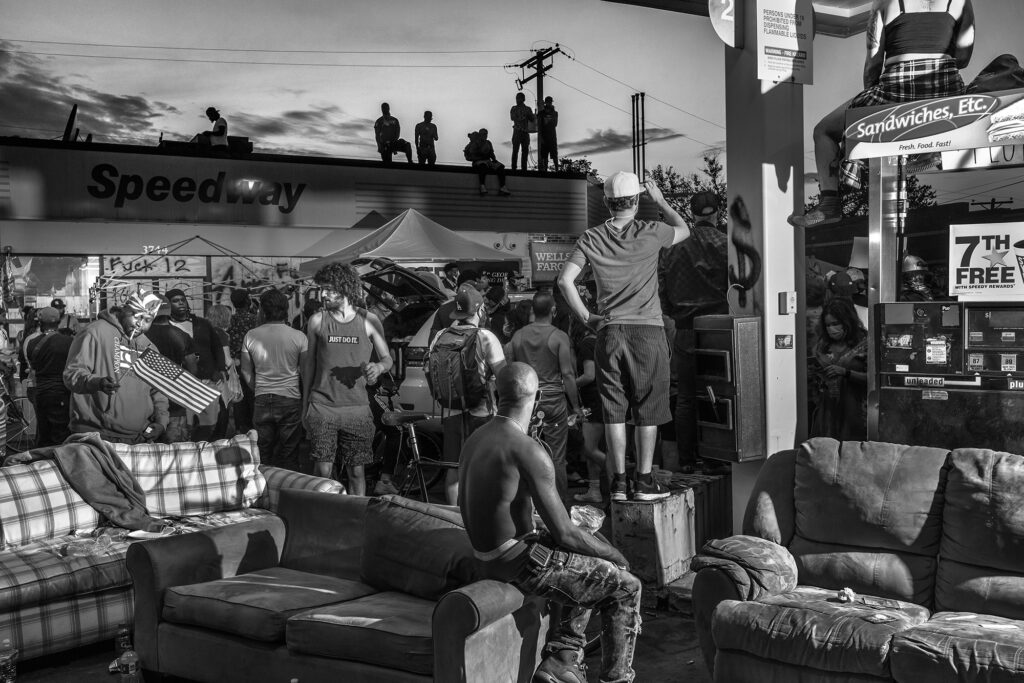
Philip Montgomery’s American Mirror is a bracing chronicle of the United States at a time of profound change. Montgomery’s work covers the opioid epidemic, COVID-19 in New York, the once-in-a-generation storms that arrive with alarming frequency, demonstrations in support of Black lives, and leading figures of a defining era—including Donald Trump, Hillary Clinton, Barack Obama, and Joe Biden. Yet in his unflinching images, we also see moments of grace and sacrifice, glimmers of solidarity, and tireless advocates for democracy. Like Dorothea Lange and Walker Evans before him, Montgomery has made an unforgettable testament to a nation at a crossroads.
Courtesy the artist
Picturing America’s National Parks
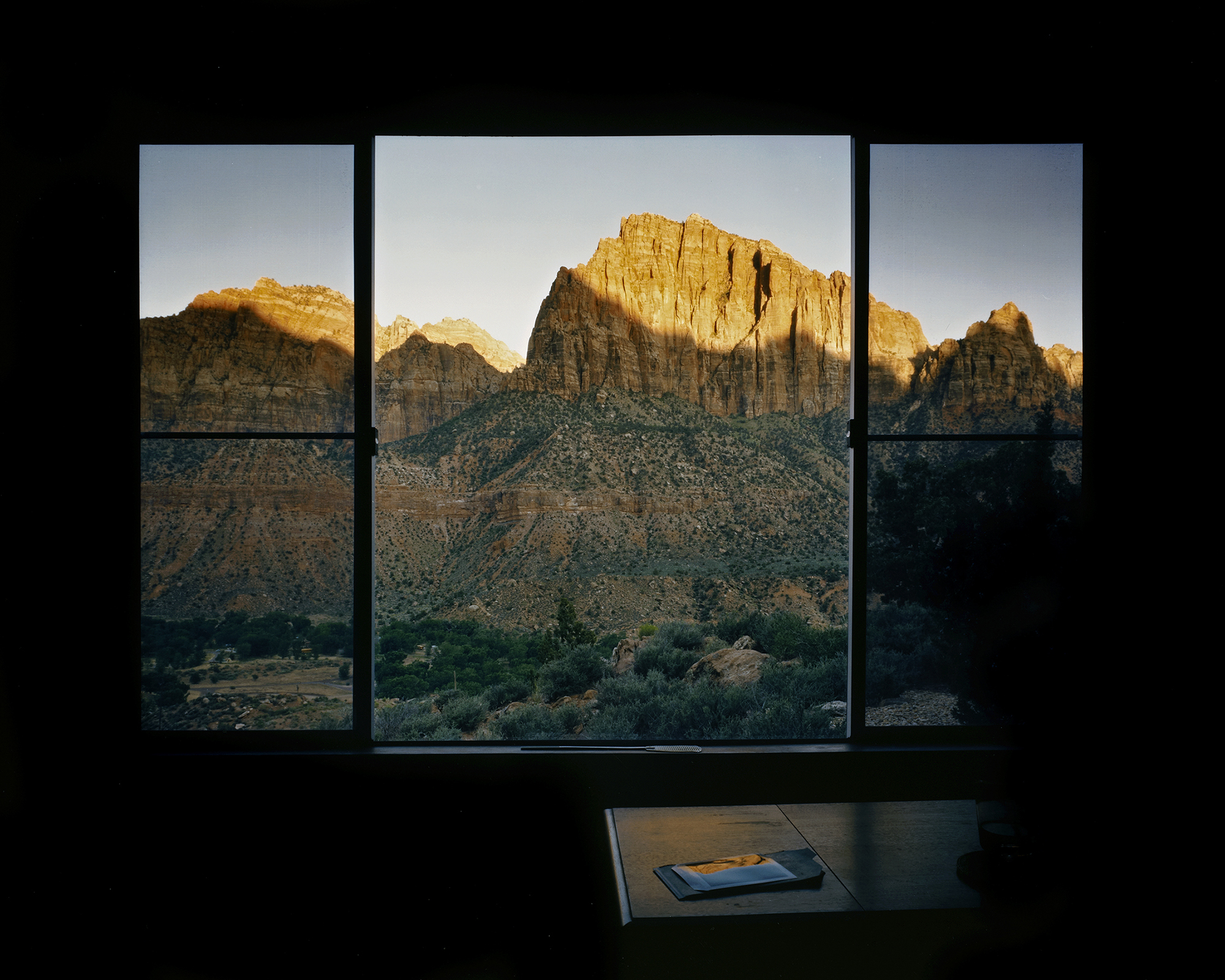
Photography has played an integral role in both the formation of the United States’ National Parks and in the depiction of the country itself. Picturing America’s National Parks traces the symbiotic relationship that the parks and photography have developed over 150 years. From Ansel Adams’s iconic photographs of Yosemite Valley in the 1930s and ’40s to David Benjamin Sherry’s hypersaturated queering of the American West, the volume examines how photography has shaped the parks throughout their history and helped ensure their survival.

Courtesy the artist
Kristine Potter’s brooding photographs reflect on the Southern Gothic landscape of the American South, as evoked in the popular imagination of “murder ballads” from the nineteenth and twentieth centuries. Potter’s seductive, richly detailed black-and-white images channel the setting and characters of these songs, capturing the landscape and creating evocative portraits that stand in for the oft-unnamed women at the center of the stories.
© The Gordon Parks Foundation
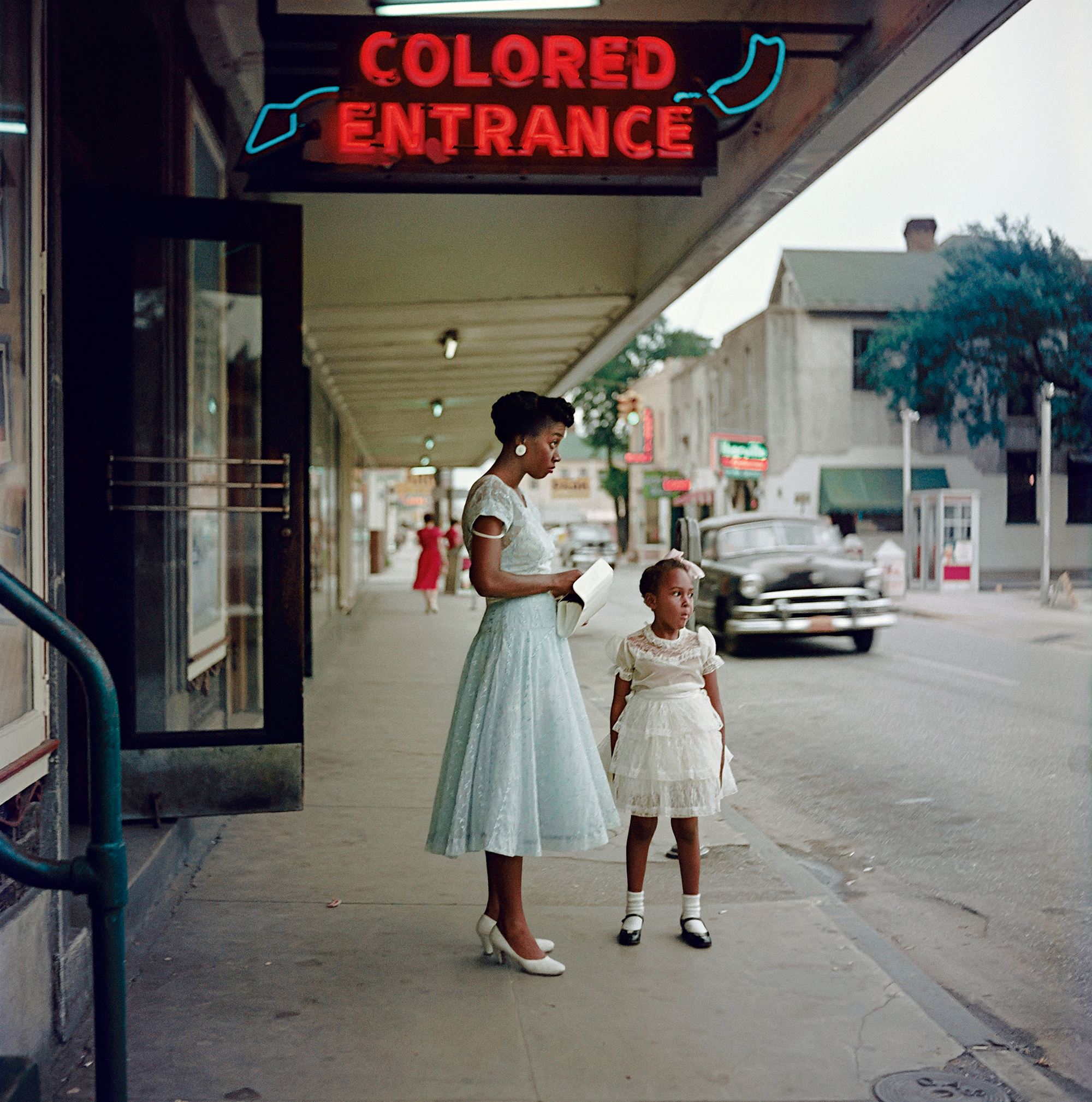
Race Stories brings together a collection of award-winning short essays for The New York Times by the late cultural historian Maurice Berger that explore the intersections of photography, race, and visual culture. Edited by Marvin Heiferman, Race Stories features 71 essays paired with 189 photographs examining the transformational role photography plays in shaping ideas and attitudes about race and how photographic images have been instrumental in both perpetuating and combating racial stereotypes.
Courtesy the artist
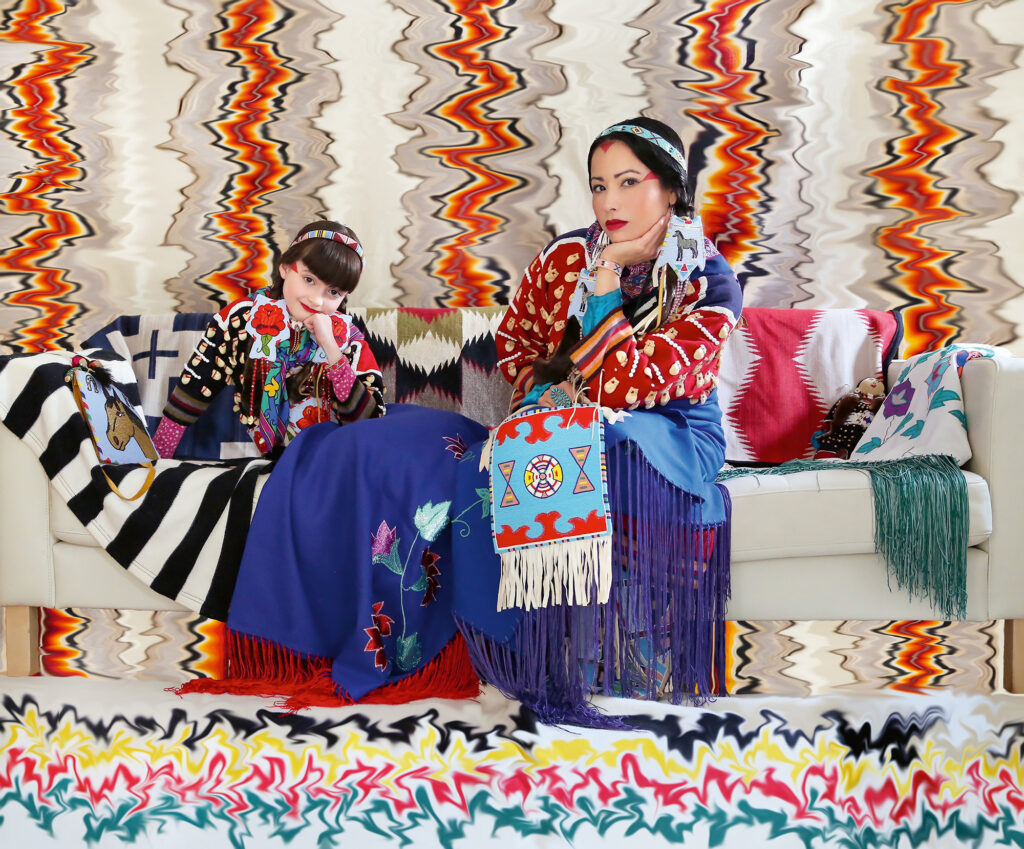
In her dynamic photographs, Wendy Red Star recasts historical narratives with wit, candor, and a feminist, Indigenous perspective. Delegation is the first comprehensive monograph by Red Star, centering Native American life and material culture through the artist’s imaginative self-portraiture, vivid collages, archival interventions, and site-specific installations. Whether referencing nineteenth-century Crow leaders or 1980s pulp fiction, museum collections or family pictures, she constantly questions the role of the photographer in shaping Indigenous representation.
© and courtesy the Estate of Martin Hurwitz
Sophie Rivera: Double Exposures
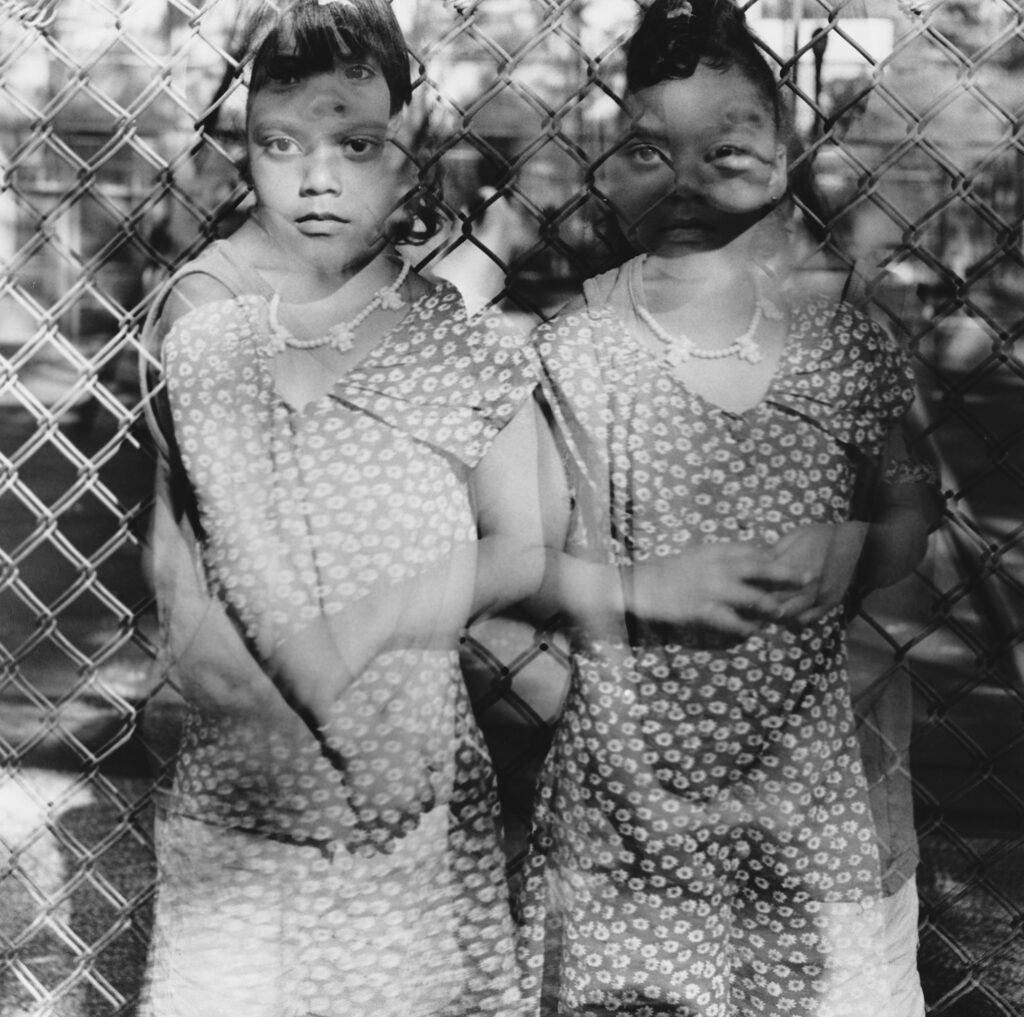
Double Exposures is the first bilingual monograph dedicated to Sophie Rivera, a trailblazing artist at the center of feminist engagement and contemporary photography in the US. Renowned for her portraits of everyday Puerto Ricans taken in her home studio in Upper Manhattan, Rivera began her career in the 1970s, becoming part of a coalition of artists who sought to counter negative depictions of Latinos in US popular culture. These portraits, as well as her street photographs, abstract cityscapes, and experimental self-portraits—on view at El Museo del Barrio in New York through August 2026—bolstered Rivera’s standing as a leading artist who engaged with feminist and political consciousness throughout her life and work.
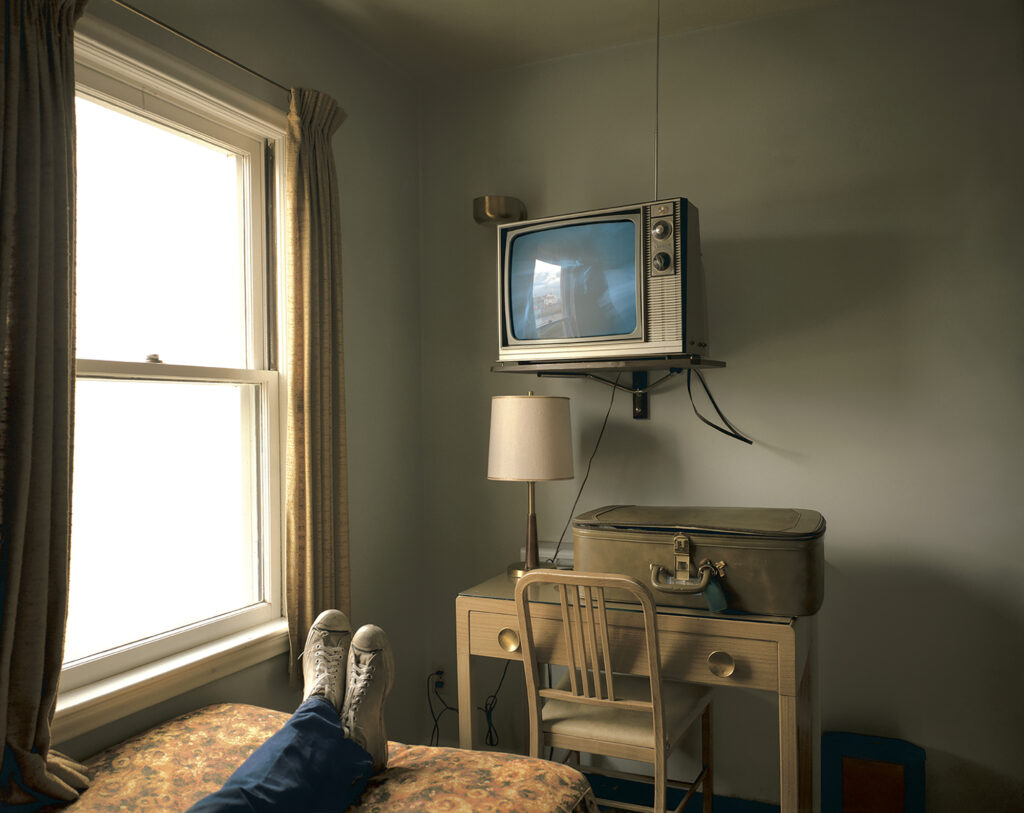
Courtesy the artist
Stephen Shore: Uncommon Places
Stephen Shore’s photographs of the American vernacular landscape have influenced not only generations of photographers but the medium at large. Like Robert Frank and Walker Evans before him, Shore discovered his unarticulated vision of America via the highway and camera. In 1982, Aperture published Shore’s first monograph, the now legendary Uncommon Places. Since then, this formative work has continued to be expanded on and reissued, including in The Complete Works (2015) and Selected Works, 1973–1981 (2017), which features previously unseen images from the series.
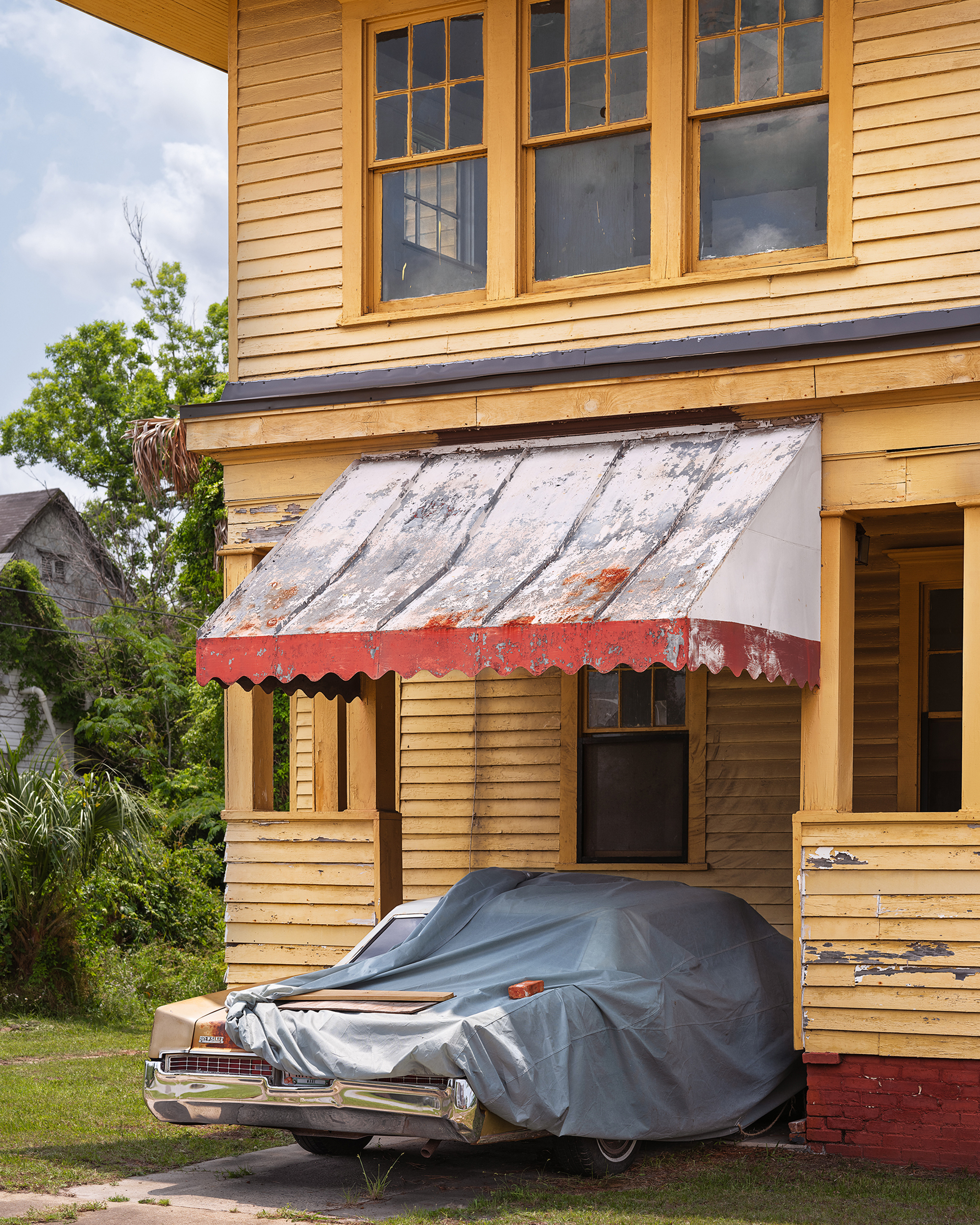
Courtesy the artist
Anastasia Samoylova: Atlantic Coast
Anastasia Samoylova puts her distinctive mark on the American road trip in Atlantic Coast, adding a new chapter to a storied lineage of photographers. Inspired by Berenice Abbott’s acute and poetic observations on life along Route 1 in 1954, Samoylova retraces Abbott’s trip seventy years later. In color and black and white, Samoylova’s photographs explore the enduring impact of Route 1 as a corridor of commerce, migration, and myth, revealing how the American landscape continues to be shaped by infrastructure, ideology, and illusion.
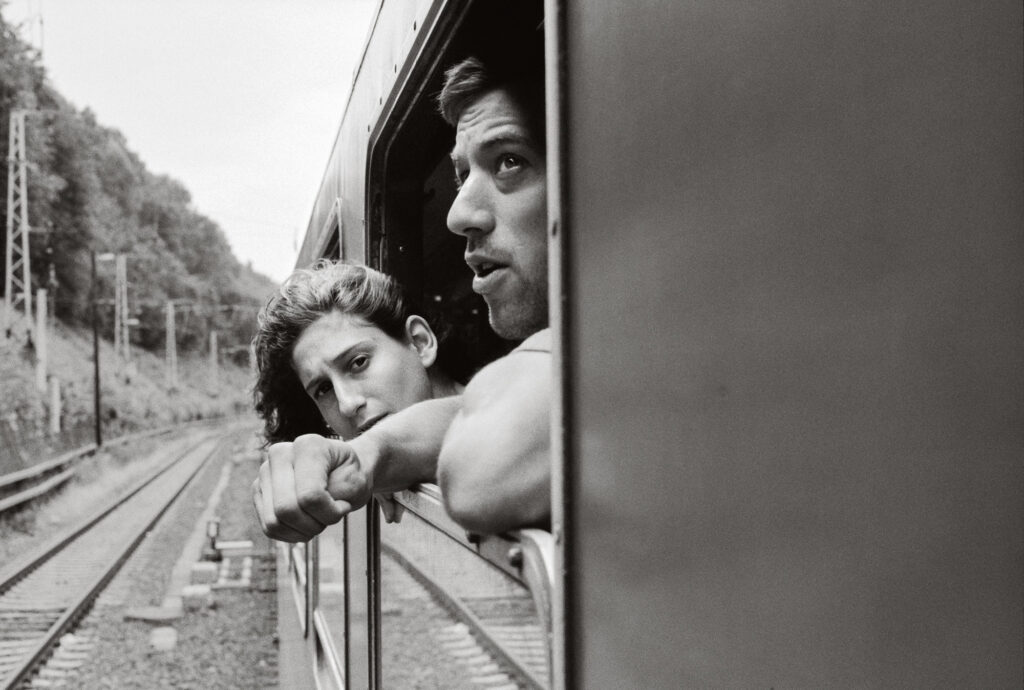
Courtesy the artist
In Wires Crossed, Ed Templeton offers an insider’s look at the skateboarding community as it gained increasing cultural currency in the 1990s and beyond. Part memoir, part document of the DIY, punk-infused community of skateboarding, the book reflects on a subculture in the making and the unique aesthetic stamp that sprang from the skate world Templeton helped create. “This book is a culmination of literally my first idea as a photographer,” Templeton notes, “which was to document this culture that I’m part of.”