PhotoBook Awards
A Look Inside the 2026 PhotoBook Awards Shortlist
These 35 photobooks highlight excellence in publishing across a wide range of topics and photographic styles.
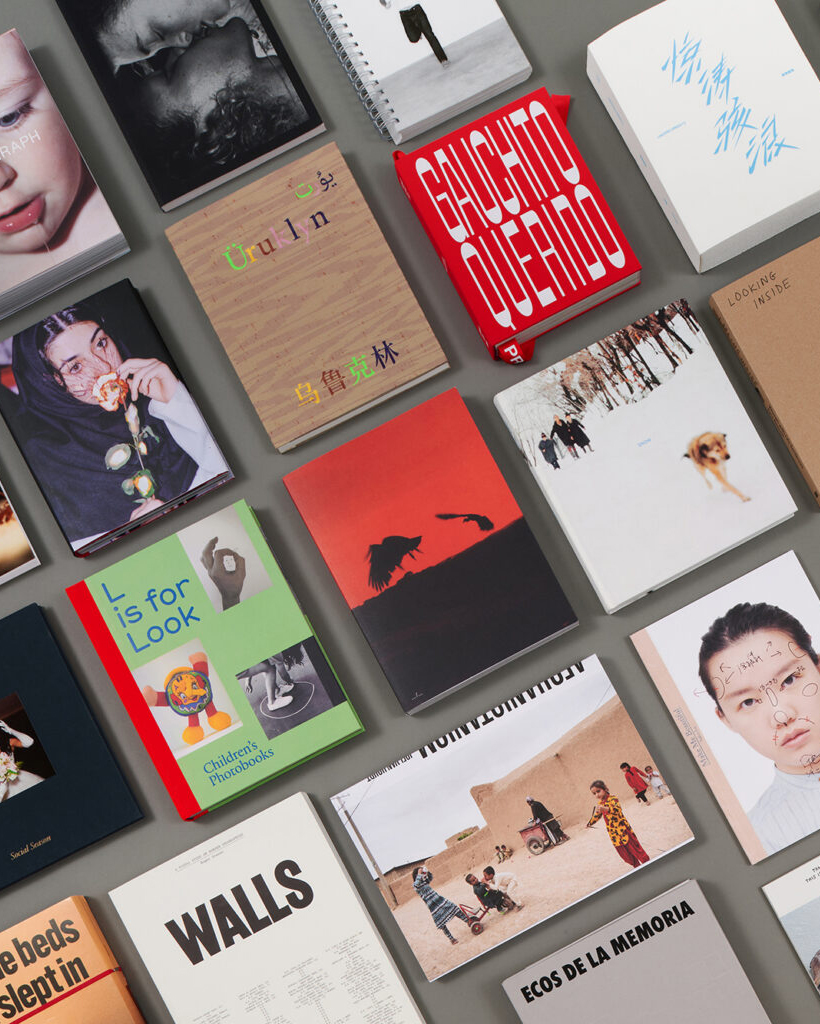
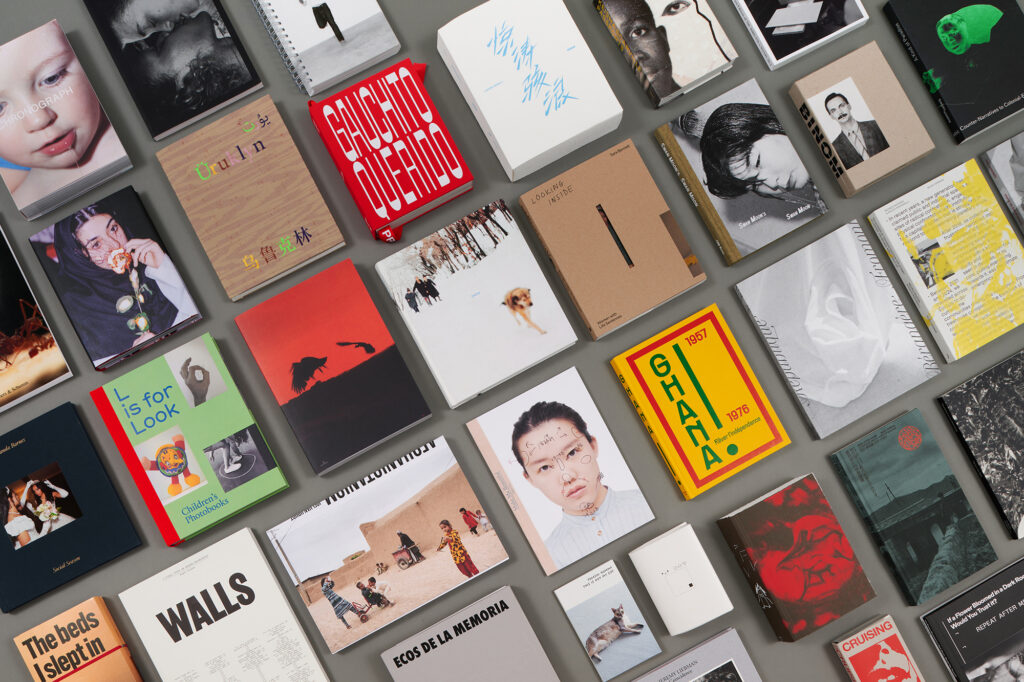
This year, Aperture received a record number of books from fifty-six countries around the world for the Paris Photo–Aperture PhotoBook Awards, an annual celebration of the vibrant field of photobook publishing. Now in its fourteenth year, the awards recognize excellence in three major categories of photobook publishing: First PhotoBook, PhotoBook of the Year, and Photography Catalog of the Year.
In September, the shortlist jury met in New York for three concentrated days of review and deliberation by an international team which included Alejandro Cartagena, artist; Alexandra Cunningham Cameron, director of design, Judd Foundation; Michael Famighetti, editor in chief, Aperture; Anna Planas, artistic director, Paris Photo; and Anshika Varma, curator and founder, Offset Projects.
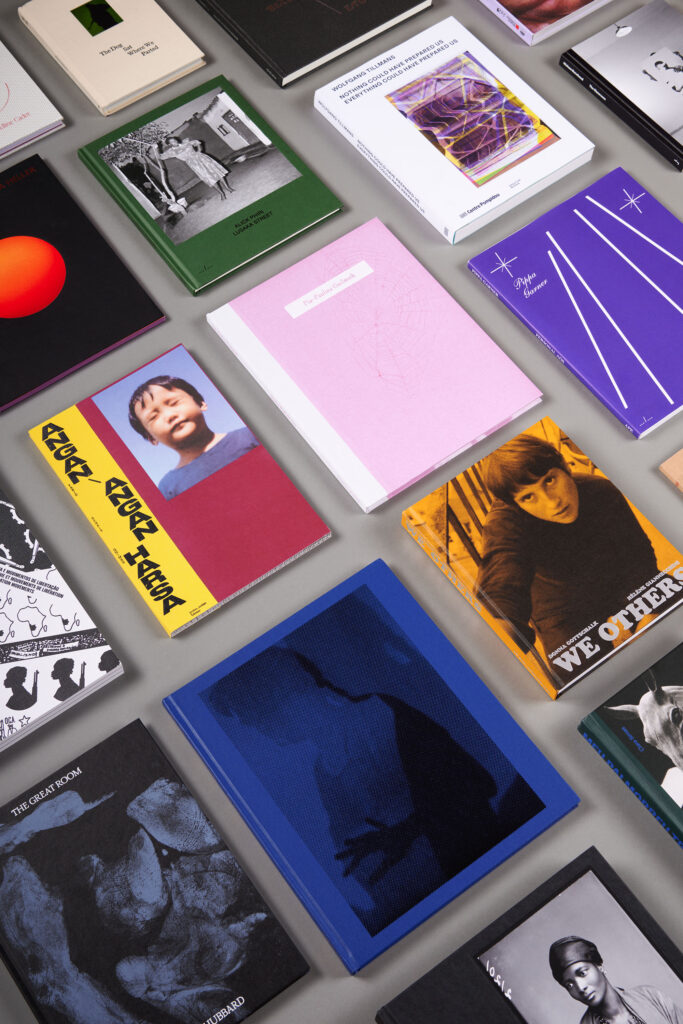
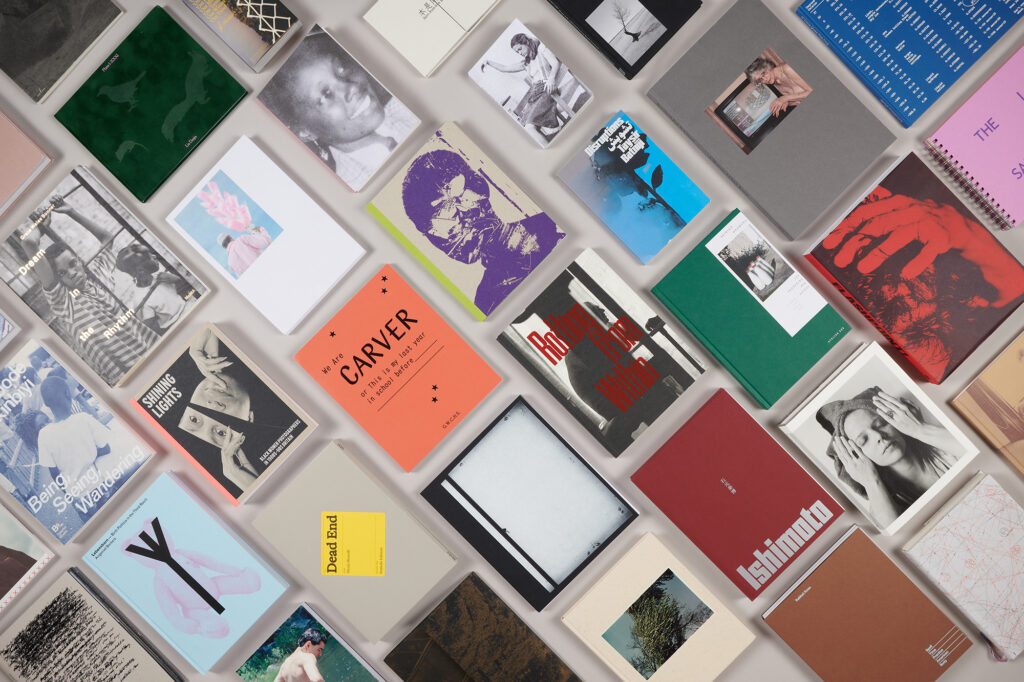
The shortlisted books will be exhibited at Paris Photo, open to the public from November 12 through November 15, followed by an international tour, including in Dublin at PhotoIreland, in December 2026, and other venues to be announced. Below is a look inside the thirty-five selected titles for the 2026 PhotoBook Awards shortlist. Stay tuned for the announcement of the winners, which will take place on Friday, November 13, at 3 p.m. (CET) at the Balcon de l’Horloge at the Grand Palais.
First PhotoBook
Courtesy the artist
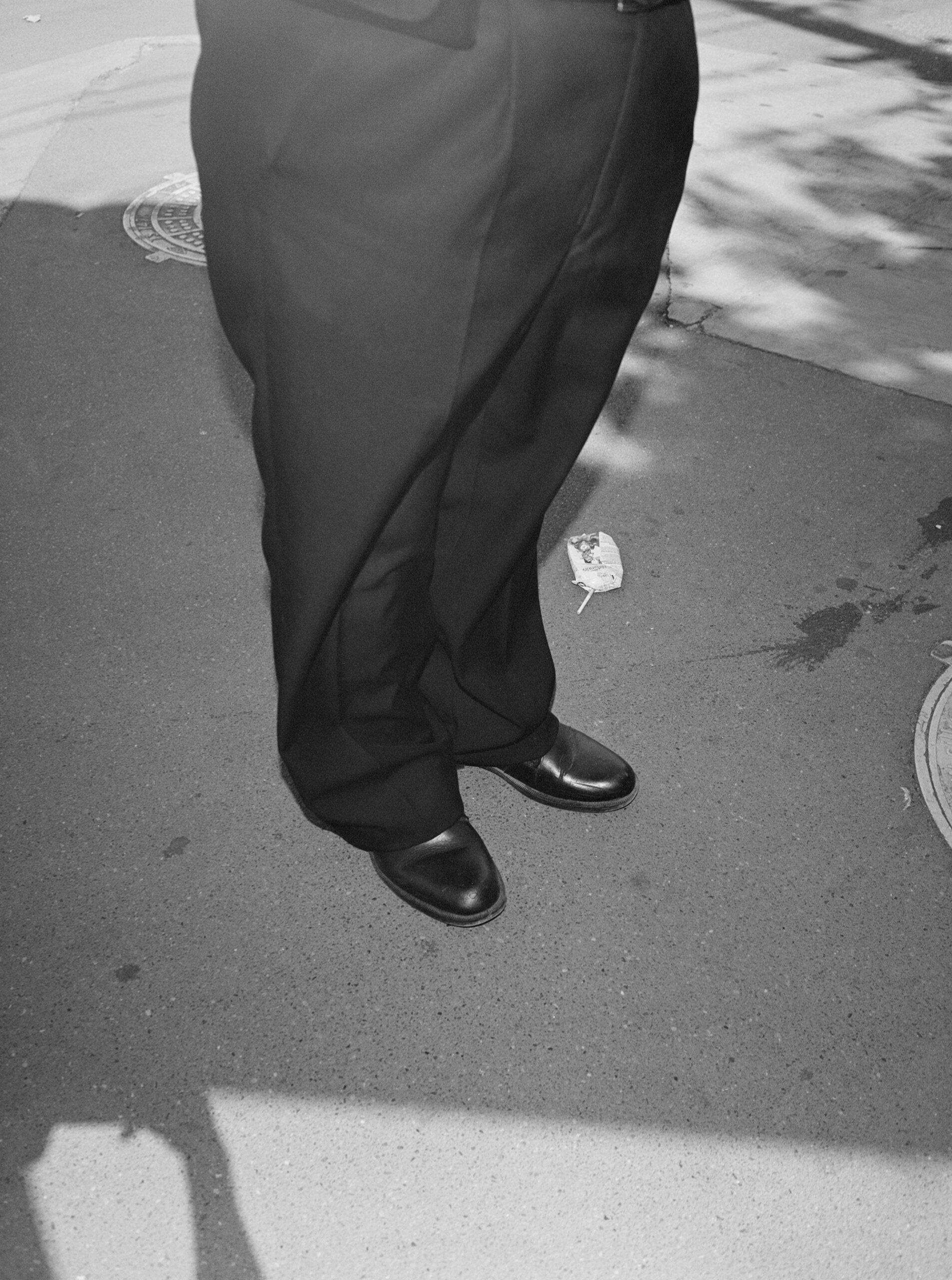
Pants on Top of Shoes by Ivan Anisimov
Kult Books, Stockholm. Design by Janne Riikonen
This book does exactly what its title promises: After moving to Tbilisi from his native Russia, Ivan Anisimov began photographing the feet of local passersby, struck by how their untailored trousers draped over their shoes. Focusing on bunched-up fabric and scuffed leather became a way for Anisimov to negotiate his sense of belonging in a new country governed by its own visual codes. Printed in black and white on uncoated paper, Pants on Top of Shoes has a quick, handheld quality that feels apt for photographs made in motion—what at first feels like a whimsical typology of trousers and shoes gradually becomes an inquiry into difference, sameness, and the politics of looking.
Courtesy the artist
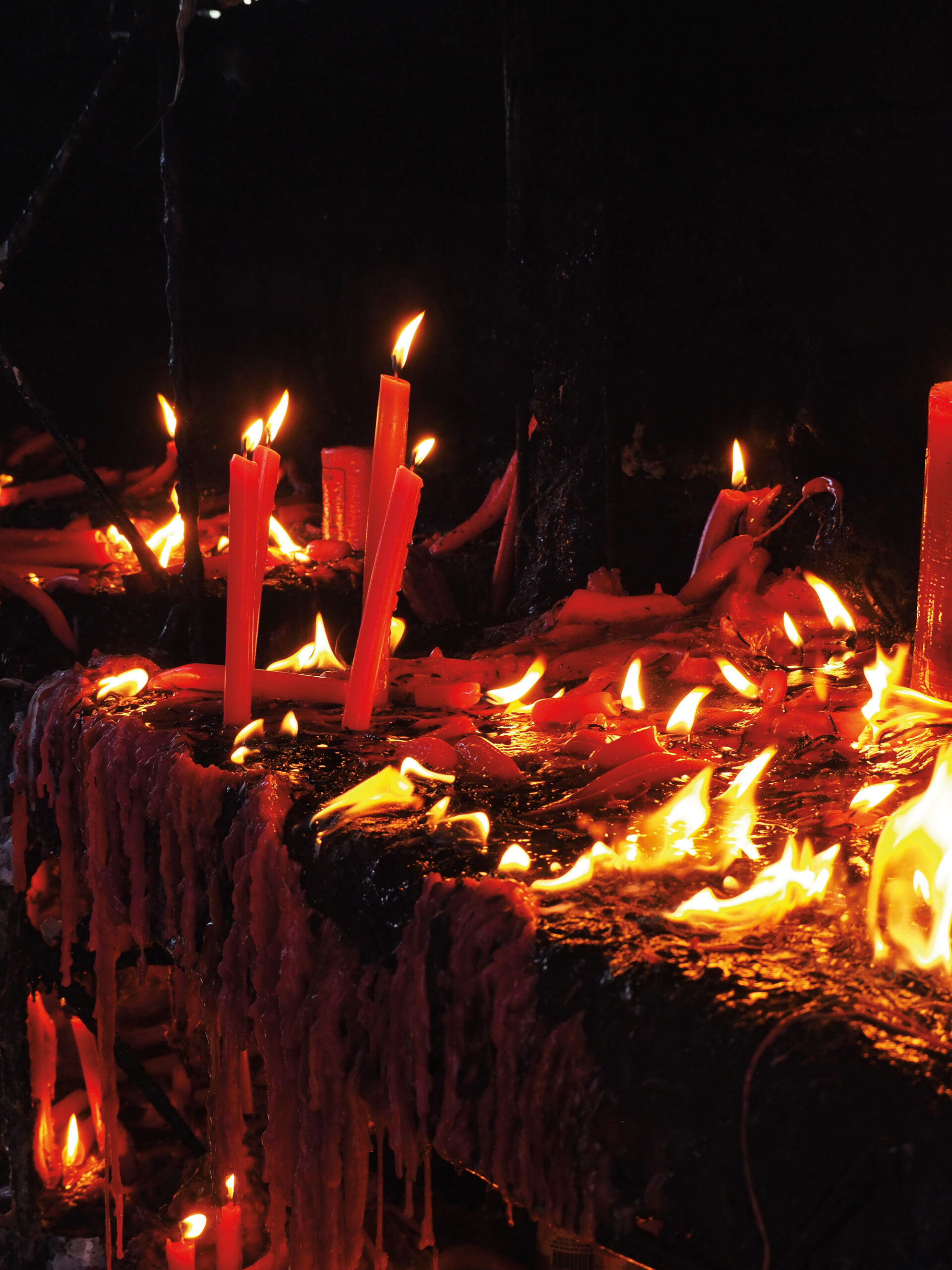
Gauchito Querido by Amparo Baquerizas
Editorial RM, México and Barcelona. Design by Amparo Baquerizas
Where is Gauchito Gil? This question lodged itself in Amparo Baquerizas’s mind following his return to Argentina after over a decade away. In his book Gauchito Querido, he boldly and playfully reconstructs a pilgrimage to Mercedes, Corrientes, the purported birthplace of the Argentine folk-saint Antonio Mamerto Gil Núñez, lovingly nicknamed “Gauchito,” or little Gaucho. Honing in on the color red, a staple of the saint’s garb, Gauchito Querido reconfigures the genre of the photo-road-trip using screenshots from Google Street View, testimonies from the followers of Gauchito, and scans of devotional paraphernalia encountered at the various altars and shrines the artist found on his journey. Baquerizas thoughtfully makes sure the reader doesn’t lose their way in their own journey through the book: red prayer ribbons affixed to the spine act as bookmarks in case one gets lost.
Courtesy the artist and MACK
Social Season by Miranda Barnes
Important Flowers, London. Design by Anamaria Morris
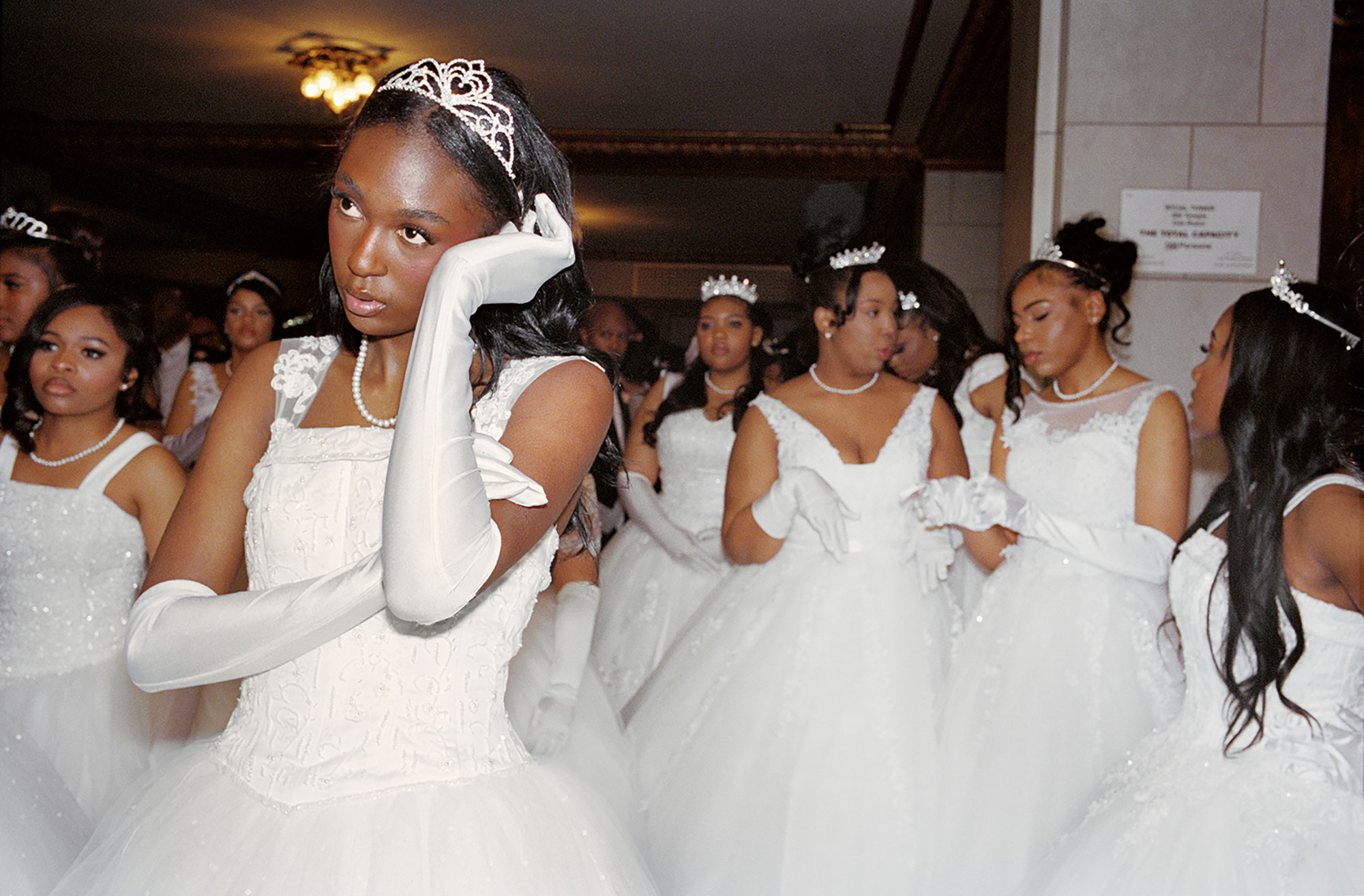
Through photographs made at debutante balls in Detroit from 2022 to 2025, Miranda Barnes’s debut explores the history of Black cotillion culture. The debutante tradition—a coming-of-age rite once reserved for white European nobility—was reclaimed and integrated into the African American community in the wake of emancipation. Formal portraits of debutantes, backstage glimpses, and lively scenes of couples dancing are woven together in a dreamy sequence, punctuated with details of the material extravagance distinctive of the world of cotillion. The elegance and sensitivity with which Barnes makes photographs are echoed in the classic design of the book, creating a timeless document of a cultural experience grounded in its extensive history, vibrant present, and evolving future.
Courtesy the artist
Looking Inside: Women with Life Sentences by Sara Bennett
Kehrer Verlag, Heidelberg, Germany. Design by Teun van der Heijden and Heijdens Karwei
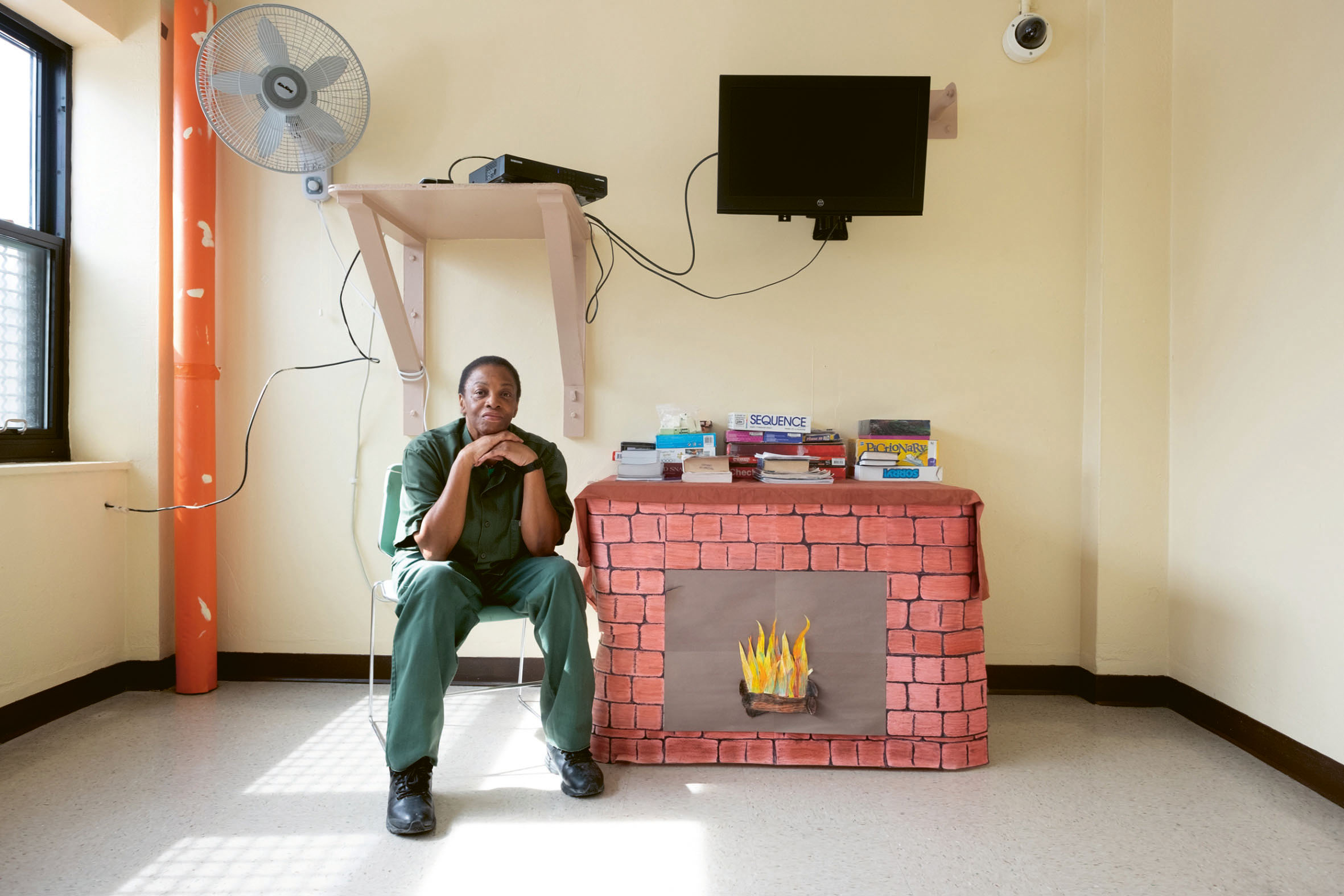
Following a career as a public defender, Sara Bennett spent over a decade photographing women convicted of violent crimes. Looking Inside: Women with Life Sentences combines Bennett’s portraits of the women she met and collaborated with—spanning their lives inside prison walls to their reentry into the outside world—with personal ephemera like letters, polaroids, and drawings to weave a layered story of humanity. Each portrait is paired with a handwritten response to the question “When you see this photo . . . what does it make you think?” bearing witness to their experiences from within a cell to their reconciliation with feelings of regret and forgiveness. Shining a compassionate light on an often underrepresented population within the discourse surrounding mass incarceration, Bennett invites us to question the justice system as we know it.
Courtesy BLOW UP PRESS
Binom by Nata Drachinskaya
BLOW UP PRESS, Warsaw, and Rencontres d’Arles, France. Design by Nata Drachinskaya, Yumi Goto, Aneta Kowalczyk, and Jan Rosseel
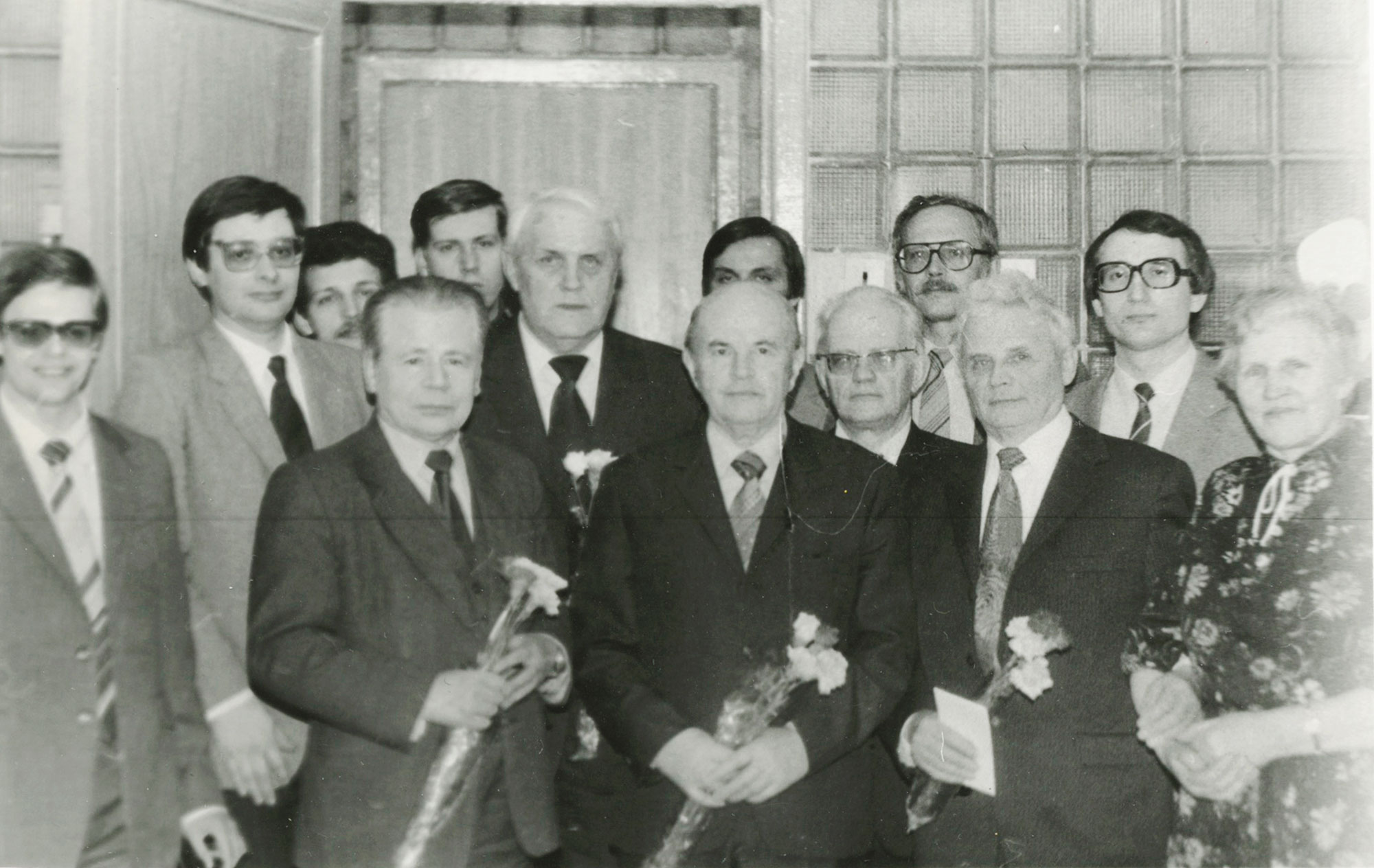
Linguistics and mathematics have it that the binomial indicates a component or expression consisting of two semantically correlated parts, its meaning originally deriving from the Latin binomium—that which has two names. Binom by Nata Drachinskaya is an elaborate foray into the revelations and foreclosures involved in discovering that her own father essentially lived a secret and parallel life as a cryptographer. The book, which fuses two slipcases and two volumes, also attempts to fuse the two parts of her father’s life together. Yet the process is not so simple. Inside each volume, the reader’s attempts at learning are thwarted by partially uncut pages, photograph versos, and texts obfuscated by ephemera supposedly connected to her father’s activities.
Courtesy the artist
Cruising Diaries by Franco Dupuy
Set Margins, Eindhoven, Netherlands. Design by Furio and Santiago Bogani
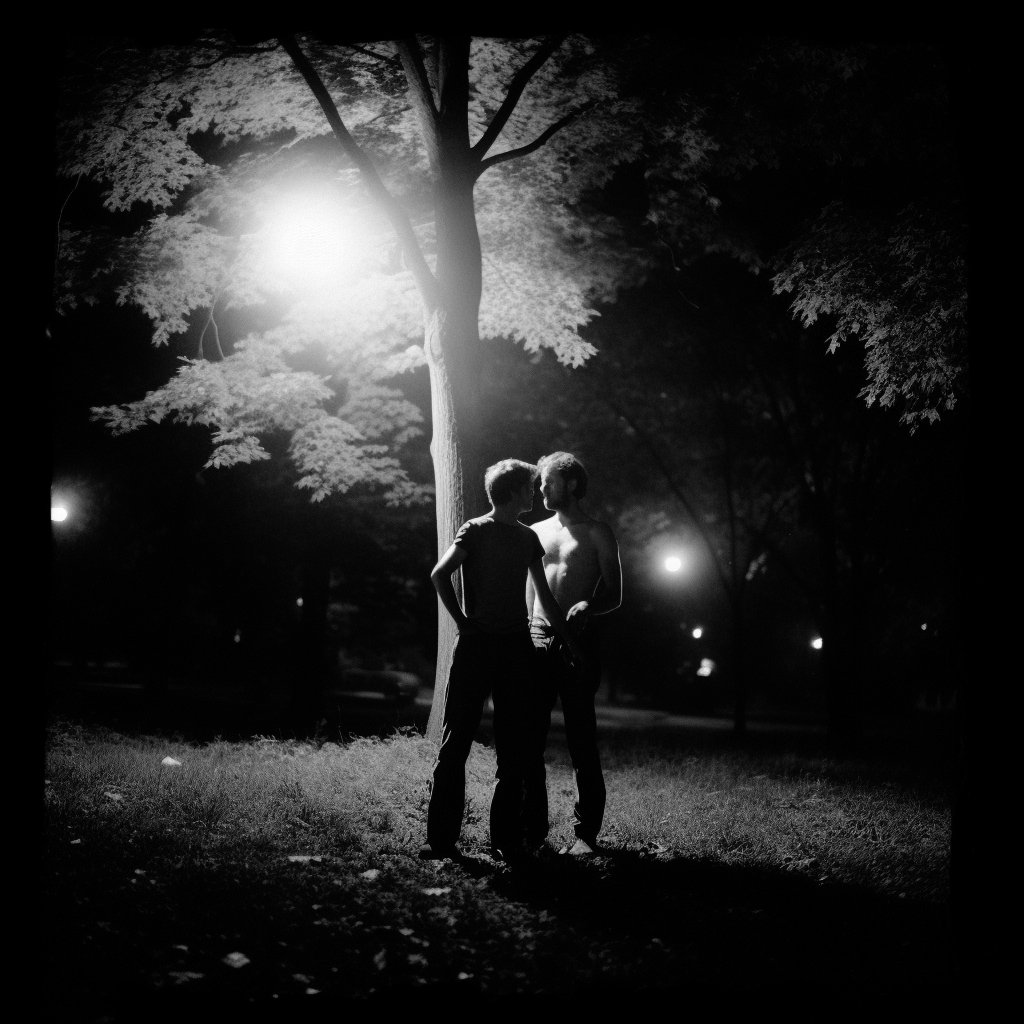
Franco Dupuy combines diary and document in Cruising Diaries, guiding readers through the personal geographies of anonymous queer desire and pleasure. The Swiss-bound softcover volume is pocketbook sized, a compact form for black-and-white images that register the clandestine thrills and sultry intermissions of his nocturnal encounters. Dupuy’s own voice escorts us through spaces, strategies, and reflections on cruising in the textual interludes that accompany his photographs. An intelligently designed and gratifying combination of text and image, Cruising Diaries attempts to accrue a visual language for a practice that resists being seen.

Courtesy the artist
If a Flower Bloomed in a Dark Room, Would You Trust It? by Jakob Ganslmeier and Ana Zibelnik
Spector Books, Leipzig, Germany. Design by Hamid Sallali
If a Flower Bloomed in a Dark Room, Would You Trust It? serves up two mainstream social media trends—spiritual hustling and looksmaxxing—to the reader on opposite sides of a single book, and considers the dissemination of and entrapment by ideologies through the proliferation of images on social media platforms such as TikTok. Rephotographed phone screens rendered in black and white make “harmless” content melancholy and strange, while crowded, didactic diagrams map out lessons in visual literacy. Though the book presents two sides of a spinning coin that’s nearly impossible to ignore, it also reminds the reader, in its inclusion of smudges and fingerprints, of the sensorial subject on the other side of the screen who’s grasping for a way to live.
Courtesy the artist and MACK
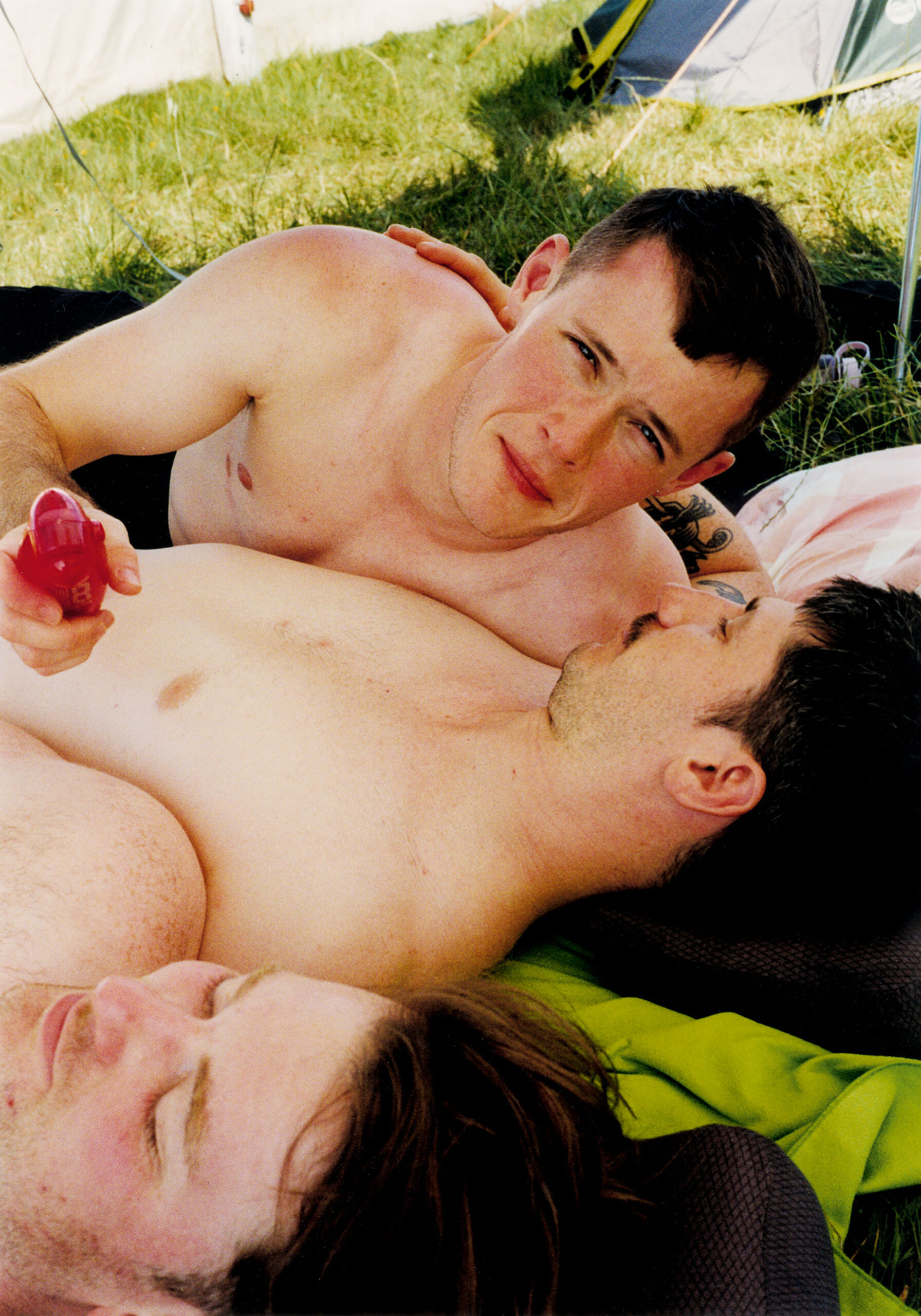
The Sound of Dirt and Beauty by Jesse Glazzard
SPBH Editions, London. Design by Brian Paul Lamotte
A raw, unfiltered testament to community and chosen family, Jesse Glazzard’s The Sound of Dirt and Beauty speaks to the lives of queer youth in the UK today. Echoing Glazzard’s previous self-published zines, the book is a screen-printed softcover with a sense of immediacy and openness. As Glazzard’s own transition unfolds throughout the book in a series of self-portraits, the reader becomes a witness to the accompanying moments of pain and pleasure depicted in portraits staged in homes and bedrooms and images of friends gathered in parks, presenting a record of embrace and communion.
Courtesy the artist
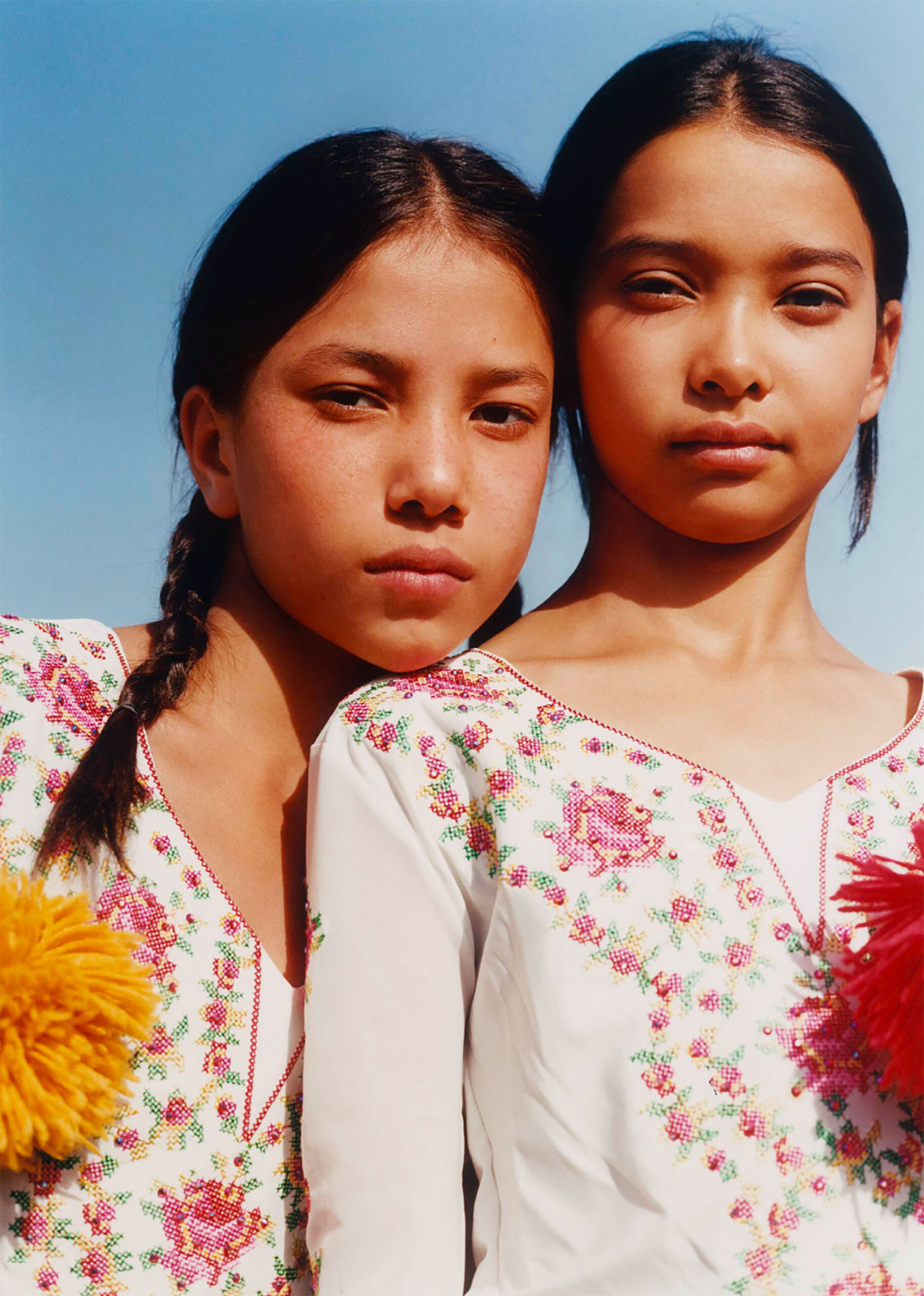
Üruklyn by Ma Hailun
Jiazazhi, Ningbo, China. Design by Studio Pianpian He and Max Harvey
The title of Üruklyn is a portmanteau of Brooklyn and Ürümqi, Hailun Ma’s hometown in Xinjiang—China’s westernmost region, home to 25 million people and more than forty ethnic groups, many of them Muslim majority. These include the Uyghurs, a predominantly Muslim Turkic people who have faced systematic persecution by the Chinese government, including mass detention, constraints on religious and cultural freedoms, and forced labor. After studying fashion photography in New York, Ma sought to explore the artistic potential of Xinjiang; the photographs in Üruklyn celebrate the everyday traditions and style of Uyghur teenagers, Kazakh cowboys, and other communities sidelined in mainstream depictions of the country. The book itself feels highly crafted, with a silkscreened cover, decorative inserts, and vibrant endpapers patterned after Uzbek textiles that ground the object in the visual textures of the region.
Courtesy the artist
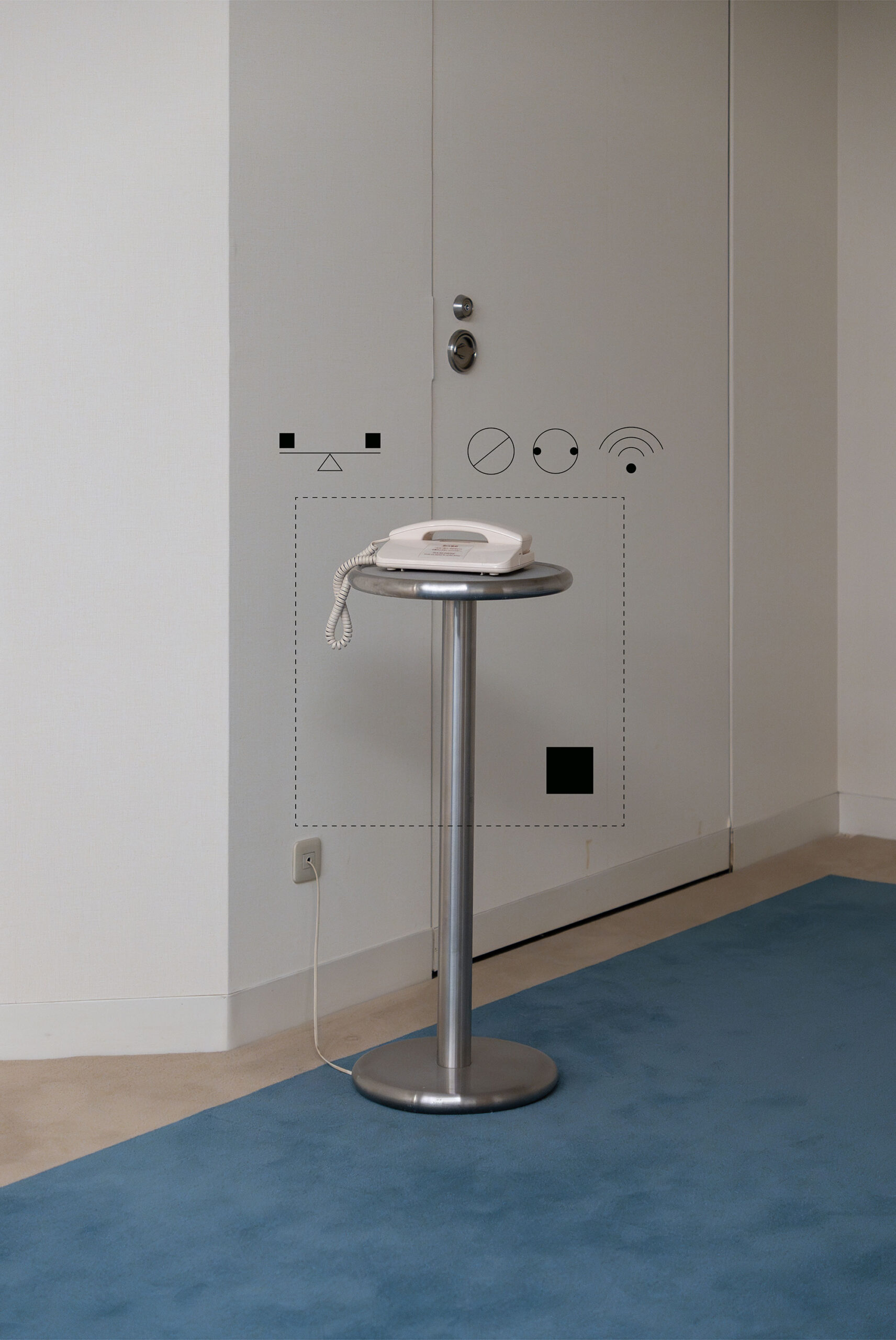
Notation(s) by Moeko Ishiguro
Self-published, Tokyo. Design by Moeko Ishiguro
Moeko Ishiguro’s self-published debut feels less like a book than an intricate sculpture, dispensing as it does with traditional pagination in favor of folds, overlaps, and shifting layers that must be physically negotiated by the reader. The photographs—wryly observed and uncannily seductive shots of concrete planters, litter, and other mundane phenomena—are revealed through a process of peeling back layers of paper, making each image appear discovered rather than simply turned to. Around the height and width of a smartphone, this book offers a brilliant alternative to passive scrolling, asking readers to spend time with images that refuse to surrender their core unknowability.
Courtesy the artist
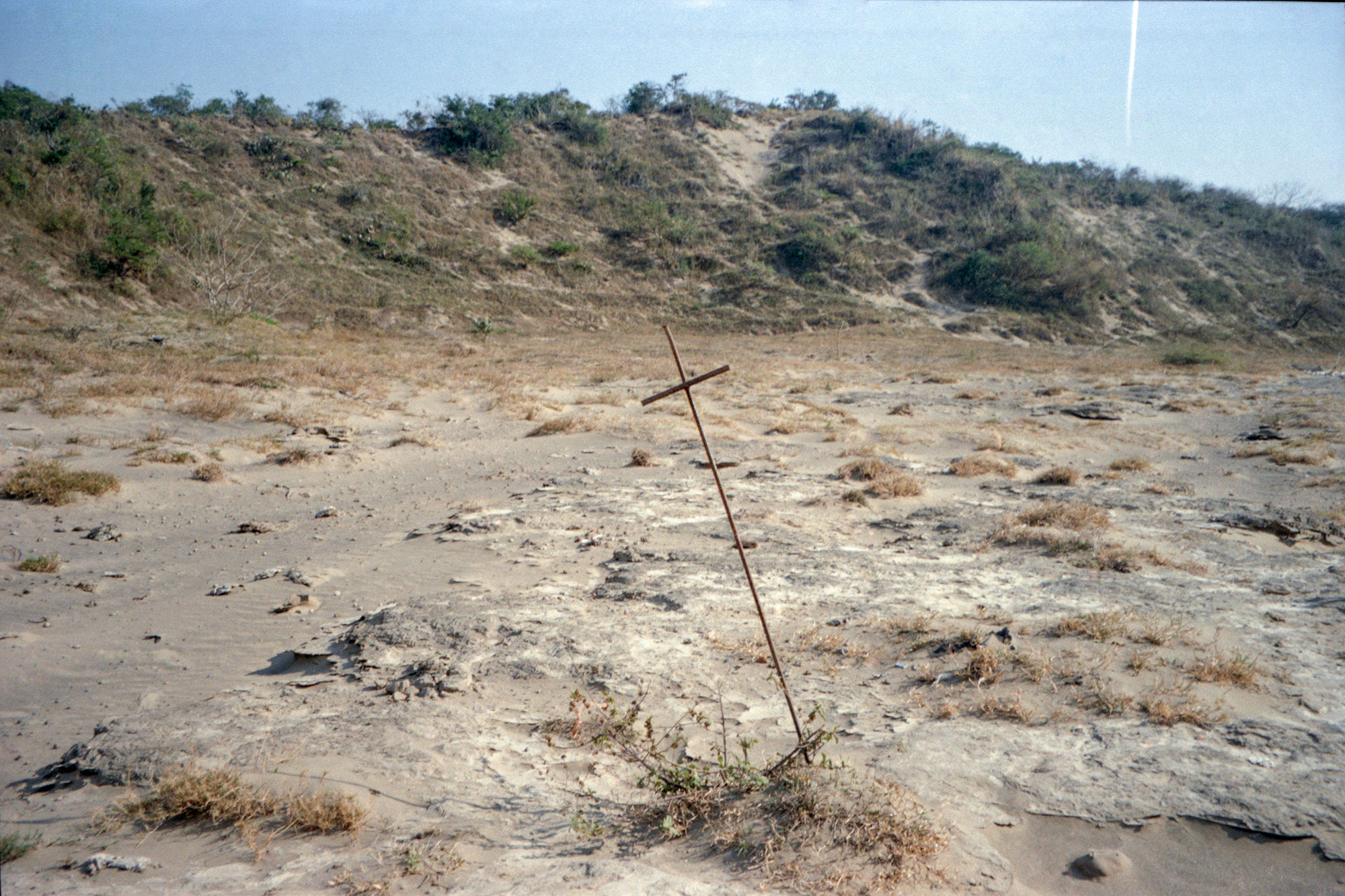
Only Have Faith (Solamente Ten Fe) by Adél Koleszár
Art Paper Editions, Ghent, Belgium. Design by Jurgen Maelfeyt
Adél Koleszár’s Only Have Faith is a statement against the spectacle of violence commonly associated with Mexico’s drug trade and American intervention. The project closely follows the excavation of a mass grave in Veracruz, Mexico—the result of criminal organizations and complicit authorities forcibly disappearing citizens—and tells the story of Colectivo Solecito de Veracruz, a volunteer collective of women who continue to look for their disappeared loved ones. Photographs that extend to the edge of the page deeply immerse the reader in the world, while occasional text and image spreads allow space for their personal testimony to be heard.
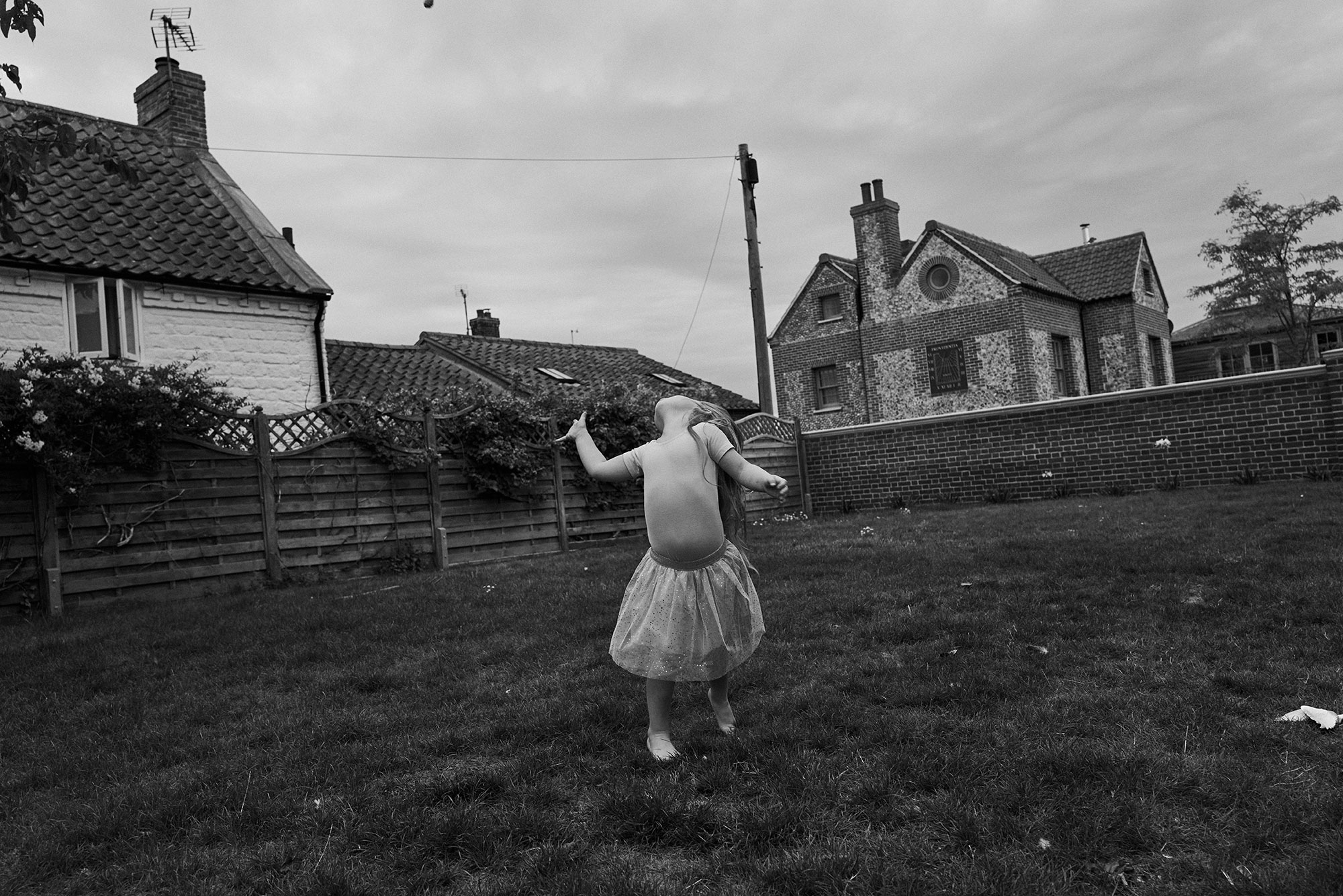
Courtesy the artist
Coincidence by Jeremy Liebman
Apartamento Publishing S.L., Barcelona. Design by Apartamento Studios and Laura Delgado
Coincidence is the story of three generations of Jeremy Liebman’s family across Dallas, Brooklyn, and the English shires. As Liebman’s father grapples with the ravages of Alzheimer’s, his daughter is learning to talk, and the book’s nimble pairings of high-contrast black-and-white images tease out the ironies of the situation, stringing together an ambiguous narrative where first memories are mixed with last ones. The book’s relatively compact scale encourages a more private encounter—an apt choice for these photographs, which walk a deft line between nostalgic family album and a father’s and son’s acts of creative, uncompromising witness.
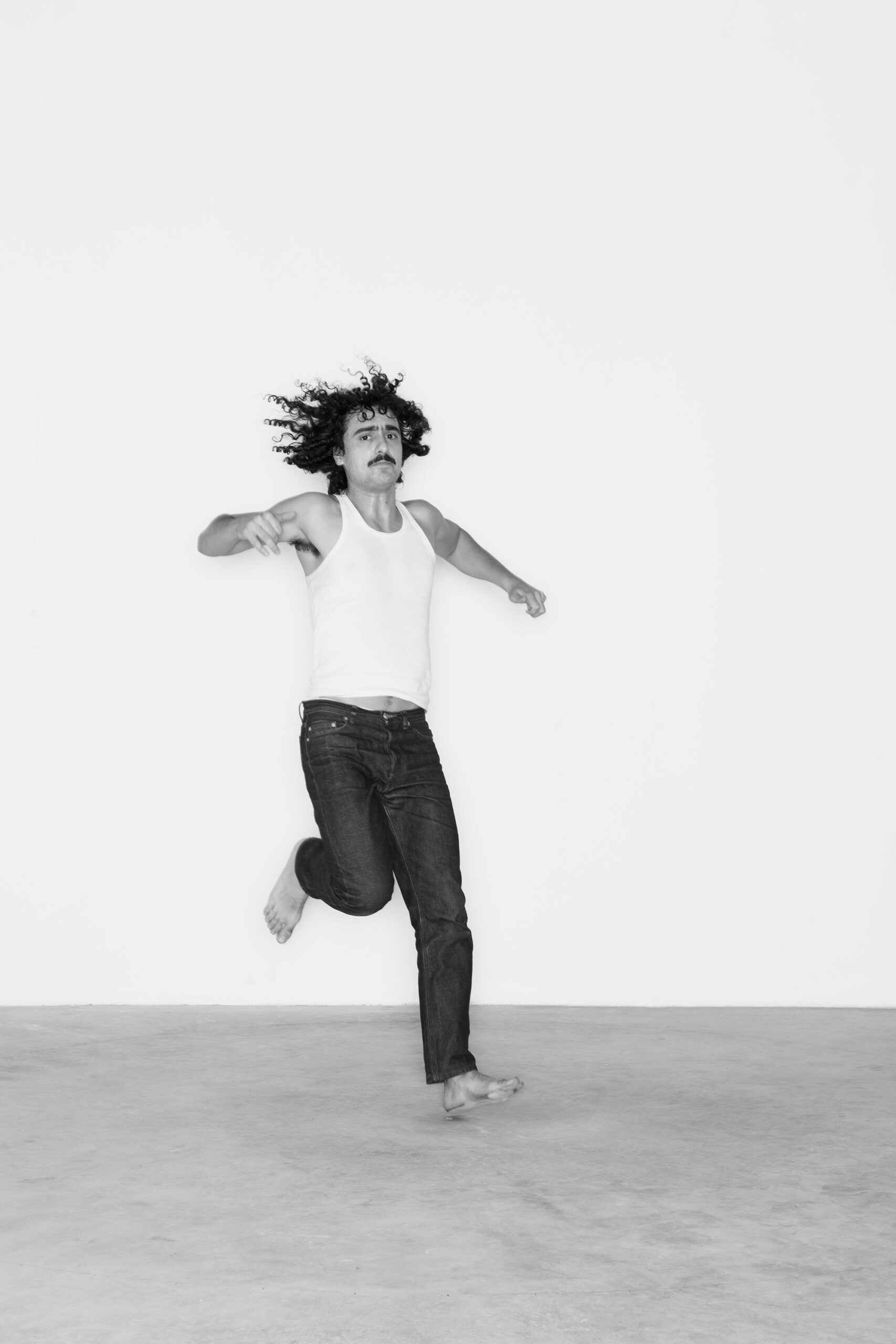
Courtesy the artist
Turning Point by Augustin Lignier
Art Paper Editions, Ghent, Belgium. Design by Jurgen Maelfeyt
Turning Point features sixty out of six thousand images taken of and by Augustin Lignier as he jumps up and spins in a circle, attempting to capture himself landing face forward toward the camera’s shutter. With only one simple task, he questions what it means to make the “perfect” photograph—if it exists—through the mundane, repetitive nature of humanity. The book is spiral bound, with each black-and-white exposure accompanied by reams of metadata documenting Lignier’s obsessive pursuit of the “decisive” leap. These choices lend Turning Point the look and feel of a proper scientific research project, amplifying the absurdity of his quest and, by extension, our own absurd search for total fulfillment.
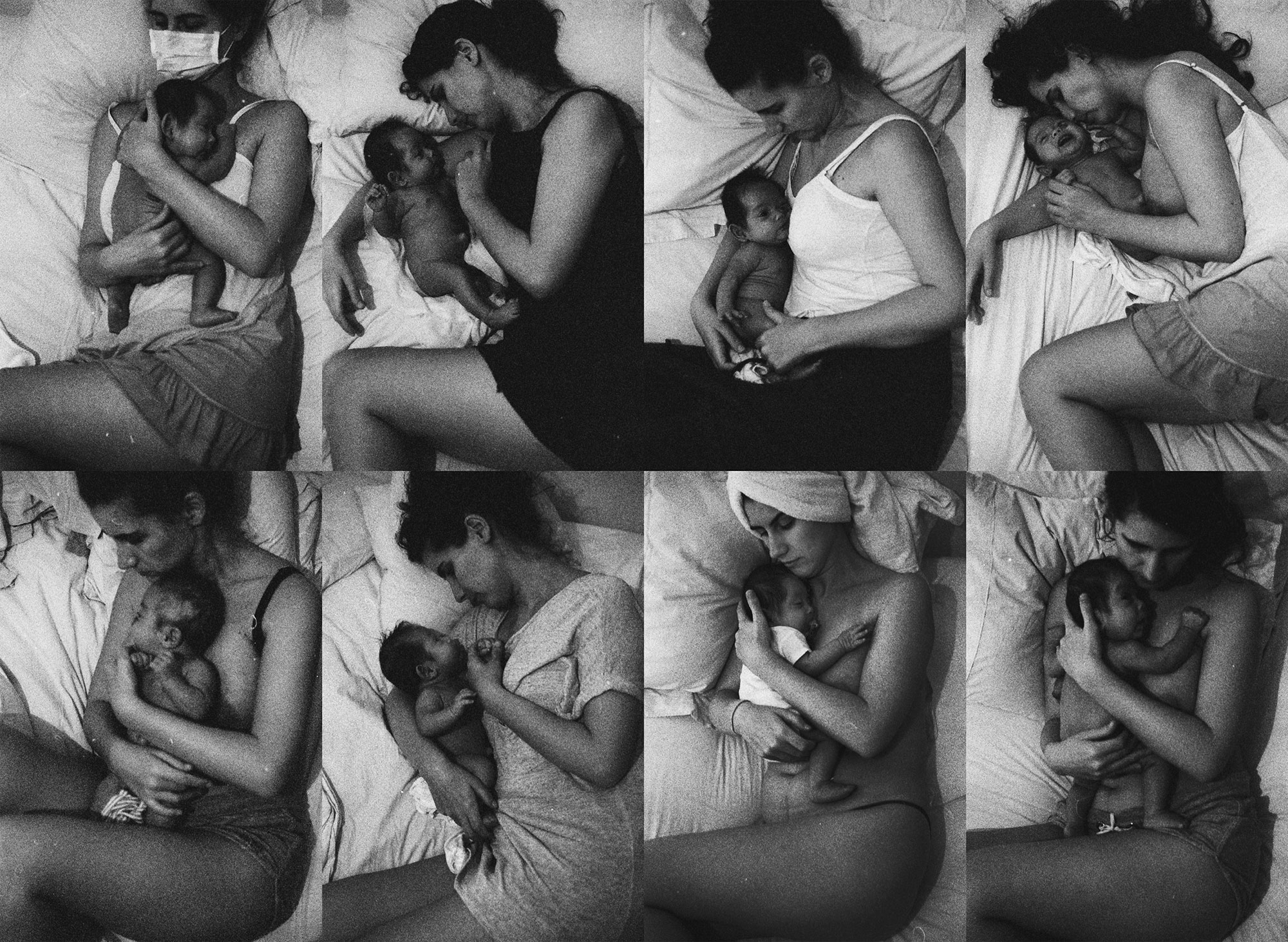
Courtesy the artist
JJ VFF VV by João Linneu
Void, Athens. Design by Void
In JJ VFF VV, João Linneu portrays his partner Fernanda Fajardo navigating the challenging pregnancy and premature birth of their first child, Valentín, in 2014. Linneu’s tender yet steady scenes of a bedroom, bathroom, and hospital ward are interspersed with austere landscapes of São Paulo and vulnerable self-portraits Fajardo made while hospitalized. “From the perspective of a powerless close witness, this book shows a side of pregnancy that is not usually seen,” notes Linneu. “One that, despite being painful and dark, is still beautiful, powerful, and meaningful.” Printed mostly in black and white on deckle-edged paper, the book has a heft and rawness befitting both its subject matter and Linneu’s candid, deeply personal approach. Valentín, now eleven, drew the cover of JJ VFF VV, a book that shows the complex layers of joy, pain, and uncertainty that accompany the creation of a family.
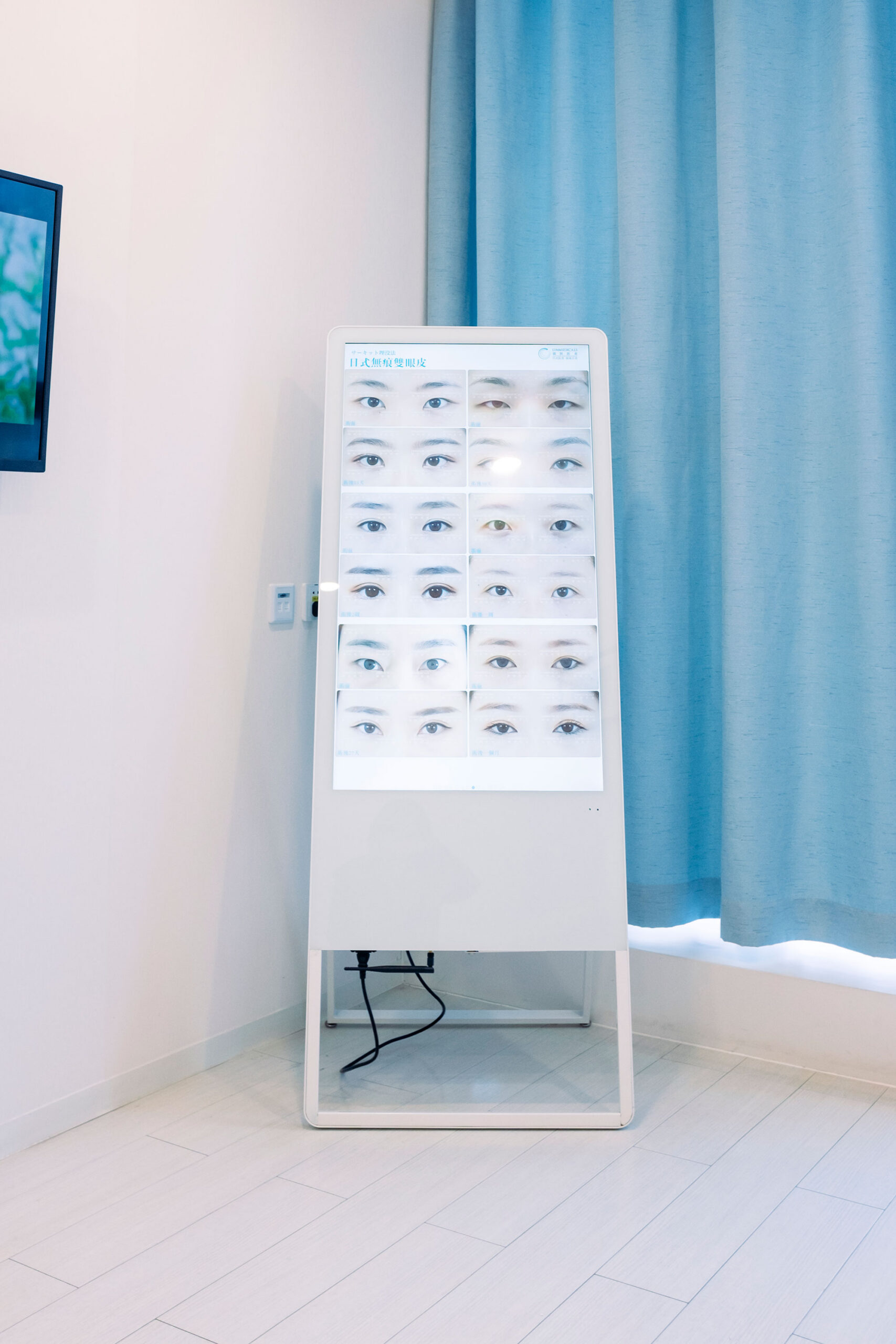
Courtesy the artist
Make Me Beautiful by Yufan Lu
Editorial RM, México and Barcelona; Ediciones Posibles and Fundación Photographic Social Vision, Barcelona; Phree, Madrid. Design by Min Lyu
Yufan Lu’s Make Me Beautiful is an intrepid exploration and critique of the beauty standards and societal expectations imposed on women in China. In an attempt to understand a complex and burgeoning industry, Lu visited over thirty cosmetic surgery clinics with her own self-portrait. Sterile interiors of the clinics are paired with iterations of facial maps and diagnoses received from “beauty designers,” alongside their transcribed medical advice. Throughout this minimally designed book—reinforced with a pale pink, gauze-like fabric on the spine—Lu places the industry under a microscope. By inserting screenshots from social media, cutouts, and collages using presurgery portraits of women, she offers a clever and impactful perspective on the endless expectations in the name of beauty.
Courtesy of TBW Books
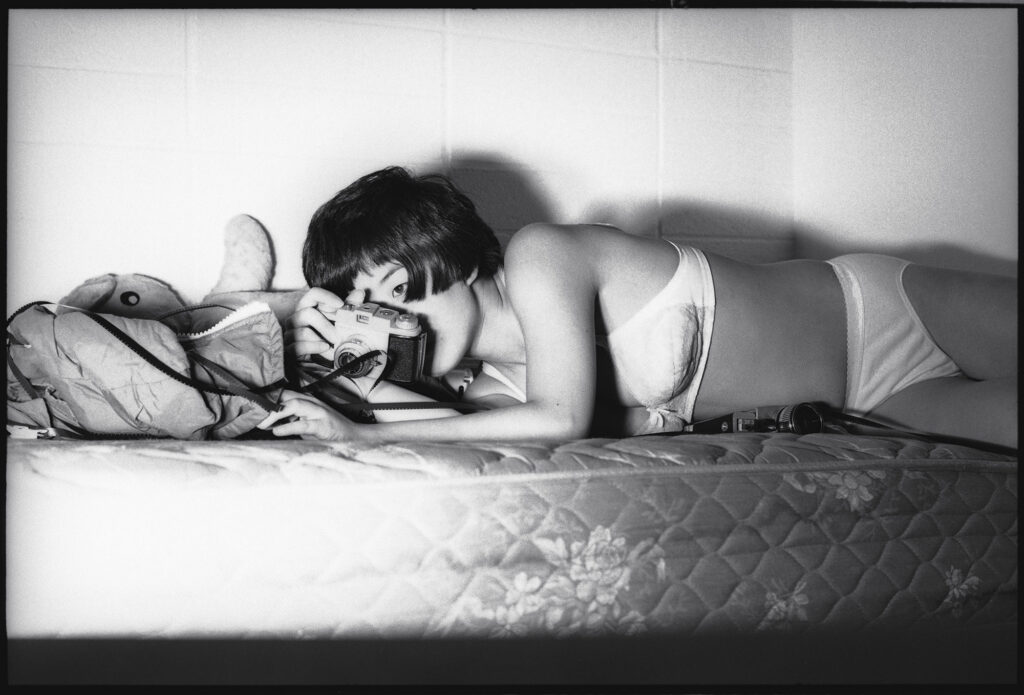
Swan Moon’s Swan Moon by Swan Moon
TBW Books, Oakland, California. Design by Paul Schiek
Swan Moon is a diaristic chronicle of the photographer Swan Moon’s experience growing up as a Korean American in Los Angeles. In the 1990s, inspired by the cinematic mythology of her environment, a teenaged Moon and her friends played pretend, blending everyday snapshots with staged scenes featuring clothing and props gleaned from vintage shops. Her black-and-white photographs channel, through their own lo-fi scrappiness, the noir glamour of Hollywood, which is also reflected in the book’s design, featuring dramatic blackout pages that lend the images a silver-screen quality. The result is a beguiling meditation on youth, the make believe of identity, and the lures of nostalgia.
Courtesy the artist
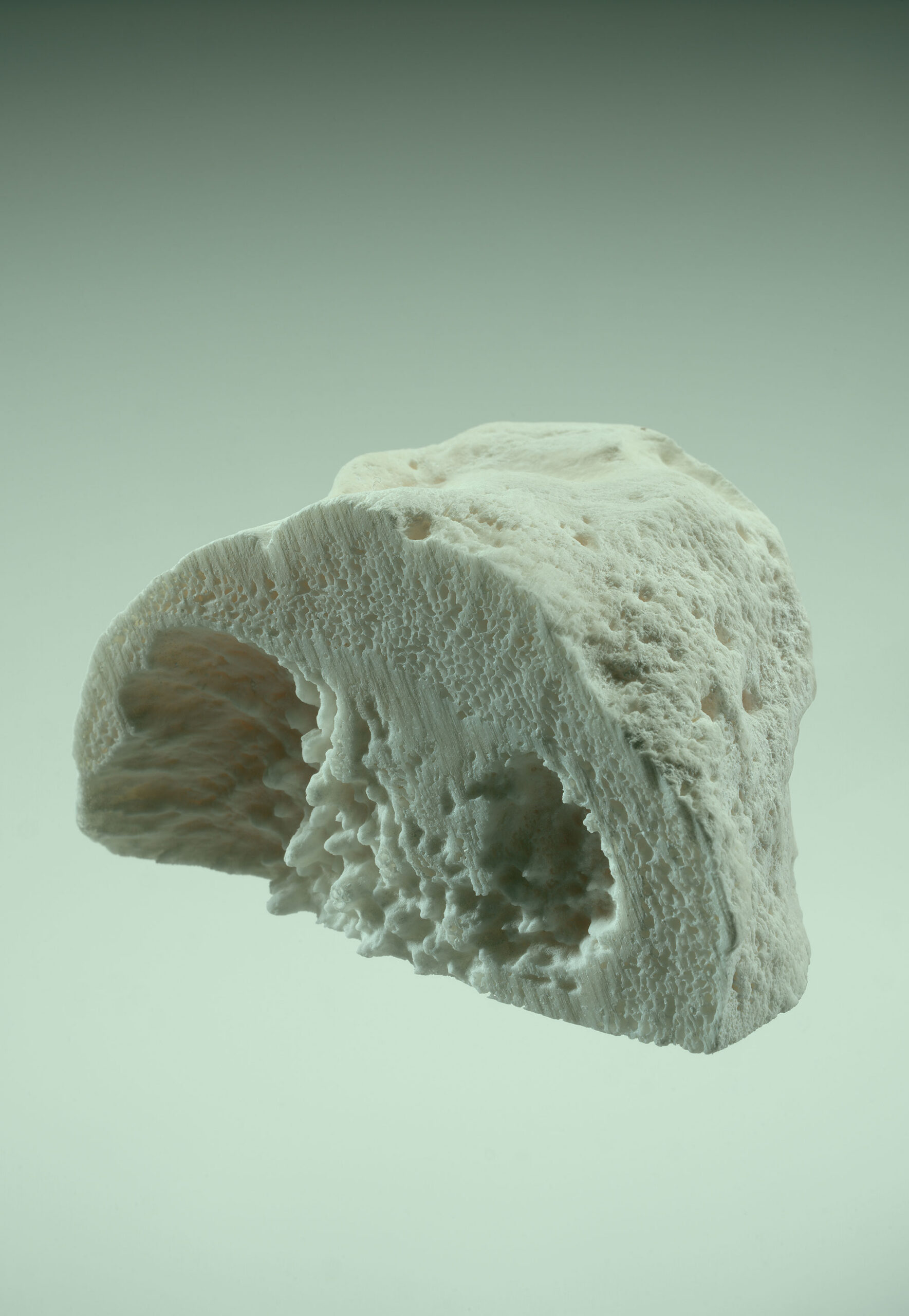
2, 3 by Peter Rauch
Perimeter Editions, Melbourne. Design by Žiga Testen
When a building is structurally sound, a realtor might say it has “good bones.” Peter Rauch, an architect and photographer, takes this adage literally in 2, 3, a survey of ten years of precise but enigmatic photography, performance, installation, and theoretical inquiry into the infrastructure of small buildings and human bodies. Raush grew up in Ljubljana, Slovenia, in the 1980s, in that “crack” in time “between late socialism and late capitalism,” Žiga Testen writes in 2, 3, a softcover photobook with glossy pages like a magazine or catalog. While his evenly lit images of mundane buildings and interiors in states of construction or disarray resemble Thomas Ruff’s late-1970s deadpan scenes of Düsseldorf, Rauch’s forensic pictures of bone fragments and construction materials look like official documentation for a science museum. Raush frequently pulls back the frame, showing pictures of his own pictures and installation views of his exhibitions, self-reflexively “polishing the edges,” Testen observes, as “views turn into objects, objects into images, and back again.”
Courtesy the artist
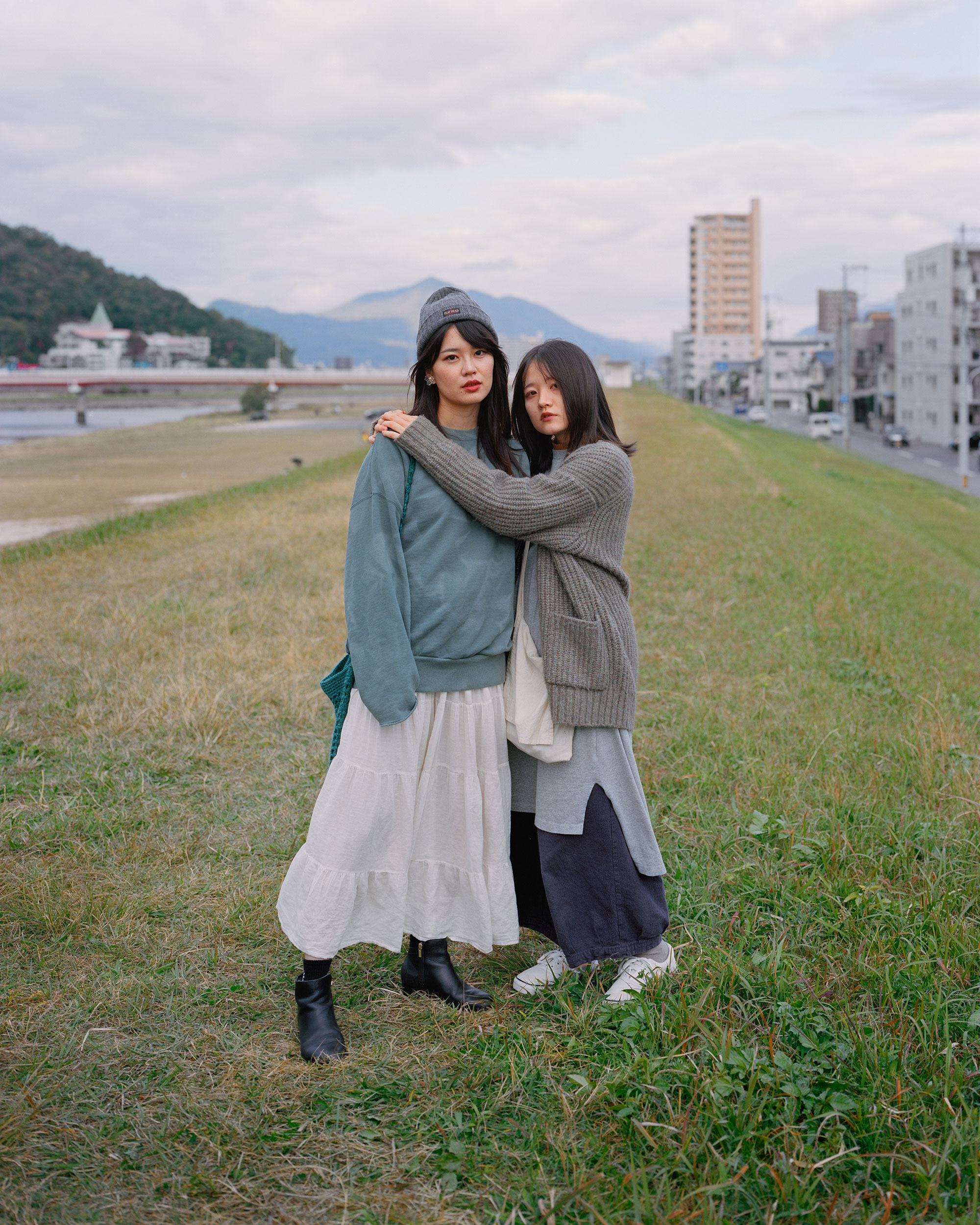
Dead Letter Room: A Transhistorical Correspondence with Hara Tamiki by Allie Tsubota
The Eriskay Connection, Breda, Netherlands. Design by Carel Fransen
Dead Letter Room is a transhistorical correspondence with Japanese poet and survivor of the bombing of Hiroshima, Hara Tamiki (1905–1951). This delicate, slender volume begins with a visual archive of the United States Strategic Bombing Survey (USSBS)—footage produced by the US military in occupied Japan in 1945—presented as a beautifully rendered sequence of lithographs. A series of imagined letters between Tsubota and Hara center the book, composing a cross-generational dialogue that chronicles an exploration of memory, loss, and history. Tsubota’s own photographs, made in Tokyo and Hiroshima in 2022 and punctuated by Hara’s writing, investigate the impact of the war on the contemporary landscape.
Courtesy the artist
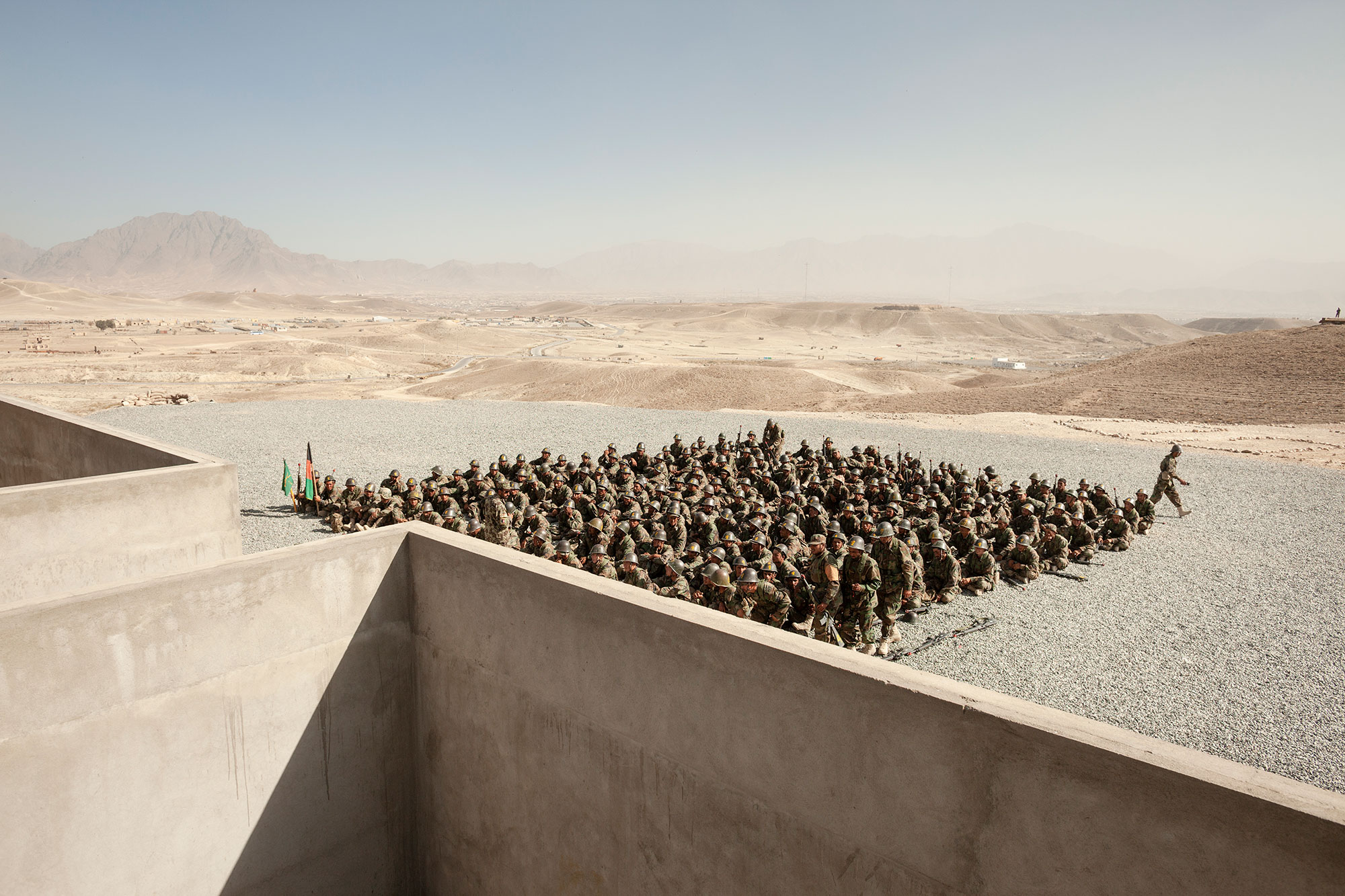
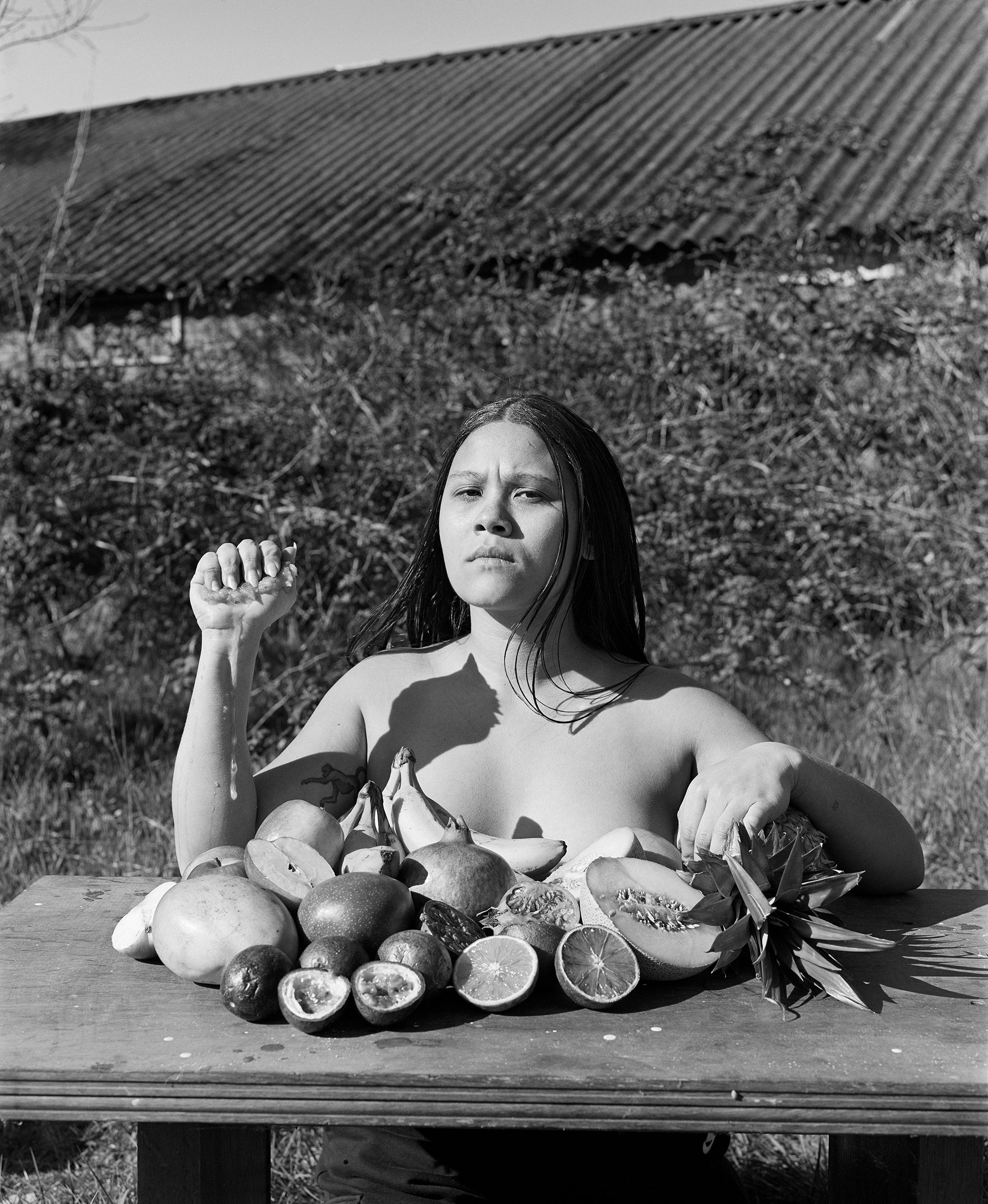
Afghanistanism by Joël van Houdt
Self-published, London. Design by -SYB-
The term Afghanistanism, coined in the 1950s by Western journalists and politicians, is defined as the practice of focusing on problems in distant parts of the world while ignoring controversial local issues. Dutch photographer Joël van Houdt’s self-published debut brings together a collection of photographs made between 2010 and 2022 with quotes from people visiting Afghanistan over the last two centuries. The project explores the boundaries of the outsider’s gaze, drawing a parallel between an occupying army enforcing a way of life and a photographer striving to understand it. “I watched as life continued with resilience and courage but also with creativity and humor,” van Houdt notes in his postscript, “in defiance of all that opposed it.”
Courtesy the artist
Mixedness Is My Mythology by Farren van Wyk
Fw:Books, Amsterdam, and Deadbeat Club, Los Angeles. Design by Hans Gremmen
Mixedness Is My Mythology navigates what it means to exist between cultures and communities. Born in South Africa in 1993, the last year of apartheid, before moving to the Netherlands at age six, Farren van Wyk uses portraiture to consider her intersectional heritage. Photographing herself and her family on their Dutch family farm, van Wyk subverts aesthetics from archival colonial photography to challenge perceptions of race and singular identity. The black-and-white images are richly printed on uncoated paper, and occasional inserts of metallic silver pages suggest how the work might serve as a mirror to lived experience.
PhotoBook of the Year
© the artists and courtesy Loose Joints
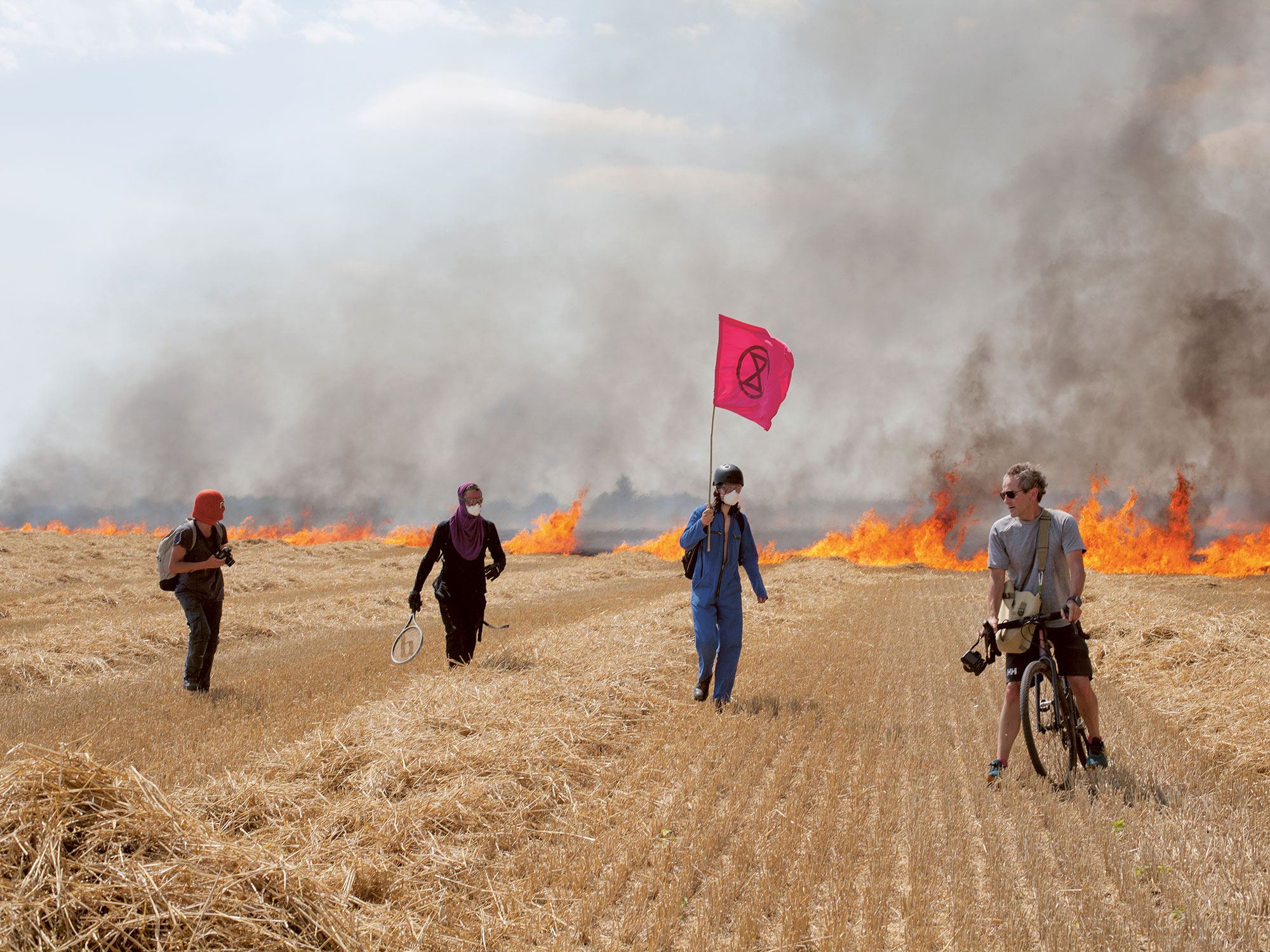
Silent Springs by Michele Borzoni and Rocco Rorandelli
Loose Joints Publishing, Marseille, France / London. Design by Tommaso Tanini
Italian photographic duo Michele Borzoni and Rocco Rorandelli’s Silent Springs follows climate activism across Europe, documenting the nonviolent direct action of several climate justice movements. Dubbed “an official glossary of climate activism,” this substantial paperback traces the various stages of activism, providing the reader with accessible language on civil disobedience alongside photographs that reveal the discipline and organization of the movements to form a contemporary manifesto of the infrastructure of resistance. With its title adopted from Rachel Carson’s Silent Spring, the influential 1962 book about the harms of pesticides, Borzoni and Rorandelli’s timely investigation reveals how resistance is learned and sustained within communities.
Courtesy the artist
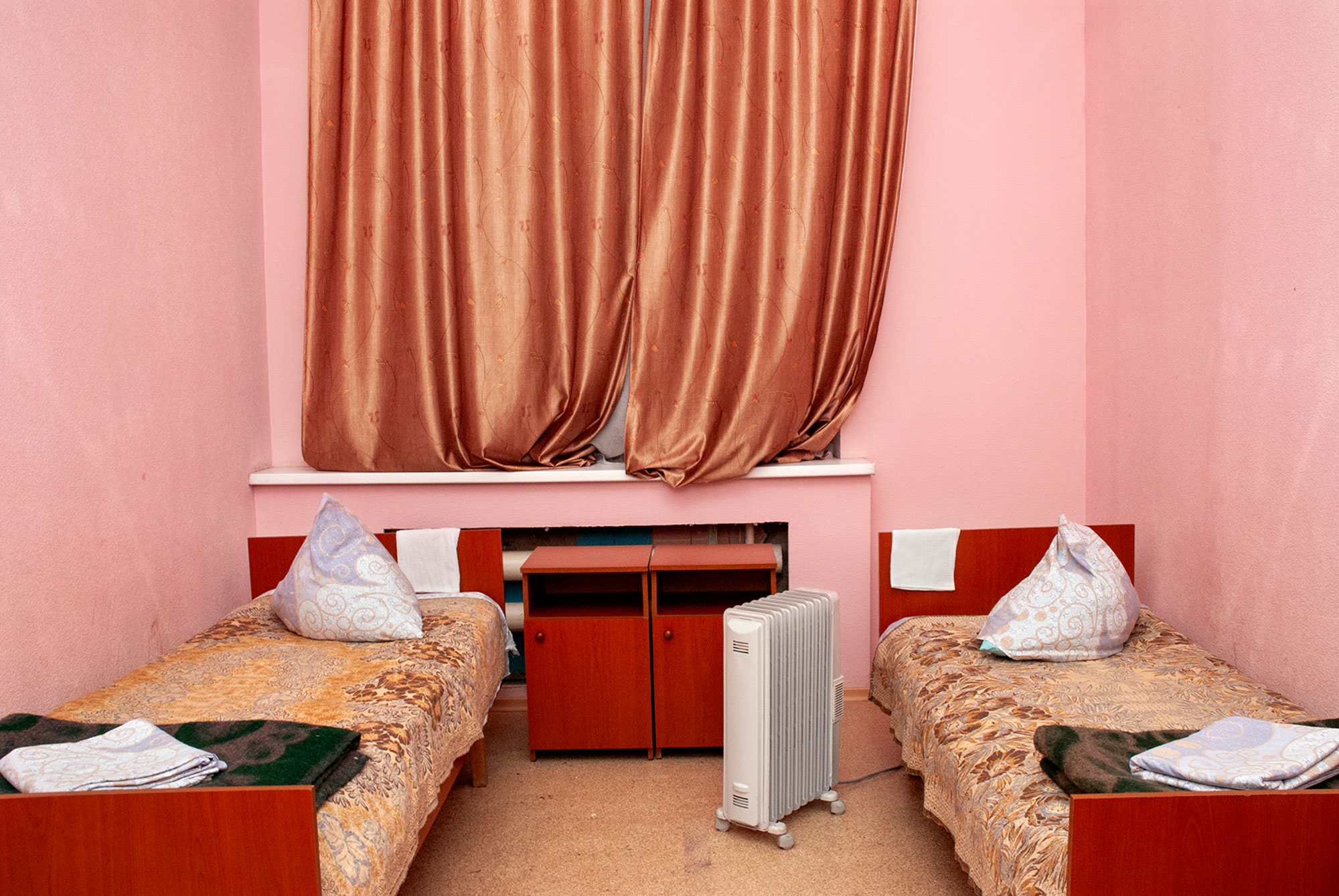
The Beds I Slept In by Bieke Depoorter
Hannibal Books, Antwerp, Belgium. Design by Armand Mevis and Bieke Depoorter
Because she was a young woman, and a foreigner, people told the Belgian photographer Bieke Depoorter that what she was doing was dangerous: asking strangers to spend a night in their homes. Yet, when she looked back at her archives from travels between 2008 and 2016 to Egypt, Russia, and the US, she found hundreds of seemingly casual pictures of the beds she had slept in and wondered, she says, if she had been “collecting evidence.” In The Beds I Slept In, sized like a travel guide, complete with a Swiss-style open binding that resembles a stack of sheets, Depoorter divides these images into three regions, tracing journeys on the Trans-Siberian Railway or from Seattle to New York or around Cairo, and adding observations both banal (“Not sure what I am doing”) and world historical (“Osama bin Laden killed”). People and animals sometimes appear, but it’s the emptiness of beds that creates a sense of pathos and self-reflection—and the random signs that could be taken as koans, like a painting that reads: “She believed she could, so she did.”
Courtesy the artist
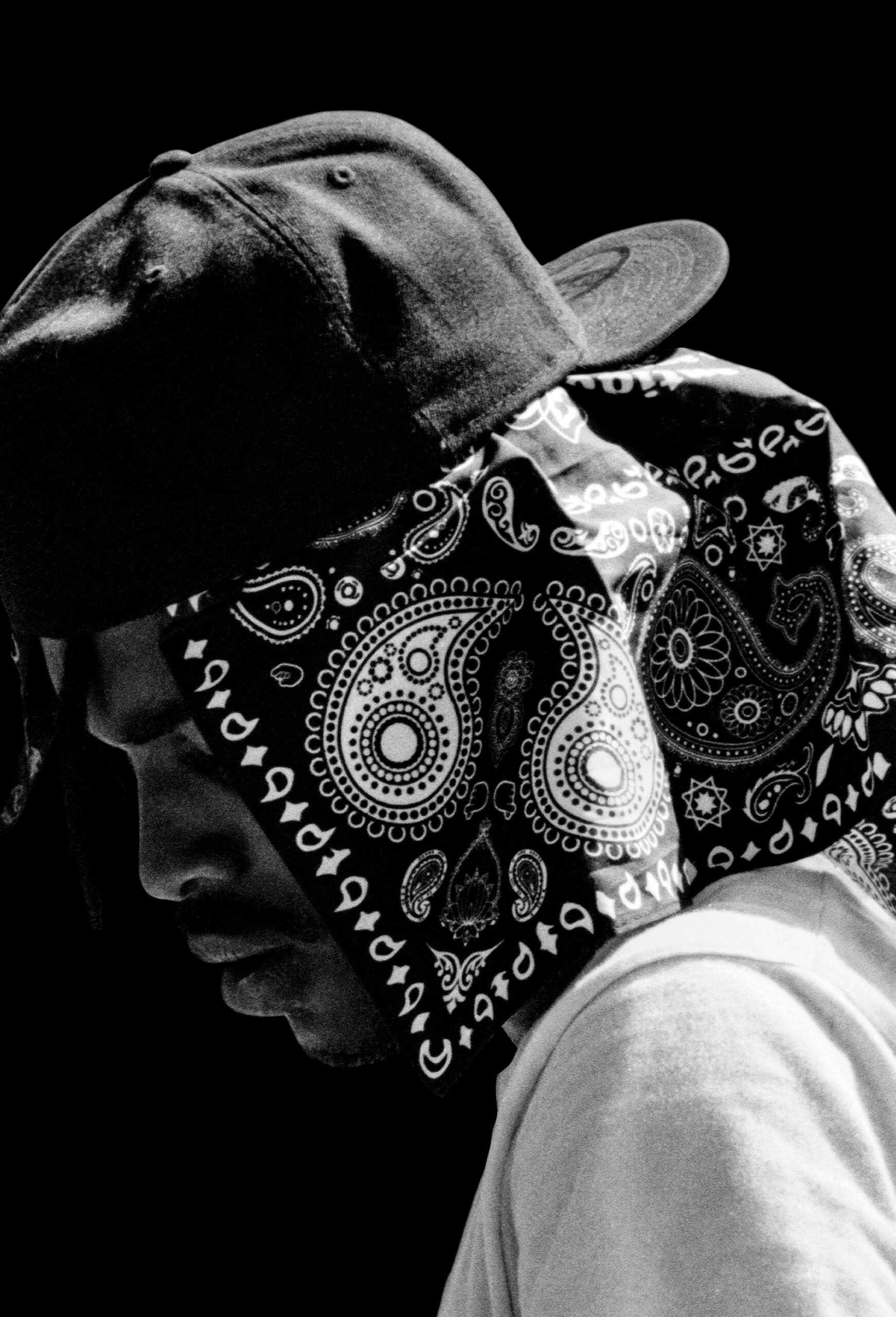
République by Bérangère Fromont
Chose Commune, Marseille, France. Design by Cécile Poimbœuf-Koizumi and Perrine Serre
In 2023, Bérangère Fromont began photographing at the Place de la République in Paris, a site famous for political gatherings and protests from the 1800s to today. In République, Fromont trains her lens on the young generations who frequent the space, conveying the subtle daily shifts between calm and resistance, collective and individual. Photographing in black and white, Fromont’s chiaroscuro-esque frames narrow in on the details of gesture and emotion: a scrunched-up face in contemplation; protestors in states of rest; individualistic elements of style and dress. The book’s minimal design and softcover binding pair elegantly with Fromont’s tightly cropped photographs to form an intimate yet fragmented picture of a generation marked by uncertainty about the future and a turbulent political environment.
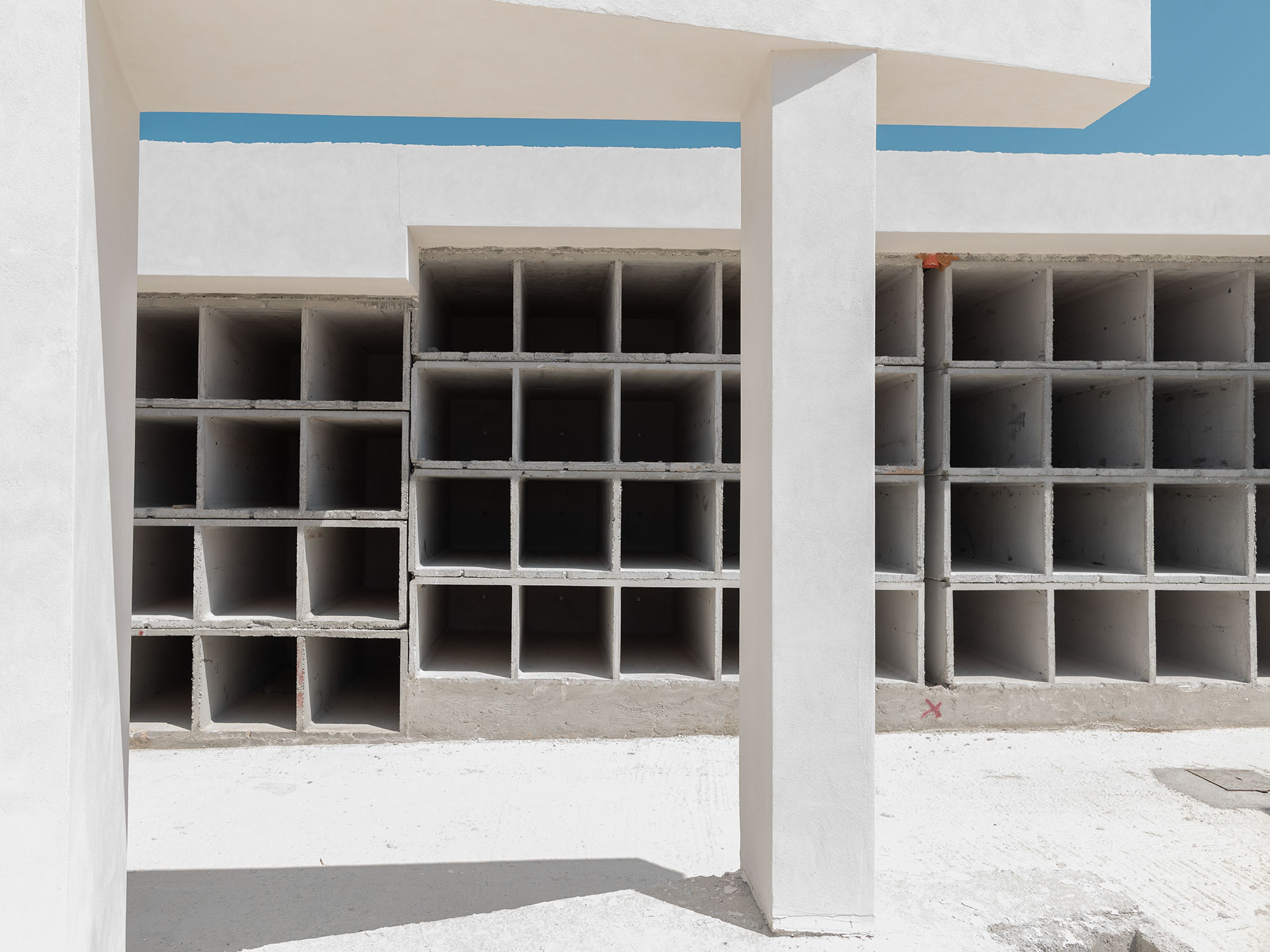
Courtesy the artist
WALLS: A Visual Study on Border Geographies by Roger Grasas
Institut de les Desigualtats, Barcelona. Design by Studio Carles Murillo
The notion of the border originated alongside the earliest civilizations as a humanmade boundary designed to safeguard land and resources. Roger Grasas’s WALLS: A Visual Study on Border Geographies interrogates the concept of the border not just as an imaginary line but as a mechanism of exclusion, control, and separation. Substantial in both physical size and investigative depth, this encyclopedic photobook spans geographies, testimonies, and case studies across four continents, documenting lived experiences of those encountered along the way. As Grasas states in the book’s introduction, “WALLS confronts us with the world we are building and with the gaze through which we choose—or refuse—to recognize the ‘face’ of alterity.”
Chronograph by Nick Haymes
SPBH Editions, London. Design by Lina Kutsovskaya and Brian Paul Lamotte
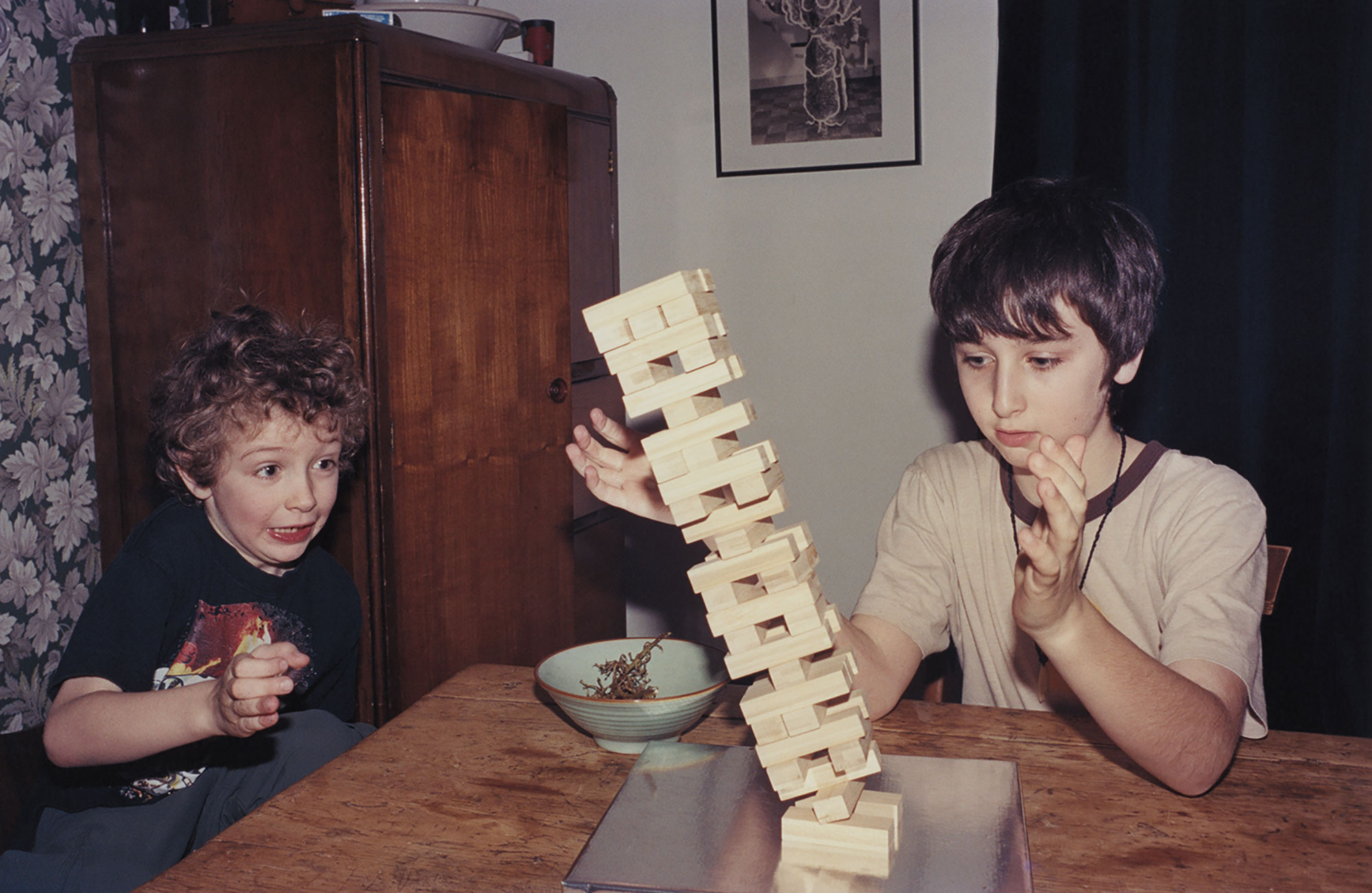
Family can be “a lot,” so why not use a lot of pictures to describe the endlessly rich universe of family dynamics? Chronograph includes more than one thousand photographs that Nick Haymes made over a quarter of a century, shifting seamlessly between color and black and white, to chronicle the beauty and unvarnished chaos of family life as time inexorably marches along. With full bleeds as well as grids of multiple images, the book bursts with the anarchic energy of childhood, sibling interplay, daily rituals, the physical transformations of puberty, and gleeful family adventures on the road. At the book’s start, jarring images of the Twin Towers aflame on 9/11, made in the early days of Haymes’s relationship with his partner, Lina, are a reminder of life’s fragility in an unpredictable world.
Courtesy the artist
This Is Not My Cat by Takashi Homma
Nieves, Zurich, and Perimeter Editions, Melbourne. Design by Benjamin Sommerhalder
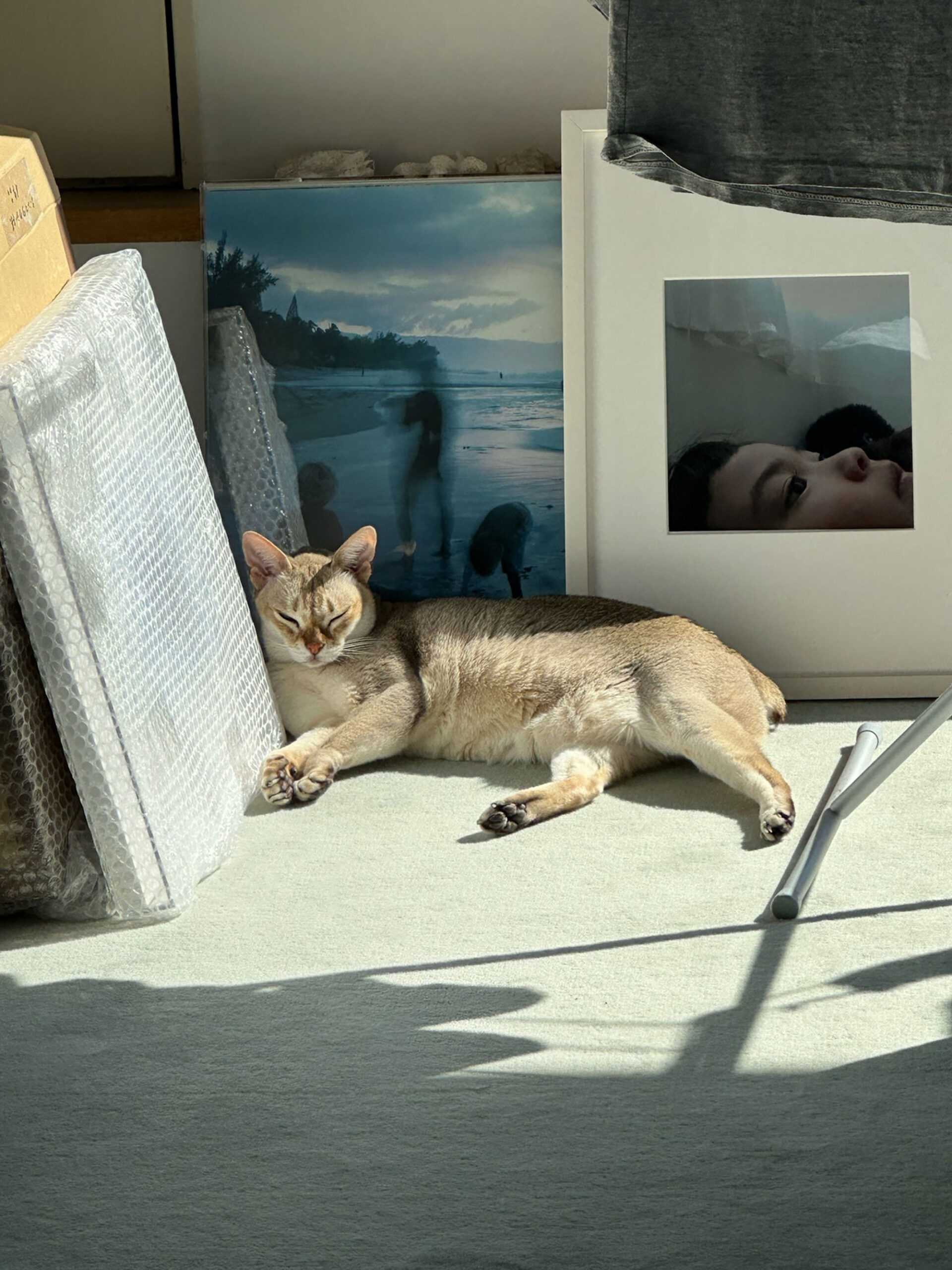
There is an argument to be made that cats are a photographer’s best friend. Both are inquisitive, strongly independent beings fond of roaming about and obsessively observing. With its small, chapbook-like format and restrained edit, This Is Not My Cat makes the case that bigger is not better and that the simplest idea is often the strongest one. Here, a modest form elegantly serves a photographer’s ode to his cat that is also a tribute to the profound connections between people and their pets. A memorable addition to the growing pantheon of feline-centric photography books.
Courtesy the artist and MACK
Snow by Sohrab Hura
MACK, London. Design by Sohrab Hura
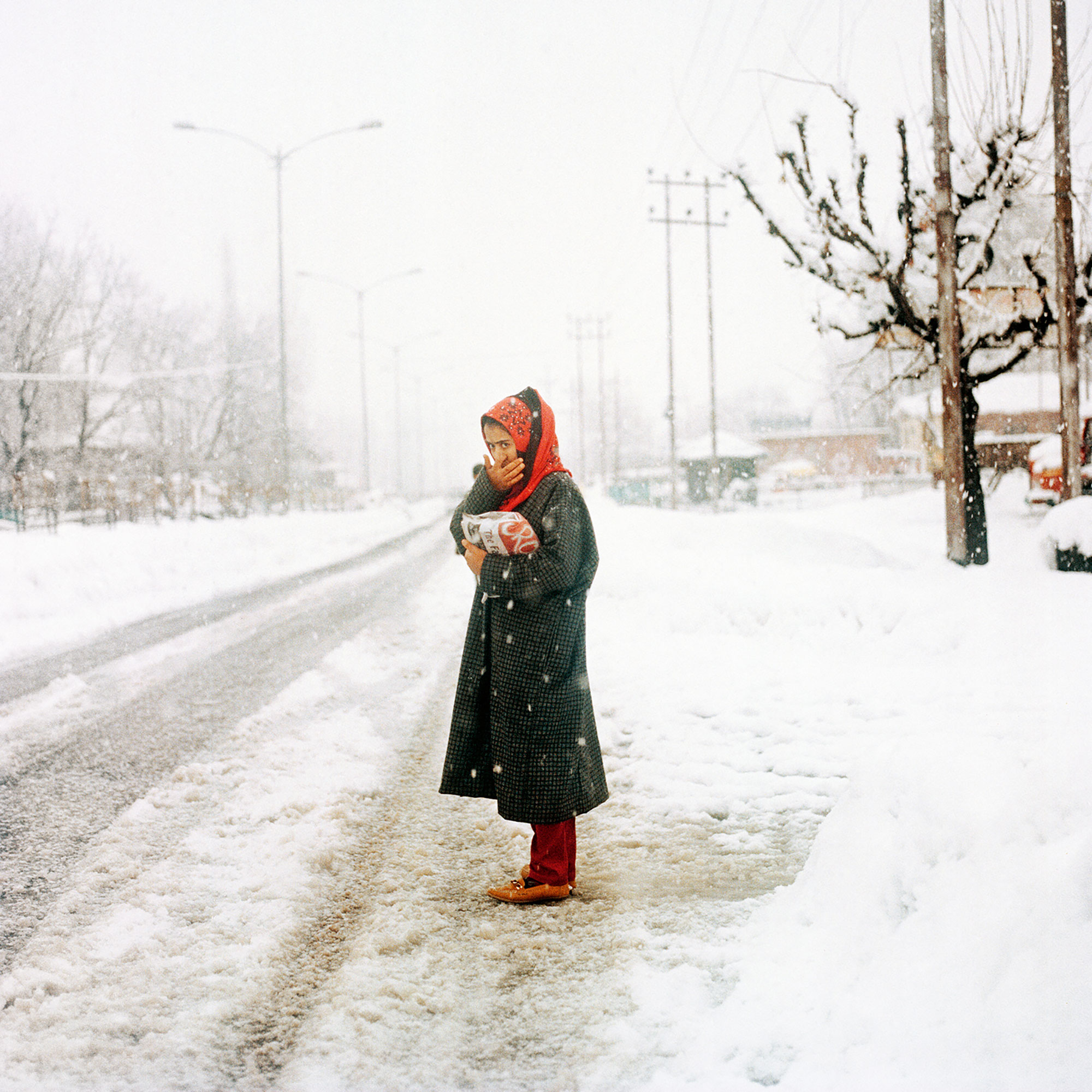
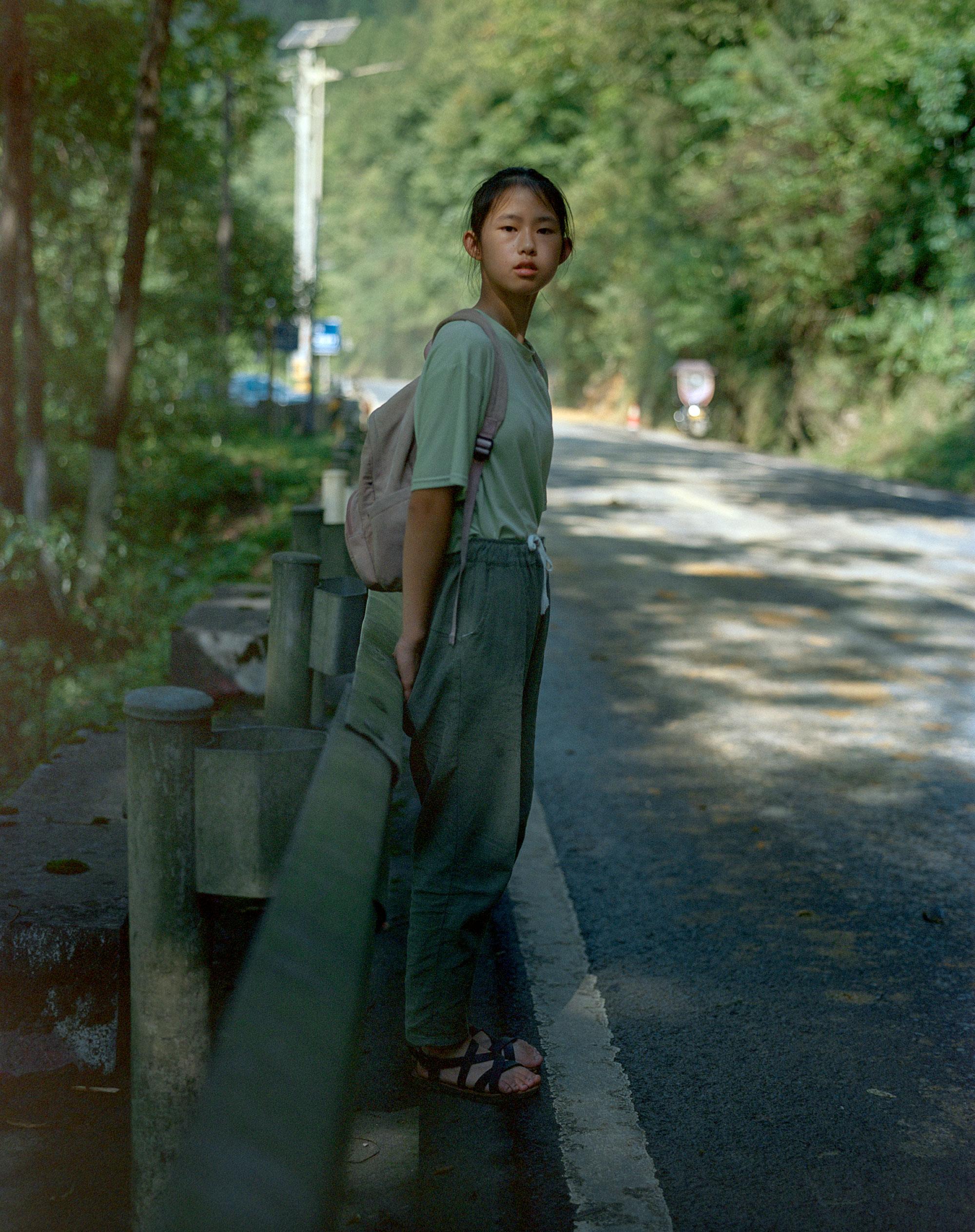
From 2014 to 2019, Sohrab Hura made dozens of trips to the disputed Himalayan territory of Kashmir, over which India now exercises ironclad control. Snow, the resulting (and ongoing) series, contrasts the region’s militarization with its perception as a paradise for tourists, particularly Indian visitors drawn by its snowfall. Bound in tactile, image-printed linen, this book is an oblique meditation on conflict, its baggy edit of 175 images forming an enveloping, open-ended narrative that rejects photojournalistic spectacle for an atmospheric view of everyday life in Kashmir. In the beautiful, blinding nature of snow, Hura locates a compelling metaphor for the ways landscapes of violence are both seen and obscured.
Courtesy the artist
Undercurrents by Zhu Mo
JZZP, Ningbo, China. Design by PAY2PLAY
In 2014, photographer Zhu Mo left Beijing and traveled along China’s national highways, photographing cities, people, and landscapes he encountered during his journey. The nine-year project became Undercurrents, a book beautifully structured to mimic his aimlessness. Printed as individual, loose-leaf sheets, the color images can be freely removed and rearranged, challenging the conventions of a traditional narrative sequence. At nearly four hundred pages—each numbered in a vibrant blue—the capacious book features rough-cut edges, blank pages, and shifting photographs that invite the reader to take on the active role of an editor.
Courtesy the artist and MACK
Passports 2012–2025 by Keisha Scarville
MACK, London. Design by Keisha Scarville and Morgan Crowcroft-Brown
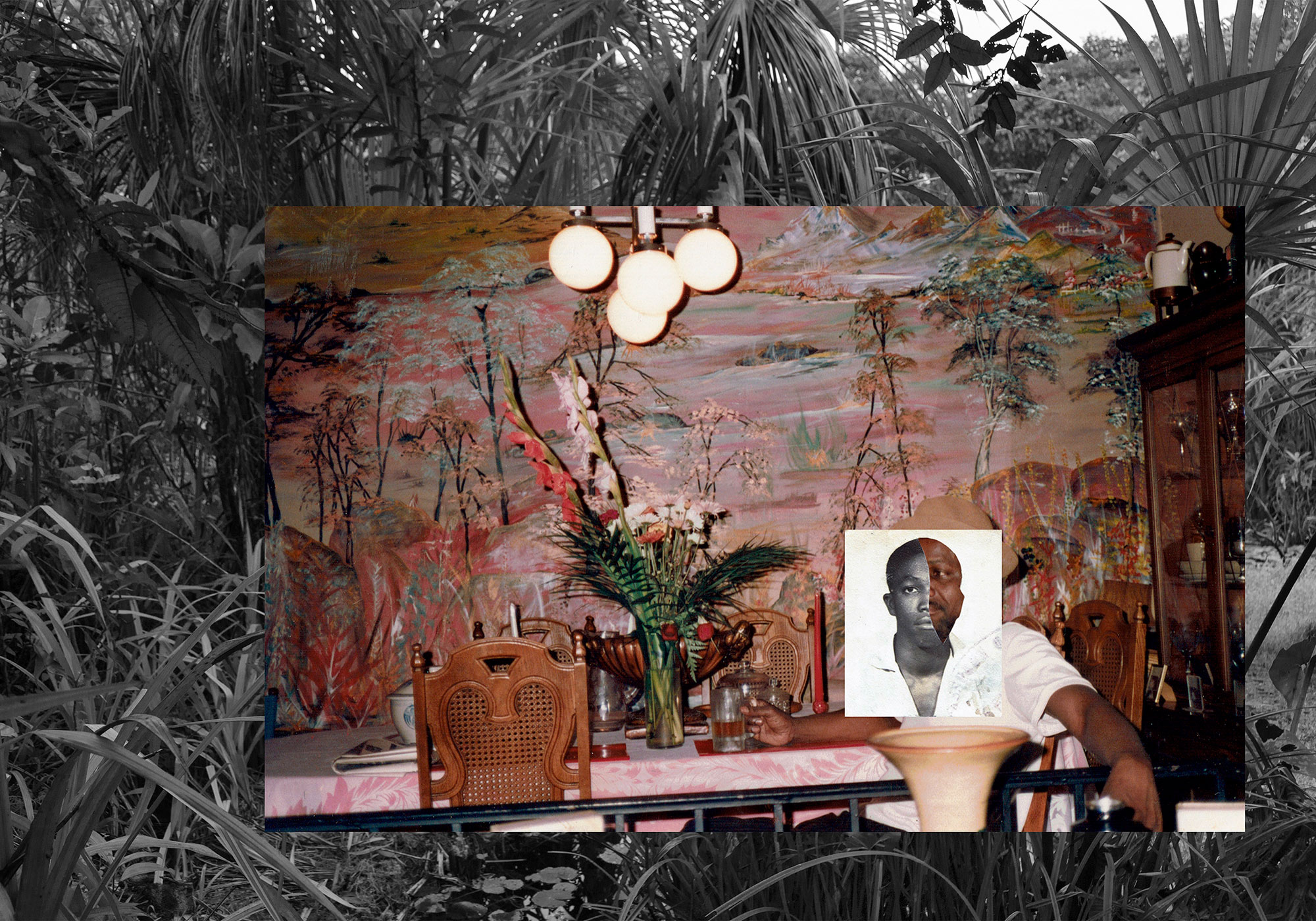
Since 2012, Keisha Scarville has been reworking an ID photo from her father’s first passport, taken when he was sixteen years old and living in Guyana. She has embellished each reproduction of the photo with daubs of paint or little beads or collaged images from magazines, amassing a collection of three hundred unique artworks. Sometimes her father has red skin; sometimes he’s surrounded by black stars. Tears of yellow ribbons fall from his eyes, or abstract masks obscure his face altogether. The tactile variations layered over the ID photo causes “an irrepressible urge to touch,” writes Tina M. Campt in Passports, a book that meditates on the love between a father and a daughter, and the ambiguous relationship between homeland and diaspora. Scaled to the size of a novel and studded with ruminative lines from a dialogue with Scarville’s father, Passports, which gestures to the collages and painterly techniques of Lorna Simpson, Chris Ofili, and Kerry James Marshall, is an indelible photo-essay about the meaning of kinship.
Courtesy the artist
And They Laughed at Me by Newsha Tavakolian
Kehrer Verlag, Heidelberg, Germany. Design by Kehrer Design, Laura Pecoroni
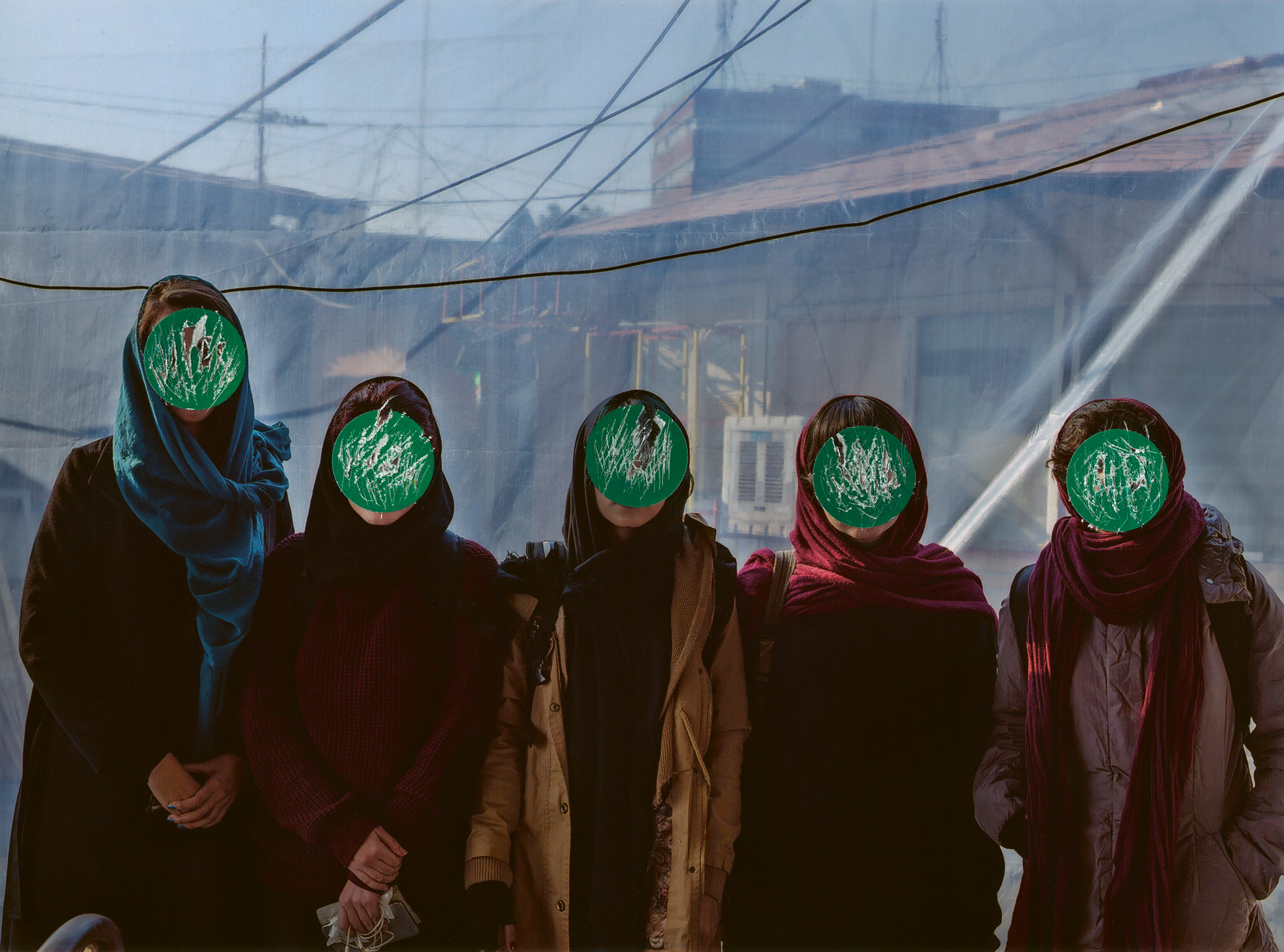
In And They Laughed at Me, Newsha Tavakolian revisits her archive, drawing together what she refers to as “eyesore” photographs to highlight two decades of her early practice as a photojournalist in her native Tehran. Tavakolian embraces the imperfections of these images: contact sheets run across spreads; light leaks, taped together images, and scratches are left in; negatives run fully, whether half-broken or with the full rough borders. The book’s dust jacket unfurls into a double-sided poster, and inside, handwritten notes from Tavakolian peppered throughout the pages provide short details for the events she depicts. And They Laughed at Me is a propulsive, unvarnished portrait of memory, politics, and artistic growth.
Photography Catalog of the Year
Courtesy the artist
A Kind of Paradise: Artistic Counter-Narratives to Colonial-Era Photography, Edited by Nanina Guyer
Spector Books, Leipzig, Germany. Design by NODE Berlin Oslo
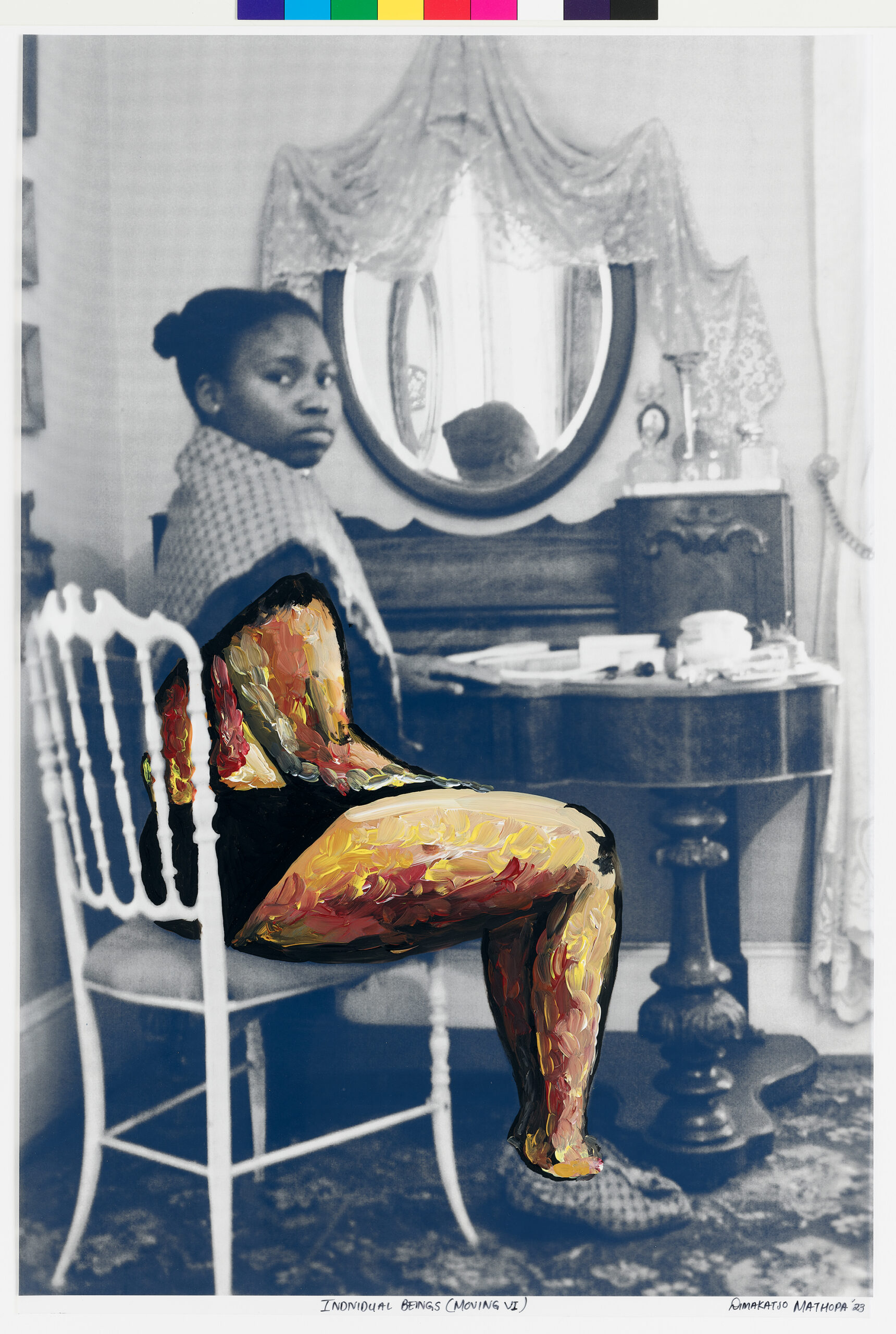
The nineteenth century haunts this book like a ghost in the attic. Photography’s first decades of innovation, beginning in the 1840s, coincided with European colonial expansion around the world, and the reduction—through images—of indigenous populations to seemingly exotic strangers and spectacles. Countless subjects of imperial photographers remain in archives as unnamed, misunderstood “examples” supposedly meant to prove a misbegotten idea about cultural inferiority. But can nineteenth-century photographs also become a space of reinvention? This question is at the heart of A Kind of Paradise, which surveys a generation of artists using memory as material. Cleverly, the book opens in the present, with interventions into archives through wide-ranging acts of appropriation, collage, and performance, gradually introducing the voices of leading scholars on postcolonial visual history. “Even in photography’s darkest moments,” the curator Nanina Guyer writes, “redemption is possible—when revelation becomes protection, and the archive itself becomes an act of love.”
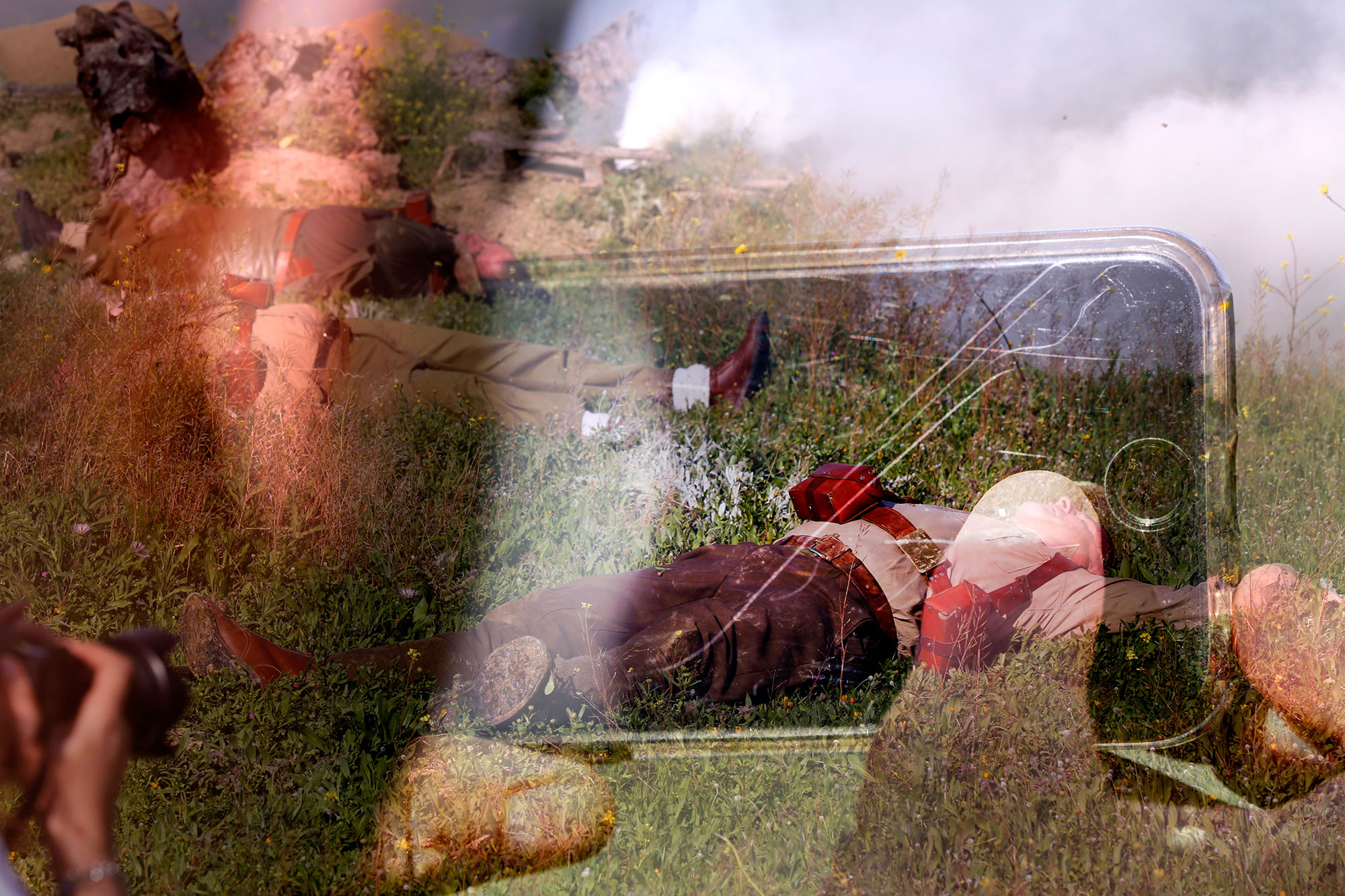
Courtesy the artist
Ecos de la Memoria (Echoes of Memory), Edited by Marta Martín Núñez
Editorial RM, Mexico City and Barcelona, and Campgràfic Editors, Valencia, Spain. Design by Underbau
Surveying more than 120 photobooks and catalogs, Echoes of Memory explores how later generations have grappled with the legacy of the Spanish Civil War and Francisco Franco’s dictatorship, a subject shaped by decades of political silence and competing efforts to reckon with the past. This weighty theme is organized into a bold yet unobtrusive design whose neutral gray cover reflects a restrained approach to contested history, while its showiest feature—a detachable timeline cover—offers a tangible framework for situating fragmentary images and narratives within the chronology of the war. Rather than advance an “official” history, this vital bilingual compendium reveals how gaps and unresolved histories continue to shape how national trauma is passed from one generation to the next.
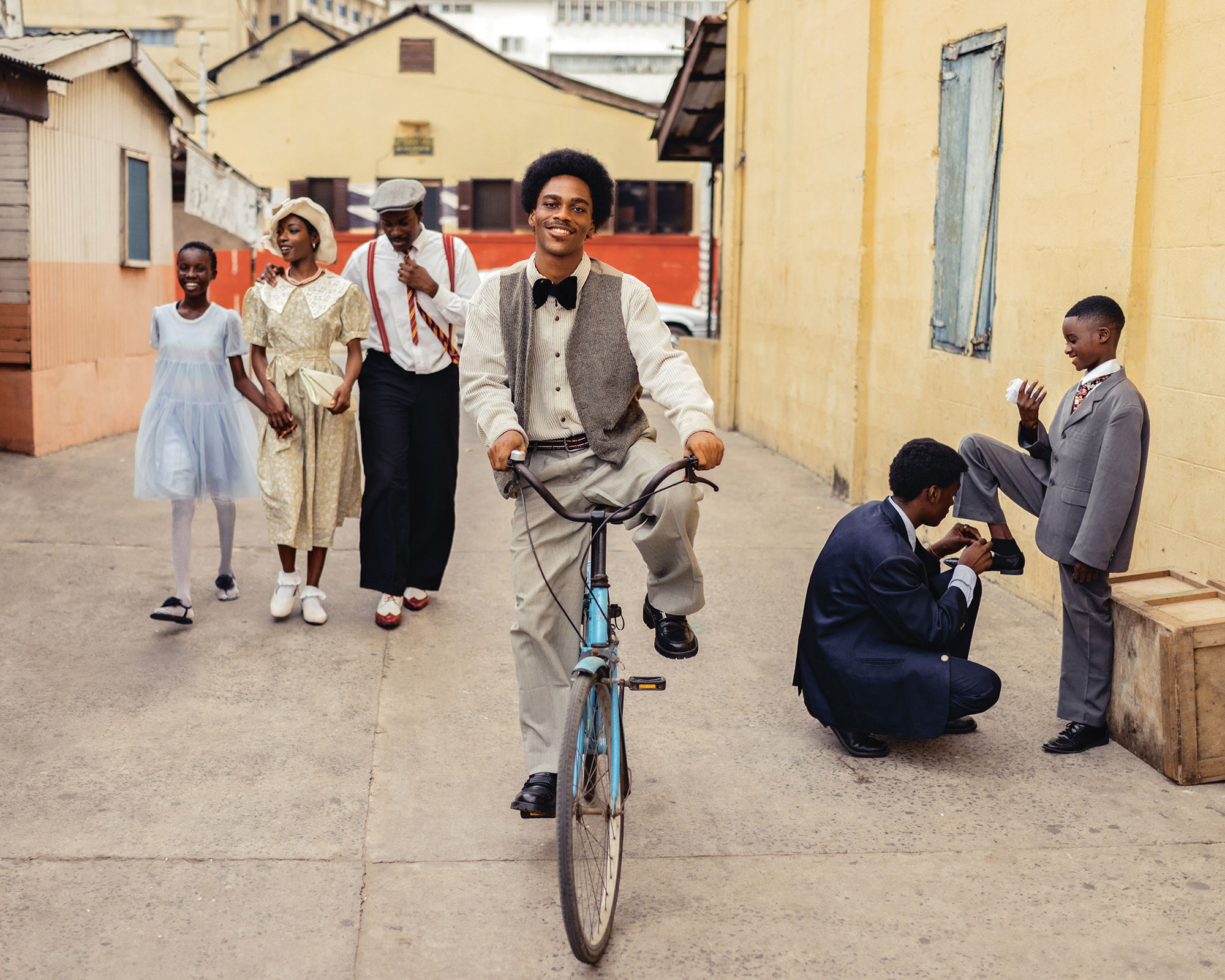
Courtesy the artist and Galleria Alta
Ghana! Rêver l’indépendance, 1957–1976, Edited by Damarice Amao
Atelier EXB, Paris. Design by Line Célo
When Ghana declared independence from British colonial rule on March 6, 1957, a new nation was born, one that needed to project itself onto the global stage with a spirit of optimism. The following decade would see the proliferation of photobooks, government publications, and news magazines extolling Ghana’s infrastructure, healthcare, hydroelectric power, and cultural prowess. Published to accompany an exhibition at Les Rencontres d’Arles, this vivacious catalog surveys the photographic culture of Ghana’s postindependence years, showing how Ghanaians wanted their lives and aspirations portrayed, from the magazine page to the portrait studio. Rooted in selections from James Barnor’s radiant 1950s portraiture and Paul Strand’s stately Ghana: An African Portrait (1976), Ghana! brings readers up to the present with recent color photography by Carlos Idun-Tawiah, who shows through his homage to Barnor the sartorial value and social memory to be mined from nostalgia.
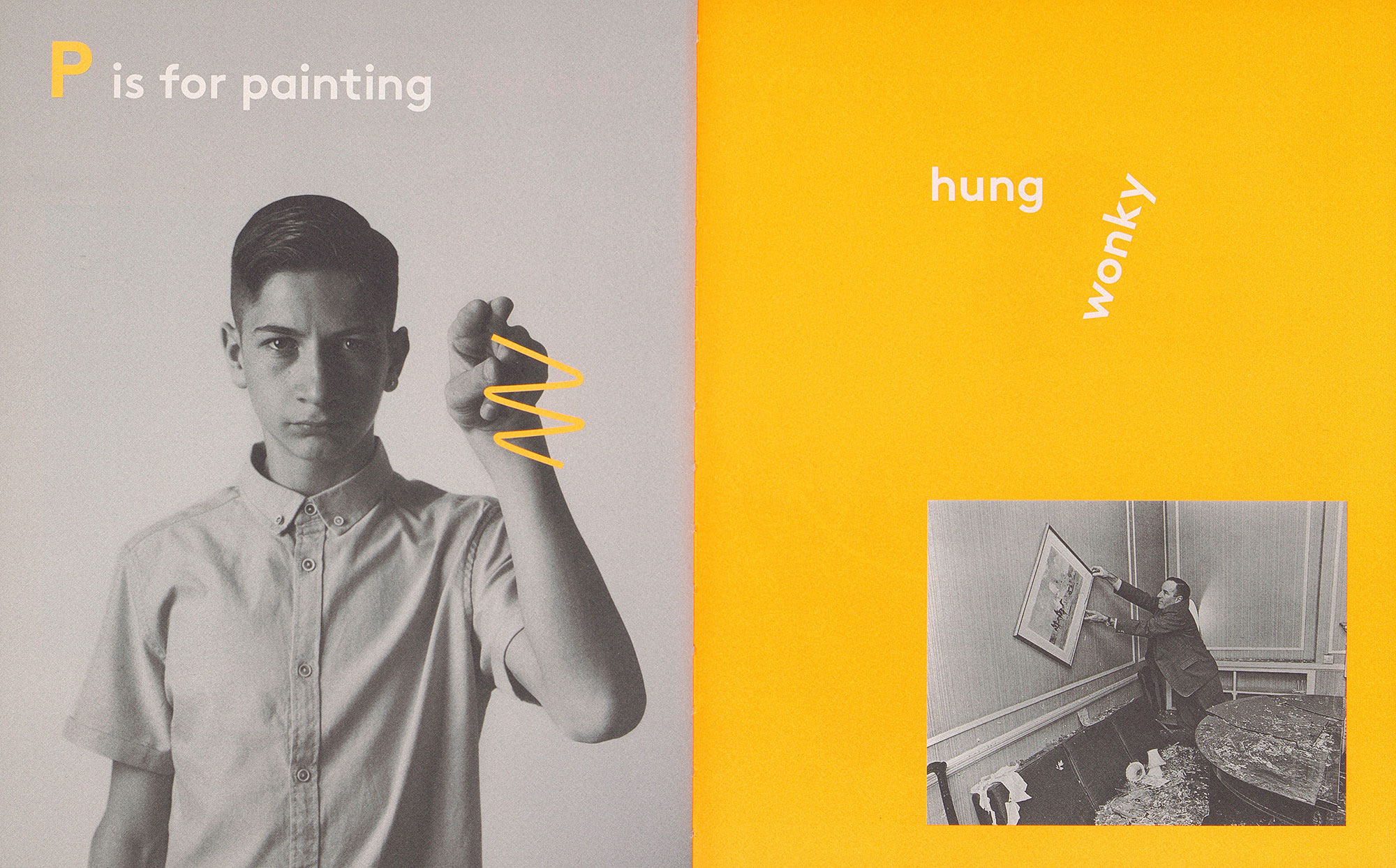
© Late Estate of Broomberg and Chanarin
L Is for Look: Children’s Photobooks, Edited by Anne Lacoste and Rose Durr
Spector Books, Leipzig, Germany. Design by Ina Kwon and Helmut Völter
L is for Look illuminates the vibrant but previously underexplored field of children’s photobooks. Featuring more than one hundred global examples, from the 1930s through the present, this catalog is organized thematically by editorial approach and concept: the pedagogical, designed to instruct toddlers on vocabulary or the alphabet or promote an understanding of geometric shapes and forms; fictional storytelling paired with photographs, creating tensions between invented narratives and depictions of reality; animals, often anthropomorphized and conversing; and “photographism,” the interaction of photography, graphic design, and other media. The books assembled here no doubt captured the imaginations of young people when they were first published, just as this compendium, with its delightful array of visual pleasures—and rich contextual research—will be equally illuminating for readers of all ages today.

More, Edited by Anuschka Blommers, Niels Schumm, and Julie Peeters
Blommers & Schumm, Roma Publications, Amsterdam. Design by Julie Peeters
Since the late 1990s, Blommers and Schumm have brought a distinct form of highly constructed, intriguingly odd imagery to the space of fashion. Their output runs the gamut, encompassing deadpan portraiture, forensically precise still lifes, and seductively awkward choreography. More, released in parallel with a survey exhibition at FOAM, Amsterdam, collects twenty-five years of work, some made for magazines such as Self Service, The Gentlewoman, Fantastic Man, Interview, and Purple, revealing how the editorial page remains a blank canvas for experimentation and a venue to play with traditional ideas of what constitutes a fashion picture. Oversized and softcover, with the appropriate feel of a magazine, the book’s cover features an extreme close-up of ants exploring a lush, pink flower, alerting viewers to the colliding forces of beauty and the uncanny inside the book.
Contributions by Brendan Embser, Michael Famighetti, Daniela Grande, Zack Hatfield, Sofia Headley, Noa Lin, Cassidy Paul, Alex Schlechter, and Gia Sidhu.