PhotoBook Awards
A Look Inside the Titles Shortlisted for the 2024 PhotoBook Awards
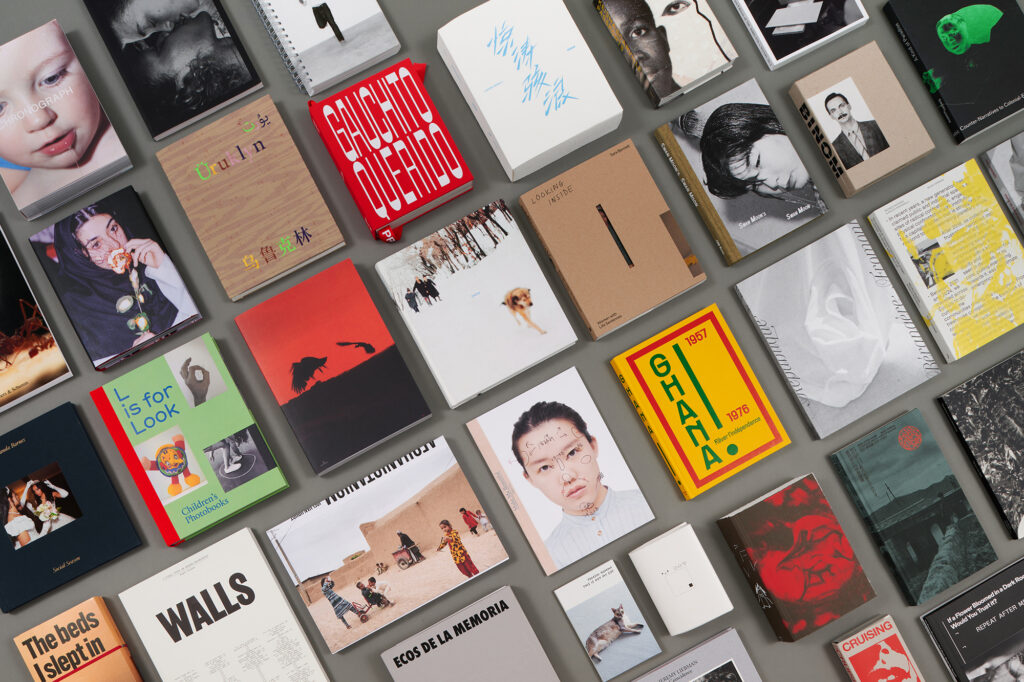
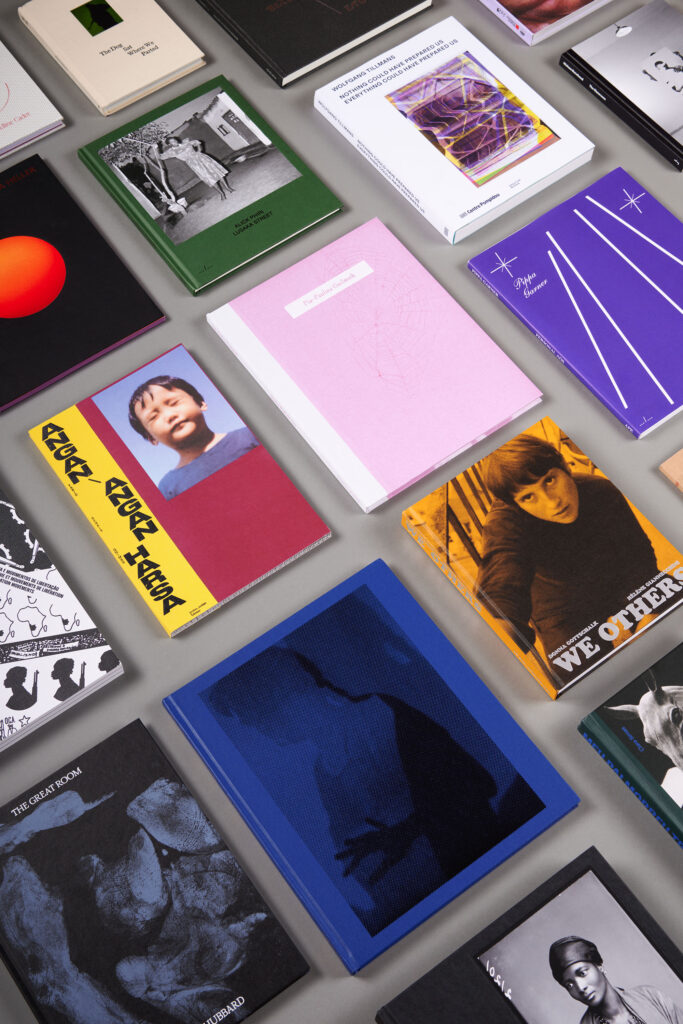
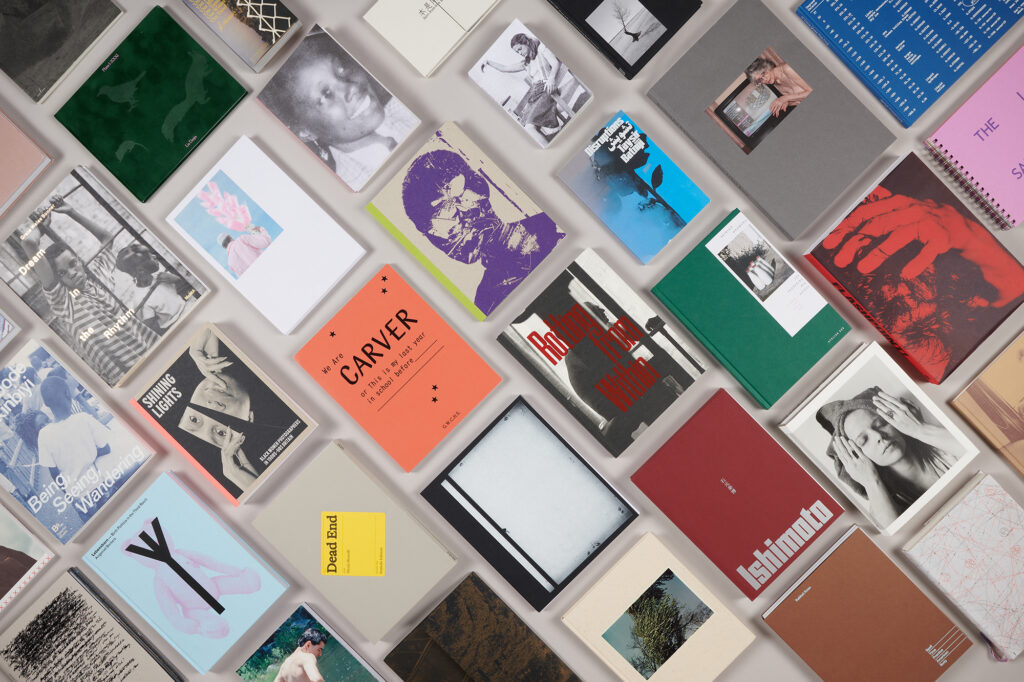
These 35 photobooks highlight excellence in publishing across a wide range of topics and photographic styles.
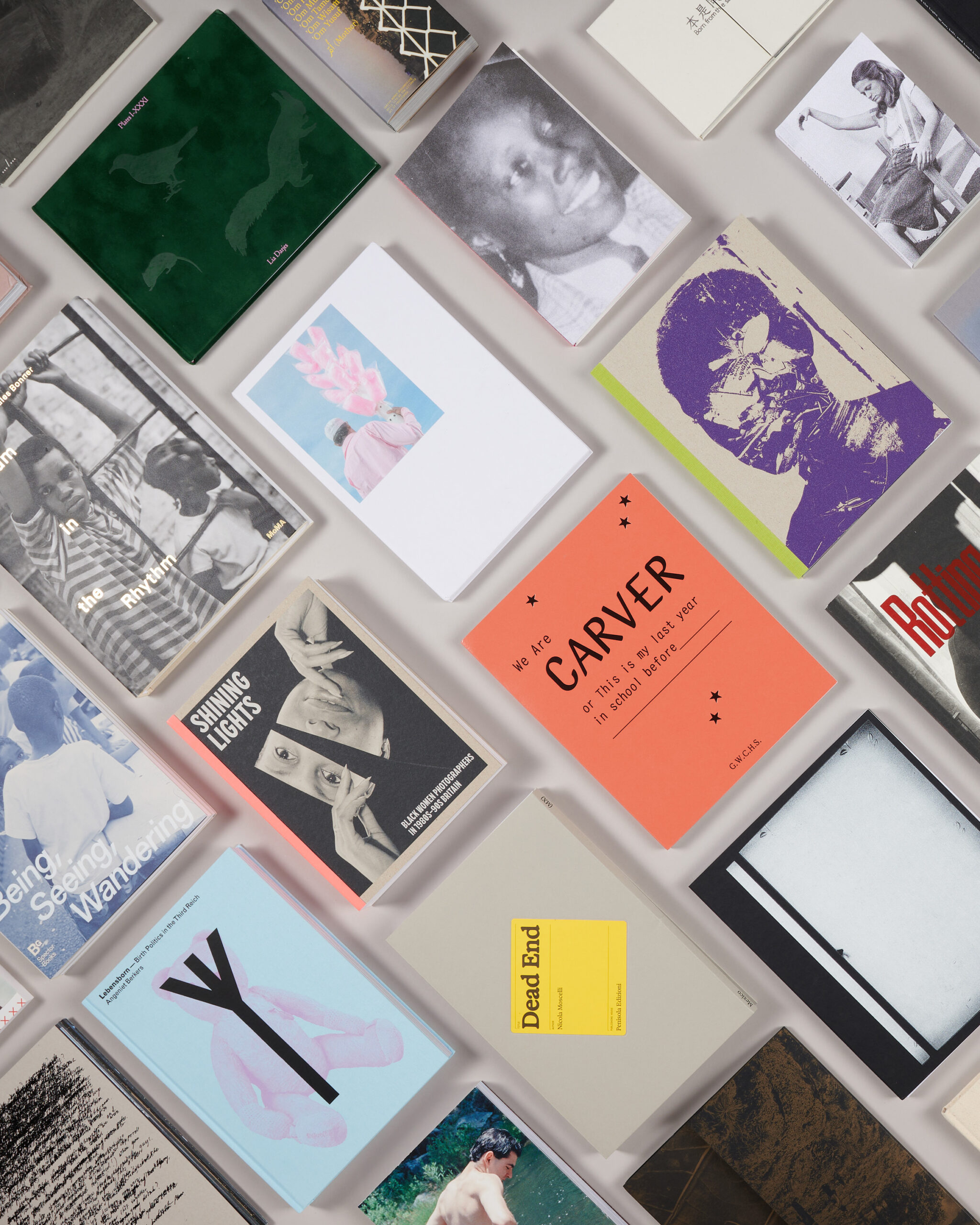
Now in its twelfth year, the 2024 Paris Photo–Aperture PhotoBook Awards are an annual celebration of the photobook’s enduring role within the evolving narrative of photography. The awards recognize excellence in three major categories of photobook publishing: First PhotoBook, PhotoBook of the Year, and Photography Catalog of the Year.
This year, Paris Photo–Aperture PhotoBook Awards received 940 books from fifty-nine countries around the world, including standout entries from Argentina, Japan, Indonesia, New Zealand, and elsewhere. This past September, the shortlist jury met in New York for three concentrated days of review and deliberation by an international team: Negar Azimi, editor in chief, Bidoun; Jacqueline Bates, photography director, Opinion, New York Times; Michael Famighetti, editor in chief, Aperture; Nontsikelelo Mutiti, director of graduate studies in graphic design, Yale School of Art; and Anna Planas, artistic director, Paris Photo.
The shortlist represents more than just the most highly produced, classically beautiful books—it is also an expression of the possibilities of bookmaking across a broad spectrum of resources, intentions, and storytelling techniques. As jury member Michael Famighetti stated, “It was exciting to see such a range of ideas, topics, processes, and forms explored through the photobook. I’m grateful to the jury for dedicating so much time and care to reviewing the submissions, and to our community of dedicated bookmakers, photographers, and scholars for producing and submitting such a powerful selection of work.”
“Serving on the jury offered an intensive and rewarding view into the past year’s publications,” juror Jacqueline Bates observed. “Reviewing books from fifty-nine countries was an extraordinary task. Even among shared themes, each project took a different approach. Of the 940 entries, every single book was unique.”
Anna Planas, artistic director of Paris Photo, and Florence Bourgeois, director of Paris Photo, commented: “The presentation of the shortlisted books at Paris Photo is one of the highlights of the event. The selections chosen for the PhotoBook Awards share an international vision of the production of photography books, and with the pulse of contemporary creativity, they embody the vitality of publishing today.”
A final jury will meet at Paris Photo to select the winners for all three prizes, which will be revealed on Friday, November 8. From there, the shortlisted books will be exhibited in Paris, followed by an international tour, including New York at Printed Matter, in January 2025, among other venues to be announced.
Below, read more about the thirty-five selected titles for the 2024 PhotoBook Awards shortlist.
First PhotoBook
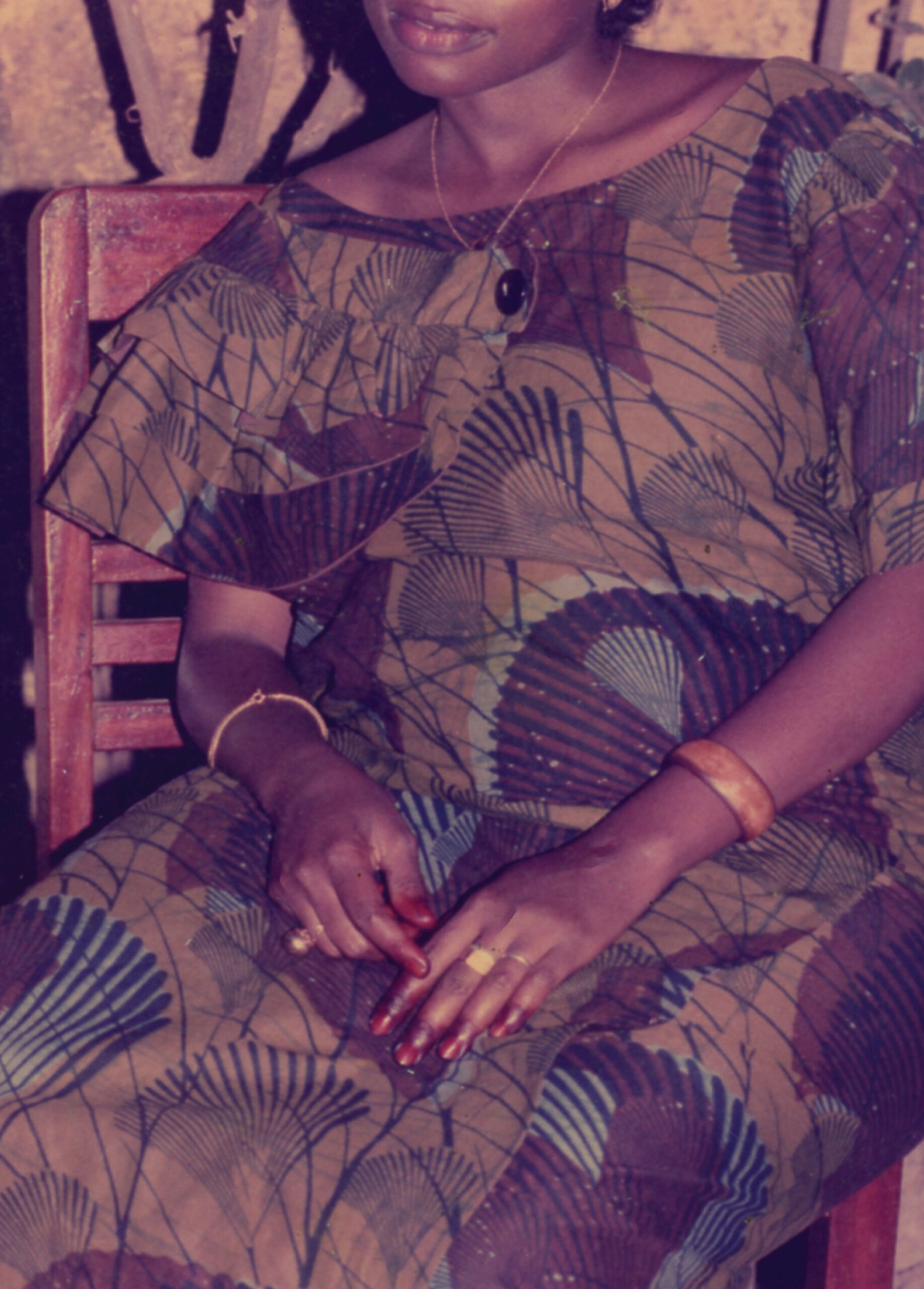
i am (not) your mother by Hady Barry
Self-published, Penumbra Foundation, New York, Design by Hady Barry
In 2002, amid a civil war, Hady Barry and her family fled Côte d’Ivoire to resettle in Senegal. As her mother left for the United States to seek asylum, and her father was mostly absent traveling for work, Barry, age thirteen, found herself taking care of three younger siblings. Her self-published photobook i am (not) your mother interlaces portraits and documentary photographs, archival imagery, journal entries, and transcribed conversations, unpacking the trauma of an adolescence cut short by the tremendous responsibilities of parenting. The book’s imagery alternates between the vivid, nostalgic palette of rediscovered family photographs and the black-and-white of Barry’s own austere pictures of nature, people, and interiors. “There’s this parallel with her personal story and the personal way she made the publication,” says juror Anna Planas. The book’s smaller 6 ½-by-9 inch format and use of one-of-a-kind Risograph printing befit the intimacy and rawness of Barry’s painful subject matter.

Silence Is a Gift by Ciro Battiloro
Chose Commune, Marseille, France, Design by Cécile Poimbœuf-Koizumi and Perrine Serre
Ciro Battiloro’s Silence Is a Gift is an intimate glimpse of Southern Italy. In a geography that has long been mined by visiting artists, Battiloro, who is local to the area, photographs families in their homes, documenting small, personal moments of daily life. Silence Is a Gift strings together thoughtfully sequenced black-and-white images, respectfully printed with an ample border. Empathetic and respectful, they capture moments of joy and rest—children climbing through windows, a mother doing her daughter’s hair. The book’s cover is understated in its design, quietly inviting the viewer into the domestic world of the photographs. “Battiloro beautifully captures the deep love shared among these family members, infused with a sense of tenderness and playfulness,” says juror Jacqueline Bates. “The photographs strip away any sense of specific time or place, offering nuanced insight into life in Italy.”
Lebensborn: Birth Politics in the Third Reich by Angeniet Berkers
The Eriskay Connection, Breda, Netherlands, Design by Rob van Hoesel
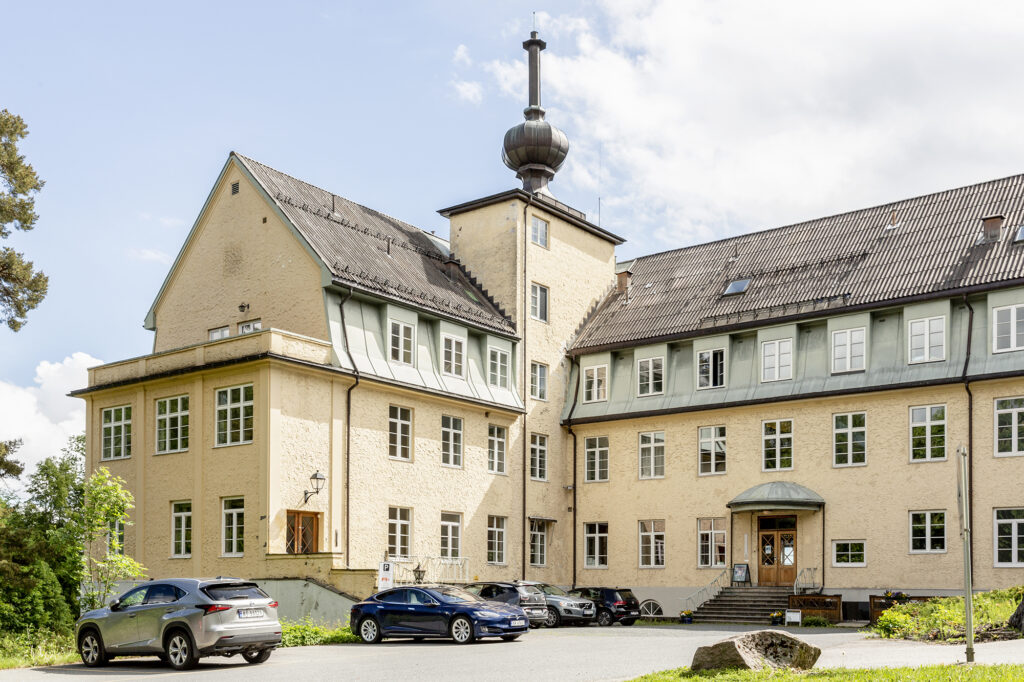
Lebensborn: Birth Politics in the Third Reich chronicles the grim history of Heinrich Himmler’s program to create an “Aryan” race. Implementing contraception and abortion bans along with tax breaks and incentives for procreation, the Nazis encouraged German citizens to have as many children as possible. This plan eventually failed, and they resorted to kidnapping thousands of children from Eastern Europe to be “Germanized.” Lebensborn presents a loose chronology of these policies, oscillating between archival materials and the artist’s own photography of historic locations and surviving victims, who provide personal testimony about the traumatic and tragic consequences of this plan. “This project is a necessary reminder of the vulnerability of children during times of conflict,” reflects juror Nontsikelelo Mutiti. “The book really succeeds in framing the systems of thinking that were used by the Nazi regime to construct this Aryan identity and also illustrates the lasting consequences of the horrors of that program.”

Rue Désiré Chevalier by Claire Cocano
Self-published, Paris, Design by Claire Cocano
Claire Cocano’s Rue Désiré Chevalier is a tender rumination on family, migration, and heritage. In the 1960s, Cocano’s grandparents migrated from Yugoslavia to France, settling permanently in an apartment where, more than forty years later, they would witness the dissolution of their home country. Throughout the softcover volume, Cocano weaves together her own images with a mix of family photos, journal entries and letters, and identity cards. These visuals are punctuated with two contrasting items: records of an employment rights agreement between Yugoslavia and France printed on translucent paper and a series of fabric blueprints that unfurl to reveal re-creations of Cocano’s grandmother’s embroideries. “The book design feels very intentional, unique,” notes juror Negar Azimi. “As if you’re entering an intimate zone—a familial and spiritual excavation at once.”
’Om (Mother) by Barbara Debeuckelaere
The Eriskay Connection, Breda, Netherlands, Design by Carel Fransen
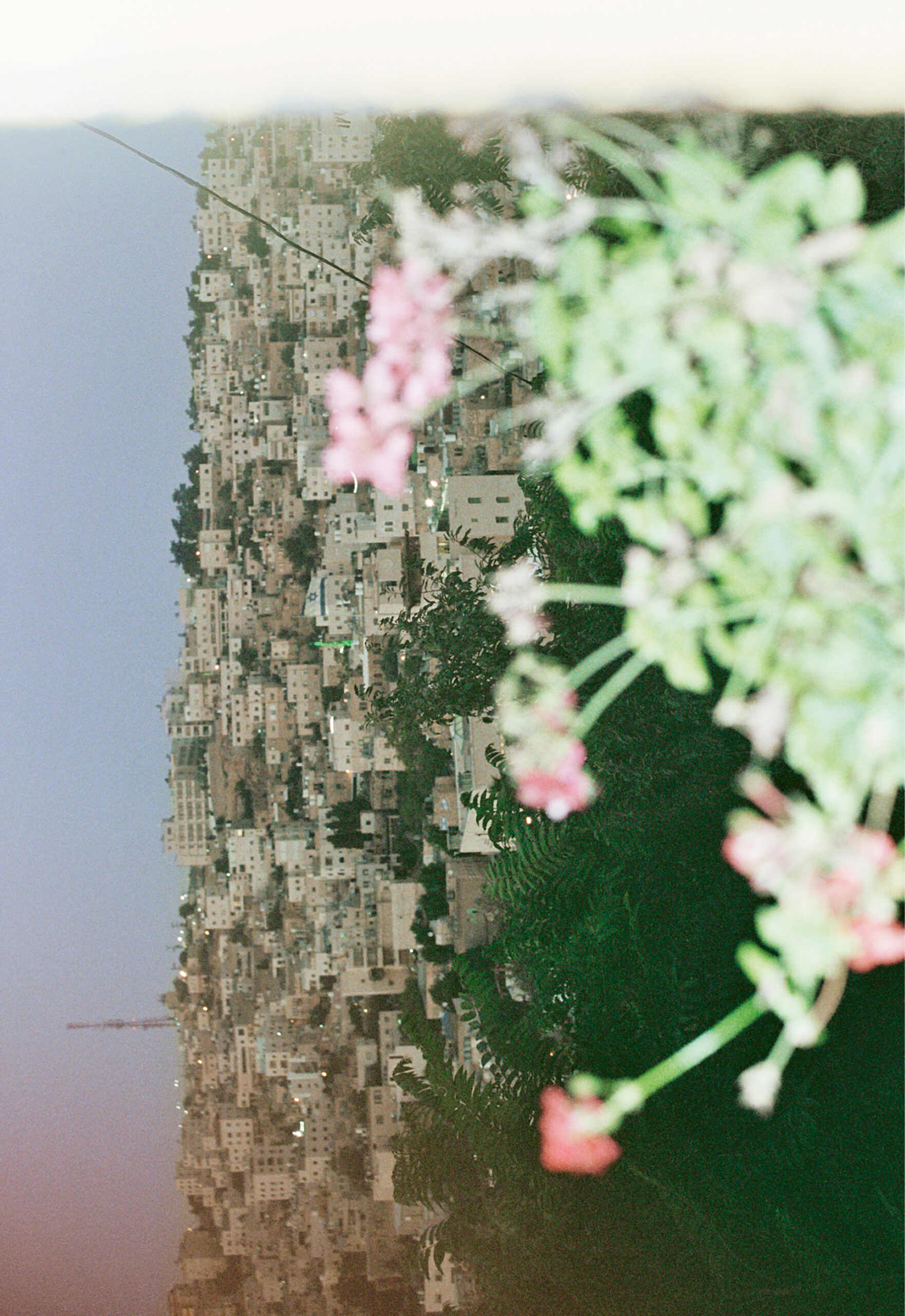
In her book ’Om (Mother), Barbara Debeuckelaere collaborates with eight Palestinian women to tell a different story about the Middle East. While media coverage of the ongoing occupation of Palestine tends to focus on men who are fighting on the ground, women are rarely depicted in their enduring efforts to protect their children and their homes. Providing them with cameras, Debeuckelaere asked eight women in Tel Rumeida to document their day-to-day realities. The resulting quiet, gentle snapshots of the home, friends, and family—often flooded with light leaks—offer an idiosyncratic, surprising take on life under occupation. Full-bleed photographs printed on 320 pages of newsprint are “artistic, often pleasingly oblique and surprising,” notes juror Negar Azimi. “The book, which is small in size, feels both immediate and intimate.”

27 Drafts by Simone Engelen
Fw:Books, Amsterdam, Design by Hans Gremmen
In 2006, while on a high school year abroad in the United States, Simone Engelen was sexually assaulted. Years later, seeking closure, she returned with her mother and her camera. 27 Drafts documents Engelen’s interrogations of her memory through photography and printed handwriting, a hazy intervention into the artist’s own psyche. The images feel raw and forensic on the book’s black paper, like scenes from a nightmare—dark nights seen from the interior of a car, foggy landscapes, and reflecting pools. “The informal, softcover binding and sketchbook feel underscore the idea, suggested by the title, of an ongoing project to process the past,” notes juror Michael Famighetti. Beginning with spot-varnished type on the cover that resembles a scrawled page from a journal, 27 Drafts never strays from its deeply personal goals. Engelen has not made this book for others, but rather as a formal practice in confronting oneself and taking the steps toward healing.

If Time Does Not End by Janick Entremont
Self-published, Berlin, Design by Janick Entremont
If life and death became a choice: What value would time have? This question is at the heart of Janick Entremont’s If Time Does Not End, a cerebral investigation into the growing phenomenon of cryopreservation. The ambitious experiment, called cryonics, hinges on the belief that future technology will gain the ability to reverse death, storing a patient’s body (or just their brain) in nitrogen-cooled tanks kept at -196 degrees Celsius. For this project, Entremont found himself traveling to the U.S., Norway, Spain, and Switzerland, photographing a range of believers, from CEOs to a man storing his grandfather on dry ice in his own garden. The book’s minimalist design is intermixed with blue-printed pages excerpted from an ominous “Revival Preference Statement” that details the morbid terms and conditions of freezing one’s body. “Entremont creates monumental, psychological portraits of people and places,” says juror Negar Azimi, “revolving around the endlessly interesting question: What would motivate someone to pursue eternal life?”
Sea Beach by Ismail Ferdous
Imageless, Shanghai, Design by RELATED DEPARTMENT
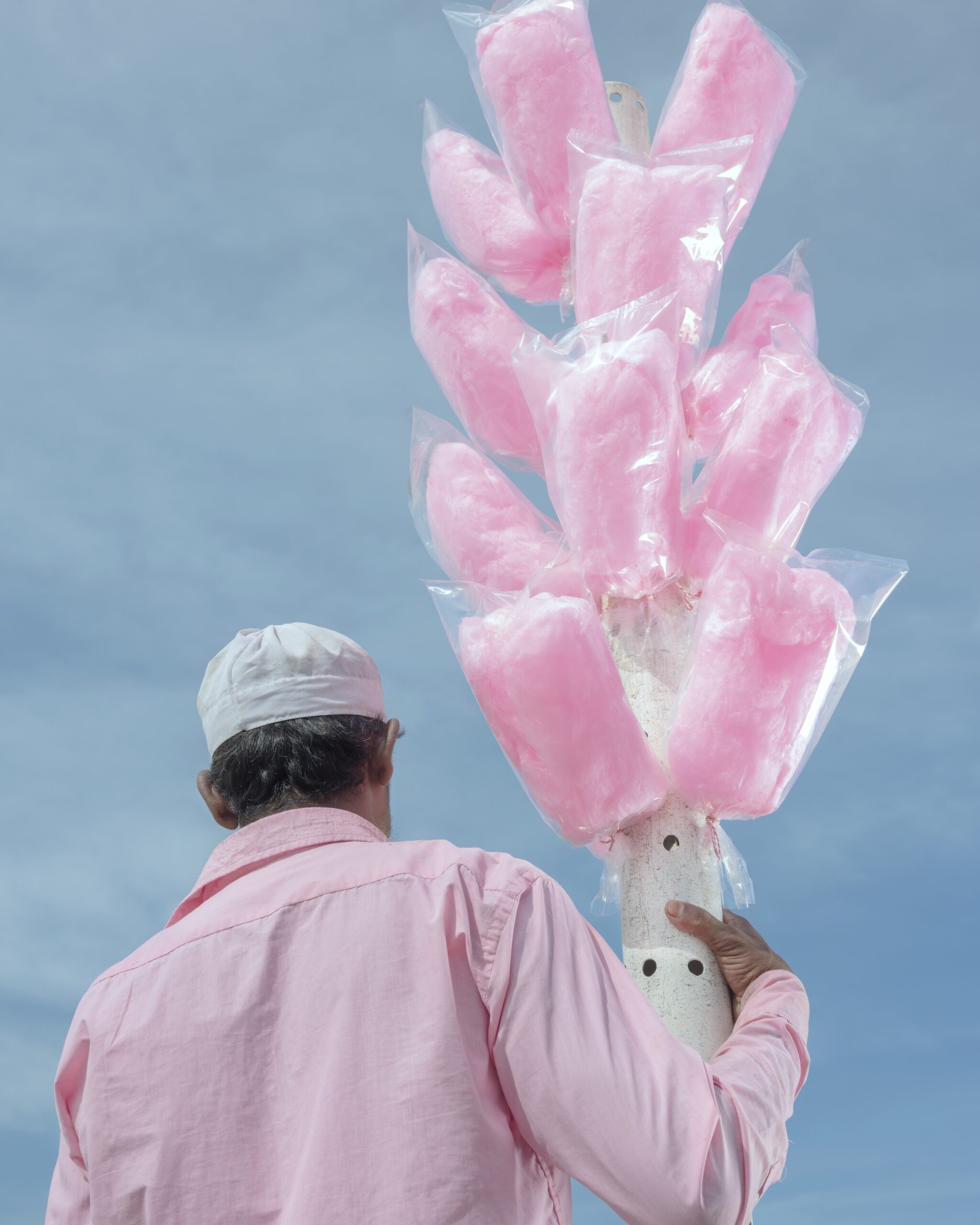
Cox’s Bazar, the longest natural saltwater beach in the world, lies on the Bay of Bengal, in Bangladesh, and has been a destination for photographer Ismail Ferdous since he was young. The beach is a landmark where people from across districts, dialects, and regions come together in a communal crossroads, year after year. Ferdous captures the place with a dreamlike quality in Sea Beach, interlacing portraits and still lifes taken during the winter months that evoke nostalgic memories from his childhood. The stark-white hardcover is adorned with a small, glitter-coated image of a cotton candy vendor and suggests the playful, ethereal world of highlights and washed-out color within. “The addition of gatefolds adds whimsy to the sequence, infusing a sense of magical realism,” says juror Jacqueline Bates. “Ferdous conjures both pale and radiant light, depicting moments of leisure that feel celebratory.”
Control Refresh by Toma Gerzha
The Eriskay Connection, Breda, Netherlands, Design by Rob van Hoesel
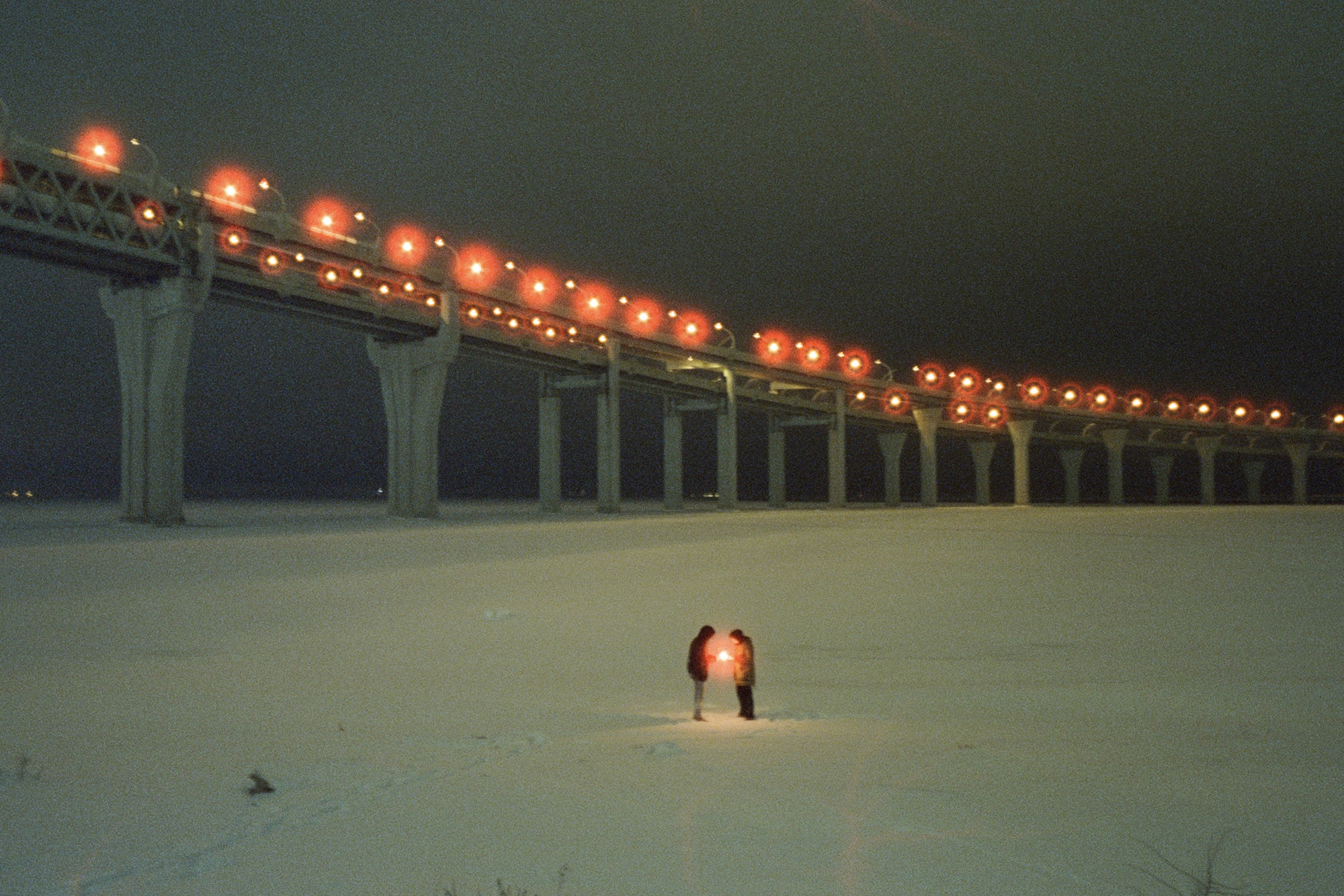
Control Refresh tells stories of Russian youth—Gen Z raised in the Putin era. Toma Gerzha, born in Moscow and now based in Amsterdam, photographed several remote cities over three years. Her images balance an outsider’s view with thoughtful introspection and describe the ennui of growing up while feeling constrained by an increasingly online world and the bleak geopolitics of Russia’s war against Ukraine. The book is carefully bound with orange thread and features a stylish bellyband jacket. “Its softcover, magazine-like feel makes for absorbing storytelling and interaction of text and image,” says juror Michael Famighetti. Through Gerzha’s understanding of her peers’ lived realities, and her own, Control Refresh is a unique portrait of young Russians at this fraught moment.

Into the Quiet and the Light: Water, Life, and Land Loss in South Louisiana by Virginia Hanusik
Columbia Books on Architecture and the City, New York, Design by New Information, Dave Yun, and Inyeong Cho
Into the Quiet and the Light: Water, Life, and Land Loss in South Louisiana essays the broad history of South Louisiana, invoking the climate crisis as a catalyst for reflection. Virginia Hanusik’s black-and-white photographs are respectful, detail-rich documents of landscape and architecture from the region. They punctuate texts that include her personal writing alongside a chorus of poems, reflections, and essays by local writers, scholars, artists, and activists. The black hardcover is an inviting, modest size. The opening text is printed on a brassy-brown, uncoated paper, and illustrations are tipped-in on smaller, white, coated sheets. “The size and design work wonderfully in service of the overall message” notes juror Nontsikelelo Mutiti. “It’s portable and accessible, and I think books dealing with this kind of information must be able to be shared easily.”

Rotting from Within by Abdulhamid Kircher
Loose Joints Publishing, Marseille, France / London, Design by Loose Joints Studio
In Rotting from Within, Abdulhamid Kircher contends with a complex family history and his own conceptions of masculinity. Born in Berlin, Kircher left for the United States as a child, leaving his abusive father behind. Only later, when he was seventeen, did he become more familiar with his father’s life in Turkey and Germany, including his incarceration. Kircher began spending summers in Berlin, documenting this new relationship with his father and, slowly, his disillusionment with him. Sequenced chronologically, some of the book’s pages contain a single photograph, while other spreads carry up to fifteen; the pacing balances the temporal gaps as Kircher leaves Berlin and returns the following year. His photographs remain caring and observational, open to understanding generational rifts and traditions. As juror Michael Famighetti notes, Rotting from Within is “an absorbing, diaristic chronicle of family that toggles between beauty and trauma.”
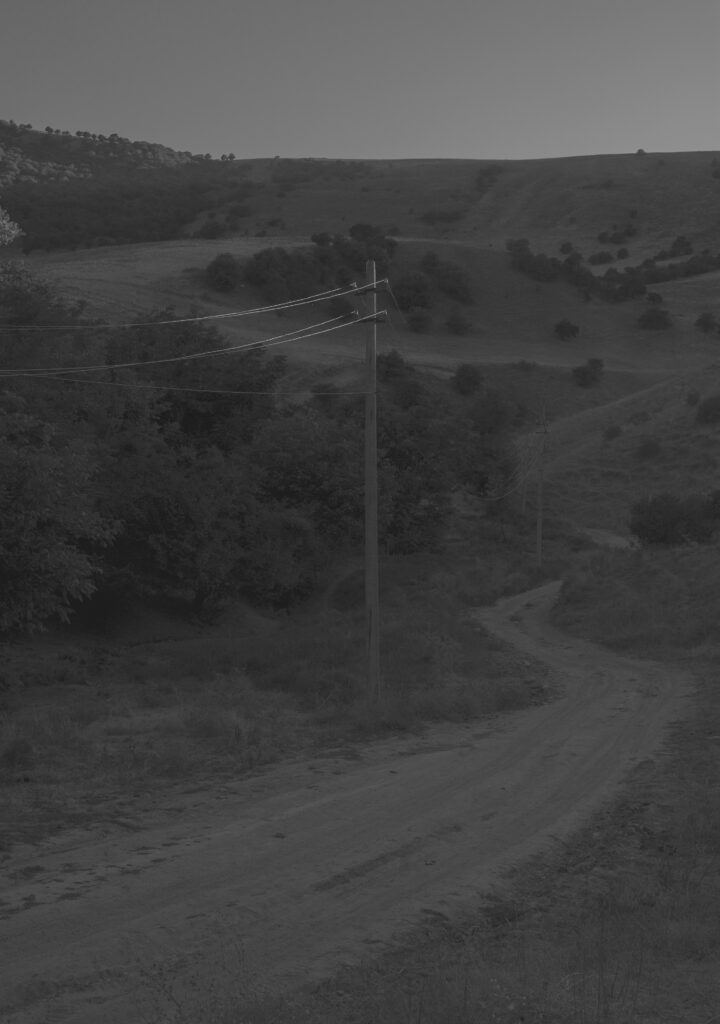
One Head and Thousand Years by Hassan Kurbanbaev
Art Paper Editions, Ghent, Belgium, Design by Jurgen Maelfeyt
One Head and Thousand Years is a multivalent exploration of photographer Hassan Kurbanbaev’s search for identity, place, and connection within his home city of Tashkent, Uzbekistan, and the surrounding Chimgan Mountains. The slim paperback evokes a place and time; its narrative posits more questions than it answers. Kurbanbaev photographs everyday moments rich in symbolism. Crops of body parts, domestic details, posed portraiture, and landscapes are woven together into a surreal patchwork, centered on the vulnerability of living as an artist in a post-Soviet Muslim society. Printed with minimal margins on warm gray paper, One Head and Thousand Years is a textural, immersive experience. “There is an unearthly quality to the images,” says juror Jacqueline Bates, “absorbing the audience into a poetic meditation on the process of finding oneself.”
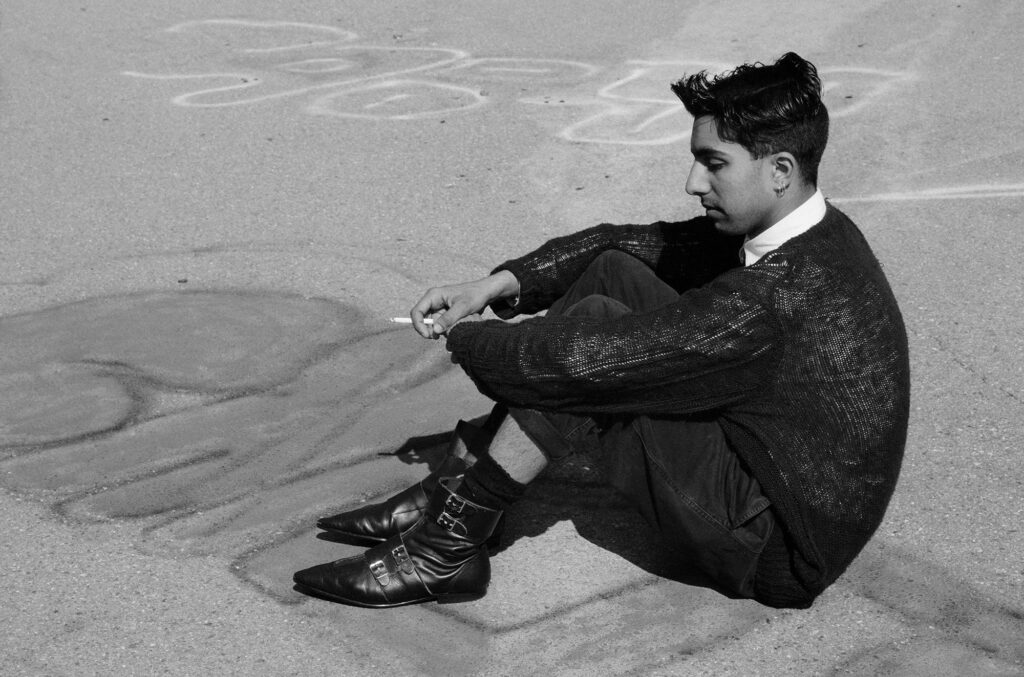
Pictures in My Hand of a Boy I Still Resemble by Srinivas Kuruganti
Self-published / Marigold Books, Delhi, India, Design by Srinivas Kuruganti
In Pictures in My Hand of a Boy I Still Resemble, Srinivas Kuruganti deftly mines his memories of a bygone era. Kuruganti came to the United States from India in 1986 as a student, and the photographs he made in the following years are a sun-soaked testament to a cultural scene both diasporic and distinctly American. The modest softcover contains only full-bleed photographs that provide a visual drumbeat—a sentimental yet ecstatic montage of Kuruganti’s youth takes shape over the volume’s nearly two hundred pages. Familiar faces and landscapes reappear: stylish men standing with a car on the side of the road, leaning on a fence set against the city in the background, posing in front of crashing waves on the beach. “The intimate format—and snapshot style of the images—offers an absorbing record of a community of friends navigating American culture in the 1980s and ’90s,” says juror Michael Famighetti.

Dead End by Nicola Moscelli
Penisola Edizioni and Antiga Edizioni, Crocetta del Montello, Italy, Design by Roberto Vito D’Amico
Intensively researched, Dead End, by Nicola Moscelli, charts the contentious history of the U.S.-Mexico border through the lens of surveillance and internet culture. Utilizing satellite street-view images from each side of the border as the primary photographic material, the volume collects stark, banal, black-and-white images of urban and suburban spaces that evoke the strategies of the New Topographics, but have been updated for the digital age. Archival material, written testimony, government documents, interviews, screenshots from social media, and fragments of poems and song lyrics reveal the diverse ways the border has been theorized. The Swiss-bound volume is meticulously organized, even integrating the idea of the border into its structure, with images from the U.S. and Mexico divided by a central well of texts and technical information. “The hierarchy of information is so striking,” observes juror Nontsikelelo Mutiti. “The structure is brilliant, in how it organizes and frames everything—even the photographs—as data.”

Spell, Time, Practice, American, Body by RaMell Ross
MACK, London, Design by Morgan Crowcroft-Brown
Artist, filmmaker, and writer RaMell Ross’s Spell, Time, Practice, American, Body presents his body of work alongside essays by him and other contributors. The book reimagines visual narratives of the American South, opening on stills from Ross’s documentary feature Hale County This Morning, This Evening and continuing through photographic and sculptural work. At the book’s core, differentiated by thin, glossy black paper, is documentation of the mixed-media performance Return to Origin, in which Ross embarked on a fifty-nine hour journey inside a shipping container. The work is a tribute to Henry Box Brown, who famously escaped slavery by mailing himself to abolitionists in Philadelphia. “Bound with book screws and resembling a working document, Spell, Time, Practice, American, Body evokes the feel of a textbook, challenging and expanding the definition of what a photograph of the American South is, and can become,” remarks juror Jacqueline Bates, “a continually evolving concept that invites reinterpretation and revision.”

Daily Self-Portraits 1972–1973 by Melissa Shook
TBW Books, Oakland, California, Design by Paul Schiek
In December 1972, Melissa Shook (1939–2020) embarked on a project to photograph herself every day for a year, inside her Lower East Side apartment, in various poses and states of dress and undress. The performance let her contemplate, on her own terms, her relationship to memory and her overlapping identities as a woman, a mother, and an artist. Daily Self-Portraits 1972–1973 brings together Shook’s complete series—a revelatory, prescient body of portraiture that eschews the decisive moment for a more prolonged, open-ended gaze that derives its power and pathos through the accumulation of fleeting gestures and attitudes. The softbound book’s minimalist design accords equal significance to each of the 192 black-and-white photographs. “This is a beautifully produced book that’s made in a simple but perfect way,” says juror Anna Planas. “It’s an important contribution to art history, but her images also feel quite contemporary and relevant today.”
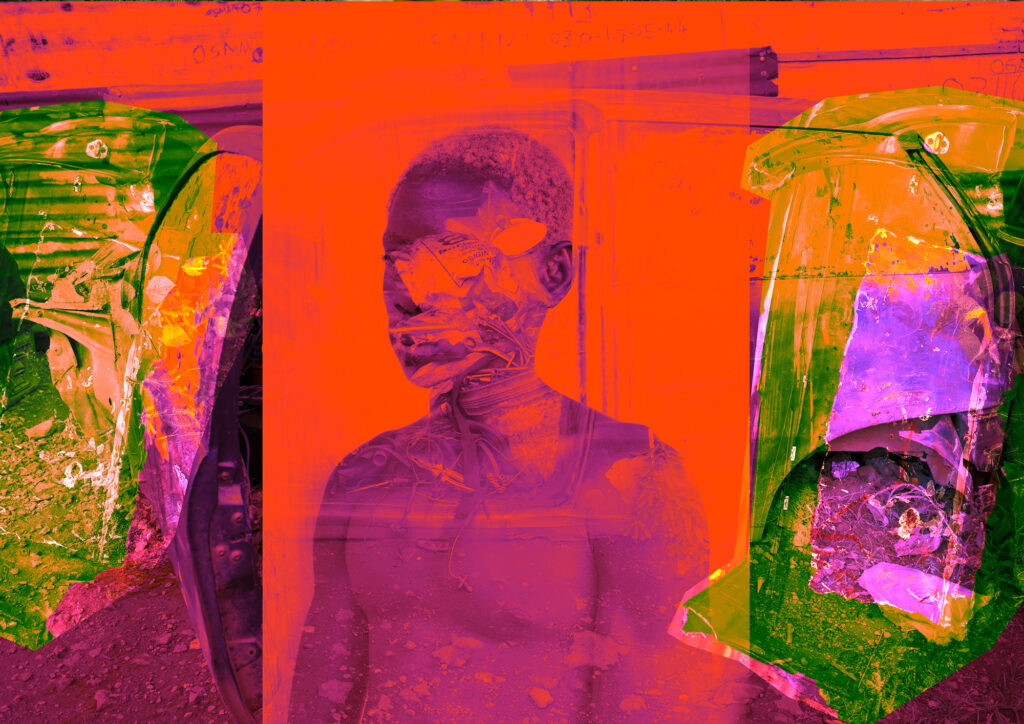
Wata Na Life by Ngadi Smart
Loose Joints Publishing, Marseille, France / London, Design by Loose Joints Studio
Although you would never know at first glance, Ngadi Smart’s Wata Na Life was conceived from a commission to document how the global water crisis affects communities in Sierra Leone. Smart’s hypersaturated, effervescent photographs play with layering, collage, and other means of postproduction to deny ethnographic views of disenfranchisement that are so often entangled in depictions of Africa. Instead, the images feel vibrant, spiritual, and full of meaning. “It’s a very African story—what innovation looks like at moments of crisis,” notes juror Nontsikelelo Mutiti. “Oftentimes people talk about resilience, but I think it’s underrecognized how much problem-solving and intelligence is needed to confront these crises. I think this book successfully honors that spirit.” Within the heavy cardstock cover, the photographs are presented on a set of folded sheets stapled to the back case. “The complexity of the photographs and the book object allows for new meanings to be surfaced each time I pick it up,” lauds Mutiti.

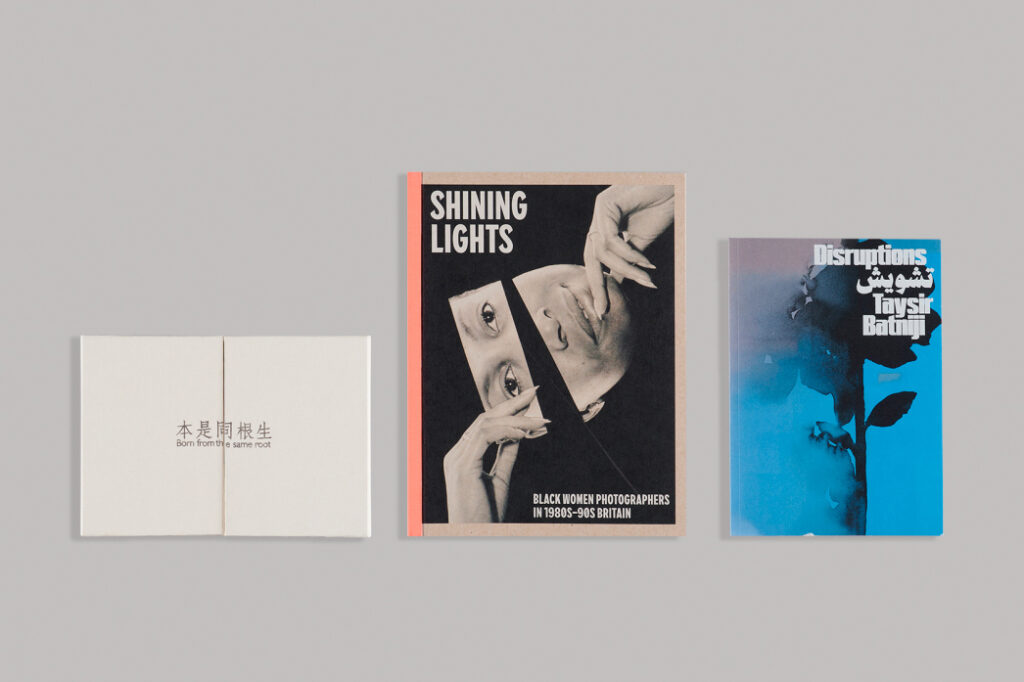
Born from the Same Root by Tsai Ting Bang
Self-published, Taipei, Design by Tsai Ting Bang and Shū Hé Zhì
Tsai Ting Bang’s Born from the Same Root forms a moving portrait of the artist’s older brother Hsien and reflects upon their shared family trauma. The boys grew up in separate homes, and as a young adult, Hsien began suffering from mental health issues and cut contact with the family for three years. Tsai uses the book to explore the estrangement, misrecognitions, and mystery at the heart of their bond, interweaving archival family photographs and his own tender portraits of Hsien and his day-to-day life. “The book tells a simple but powerful story and is full of lovely, unguarded moments,” says juror Anna Planas. The intimately sized volume involves a clever bipartite structure, forcing the reader to turn the pages of the book in opposition, as one might open a gatefold. Per Planas, “We loved how the design thoughtfully reflects both the distance and closeness of the brothers’ relationship.”

Twana’s Box: The Photographic Life of Twana Abdullah, Kurdistan Region of Iraq, 1974–1992 by Rawsht Twana
Fraglich Publishing, Bregenz, Austria, Design by Stefano Carini and Lukas Birk
When Rawsht Twana began sorting through the more than twenty thousand photographs taken by his late father of the Kurdistan region in Iraq, between 1972 and 1992, he knew the project was more than familial. “I have a personal connection to them, but their importance is, of course, political and historical,” he writes, in the introduction to Twana’s Box. This extensive archive is at the core of the book, which offers a rare view into Kurdish communities during a period of immense political turmoil. The book’s dynamic layout and design supports the broad range of subject matter depicted, from scenes of everyday life, to formal portraits, to images of military operations, and more. Two essays open the volume and a series of extended captions add additional context. “Twana’s Box is a portrait of a people in perpetual crisis who nonetheless live with dignity and grace,” says juror Negar Azimi. “It does, indeed, feel like entering an archival box of wonders, a special universe.

Lay Her Down Upon Her Back by Róisín White
Witty Books, Turin, Italy, Landskrona Foto, Sweden, and Breadfield Press, Malmö, Sweden, Design by Tommaso Tanini
Róisín White’s Lay Her Down Upon Her Back pushes against the historic invisibility of female pain through a haunting, discursive visual essay on the “rest cure”—a once popular prescription for falsely diagnosed neurasthenia and hysteria that consisted of an enforced six-to-eight-week regimen of isolated bed rest, a restricted, high-calorie diet, and electrotherapy. Evoking a manual or a small novel with its pocket-sized format and uncoated paper, the book fuses drawing, collage, found images and ephemera, and White’s black-and-white self-portraits. In these eerie photographs, White’s body contorts into abstracting, uncomfortable poses, establishing a physical vocabulary for the medical mistreatment of women and how it continues to unfold today. “We were drawn to the handmade quality of this book, how the artist used an intimate scope to look at a really pervasive problem,” says juror Anna Planas. “The sequence is very cinematic and integrates a wide range of materials and textures with ease.”
PhotoBook of the Year


Disruptions by Taysir Batniji
Loose Joints Publishing, Marseille, France / London, Design by Loose Joints Studio
Opaque, yet frighteningly urgent, Taysir Batniji’s Disruptions compiles pixelated screenshots from WhatsApp video calls to his family in Gaza, taken between April 2015 and June 2017. The fragmentary aesthetic of fragile phone connections offers a metaphor for the breakdown of the psyche in the midst of daily life compromised by conflict. This compact softcover houses about seventy images, which are accompanied by a poignant text from photo-historian Taous Dahmani. Amid warped portraits and pixelated landscapes, the viewer is confronted with bursts of vibrant color signaling failed communication, broken only by solid pages of green that display the date of each call. Disruptions is an oblique but essential reflection on life under occupation. “As Gaza is obliterated in real time, Batniji’s Disruptions is a timely reminder of the precarious nature of human life,” remarks juror Negar Azimi.

Passing By Beijing by Cai Dongdong
Cai Dongdong Studio, Beijing, Design by Wang Lisha
Between 2002 and 2022, Cai Dongdong documented the streets and outskirts of Beijing after moving to the city from northwest China. Passing By Beijing collects his lush color photographs from that period, beginning with images from his hometown and charting seasonal changes over the years, as the artist acclimated to urban life. Juror Michael Famighetti praises the scope of Cai’s work, referring to “a minimally designed sequence of quiet, everyday gestures.” Cai spends ample time in Beijing’s nature and by its waterfronts, often drifting along its outskirts. Focusing on spaces beyond the city’s ultramodern development, Cai appears to find it endlessly novel. “Beijing is a city built on ideologies,” he writes, in the book’s epilogue. “It is only when I look at these photos that I slowly build up the memories of the past twenty years.”

Plates I–XXXI by Lia Darjes
Chose Commune, Marseille, France, Design by Cécile Poimbœuf-Koizumi and Perrine Serre
Plates I–XXXI takes a simple concept to fantastical extremes. To make her photographs, Lia Darjes set out leftover food items on a staged table, while a movement-triggered camera placed nearby automatically captured the birds, mice, squirrels, and even raccoons curious enough to explore the improvised outdoor studio. The resulting still lifes range from painterly depictions of hesitant, inquisitive visitors to sprawling creatures in the midst of a Dionysian feast. Plates I–XXXI is “restrained in scale but teeming with playfulness and visual delight,” says juror Michael Famighetti. Bound in velvet, the book has a lighthearted, fairy-tale sensibility, eschewing any human context for the animals’ tea partying.
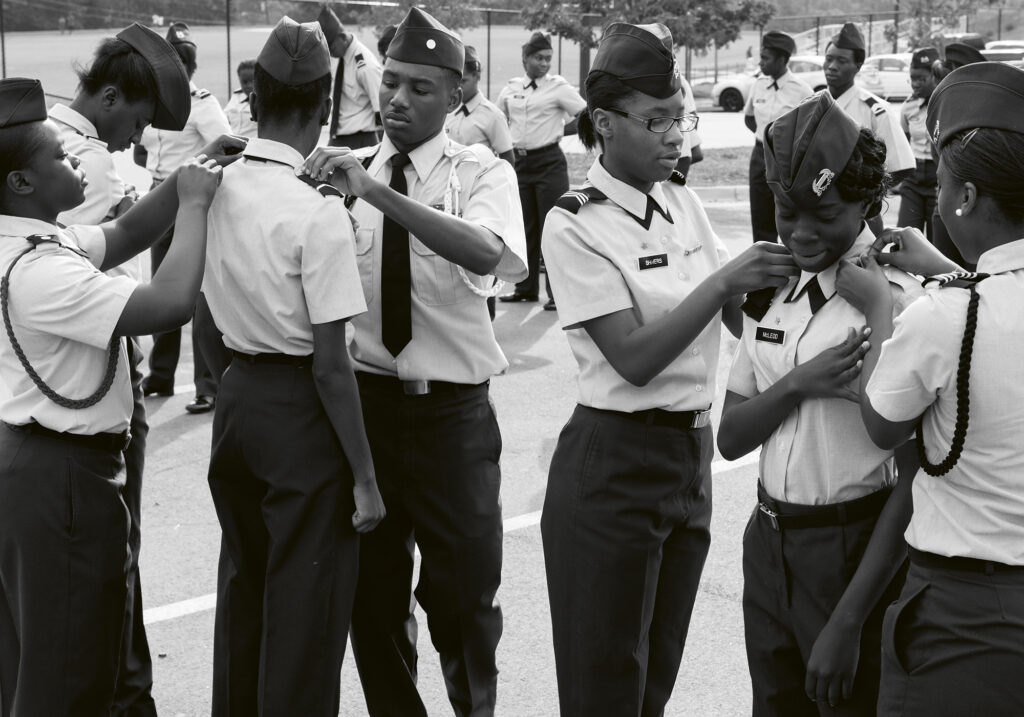
We Are Carver by Jessica Ingram
Self-published, Dallenwil, Switzerland, Design by Michael Schmelling / 40 Worth
Jessica Ingram’s We Are Carver follows the lives of students at George Washington Carver High School in Columbus, Georgia, located a few miles from Fort Moore, one of the largest military bases in the world. Over six years, Ingram engaged with student cadets in the Army Junior Reserve Officer Training Corps, creating an immersive series of photographs that trace the passage from adolescence to adulthood. The book resembles a high school yearbook in trim size and design. Intimate portraits are paired with classroom conversations, interviews, and ephemera, depicting a younger generation’s hopes and fears as the country experiences a moment of political transition. “The depth of her engagement with the students of Carver is commendable, and shows through in the work,” observes juror Jacqueline Bates. “I love that we are able to hear directly from the students, depicting tender, intimate moments that highlight the full spectrum of being on the cusp of adulthood.”
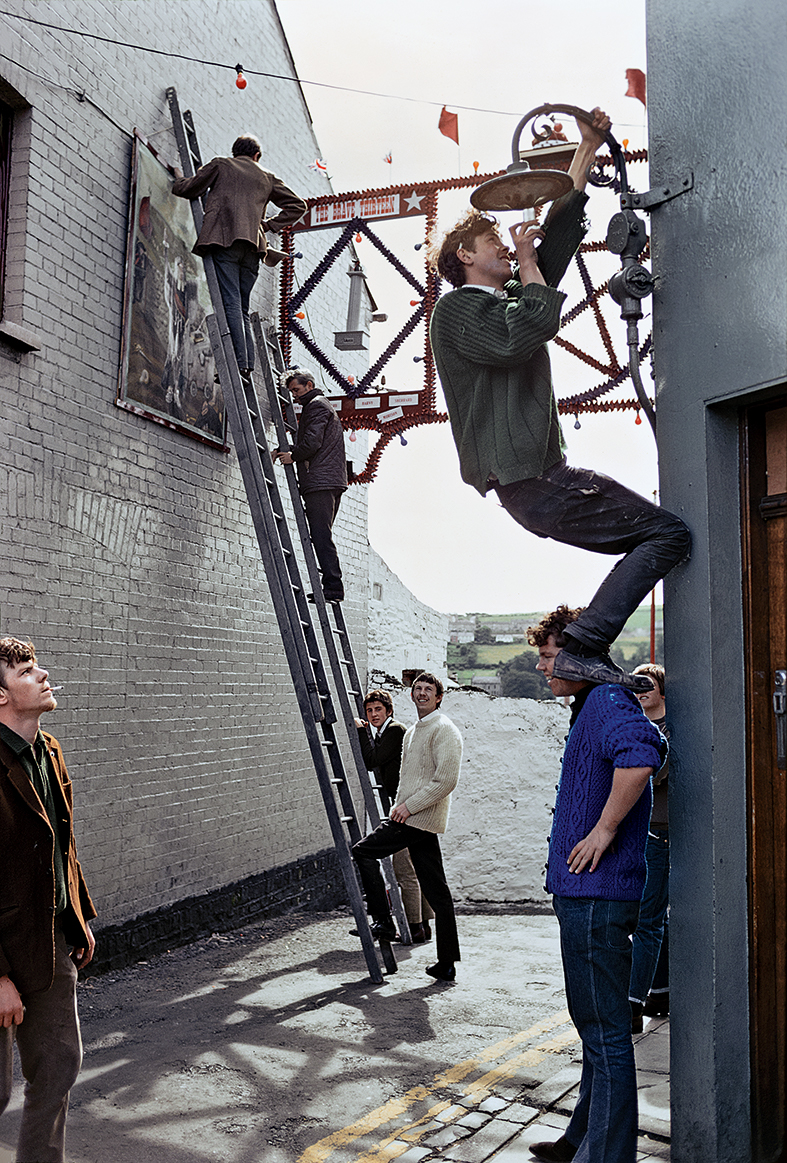
Les souvenirs des autres (The Memories of Others) by Akihiko Okamura
Atelier EXB, Paris, Design by François Dezafit
In 1969, the Japanese photographer Akihiko Okamura (1929–1985) moved to Dublin and began to document the then-nascent Troubles, which went on to ravage Northern Ireland for three decades. Les souvenirs des autres brings to light Okamura’s extraordinary photography from this period, distinguished by a richly subdued palette of ochers, browns, and grays, and for its ability to imbue everyday phenomena with surreal portent. “This superbly produced book rediscovers and contextualizes a singular body of work that was until now unrecognized,” says juror Anna Planas. “We were drawn to how its understated, classical design mirrors the quiet intensity of the photographer’s work, which is here allowed to speak for itself.” The high-quality printing affirms Okamura’s tremendous but subtle eye for color, and the ample use of single-image spreads establishes a rhythm attuned, as he was, to the close silences that dwell between violence and mundane life.

Hoja Dorada by César Rodríguez
KWY, Lima, Peru, Design by Vera Lucía Jiménez
Bespoke and immersive, César Rodríguez’s Hoja Dorada is a poetic meditation on agricultural labor. Focusing on the itinerant workers who travel annually from regions like Jalisco, Nayarit, Durango, and parts of Zacatecas to harvest tobacco in Nayarit’s coastal fields, Rodríguez’s images capture their journey and poor working conditions. The photographs are observed in a classic documentary style, yet the book denies all traditional means of representation, instead artfully utilizing material, binding, and ink to create a captivating, multimodal experience. “The material choices and printing really allow you to be immersed within these landscapes,” asserts juror Nontsikelelo Mutiti. “The way patterns of light and shadow are reproduced full bleed on dyed paper and in these incredible, warm tones make the work sing.” Bound with sewn pamphlet stitching in two separate sections that contain pages of both text and image, Hoja Dorada’s simple elegance belies the complexity of its design and storytelling.

A Woman I Once Knew by Rosalind Fox Solomon
MACK, London, Design by Morgan Crowcroft-Brown
With A Woman I Once Knew, Rosalind Fox Solomon announces herself as a self-portraitist of astonishing introspective power. “There’s a lot of generosity in this work,” says juror Anna Planas. “Her portraits and the large-scale format of the book are very daring and can often feel confrontational, but there’s also an acute vulnerability. It’s a strong statement about the female body.” Gathering work made since the 1970s, the book unravels a dialogue between Fox Solomon’s mostly black-and-white self-portraits and her own diaristic writing. “There was a real joy in looking at these pictures, which have a remarkable emotional range,” Planas says. Throughout A Woman I Once Knew, Fox Solomon’s rigorous self-exposures face heavy themes of transformation, aging, and mortality with a sense of levity and surprise, as evidenced by the book’s tipped-on cover, which features the artist posing nude next to a hotel television tuned into the Home Shopping Network.

Look at the U.S.A.: A Diary of War and Home by Peter van Agtmael
Thames & Hudson, London, Design by Bonnie Briant Design
Through an enthralling combination of reportage and memoir, Peter van Agtmael’s Look at the U.S.A. paints a vivid picture of American ideology, culture, and foreign policy in the aftermath of 9/11. In the words of juror Negar Azimi, “the book intensely describes the ugly legacies of American wars in the Middle East—the wounds they leave, both physical and psychic.” Van Agtmael began documenting the war in Iraq in 2006, and over nearly two decades amassed a sprawling archive of his own photographs, diaristic writing, interviews, news clippings, and images from mass media. These disparate materials compose a polyphonic narrative that unflinchingly confronts our estrangement and morbid fascination with war. “This book triggered me in more ways than one,” says Azimi. “Van Agtmael’s personal voice, which appears throughout the book, is compelling, taking us back to a time and place that continues to mark our present.”
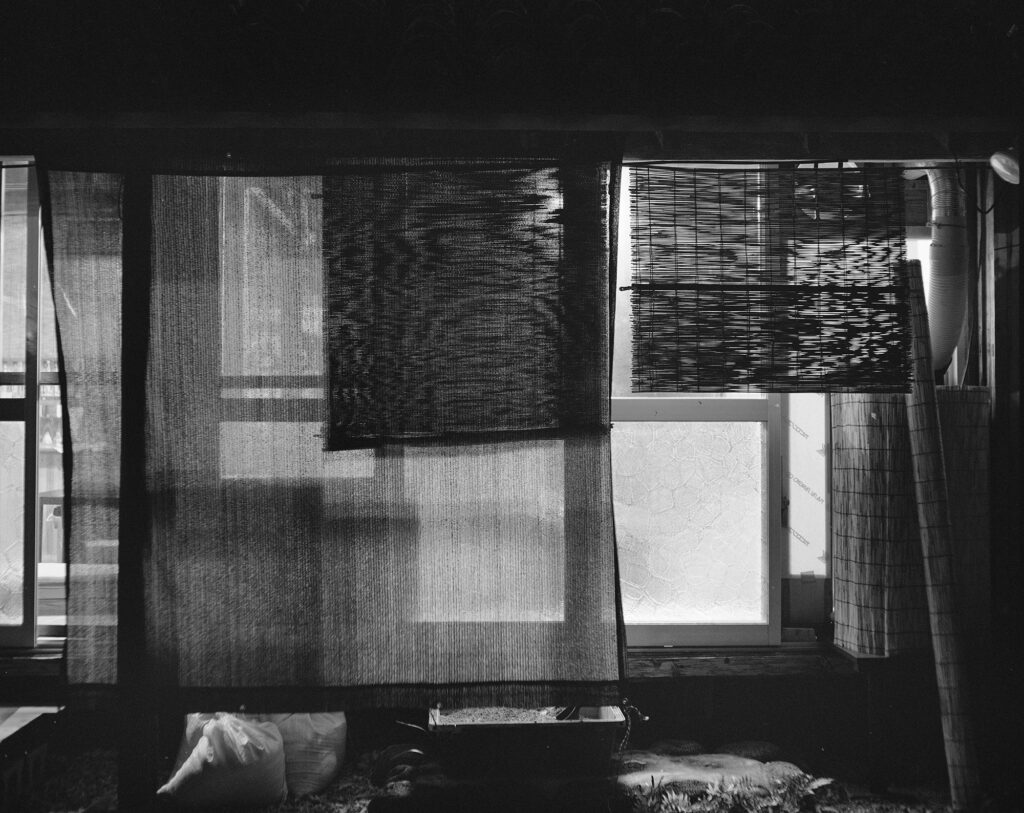
The Humanness of Our Lonely Selves by Awoiska van der Molen
Fw:Books, Amsterdam, Design by Hans Gremmen
Awoiska van der Molen’s The Humanness of Our Lonely Selves is a tour de force in understated elegance. The photographs observe domestic environments—entryways, walls, windows, curtains—in a rich grayscale, examining the patina of the everyday and the traces of human presence. Van der Molen’s meditations on surface are printed in rich tritones on uncoated paper, with strong but subtle attention to texture and light. “The printing is so elegant,” lauds juror Nontsikelelo Mutiti. “The range of blacks, grays, and highlights in the printing allows these everyday spaces to be transformed into something more abstract and ethereal.” The thick, cardstock-like paper of the accordion-fold book contrasts sharply with a smaller set of thin, delicate staple-bound sheets inside, mirroring the interplay between the solid structures and diaphanous screens depicted in the photographs.

The Last Safe Abortion by Carmen Winant
SPBH Editions, London, Design by Brian Paul Lamotte
The Last Safe Abortion, by Carmen Winant, reveals everyday practices of abortion care in the United States, drawing on the near-fifty-year period in which abortion was legal, before Roe v. Wade was overturned in 2022. “This is such an urgent subject matter in the United States, in an election year, where women’s rights are in the ballot box,” affirms juror Jacqueline Bates, “and it’s not one that we are typically able to see from the inside in such an honest way.” The artist’s photographs are paired with archival images from abortion clinics across the Midwest and are arranged in two-by-two grids on brightly colored, construction-like paper. The horizontal format and spiral binding recall a handmade album, emphasizing the quotidian nature of many of the archival sources. Free from captions, images of the past and present knit hundreds of stories into an expansive, enduring testament to the tenderness and necessity of everyday healthcare work.
Photography Catalog of the Year
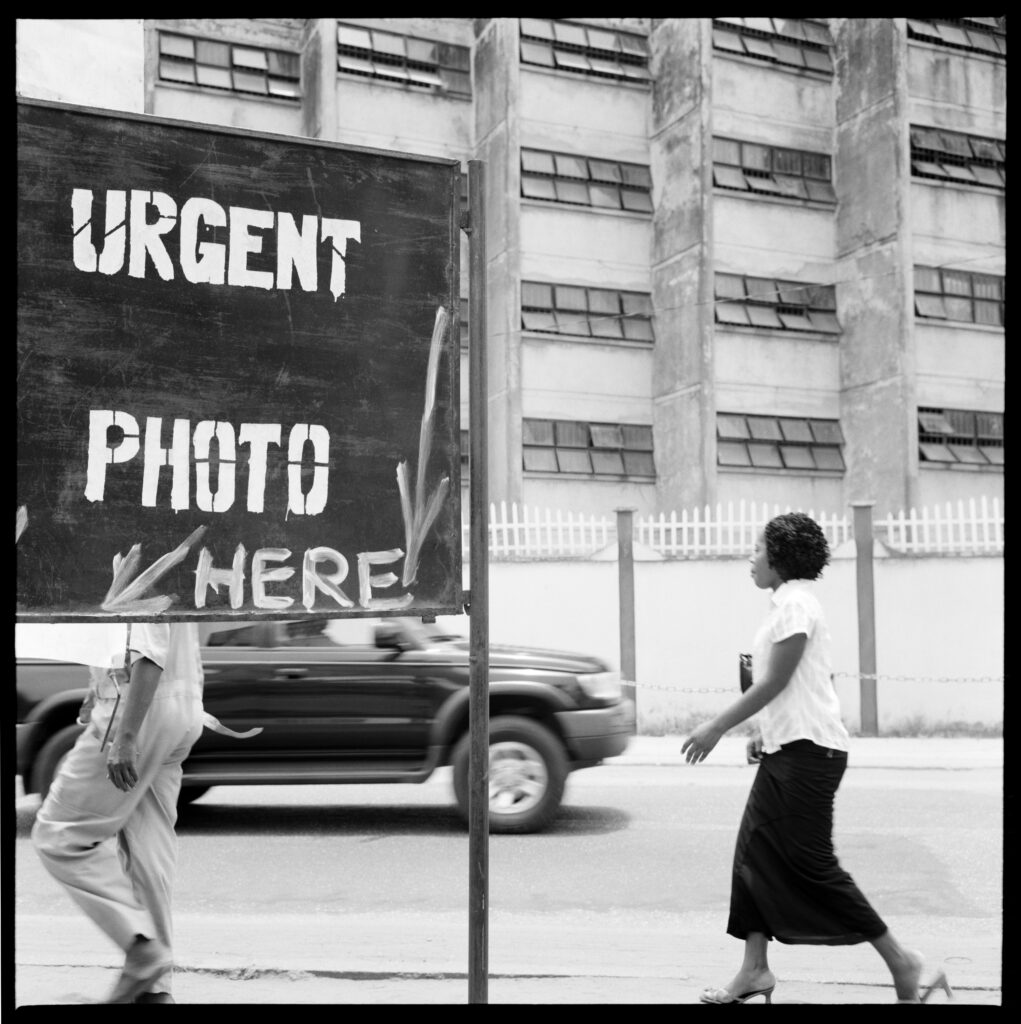
Akinbode Akinbiyi: Being, Seeing, Wandering
Katia Reich
Spector Books, Leipzig, Germany, Design by Helmut Völter
Akinbode Akinbiyi’s Being, Seeing, Wandering compiles an expansive collection of images from the photographer’s global practice, featuring photographs made in Bamako, Berlin, Brasília, Durban, and Lagos. Throughout his multiyear peregrinations in these cities, Akinbiyi investigates the various sociopolitical impacts of colonialism in urban spaces. The sequence of photographs follows the winding rhythms of a walker moving through a city. The black-and-white, square-format photographs are afforded ample border, invoking the respectful feel of a classic monograph, while essays that establish Akinbiyi’s work within the contexts and canons of local photographic histories are interspersed throughout. “The elegant, understated design puts Akinbiyi’s photography at the forefront,” remarks juror Jacqueline Bates. “This catalog succeeds in highlighting his meditative work centered around his experience living around the world, from the beach scenes in Lagos to the streets of Berlin.”

Flashpoint! Protest Photography in Print, 1950–Present
Russet Lederman and Olga Yatskevich
10×10 Photobooks, New York, Design by Huber / Sterzinger and Miloš Gavrić
Chronicling the history of protest in print, Flashpoint! is an epic tribute to global resistance movements. This hefty softcover volumeorganizes an extensive range of printed ephemera from the 1950s until now—zines, photobooks, posters, pamphlets, and more—into thematic chapters that span topics like the AIDS crisis, anti-war activism, environmentalism, and Black Lives Matter. Each piece of printed matter is neatly registered with an accompanying descriptive text, while longer contextual essays buttress each chapter to establish critical and historical contexts. Clever design and typography, including a high-contrast cover image printed on red paper, all-caps title treatments that recall newspaper headlines, and essays in a Courier-esque, slab-serif font, “elegantly mirror the spirit of the materials it presents,” notes juror Negar Azimi.
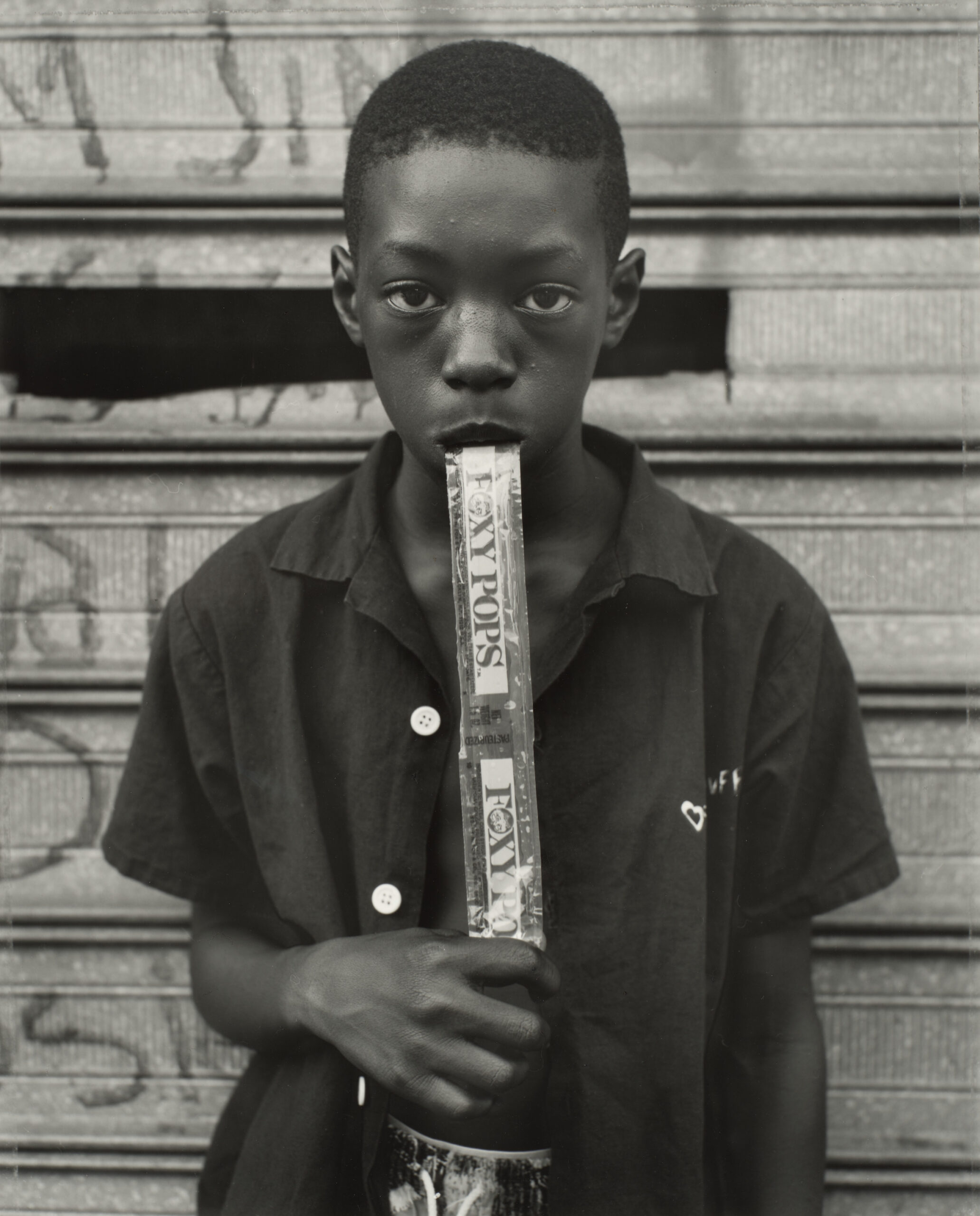
Grace Wales Bonner: Dream in the Rhythm—Visions of Sound and Spirit in the MoMA Collection
Grace Wales Bonner
Museum of Modern Art, New York, Design by Peter Miles
A rare glimpse into the mind of one of the world’s most influential designers, Grace Wales Bonner: Dream in the Rhythm expands on Wales Bonner’s Artist’s Choice exhibition at the Museum of Modern Art, New York, presenting a selection of works from the museum’s collection in a volume punctuated with seminal texts by Black writers. The book alternates between glossy white paper and a delicately thin, creamy uncoated stock. Though it includes nearly eighty artworks, from Lee Friedlander to Pope.L, the book’s images flow together easily due to its restrained design and ample margins. “It has the feel of a special artist’s project,” says juror Michael Famighetti, “offering a precisely calibrated sequence of poetry and photography that beautifully complements the exhibition.” With a refreshingly unique take on an exhibition catalog, Wales Bonner approaches Dream in the Rhythm with the same care she applies her designs.

Shining Lights: Black Women Photographers in 1980s–90s Britain
Joy Gregory, editor, and Taous Dahmani, associate editor
Autograph and MACK, London, Design by Morgan Crowcroft-Brown
Shining Lights, edited by artist Joy Gregory and Taous Dahmani, is a restorative anthology that charts Black women’s essential but often overlooked contributions to Britain’s photography scene in the late twentieth century. Extensively researched and vividly illustrated, the book showcases a tremendous range of visual materials, including photographs from over fifty artists, archival images, documents, and more. This constellation of visual resources is carefully organized by theme—self-portraiture, family, and community activism—and includes scholarly essays, personal reflection, a roundtable discussion, and a detailed timeline. “I love the use of the materials; there’s a friendliness to the cardstock cover, and beautiful neon spine that carries through in how certain elements get highlighted within the running text,” remarks juror Nontsikelelo Mutiti. “For a project so comprehensive, it feels very generous and inviting. I’m so glad that this project exists.”
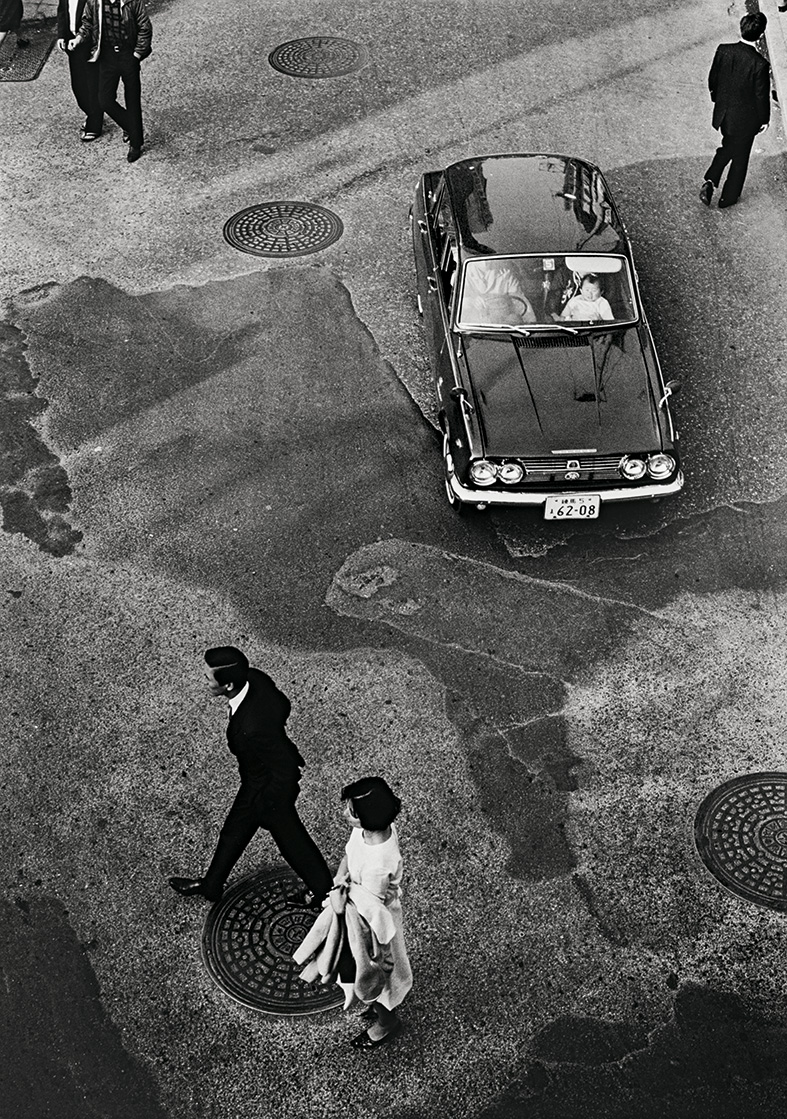
Yasuhiro Ishimoto: Lines and Bodies
Diane Dufour and Mei Asakura
Atelier EXB and LE BAL, Paris, Design by Coline Aguettaz
Yasuhiro Ishimoto: Lines and Bodies brings together the formative work of Japanese American photographer Yasuhiro Ishimoto (1921–2012), whose sophisticated fusion of New Bauhaus aesthetics and Japanese formalism made him a key figure in the postwar art world. Coinciding with a survey exhibition at LE BAL, in Paris, Lines and Bodies explores the titular motifs across the photographer’s early work, from the Mondrianesque geometries of Kyoto’s seventeenth-century Katsura Imperial Villa to the naked legs of Lake Michigan beachgoers. Richly printed, the volume honors the photographer’s command of contrasts—light and shadow, progress and tradition, presence and absence. Four foldouts, each devoted to separate series, heighten the immersive quality of the book, which is housed in an elegant slipcase. “The catalog shares the purpose of the exhibition but brings you into Ishimoto’s journey in a very different way,” says juror Anna Planas. “The book is its own experience, and the sequencing creates a real feeling of discovery.”
The 2024 PhotoBook Award winners will be announced during Paris Photo on Friday, November 8, at 3:00 p.m. (CET).