Portfolios
A Sacred Forest with a Secret History
In Tamil Nadu, Gayatri Ganju photographed the Indigenous Kurumba people and listened to their stories—and was allowed to take one out into to the world.
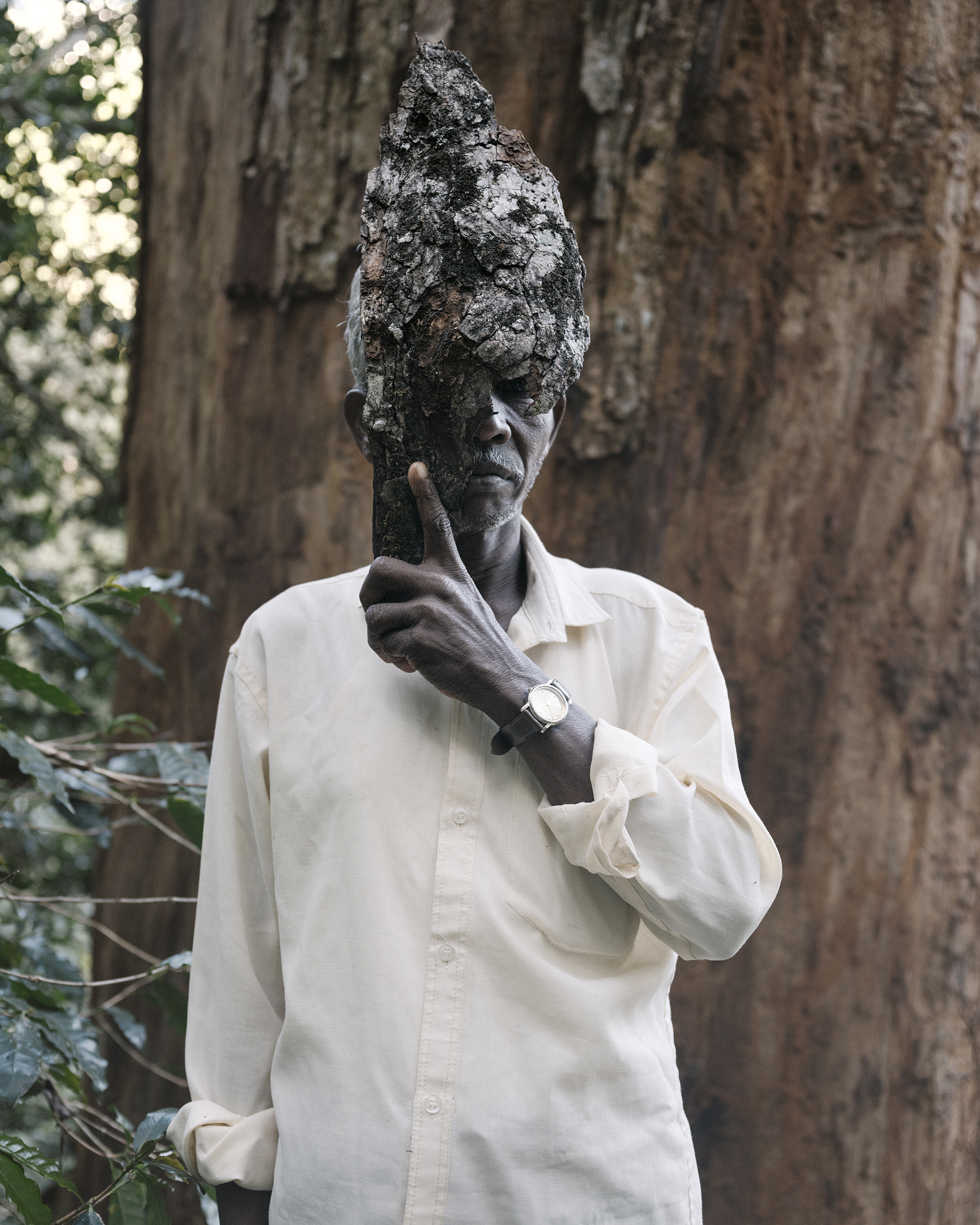
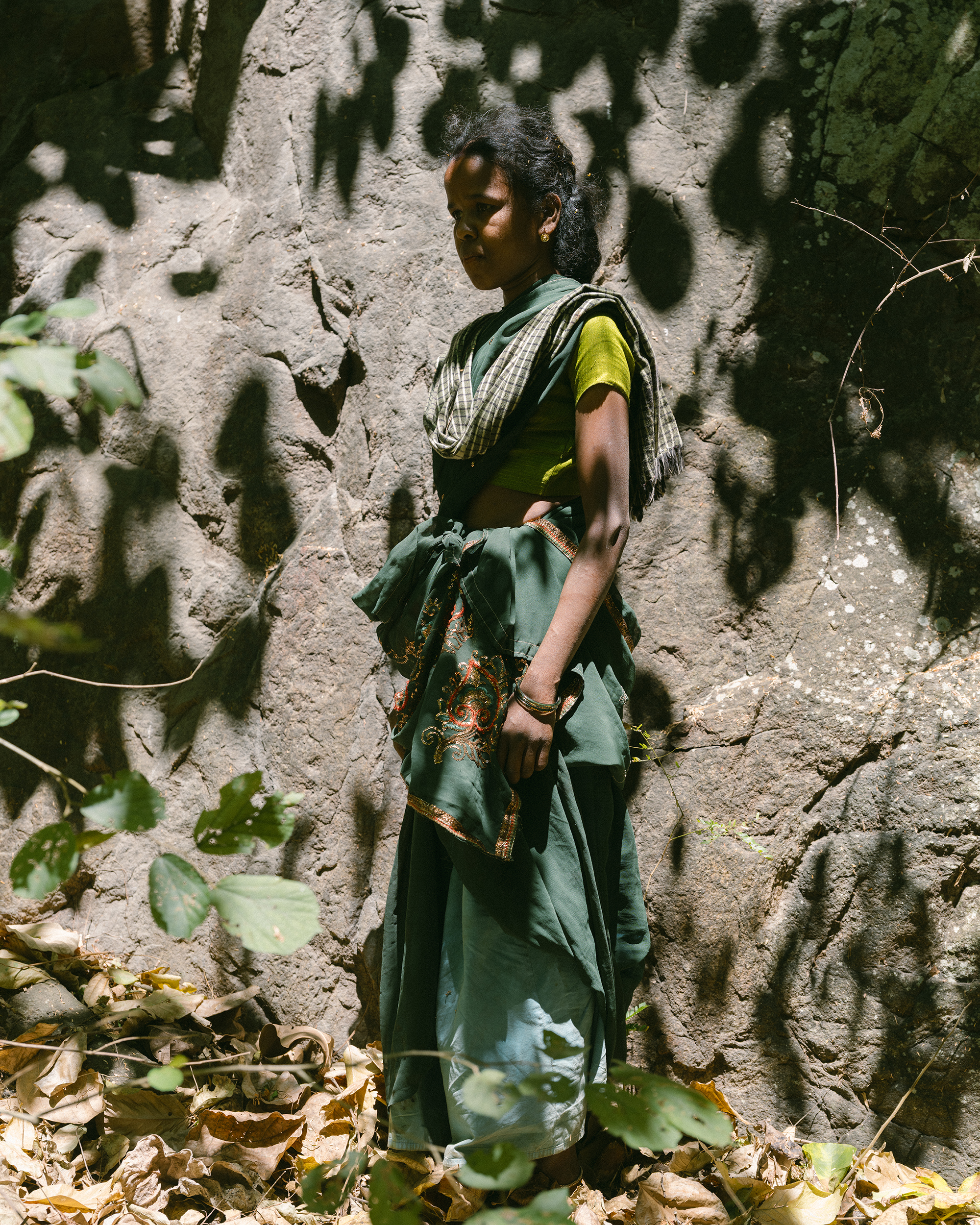
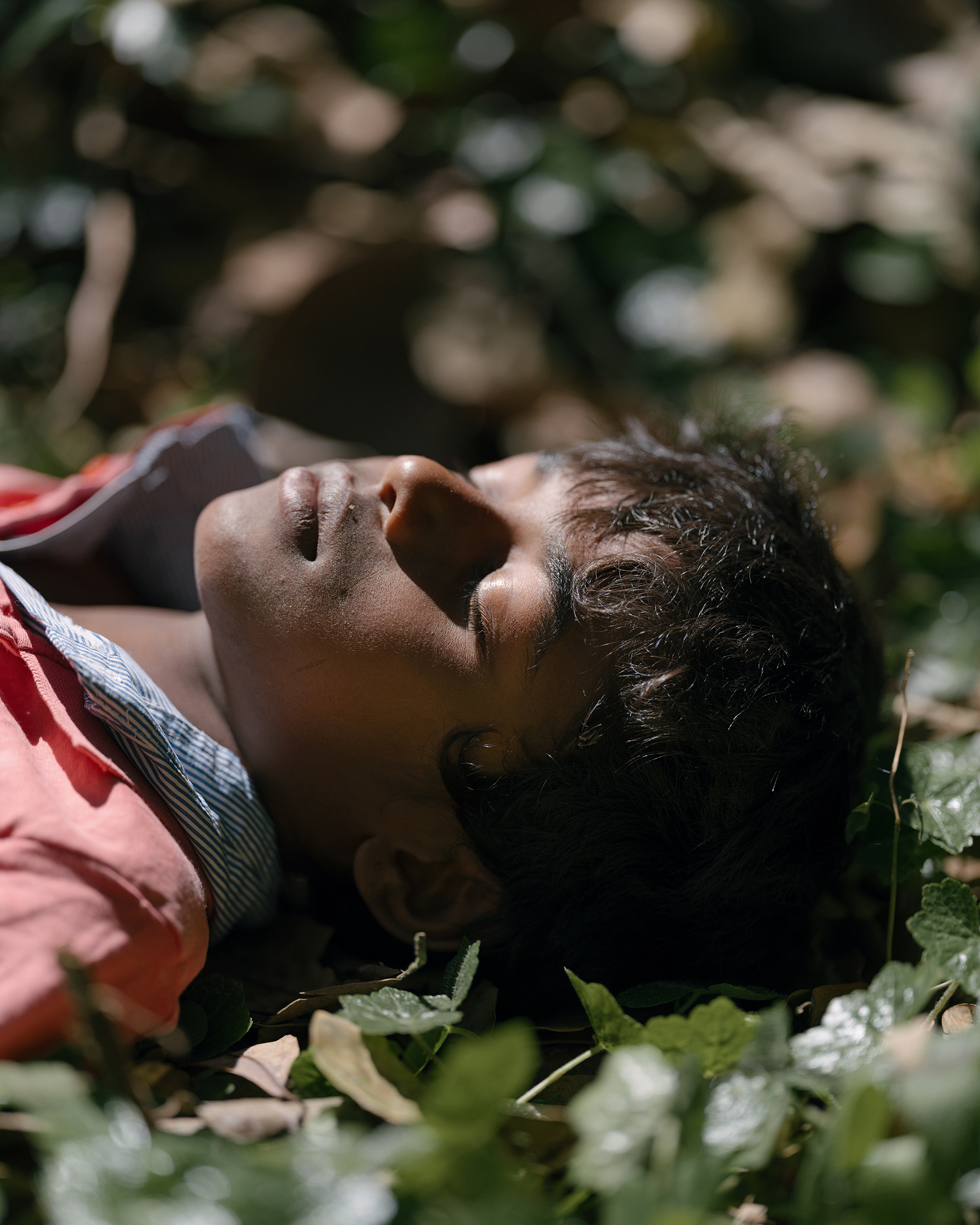
For the past several years, Gayatri Ganju, who was born in 1989 and lives in Bengaluru, India, has traveled south into the dense Nilgiri forest in Tamil Nadu to take pictures among the Kurumba people, one of the several Indigenous groups inhabiting the land. Her companions are two Kurumba men: Murthy, who is in his thirties, and Subbu, in his sixties; both serve as her guides and translators. Ganju needs a translator because she makes images only after close listening. During her treks, she asks the Kurumba to share their stories about the forest, this forest that is sacred to them and the site of their ancestral habitation. These meetings enact a ritual, with everyone sitting in a circle, sharing what they remember, and often what they are forgetting.
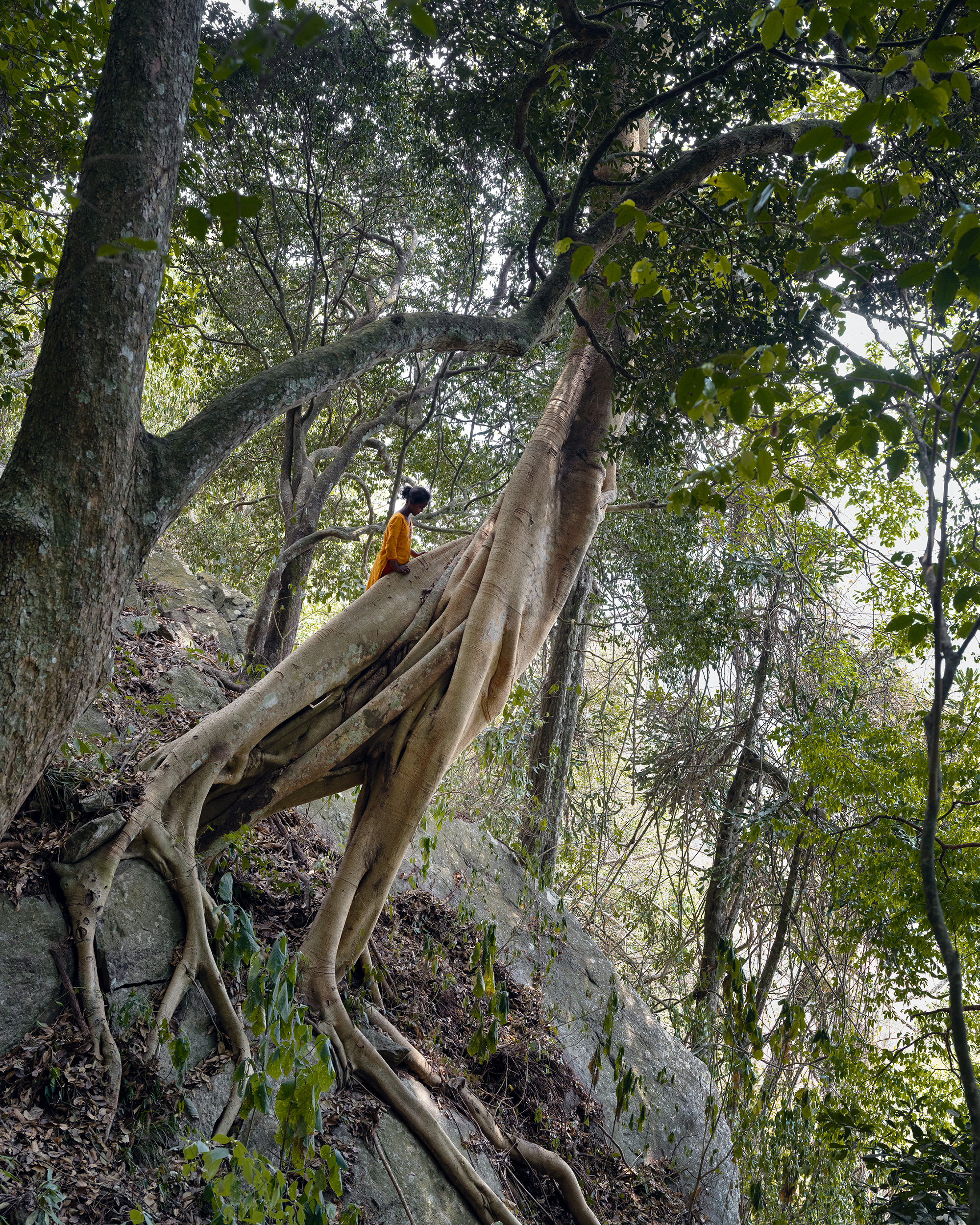
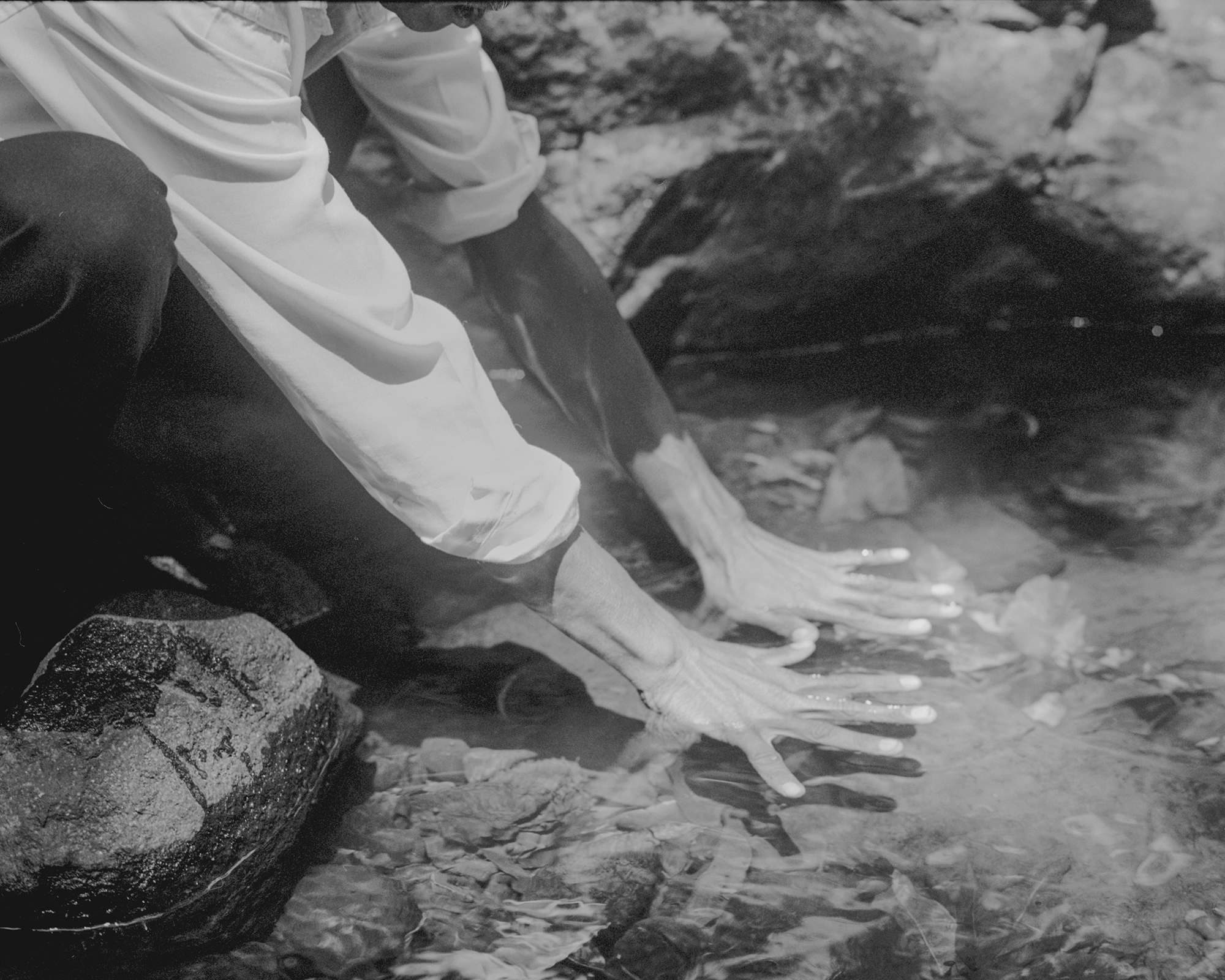
It is not always easy; there has been some suspicion of Ganju as an outsider. Early in her project, Ganju participated in a discussion with Kurumba representatives, and it was decided that the stories she collected would remain behind, among the people. Ganju was given permission to take only one story out into the world. This is the story that she received—a story about how the forests came to be born:
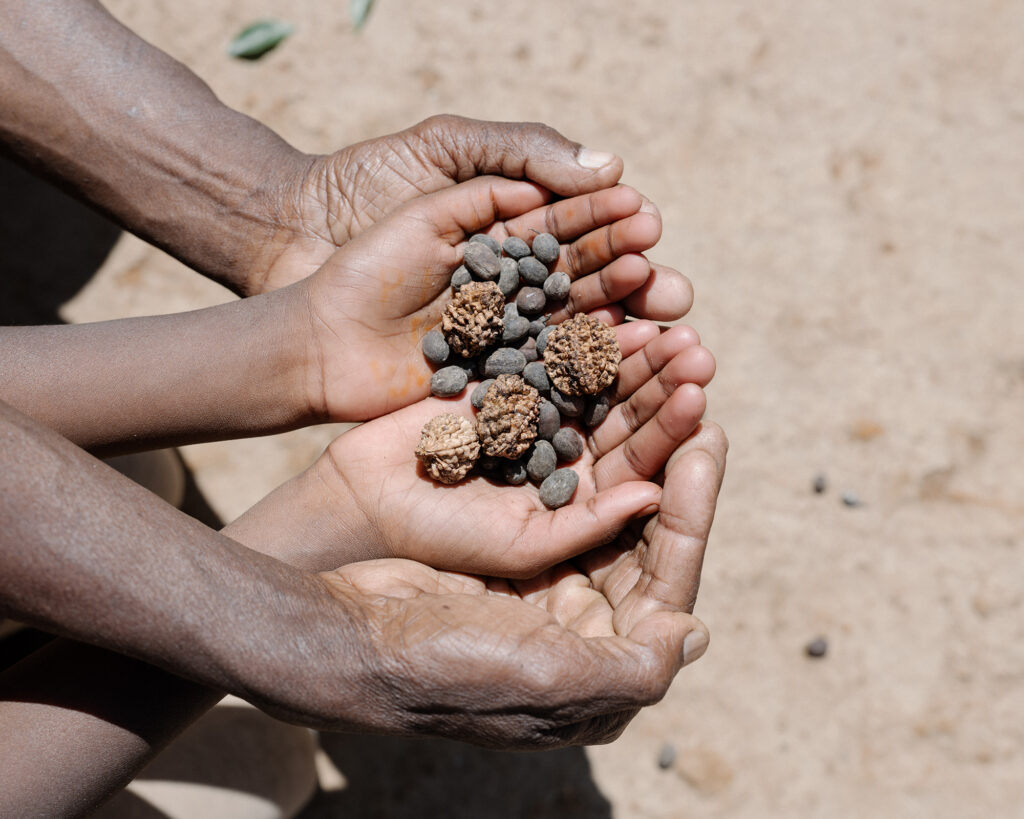
God made the world and then told the birds that there were no trees yet, and he was going to give them seeds to take back and put into the soil. The birds began their journey, but a wicked giant had overheard the conversation, and, as he didn’t want any trees, he took the seeds from the birds. The giant put the seeds in a big, hot pan and began to roast them so that they would die. There was one very clever little bird called the pirikki who understood what the giant was doing. She dived into the pan to save the seeds. In the process, some of her feathers were burned and turned black, and that is how the black-and-white pirikki got the marks on its feathers. The pirikki carried the seeds in her beak and planted them in the earth. These seeds turned into huge thriving forests.

Aperture Magazine Subscription
0.00

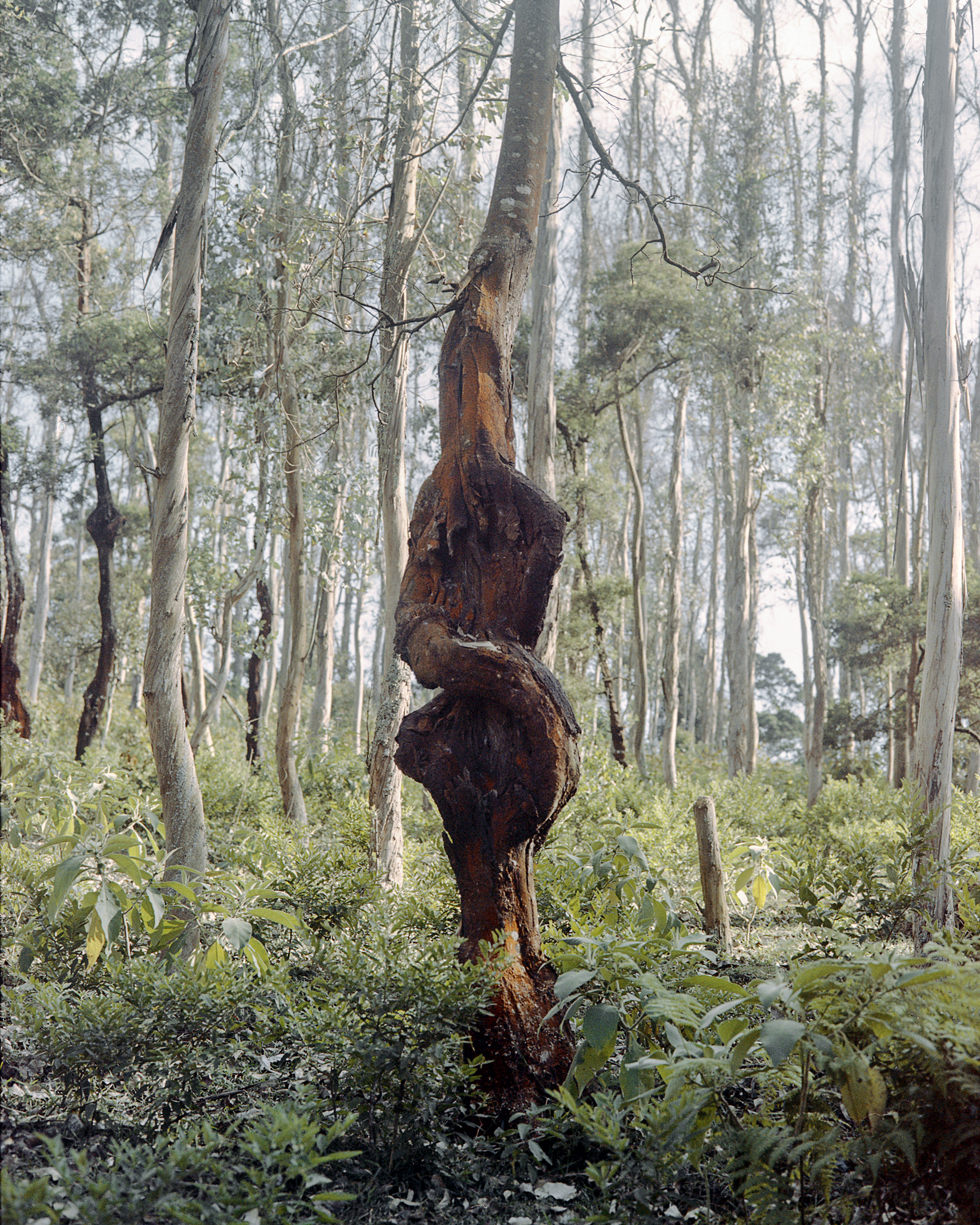
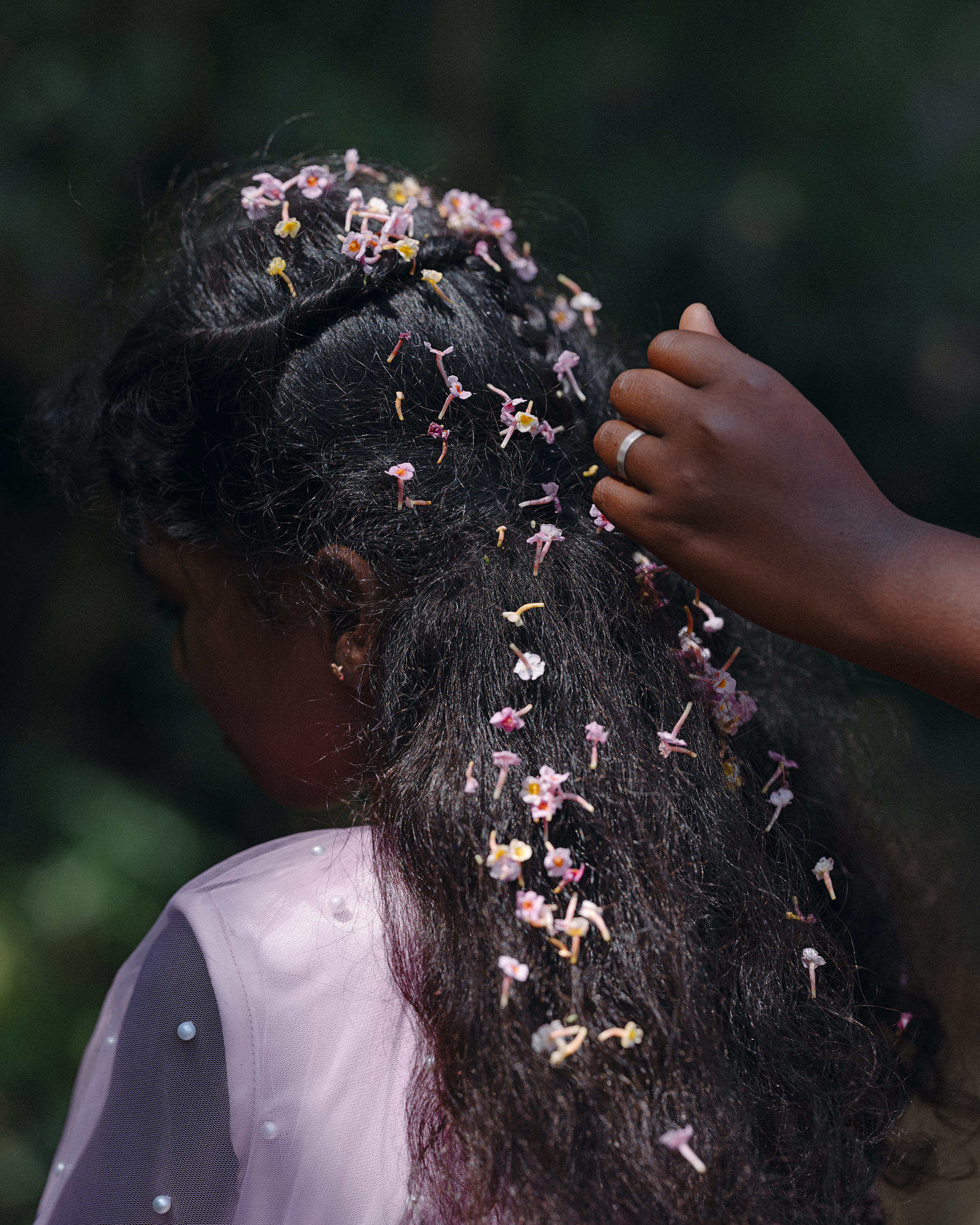
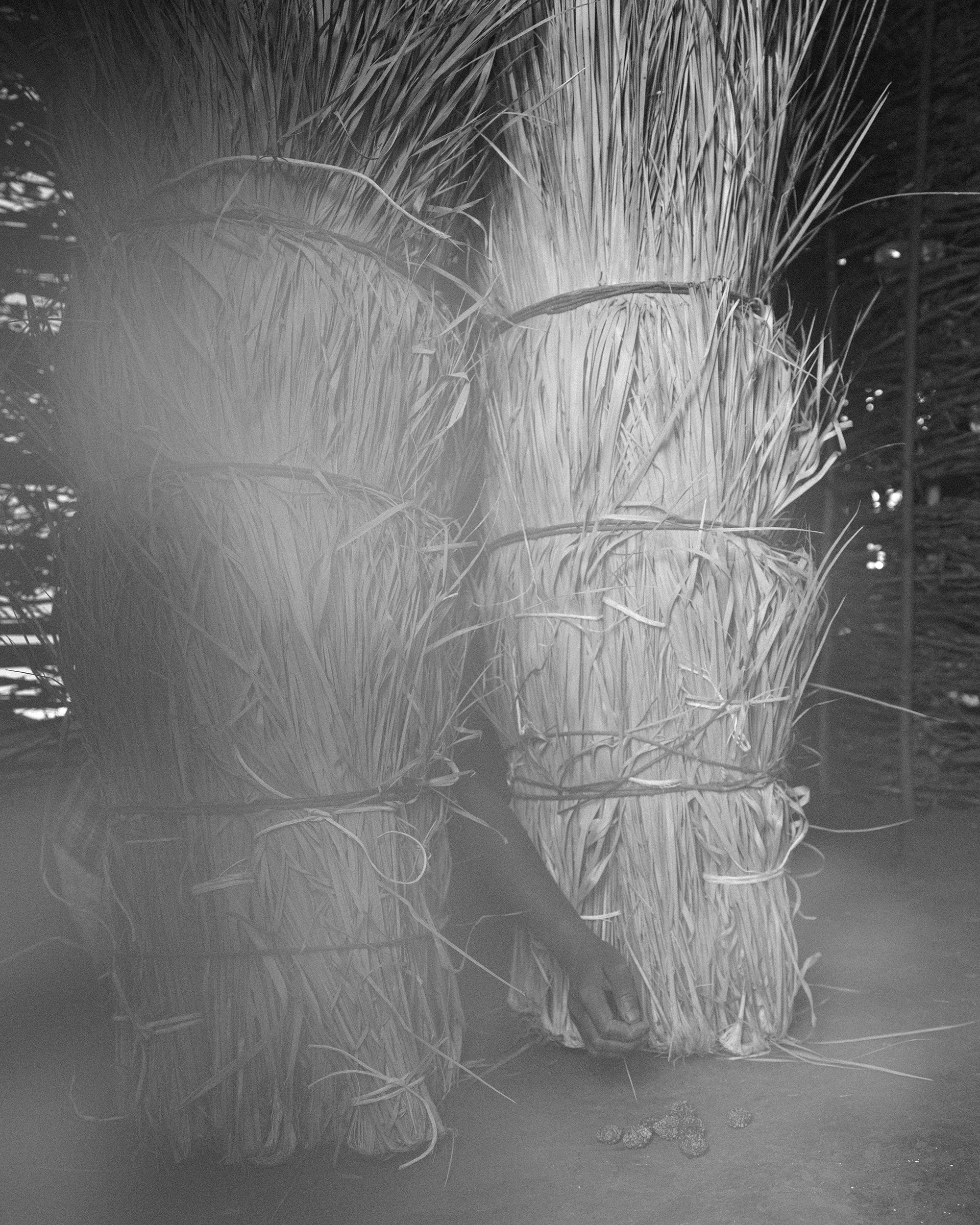
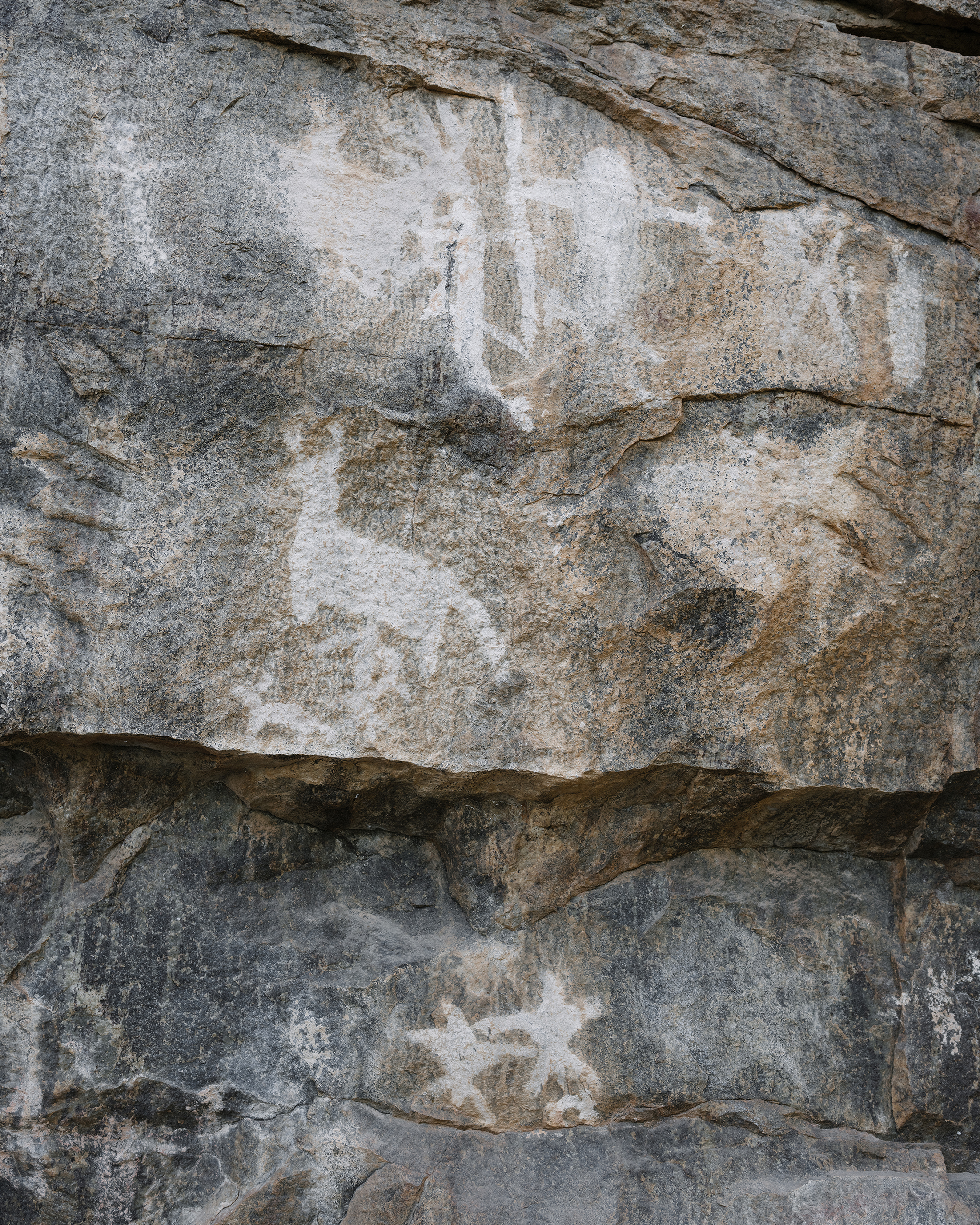
When I first encountered the pictures in Ganju’s series The Pregnant Tree (2016–ongoing), they appeared mysterious. The story that Ganju had heard among the Kurumba offered an explanation. Even now, these images seem to belong to a play; they are staged, a dramatic moment caught in a long performance. However, as I looked at them more, it began to seem that the real silence that the photographs hold within them is the silence of the forest itself. Ganju told me that official records indicate that over the last two hundred years, there has been an 80 percent loss of the Nilgiri grasslands mosaic. This is an ancient, prolific ecosystem with 3,500 flowering plants and 1,500 endemic species; it is recognized by UNESCO as one of the world’s most biodiverse areas. We do not witness in Ganju’s work the depredations carried out in the name of development, or the lives of the people forced out of the forest and now living in urban slums—displaced people, like seeds being roasted in a pan over a fire. This, too, is a part of the silence and mystery of these photographs. They possess the quiet calm of trees in a forest. There is much for the viewer to learn and find moving in that world that is still there.
Supported by Magnum Foundation and Museé du Quai Branly
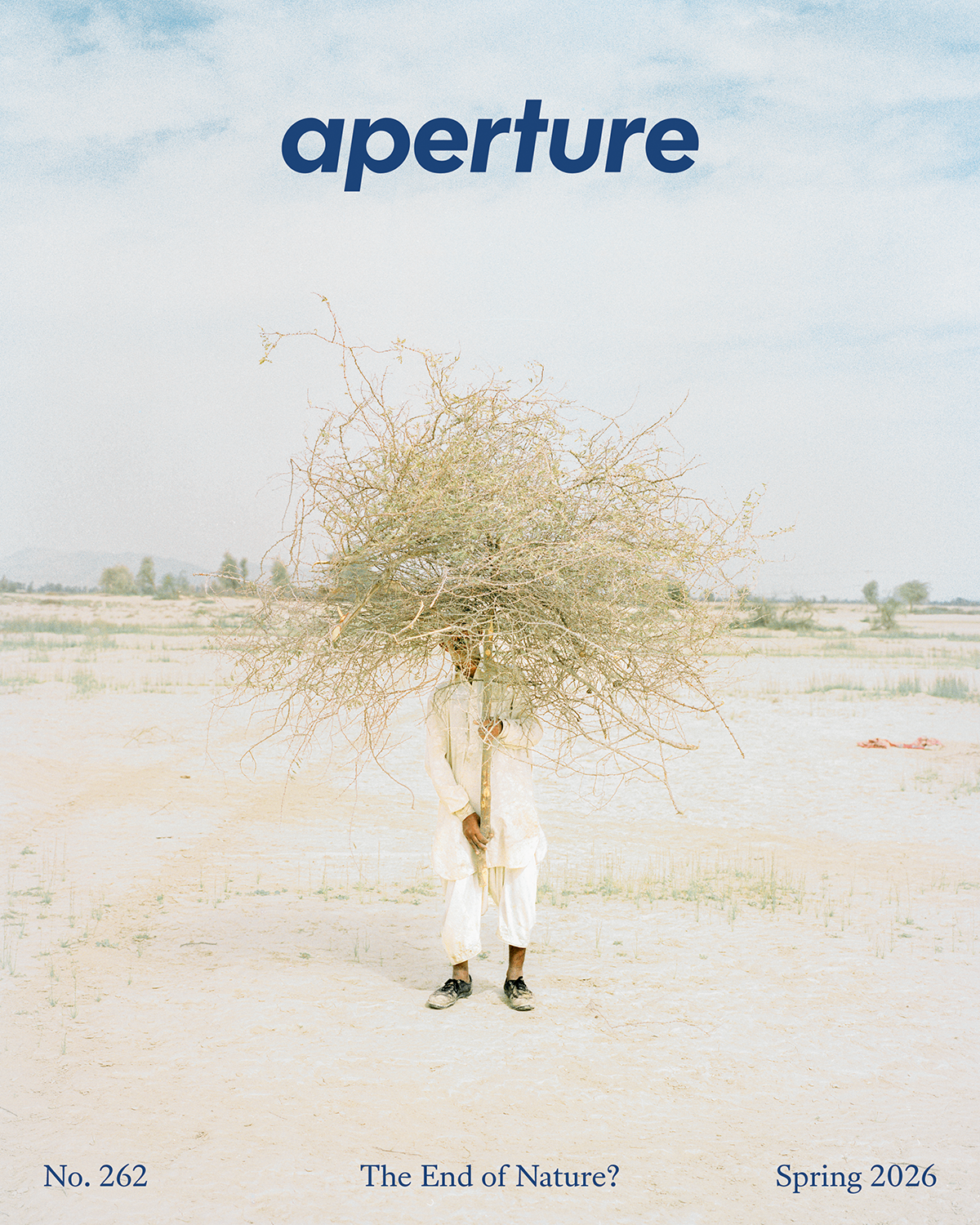
This article originally appeared in Aperture No. 262, “The End of Nature?”