Introducing
A Sartorial Chronicle of Moroccan Youth Culture
Blending fashion and art, Sophia El Bahja’s photographs showcase the diversity of Morocco.
In the summer of 2015, Sophia El Bahja was nearing the end of her studies in her hometown of Rabat. Before enrolling in a three-year engineering course at the Faculty of Sciences and Techniques of Tangier, she planned to spend time in the Moroccan capital with her friends—but her parents had other ideas, including having the then twenty-year-old travel with them.
El Bahja was so upset by her parents’ request that they bought her a new digital camera to convince her to join them. It worked. With the equipment in hand, she began taking photographs and recording vlogs documenting the travel she had previously refused.
“At the time, I wasn’t excited about it at all, but it ended up becoming one of the best travel and self-discovery experiences of my life,” she says. For El Bahja, it opened a new path toward becoming a self-taught professional photographer.
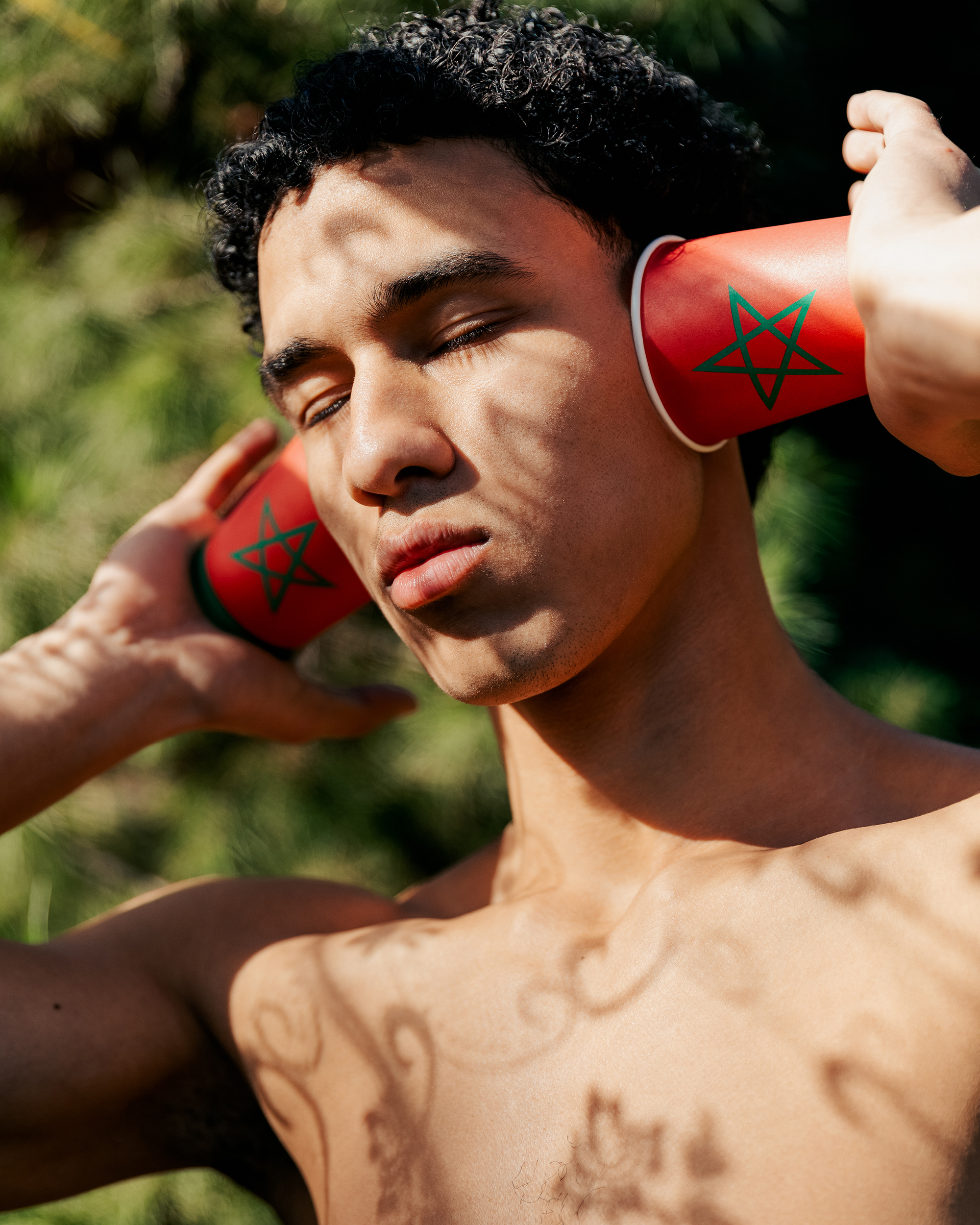
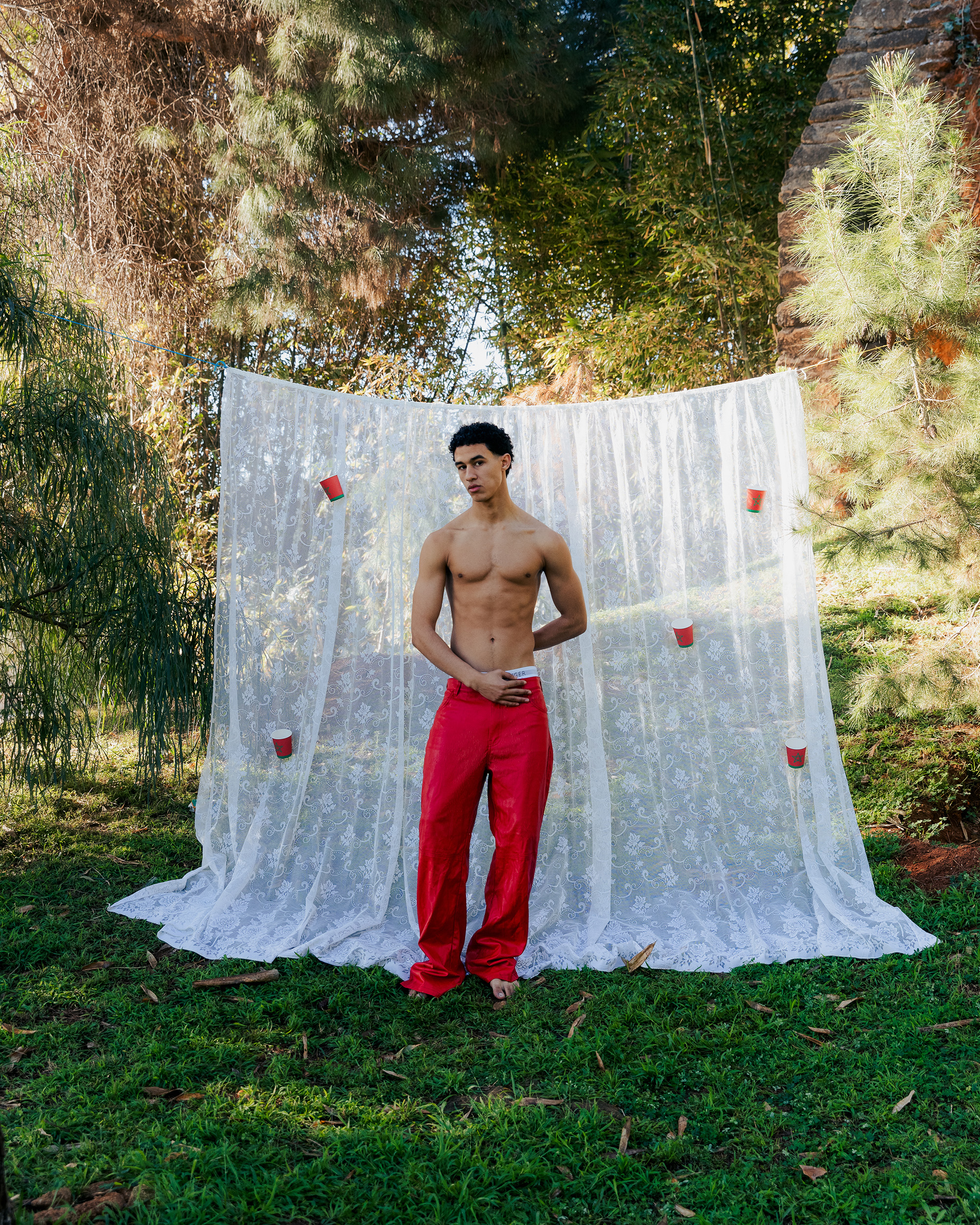
Having a camera she could call her own was new for El Bahja, though she grew up around cameras. Her father had cofounded a photography cooperative with friends in Rabat that was active between 1977 and 1981; they trained budding photographers, experimented in a darkroom, and organized photography excursions. He also worked at Morocco’s Ministry of Cultural Affairs in the cultural-heritage division, where he documented the country’s monuments, cultural events, and traditions. His reverence for Moroccan culture and its people found its way into his daughter’s work.
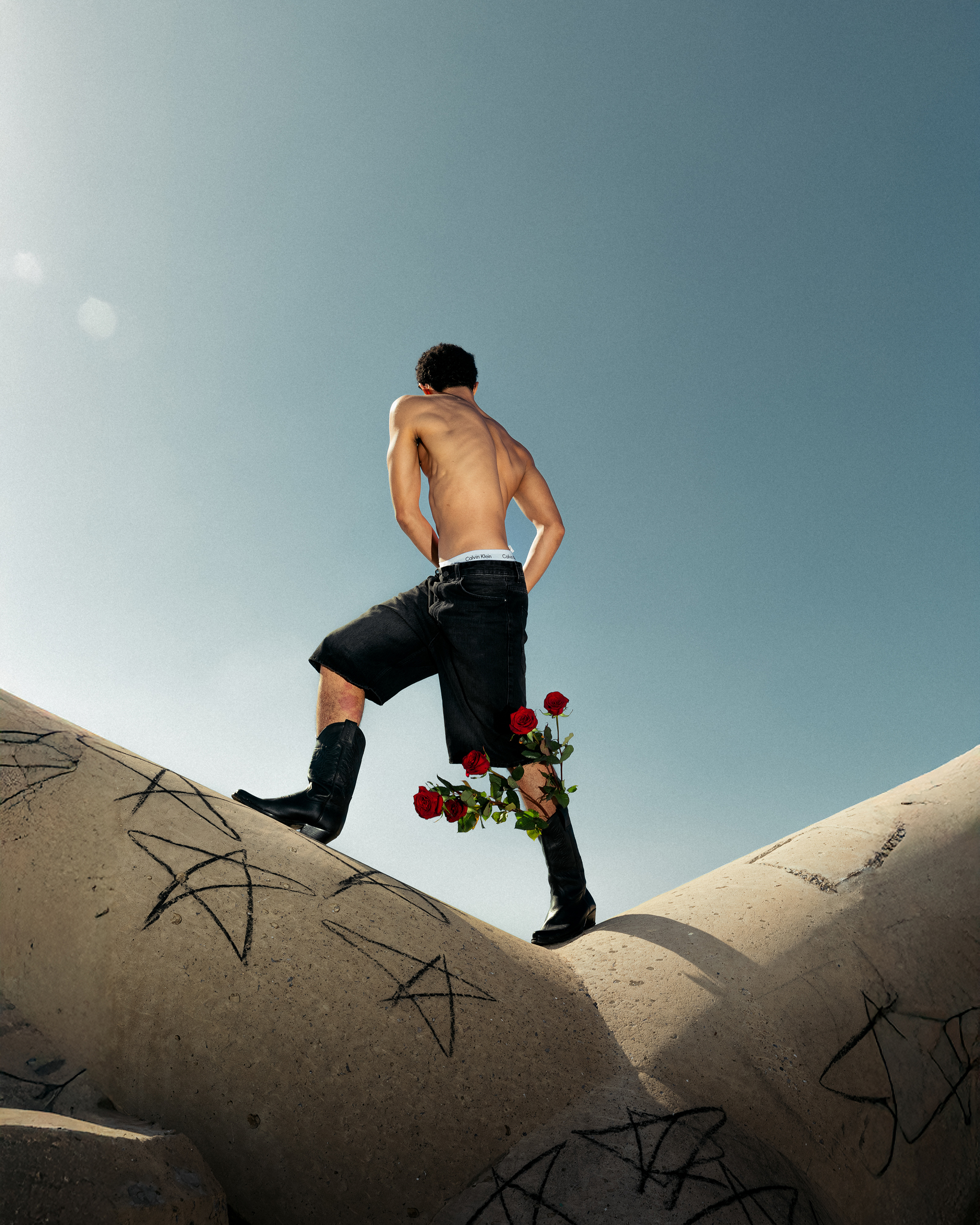
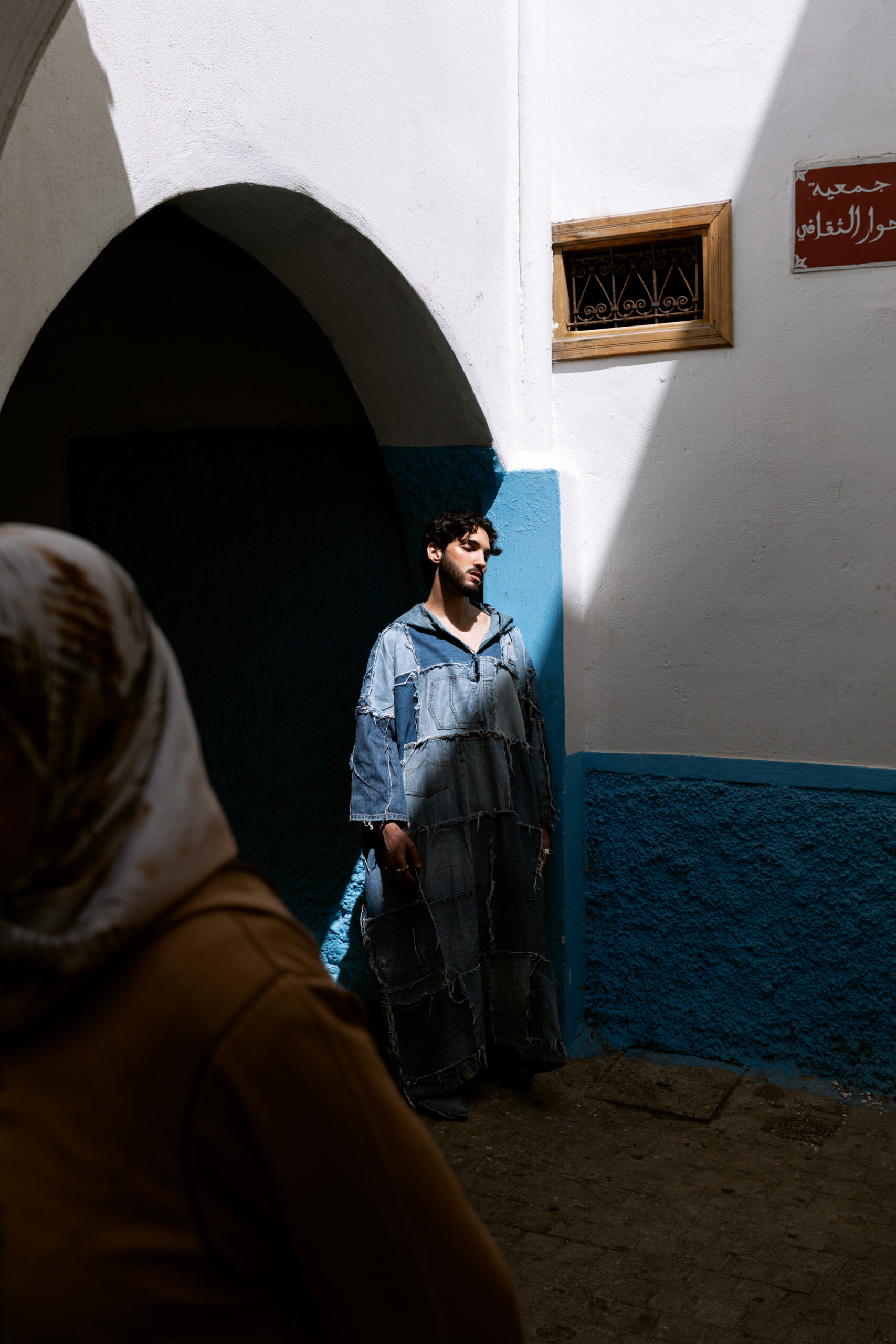
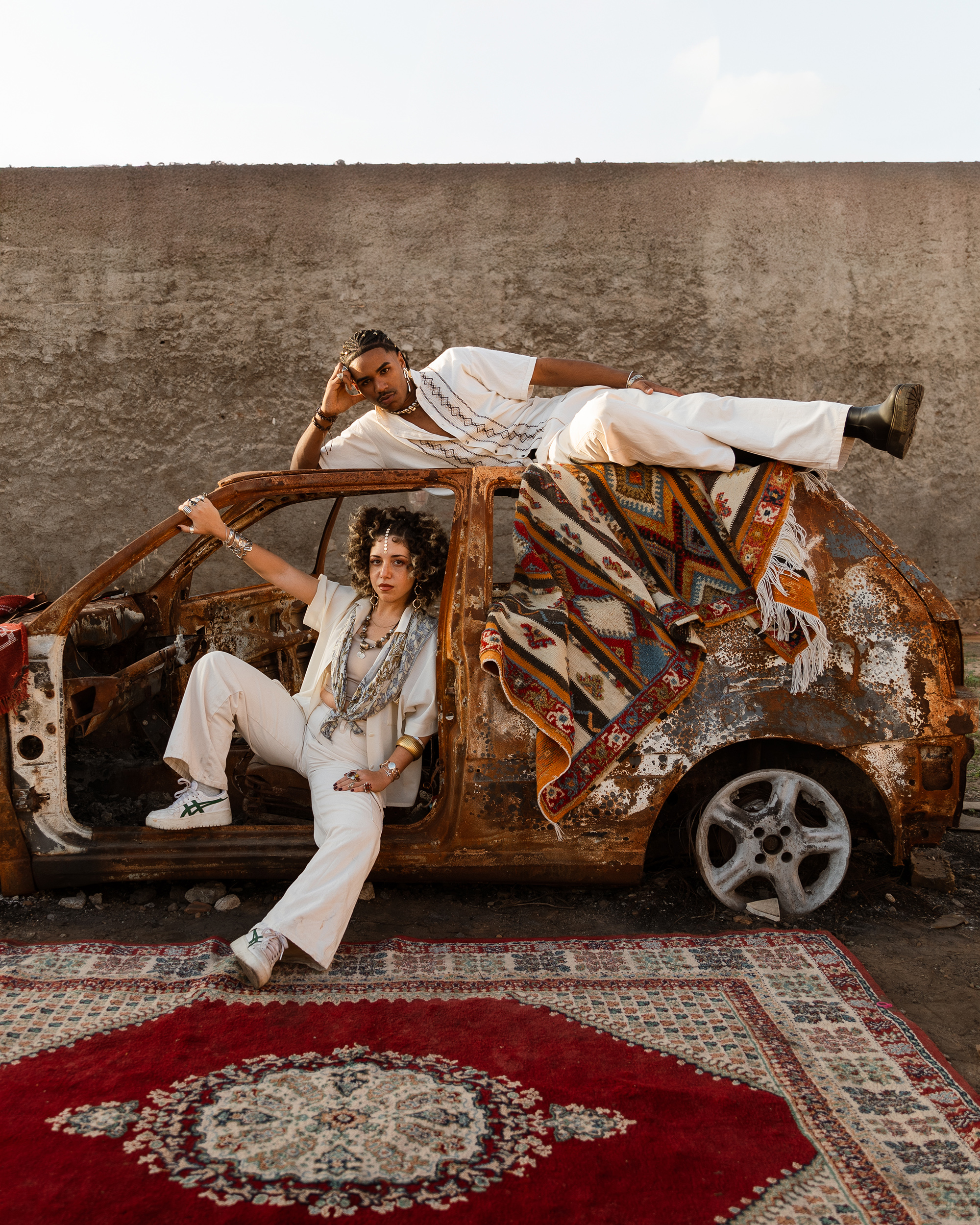
El Bahja’s images aim to showcase the diversity of Morocco through a blend of heritage and modernity. “I really love my country,” she says. “We tend to go with modernity [in my generation], but our roots and our history—we shouldn’t forget about that.” To keep her country’s roots alive, she deliberately incorporates traditional aesthetics with influences from the West.
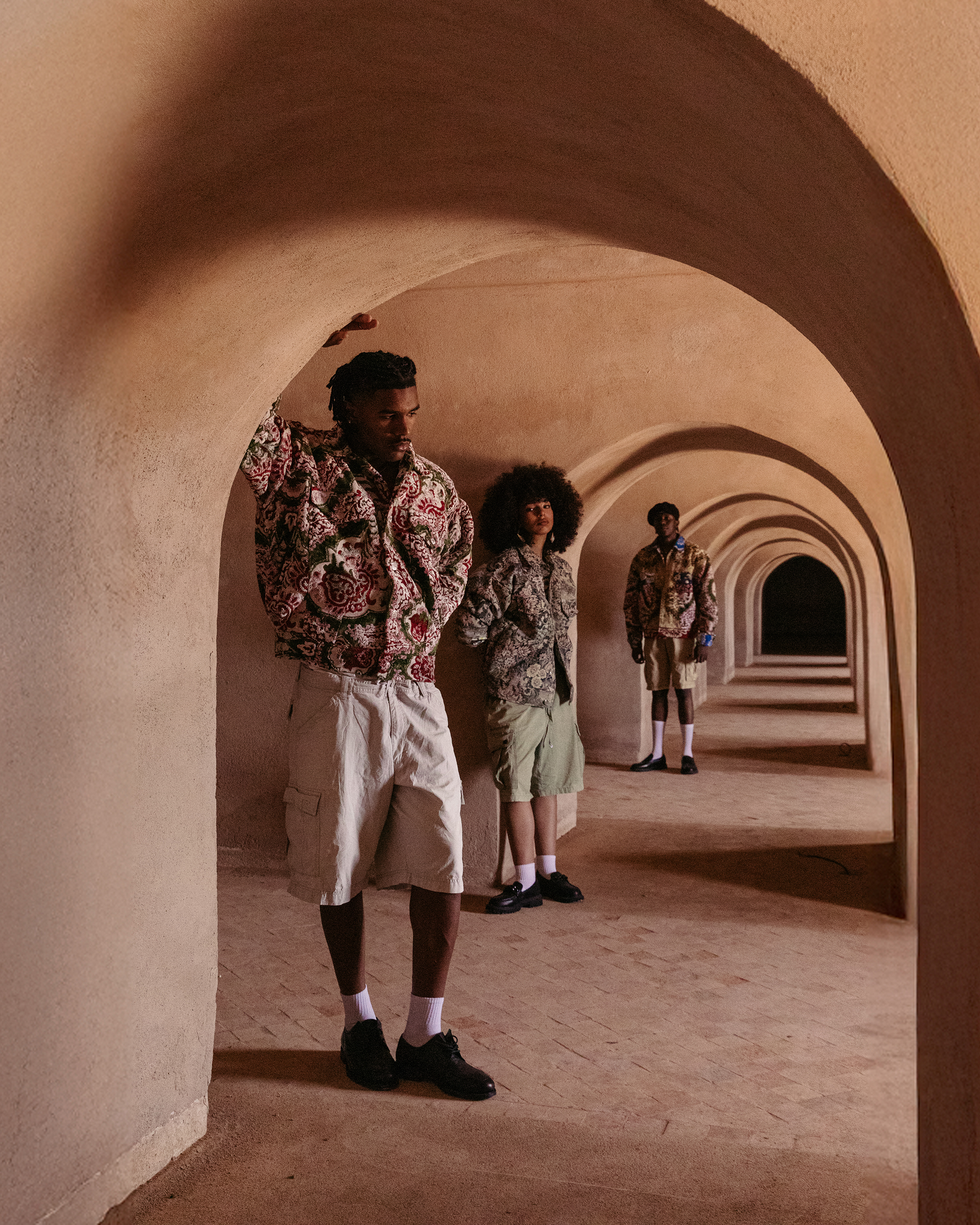
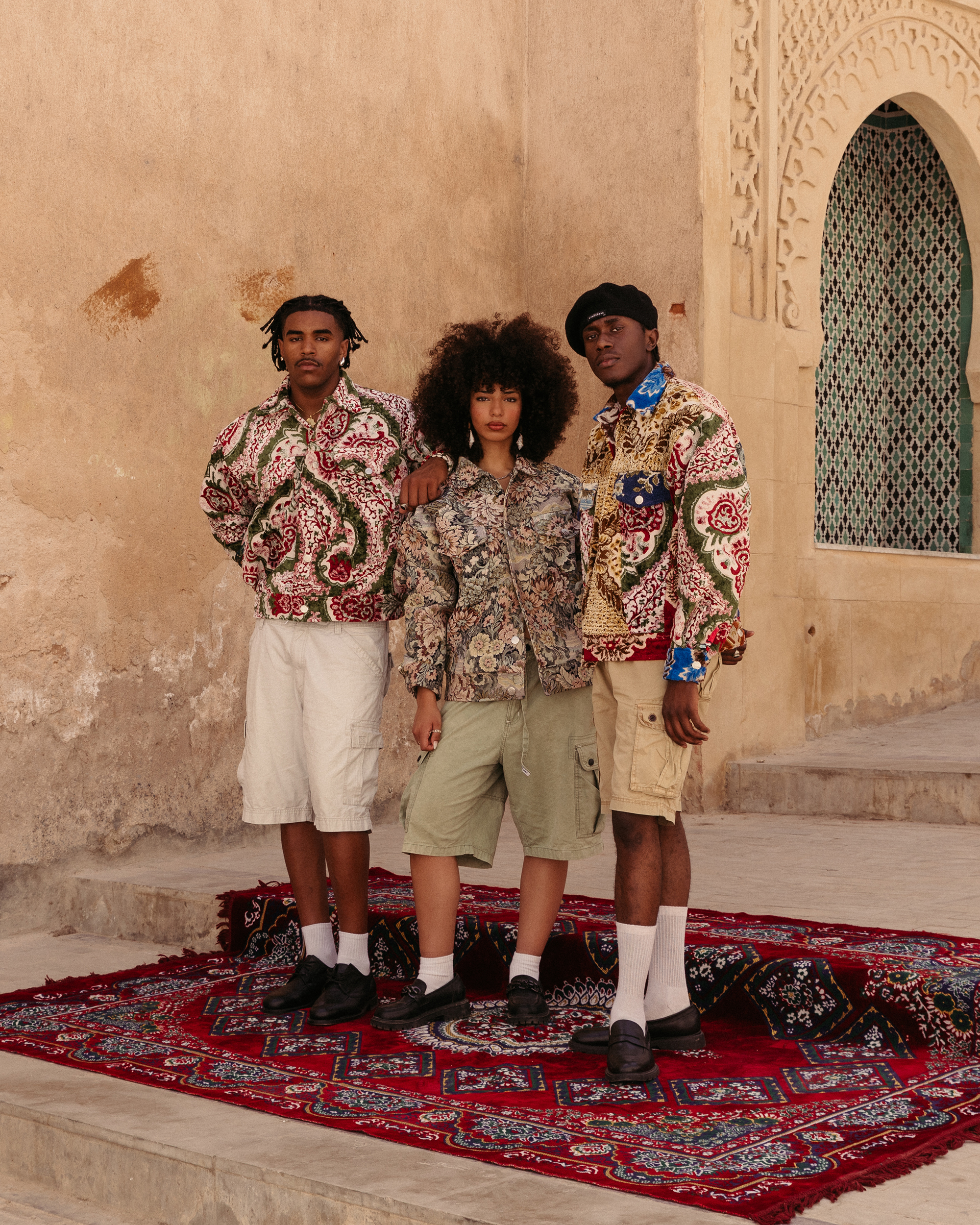
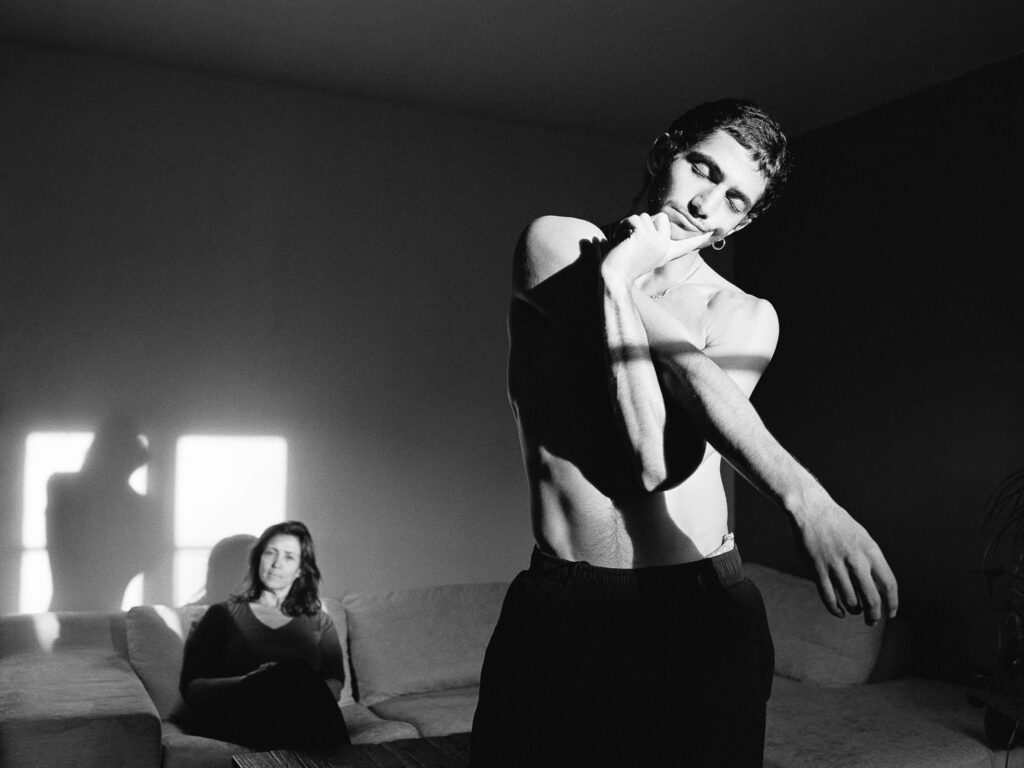
A year after receiving the camera from her parents, El Bahja began experimenting with street photography using both her camera and her phone, and eventually she organized her first conceptual photo shoot. A second shoot in 2018, in her hometown of Rabat with dancer Karim Ennoury, resulted in an image used the following year as the cover of the local magazine Sortir. Throughout this period, she continued to capture street scenes and document her life with her phone and camera.
Also in 2019—a year El Bahja describes as “formative”—she cofounded Tafanoun, a creative studio for youth expression, with her now husband, Walid Machrouh. El Bahja produced and edited all the videos herself, which gave her a crash course in postproduction and creative direction. Her filming stopped abruptly in 2020 due to the COVID-19 pandemic.
In January 2024, she says, she realized “it was time to focus fully on photography.” To nurture that resolve without access to formal training, she took online courses to learn technical skills including color correction, practiced through multiple photo shoots, and, in the process, “gradually discovered my love for fashion and art photography.” During her first year as a professional, El Bahja organized at least two photo shoots a week. Over time, with more experience, she decided to shoot less and instead focus on creating narratives that blend Morocco’s past and present.
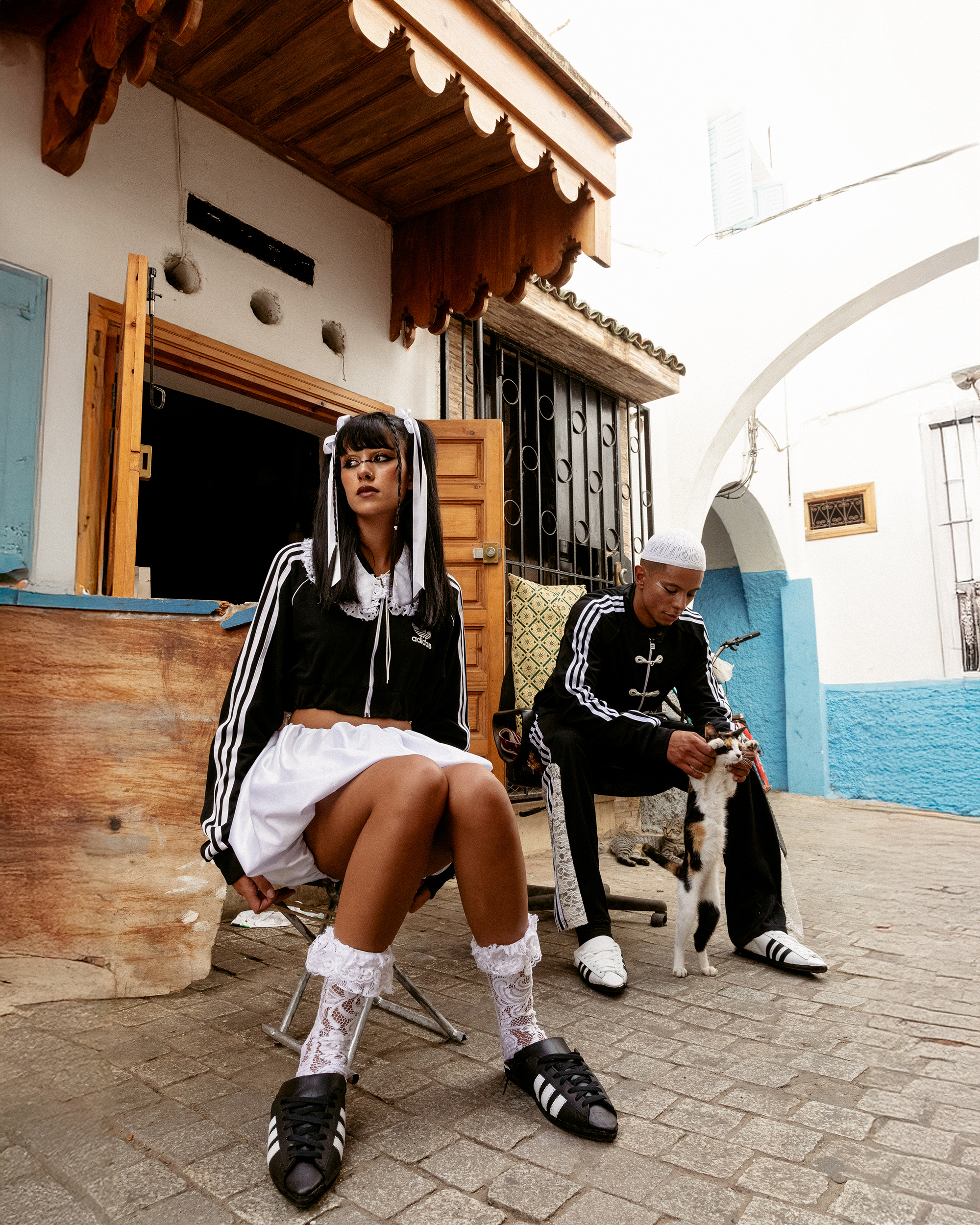
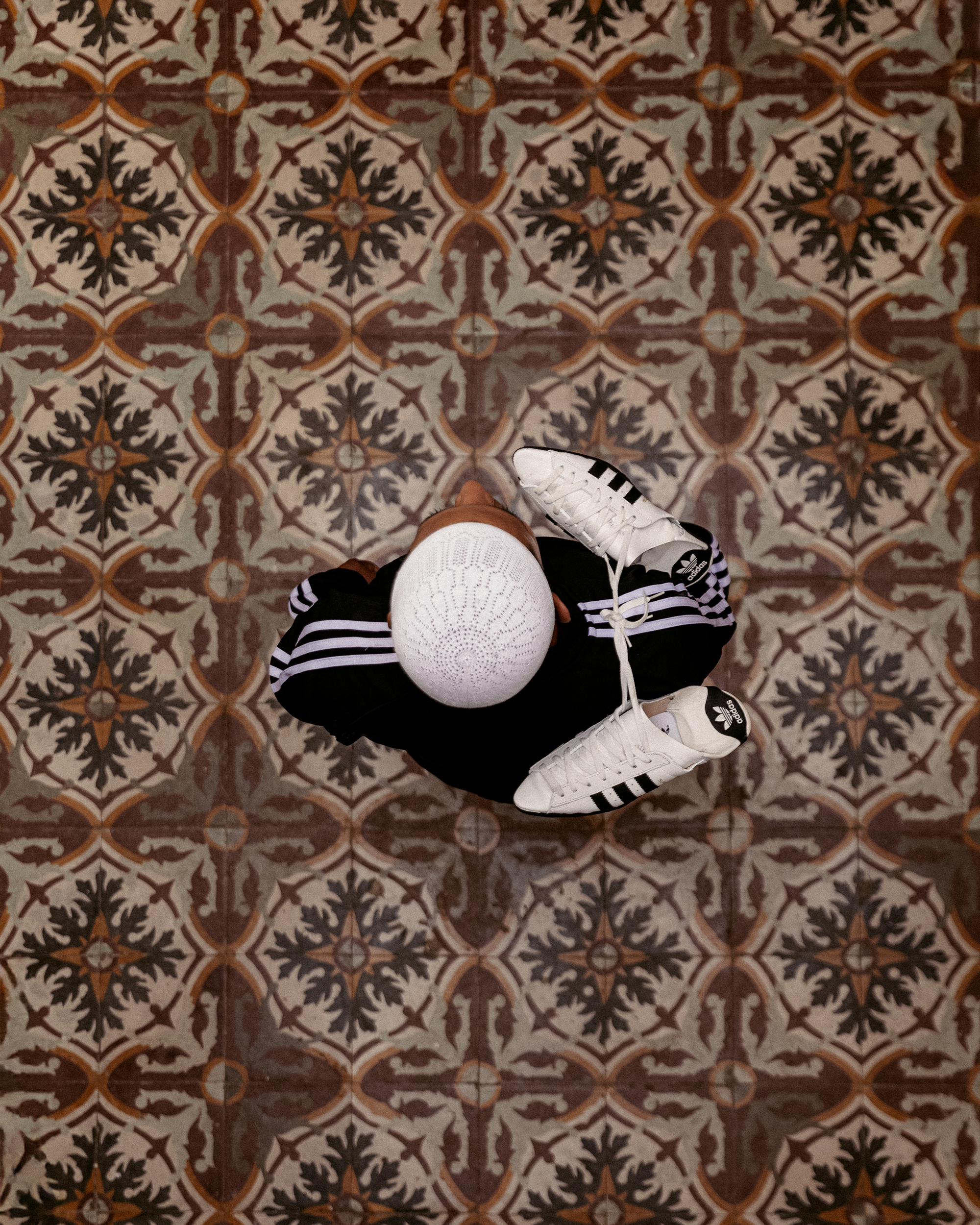
In the project Re-Connected, part of her series Marroki Export (2024-ongoing) depicting different swaths of Moroccan youth, El Bahja photographed two models—styled as imaginary siblings—who live outside Morocco but are deeply connected to the country. They are dressed in upcycled Adidas outfits and pose against the Old Medina of Rabat, a UNESCO World Heritage Site. The photographs from Re-Connected were also partly shot in a traditional house to represent a “grandparents’ home,” as El Bahja’s puts it, and the importance of elders as permanent symbols of belonging, despite histories of migration or alienation.
El Bahja always has extensive conversations with her subjects before photographing them. Their personal stories are as much a part of her shoots—and influence them as deeply—as the stories of the cities that serve as her backdrops. She also works as the communications and marketing director of Rabat’s Moroccan Center for Innovation and Social Entrepreneurship, a nongovernmental organization that supports young entrepreneurs and creative changemakers.
There is a tension in Morocco, El Bahja says, between tradition and reinvention. In some ways, her images hope not to resolve that tension but give it the attention it deserves. Her ultimate goal is to “stay authentic,” which to her includes emphasizing rather than downplaying the unresolved aspects of modern Moroccan youth culture.
All photographs courtesy the artist
Read more from our series “Introducing,” which highlights exciting new voices in photography.