Portfolio Prize
Aaryan Sinha’s Iconoclastic Views of India
Winner of the 2026 Aperture Portfolio Prize, the photographer twists familiar clichés into an exploration of what it means to feel estranged from one’s homeland.
In partnership with

With a title like Namaste or Whatever, you would expect the work of Aaryan Sinha to be absolutely sodden with sardonic wit, aimed in the direction of his home country of India. You might imagine it to be flecked with visual barbs targeting, say, woo-woo Westerners gorging themselves in the country’s well-stocked spiritual supermarket, or cargo-shorted adventurers jockeying for selfies at the Taj Mahal. Instead, the project’s flippant title belies the thoughtful, ravishing nature of the photographs, which find Sinha wrestling with the legacy of the colonial imagination of his homeland and attempting to quarry authenticity out of the obdurate granite of cliché.
Sinha, who graduated from the Royal Academy of Art, The Hague, in 2023, has been working on this collection of pictures for the past few years. When I reached him over a video call in February, he was on a photoshoot in India’s remote northern region of Ladakh and recalled that the title sprang from a real-life encounter. As he was sitting with a classmate on a stoop one evening, a friend’s mother happened to walk by and stop for a chat. On her departure, the woman bid farewell to Sinha’s friend in their native tongue (Norwegian) before turning to Sinha and, seemingly at a loss as to how to say goodbye, settled on “Namaste, or whatever.”
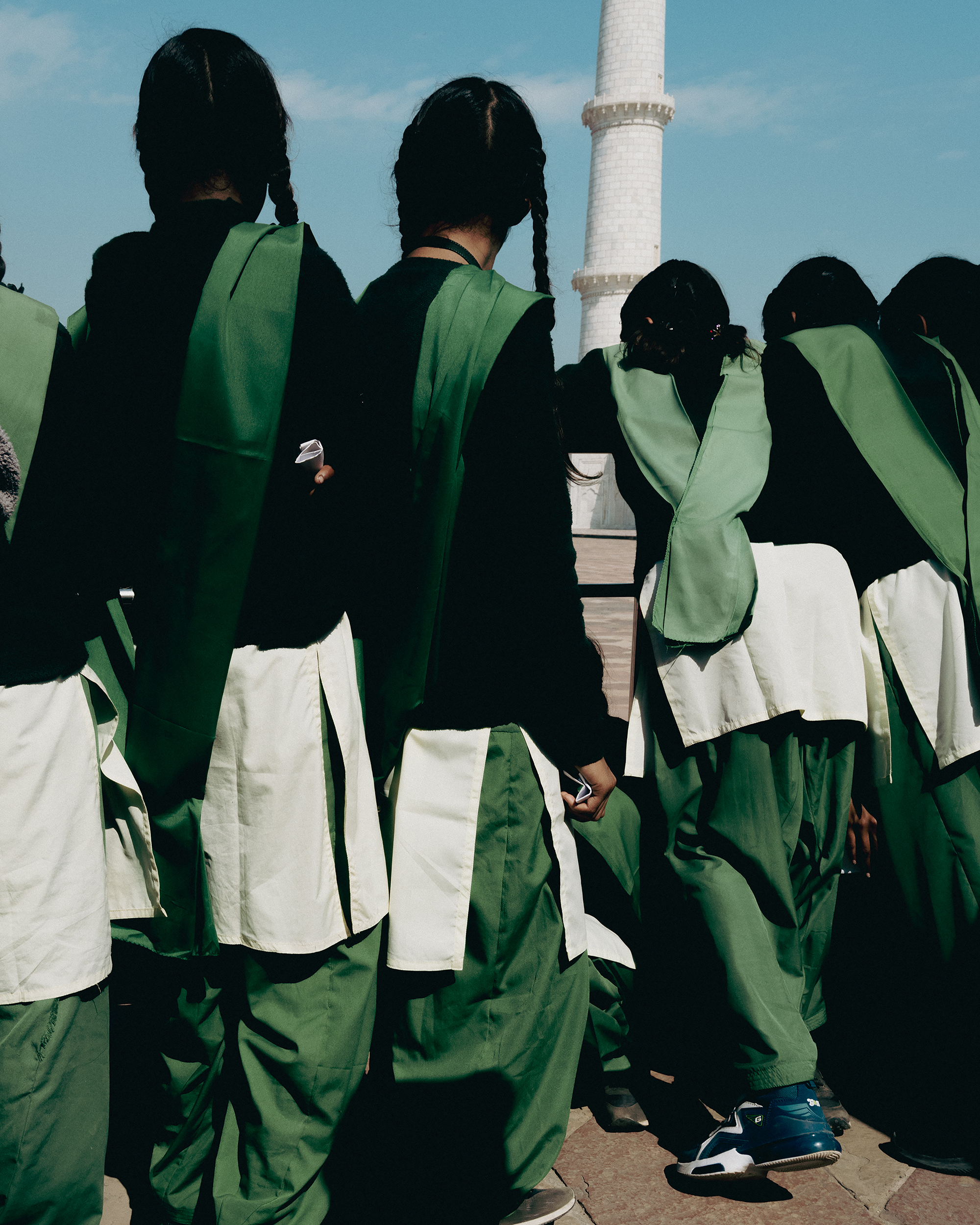
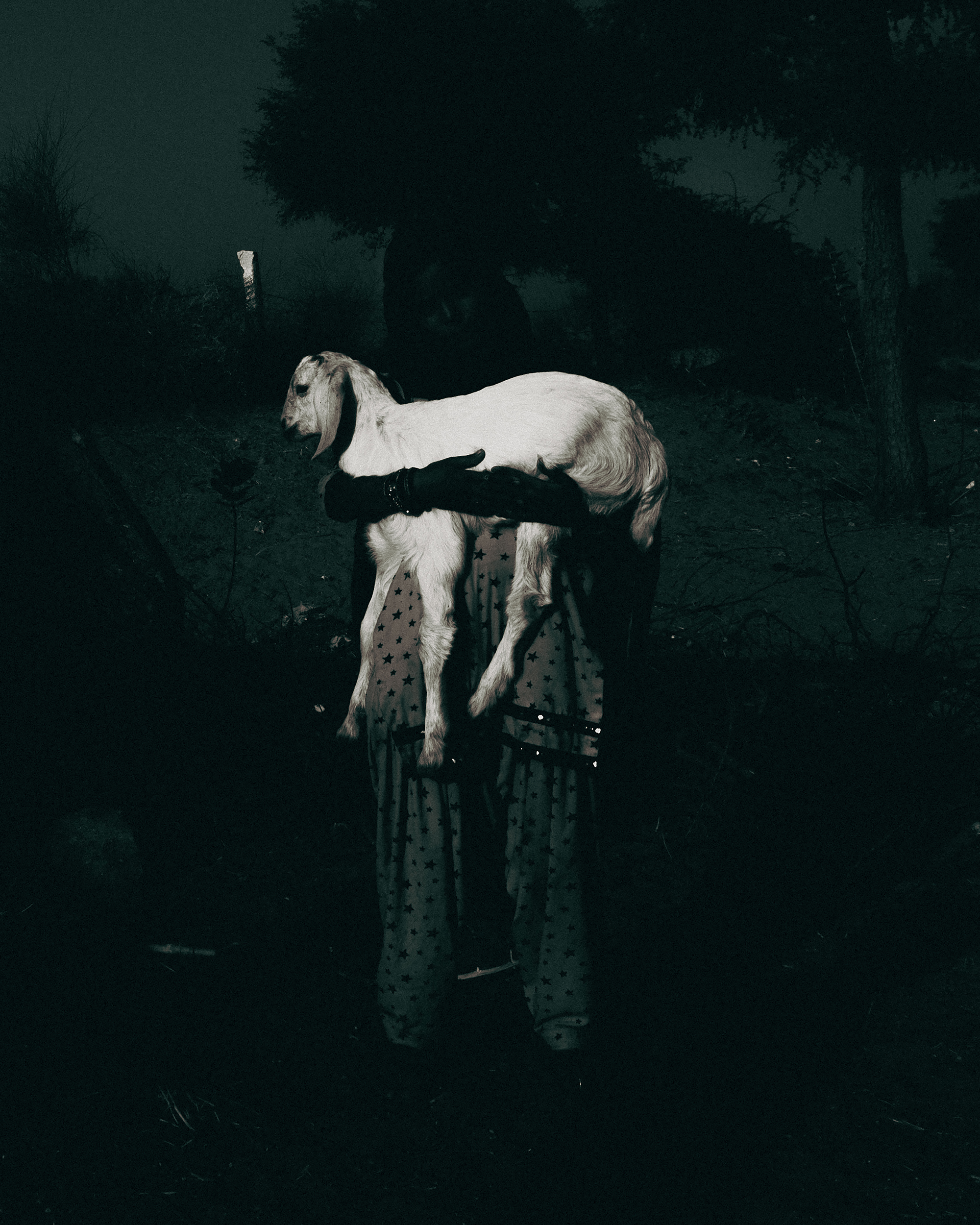
As the only Indian student in his class at art college until his third year, Sinha was used to this kind of confusion about his culture, if not to the outright racism that often undergirded it. He could maybe even relate. “Through the media that I consumed, I was more connected to the West than to my own country,” he told me. “And even though I was not born in the West, I felt like I belonged there, which led me to see India through the Western gaze.”
Namaste or Whatever began with Sinha’s decision to “do a complete one-eighty, and just focus on the clichés.”
When he was in his teens, first toting his camera around the streets of New Delhi, he sought out picturesque images of poverty, focusing on the city’s street children. He learned to hunt these kinds of images down, he told me, by following the example set in the many photobooks by famous photographers, such as Steve McCurry, in his family home. A brief, life-changing critique by the Magnum photographer Rafal Milach, for whom Sinha interned, set him on his current path. His pictures, Milach warned him, merely skimmed across India’s surface, rehashing stereotypical scenes that wide-eyed Westerners might snap on vacation. Chastised, Sinha swore to himself that he would become a more self-critical image maker.
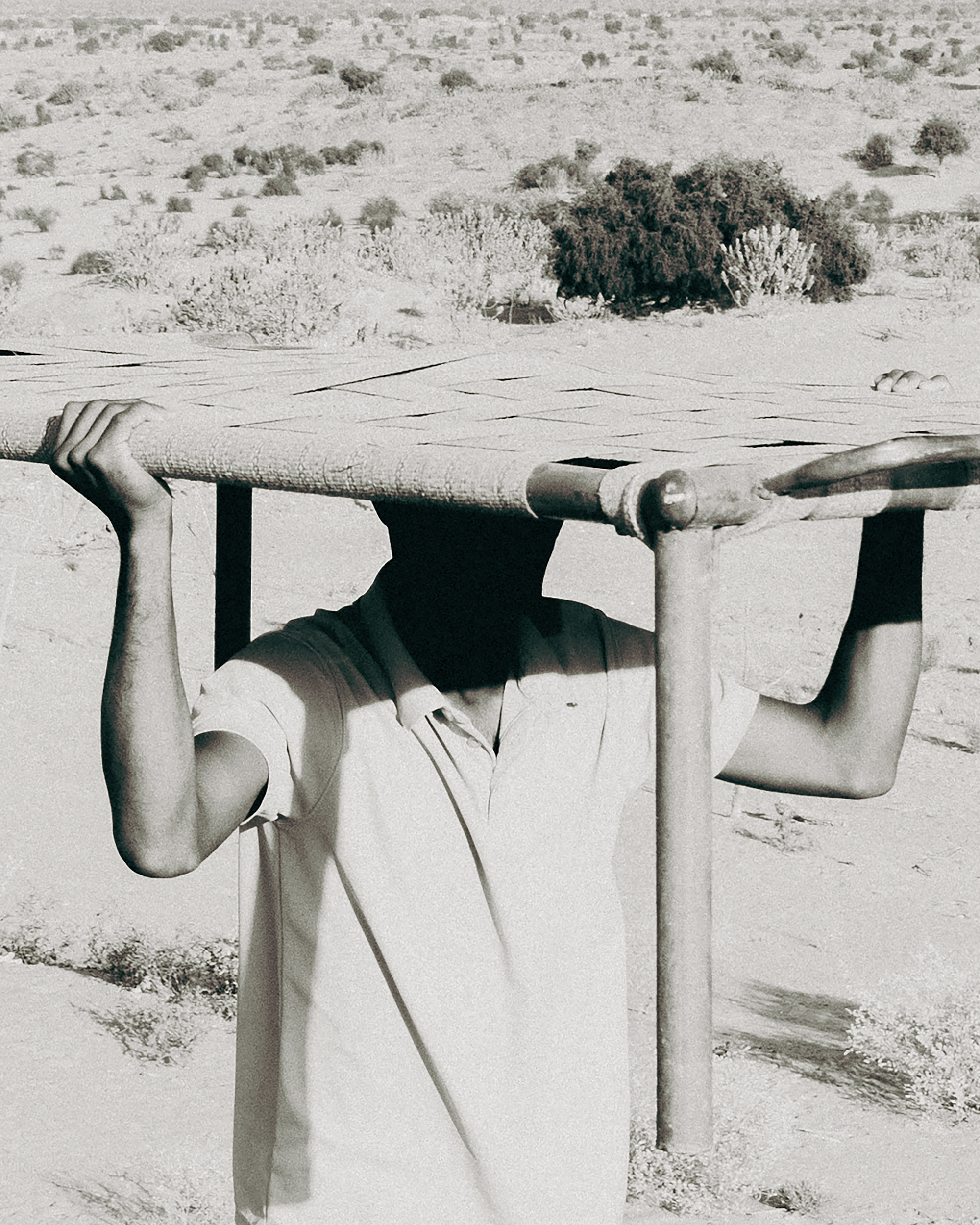
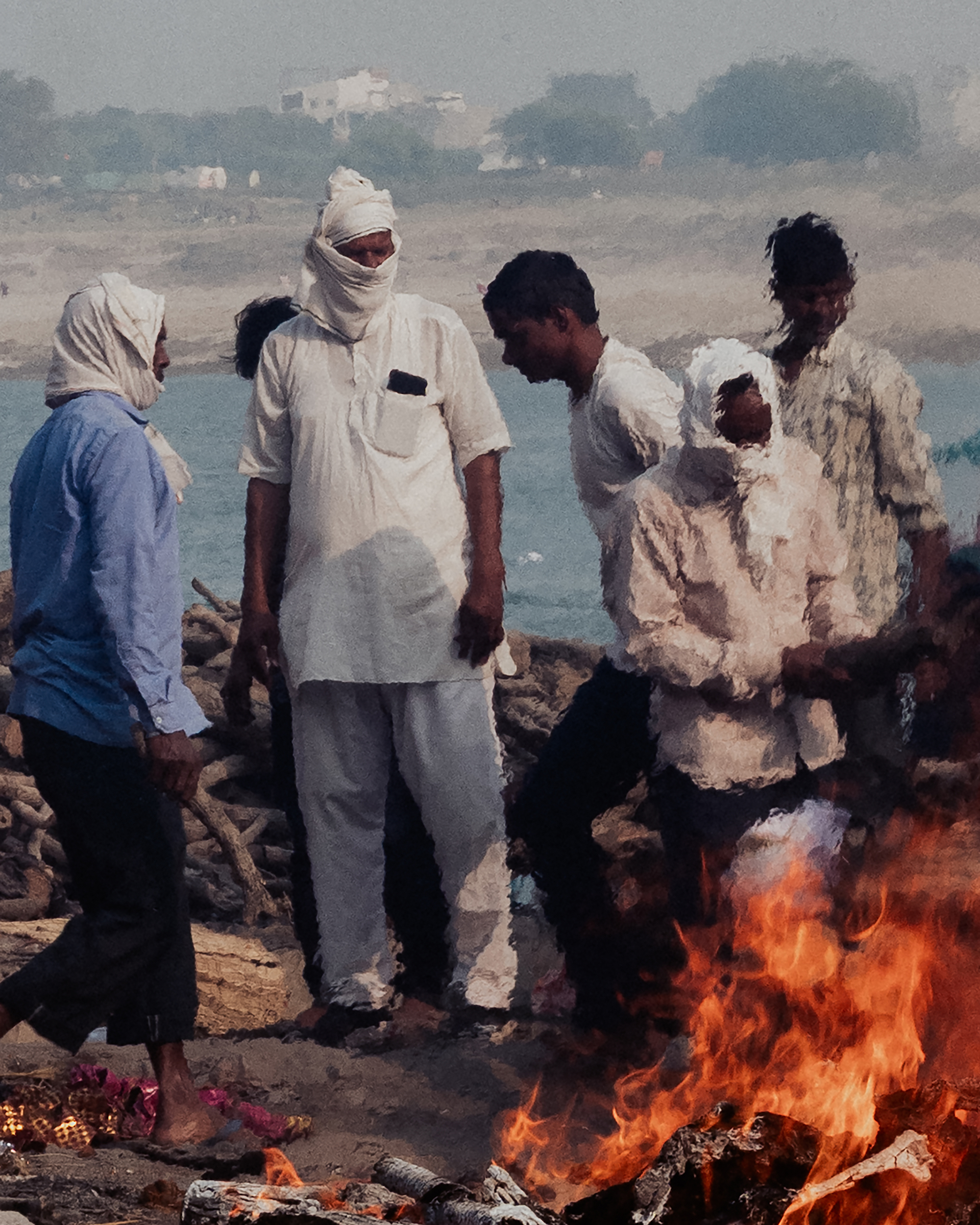
In 2022, he began a body of work, still ongoing, titled This Isn’t Divide and Conquer that documents the five Indian states that border Pakistan and Kashmir. Sinha was so mindful of his role as a photographic observer and the power relations implicit in it that he assiduously avoided including any of his subjects’ faces, for fear of somehow exploiting them. Aesthetically, he also kept himself on a short leash: Anything with even a whiff of cliché was immediately chucked in the discard pile.
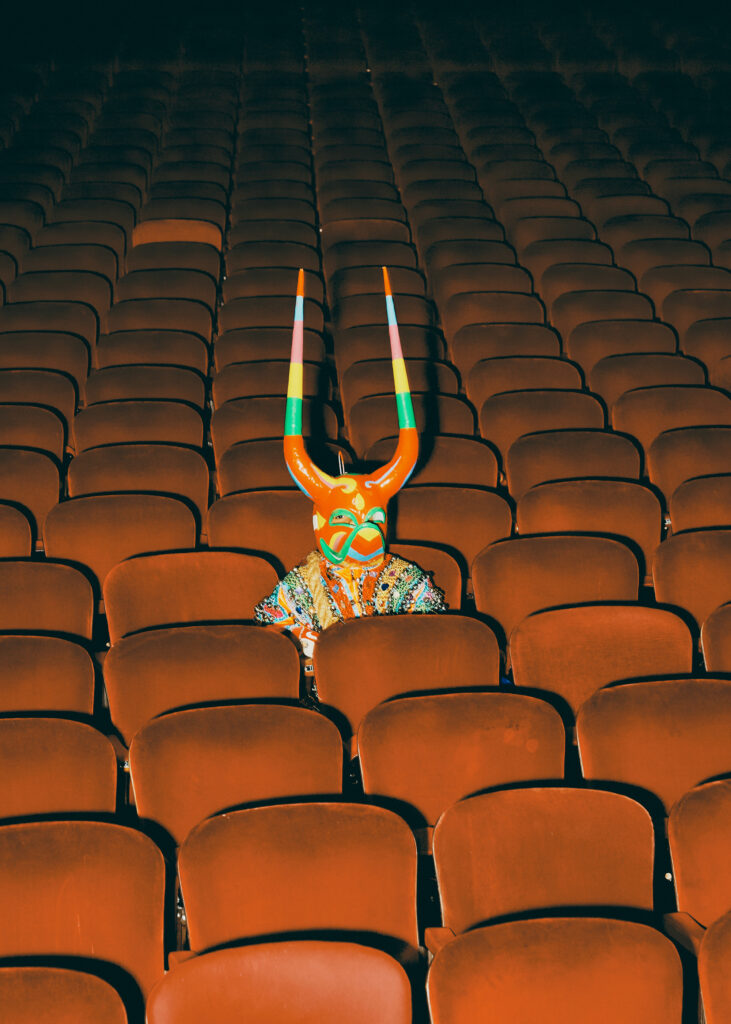
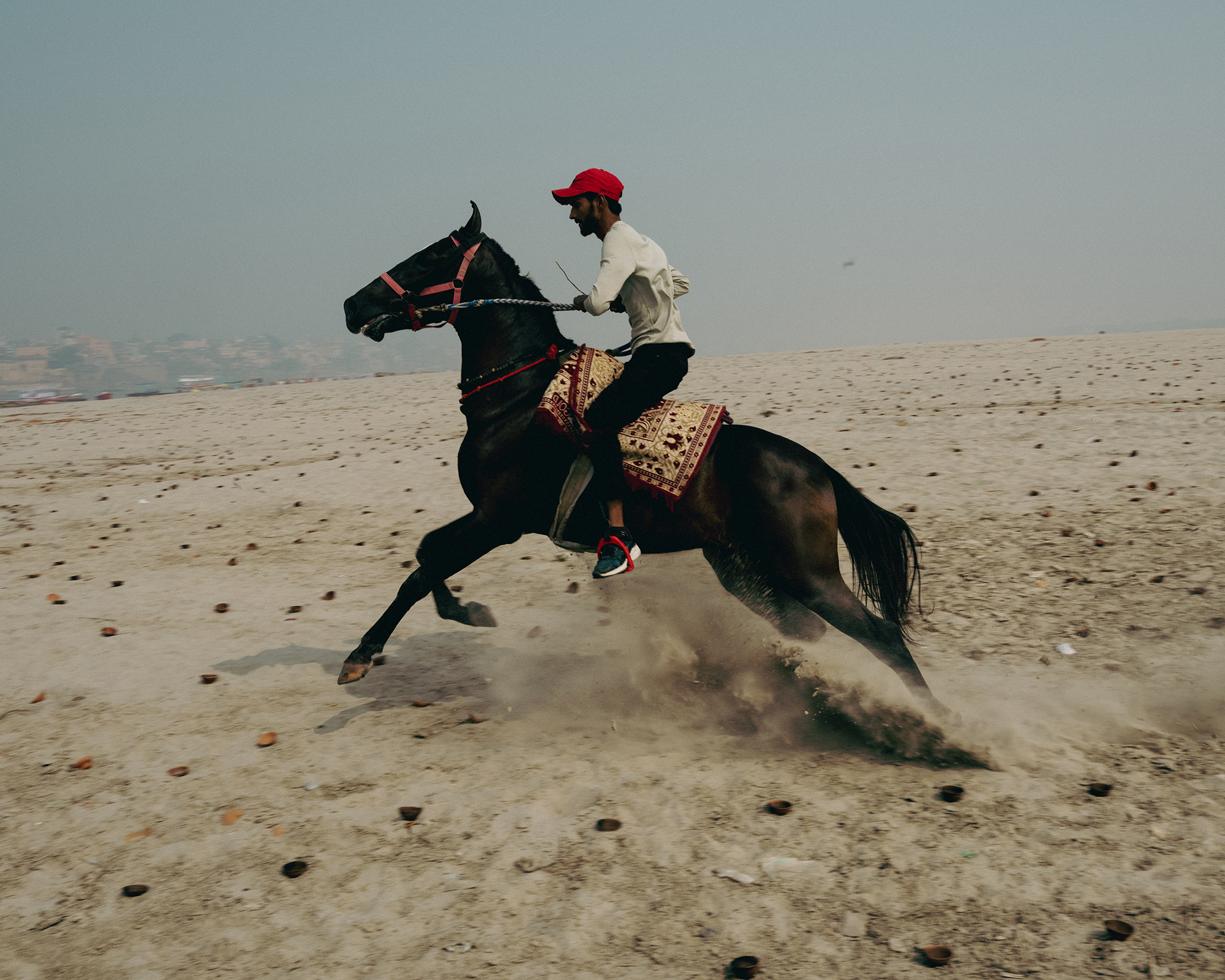
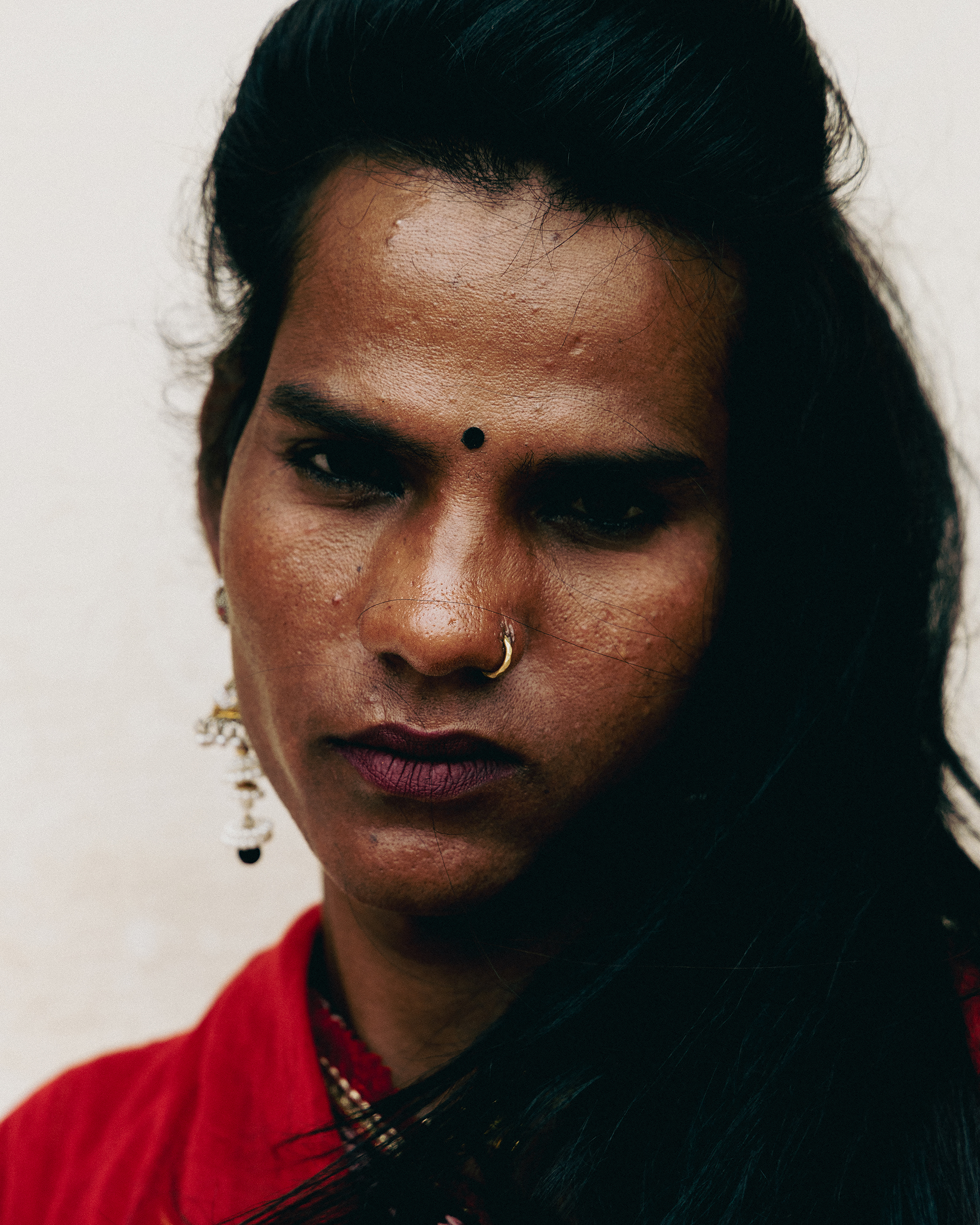
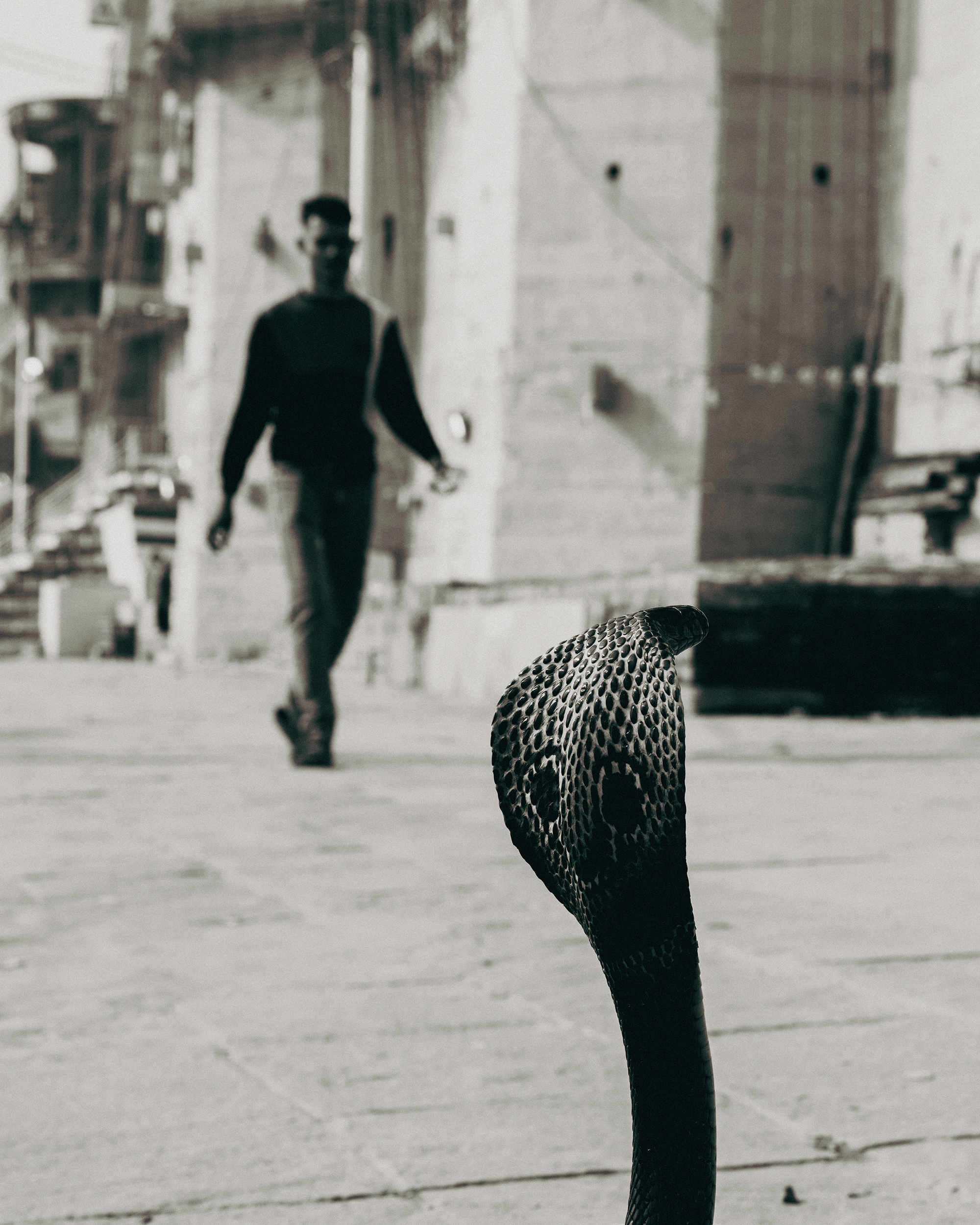
Soon, however, these self-imposed constraints began to look like opportunities. Might deeper truths be found within the tropes that cast India as a mystical land of stark contrasts? Namaste or Whatever began with Sinha’s decision to revisit his abandoned pictures and endeavor to “do a complete one-eighty, and just focus on the clichés.” Indeed, the series gives you much of what you’d expect: A snake charmer’s cobra rears its head into the frame; men immolate a corpse on the banks of the Ganges; handprints in white paint left by pilgrims pile up on a ruddy temple wall. What distinguishes these pictures from the many like them is the sheer lushness of Sinha’s seeing.
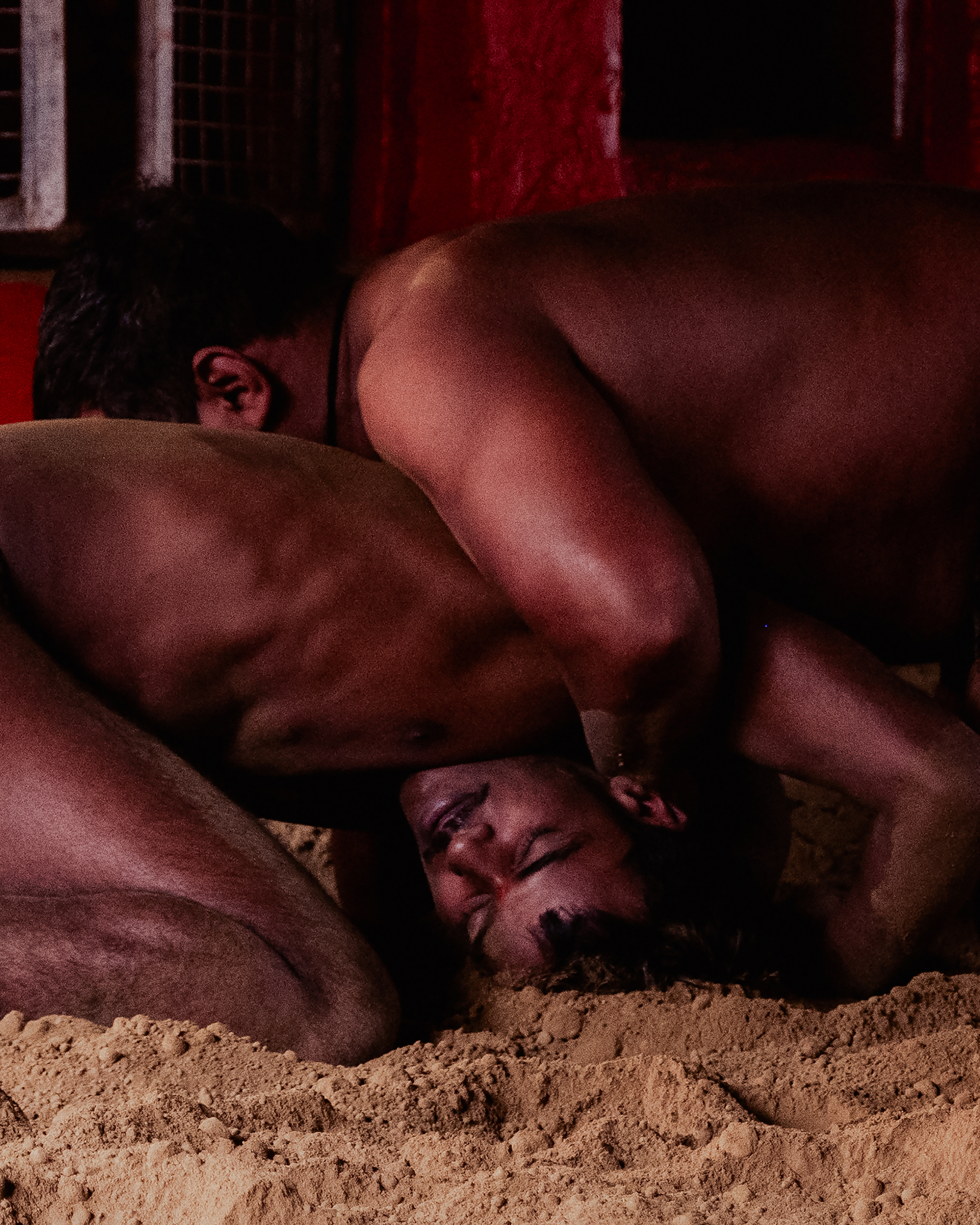
But even when Sinha is trying to lean into what he considers his own worst tendencies, unexpected moments arise. His photograph of a pair of shirtless wrestlers twisted together in a strange embrace, for instance, is both erotically charged and physiologically flummoxing. A shot of a burned-out metal building in a misty mountain landscape, its siding distorted and picturesquely discolored, conjures both the hazy, baroque gardens of Jean-Honoré Fragonard and Morris Louis’s Veil paintings.
Sinha is the first to admit that crawling out from under the blanket of stereotypes that have been thrown over the Indian subcontinent by generations of colonial interlopers and assorted photographic lookie-loos is no easy task. But you get the sense that, even in the face of possible failure, his effort is passionate and dogged. Where cliché flattens the world into a dull procession of the foreknown, Sinha’s work intercedes, doing its part to revivify our vision.
All photographs courtesy the artist
Aaryan Sinha is winner of the 2026 Aperture Portfolio Prize. This piece will appear in Aperture No. 263, Summer 2026.