Introducing
Fe Avila Seeks the Liberation of Desire
The Brazilian photographer makes a utopian world encompassing moments of raw, unmediated freedom.
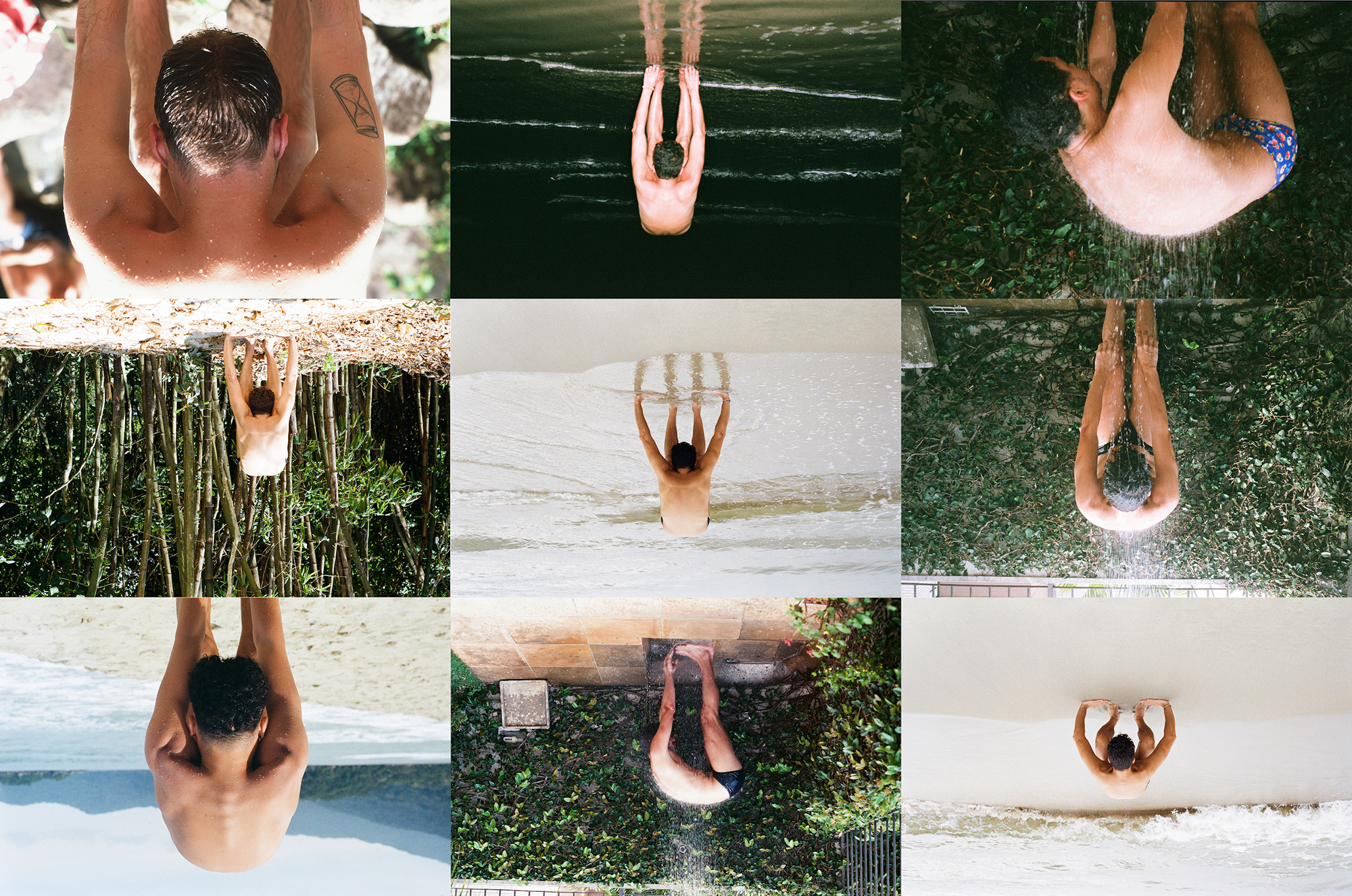
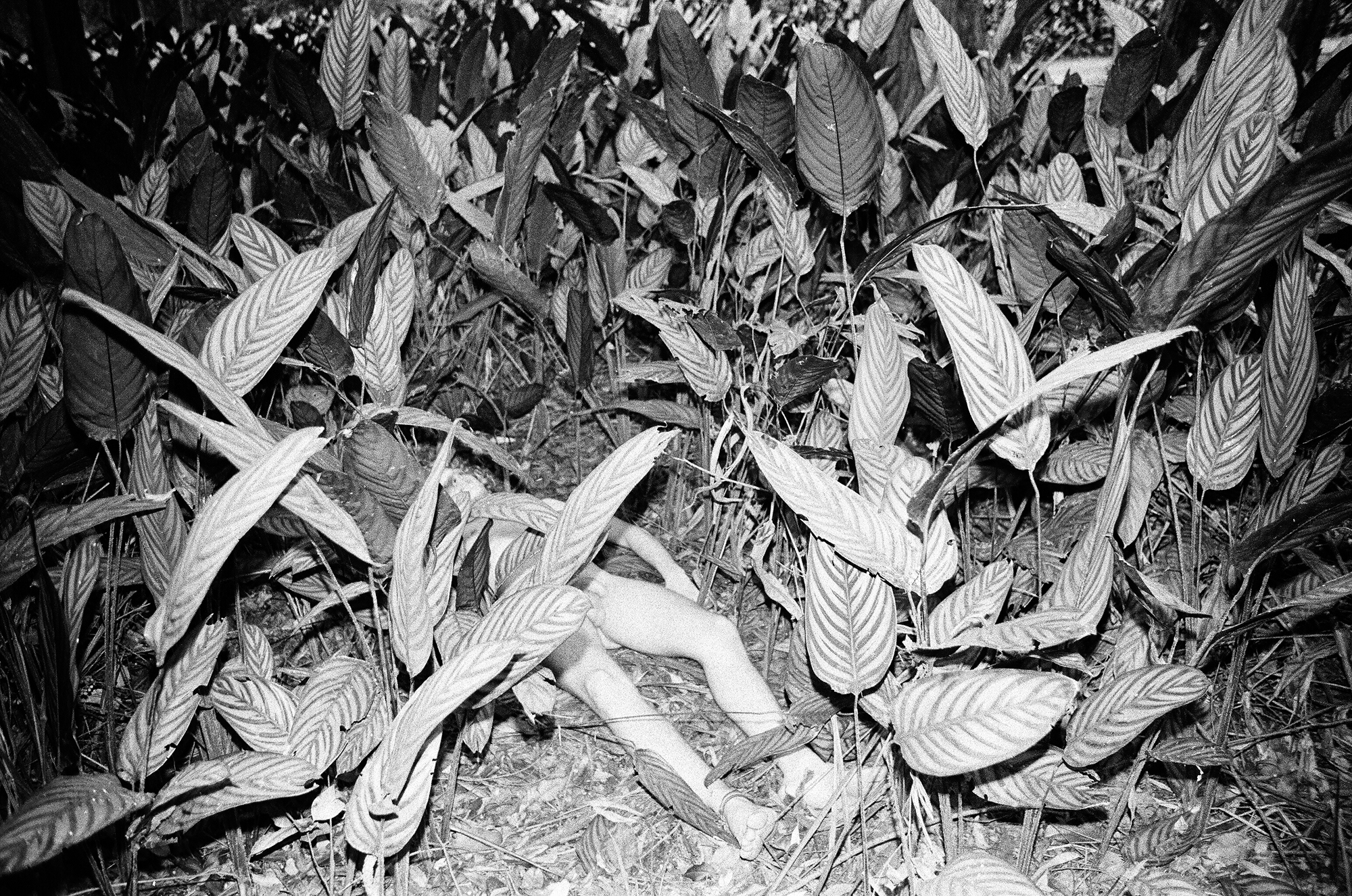
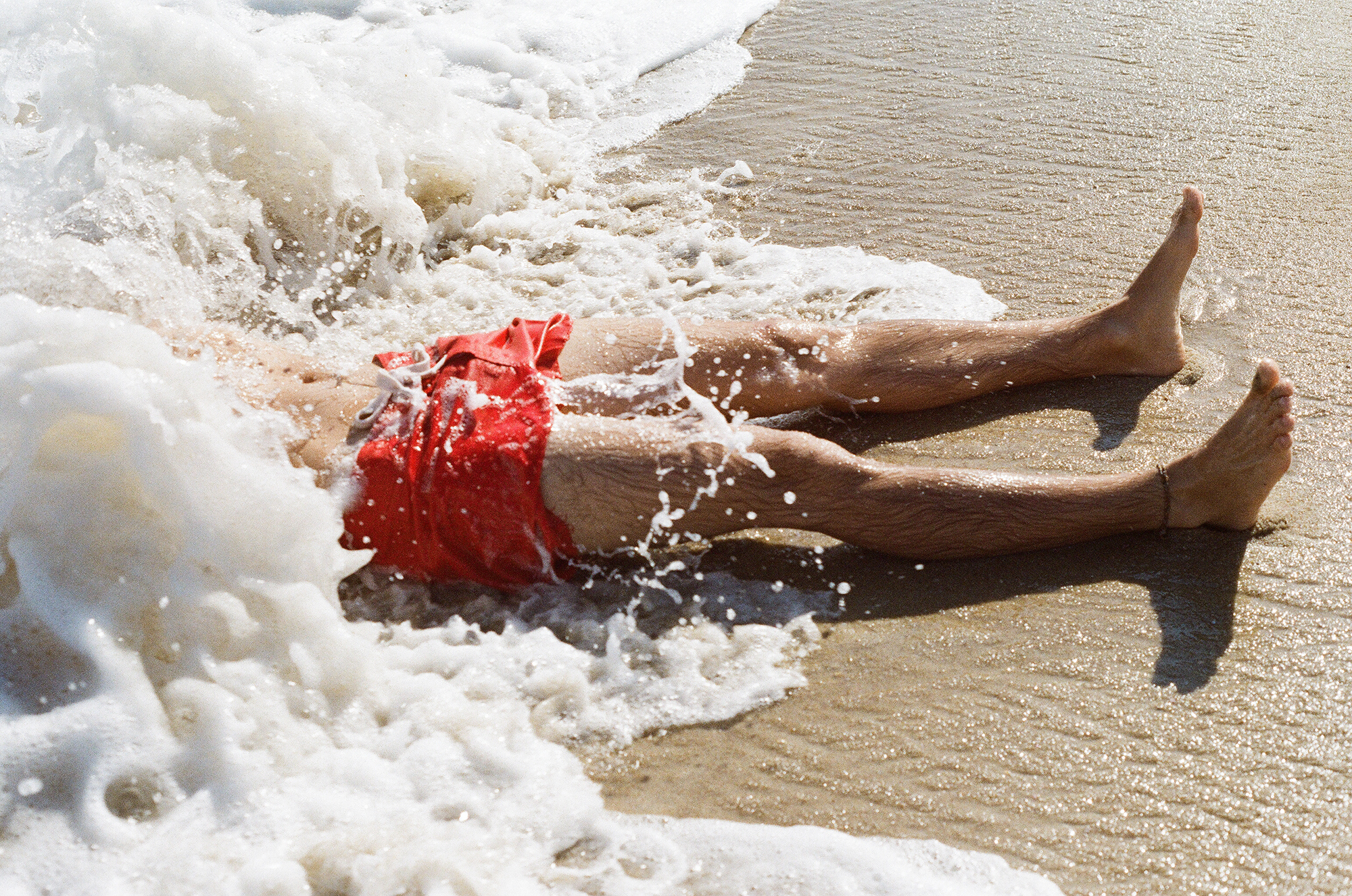
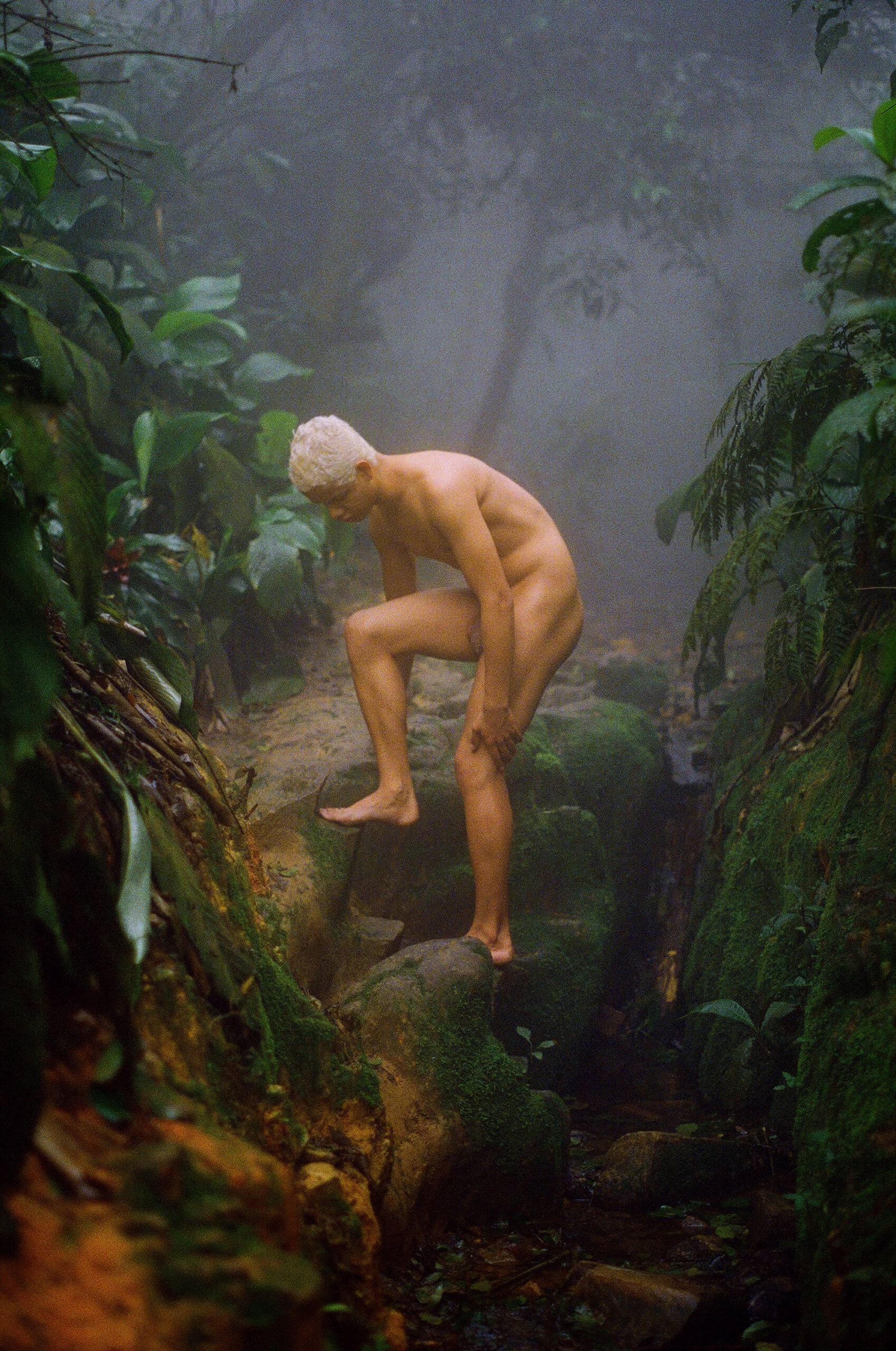
Fe Avila was in their mid-thirties, working in publicity and finishing a postgraduate degree in art history, when they bought their first camera and began photographing their partner and friends. Inspired by Ana Mendieta’s earthbound performances and Ren Hang’s nude portraits, Avila started asking subjects to undress, often in nature. In their first series, Docile Male (2017), we see naked men lying on rocks, tree trunks, and sand. Their bodies appear in quiet surrender—bent forward, heads lowered, hands and feet pressed into the earth. Close-ups frame armpits and torsos, while faces are deliberately hidden behind plants, shadows, or limbs. The male figure dissolves into its surroundings, taking on an ethereal quality. This is eros in its purest form, desire stripped of the power of sex.
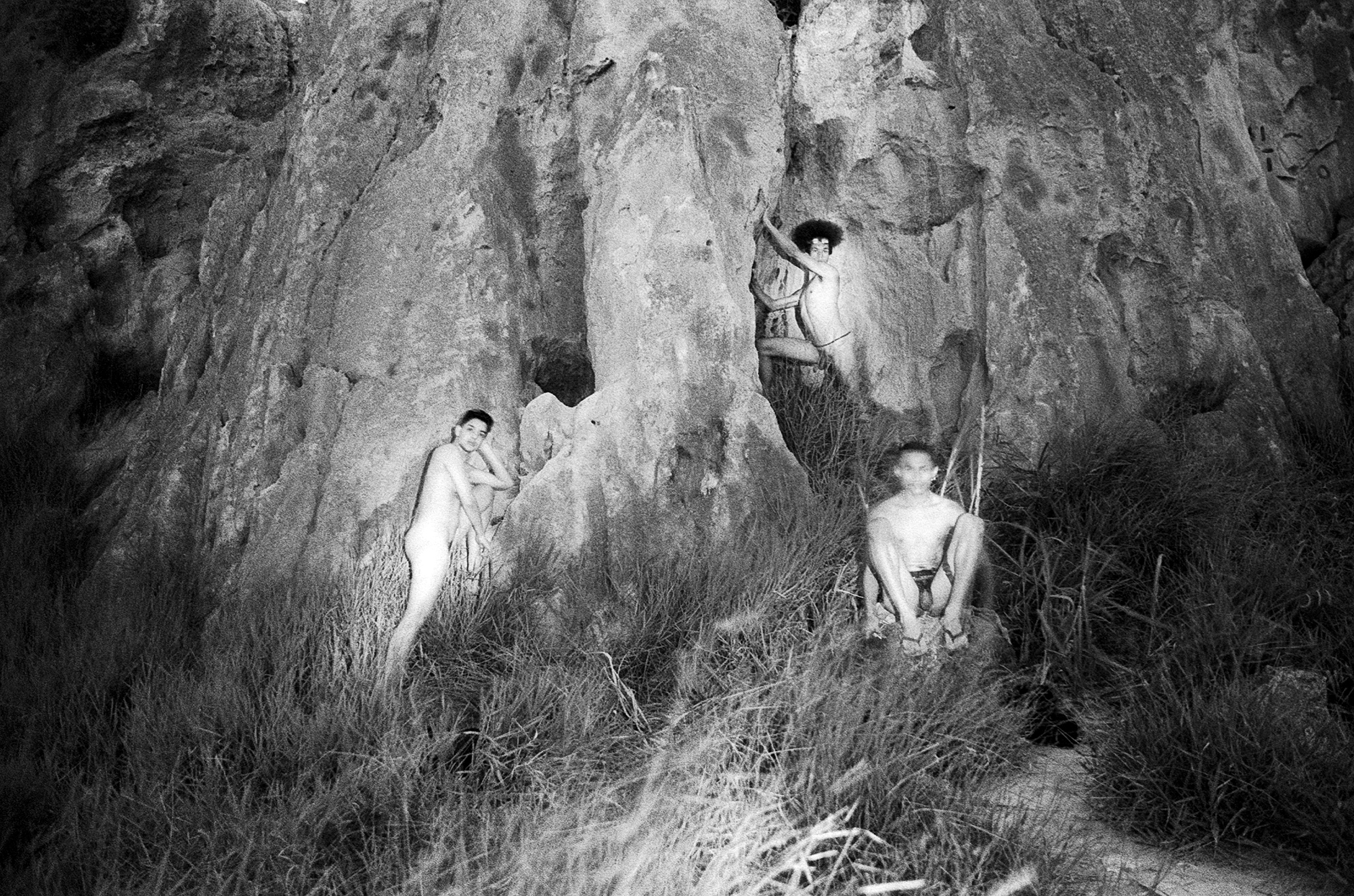
In another world, Avila might never have made these photos. The eldest of three siblings, they grew up in São Paulo in the 1980s under Brazil’s military dictatorship in a conservative culture where rigid masculinity was pervasive. As a teenager, they attended an almost entirely male technical school with some forty boys and only three girls. Reconciling a nascent attraction to men with the world around them soon became a private struggle. “Masculinity has always been a hard issue for me,” they told me. “Why are men so cruelly castrating? Why do they want to domesticate? Why do they want to curb desire, whereas animals do not?” Their body of work attempts to answer these questions—and is now gaining broader attention in North America at the fifty-ninth edition of the Carnegie International in Pittsburgh.
Among Avila’s most important influences are their own family members. Two maternal aunts taught them to paint in childhood, cultivating an early sense of composition and framing. Their uncle Juju, who had been sent to a seminary as a young man, left the path to the priesthood to become a full-time artist. He moved to Rio de Janeiro, where he worked as a cartoonist for O Pasquim, an independent newspaper famous for its satirical jabs at the dictatorship. It was Avila’s aunts who introduced them to art, but it was their uncle that taught them to take art seriously, to see it also as a political act. “My uncle was really repressed,” they said. “In a way, I feel like the continuation of him.”
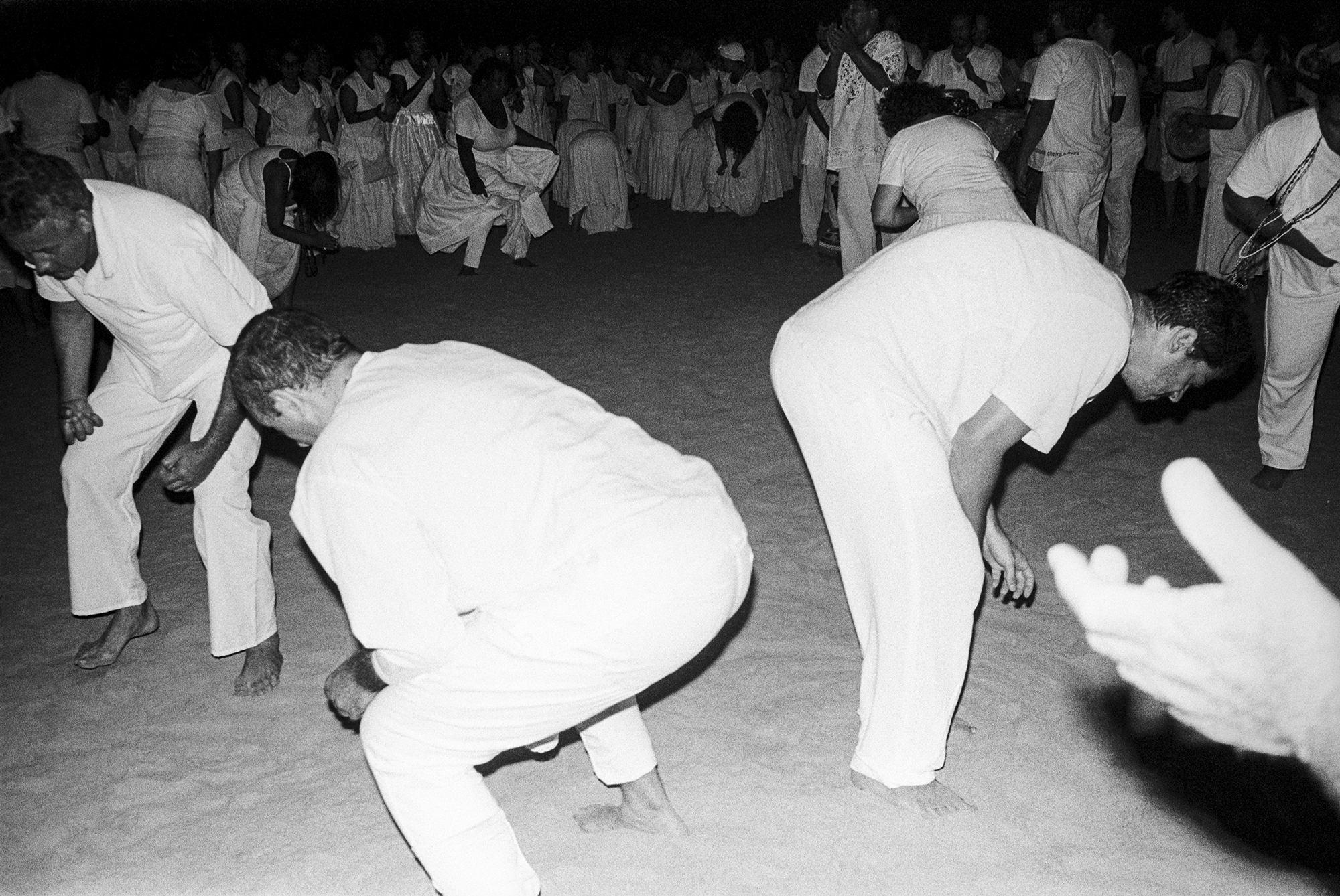
After completing their degree in art history at Fundação Armando Alvares Penteado in 2017, Avila took their camera to the streets. Brazil’s president Dilma Rousseff had been ousted from power amid an economic recession, corruption scandals, nationwide protests, and the emergence of a far-right movement nostalgic for military rule. The country felt as if it were coming apart. In the streets of São Paulo, Avila captured this turmoil: riots over rising bus fares, demonstrations after the murder of councilwoman Marielle Franco, marches led by trans and Indigenous activists, clashes with the police.
The resulting photobook, Present Body (2019), draws from Michel Foucault’s concept of biopolitics and Hakim Bey’s idea of temporary autonomous zones to examine how bodies resist control. “How could we be out in the streets while, at the same time, facing such intense repression?” Avila told me. Though the work is significantly more documentary than Docile Male, these are not your typical protest photos. Avila imagines resistance as something far more expansive—encompassing moments of joy during Carnaval, the gay pride parade, or underground raves—and, at the same time, more intimate. In one image, we see nothing but the torso and legs of a person in ripped fishnet stockings and what appears to be a leotard. Without setting or context, the body itself becomes the political site.
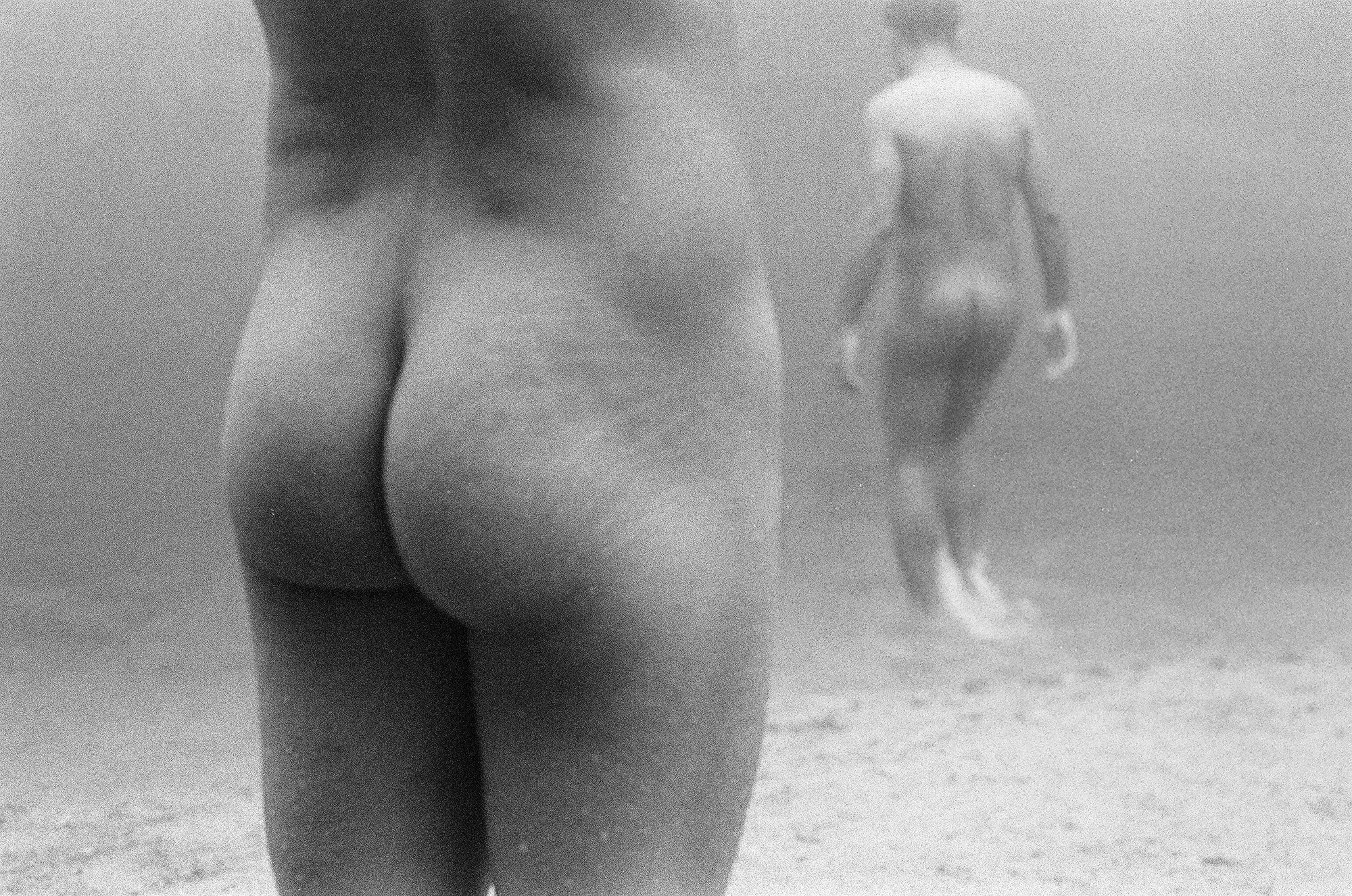
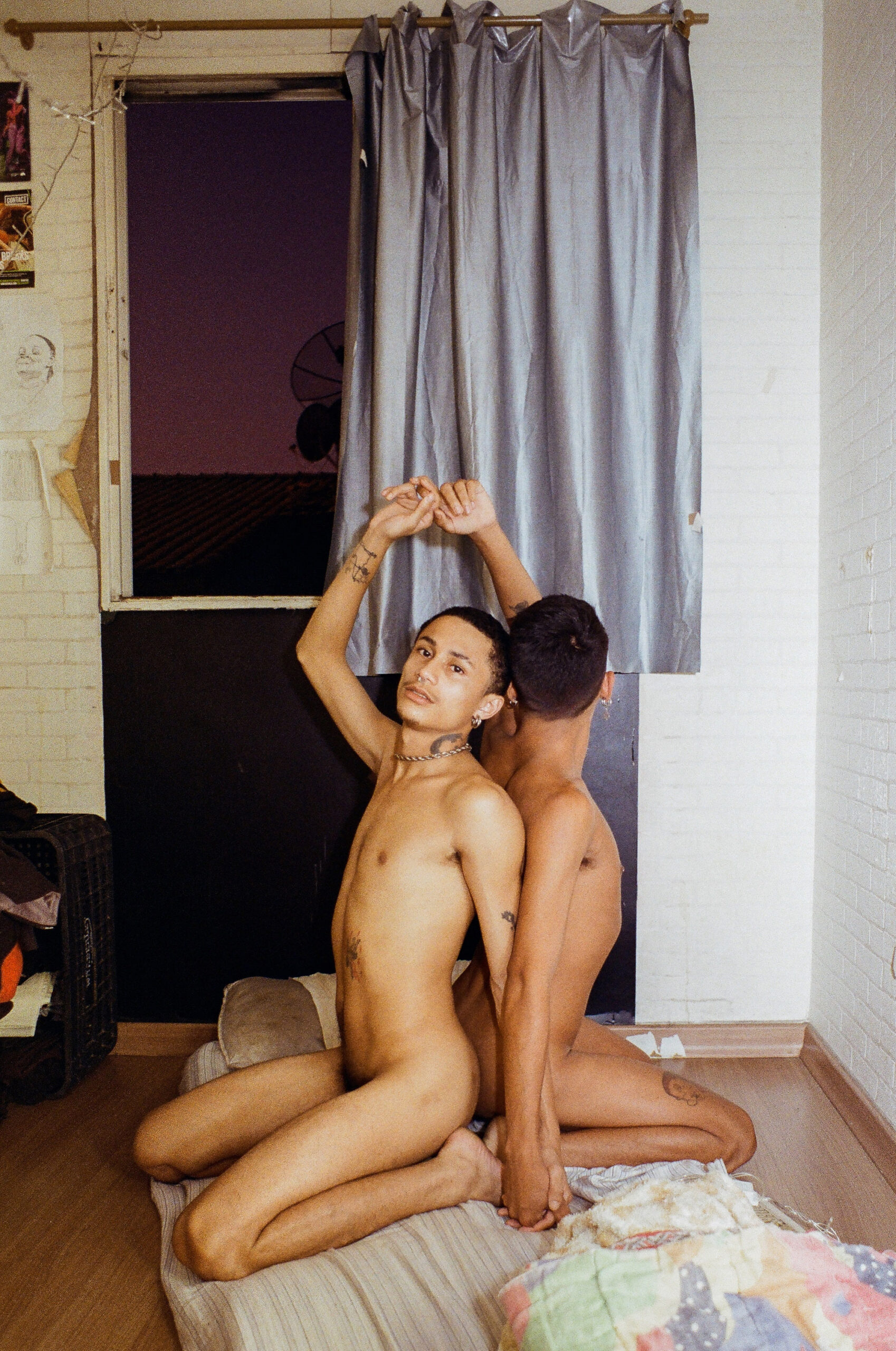
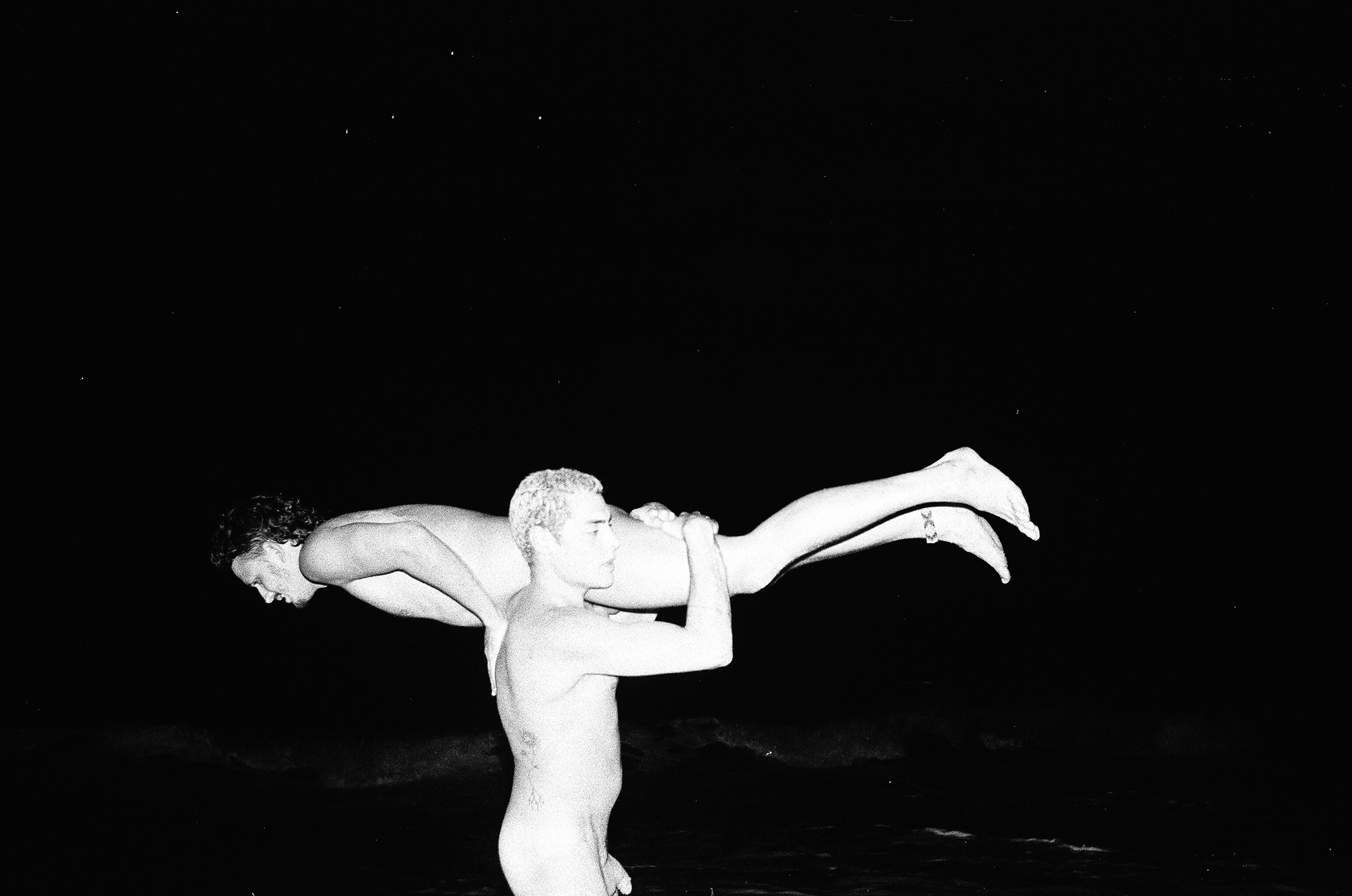
During the Covid-19 pandemic, Avila turned inward. For In the Encounter Everything Dilutes (2022), they used an analog camera to photograph friends and acquaintances through their computer screen and, for the first time, asked strangers to pose, almost always nude. The pandemic’s forced stillness and isolation led Avila to reexamine their relationship with their subjects. They came to understand their practice as a slow negotiation of boundaries and trust and photography as a type of performance in which both photographer and subject can embody different versions of themselves, experiencing a kind of catharsis unavailable to either alone.
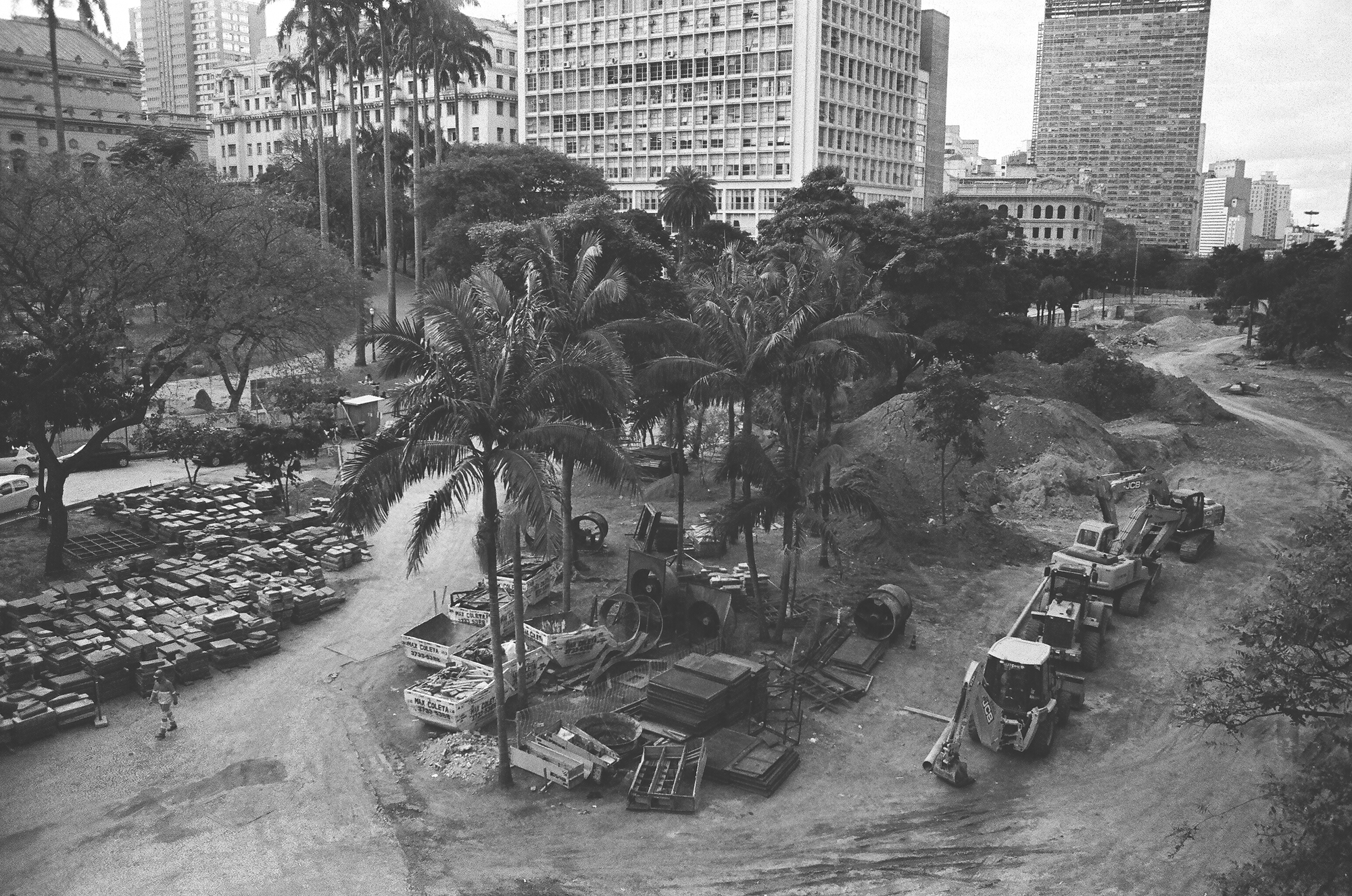
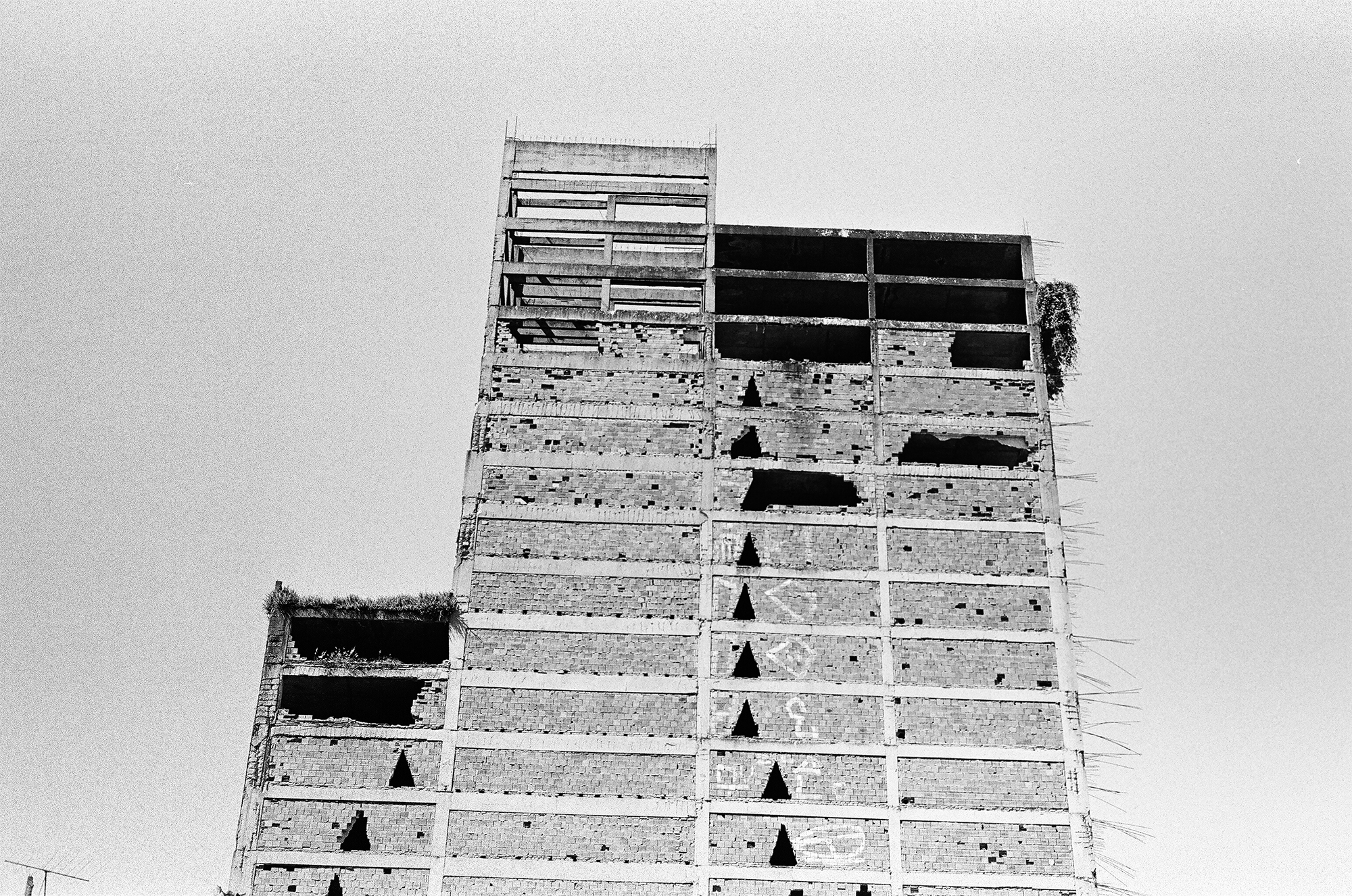
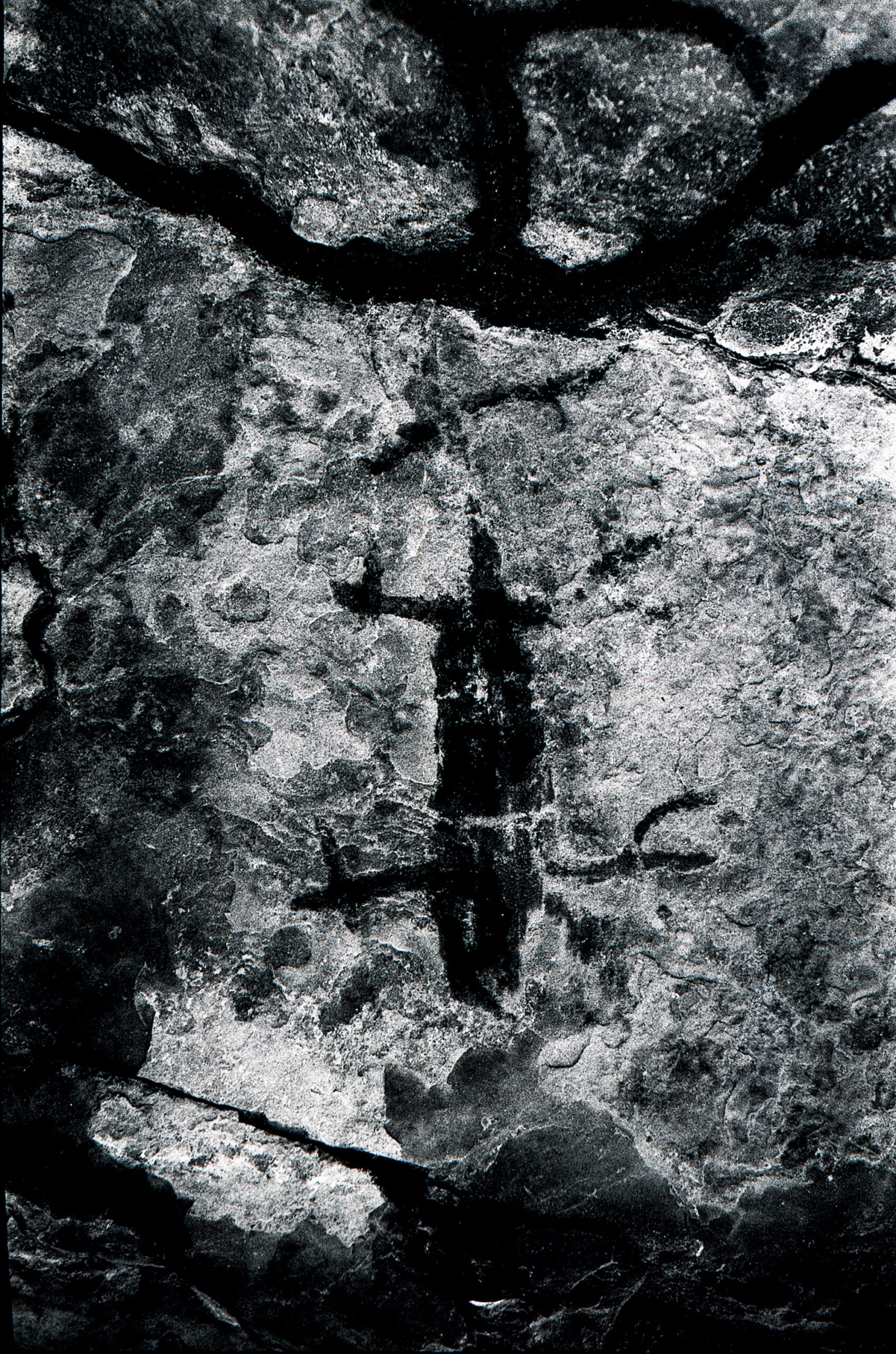
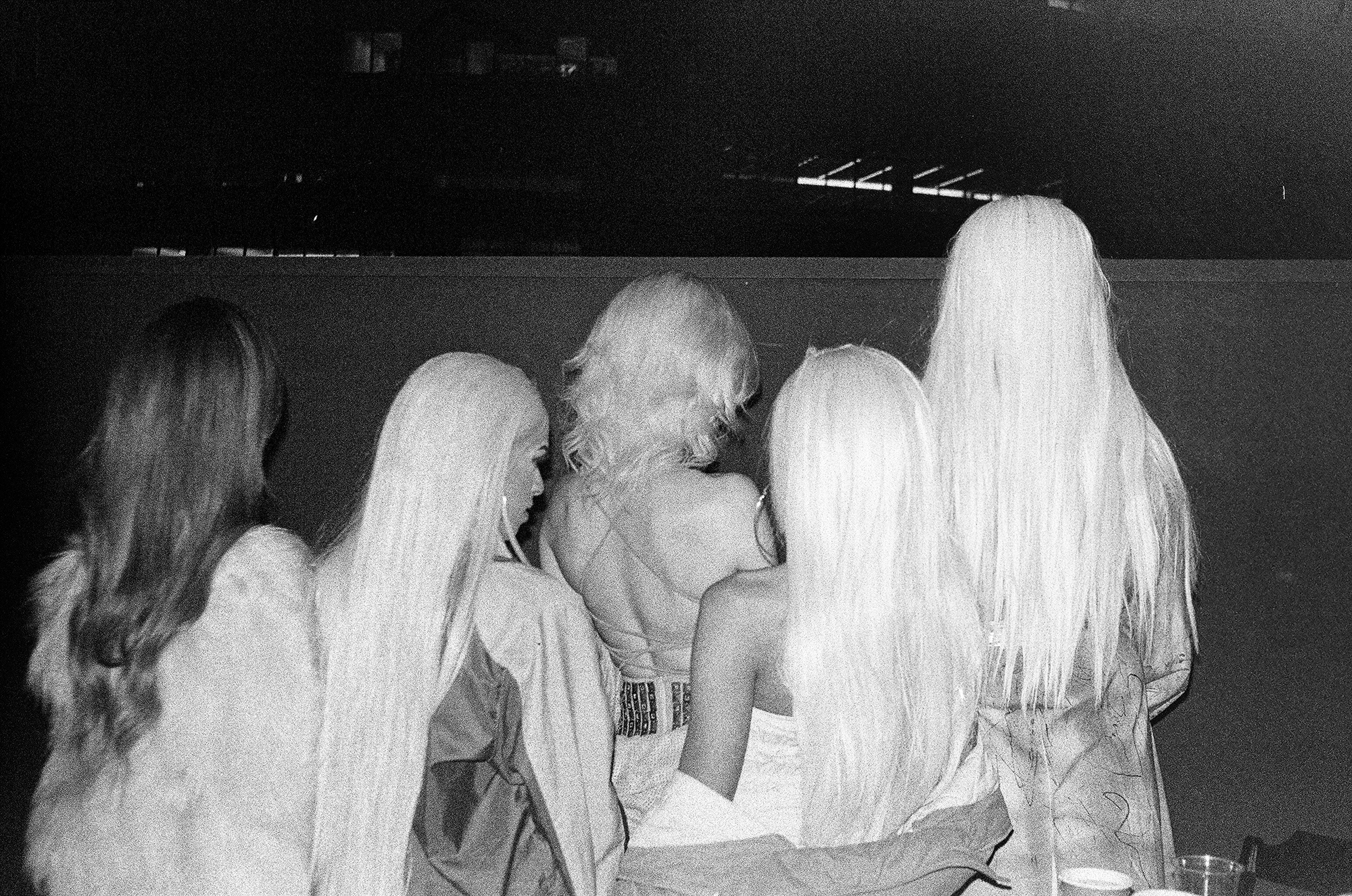
Avila’s vision culminates at the Carnegie International, where their work finds its fullest expression. This year’s exhibition, titled If the word we, asks what it means to share a world with others and whether “we” is ever a stable concept. In their series for the exhibition, Avila assembles disparate images from their archive to create a state of ontological chaos. Dichotomies dissolve—the boundaries between private and public, sacred and profane, blur until they nearly disappear. The work thrives on this instability. Carefully composed color portraits coexist with grainy black-and-white photographs cut by a harsh flash. Ancient cave paintings meet a classical statue defaced with São Paulo’s pixo. Elsewhere, the iconic ramp of the city’s biennial pavilion emerges, this time with trans artist Ventura Profana crawling naked down its incline, her body on all fours, slightly arched, her head turned to meet the gaze of the viewer.
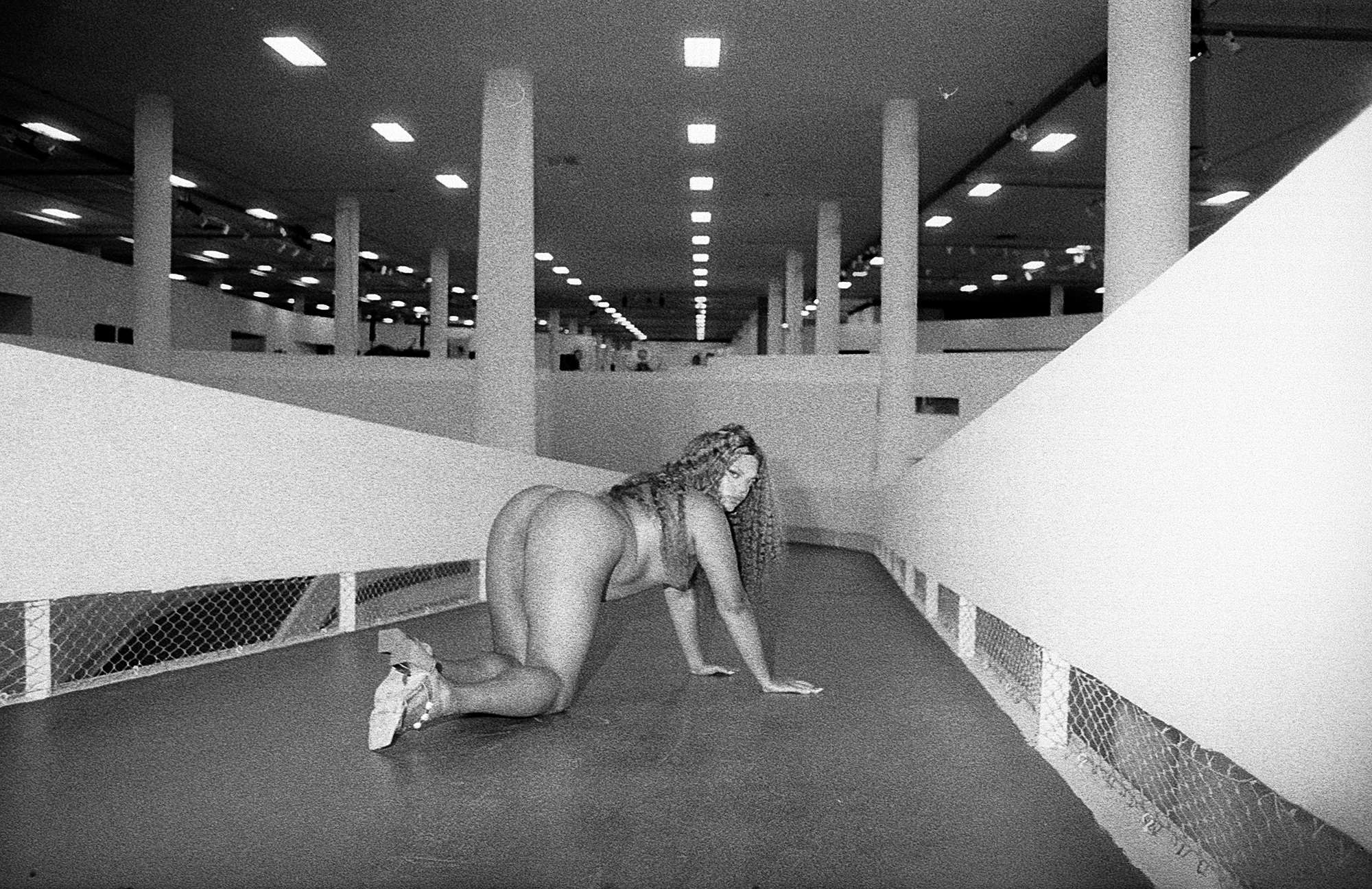
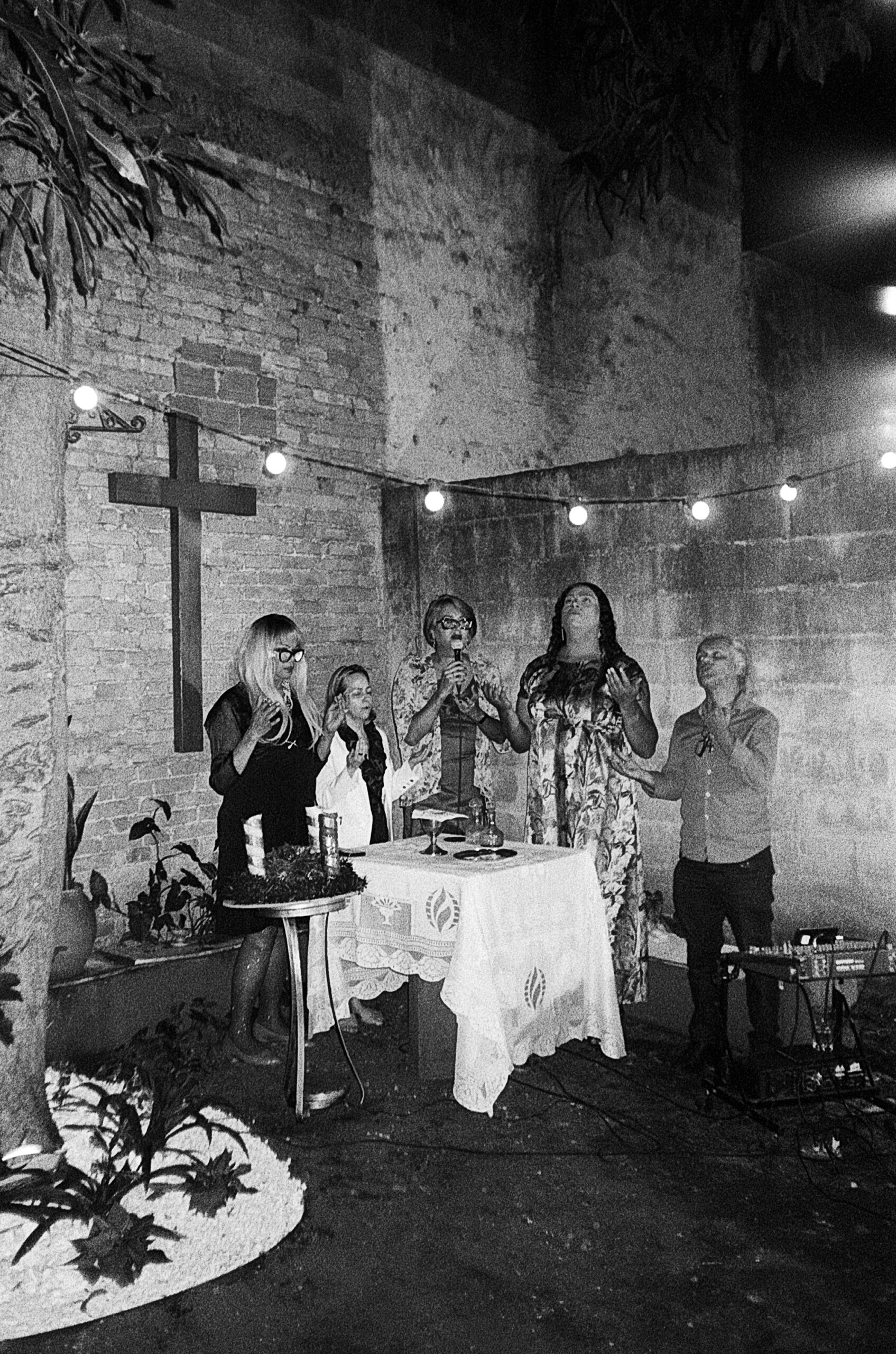
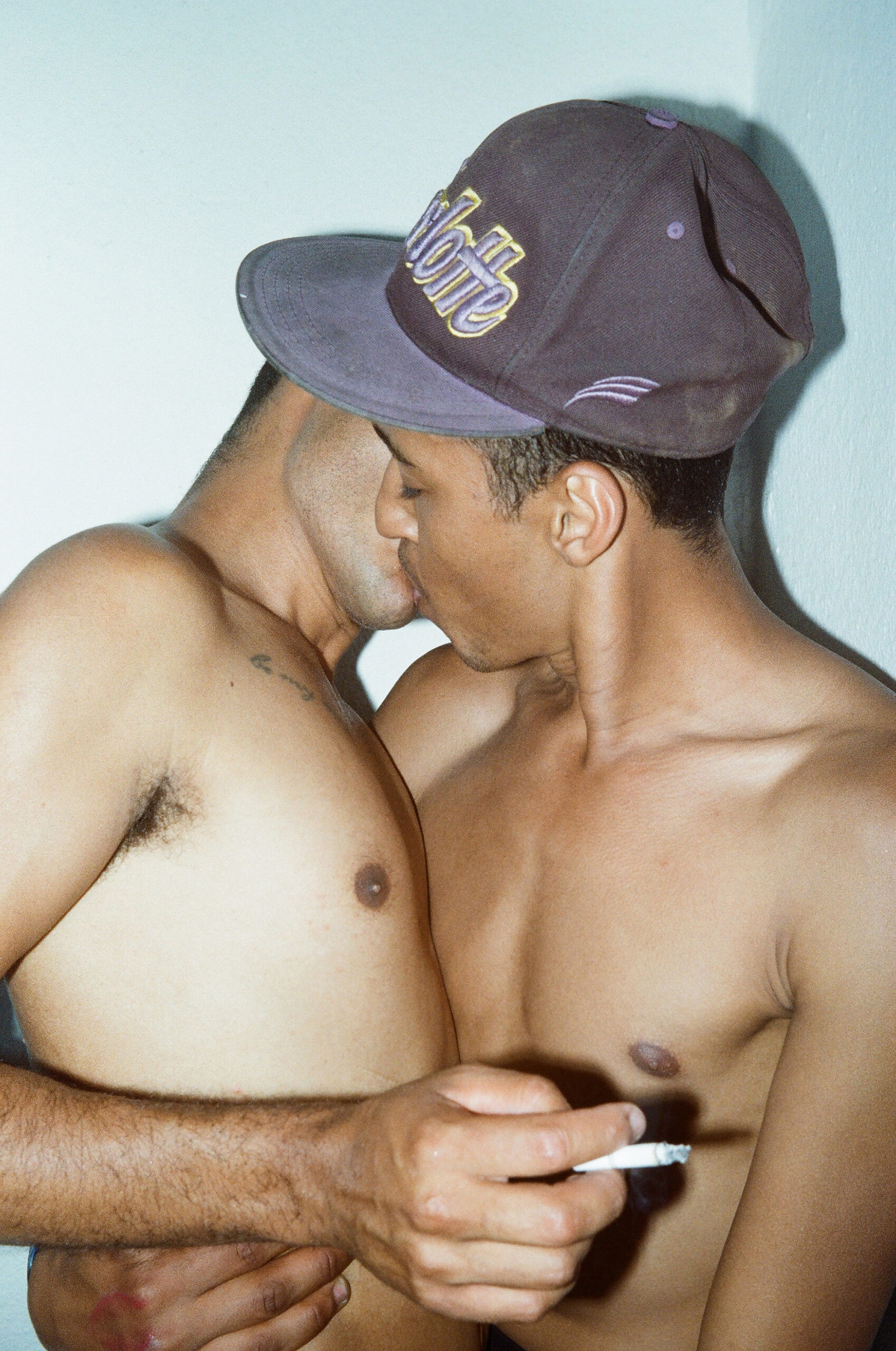
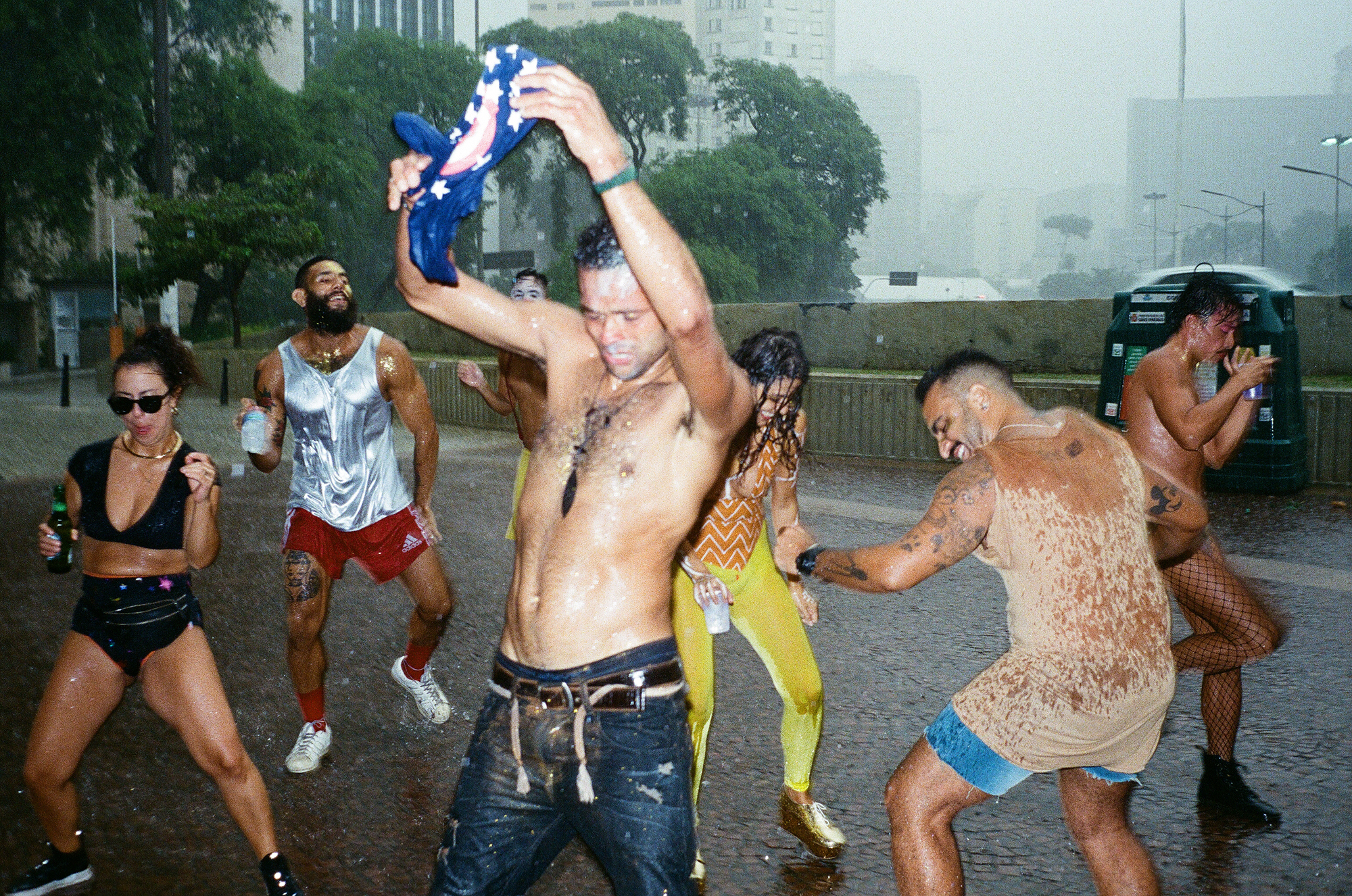
“Avila’s imagery is a testament to the fact that identity is not fixed; there is an expansiveness to it, and at its core, the practice is relational,” said Danielle A. Jackson, one of the exhibition’s curators. There is indeed a utopian quality to Avila’s world. “I think about the liberation of desire, about a body and a being free from the binary gender system, from race, and from the manmade labels that have separated us from nature,” Avila said. It is a world of raw, unmediated freedom where humans are stripped to their primal essence, unbound by hierarchy or control. There are bodies covered in foliage, sex scenes, people dancing in heavy rain, gay lovers kissing, worshippers praying while guided by a transgender pastor.
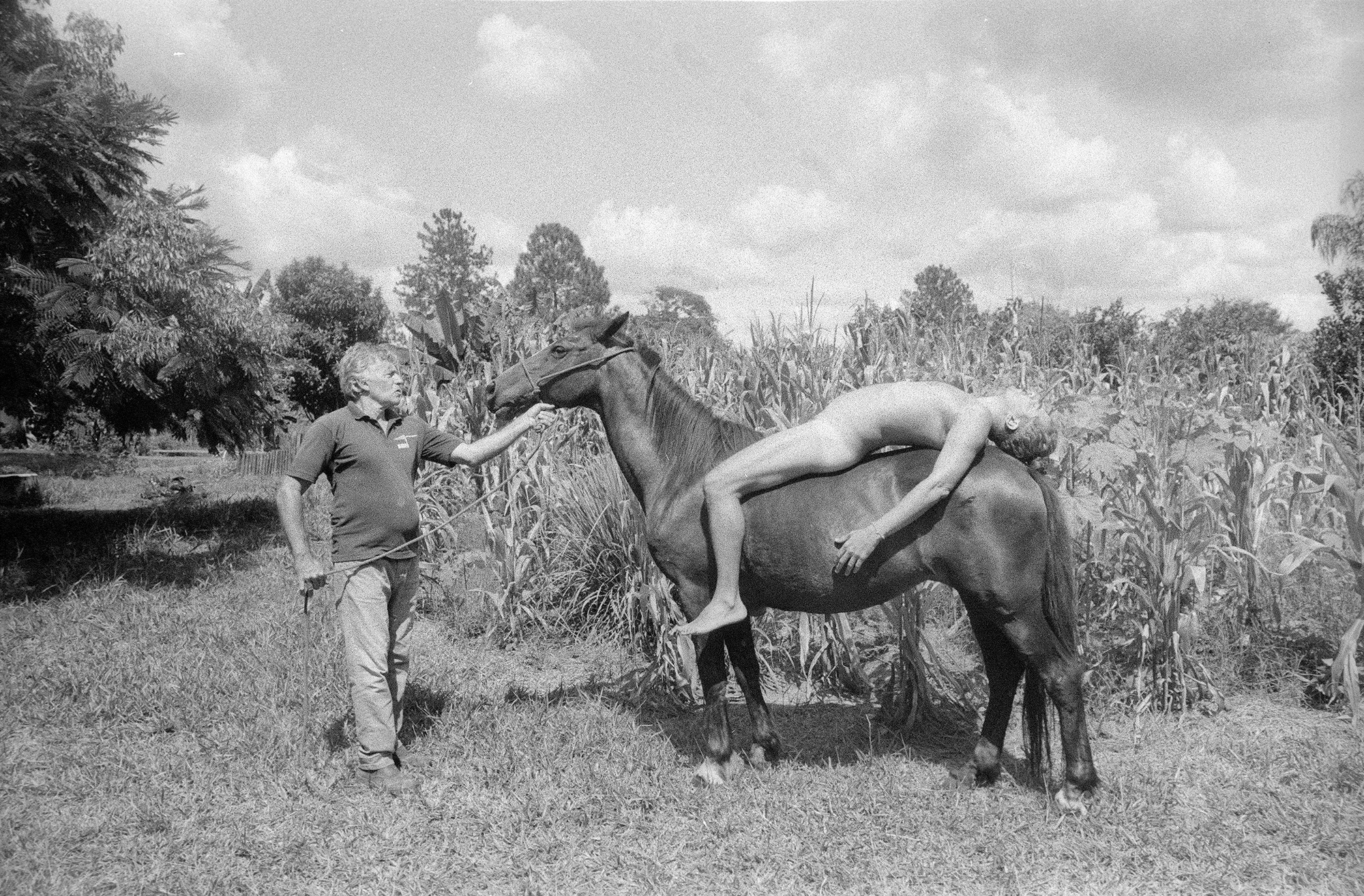
Avila, too, is part of it. In one self-portrait that is perhaps the most striking in the series, Avila lies naked across the back of a horse while their father stands in contrapposto beside its muzzle, fully dressed, reins in hand, as if guiding both animal and child. The patriarch’s presence anchors the frame while Avila’s body—tender, feminine, and sensual—drapes across the beast.
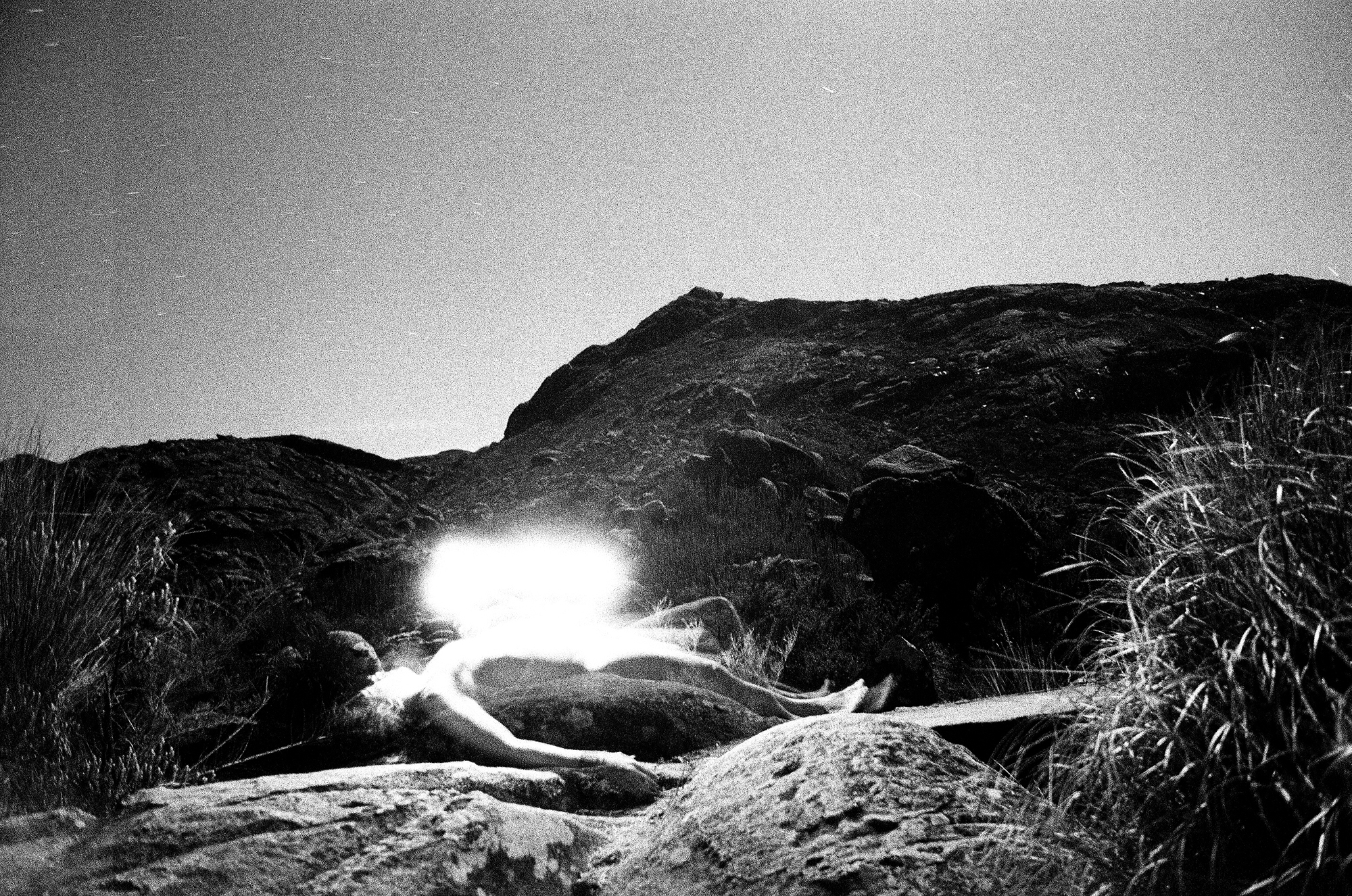
All photographs courtesy the artist
Read more from our series “Introducing,” which highlights exciting new voices in photography.