Portfolios
The Everyday Miracles of Rinko Kawauchi
Kawauchi takes the smallest moments and finds in them a universe, passing her unwavering attention on to us.

If you take a slow train and then an occasional ferry to Teshima, in Japan’s Seto Inland Sea, you’ll find yourself on a long-forgotten fisherman’s island that moves at a human pace. Board the island’s only small bus, and fifteen minutes later you come to a grassy hill overlooking the still blue waters in the distance. Walk around the slope—birdsong, rusting maples, flashes of bright sea—and you will arrive at a huge cave of sorts, the Teshima Art Museum, shaped like a drop of water.
Across roughly two hundred feet there is nothing—you gradually discern—but drops of water coaxed out of the ground in a work the museum houses, Matrix by the artist Rei Naito. On each side of the large space is an opening in the ceiling, through which you can follow crows, scudding clouds, perhaps light drizzle. There’s nothing there, and everything. You could spend a day in the emptiness and the view through both openings would never be the same. The droplets running across the ground and forming small puddles become a world in themselves.
Aperture Magazine Subscription
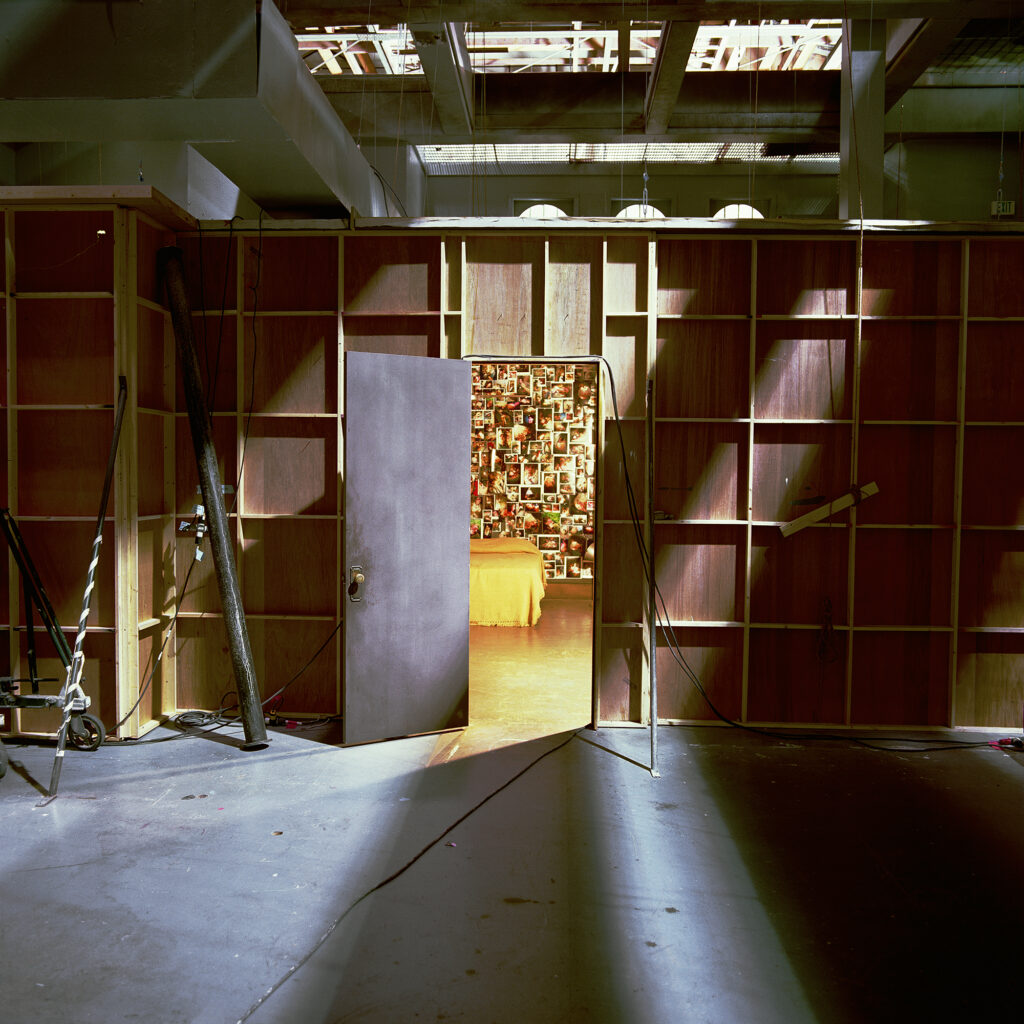
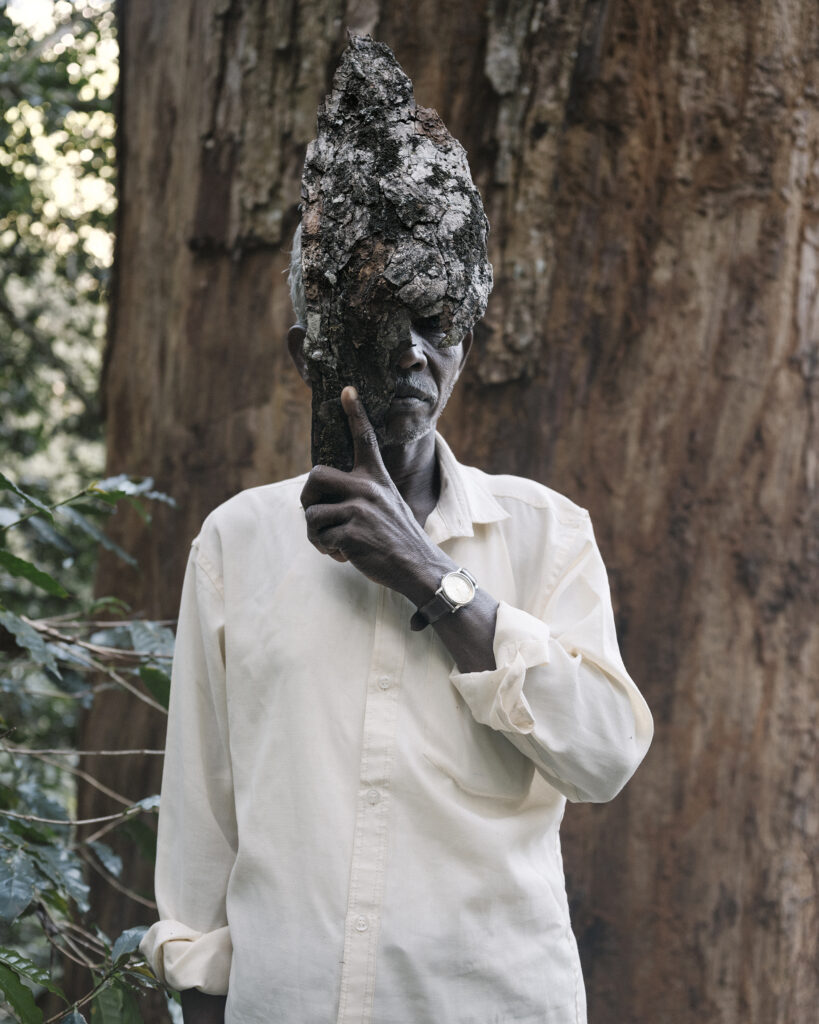
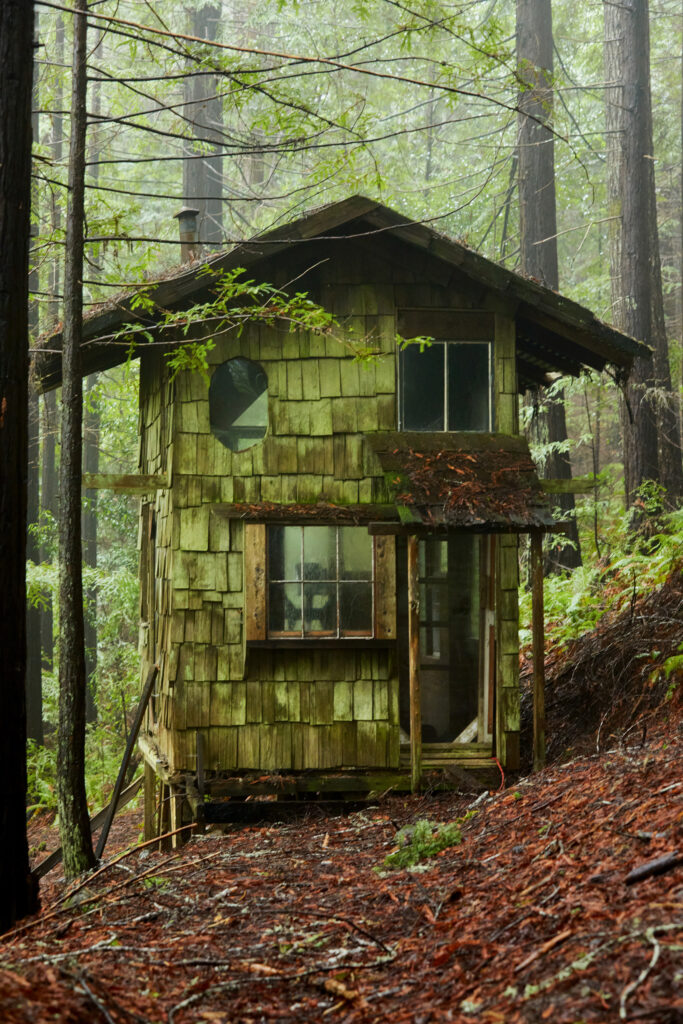
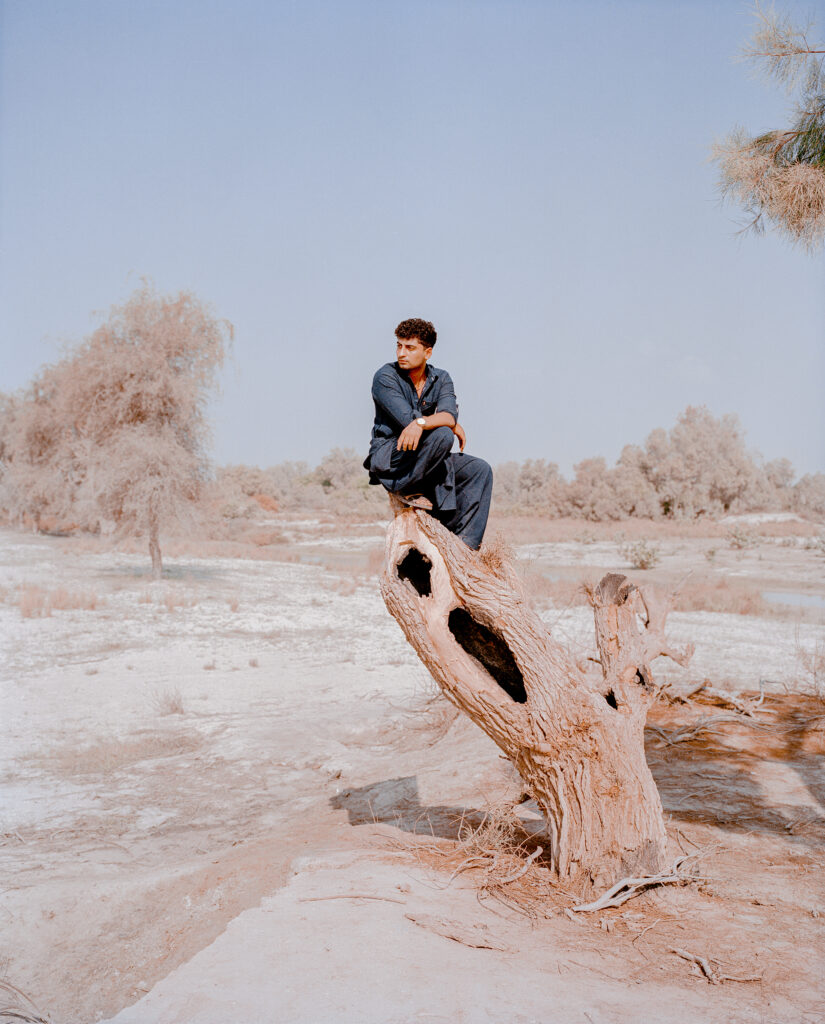
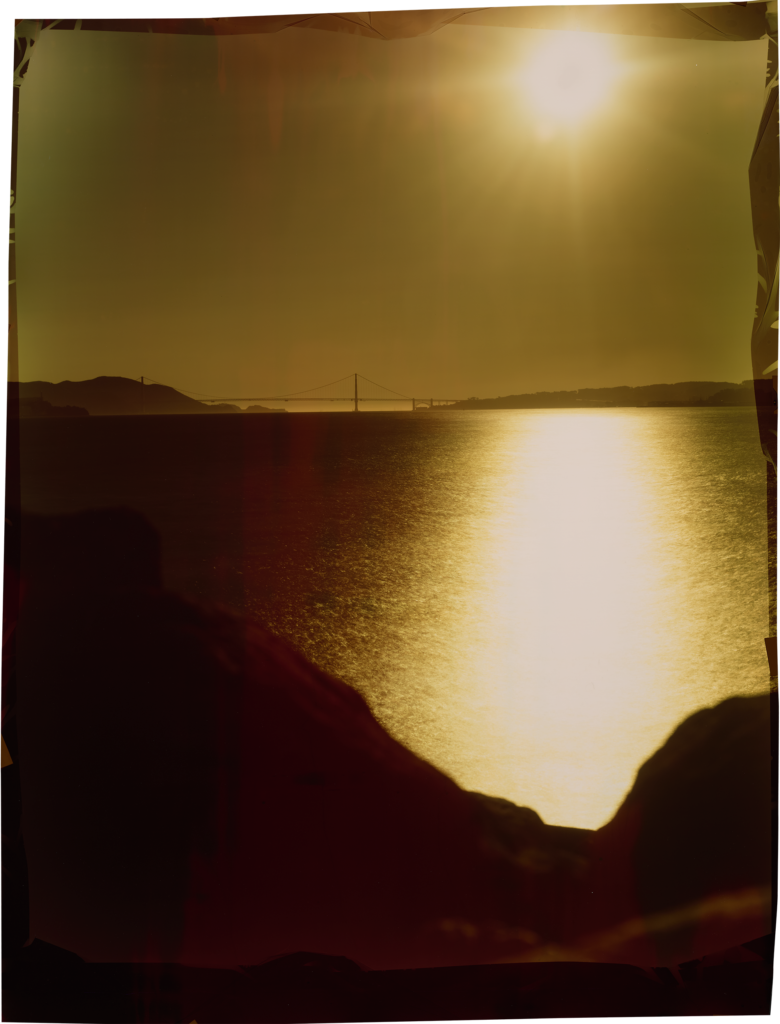
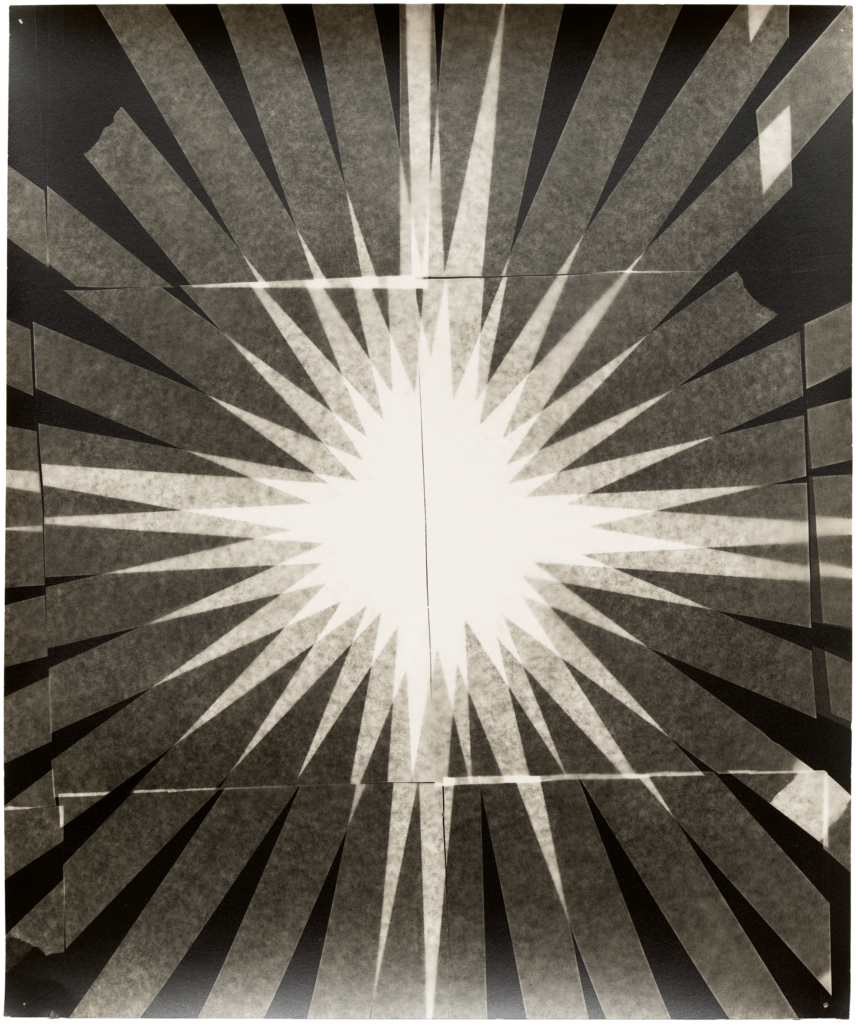
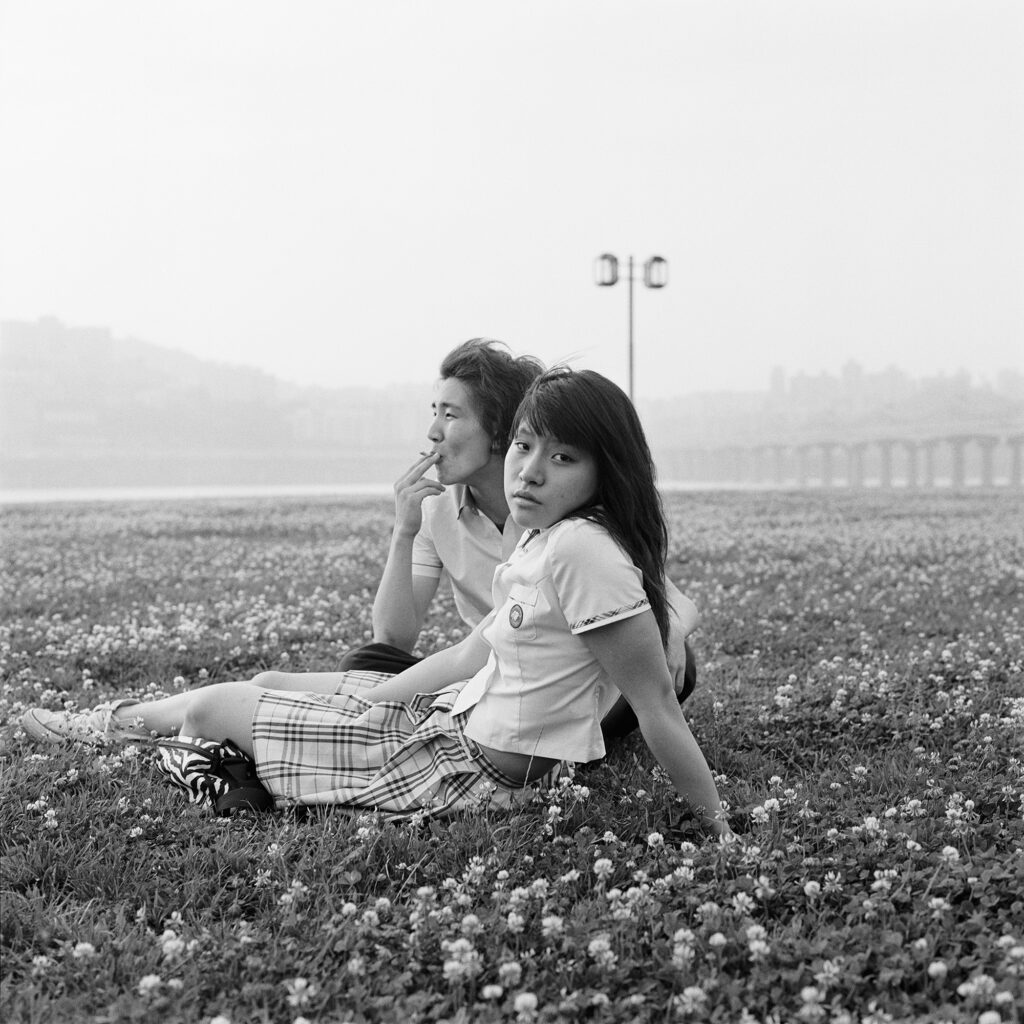
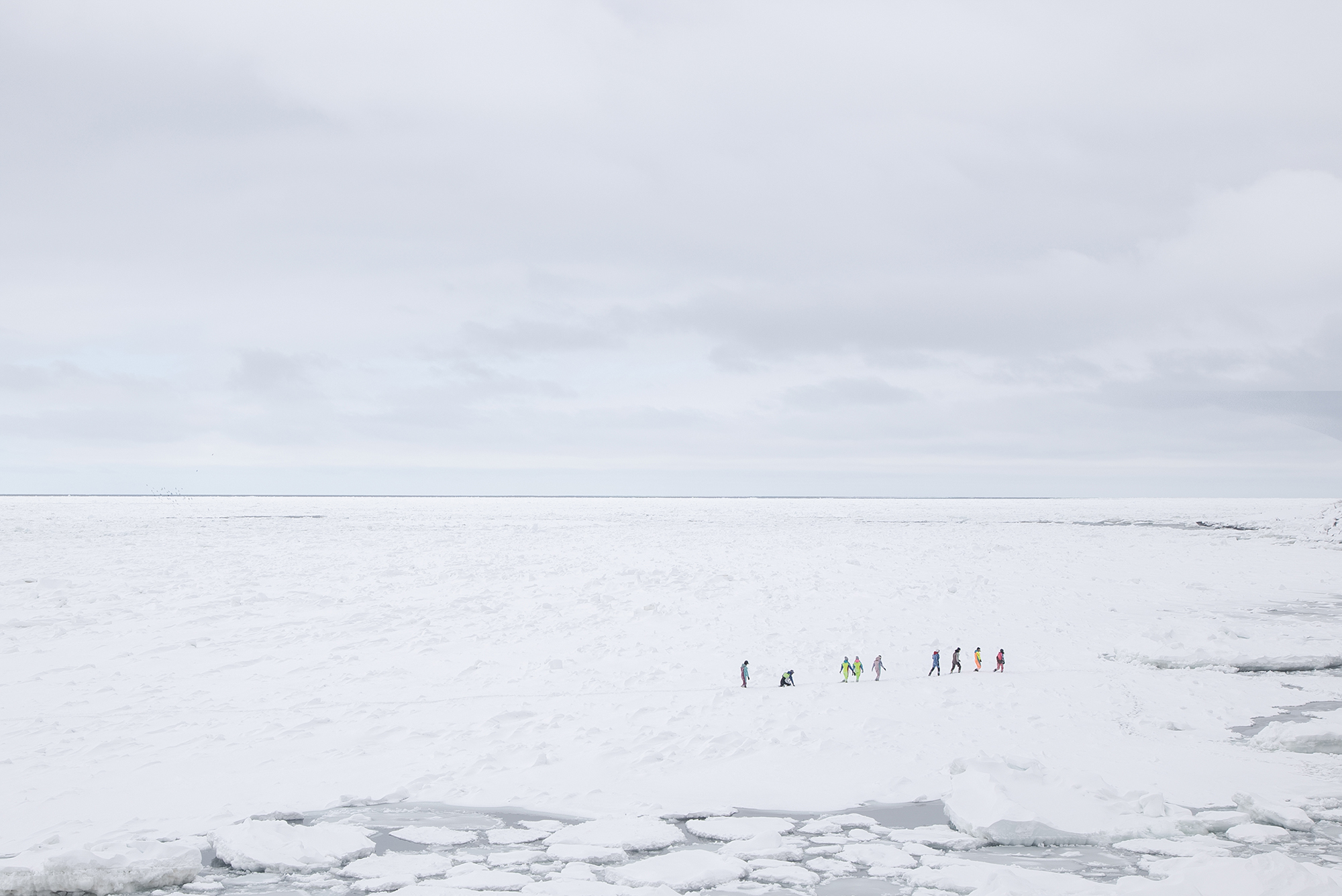
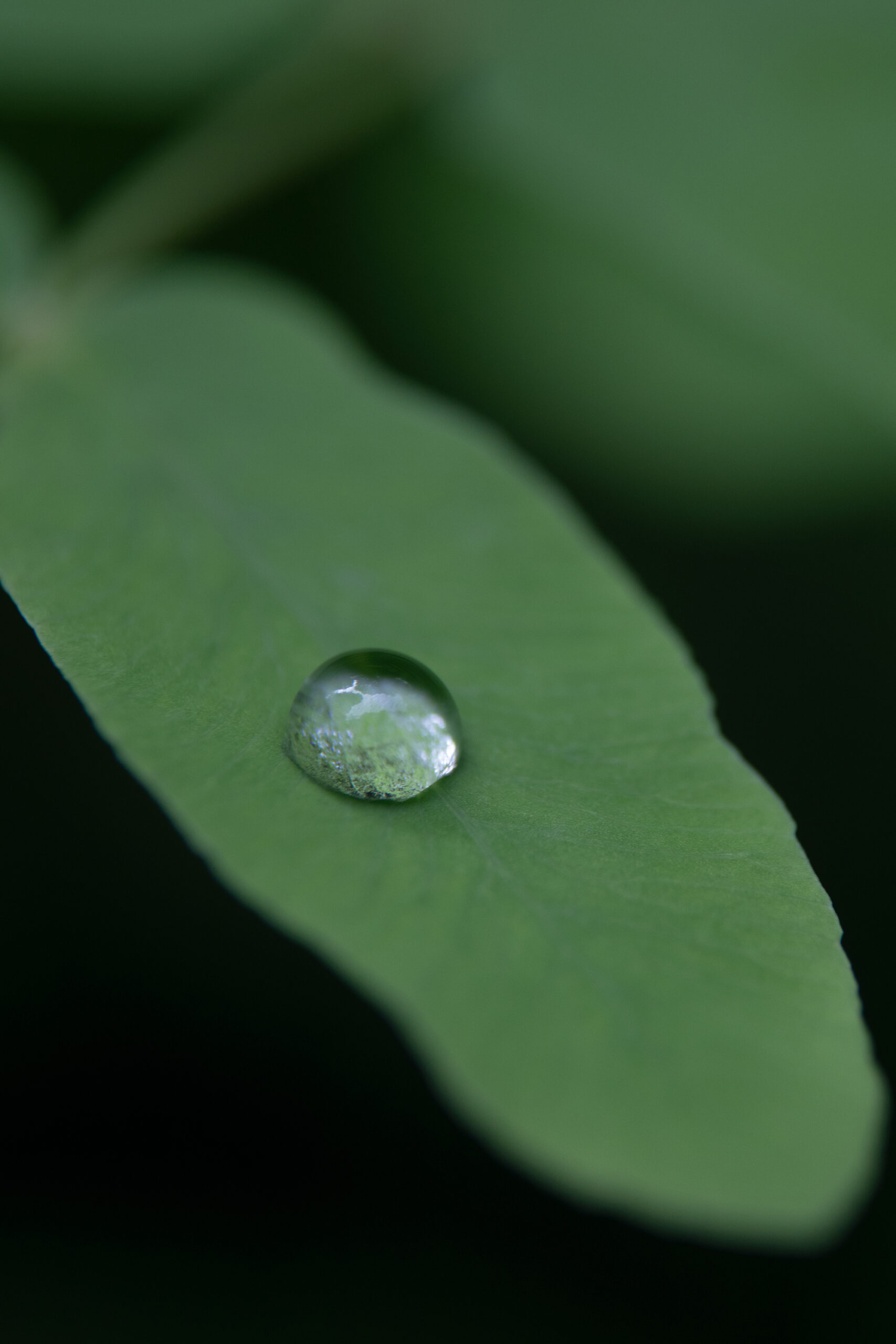
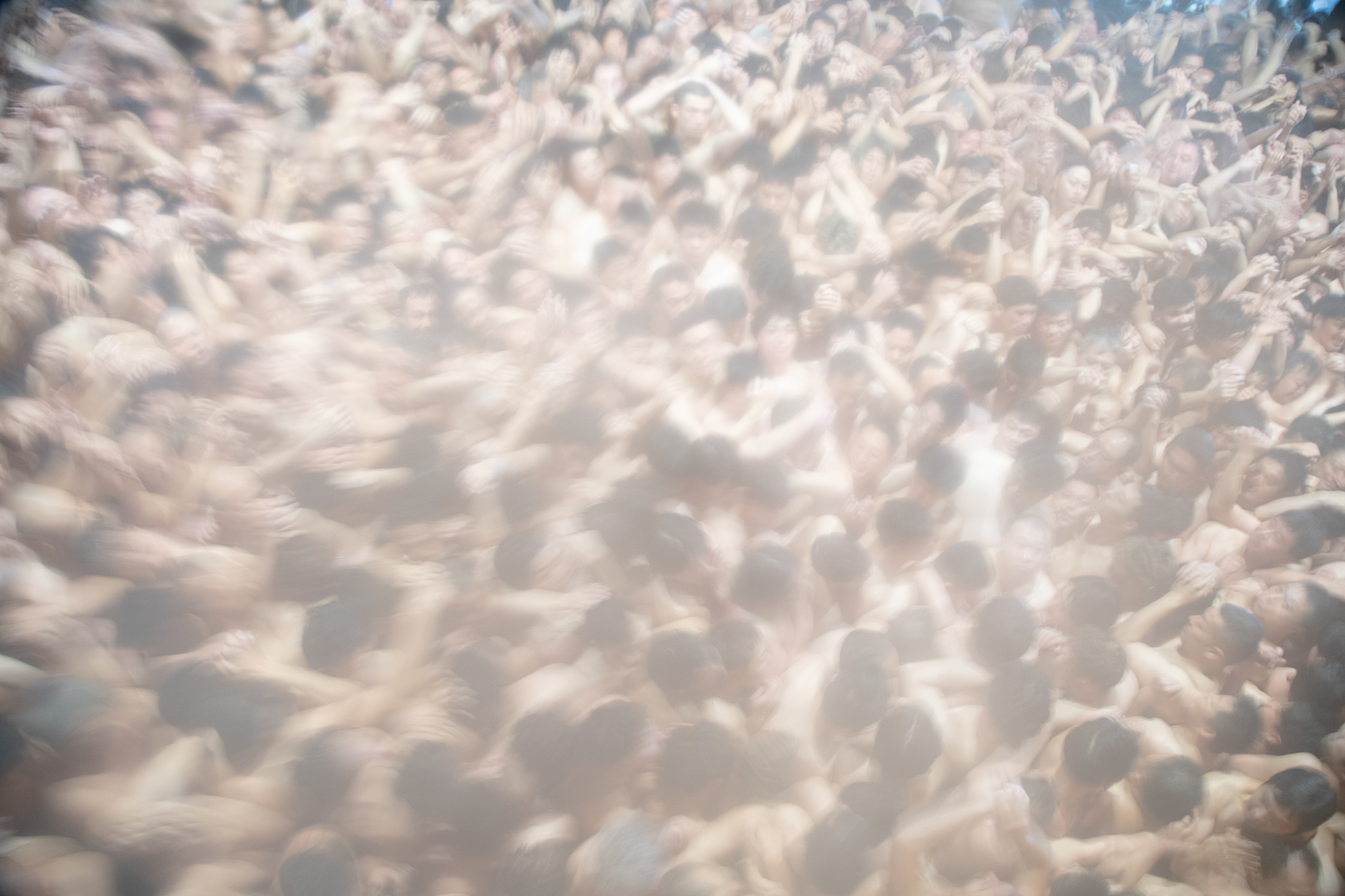
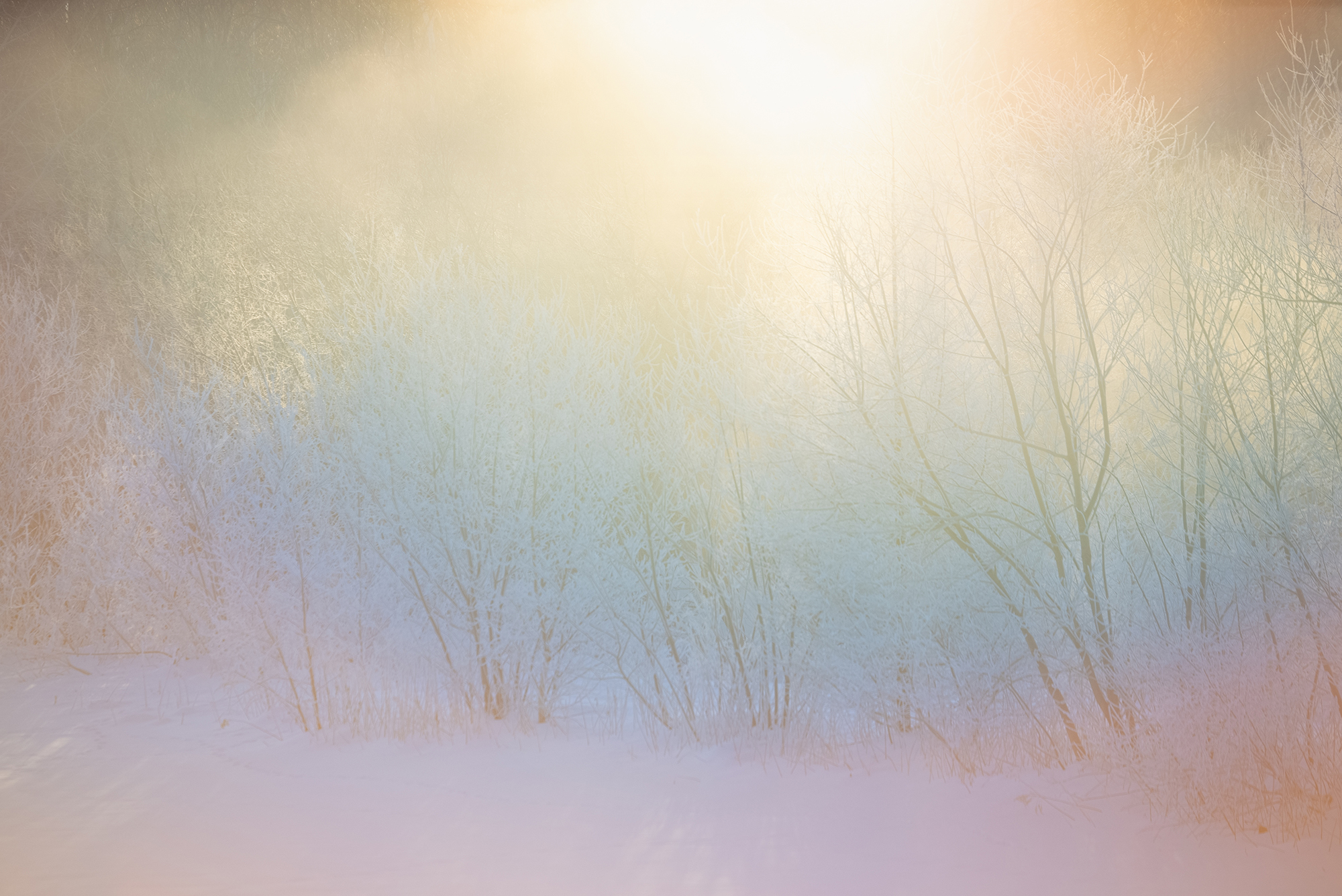
I can never help thinking of the Teshima Art Museum when I meet Rinko Kawauchi’s exquisite spots of time. Not just because she sometimes gives us drops of water, but more because her gaze is always turned to all that is larger than we are, and smaller. Much like Utagawa Hiroshige, she regularly places humans in a natural setting, so that you can see how much they are a part of something vaster. And as in a classic haiku, she takes the smallest of moments or objects and finds in them a universe. The artist passes her unwavering attention on to us.
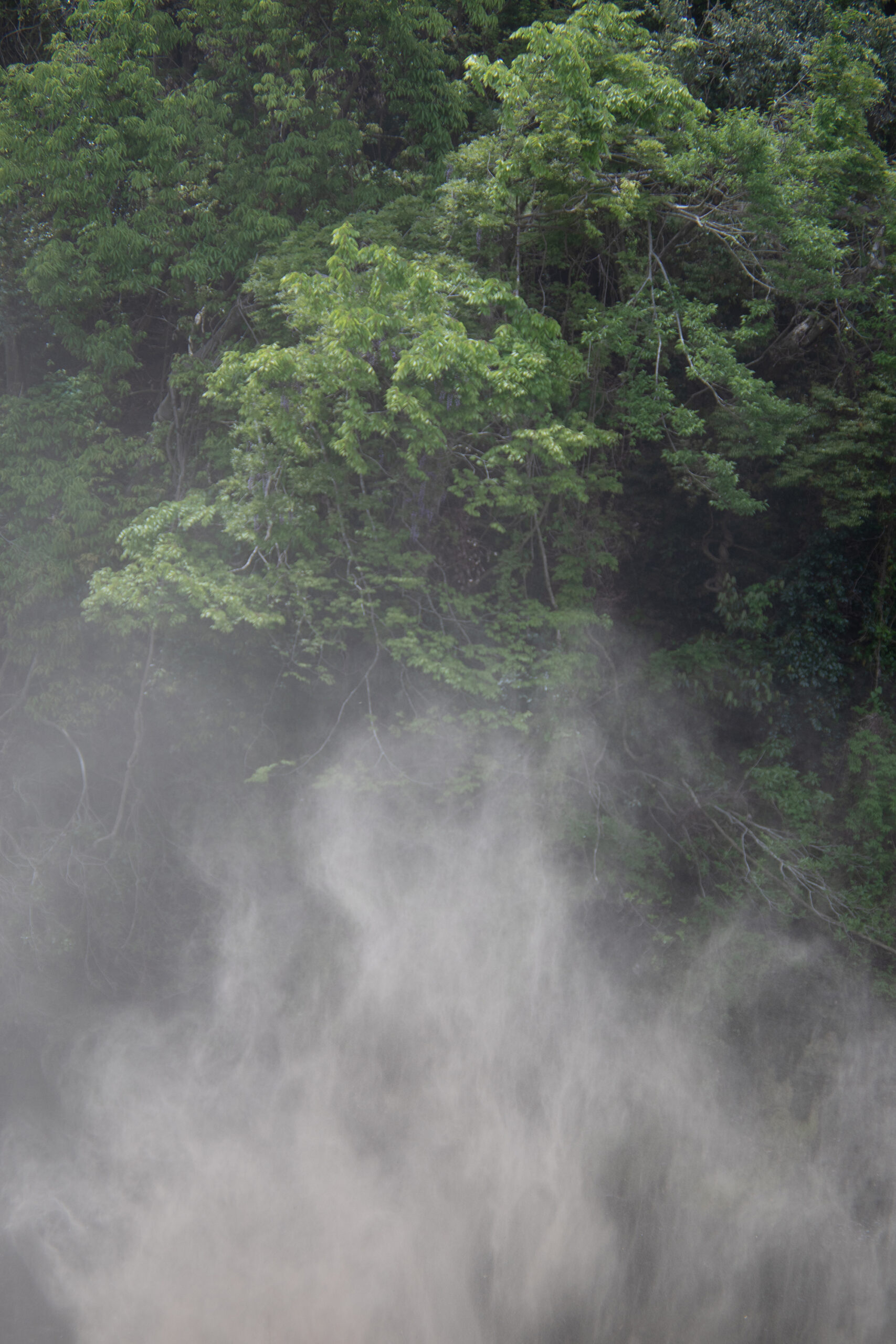
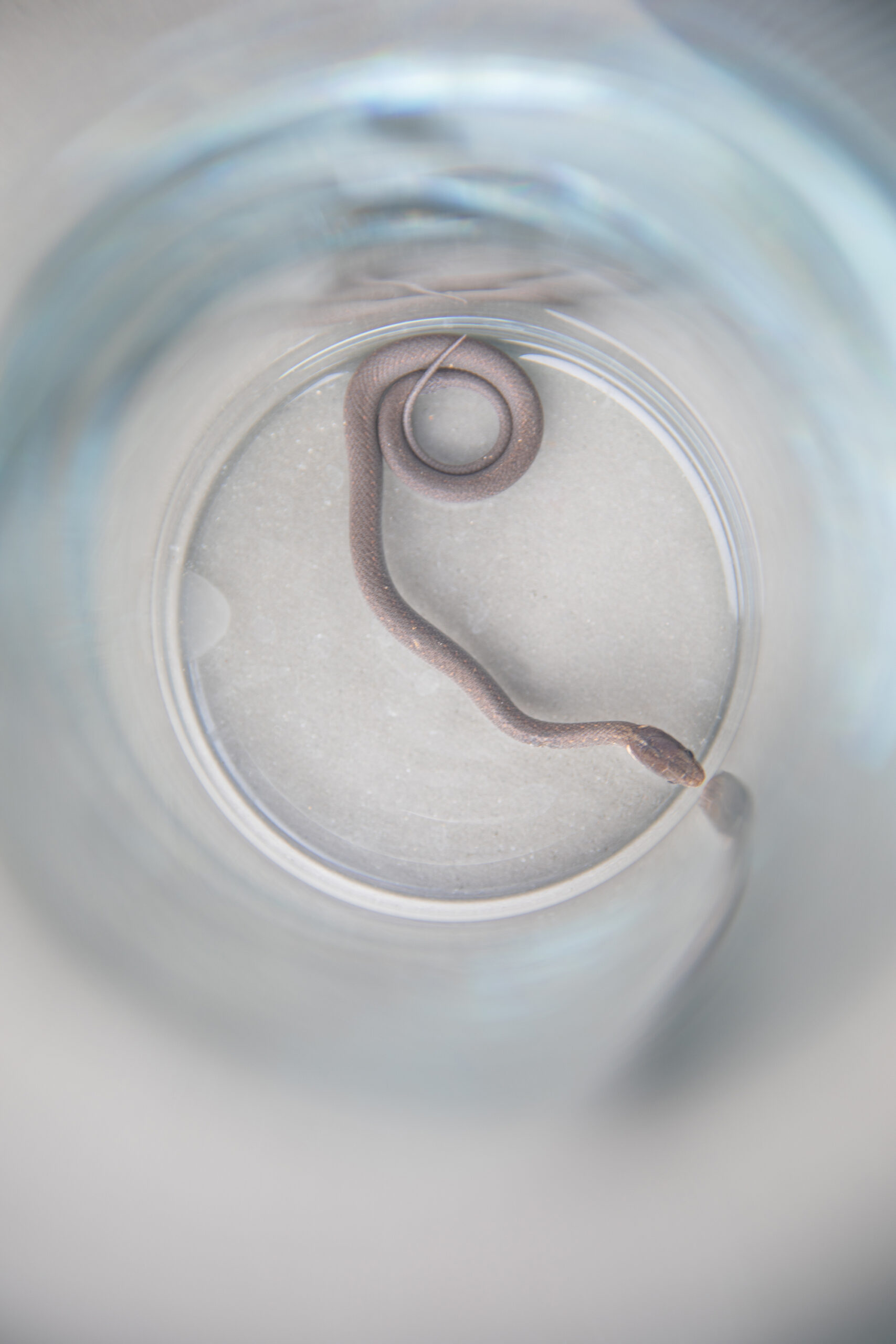
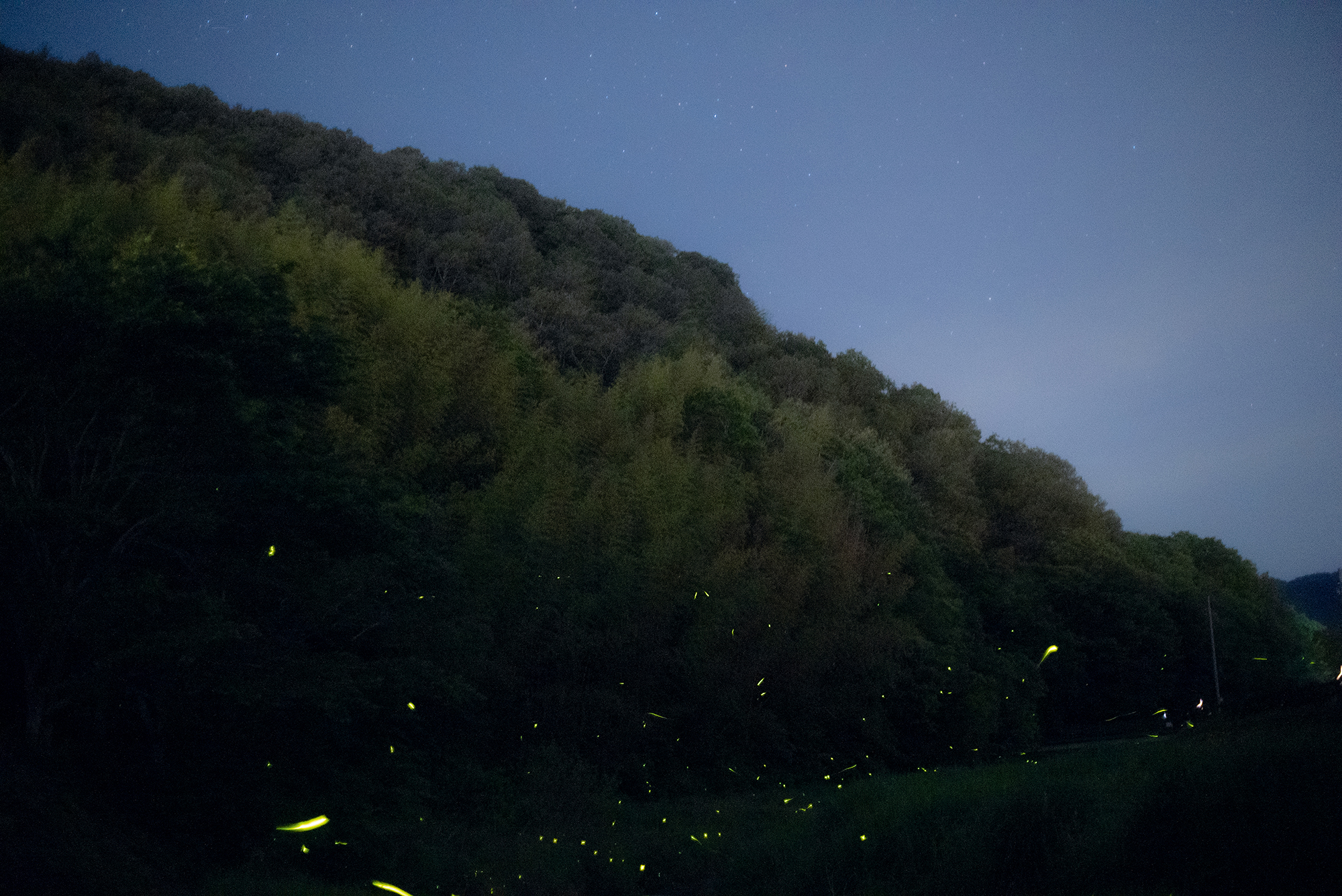
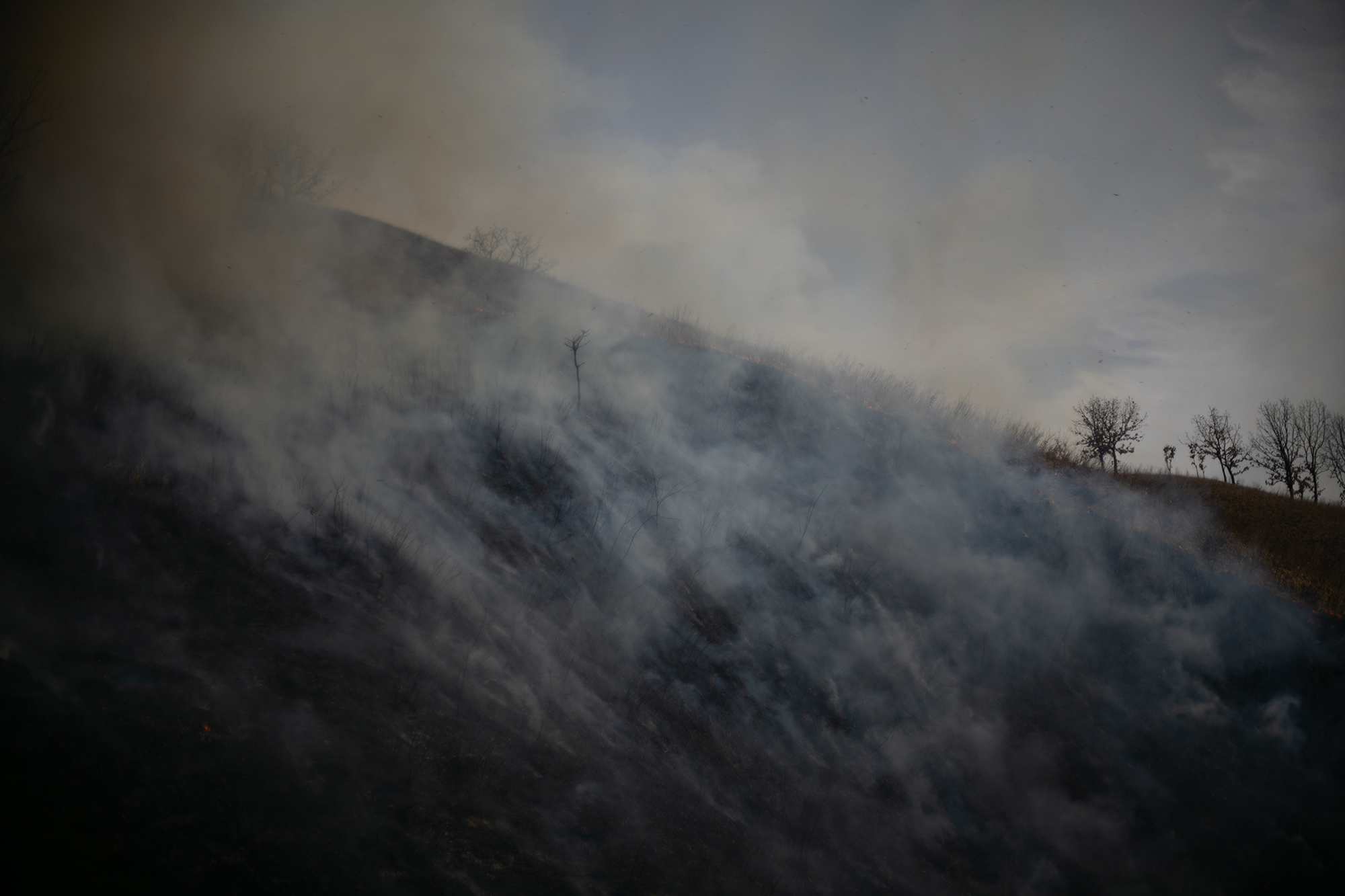
Attention, sometimes likened to prayer, arises out of stillness, and I sense a tremendous stillness in Kawauchi’s work, the stillness of one who has no need to race around to find or generate her transports. I also sense the transformative innocence I associate with my neighbors in Japan, among whom I’ve lived for thirty-eight years. They have no longing to be fancy or striking or theoretical; simple, clear observation is enough. Nor is there any need to distinguish between high or low, significant or trivial: Every object—from snail to leaf—is created or sanctified by the eye one brings to it. It’s no surprise to learn that Kawauchi made some of her work in an Okayama forest where, as she writes, “stillness and movement, light and darkness” coexist. Other uncanny images came to her in Iceland, and in the bitter cold of Hokkaido. Our lives, she might be telling us, are made by how we look at them.
Kawauchi’s eye I imagine to be wide open as well as rigorous and precise; I suspect she looks past nothing in any room through a wish to alight on what’s important or essential. She is showing us what’s important, which is to say almost everything. In Japan more than in most places, the artist knows that her task is less to find what she loves than to love whatever she finds.
The first time I visited Teshima, I wondered why I had to walk around the hillside, taking a long, roundabout course before entering the empty cave. Now I realize that the walk is a form of preparation, a way of slowing down and emptying yourself out so as to receive most fully all that awaits you. Perhaps the same kind of cleansing should precede an encounter with Kawauchi’s work. In every one of her images, she seems to be giving solidity to what looks flimsy and permanence to what seems to be just passing.
All photographs courtesy the artist
This article originally appeared in Aperture No. 262, “The End of Nature?”