Portfolios
The Remains of a Handmade Utopia
In the wooded enclaves of Northern California, Michael Schmelling documents what’s left of the 1960s back-to-the-land movement.
When we think of pioneers, the image that probably springs to mind is that of a migrant on a covered wagon crossing an endless prairie—a vision rooted in the myth of manifest destiny. But there was a second wave of pioneers, less mythic yet no less ambitious. From the mid-1960s through the 1970s, thousands of young idealists, disillusioned by the Vietnam War and industrial capitalism, left the cities for the fringes of the American wilderness.
The back-to-the-land movement was a global phenomenon, but according to the Los Angeles–based photographer Michael Schmelling, its spiritual home was Northern California, in the wooded enclaves of Mendocino and Humboldt Counties. “This was the epicenter of the movement for the entire world,” he told me.

Aperture Magazine Subscription
0.00

For the last five years, he and his collaborator, David Jacob Kramer, have traveled thousands of miles of back roads in Mendocino and Humboldt, collecting images and oral histories of those pioneers for their book Handmade Utopia: Back-to-the-Land Architecture in Northern California, which will be published this summer. “You had people going north into this huge stretch of territory,” Schmelling said. Driven by the idealism of the era and the do-it-yourself ethos articulated in Stewart Brand’s Whole Earth Catalog, these transplants purchased parcels and set to carving out simple lives far from the urban throngs. “A lot of the land had been completely clear-cut. So big parcels could be bought for cheap. And on top of that, there was a lot less regulation,” he explained.
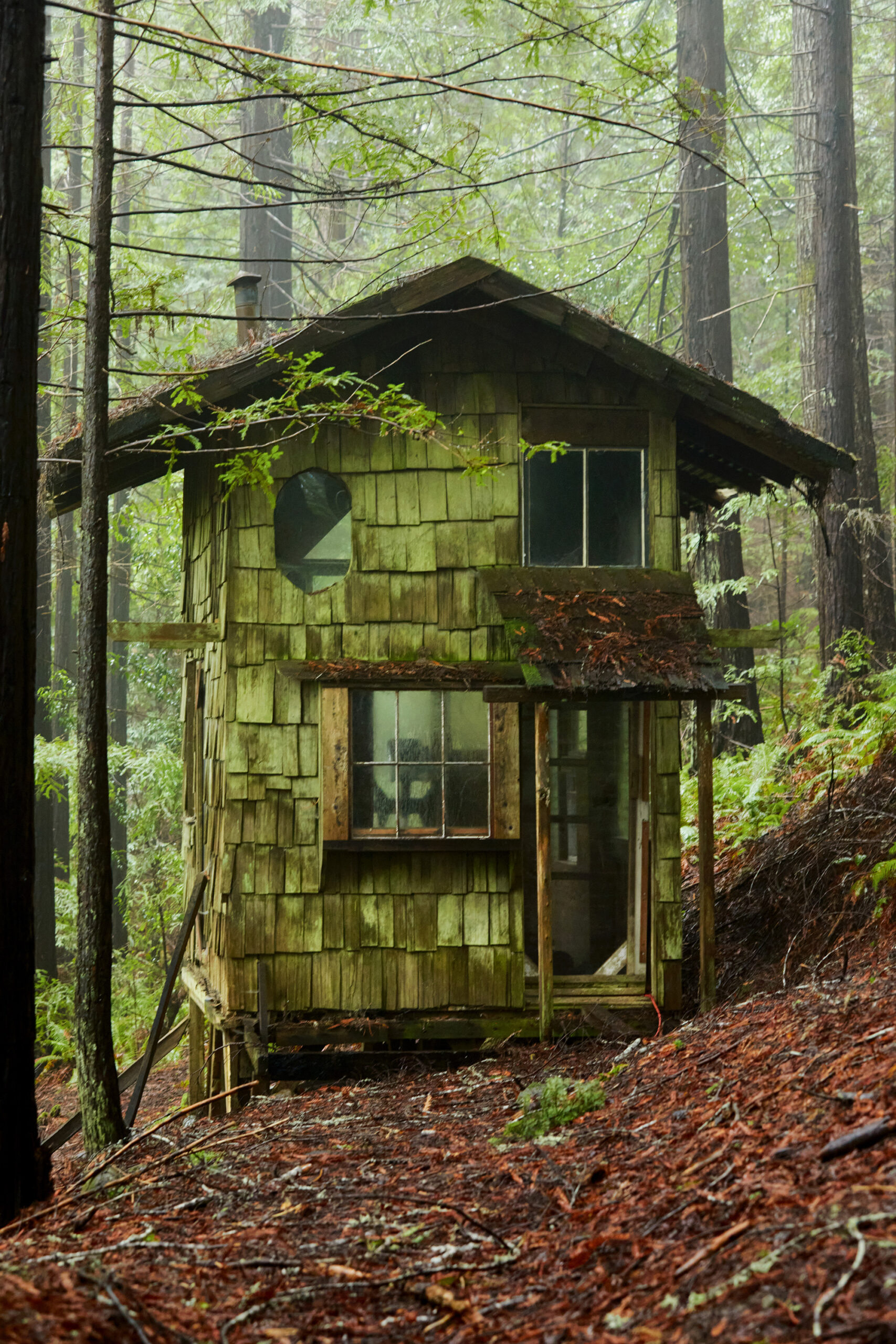
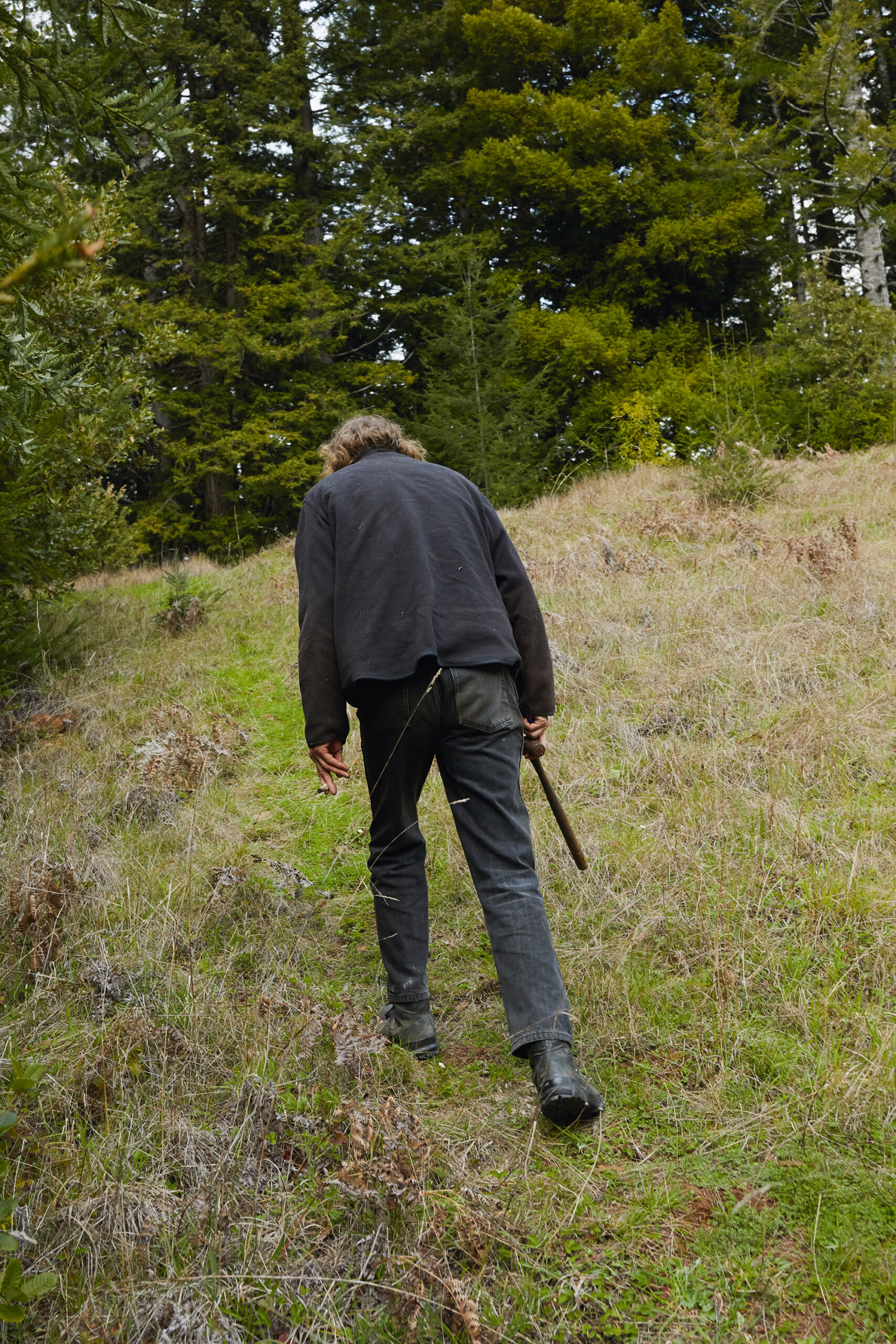
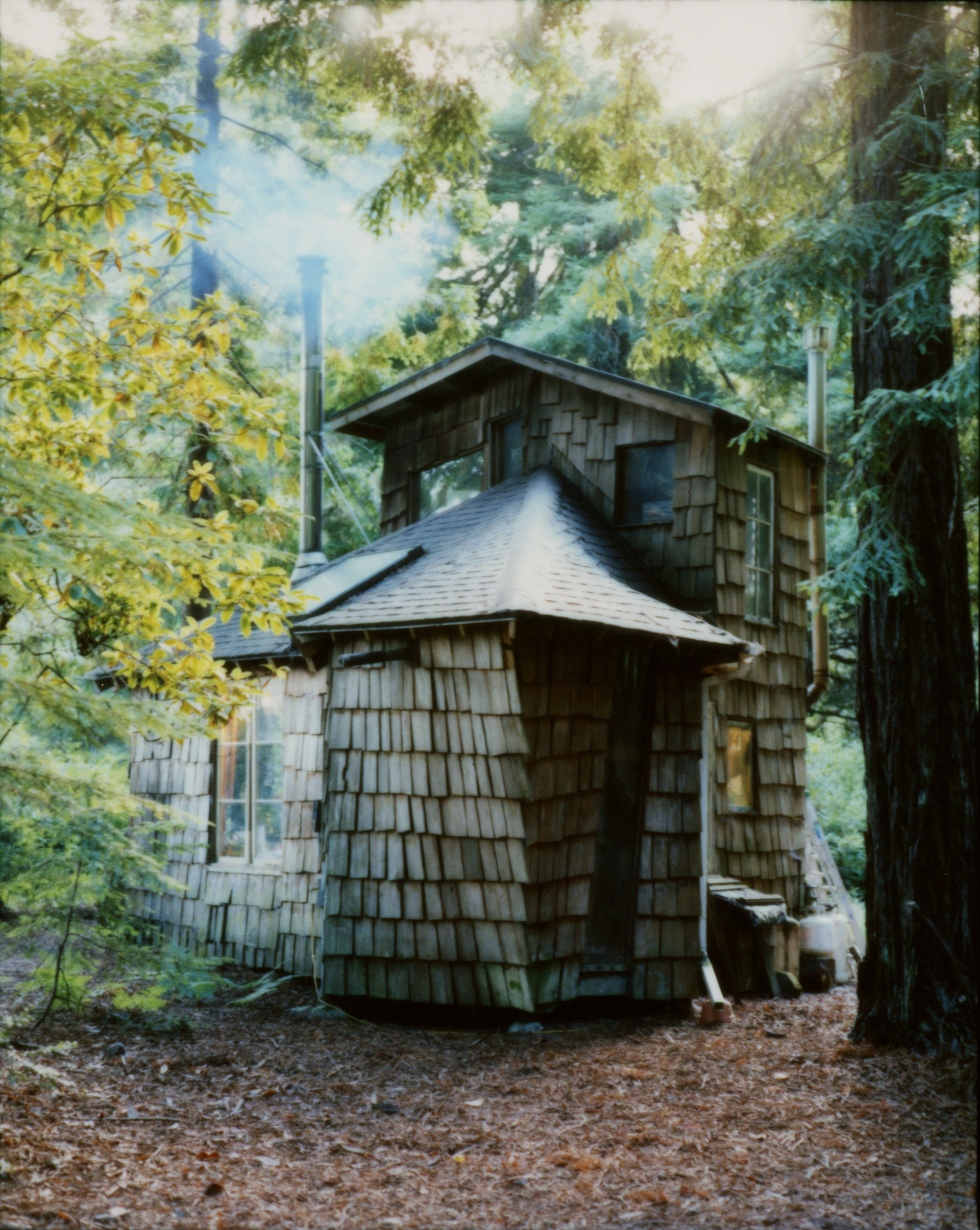
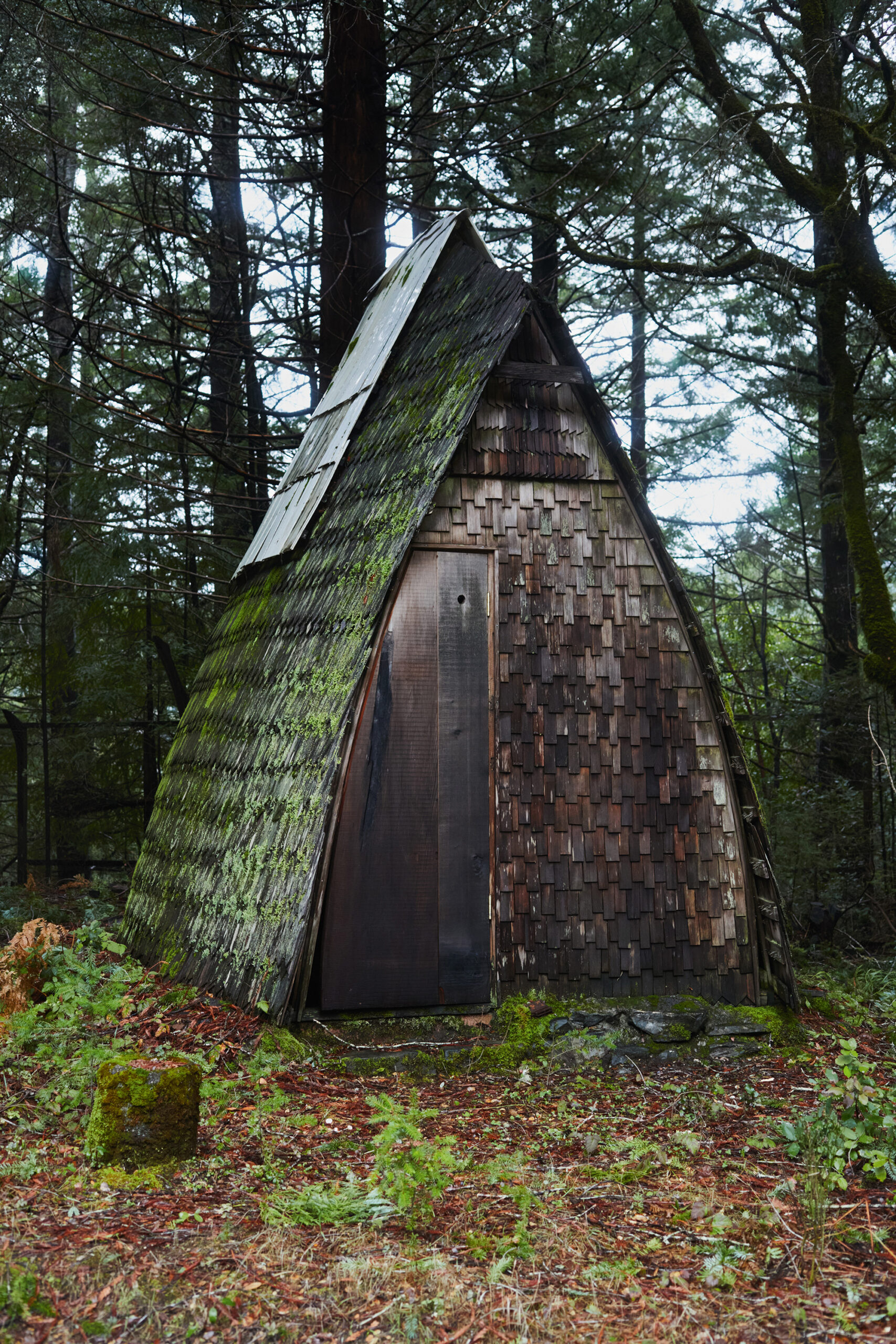
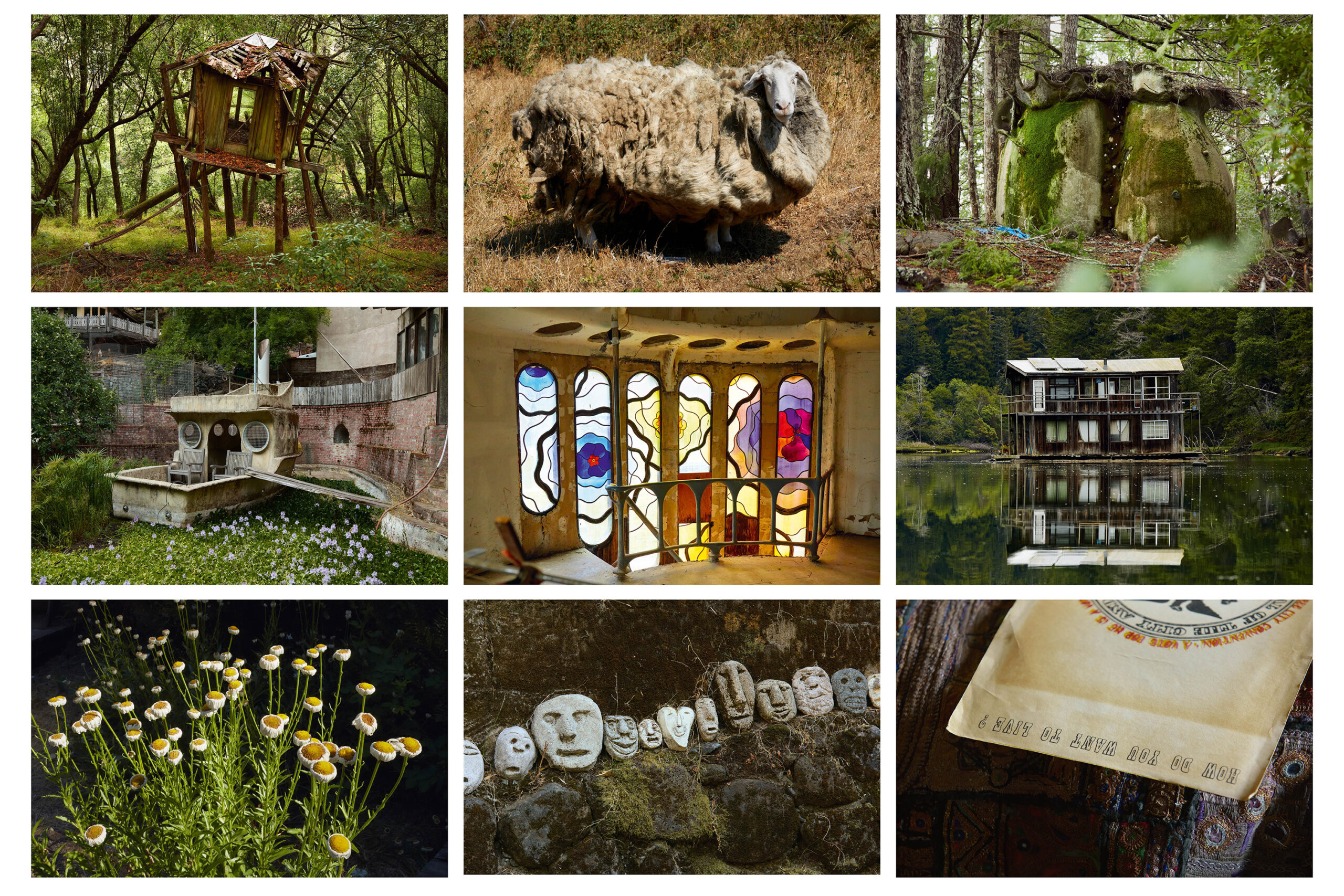
Schmelling’s photographs are saturated with the deep greens and dark earthen tones of the Pacific Northwest. Rectangular cabins, geodesic domes, yurts, kite-shaped barns, and myriad other unconventional structures—many tacked together from planks of rough-hewn pine—seem to have sprouted from the rugged hillsides of the Coast Ranges.
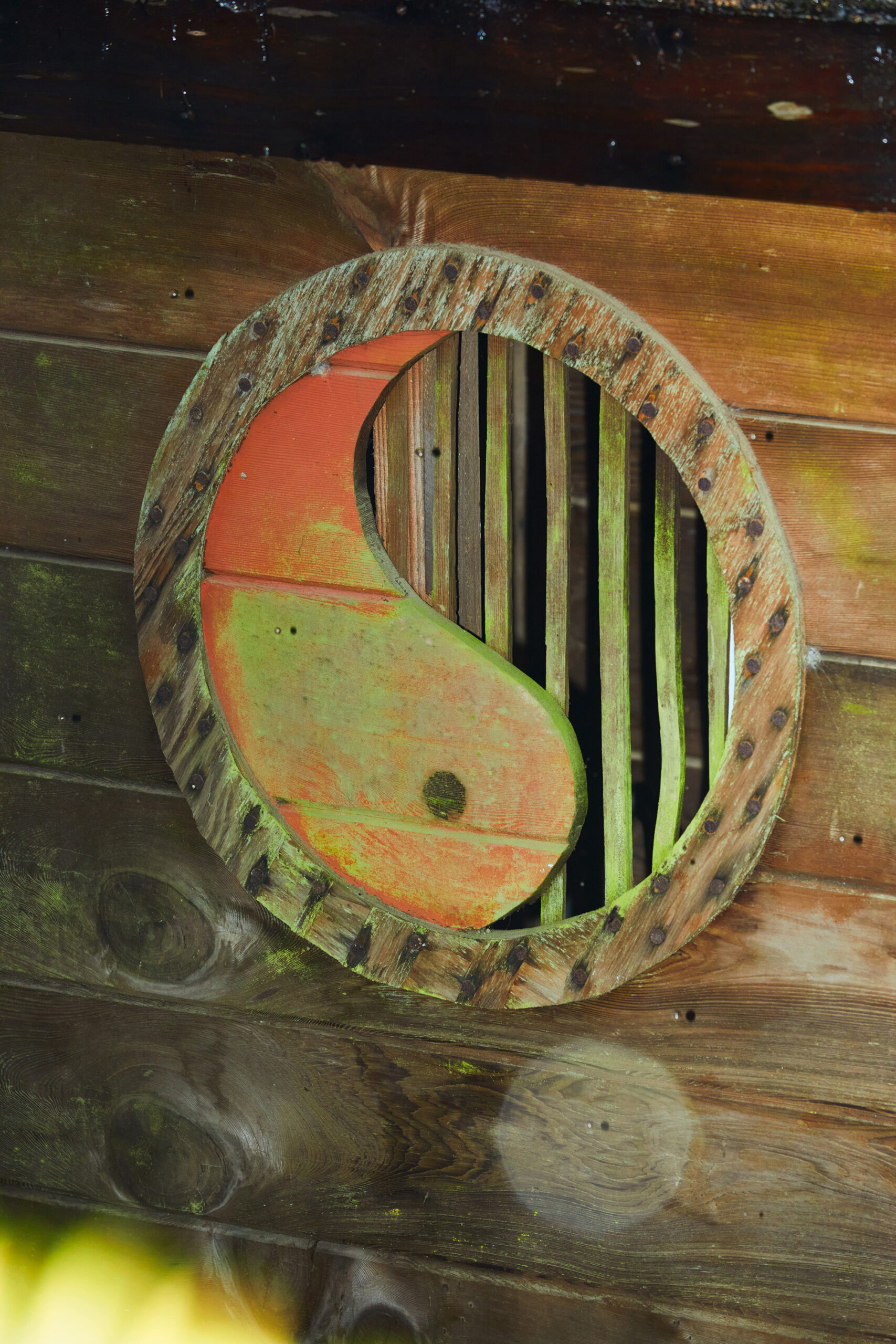
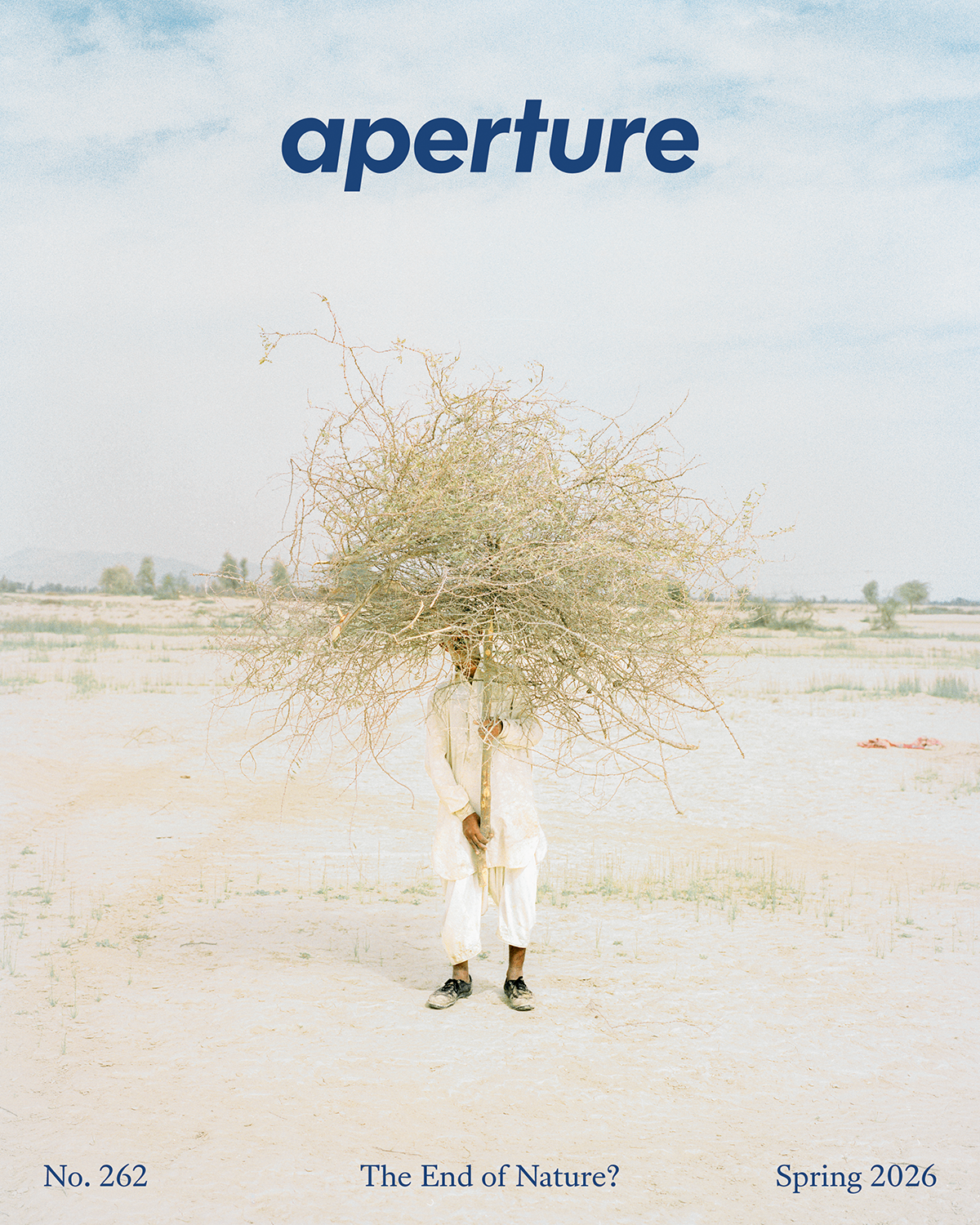
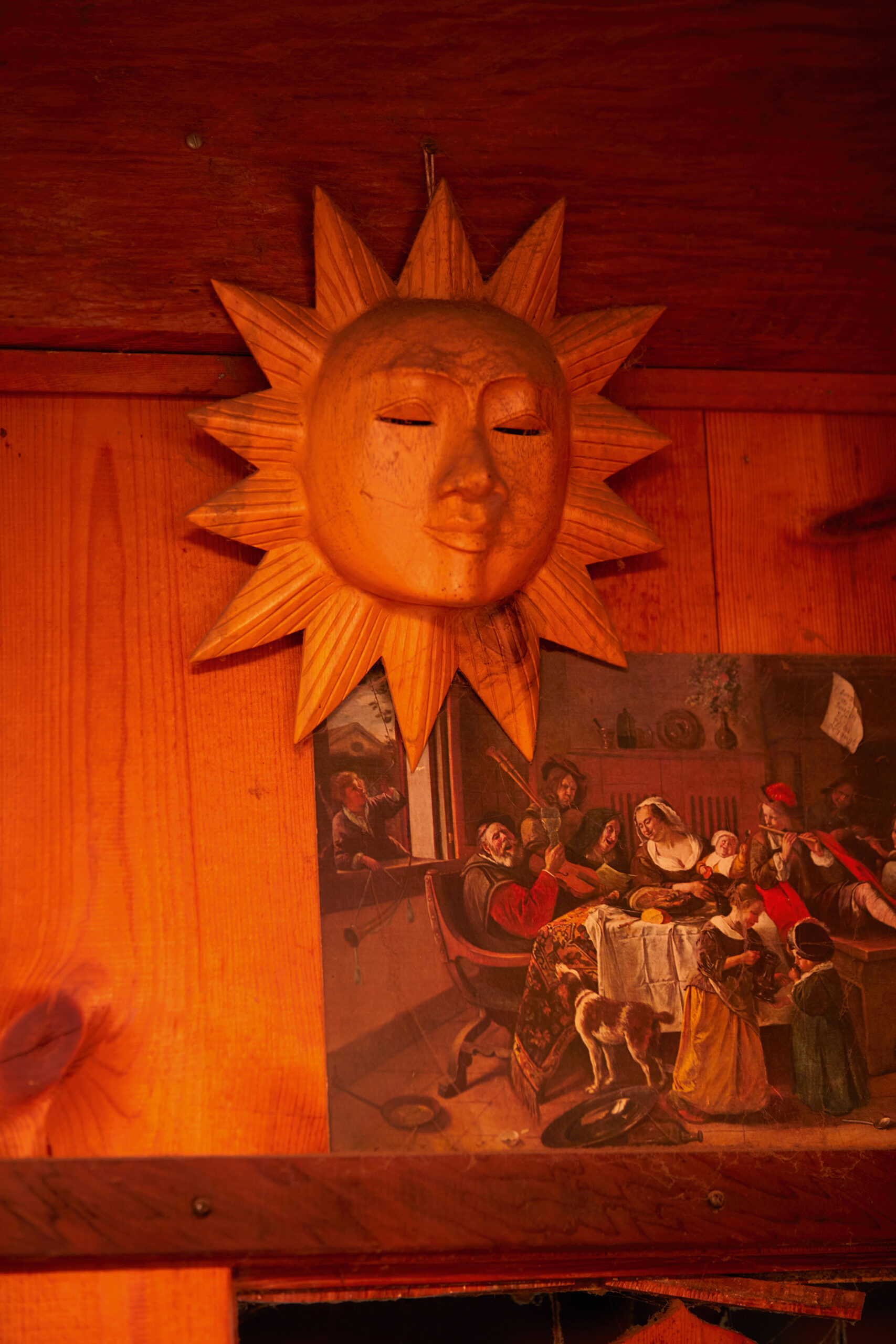
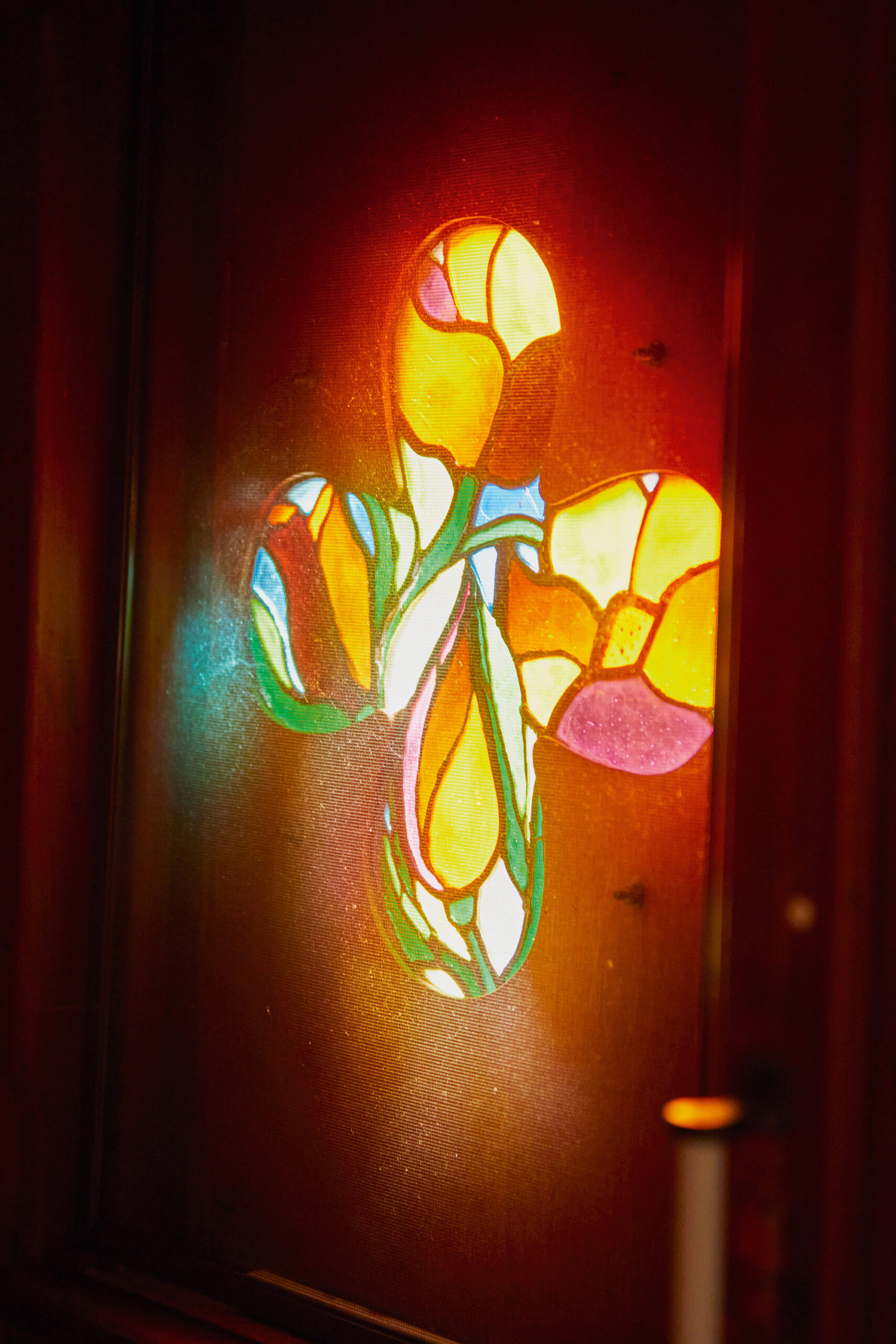
Traces of the counterculture run through the architecture: a stained-glass window in the shape of a psychedelic four-leaf clover; a yellowed newspaper urging the government to “lace the air with LSD.” Yet Schmelling insists the movement was not mere escapism. “Back-to-the-landers were early adopters of solar power, organic farming, and sustainable living,” he said. “They helped lay the groundwork for modern environmentalism.”
Though no two houses are the same, the dreamlike edifices, inspired by “hippie modernism,” form a cohesive style of architecture. Trees were cut and milled on-site; windows and doors were salvaged from demolition sites. The aesthetic is defined in equal parts by necessity, imagination, and willpower. Despite the rough edges, the homes in Schmelling’s photographs exude an undeniable sophistication. Some hover on stilts over lakeshores. Others teeter precariously on steep hillsides. All are of a piece with the local environments in which they were built—a rarity in an age dominated by carbon-copy tract homes.
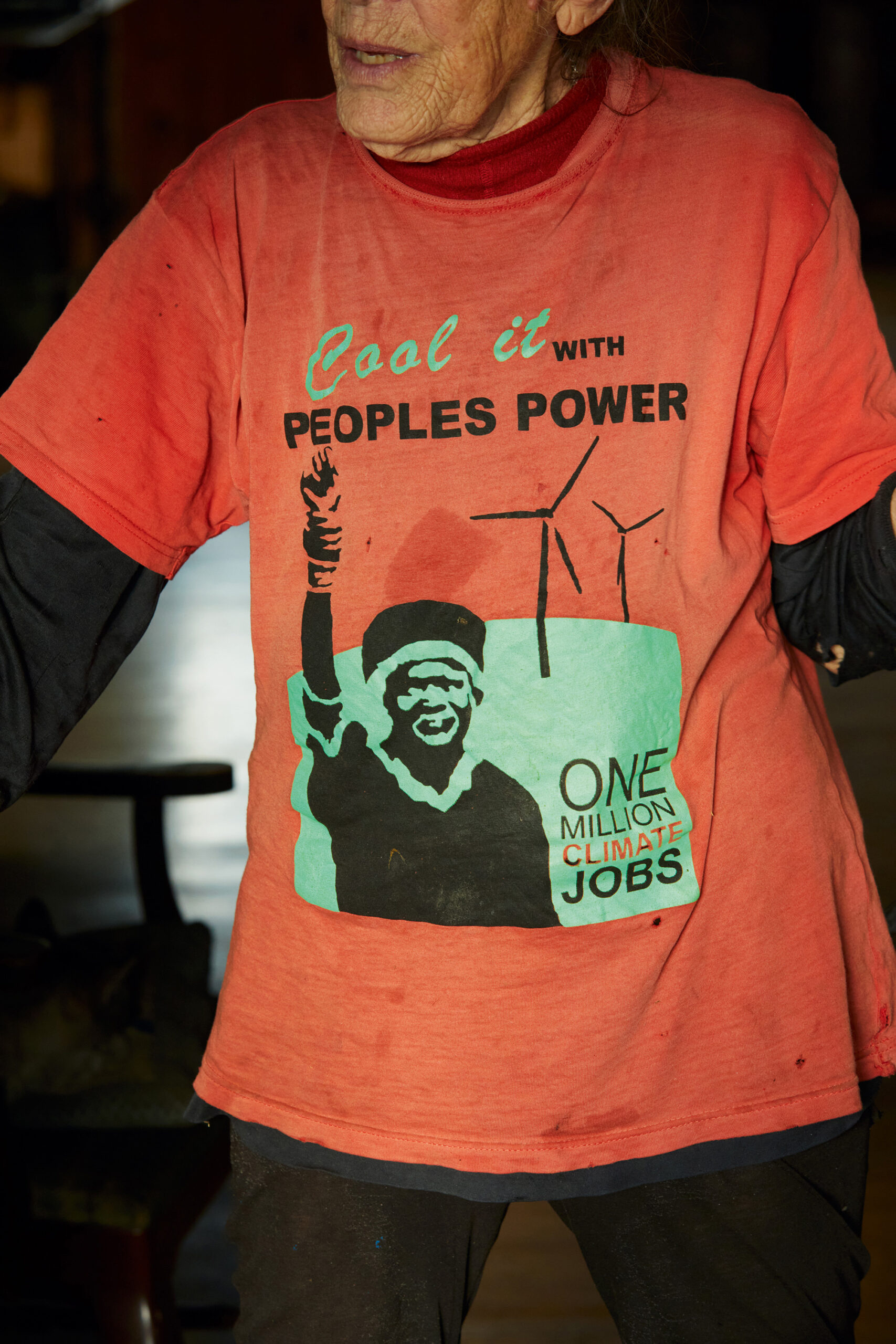
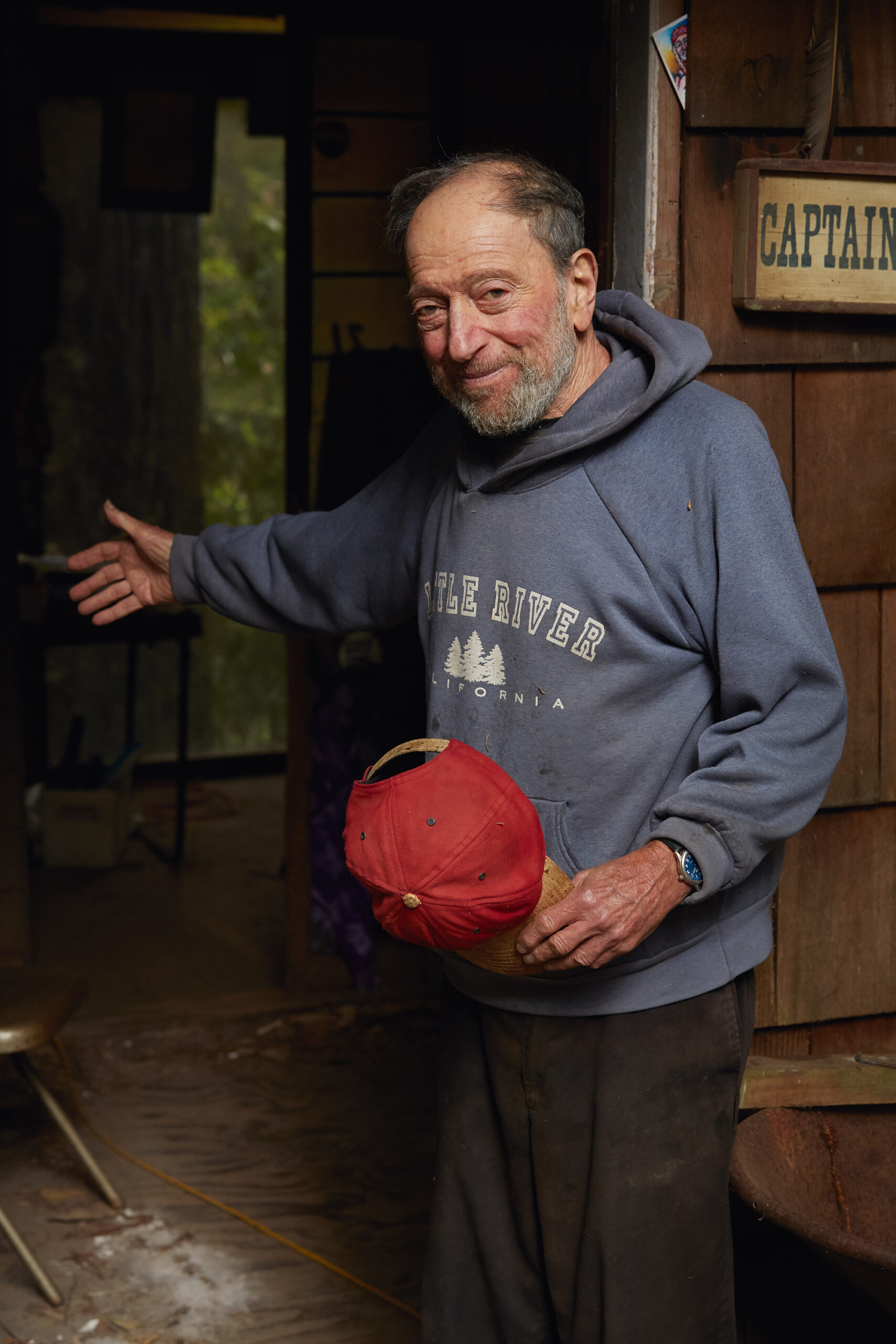
But Schmelling and Kramer’s interests run deeper than architectural oddities. It is the personal stories of the men and women who built these homes that most interest them. There is Frannie Leopold, a Berkeley anti-war protester who came to the forests of Humboldt County for a party and found a vibrant community. There is Laird Sutton, a minister from San Francisco who, before moving to the woods, distributed instructional videos in hopes of educating his congregations about the many variations of human sexuality. And there is Tom Hessler, a former weed grower who lays out, in simple terms, his rationale for his many years in the woods: “I wanted to get away from everyone. I wanted to get the hell out of there. All the bullshit.”
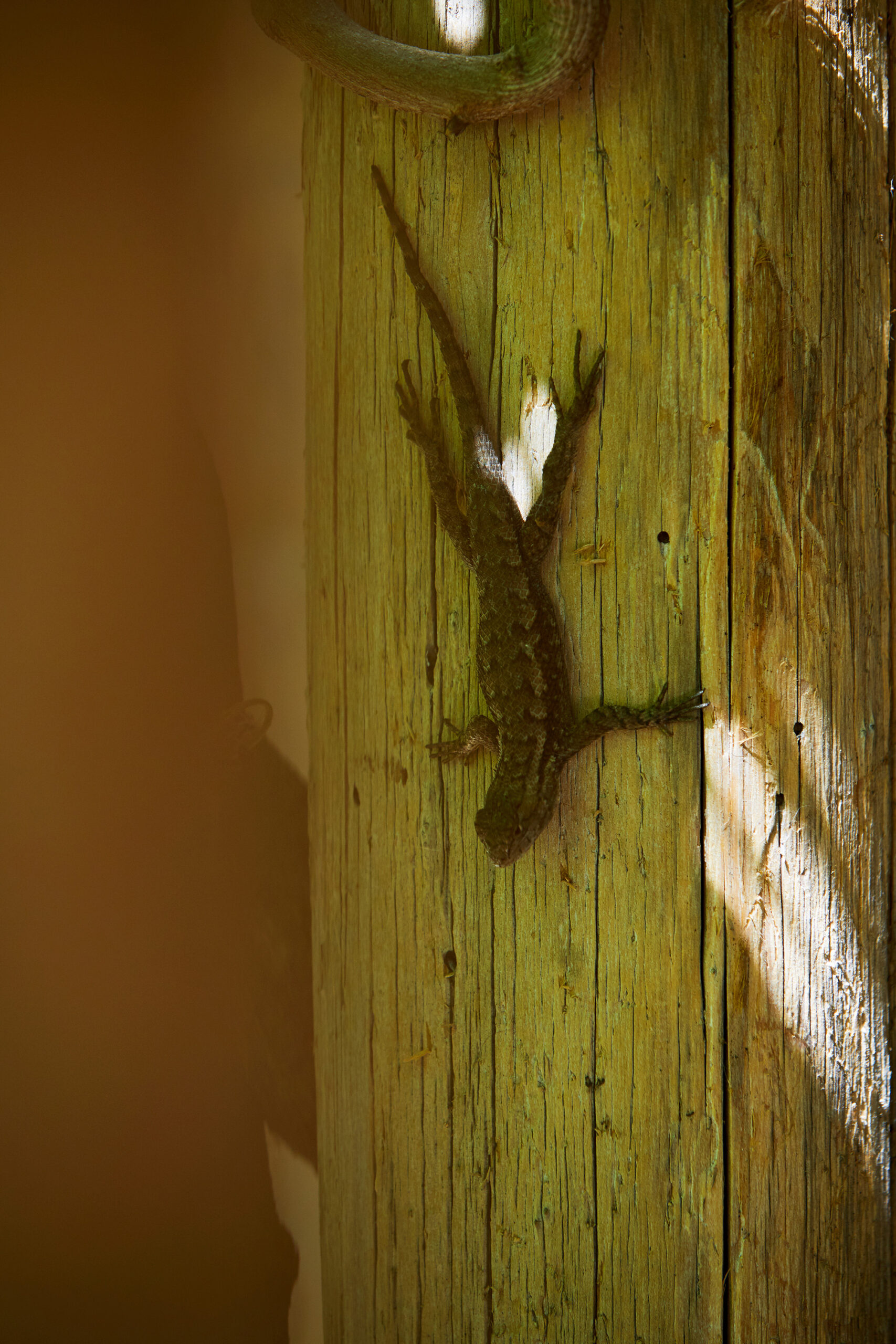
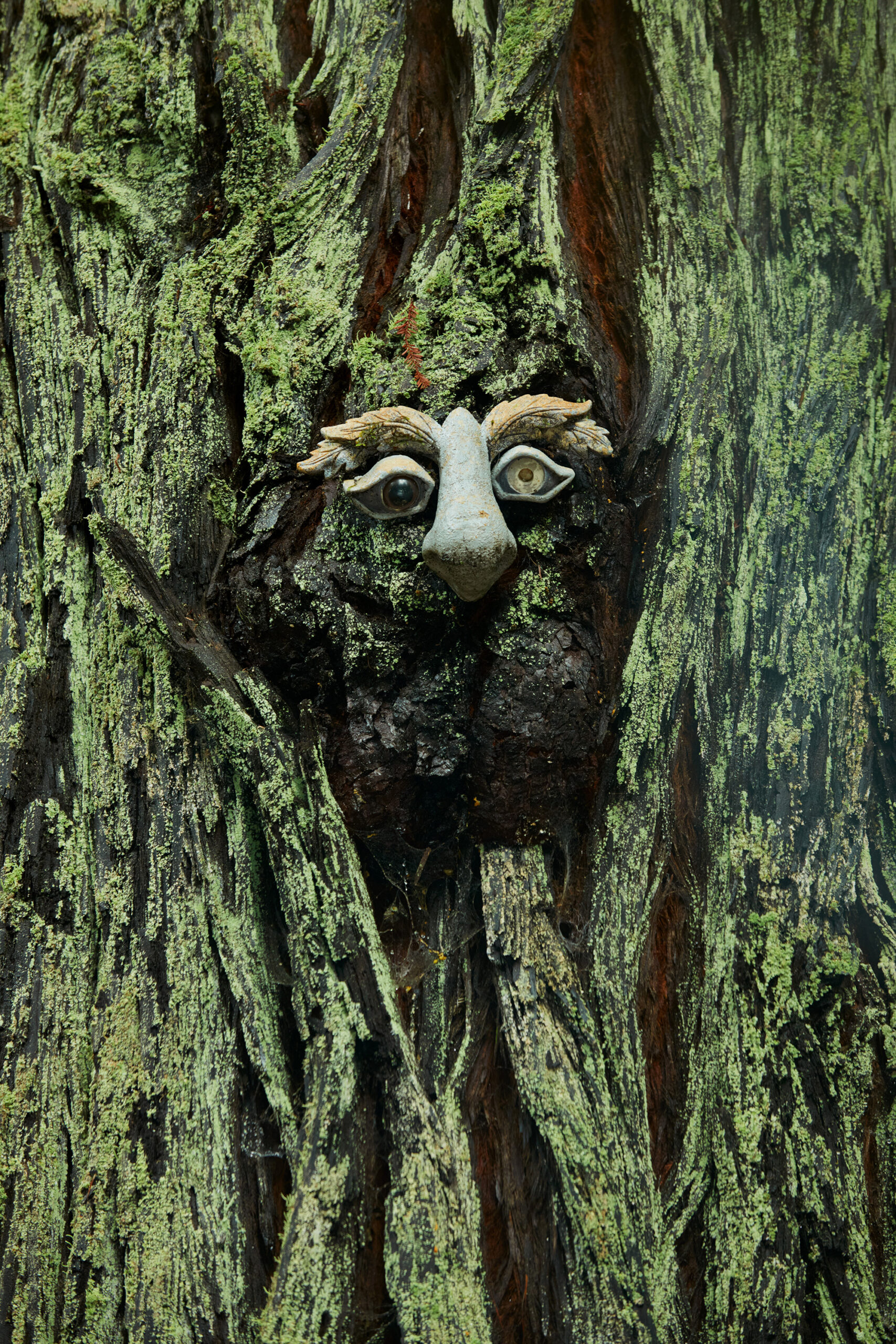
Schmelling’s project is driven by a sense of urgency. “These people are aging out,” he said. “We felt the need to get up there and document them before they are gone. Most of the people we photographed, like their sons and daughters, have moved back to cities. Most of these homes are empty already. You can see how they’re kind of getting taken back by nature—they are going back to the land themselves.”

Courtesy the artist
This article originally appeared in Aperture No. 262, “The End of Nature?”