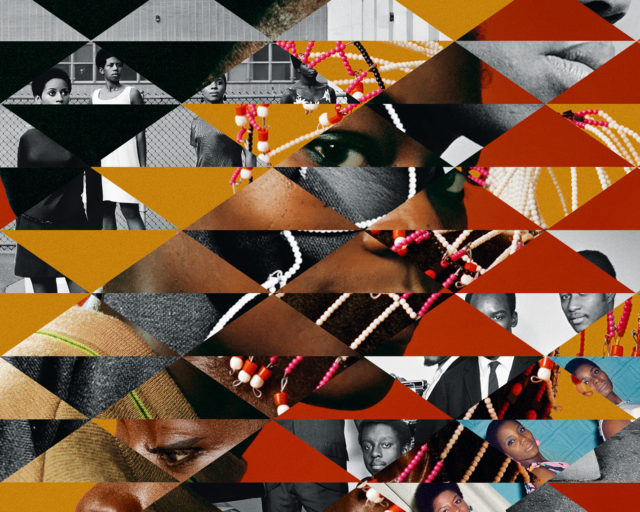
Strachan speaks of his work in terms of a West African street festival where dance, poetry, music, and the performing arts are jumbled together in an exuberant whole.
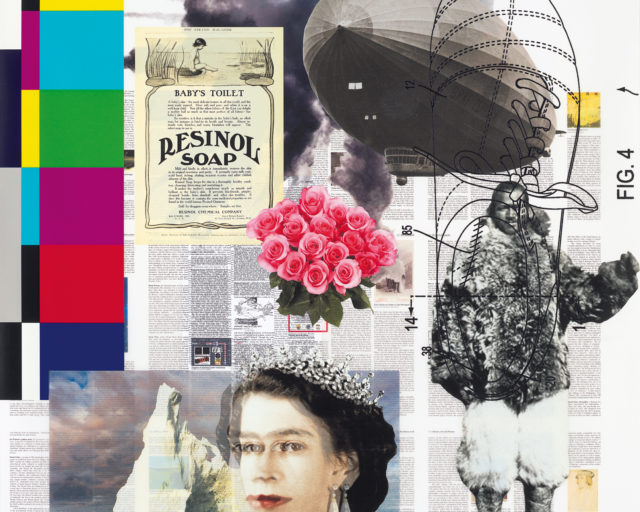
In this series of collages, Thomas draws on stories from Aperture in the 2010s, a decade during which looking back was as vital as looking forward.
These previously unpublished selections of 35mm slides confirm and extend the stubborn singularity of Leiter’s color language.
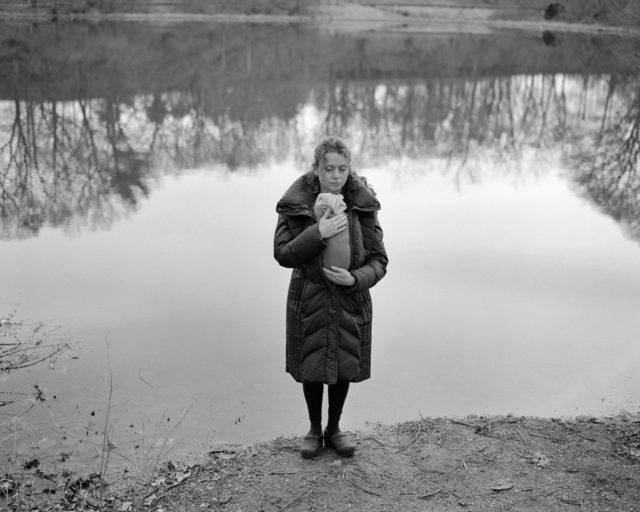
In stirring portraits of his family, Steinmetz recalls the enduring influence of a 1980s issue of Aperture< about mother-daughter relationships.
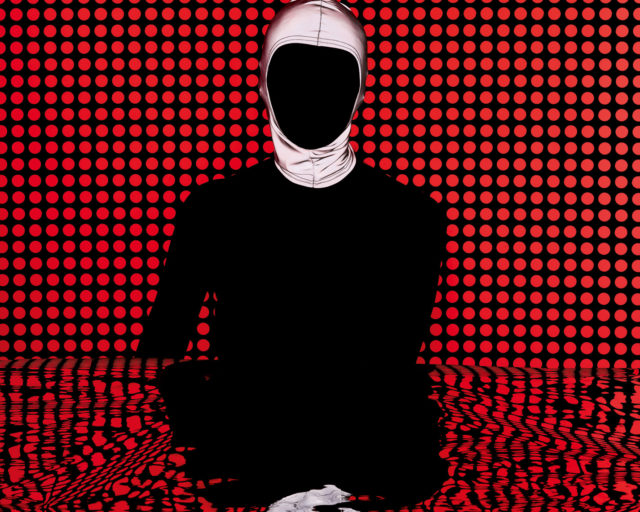
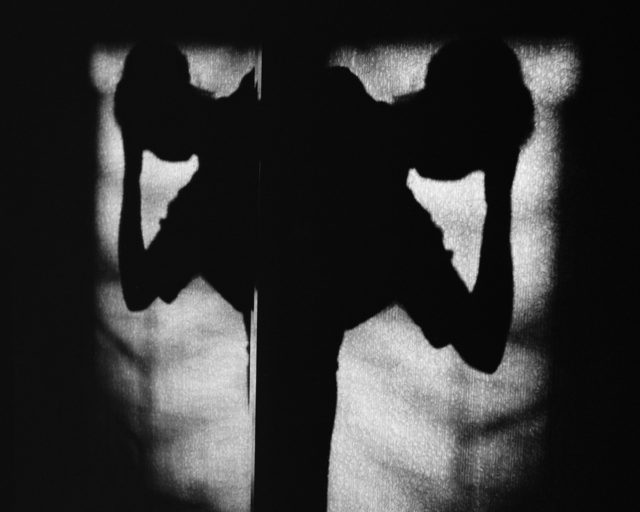
In a series of photographs that conceal or duplicate human forms, Whitaker imagines how the digital revolution has fragmented everyday experience and meaning.
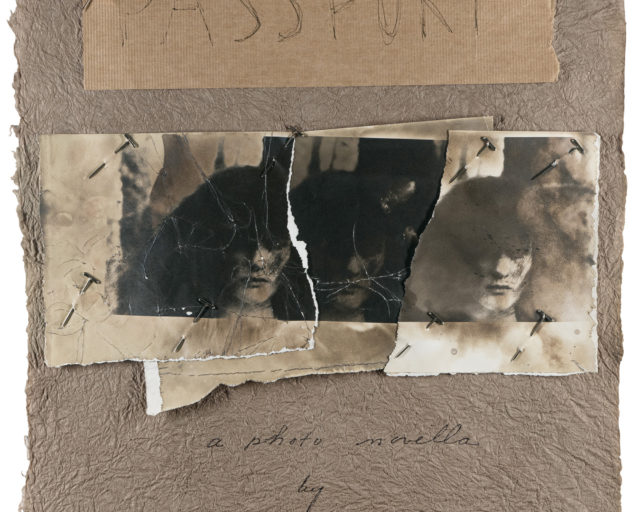
For the photographer Maja Daniels, history is an uneasy conglomerate of fiction and testimony.
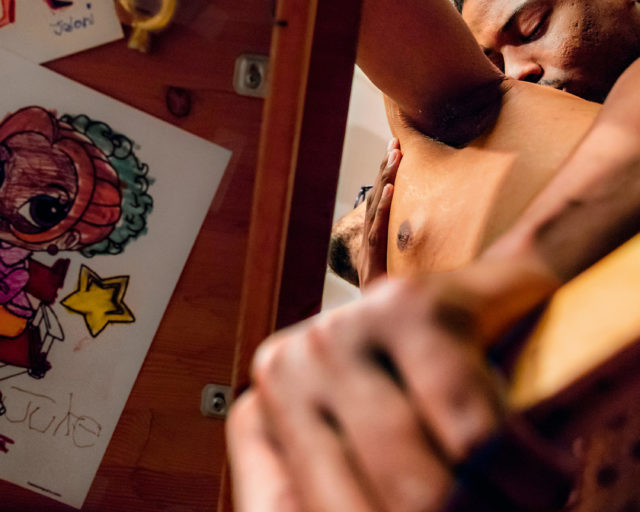
The photographer’s compelling and confounding images riff on the idea of the domestic realm as a private theater of Black humanity.
In the early twentieth century, Nichols made dreamlike photographs of the frontier that feel both intimate and faraway.
The Soviet-era Czech Surrealist responded to totalitarian rule with an austere but rebellious sense of humor.
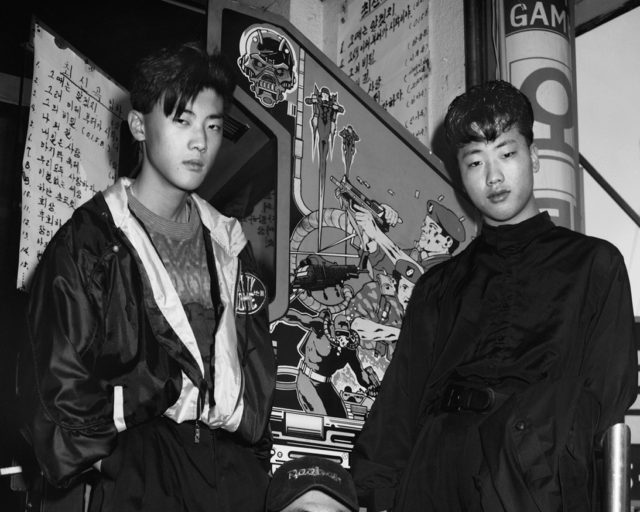
In his black-and-white photographs, Oh creates a record of the denizens of Itaewon, a district known for glamorous outsiders of all kinds.
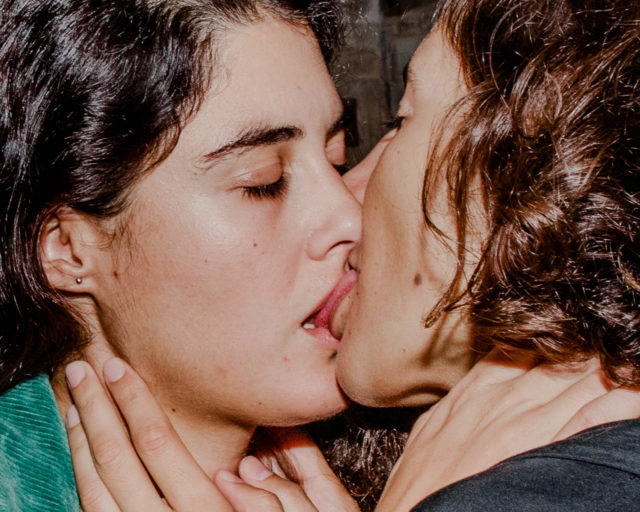
In her photographs about youth, queerness, and protest, Boulos shows that desire is a form of power.
Recalling his family history, the Oregon-based photographer imagines the complexity—and possibility—of American landscapes.
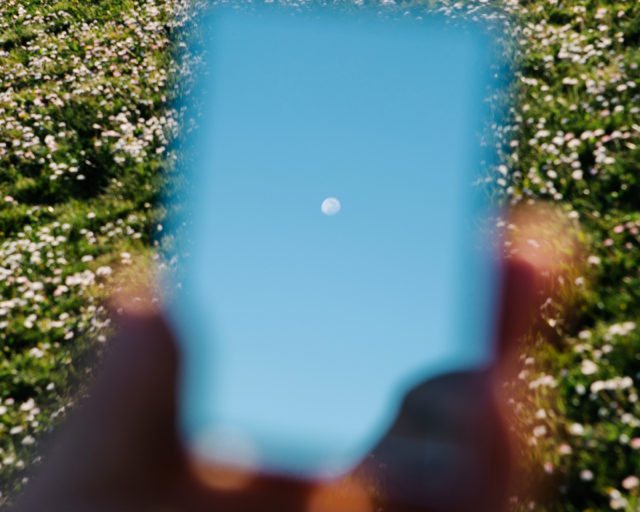
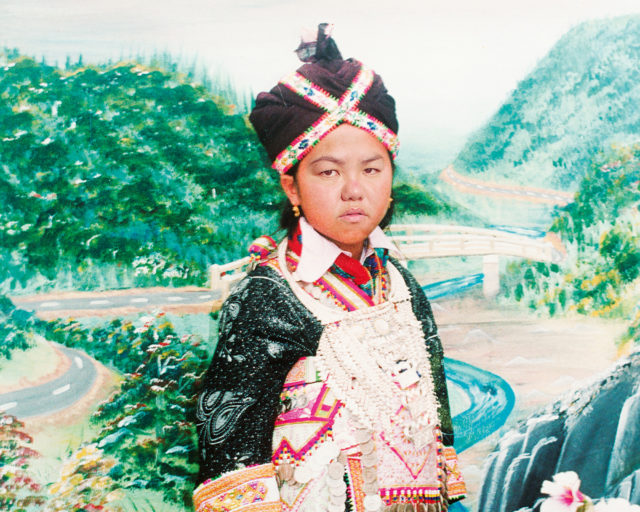
With floral imagery and splintered memories, Pao Houa Her imbues her photographs with desire for the homeland.
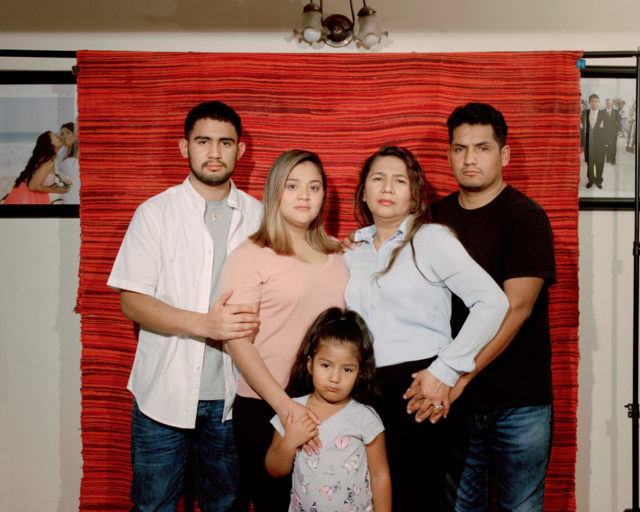
Steven Molina Contreras’s tender portraits trace a multigenerational story of immigration, sacrifice, and belonging.
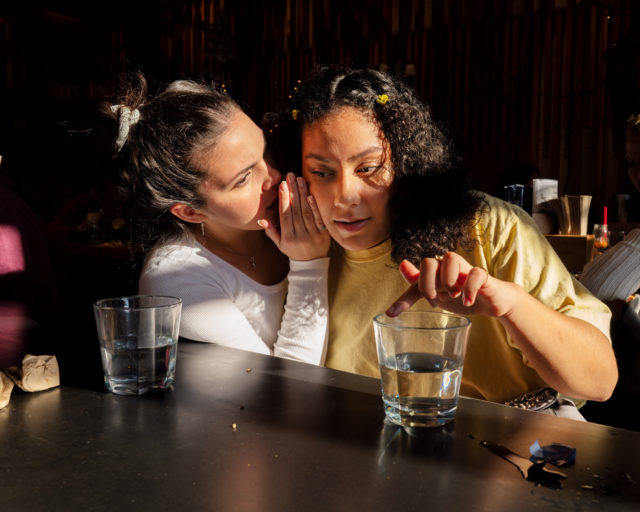
In her photography, Báez explores the complexity of care, touch, and belonging among Puerto Rican women in the United States and beyond.
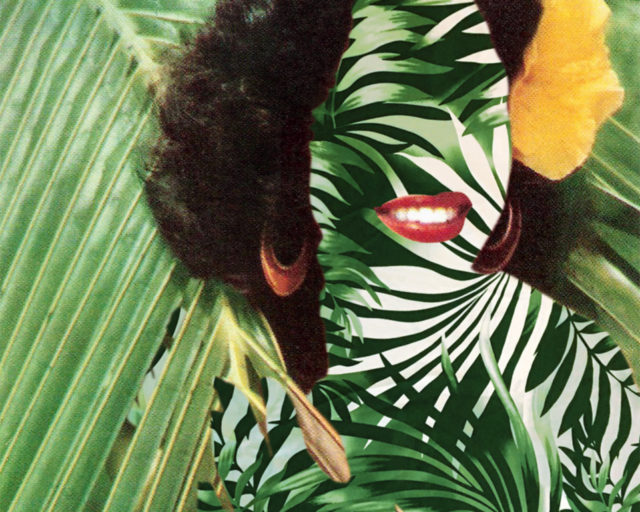
In the midst of a global climate emergency, the artist’s timely photographic collages reconsider gender and identity in the Dominican Republic.
Engaging traditions of Dadaism and Surrealism, the photographer visualizes contemporary Black creative life.
Based on encounters with light and small objects gathered from the river, Anne Hardy makes her own radiant universe.
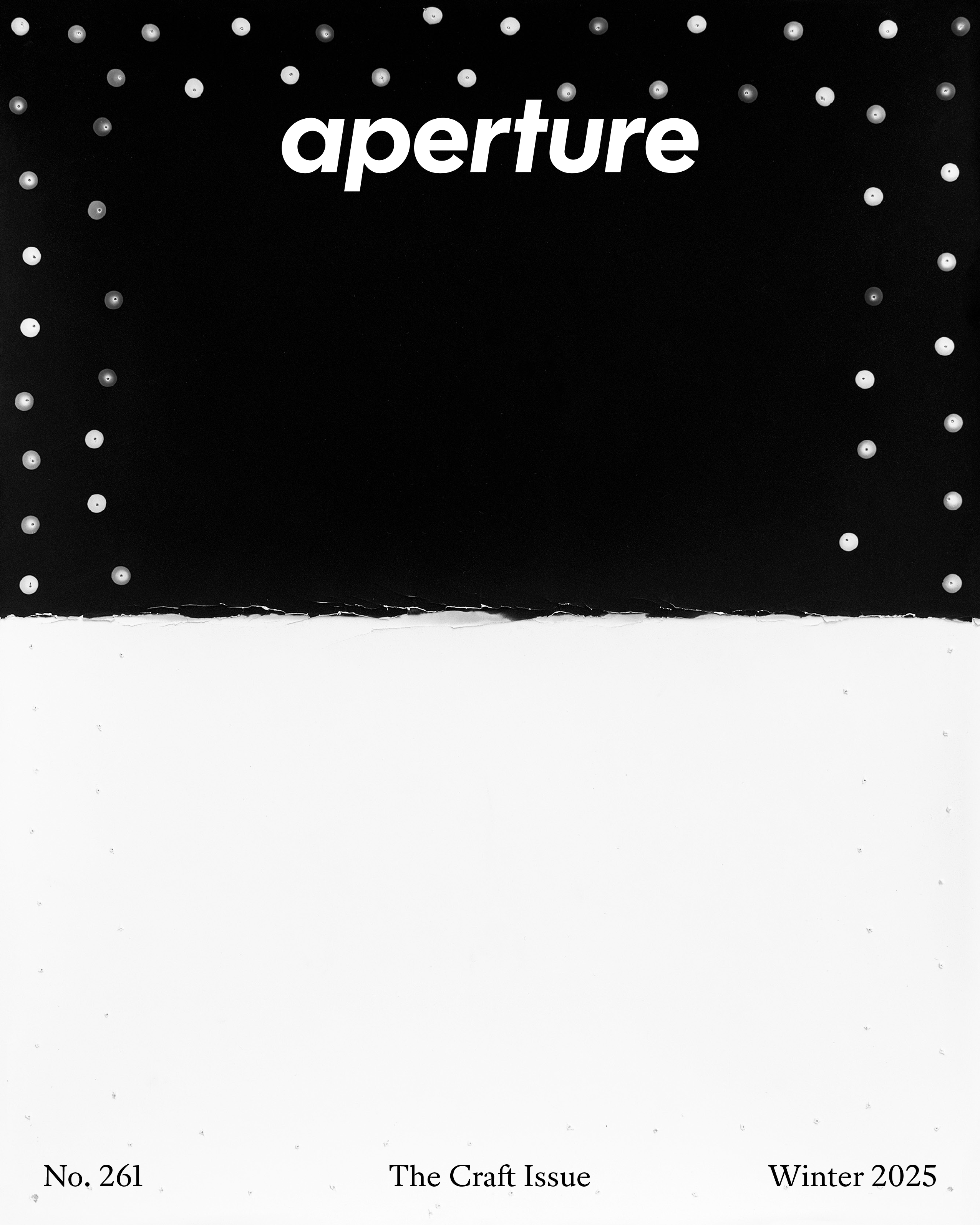
Aperture’s issue on craft features photographers who make pictures the slow way—building camera obscuras, creating photograms, and laboring in traditional darkrooms to make handmade, unrepeatable forms.