Interviews
A Modern Vision of Black Life in Texas
In a new photo essay, Rahim Fortune responds to the legacy of Black photographers who documented Texas throughout the twentieth century.
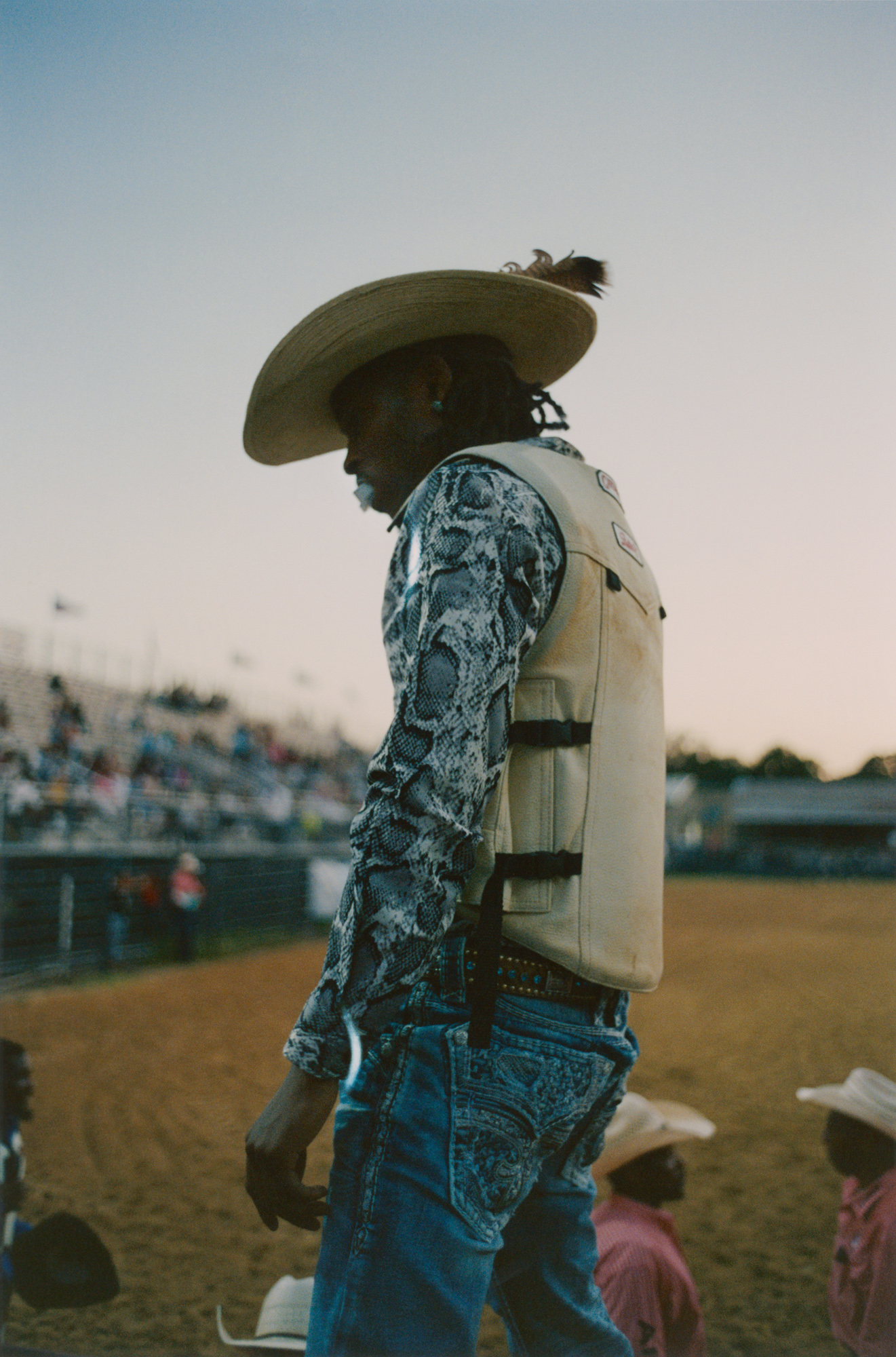
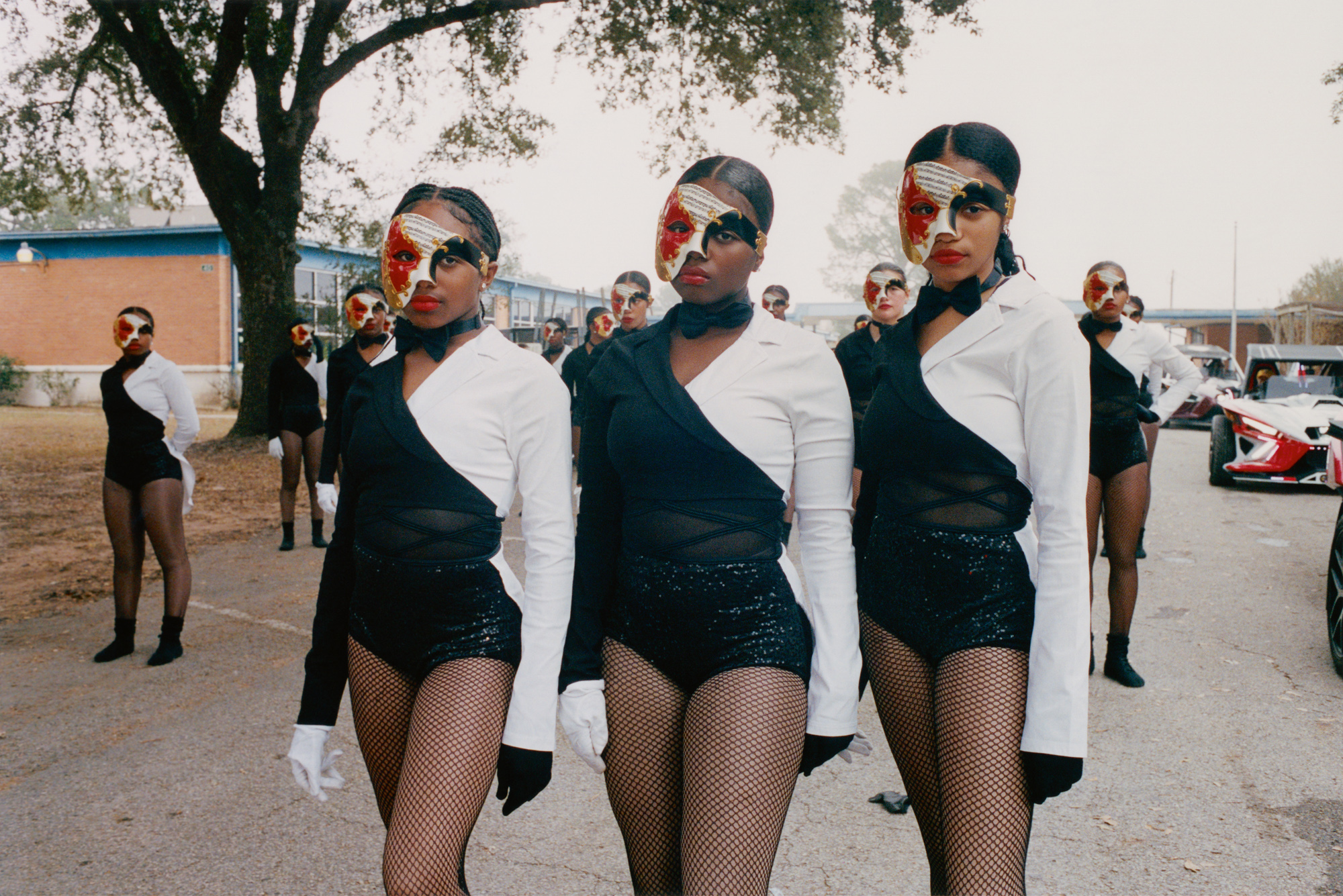
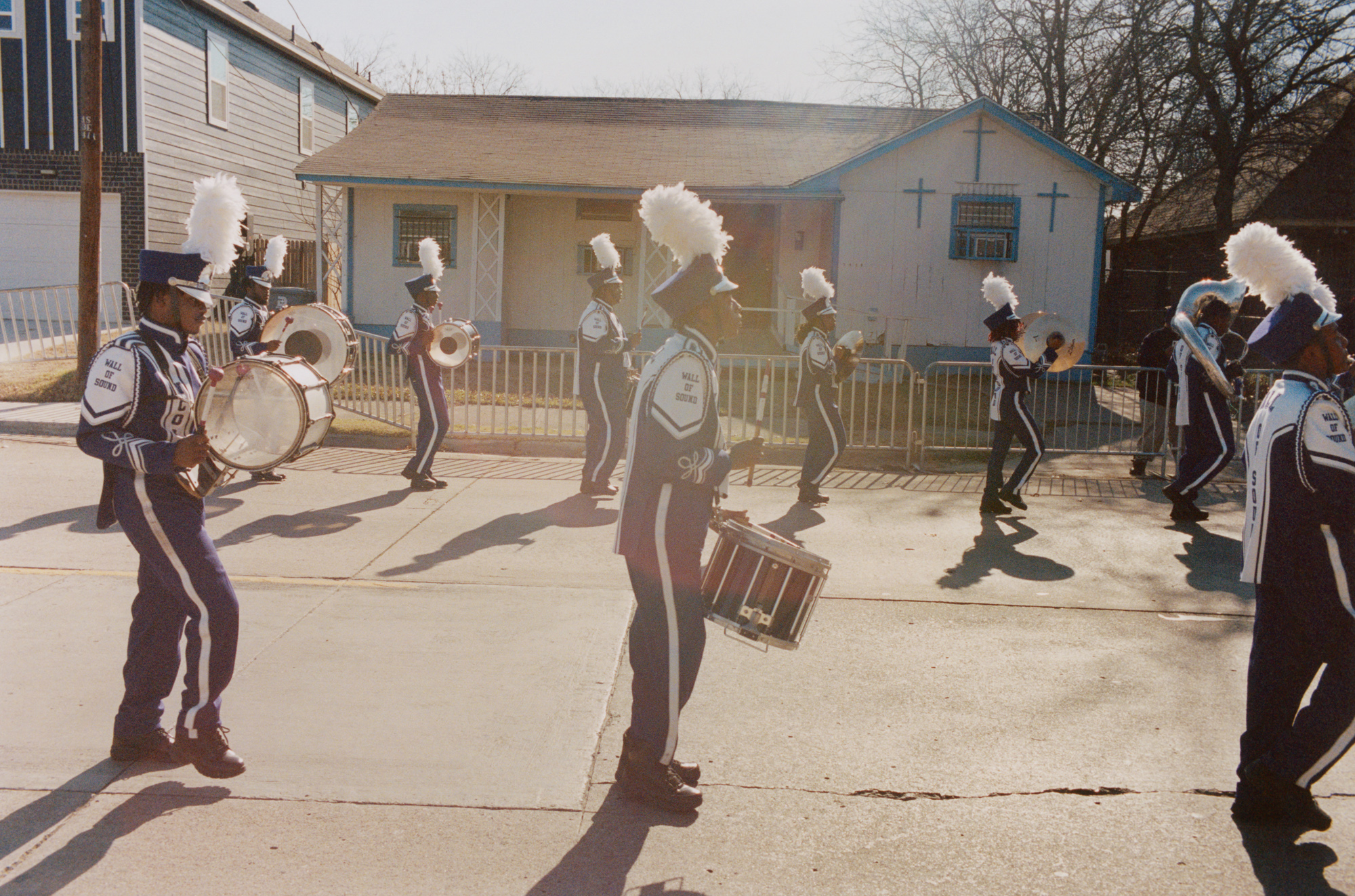
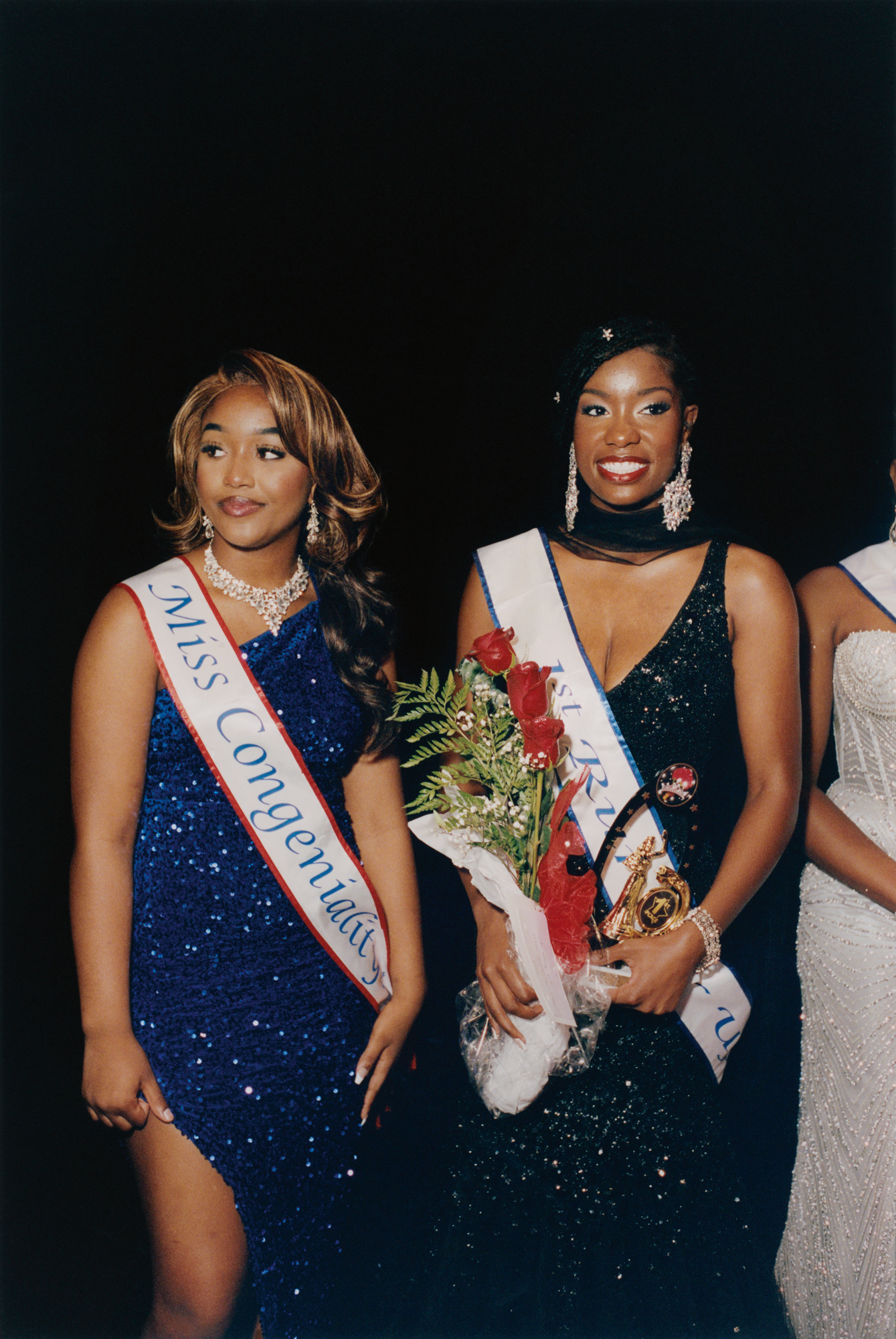
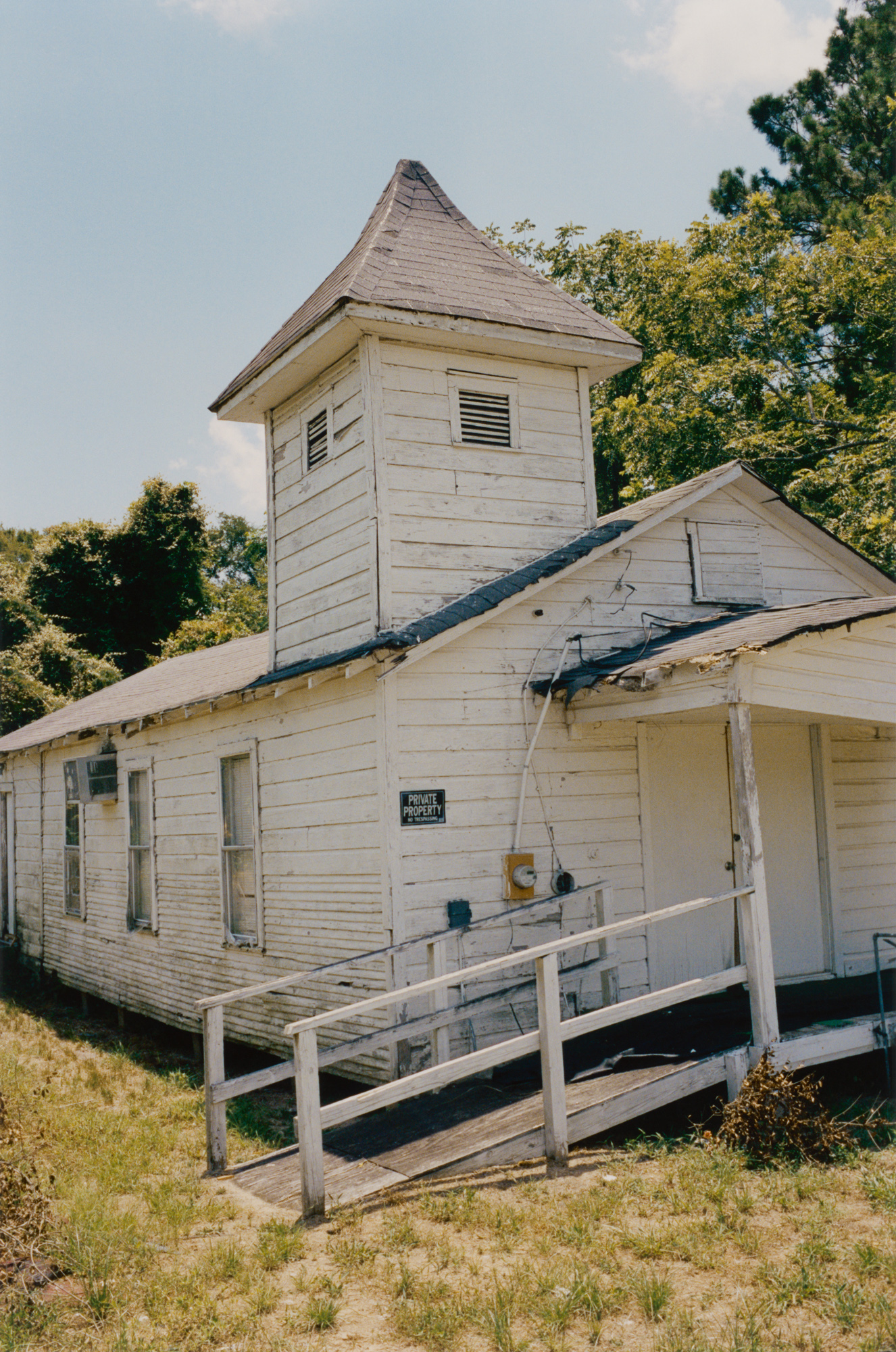
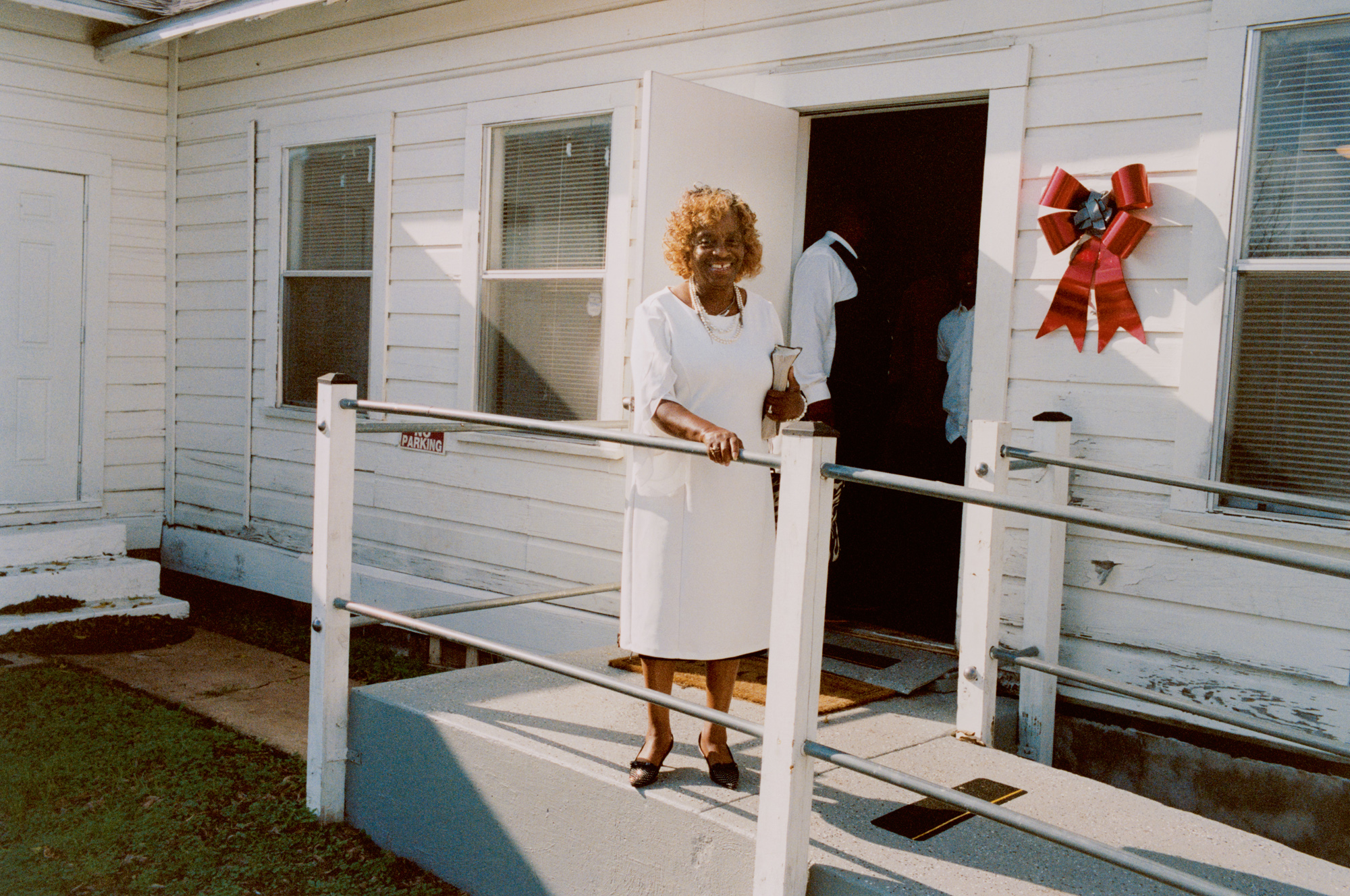
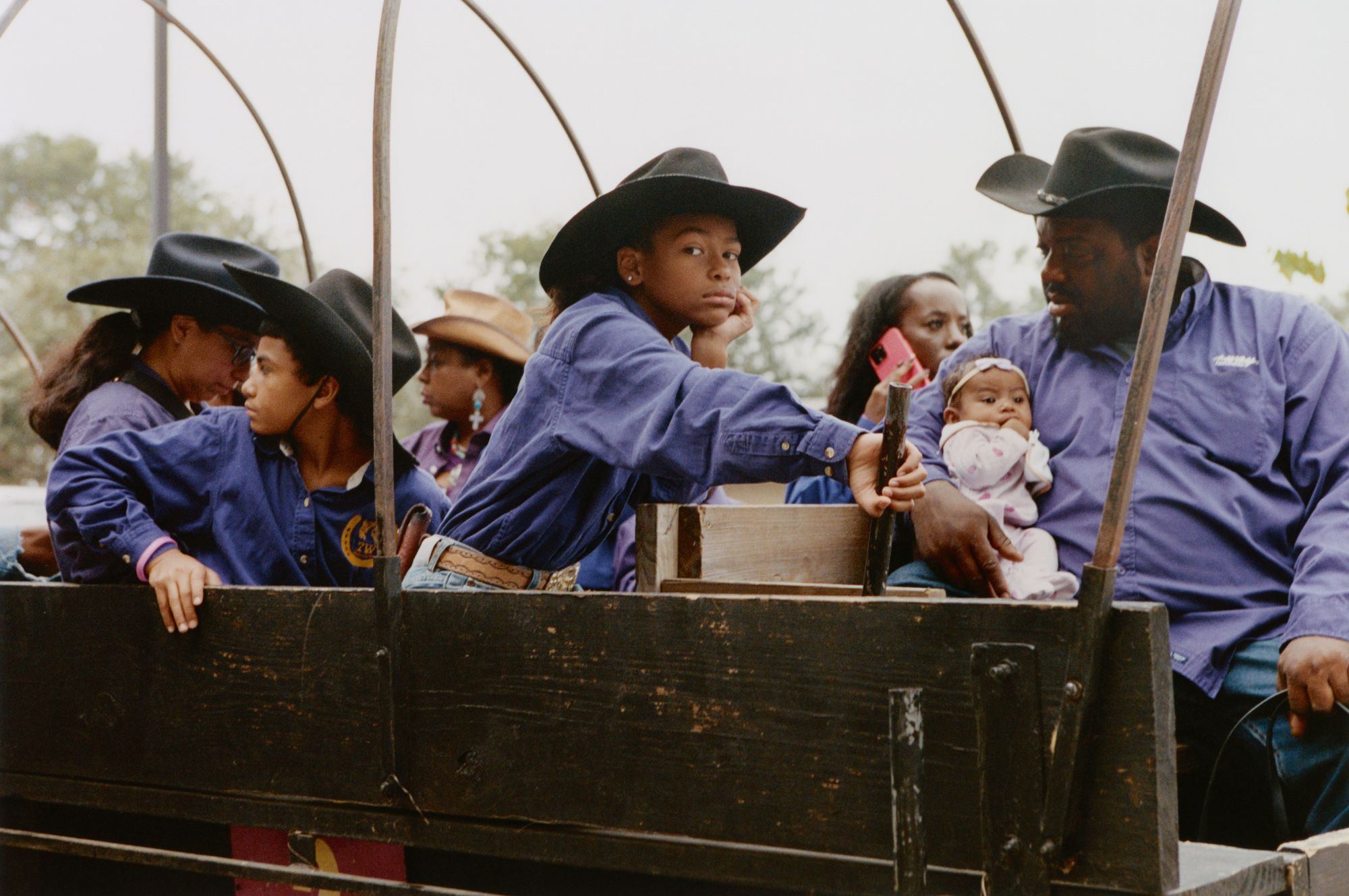
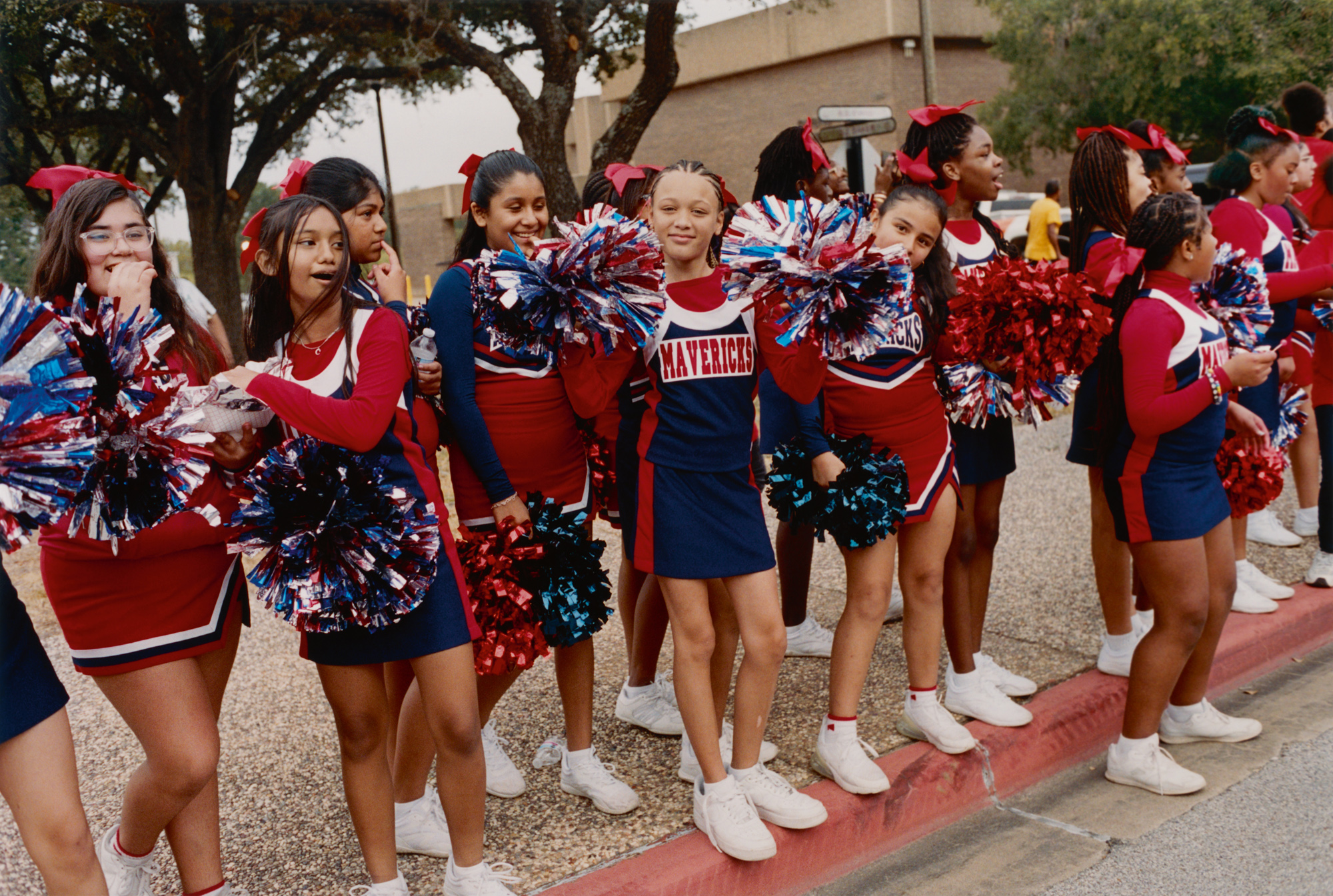
From the summer of 2024 through the winter of 2025, Rahim Fortune made Between a Memory and Me, a series of photographs depicting various community events and gatherings across Texas. He was responding to the images and histories represented in the Texas African American Photography Archive through a commission by Documentary Arts, the Dallas-based nonprofit and copublisher of the book Kinship & Community. Drawing together more than 150 images of everyday Black life—created by Black photographers for Black communities across Texas—the volume celebrates a proud but overlooked regional culture while testifying to the power of photography as a social tool. Fortune’s vivid new images take up the archive’s legacy and place it firmly in the present tense.
In his series, Fortune hoped to strike a balance between showing both youth and elders in landscapes that felt familiar to him, and the resulting images spark conversations across generations about the broader relationship people have with the land. “I am thinking about how memory functions concerning image and sound,” he says, “and how it may be all we have to hold on to in the face of loss.” Raised between Austin and the Chickasaw Nation in Oklahoma—“on about a seven-hour strip of the IH-35,” as he puts it—Fortune has a deep reverence for the community photographers in Texas who photographed local events and pursued a level of excellence in their printing, among them Earlie Hudnall Jr. In this conversation with Alan Govenar, Fortune speaks about family heartbreak, blues music, and the meaning of truth in photography.
Alan Govenar: Why did you choose the subject matter that you did for this book, and what was your approach?
Rahim Fortune: I always make a joke when I’m giving lectures, where I say I walk up to a guy in Dallas or Houston, and say, “Hey, I’m doing a photo project about Texas history.” And he says, “Oh, I’m from St. Louis.” When I’m working on my projects, things can lend themselves to ambiguity, or maybe abstraction. And I sometimes feel that the word community is thrown around in a way that begins to lose a bit of its essence or soul of what it really means to be within community.
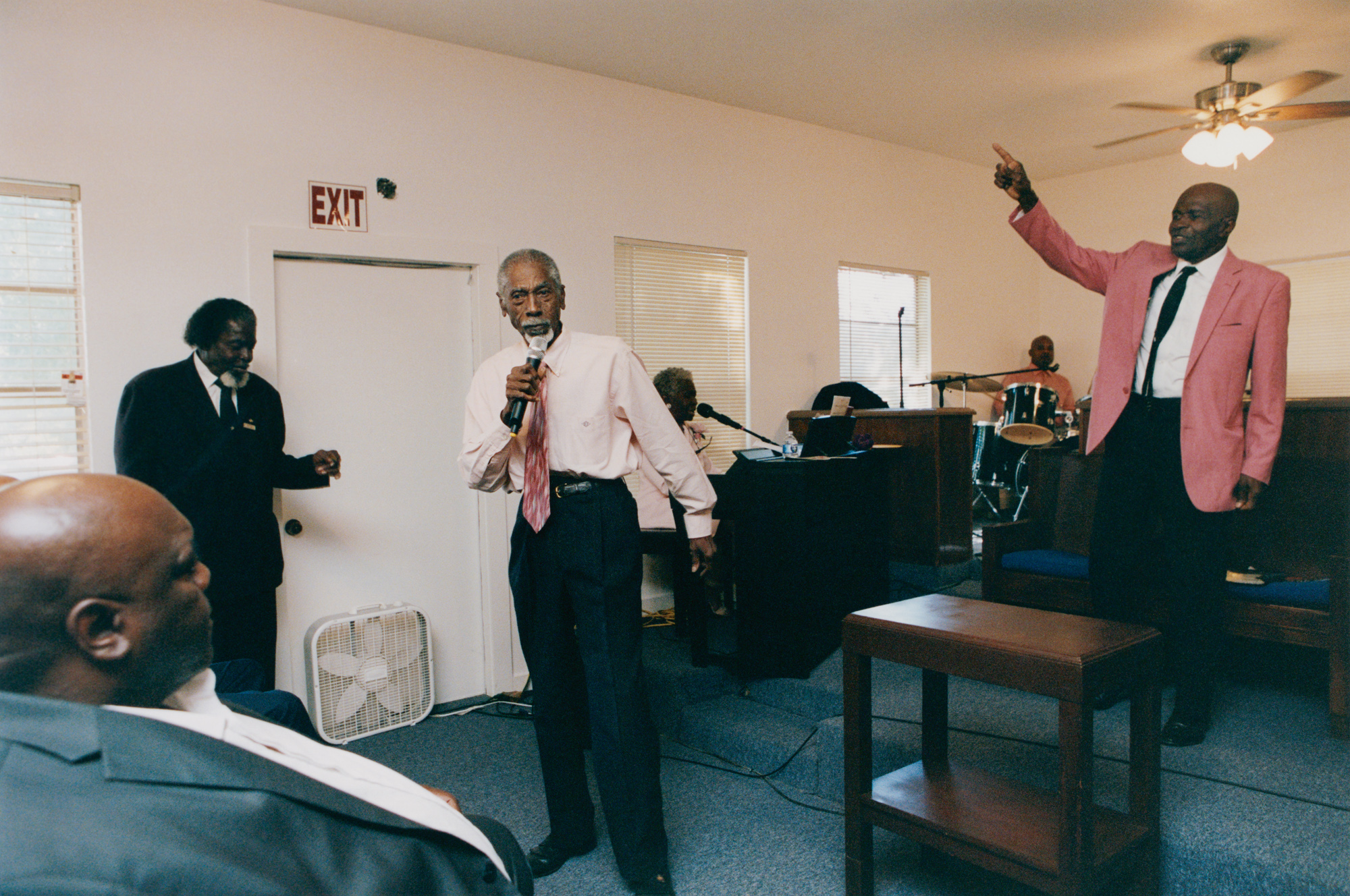
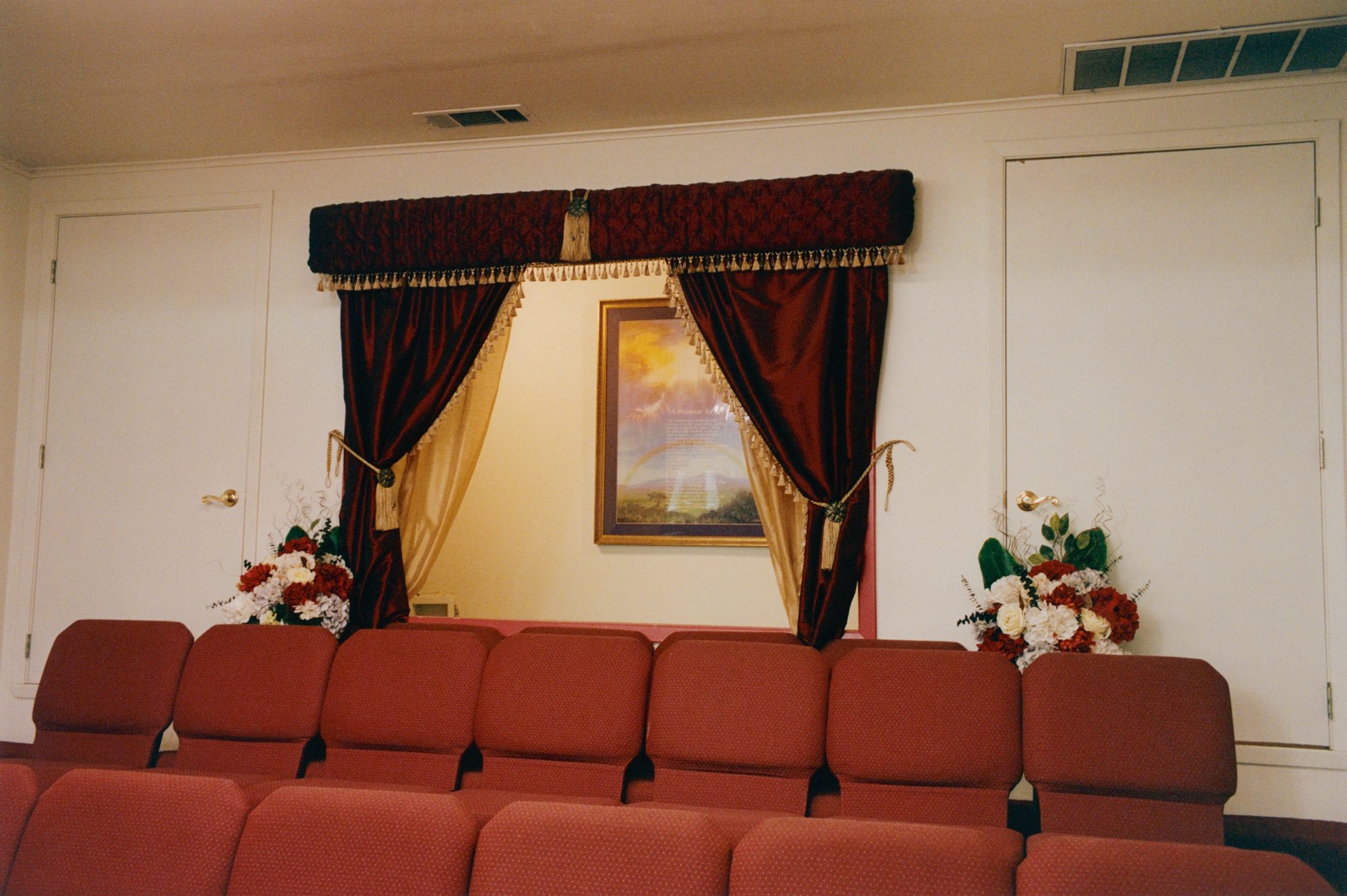
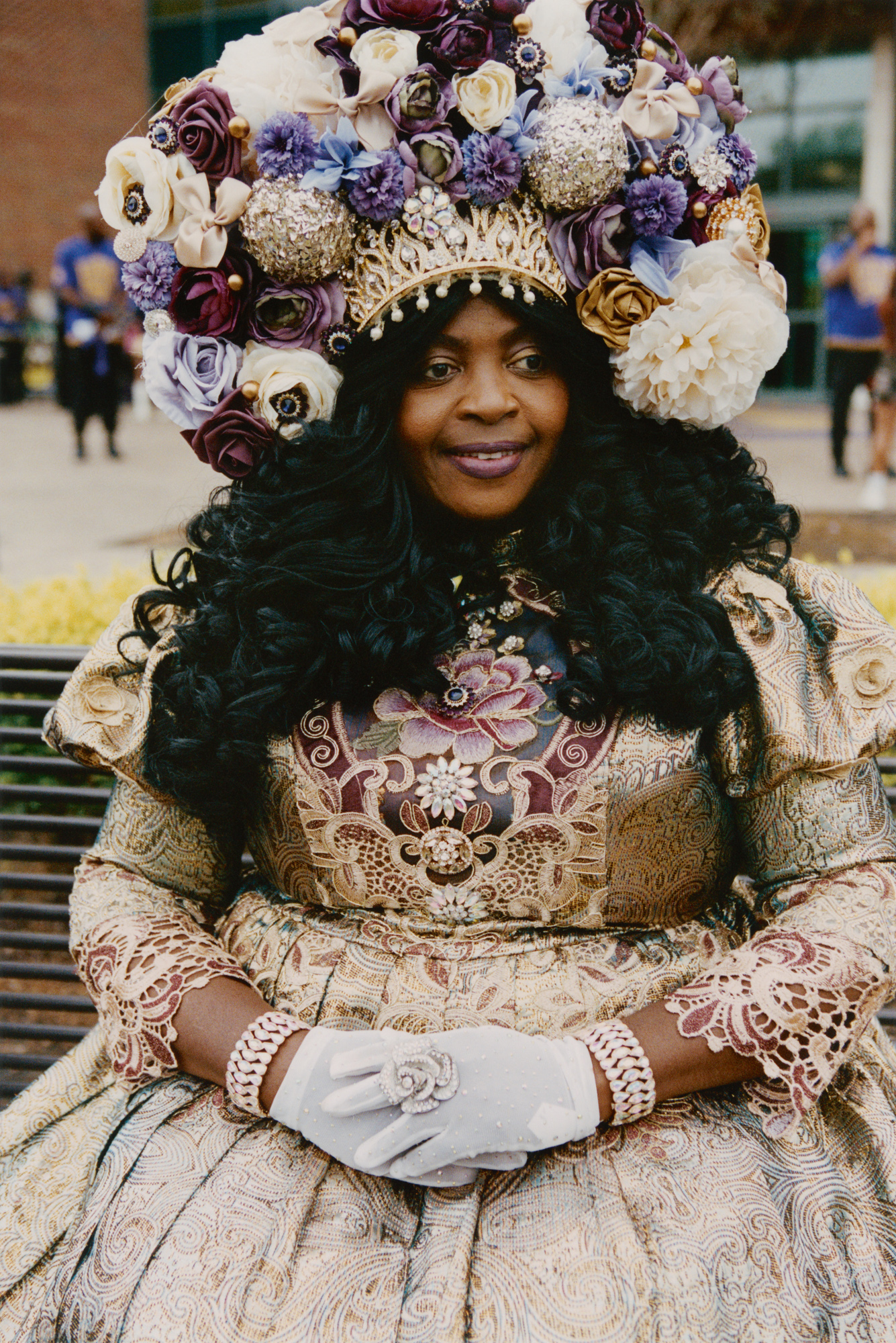
So I was thinking, What are the pillars of this community, historically, within this archive? I thought a lot about the Black churches in Texas, which have always been places for meeting and community, and for political organizing. And about the various events, such as the parades and the rodeos, and these annual traditions that do take their roots back to the turn of the twentieth century. I decided to focus on the Juneteenth pageants that happen around Texas yearly and the MLK parades. A lot of this was an extension of things I had already been photographing for nearly a decade, so that was a motivating factor.
There’s one photograph included that shows a West Indian tradition in the Acres Homes district of Houston. I was also interested in a more modern vision of a Black Houston experience, one that is maybe more diasporic in its scope. With photography, there’s no formula. You’re also at the whims of what works out and what happens on the day, to be able to represent the music, the spirituality, the youth. I’ve photographed quite a bit at Prairie View, which is also represented in the archive. I had some moments that were very special to stumble upon.
Govenar: How many different locations are in these photographs?
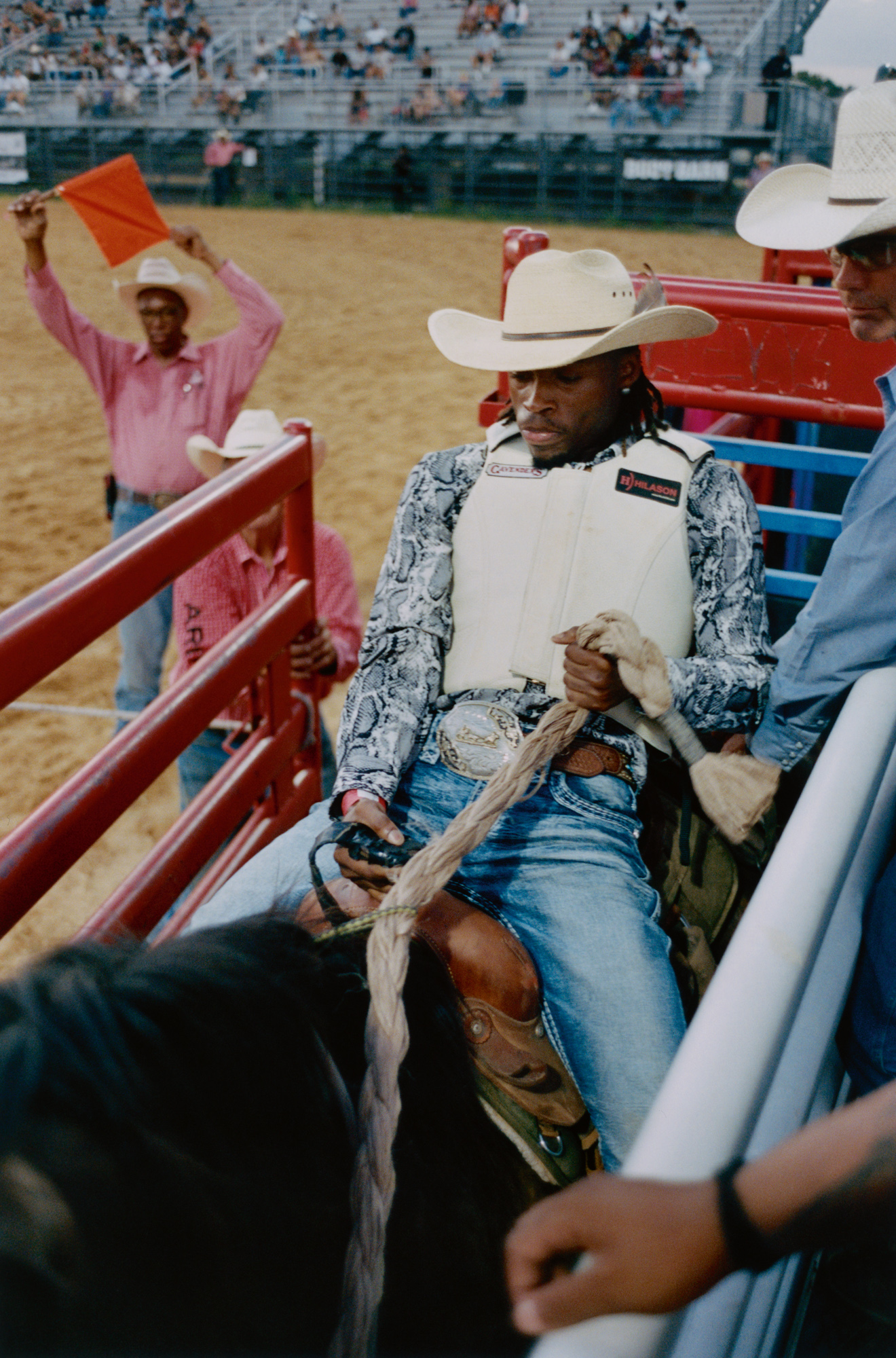
Fortune: There’s Austin, Dallas, Houston, Bryan, and Prairie View. There’s one image of a young cowgirl surrounded by children. That was made at the Fort Worth Stockyards. There are the images of the cowboy in the chute. Those were made in Longview. I’m always on the road photographing. If there’s something where people are getting together, I’m there with a camera and a pair of boots on—and a sweat rag. As you know, Texas is very, very hot. I drive an old ’98 SUV. I guess nothing about it is slick. And that, to me, is a big part of it.
Both of my parents have passed on, so I think a lot about them. Extended family and community is something that I don’t take lightly. I’m very grateful to be a part of an older family. My dad was born in the ’50s and was definitely a product of the soul era. He was a musician, and I’m also a musician, so it’s all in there. I just got to see a legendary Texas musician last week. His name is Swamp Dogg. He’s a great songwriter. He wrote “She’s All I Got” for Johnny Paycheck and was signed to John Prine’s label. So, yeah, it’s just what I love.
Govenar: What kind of music do you play?
Fortune: I’m into flat-picking, bluegrass guitar, and a little bit of blues guitar. Old country music is what I normally play on guitar. I’m trying to learn some flat-picking and soloing stuff now, but it’s like learning a new language. I’m not quite fluent yet, but I’ve been playing my whole life.
Govenar: I can tell you’re that kind of person who’s engaged with the people you photograph. In terms of the sustained interaction that you have with subjects, how do you proceed?
Fortune: For a lot of my work, I tread lightly. I don’t overstay my welcome with too many folks. I’m a bit of a wallflower when I’m making my work. I don’t stay with one family or one particular place. That’s also a bit of how I am. I’m not extremely extroverted. So when I’m working, I don’t really take up that much space, and I’m not directing people. But I try to maintain a close connection with everyone I photograph to be able to get them back their photograph or give them a print. There are instances where I have someone who works as a fixer for me. I’ve had cases where someone says, “Hey, come here, and make photographs of my family,” and then that’s more of a situation where I split profits for print sales. One of my better-known photographs was made in Edna, Texas, and it is titled Praise Dancers (2020). It’s a photograph of three women doing the Baptist tradition of praise dancing. And one of the women is the mother of one of my good friends. So that’s a situation where we split profits. My work is more so a labor of love than it is about sales.

Kinship & Community: Selections from the Texas African American Photography Archive
$65.00
Celebrating the rich history of photography made by and for Black communities in Texas.
Govenar: If history is a commodity, what is it worth, and how do we determine its value?
Fortune: One of the most famous documentary photographs is Migrant Mother. Dorothea Lange didn’t even take down the woman’s name, and the woman later came out to say, I wish you would’ve never made my picture. Photography has a complicated relationship to truth. I’ve always felt as though I am carrying out my work with the utmost intention and love, from the good of my heart. And there is sometimes a separation between intention and impact. You can be well intended and still have a negative impact. But to be so weighed down with some of this theory—if you wanted it to be a perfect world, you might never make a photograph.
Govenar: I mean, what is truth in photography?
Fortune: There are so many ethical qualms within the work that Walker Evans did, and sometimes the careless nature with which he handled people. But does that make his archive less valuable or less interesting? One of my all-time heroes in photography is Milton Rogovin, who has been the shining example of ethics and commitment in photography. He was committed to one neighborhood for his entire life. Someone like Paul Kwilecki, who photographed in Decatur, Georgia, for forty years. Sometimes monetary exchange isn’t the end-all. Even thinking about certain Native Land Back movements, sometimes the almighty dollar can’t heal these wounds. You have to grapple with that truth of what we do.
Govenar: I’m glad we’re talking about this important issue. In my book Portraits of Community (1996) the focus was on photographers and their long-term commitment to the communities in which they worked. If you are a documentary photographer, you bear a sense of responsibility, and what is that responsibility?
Fortune: What makes a photograph work is beauty. Sebastião Salgado photographed extremely difficult global topics, and what is convincing to an audience is the beauty of it. But that can be a bit of a troubling dynamic. I tend to stray away from images of overt poverty, things that we have enough images of in the visual lexicon. I mostly gravitate toward photographs that are inherently about love and about family. The fundamental nature of photography is the human spirit, and that goes beyond racial lines. And so, within this conversation and within these bodies of work that we’re speaking about, there is a specific Black American context, which is one of the cultural backbones of this nation. Same with Native American culture. There was a moment where the Native Americans became an emblem for resilience, and an American resilience, after completely being conquered by colonial forces. It’s a tough thing to have a total one-way viewpoint about.
I also sometimes tell students that you are accountable for what you publish. Being able to edit and thoughtfully put together collections of photographs is where some of these concerns are addressed. And not being too eager to share out photographs, especially in the digital age. That’s why I typically sit on my photographs for a long time. I still work in analog, and I have a lot of reverence, as much as I can, for the people I’m photographing. There isn’t the ability of just photographing and printing out a 4-by-6 the same day. It’s something that has to be thoughtfully processed and thoughtfully printed. For me, that’s a way of paying respect to people allowing me into these intimate moments of their life.
Govenar: For the photographs for this commission, which format did you use?
Fortune: These were done in 35mm, with a small handheld camera.
Govenar: There is an interesting synergy of balance and tension that happens, because obviously you’re aware of the way in which you’re making the photograph. It has, on one hand, a snapshot quality, but on the other it’s carefully composed.
Fortune: And this was a big inspiration. I mean, this is the first major body of work I’ve done in color that will ever be shown. I had some very early photographs from Oklahoma that were done in color, but this is my first serious time publishing my color photographs. It was a great honor to work on, and it did inspire me to continue working in color, and that’s when I decided to switch back to the medium format and to continue working.
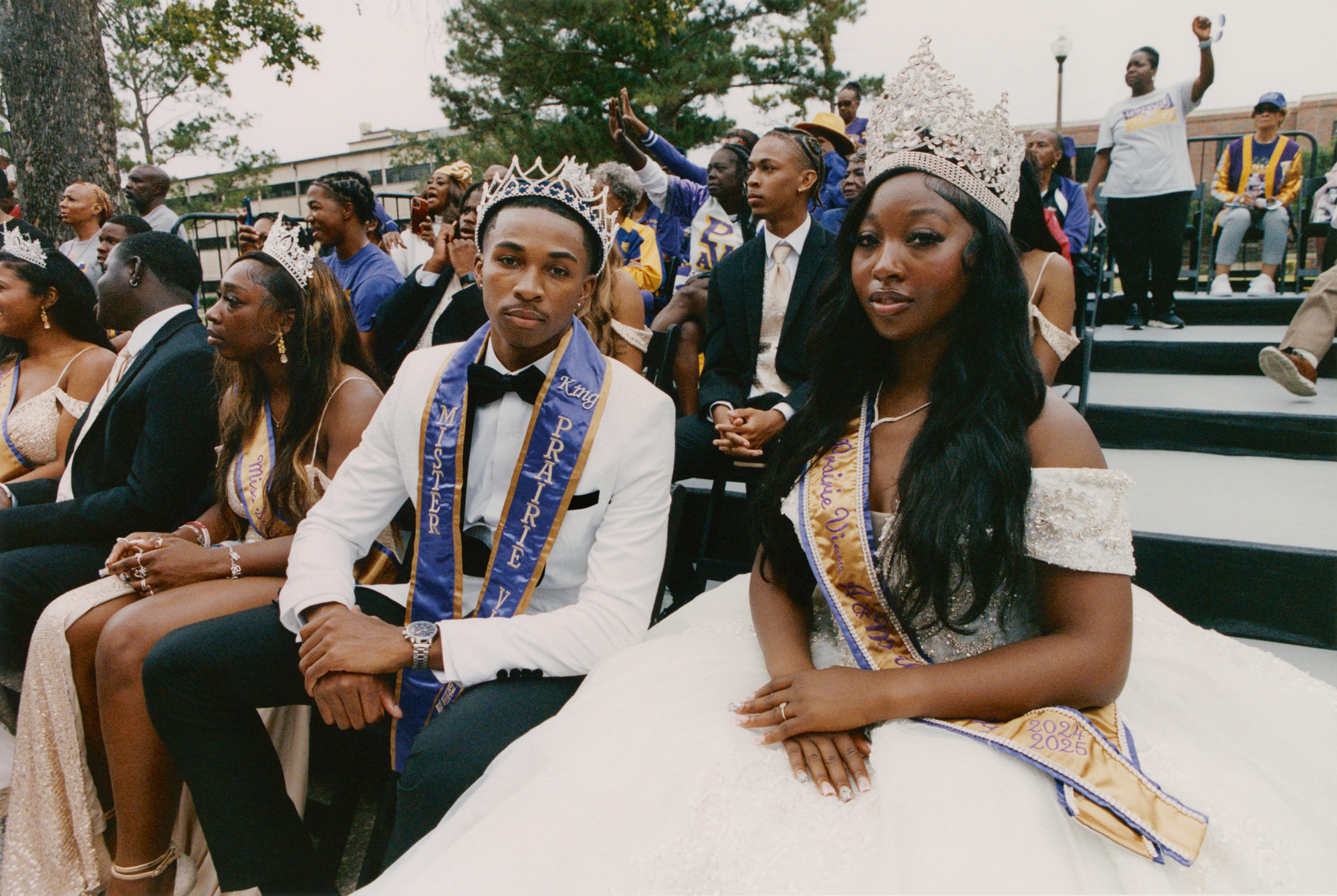
Govenar: Could you talk a little bit more about the connection between your portfolio and the photographs in the archive? What do you hope people come away with when they look at these photographs?
Fortune: I always say that photography plays with three different aspects. One of them being light, which is the most obvious. One of them being time. Photographs change as time passes. And the other is memory. When people look at photographs, they approach them with their own set of biases, baggage, memories, be they fond or negative. Those are things that I really think about in the context of the archive.
These photographs in the archive are made in a very unpretentious way. They have the benefit of time. Maybe it’s something about the way in which people responded to cameras in these previous generations. The things that make these photographs work present challenges in a modern context. People are so much more aware of themselves on camera. They’re so much more aware of the dissemination of images in this modern idea of virality—the idea that a photograph can be made and then viewed thousands, if not millions, of times online. So it changes people’s perception of the camera and how they want to present themselves or be perceived by photographs.
Typically, what I like to do when I’m photographing is return to the same places, year after year, to give myself some rootedness to them and be able to observe the changes within. I really love when I can photograph somebody—whether it’s in the case of a rodeo or someone who is maybe school age—and see them growing up a bit in my photographs. Or maybe now the younger sibling is the person who’s in the pageant. That passing of time, to me, is really important in this kind work. The rigor of what I’m doing, that isn’t something you could do with your eyes closed. I’m constantly studying these technical aspects and this fine line between directing and not directing, and how you come away with the photograph you want to say something with, rather than a surface-level snapshot. Often if you ask somebody, “Hey, I would like to make your photograph,” a big smile is presented, maybe a thumbs-up, and maybe a peace sign. So in which ways can you make these photographs more collaborative? There’s no formula to doing that. It requires a lot of time.
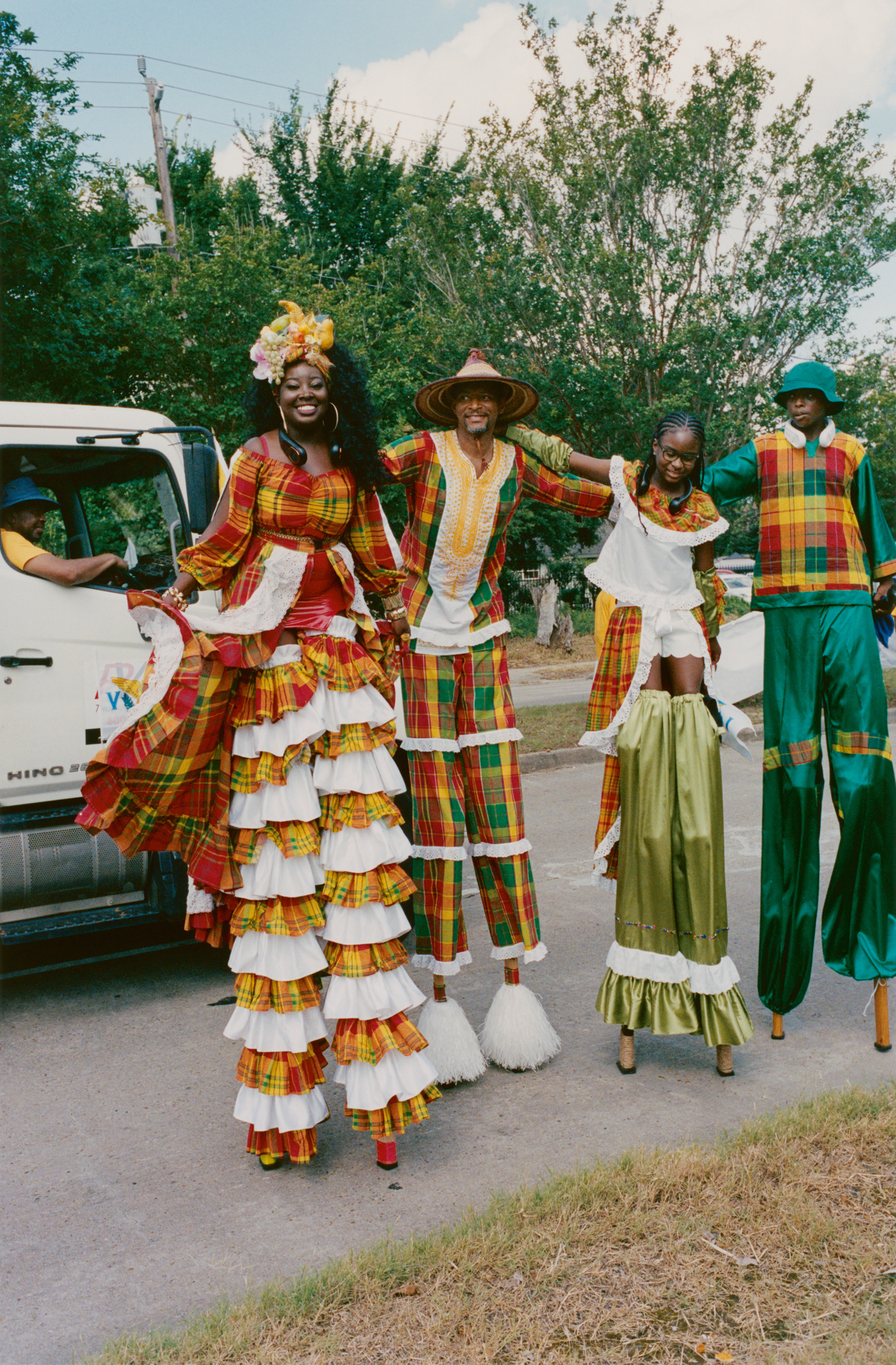
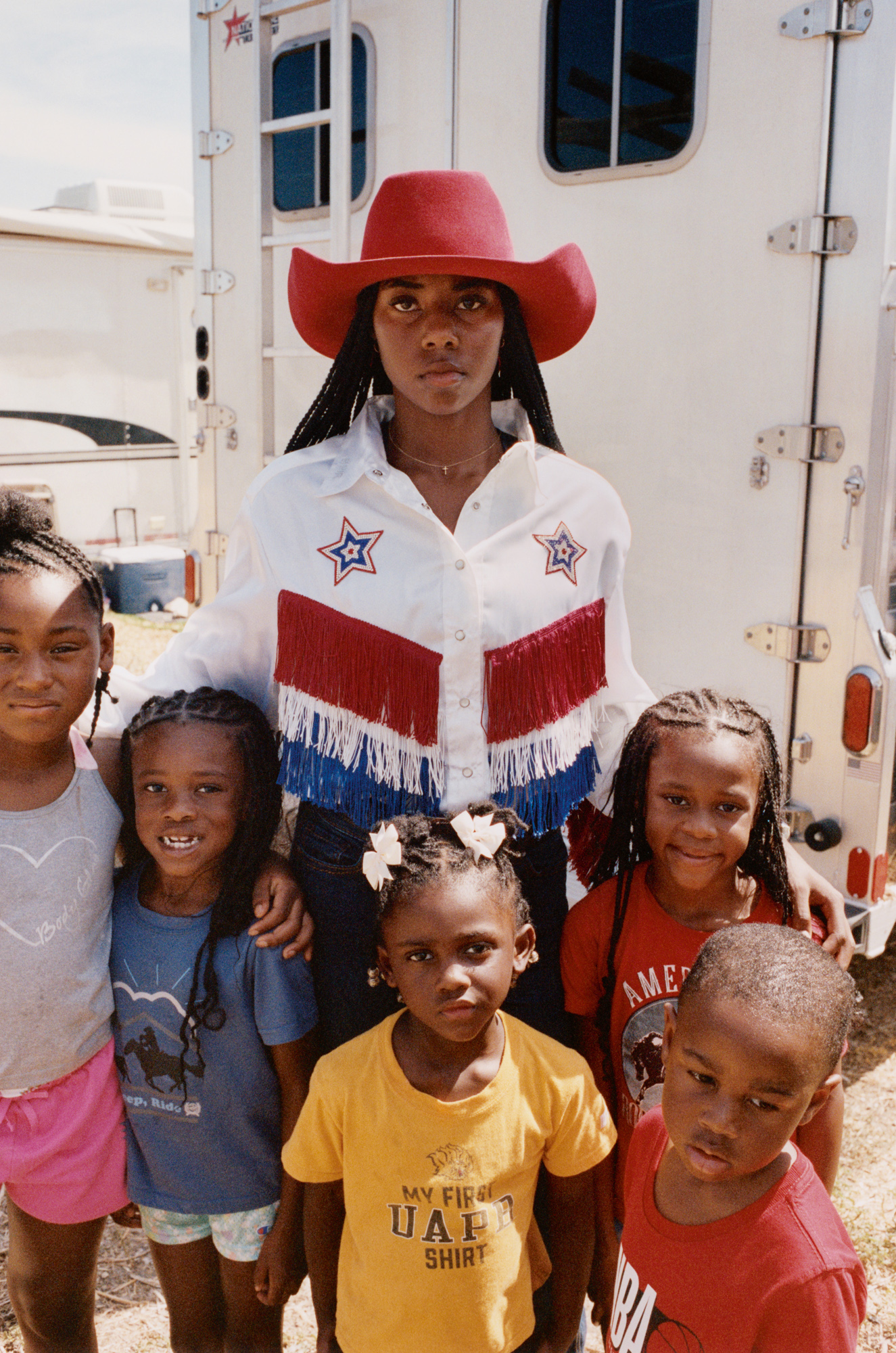
The commitment of the people in the TAAP Archive to these individual neighborhoods is so deep. I don’t necessarily identify as a community photographer. It’s not my job to do that. For me, that is for history to remember and for time to decide the importance and the impact. I always liken it to a song that you completely play out, and you’re like, Man, I just wish I could hear that song for the first time again. I feel that way about photography. I’m always out looking for that feeling or that moment that it does something for your spirit. I’m also sometimes a bit of a sappy person. I love ballads, and I love songs of heartbreak and of love. A lot of that goes into my photographs as well.
There’s also participation from the people within my photographs. They’re also not unaware of these histories and this music. For me, it’s always been about the ability to participate in the retelling of Texas history. So I think of things like this archive, and I aspire for my work to stand as a testament of reality. But also, I feel as though country music, blues, Western, noir have always been about over-the-top reimagining and retelling of the past. So why can’t we also participate in it? That implies the people I’m photographing aren’t these extremely creative and artistic folks themselves. It’s very apparent in the way they present themselves: the dress and the ritual. I’m not the only artist in the situation.
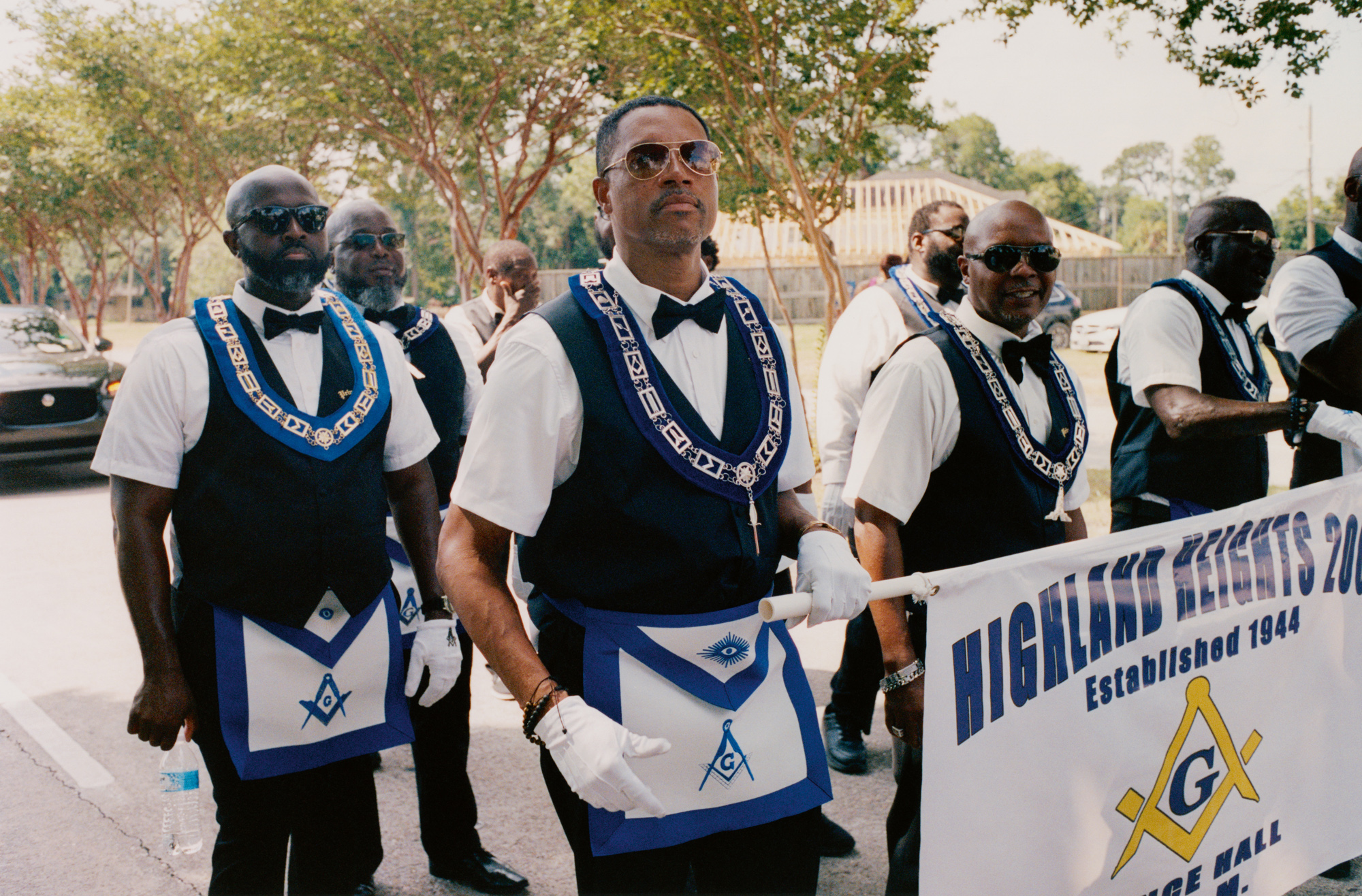
Govenar: Music seems to be a big part of your life. So much of what you’re talking about, in terms of the feeling of making the photograph, and what you’re really after in terms of love and family and a sense of community, is this total immersion in that moment. Do you find that’s true for yourself? When you’re making photographs, what are you feeling?
Fortune: I think a lot about music. One of the singers I really enjoy is the country music singer Keith Whitley, who passed far before his time. And people like him or Vern Gosdin or George Jones—these great ballad artists are people who I really enjoy. My mother took her own life in 2007, and when I was in middle school, my father passed of Lou Gehrig’s disease. So my life has been full of heartbreak. Merle Haggard says, “Someone [told] my story in a song.” And I think about that with my work: “Someone put my story in a song.” My mother is from the Chickasaw Nation, and my father is African American. I’ve always lived in this in-between. And though I joyfully embrace both of my cultures, I also sometimes argue, Is anyone an insider? We’re all somewhere in the in-between. And does anyone ever truly feel a sense of belonging? I’ve always talked about this idea of not walking around wearing your insecurities and feeling as though the world is thinking the worst things about you that you maybe think about yourself. We’re all full of these insecurities, and there’s always a sense of, maybe the grass is greener on the other side. That’s one of the beautiful things about life, and it’s that kind of anguish that makes joy or beauty so worth having.
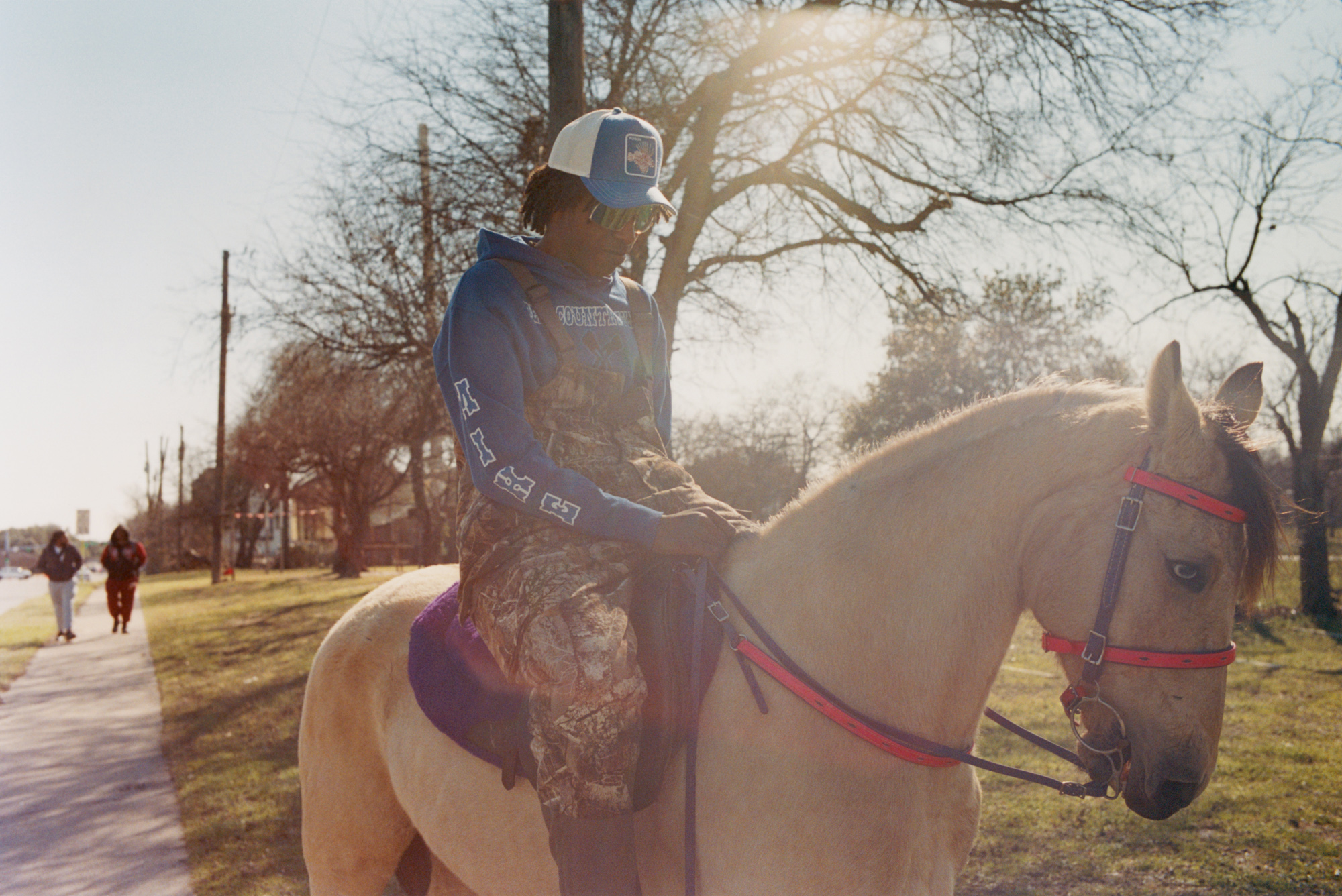
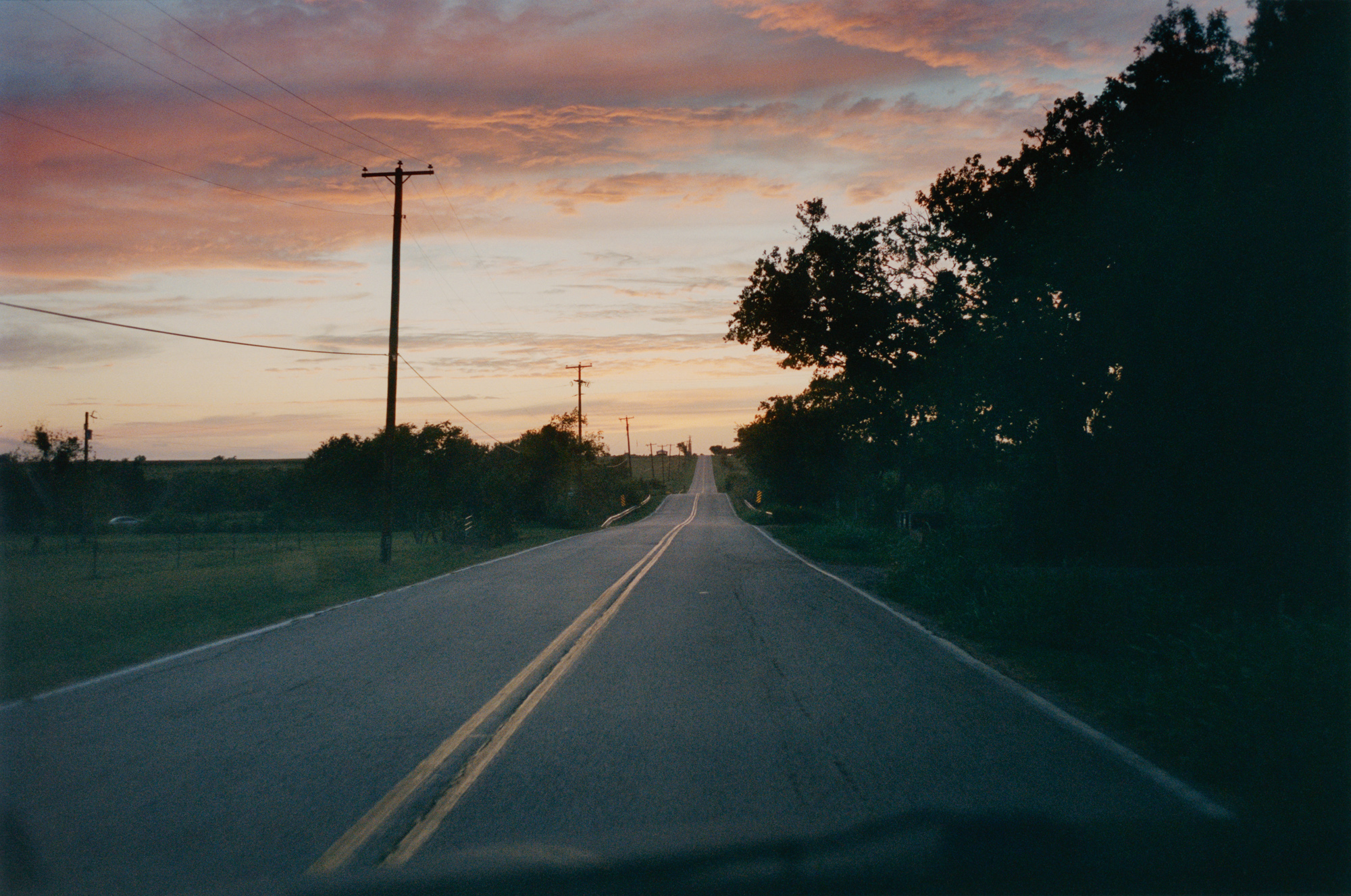
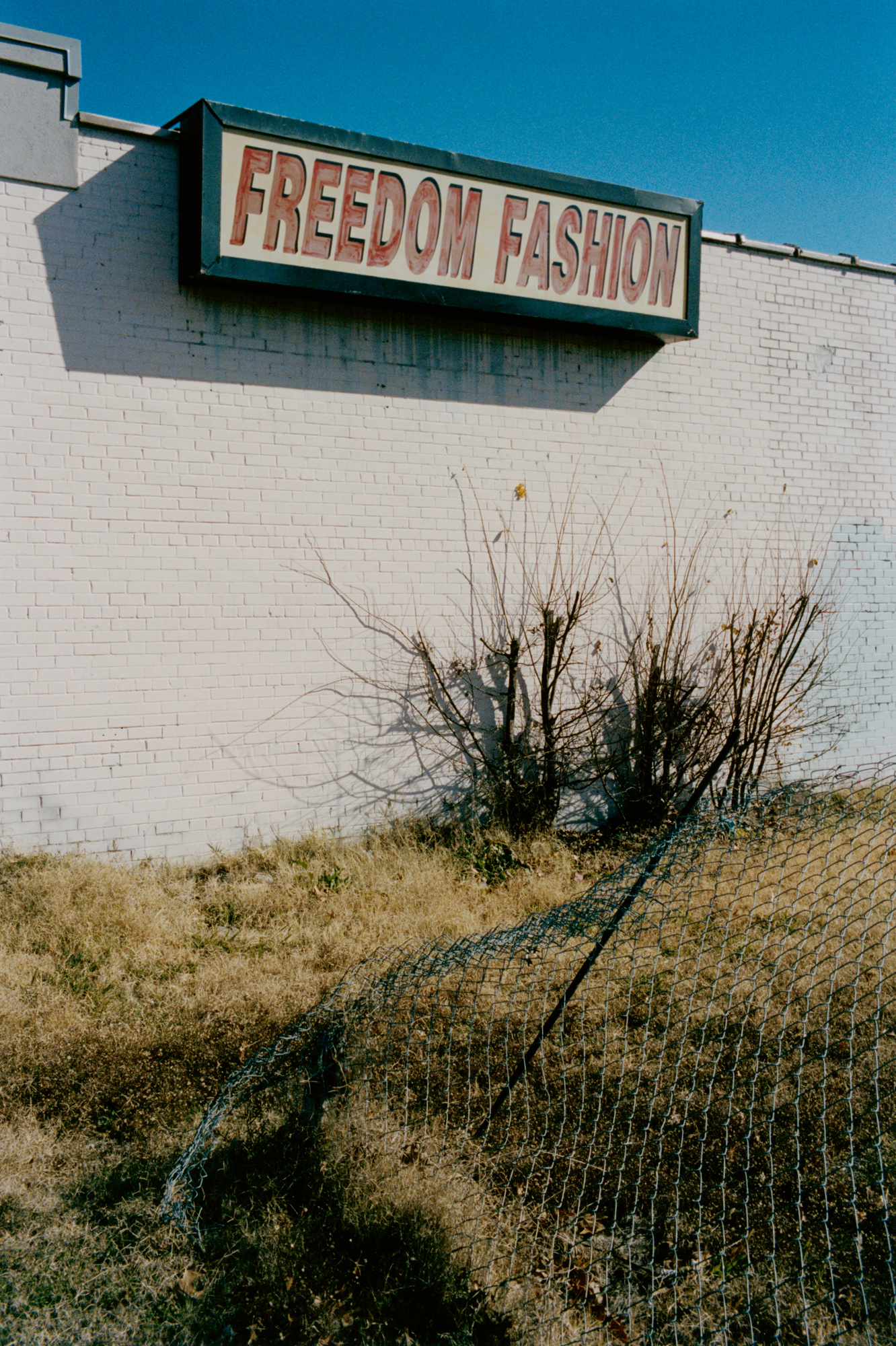
All images from the series Between a Memory and Me, 2024–25, commissioned by Documentary Arts for Aperture. Courtesy the artist
This interview originally appeared in Kinship & Community: Selections from the Texas African American Photography Archive (Aperture/Documentary Arts, 2026).