Interviews
Takashi Homma on His Photobook Philosophy
Since the 1990s, Homma has chronicled the vagaries of fashion and youth culture, suburban life, ocean waves, and radioactive mushrooms, amassing more than sixty publications.
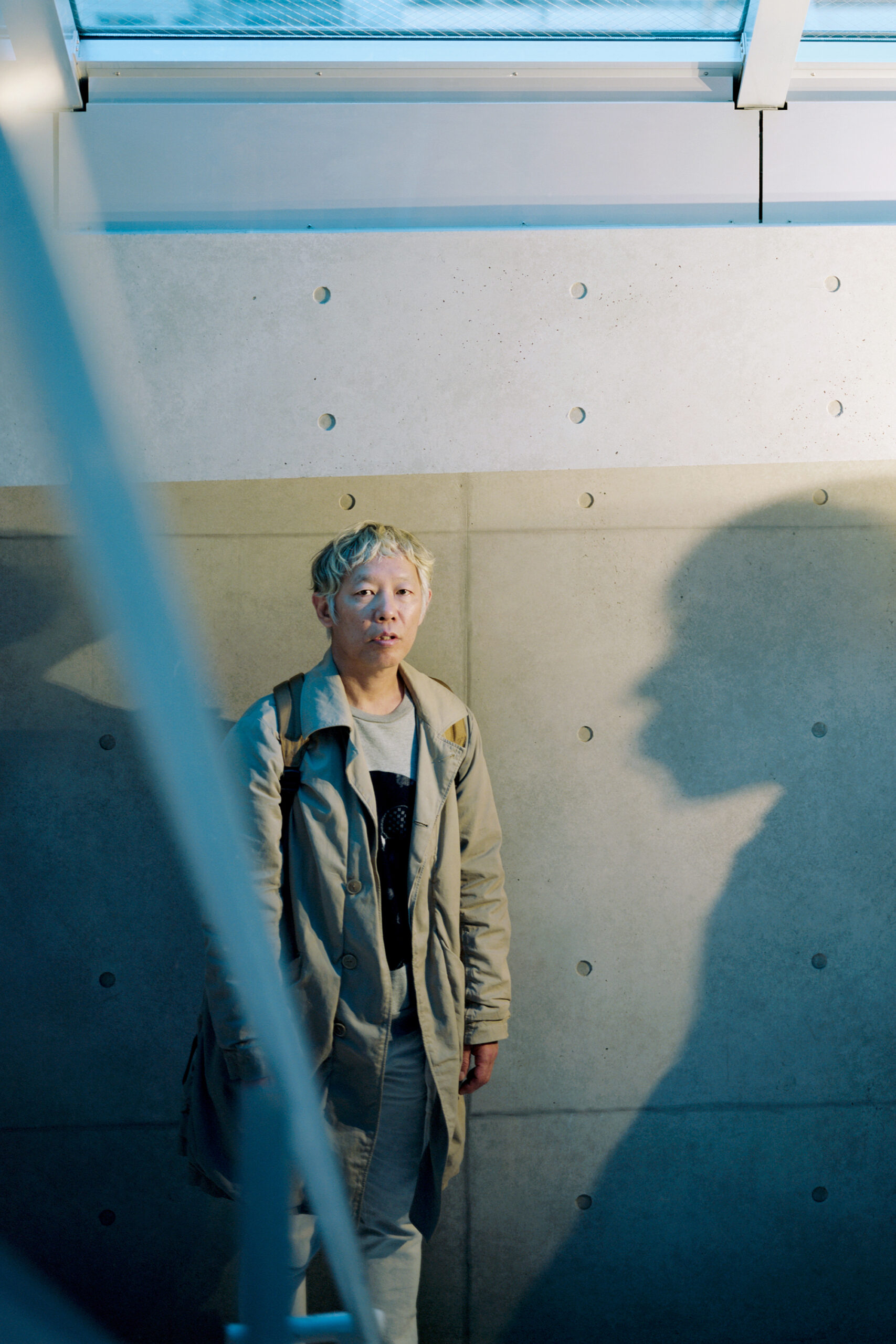

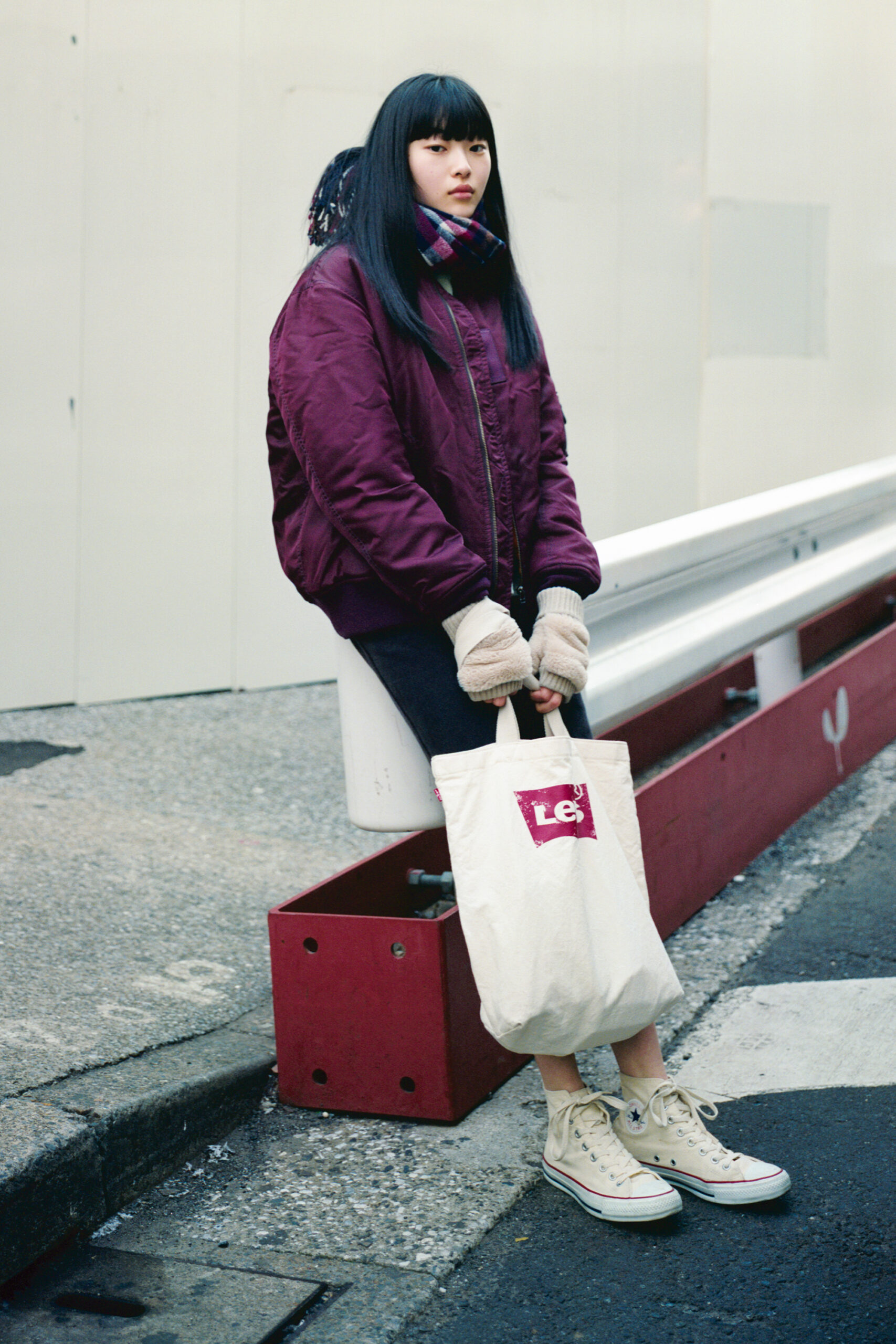
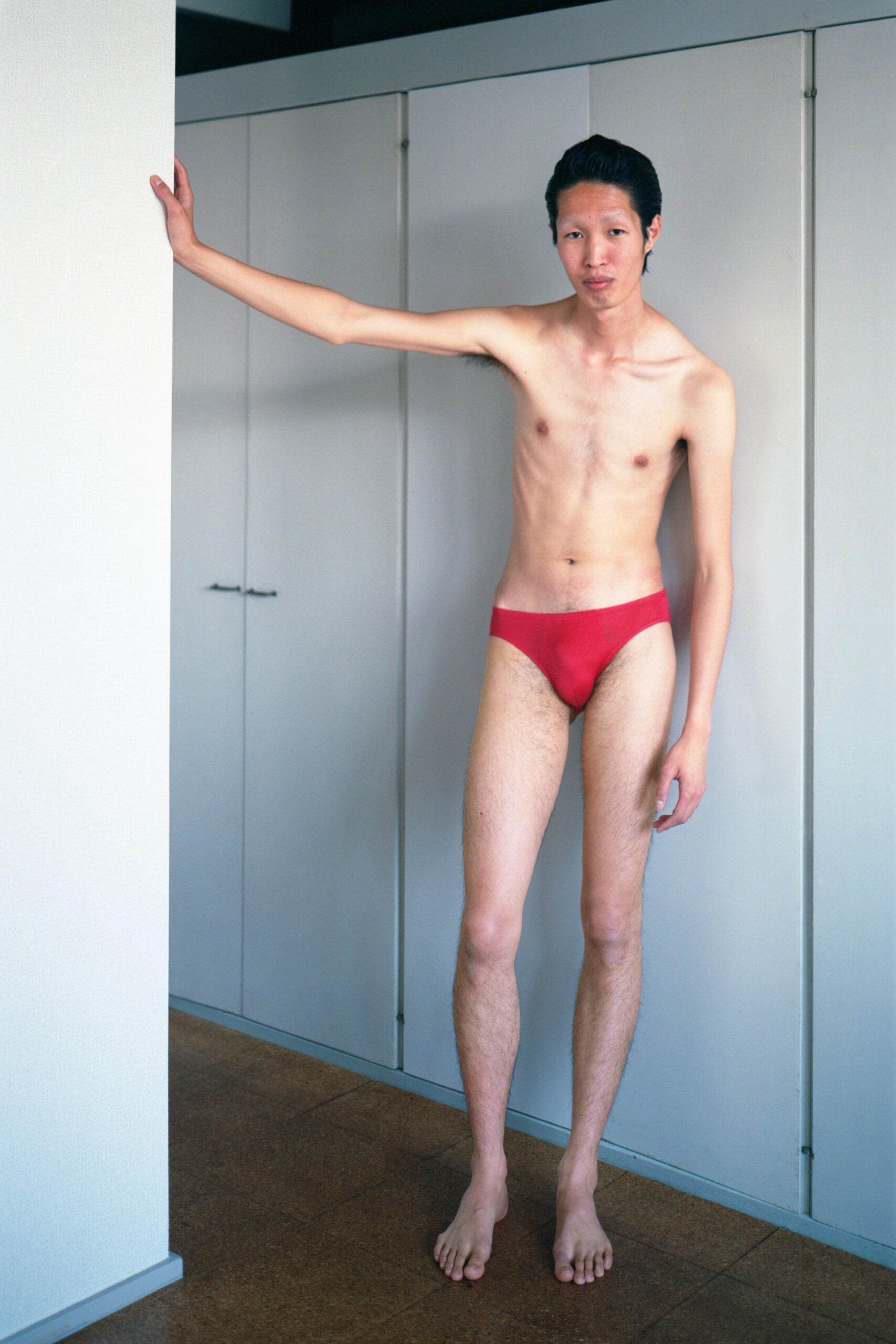
Takashi Homma made his name photographing street style in 1990s Tokyo, during Japan’s so-called Lost Decade. Since then, he’s continued to chronicle the vagaries of fashion and youth culture while also turning his distinct yet discreet eye toward suburban life, ocean waves, and radioactive mushrooms, becoming a pillar of contemporary Japanese photography. Now sixty-three, he has amassed an oeuvre of more than sixty publications, including zines, essays, exhibition catalogs, and, of course, photobooks, most recently Portrait of J (Dashwood Books/Session Press, 2025), a love letter to the ordinary people of Japan. Marigold Warner sat down with Homma at his office in Tokyo to talk about his evolving relationship with the medium, and the city itself.
Marigold Warner: What was the first photobook you ever bought?
Takashi Homma: It was a collection of photographs of Momoe Yamaguchi, a legendary pop idol in Japan. I bought it when I was in high school, and only later realized the photos were taken by Kishin Shinoyama. At the time I had no idea—the only reason I bought it was because I wanted to see photos of my favorite idol.
Warner: What about the most recent one you bought?
Homma: I haven’t bought any books recently. I definitely don’t buy as much as I used to. Half of this room was once full of books, but I’ve cut it down to a small collection. I think the biggest reason for that is the internet. I’m publishing a new text-based book on photography soon, and whereas before I’d have all these photobooks to dig through for references, now I can just look them up online.
Warner: Were there any books that you felt you absolutely had to keep?
Homma: The thinner photobooks, and the rare ones. Definitely not the big hardcovers from major publishers. I don’t like things that feel too authoritative or prestigious, like they were made by an important person. Overseas, they call these coffee-table books. In the end, they just become interior decorations that sit on a fancy living-room table. I prefer the slim books that an artist might put out just for an exhibition at that specific time. Jack Pierson once made this small, zine-like book called Angel Youth (1992). I bought it in the ’90s, and I’ve kept it ever since.
Warner: Who do you see as a real master of bookmaking?
Homma: I’ve always respected Nobuyoshi Araki. He’s published more than five hundred photobooks. A lot of people, especially designers and architects, want to make these grand, heavy books. What I like about Araki is that there’s a kind of lightness to his work and attitude. As people become more famous, they get heavier, more serious, more rigid. But people like me and Araki—real Tokyo people—I think, crave a certain lightness.
Aperture Magazine Subscription
Warner: Tokyo has been a subject of your books since you started out. How do you feel about your home city now?
Homma: It’s love and hate. When I was in my thirties or forties, I probably had a different answer. I thought maybe I’d live abroad again, but at this age, it’s more about what I can do now, within the current situation. Tokyo could be hit by a huge earthquake tomorrow. We all know it’ll happen eventually. When it does, and if I’m still alive, I’ll have no choice but to photograph it. That’s kind of where I’m at now.
Warner: What do you think it is about Tokyo that attracts photographers to make work here?
Homma: In terms of the urban landscape, there’s really no other capital with this level of scrap and build. I was just in Milan and Paris recently, and everything there is built from stone, standing for over hundreds of years. Take Shibuya, for example. This area of Tokyo is constantly under construction, changing so fast it feels like a different person. So, it’s inherently photographic, because photography is best suited to capturing change. Most photographers, I think, take pictures because they love something, or they’re emotionally attached to it. For me, it’s different. For instance, I have a photobook of waves. Everyone always asks me: “Homma-san, do you surf ?” I don’t. Then they ask, “So, you like the sea?” Of course I like it, but that’s not the reason I photograph it. Waves come and go, crashing in differently each time. They’re never the same. I stand there, and when they come, I shoot. Each one is different. That’s the concept that fascinates me.
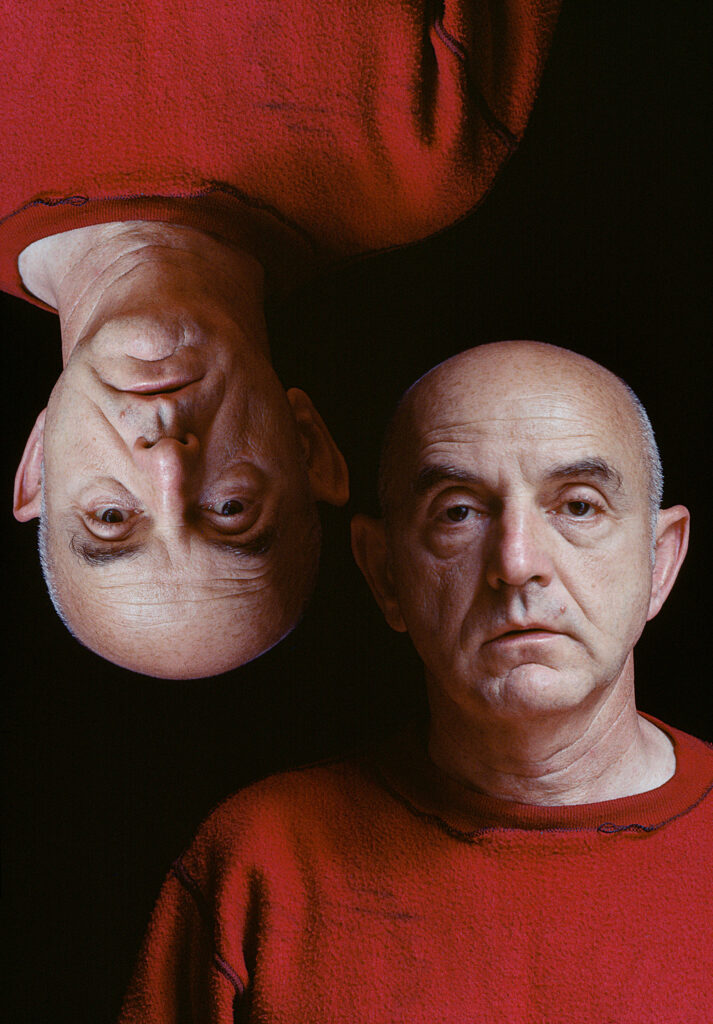
Warner: Your latest book, Portrait of J, presents a collection of images you’ve been taking since 2002. You’ve photo graphed celebrities, friends, children. Is there any particular shoot from the book that stands out to you?
Homma: Not really. They’re all equal to me. For me, famous people and my friends’ children have the same value, and that’s why they’re placed on equal footing in the book. There isn’t anyone in particular who stands out more than another.
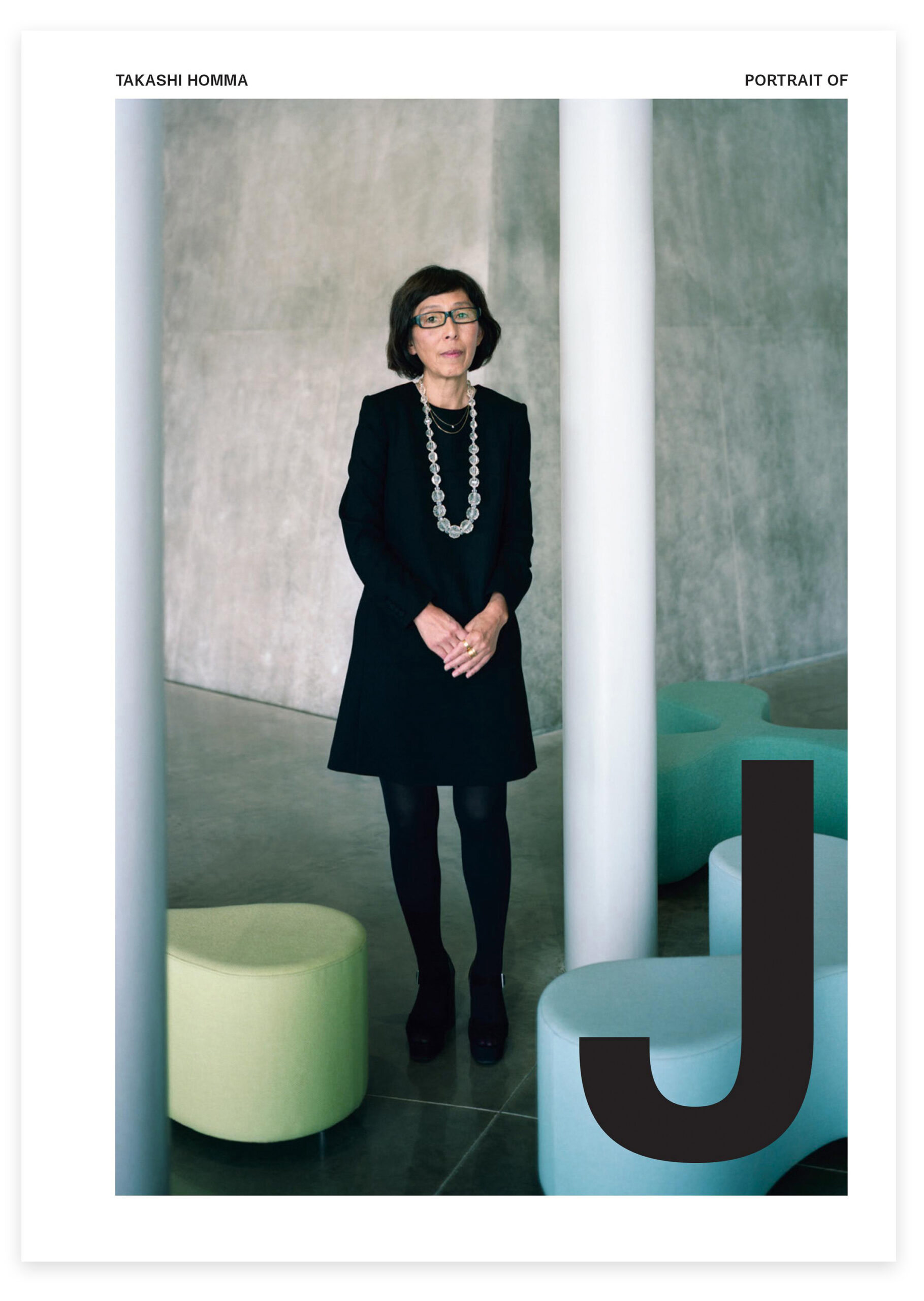
Cover of Portrait of J (Dashwood Books/Session Press, 2025)
Warner: How did you decide on the cover photograph then?
Homma: The cover photo is of the architect Kazuyo Sejima. Wolfgang Tillmans made a photobook of portraits, and his cover features the architect Rem Koolhaas. Mine is kind of a subtle response to that. I’ve also known Sejima-san for a long time, and I knew I definitely wanted the cover to feature a woman.
Warner: And why the title Portrait of J?
Homma: Because we’re Japanese. Also, there’s a guitarist named John Williams who released an album called Portrait of John Williams, in 1982. I thought that was really cool, and that the title was something I could use someday.
Warner: You published the book with Dashwood in New York. Was there anything you wanted to communicate about Japan to an international audience?
Homma: That’s a very Japanese-minded question. Japanese interviewers always ask questions like, “What do you want to communicate?” Well, whatever the artist wants to say is already contained within the work. They made it because they didn’t want to put it into words. Still, if I had to say one thing, last year Japan’s population dropped by almost a million. If this continues, Japan will soon experience a super-aged society unlike anything the world has seen. The Japanese could even become an endangered species. In that sense, I think this book could be important.
Warner: Has the way you make or think about books evolved from when you started?
Homma: When I started, publishing a book wasn’t something you could just do. You couldn’t make a book unless a publisher wanted you to, which is completely different from now. These days, every year there are so many publishers asking me to make something. I just respond to those opportunities and keep publishing. When I was in my twenties, I remember thinking it would be enough if I could publish just one photobook. I never imagined I’d end up publishing sixty.
Since I started, I’ve always decided on about 90 to 95 percent of everything myself. The sequence, the title, the cover—everything. That’s been consistent since my very first book. There are still lots of photographers, especially in Japan, who just throw all their photos at the editor or designer and let them build the whole book. There are definitely a lot of really talented editors and designers here, but I’m more interested in the conceptual side of creating the whole thing, rather than just being a photographer. Wolfgang Tillmans is similar in that sense. He always says in interviews that the actual photographing part is quick. The real time is spent thinking deeply about how to present the work, how to exhibit it, or how to make it into a book. I think that’s natural, but in Japan it’s different. When I first started working that way, Japanese critics and editors said terrible things about me. Kōtarō Iizawa, a once-prominent critic who has totally lost his influence now, once said something like, “Inside Homma, there are two people, a photographer and an editor. And that is not good.”
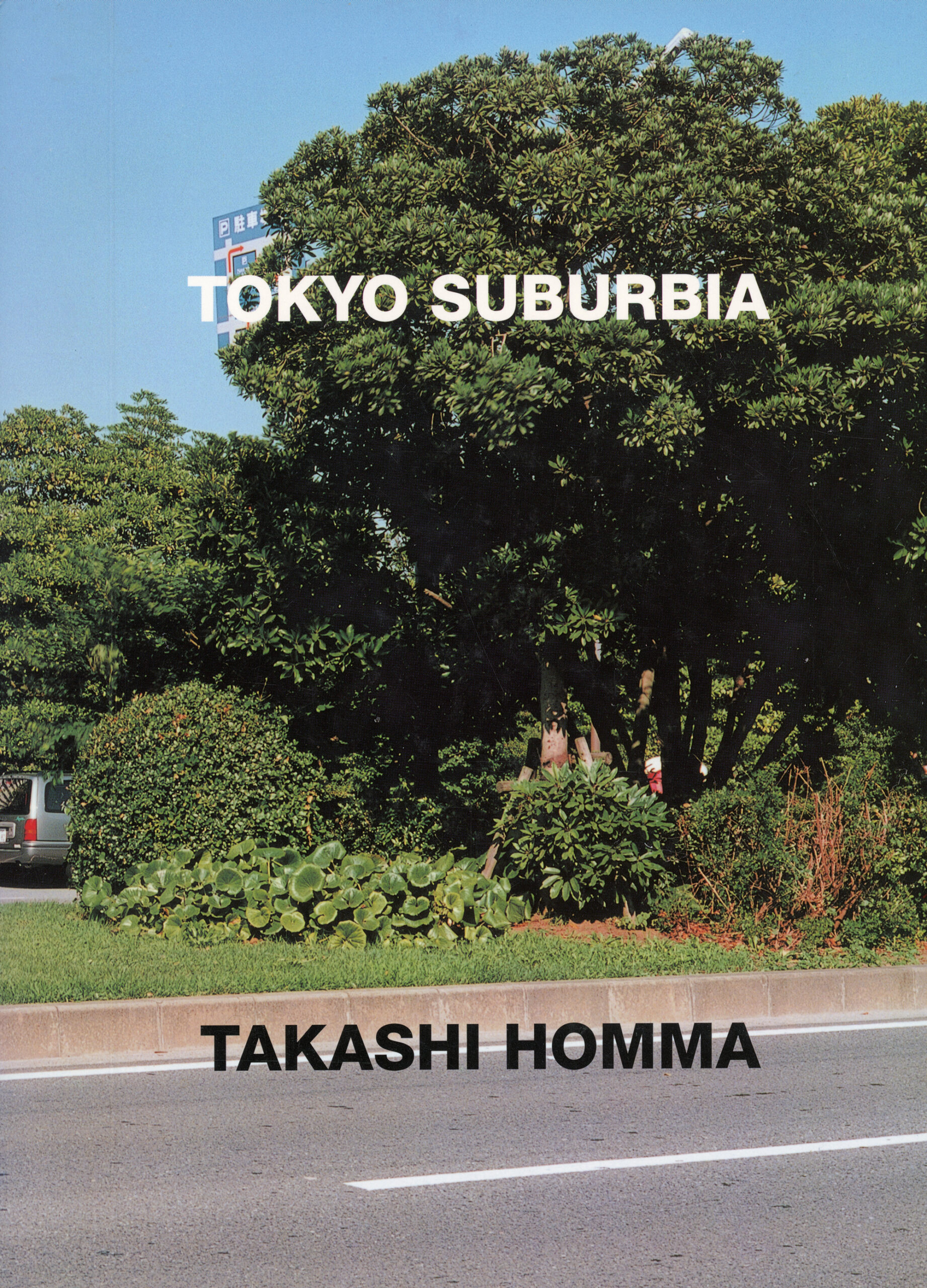
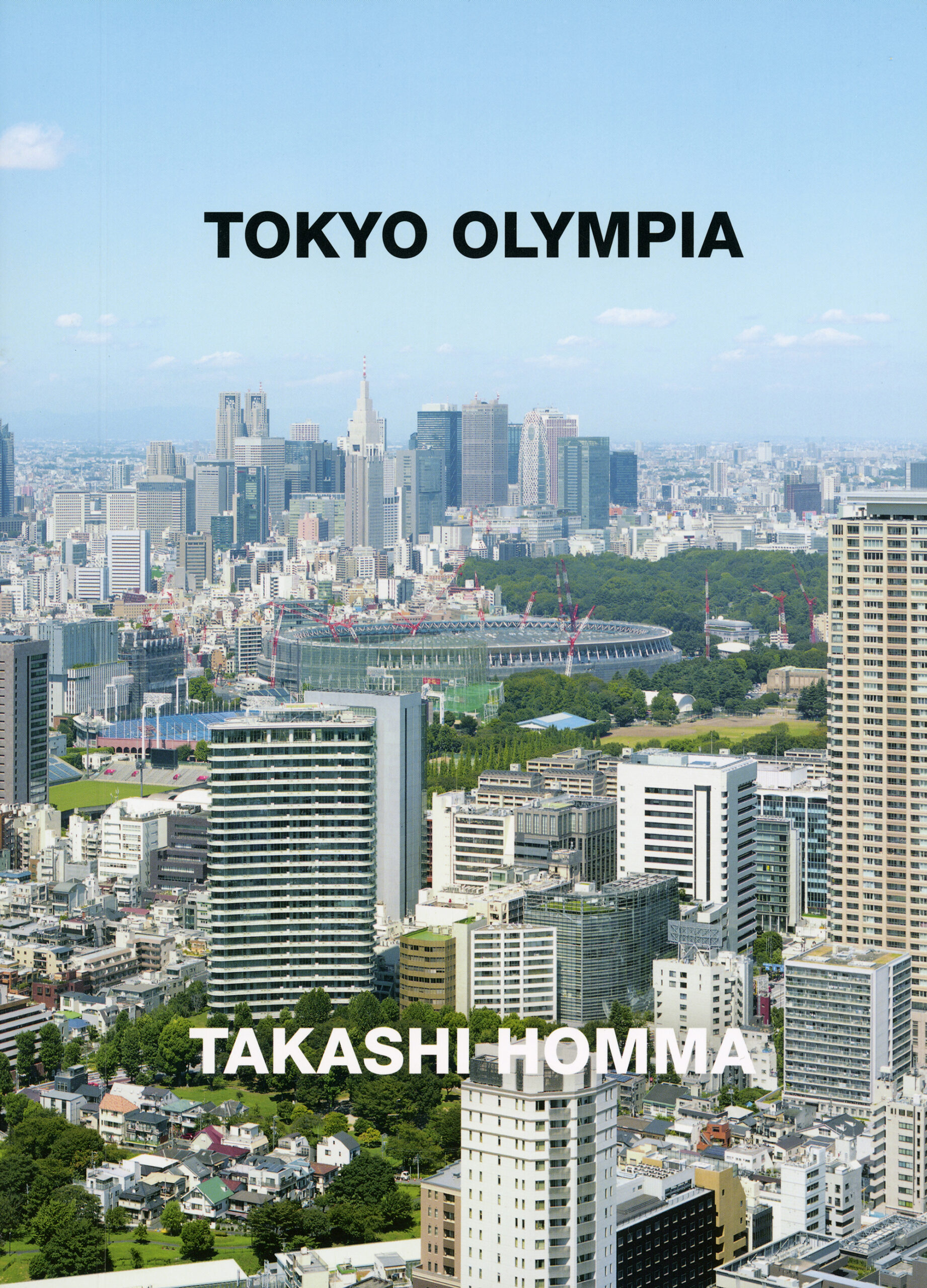
Warner: In your view, what makes a good photobook?
Homma: First of all, it needs to be easy to read and easy to open. Some designers get too obsessed with special bindings, putting it in some annoying plastic case, or tying it up with strings. I like books where you can access the photos directly, and light ones, like zines. When I was living in London in the early ’90s, there was a photobook store that sold these really thin books of about sixteen or twenty-four pages called “loose books.” One of them was by Nigel Shafran, I think it was photos of his wife before they got married. It’s too thin to really call a photobook, but it’s good. That’s what makes a great photobook—when it’s good on its own terms.
Warner: Some of your older photobooks are now sold as rare items at high prices. What do you think of that?
Homma: Photobooks don’t usually get reprinted, that’s just how it is. So, they naturally become rare. Even though I’ve published over sixty photobooks, I’ve hardly received any royalties. Most of the time, it’s payment in copies.
Warner: I suppose making books isn’t something you do for money.
Homma: I was just talking about this the other day, and the question is always, “Why do you do it,” right? For me, it’s just part of daily life, like eating or exercising. It’s not something I have to do. It’s something that has to happen.
This interview originally appeared in Aperture No. 262, “The End of Nature?”, in The PhotoBook Review.