Photography has a new home in New York. Come visit us at 380 Columbus Avenue!
By using a copier to reproduce other artists’ photographs, Aaron Stern raises questions about authorship, circulation, and the persistence of the printed image.
How did the pop star fall for the Beirut-based photographer’s sultry images?
In James Van Der Zee’s funeral home portraits, Garrett Bradley and Camille Bacon find the quiet contours of Black grief.
The art world’s multitasker par excellence speaks about image archives, fusing Japanese and West African traditions, and the possibilities of creation.
The curator Oluremi C. Onabanjo speaks about Africa’s political transformations and the role of publishing in shaping artistic knowledge.
Mark Steinmetz and Irina Rozovsky discuss the mysteries of the darkroom and the gifts of close looking.
The street photographer speaks about New York City folklore, stepping away from Instagram, and his shifting priorities as an artist.
In Switzerland, an exhibition reveals the collective vision of a young generation.
For over two decades, the Mexico-based artist has produced a compelling network of inquiries about social, urban, and environmental issues in Latin America.
For five decades, the photographer and jewelry designer has chronicled hip-hop, fashion, and New York’s cultural scene with unparalleled style.
In an interview, McCullin speaks about navigating the battlefield, his fascination with ancient Rome, and how he finds drama in the landscapes of England.
In mural-scale portraits of high schoolers, soldiers, and other social types, Oh subtly dramatizes tensions between collective and personal identity in Korean society.
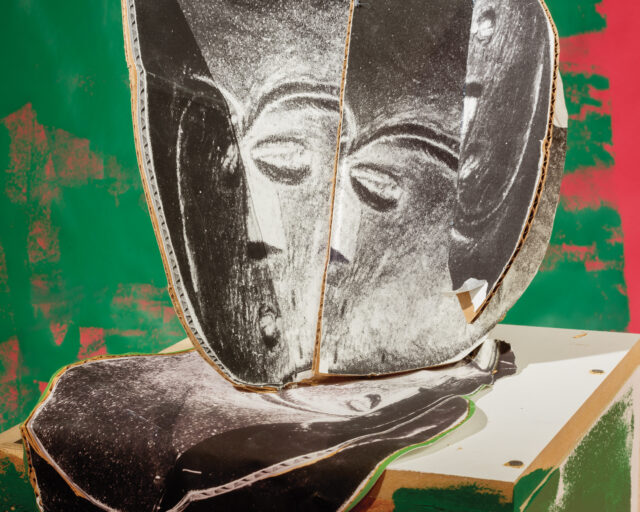
In his project “A Reprise,” the photographer remixes Walker Evans’s images of African sculptures—and poses bold questions about what we consider fake or original, art or archive.
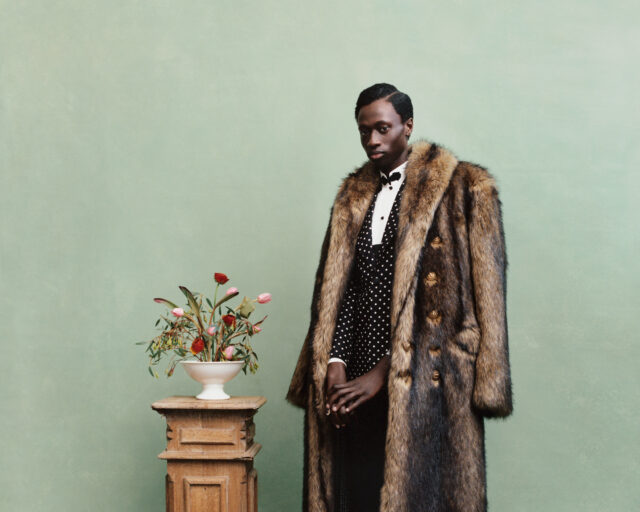
Elizabeth Way, Kimberly Jenkins, and Ekow Eshun consider what it means to be a Black dandy—and how the figure functions in diasporic culture and history.
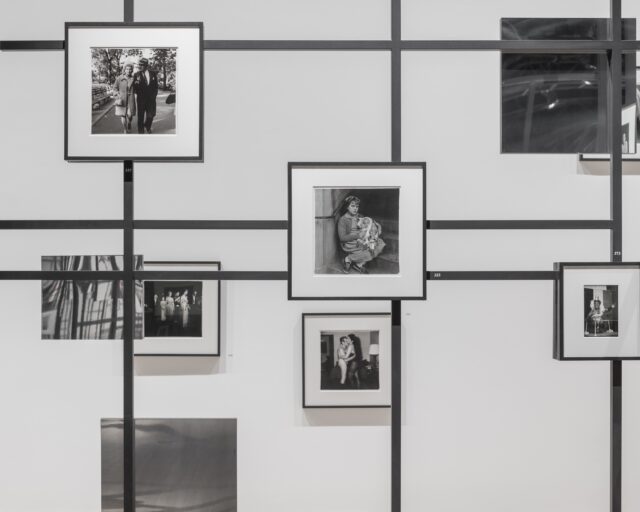
Neil Selkirk—the only person authorized to print from Arbus’s negatives—shares rare insight into the photographer’s extraordinary breakthroughs.
Pérez is known for making images that appear both performative and diaristic. Here, the photographer opens up about finding and celebrating friends, family, and community, frame by frame.
Avedon was renowned for his fashion photography and celebrity portraiture, but in the 1970s he made indelible images of coal miners, cotton farmers, and cowboys.
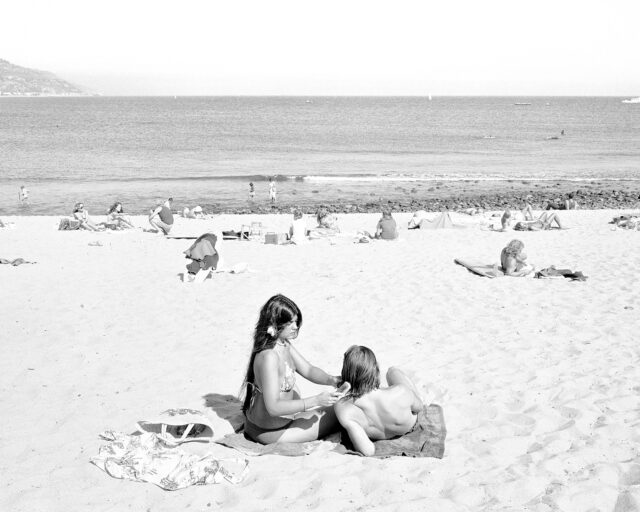
Tod Papageorge speaks about his photographs of skin, swimsuits, sand, and surfboards—and what it’s like bringing a medium-format camera to the beaches of Los Angeles.
The fiftieth anniversary edition of a…