Portfolios
Searching for Truth on the Set of “The X-Files”
In the early 2000s, John Divola photographed the soundstages of the classic sci-fi show, revealing a world suspended between illusion and apparatus.

Since the early 1990s, John Divola had wanted to photograph sites where miracles were said to have happened. But, as he later recalled, such places were scarce in the United States. He pivoted to American mythology, photographing Walden Pond and the battlefields at Gettysburg and Little Bighorn. Back home in Los Angeles, he trained his camera on storefront churches, adult bookshops, liquor stores, and psychic parlors—vernacular spaces promising an “intensity of experience” beyond the banalities of the “instrumental universe,” he told me. Still, his original idea lingered.
Miracles may be rare in American life, but they were a routine occurrence on The X-Files. Week after week, special agents Fox Mulder (David Duchovny) and Dana Scully (Gillian Anderson) probed the veil of the ordinary, investigating a shadow government conspiring with extraterrestrial colonizers while encountering paranormal phenomena from alien abduction to angelic visitation, immaculate conception to resurrection. In 2001, Divola ran into a former student working as a production designer on the cult television series. He gained access to the soundstages on days between shoots and, with that, to the miraculous by other means: a prime-time transcendentalism torqued by UFO religion, millenarian anxiety, and the anti-institutional posture of Gen X.
“In large part, our aggregate representational knowledge of the world is based on planted and fabricated evidence.” This bite of Mulderish paranoia is, in fact, a line of Divola’s from Continuity, his 1997 book of 1930s set stills—found images once intended to ensure seamless transitions between frames. Such showbiz dross was pervasive in the postwar LA of Divola’s youth. As a kid, he roamed an old movie ranch in the hills around Calabasas. As a young man, around the time he composed the derelict seascapes of his breakthrough Zuma series (1977–78), he photographed MGM’s crumbling New York back lot as it was slowly dismantled.
When Divola chanced upon The X-Files, its heyday was likewise past. The show’s woo-woo metaphysics and will-they-or-won’t-they romance (spoiler alert: they will) were no match for the invasion of prestige TV and the bipartisan credulity of the emerging War on Terror. “Even if The X-Files hadn’t self-destructed, it still would have been pushed into irrelevance by the events of Sept. 11,” went a postmortem in The New York Times, printed ahead of its would-be finale. (Unwilling to let good IP go to waste, Fox reopened The X-Files for two seasons in 2016 and 2018. A third is reportedly in development with Ryan Coogler.)

Aperture Magazine Subscription
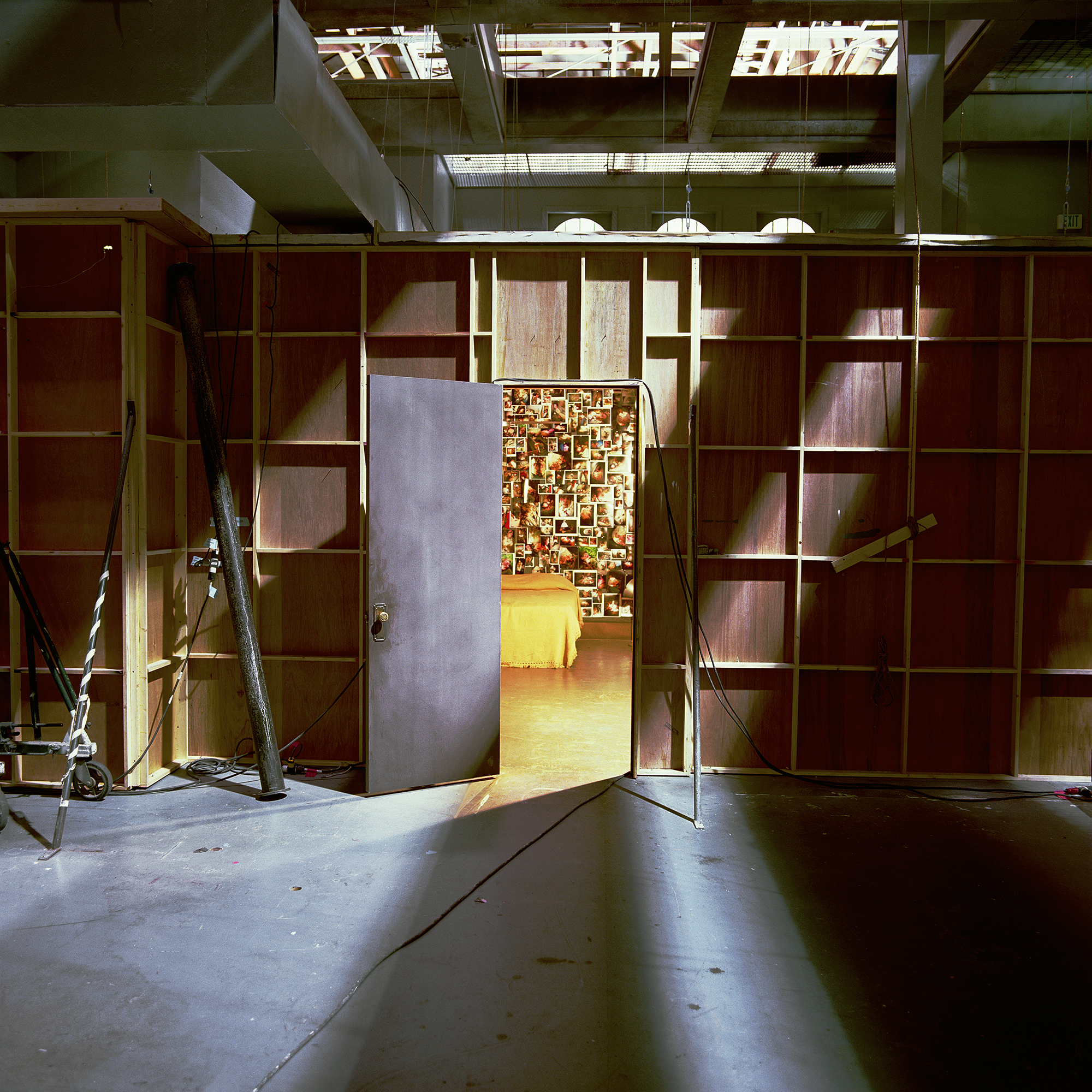
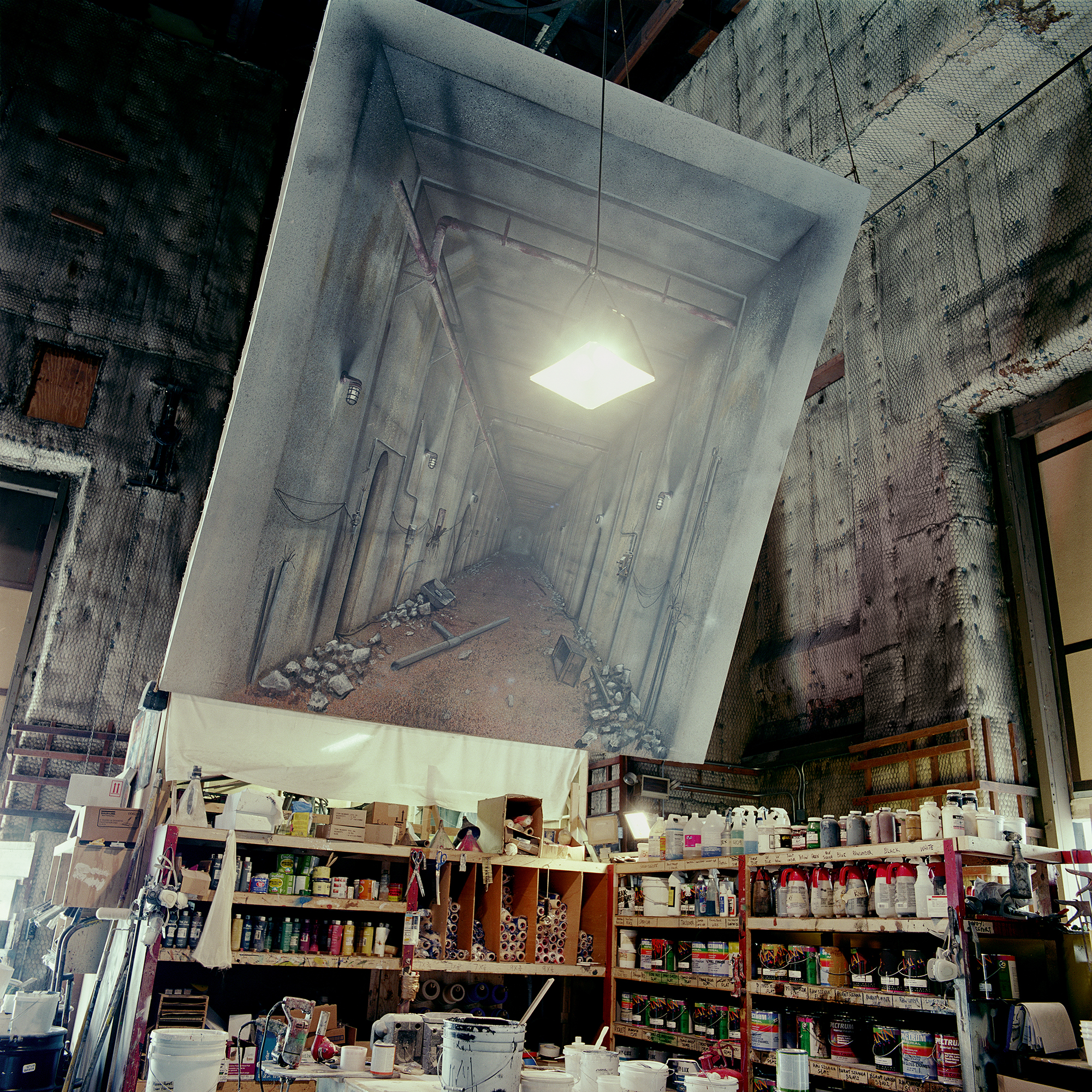
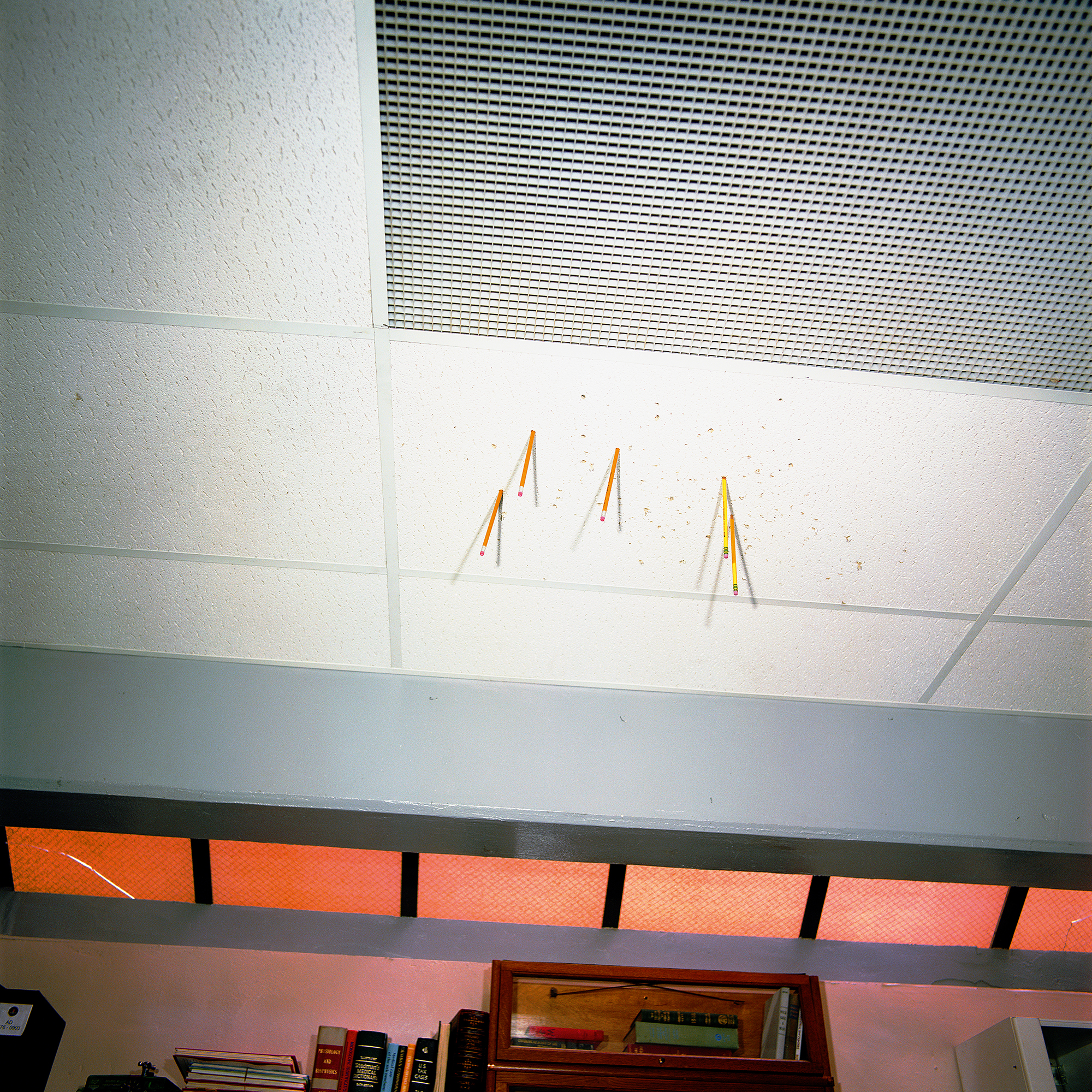
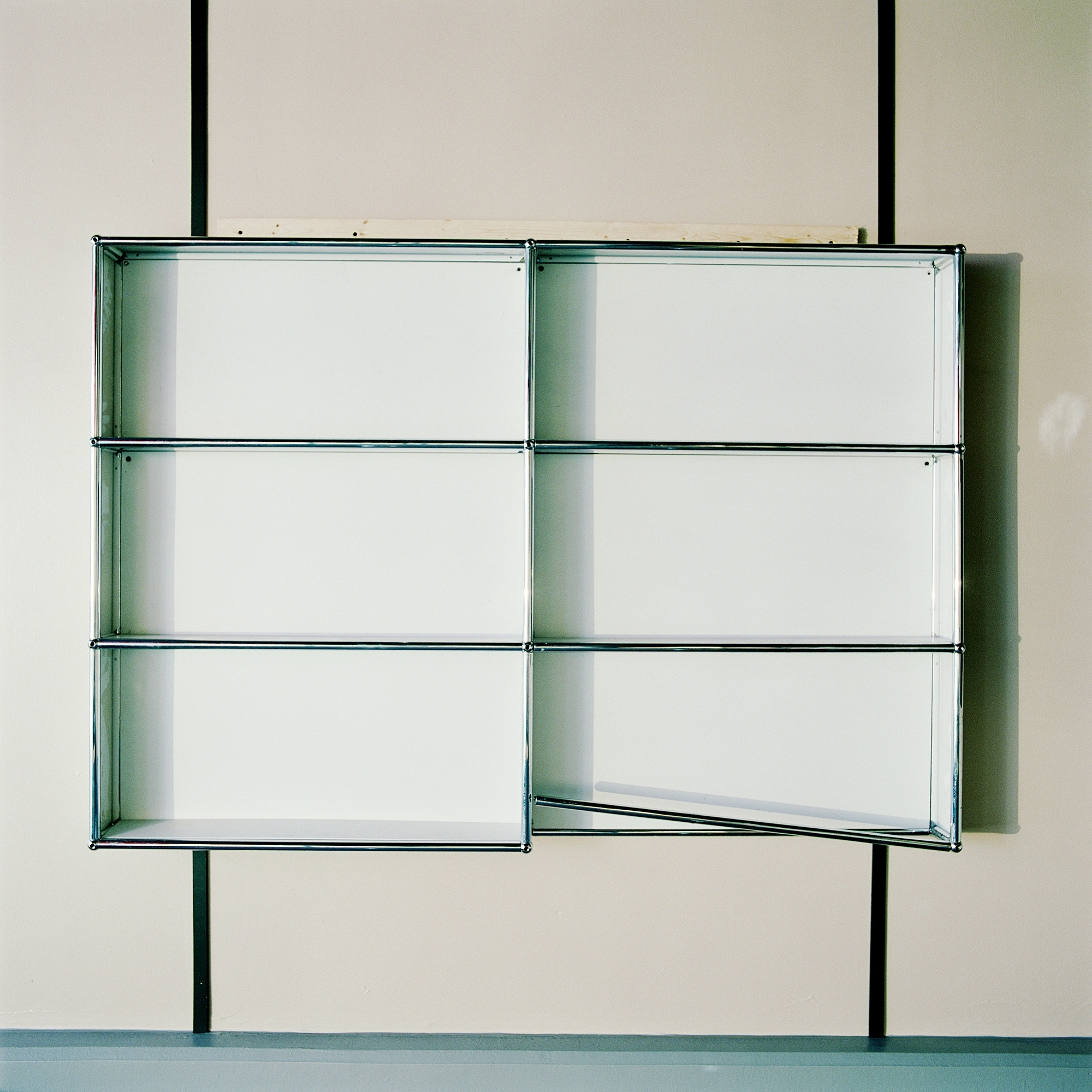
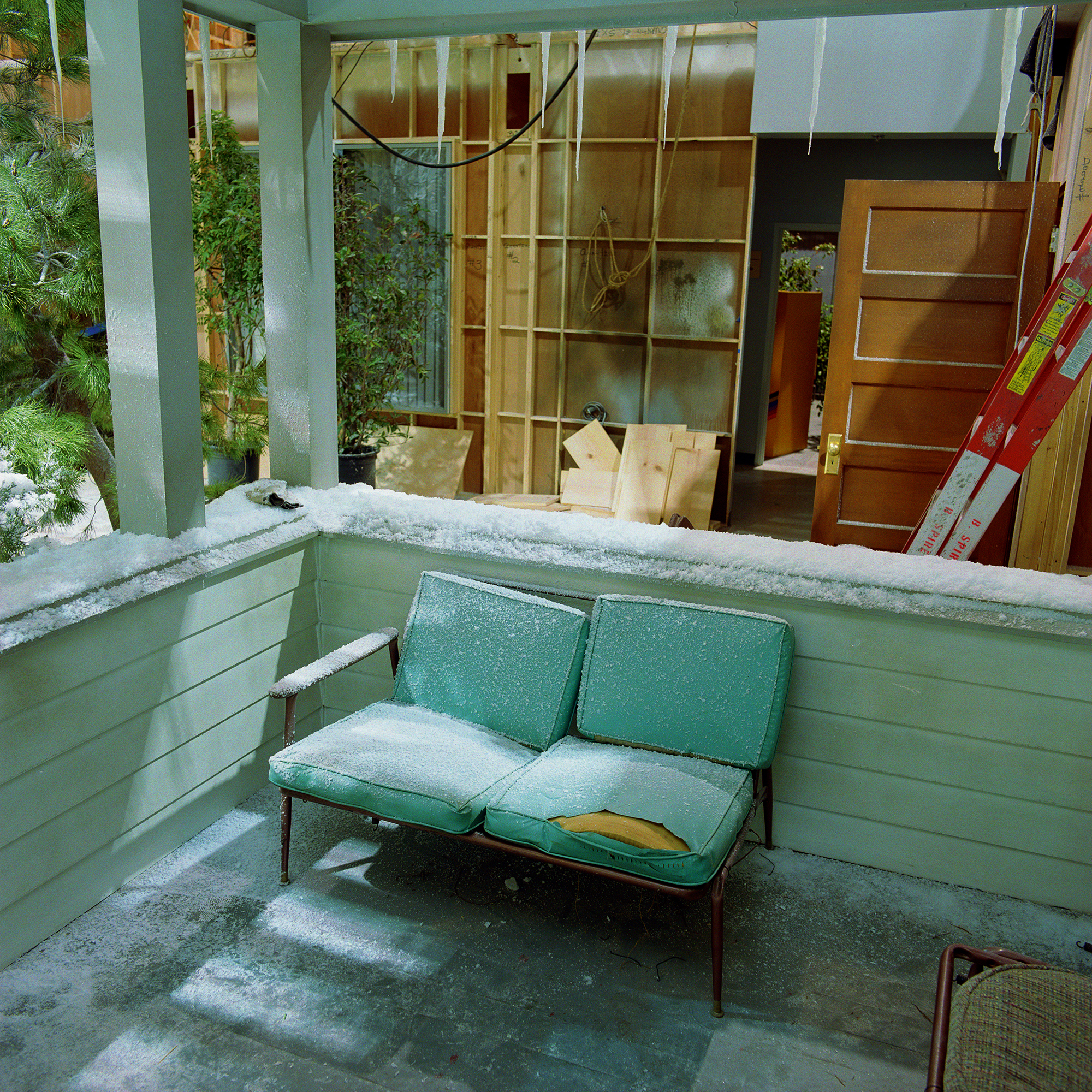
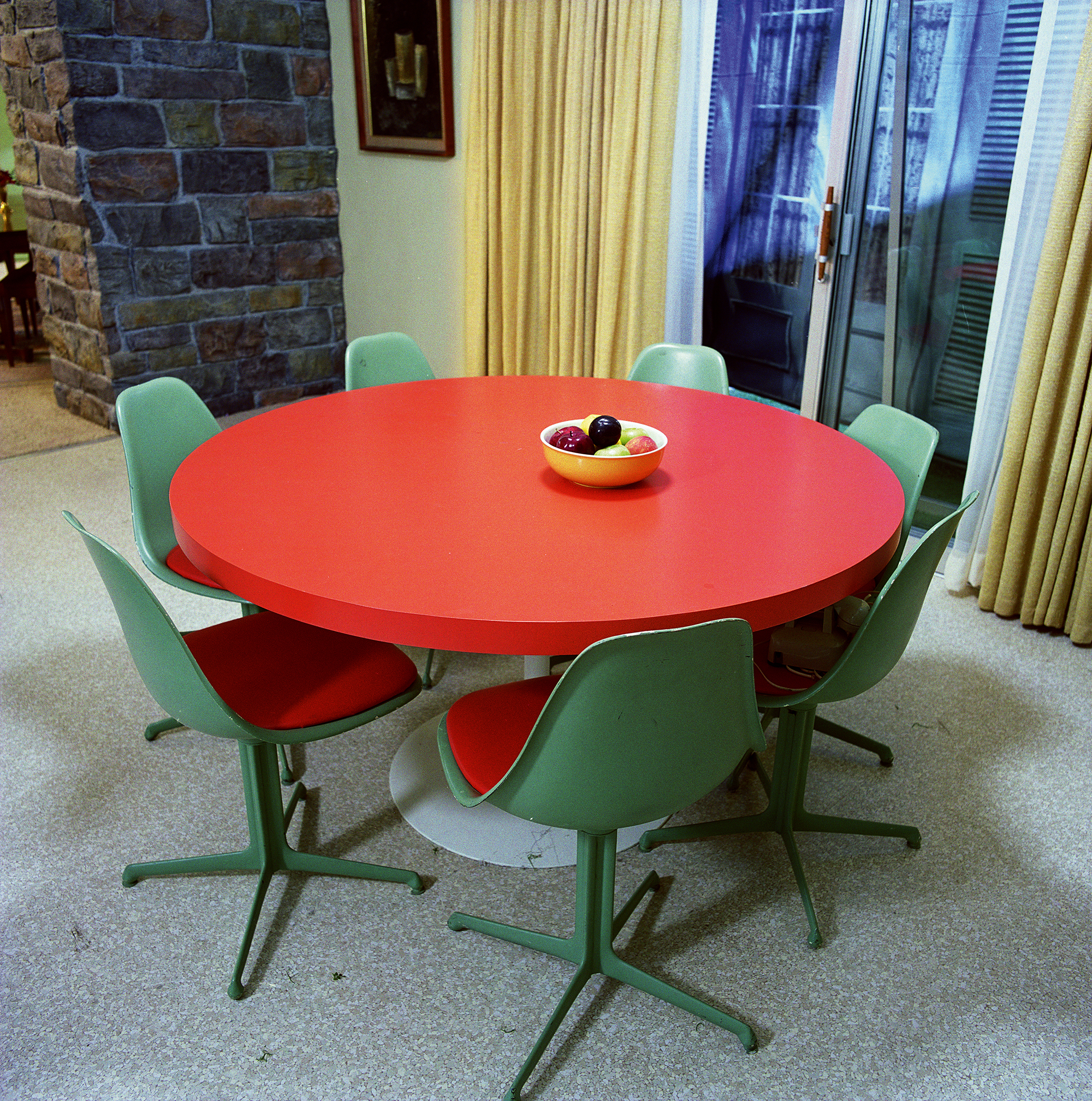
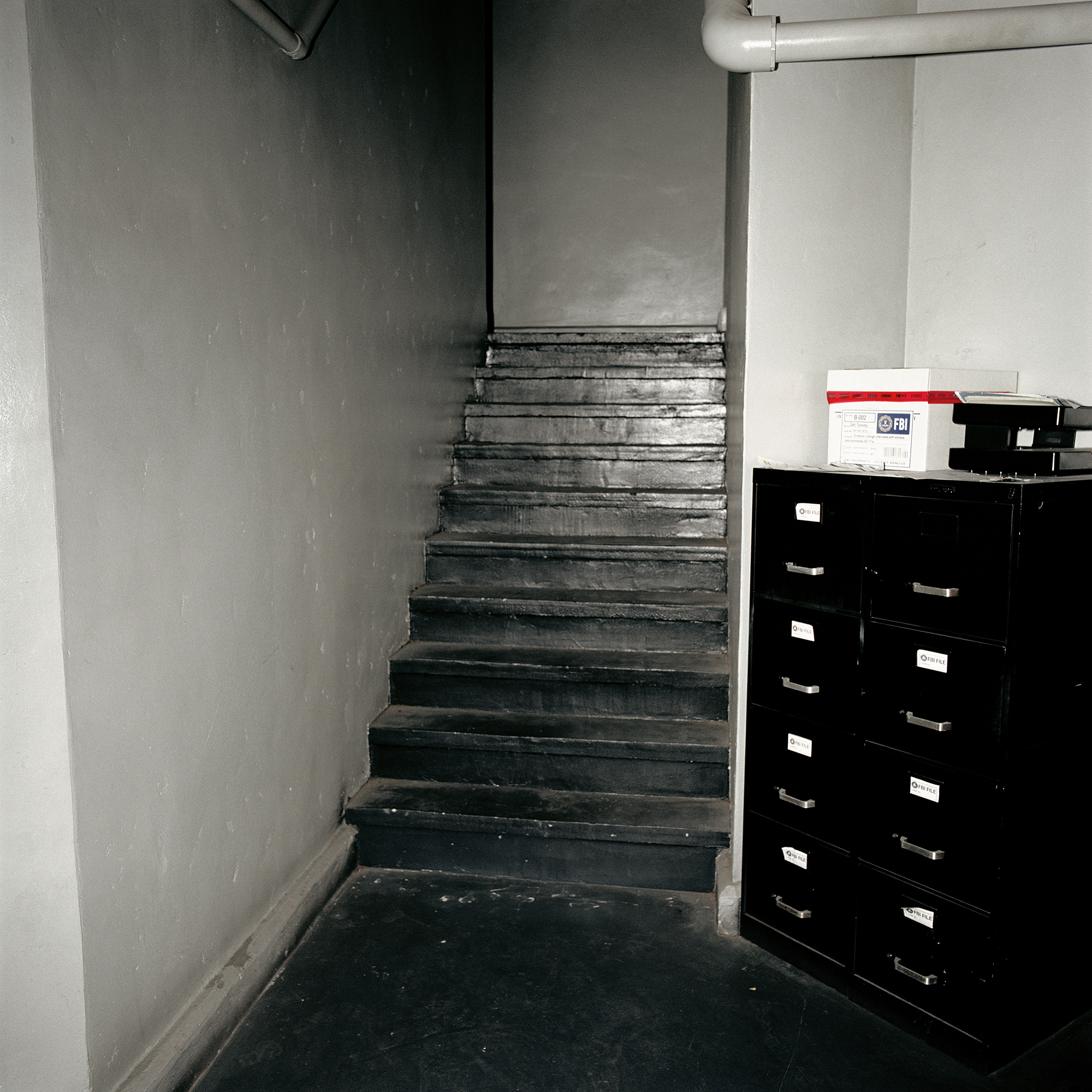
Evacuated of narrative clues and actorly charisma, the images in Divola’s X-Files series (2002) exude the clinical chill of forensic photography. The camera treats illusion and apparatus with equal interest: A bedroom papered in grisly crime-scene photographs exposes its particleboard backside; a painted backdrop of a sinister, infinitely regressing hallway looms over a utility shelf stocked with paint buckets and other tools of the prop master’s trade. Duchovny was largely absent from the show’s final seasons due a contract dispute, and dedicated X-philes will recognize Mulder’s deserted subbasement office, its acoustic drop ceiling riddled with yellow pencils. Wandering the steely bowels of the show’s soundstage for the FBI’s Hoover Building, Divola happened upon a surprise: a cluster of kitschy 1970s interiors that looked like sets from The Brady Bunch. And, in fact, that’s what they were. Furnished with fieldstone veneer, high-pile shag, and an avocado dinette, these rooms appear in the original X-Files’s penultimate episode, in which a lonely man psychokinetically transforms his mangy bachelor pad into the Bradys’ cheerful mid-century ranch, haunted with phantoms of the happy family he never had. But the split-level dreamworld exacts a bodily price. Lest his organs fail, he must relinquish the simulacrum and learn to live—and love—in the real world.
Scrape off some of the after-school-special syrup and you might find a parable about the trap of nostalgia, the toll of AI, or the tenacity of Divola’s art, which, for all its self-conscious sophistication, insists on contact with the world at the very moment when illusion becomes most seductive. “I’m old-fashioned,” Divola told me. “I see all of my work as artifacts of a lived life, and I want my work to be representative of my time, place, and circumstance in the world.” Truism though it may be, the truth is out there still.
© the artist
This article originally appeared in Aperture No. 263, “Secrets.”