Essays
Takuma Nakahira’s Essential Writing on Photography
A new book of essays by a crucial figure of Japan’s Provoke movement shows how Nakahira relentlessly interrogated photography’s relationship to power.
In 1962, Takuma Nakahira mailed a letter to Fidel Castro, expressing his desire to become a volunteer soldier for the Cuban Revolution. At the time, Nakahira was majoring in Spanish and participating in various leftist study groups about Latin America. In an article written about ten years later, Nakahira stated that the reply from Castro’s secretary came back: “We are more than capable of defending our own country; you should fight in yours.”
This early, perhaps apocryphal image of Nakahira nevertheless crystallizes a few key aspects of his work: a sustained interest in leftist politics, a field of view extending well beyond the borders of Japan, and also something of an impulsive streak. The writings that are collected in At the Limits of the Gaze: Selected Writings by Takuma Nakahira—the first collection of Nakahira’s essays to be published in English—might be called the result of the encounter between these expansive concerns and the specific medium of photography. That is why, even today, his written work invites us to consider photography not only as a creative medium but also as a means of questioning power.
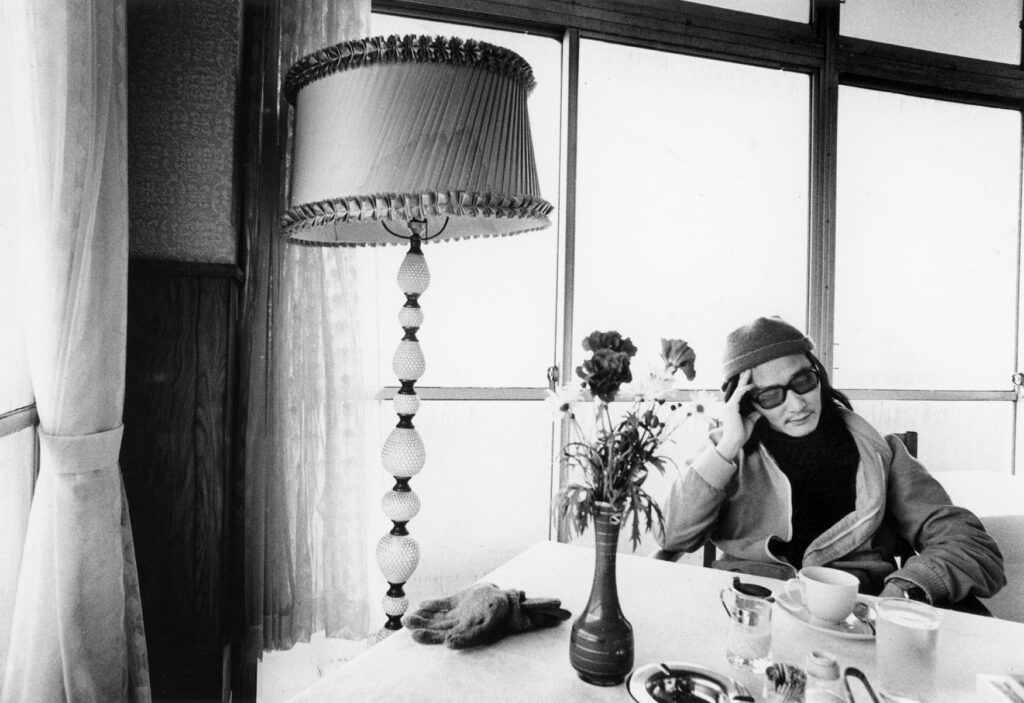
© The Estate of Isao Sekiguchi
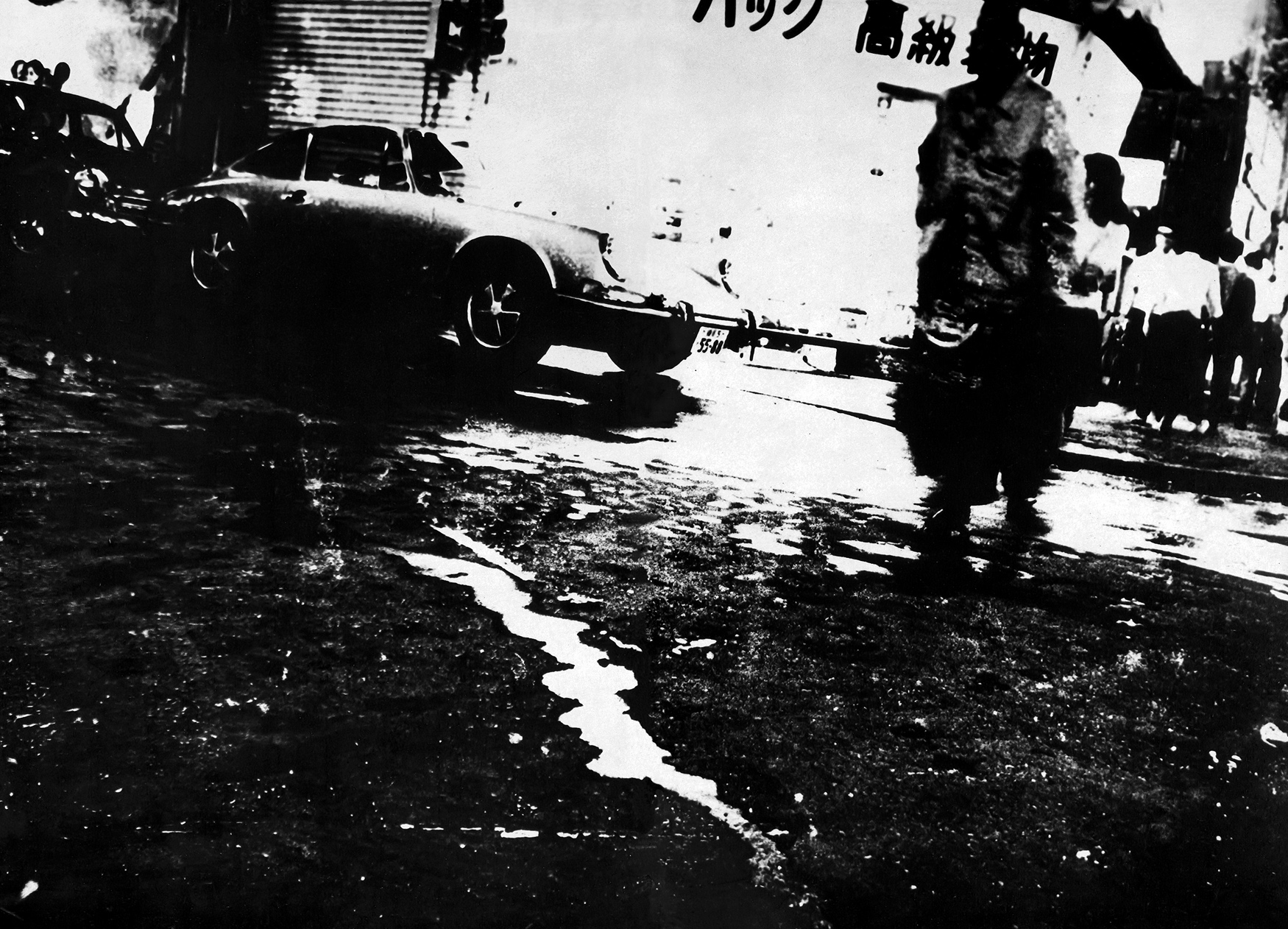
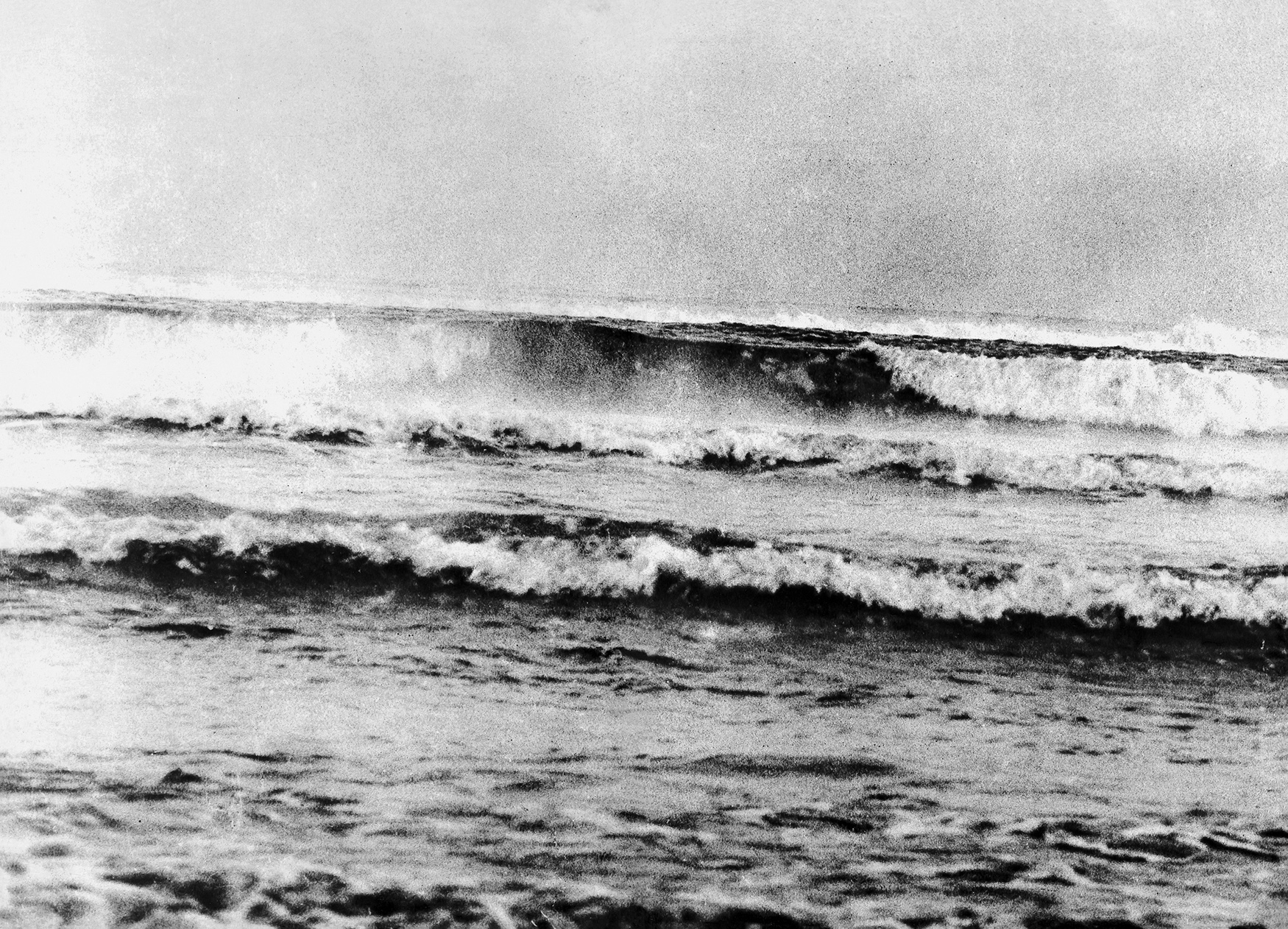
After graduating college, Nakahira worked in Tokyo as an editor for the left-wing journal Gendai no me (Contemporary eye). This work put him in touch with major cultural figures of the day, including the poet and underground theater director Shūji Terayama and the photographer Shōmei Tōmatsu. Through Tōmatsu, Nakahira came to meet other prominent photographers like Yutaka Takanashi and Daidō Moriyama, as well as the critic and editor Kōji Taki. Soon enough, Nakahira quit his editor job and became a photographer. Along with poet and art critic Takahiko Okada, Nakahira, Taki, and Takanashi collectively founded the magazine Provoke in 1968, with Moriyama joining for two of its three issues. Setting out to reject established modes of photography, the members of Provoke published black-and-white images full of grain and contrast that pushed the bounds of visual legibility. While the novelty—and, in fact, the internal consistency—of the magazine’s photography tends to be somewhat overstated, Nakahira is best known as a photographer for his Provoke-era work, which he collected in his 1970 photobook, For a Language to Come.

At the Limits of the Gaze
$29.95
A boundary-pushing collection of essays that challenge the expressive limits of photography.
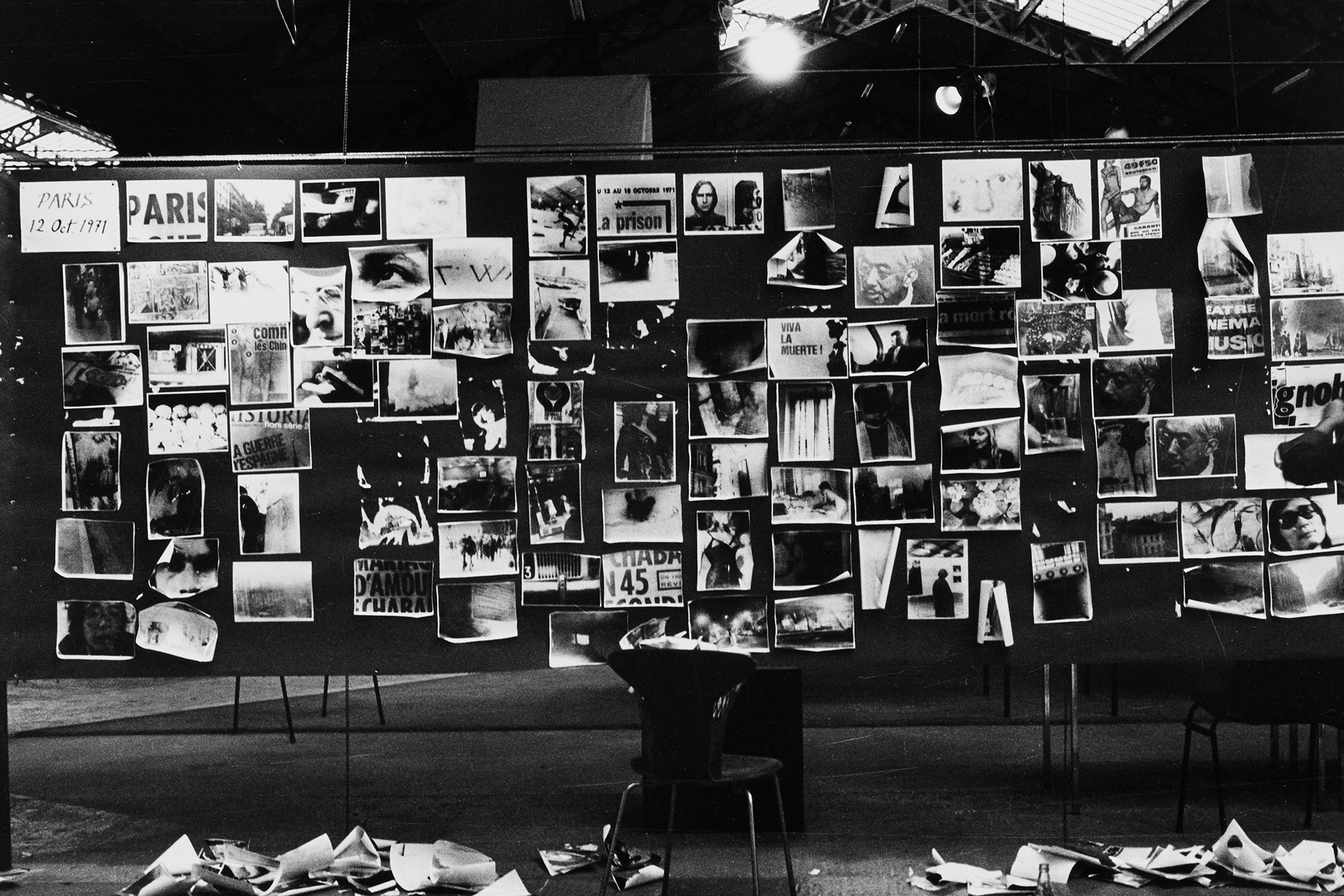
For all the attention paid to Nakahira’s early photographs, his photography practice evolved together with his extensive work as an essayist, critic, and theorist. Nakahira raised questions about media and politics in print at a feverish pace, publishing more than one hundred essays between 1965 and 1977. The eleven essays here, written between 1970 and 1976, show Nakahira testing photography’s capacity to help reimagine how we know and inhabit the world. They teem with the urgency of his historical moment, as the Cold War played out unevenly across the planet and irrevocably transformed the Japanese archipelago. Nakahira was part of a dynamic moment of artistic and political experimentation in Tokyo in which artists, filmmakers, sculptors, painters, theater directors, dancers, architects, and novelists were all engaged in discussing the relationship between art and power. While our selection introduces only one slice of Nakahira’s career, the range of venues in which these essays were originally published—a literary review newspaper, an art magazine, a jazz magazine, and a photography magazine—shows just how far beyond the boundaries of photography Nakahira was thinking.
Born from this expansive moment of creative and critical encounters, Nakahira’s writings developed through a ceaseless process of questioning, boring into the depths of specific concerns to pursue the contours of the world as an incomplete totality open to indeterminate possibilities. Throughout the nebula-like relations among Nakahira’s writings, certain intertwined threads of questioning emerge. Each brings into view a different facet of entangled problems and potentials. Readers will surely find their own threads. To start, we might suggest the following three:
LANGUAGE AND IMAGE
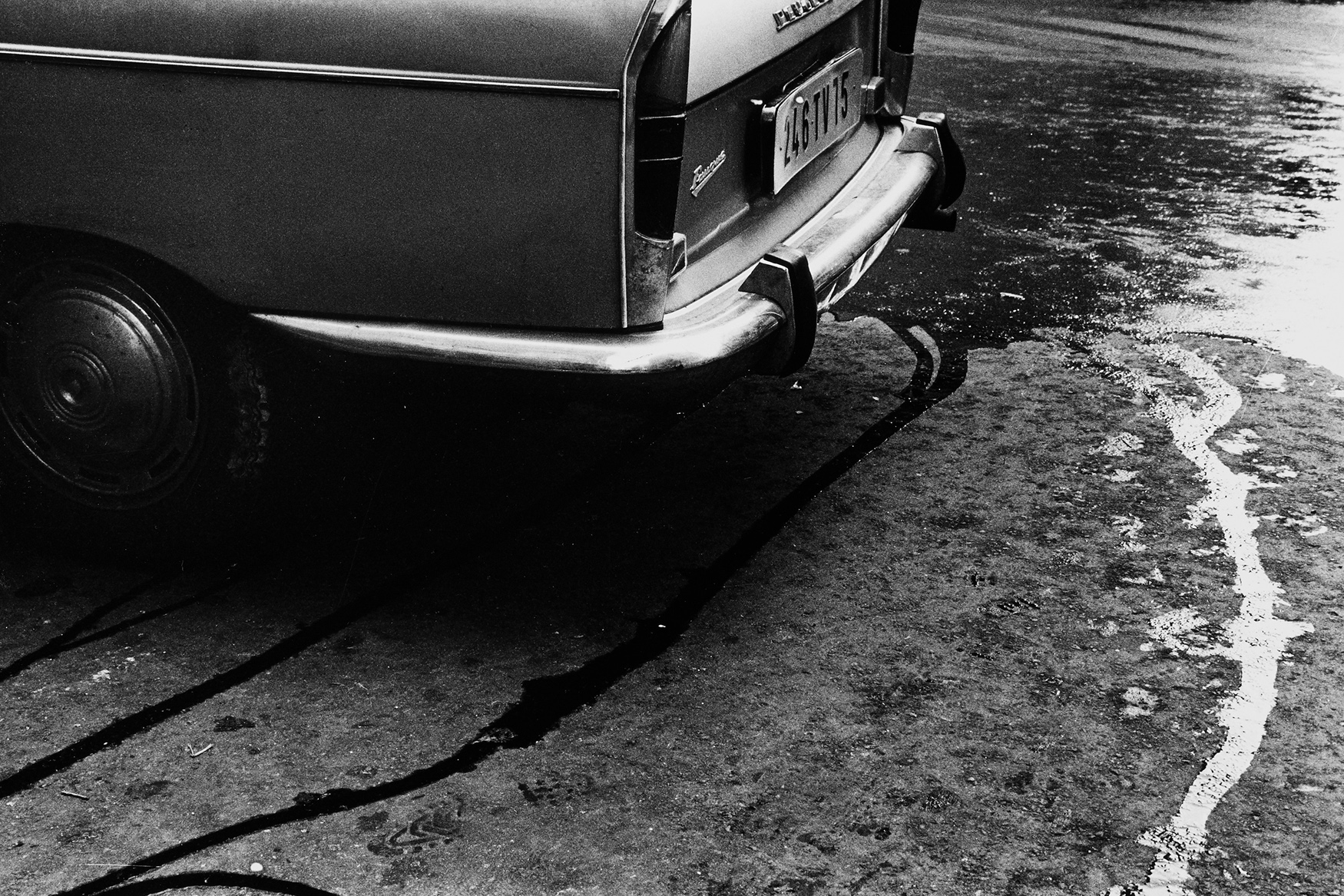
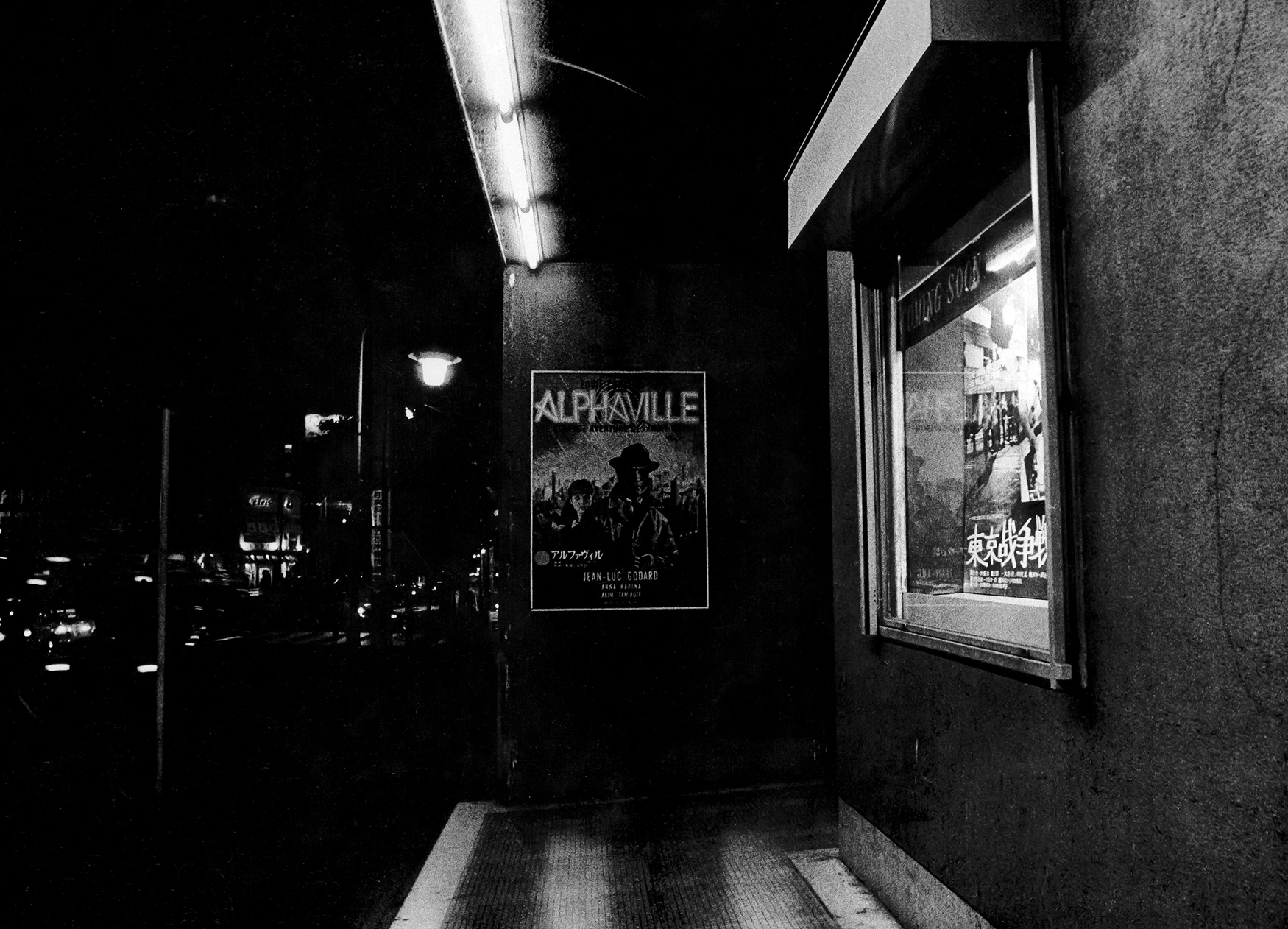
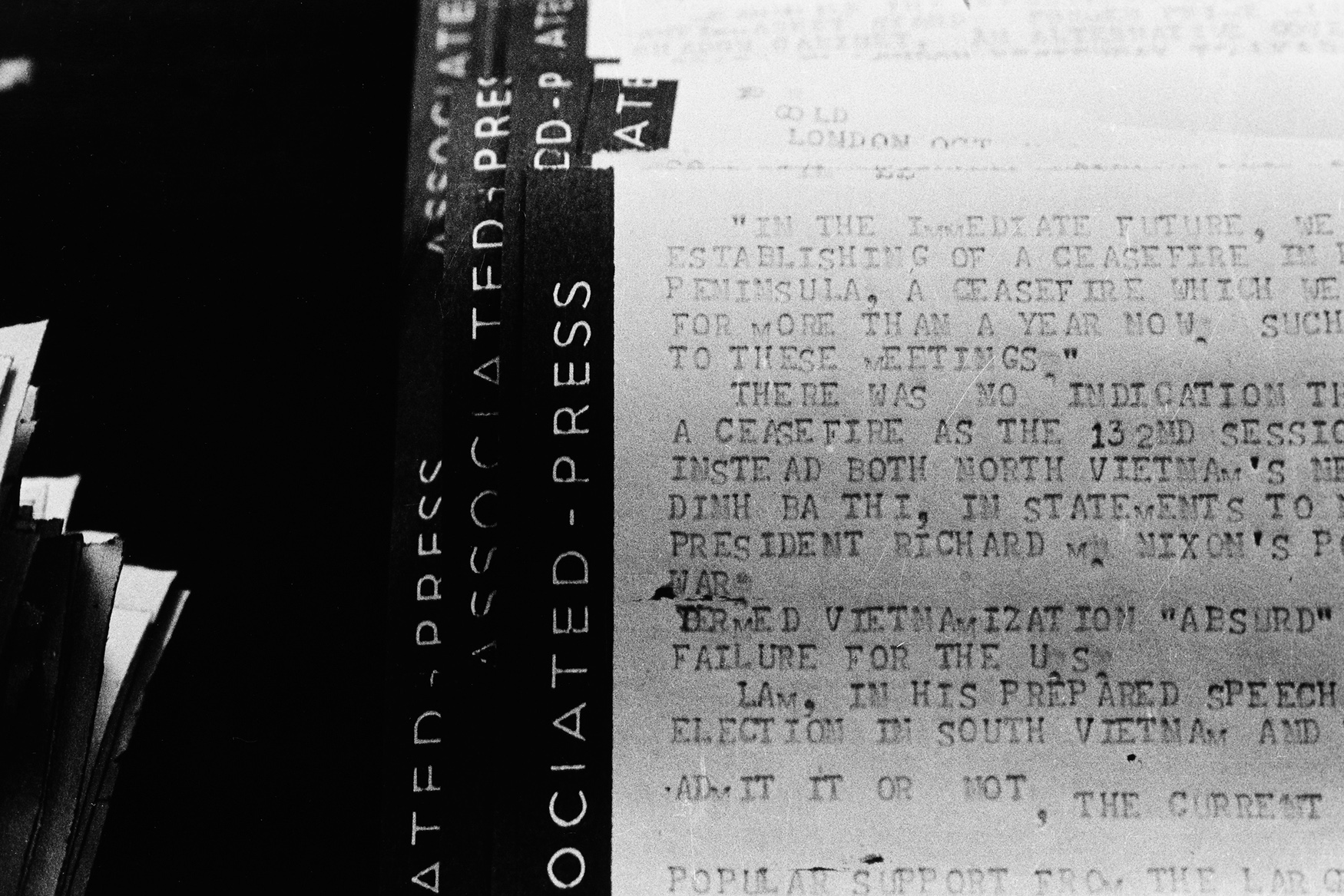
Nakahira’s writings interrogate the reduction of the world to representations of a human-centric outlook. To that end, he questioned photography’s role as the mere illustration of existing language, or what he called the personal images of artists. Nakahira wagered that since language itself had become a code ordering the world, photography had the potential to break through this code and provoke, so to speak, new forms of relation. Although he originally aspired to be a poet, it was through photography that he set out to obtain a mode of language capable of bursting through the static and dualistic schema of self and world that is enshrined within the bourgeois subject. Like many thinkers of his era, Nakahira wrestled with the limitations of existing leftist political vocabularies and conservative humanist orthodoxies that became increasingly divorced from the actualities of the grinding destructive forces of corporate and state power. At stake in the evocative title For a Language to Come was not a self-enclosed system of photographic meaning, but rather an encounter with the silences of worlds that were emerging from the collapse of modernity’s liberatory promises. Always pursuing the tension between image and language, Nakahira’s own photography and writing trace the myriad forms of violence—and transformative possibilities to counter them—that give shape to the world that we now inhabit.
EMBODIED GAZES
Nakahira connected photography to unconscious and sensorial aspects of human experience, often describing it in corporeal terms. For example, in “Why an Illustrated Botanical Guide?,” he stated that “looking cannot happen apart from the body.” He consistently wrote about the bodily effect that images—whether in printed media, on the wall, or broadcast on television—have before they reach the level of cognition. And yet, Nakahira’s essays also demonstrate that he was an extremely cerebral writer who engaged with the intellectual currents of his time. Why, then, this concern with the body, not the head?
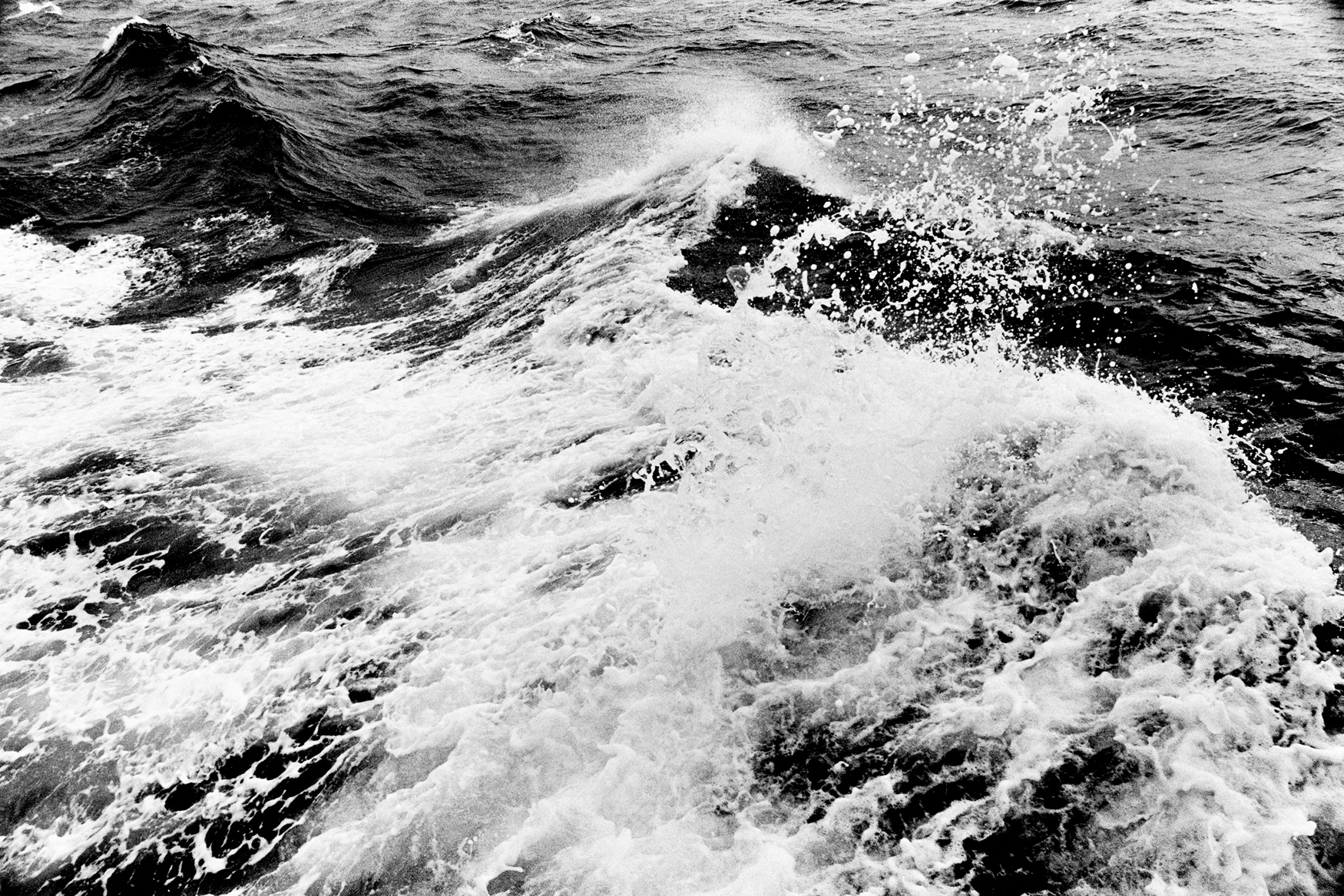
Several answers are possible, including Nakahira’s abiding interest in Surrealism. As “The Will Toward History—Surrealism’s Potential Power” shows, he was interested in reclaiming this movement’s zeal for the “twinned liberations of sensation and society.” And by thinking about the body in political ways, Nakahira was in fact very much of his moment. After all, the energies of liberation that emerged around 1968 in Japan were not funneled toward narrow or procedural political goals. In a more expansive mode, they held out the possibility of rethinking the very nature of experience. This was particularly true of women’s liberation movements in Japan at this time, and although Nakahira did not seriously account for gender in his writing, he was interested in embodied forms of difference. Perhaps that is why, soon after writing that “looking cannot happen apart from the body,” he claimed: “To look is also to expose the self to the gaze of the other.” In this way, Nakahira hints that photography might prompt an embodied exchange, in which the photographer must relinquish some of the power that would otherwise accrue to them through the camera’s one-sided gaze.
LANDSCAPES OF POWER
The urgency of Nakahira’s writings speaks to the fact that he was considering photography’s role across disparate landscapes of struggle. For Nakahira, diffuse networks of the nation-state and capital constituted an emergent “landscape” of power—a term that he theorized in parallel with the activist film theorist Masao Matsuda, and which appears in the essay “Rebellion Against the Landscape: Fire at the Limit of My Perpetual Gazing . . .” Here, Nakahira tried to think beyond urban space, which he called a “uniformly plastered-over ‘landscape’ sustained by power itself.” As the essay “The Illusion Called Document” shows, he also considered the mass media itself as an environment of power, noting that a weeklong, nationwide television broadcast of a police siege on leftwing militants unconsciously reproduced bourgeois morality in its viewers. He brought these concerns to bear on the harsh realities of Okinawa, with which Japan had renewed colonial relations in 1972 following its reversion to mainland rule. Although Okinawa appears as the subject of only one essay included in this collection (“My Naked-Eye Reflex—1974, Okinawa, Summer”), Nakahira’s later writings and photography address the possibility of working under and against Japan’s extractive colonial relationship with the islands. He returns again and again to photography’s role in both securing and unsettling capitalist modernity’s varied landscapes of power, and to their environmental and human toll.
While aspects of these three overarching concerns can be found across the work collected in At the Limits of the Gaze, it should be noted that Nakahira’s essays are not the product of a comprehensive system of thought. Nakahira was not a full-time critic, much less an academic of any sort. He was a working photographer, and the essays in this volume were written freelance. Much like his photographs, then, Nakahira’s essays could be thought of as performances in real time, in which he responded to the specific context of a particular journal, its audience, and the questions and sensations that struck him at that moment. While they may not add up to a complete whole, the reader can connect these different points, like stringing together the stars of a constellation.
This scattered quality sometimes extends to Nakahira’s prose. His sentences have a tendency to twist around themselves, becoming extraordinarily long, while others are brusque and choppy, for bombastic effect. Although we have broken up most of these long sentences in our translation, we have also tried to preserve the rhythm and tone of his writing wherever possible. (While Nakahira never wrote a footnote in his life, for the sake of legibility we have converted his own inline citations to footnotes. Any additional notes were written by us.) In an era before word processors, Nakahira would have written these articles by hand, on a specialized kind of paper called genkō yōshi, a grid of small squares, each of which accommodates one character or punctuation mark; the sheets were then handed over directly to a magazine or newspaper editor. At times, one can imagine Nakahira filling up the genkō yōshi, thinking in real time, following his own stream of consciousness.
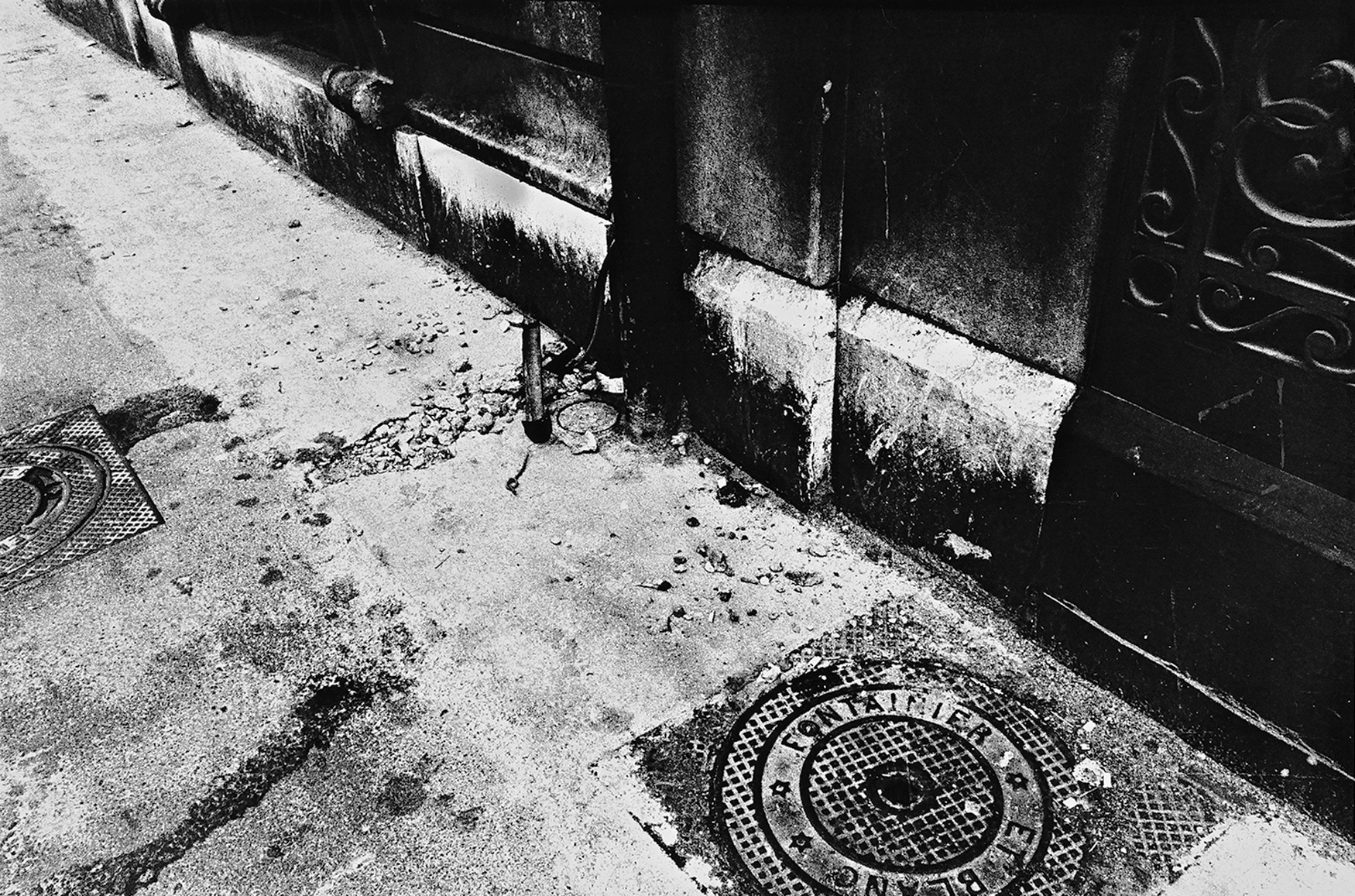
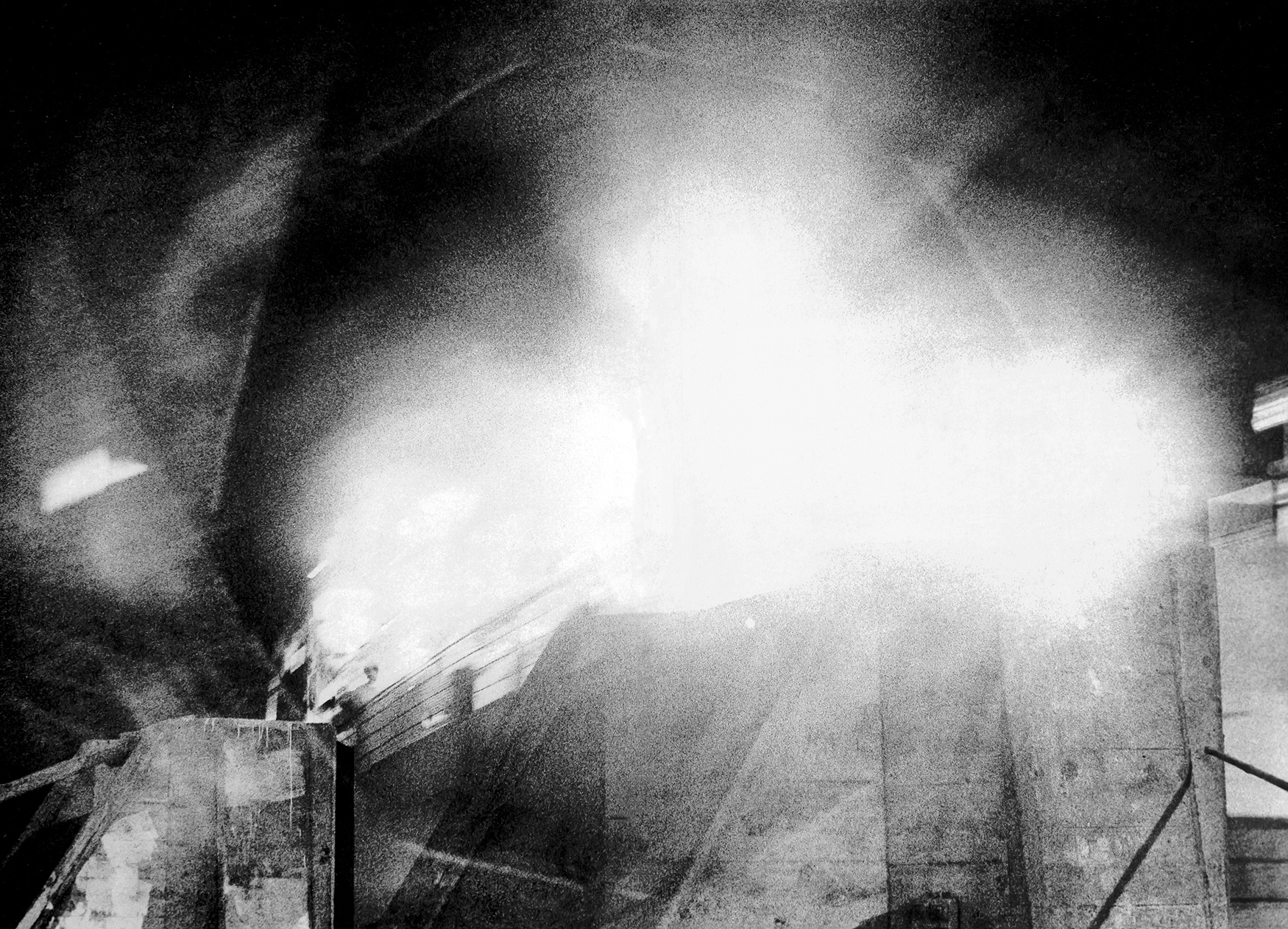
All photographs © 2025 Gen Nakahira and courtesy of Osiris
As traces of a lifelong practice of questioning, Nakahira’s writing emerged through a transformative confrontation with a changing world. After a fever-induced coma in the fall of 1977, Nakahira experienced memory loss and partial aphasia that brought an end to his writing career. From that point on, he continued to raise new questions through his practice of photography, which he pursued for the rest of his life. In his later years, Nakahira once remarked that he smoked the “Short Hope” brand of cigarettes, noting: “There is also ‘Long Hope,’ but now is not an age that seeks world revolution.”
The questions that Nakahira prompts may resonate even more acutely today, within the cascading violence and catastrophe of this world still at war with itself. While the moment of correspondence with Castro may belong to the past, perhaps contemporary readers can find forms of “short hope” in Nakahira’s essays, which both suggest doubt about, and possibilities for, a photographically mediated reckoning with the world. At the limits of the possessive gaze perturbed by his ceaseless questioning, Nakahira shows us other ways of seeing and sharing the world with photography.
This essay originally appeared in At The Limits of the Gaze: Selected Writings by Takuma Nakahira (Aperture, 2025).