

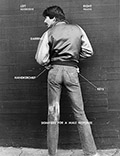


Wolfgang Tillmans on the Freedom of Fire Island
The artist reflects on how the island community has impacted him, renewing his interest in making music and deepening his engagement with nature.
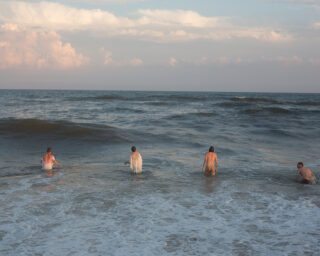
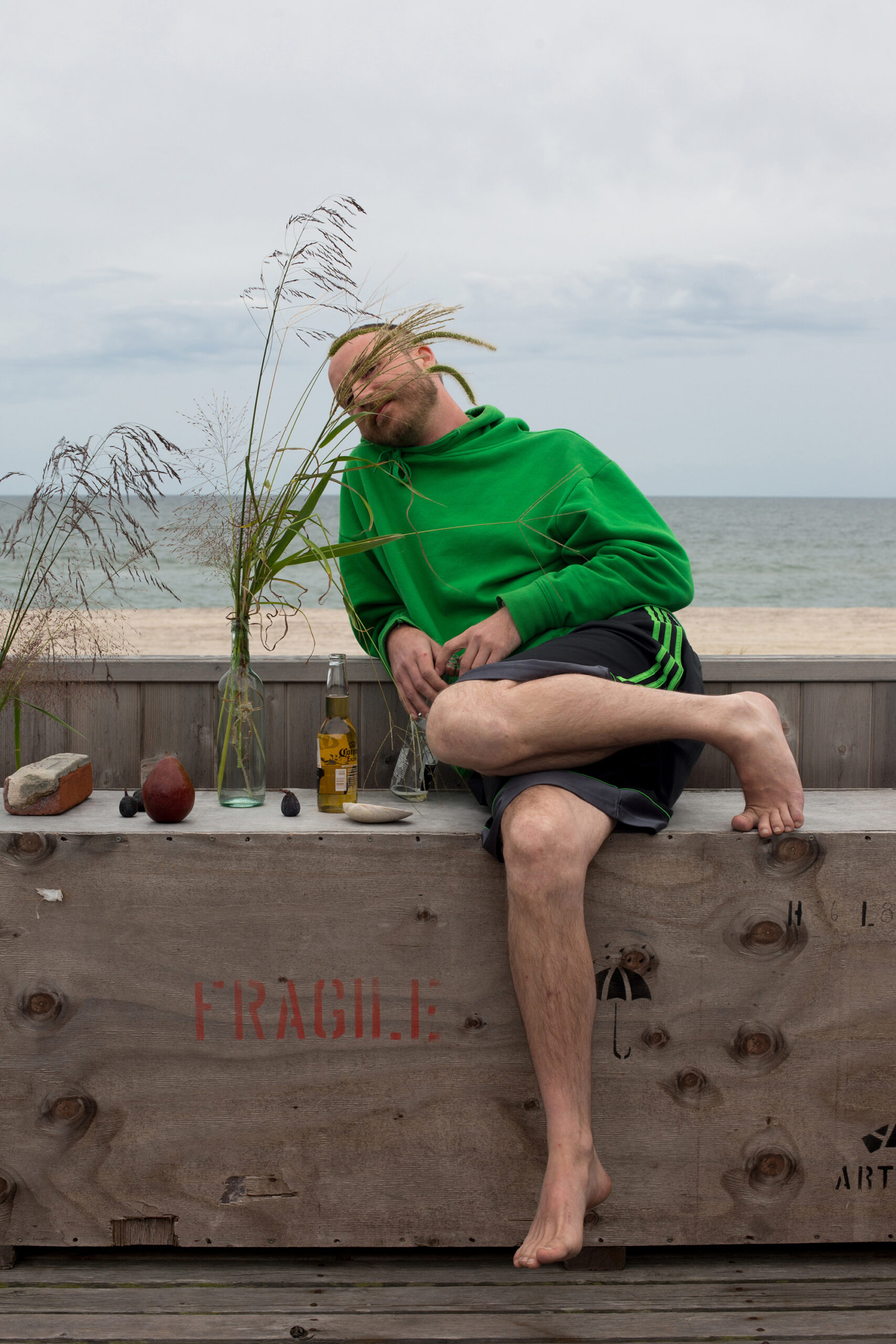
Wolfgang Tillmans, Fragile Waves, 2016
Since the late 1980s, Wolfgang Tillmans has been an influential cultural force. His photography documents subcultures, nature, intimate scenes, and broader sociopolitical themes. He approaches the ordinary and extraordinary with the same observational and matter-of-fact disposition, blending a quiet intensity with a democratic view of his subjects. Midcareer retrospectives of his work have been presented as large-scale, immersive, site-specific installations at Tate Modern (Wolfgang Tillmans: 2017, 2017), the Museum of Modern Art (To Look Without Fear, 2022–23), and Centre Pompidou (Nothing could have prepared us – Everything could have prepared us, 2025).
Tillmans had only visited Fire Island once, in the mid-1990s, until the summer of 2015, when a last-minute trip to the Pines made at a friend’s invitation unexpectedly opened a new chapter in his life and artistic practice. In this interview, conducted at Tillmans’s home on Fire Island for the book Fire Island Art: 100 Years (2026), the artist reflects on how his decade as a member of this community has impacted him, renewing his interest in making music and deepening his engagement with nature.
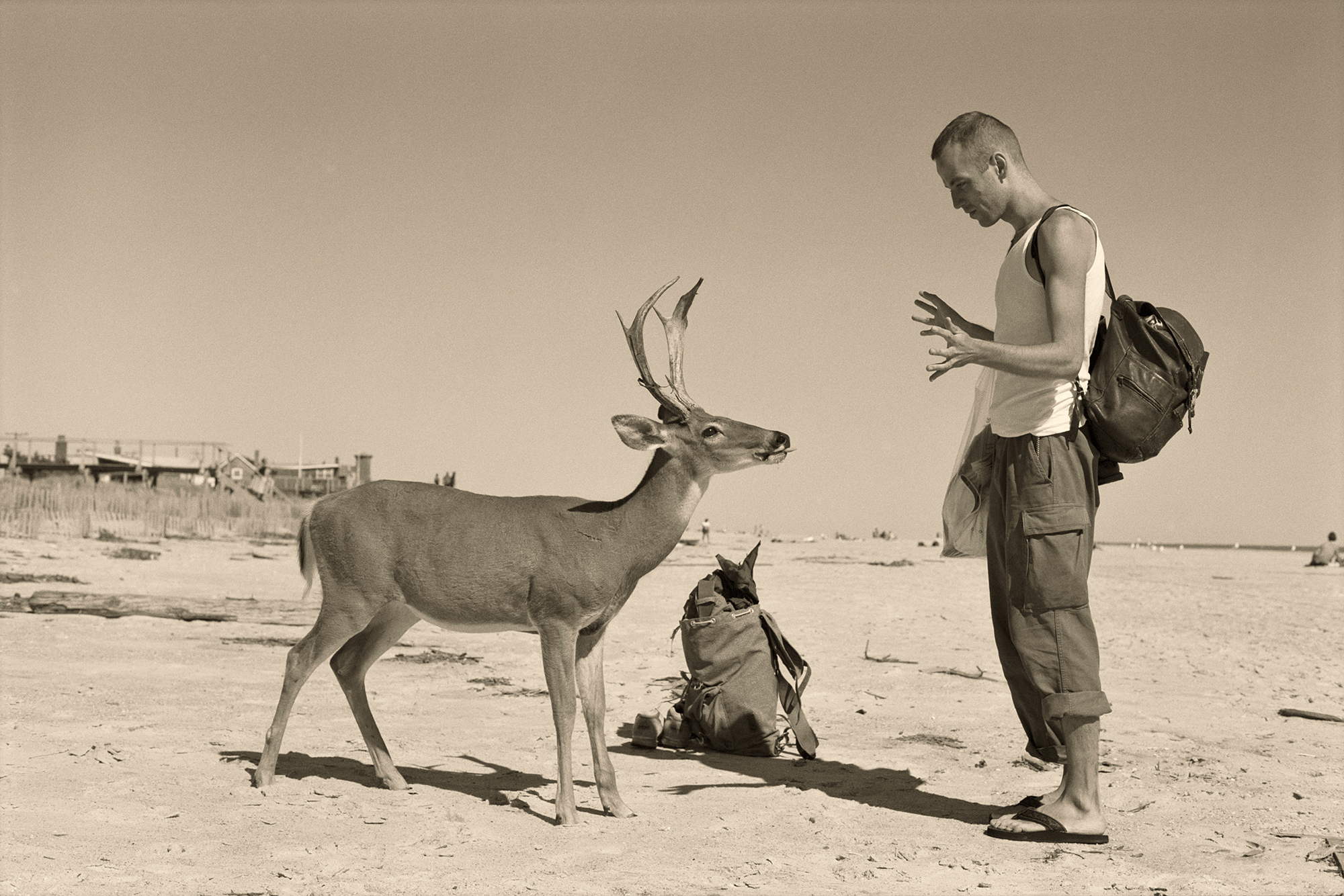
Michael Bullock: The first image I ever saw of Fire Island, before I knew what it was, and before I knew who you were, was your famous picture of a man and a deer on the beach (Deer Hirsch, 1995). I first saw it in the early 2000s, and it burned into my memory. It looked like another world. If you have never been here, it’s not easy to understand.
Wolfgang Tillmans: The photo has a mysterious yet universal quality because it could be almost anywhere on Earth. There are very few markers. But if you know Cherry Grove, it’s difficult not to say that it is Cherry Grove. There’s no other place I know where deer live on the beach. So the image is a bit fantastical and yet so realistic. That was a special moment in my photographic image-making. In the mid-1990s, there was this quest for a newfound authenticity in photography. The man in the picture, Jochen Klein, was my boyfriend at that time. I was very much inspired by the multitudes that our identities were constructed from. We grew up in the ’80s, and we were the first generation that fully grew up in postmodernism. What we were experiencing in our formative years was the puzzling together of cultural components from different eras and decades, reconfiguring our identities without needing to be pure or original.
Bullock: Authenticity wasn’t the goal in the ’80s?
Tillmans: It wasn’t. And then in the ’90s, I became known for this new authenticity, which people were longing for. There was this desire for singular readings. And so there was this purity bestowed onto me, which I actually rejected. Even though I wanted a new sincerity, a new realism, it didn’t mean that I rejected this idea of multiplicity—that you can, on the one hand, be into drag, and on the other, enjoy going to an S&M club. You’re never read in just one way.
The way we experienced our lives was always as this composite of things that seemed staged but were actually happening, and other things that were staged but looked very real. The well-known photos of Alex and Lutz in the tree were completely staged scenarios that looked real, but they were seen then as documentary. Deer Hirsch looks completely staged—people have asked, “Is it a stuffed deer?”—but it was actually a documentary moment. There was nothing arranged for it at all. It was just Jochen and I taking a walk on the beach. We’d fed all our food to the deer. Jochen was showing his empty hands to the deer. I saw it and said, “Stop, don’t move.” I stopped time for a couple of seconds, took the photograph, and then we carried on with our leisurely afternoon.
I love how the photo looks highly stylized, but it was just a moment from real life that I was able to catch. It serves as a counterpoint to the fantasy naturalness of Lutz & Alex sitting in the trees (1992), which is also an encounter between man and nature. Here is Jochen, a man encountering the animal kingdom, attempting to communicate with its creatures.
Bullock: Was that your first trip to Fire Island?
Tillmans: It was almost my one and only. In that period, Jochen and I both lived in New York. We went for a couple of nights and stayed at the Cherry Grove Hotel. It was nice, but we didn’t feel like it was this magical place, the way I think of it now. We moved back to Europe in ’96, and I didn’t come back for twenty years. Nothing about it had left a deep impact. We didn’t know anybody here. I think that seems to be the thing—you need to have some point of entry, and then it all unfolds in a completely different way.
Bullock: When did you come back again after that first time?
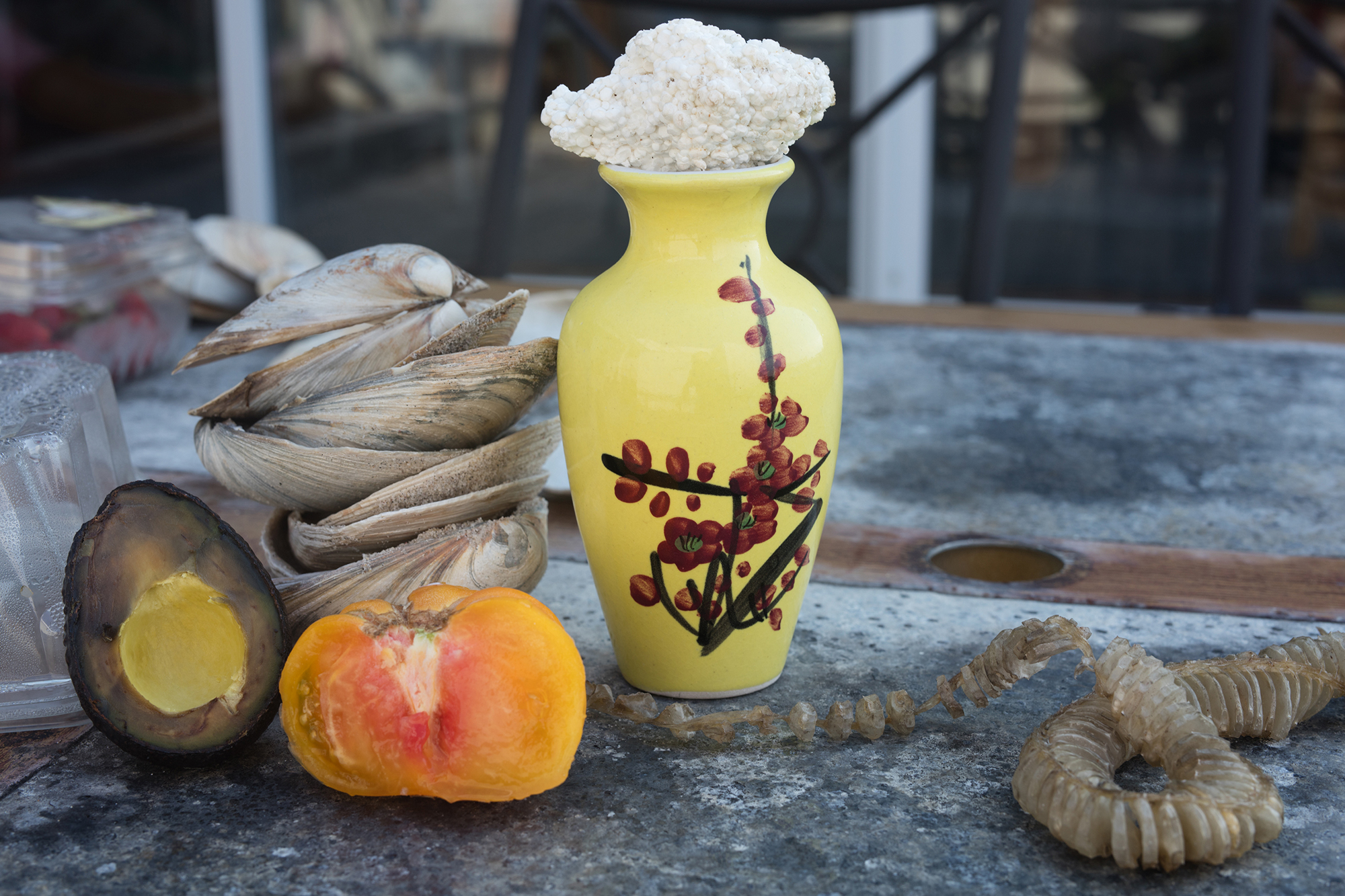
Tillmans: In 2015. I wanted to spend August in New York City, prior to the install of my show at David Zwirner. A couple of days before my arrival, my friend, the curator Stefan Kalmár, texted, “Do you want to come to Fire Island?” My initial reaction was, “Why would I do that?” I thought that I preferred to be in the city, and not in this superficial party community. Then, fortunately, I changed my mind. The month was meant to be a free-spirited moment, without obligation. If a friend invites you, why not accept the invitation? Once I arrived, I got so into sitting around in the evenings with my laptop, editing and writing, experiencing the quiet of Fire Island. I decided I wanted to stay another week, so I asked the estate agent if I could extend, and he said, “No, it’s high season. There’s nothing.” But then he found another house just a few doors down. I loved my extra week there even more. At the end, I spoke to my friend Paul [Bernstein] and told him that I wanted to come for the full season the following year, stay three months by the ocean, and really treat it almost like a sabbatical. We went on a tour of houses that were available for rent the next year. The tenth house was the house I was already staying in, and I ended up buying it.
Bullock: What shifted since the first visit that made you want to make a commitment to this place?
Tillmans: I guess this came exactly at a time when I was ready for something new. But I’ve always been fascinated by the Atlantic, and I’ve just never seen a place where you could be so quietly and peacefully close to it. Plus New York City is just two and a half hours away; there’s the security and the friendliness of the LGBTQ+ community, and one of the best grocery stores within walking distance. Once I met people here, I realized how interesting many of them are. For me, it felt like a retreat where I could be on my own, but not alone. People respected that I was actually working here, and it wasn’t a party spot for me. A lot of my time here I spent thinking about the MoMA show, a lot of it was conceived of and designed here.
Bullock: Your house is located at the far end of the Pines, somewhat isolated, perfect for working, but because there is a constant flow of artists visiting the island, you can be alone without ever being lonely.
Tillmans: Yes. When BOFFO presented the first preview of my film Time Flows All Over (2024) at Whyte Hall [in August 2024], I wrote down a few notes of acknowledgment beforehand, and I realized that I really wouldn’t be here without that organization. Their artist residency program is like a metronome or pacemaker, continuously injecting interesting, unexpected people into this community. It gives me a sense of connectedness to New York and other art scenes. If this were the same beautiful natural setting without any art connections, I don’t think I would be here. And of course, I want to mention FIAR [Fire Island Artist Residency in Cherry Grove], the other residency that brings artists here.
Bullock: Over the last decade, these organizations have transformed the island into a place where artists continue to return, there is a lot of casual connection, you can randomly meet people whose work you have always loved from afar. It’s inspiring. Being here has allowed you to explore new forms of experimentation. You even built a music studio.
Tillmans: Yes. It’s one bedroom of the house, which has three bedrooms. I immediately thought when I got it that I wanted to use being physically away from my normal practice, and this could be the place where I develop my recently resurfaced interest in music.
Bullock: Where did your band name, Fragile, come from?
Tillmans: When I made music in the ’80s, as a teenager, my artist name was Fragile. From an early age, I felt that embracing my own fragility was not a weakness, but a prerequisite for a happy life because it protects you from disappointment.
Bullock: A wise concept, unusual for a teenager.
Tillmans: It’s strange, but I have always had this pairing between my obsession with astronomy and science, and on the other hand, a spiritual interest paired with the awareness of AIDS that stuck with me. Sometime in the mid-2010s, I felt ready to embrace music again. And that’s how the protection of this island, the friends here and the environment, led me to reconnect with my performative side—which was always there, but which I’d translated into my photography and installation practice.
Bullock: It makes sense that this could happen for you here. It’s a very Fire Island thing—it happens on different scales for everyone, but in this place, people are able to experiment with who they are. They push themselves further than they would normally go. It can sometimes be talked about in a funny-crude way, but I have witnessed profound personal breakthroughs here. Fragile debuted at the BOFFO performance festival. What was it like to perform for the first time in twenty-something years?
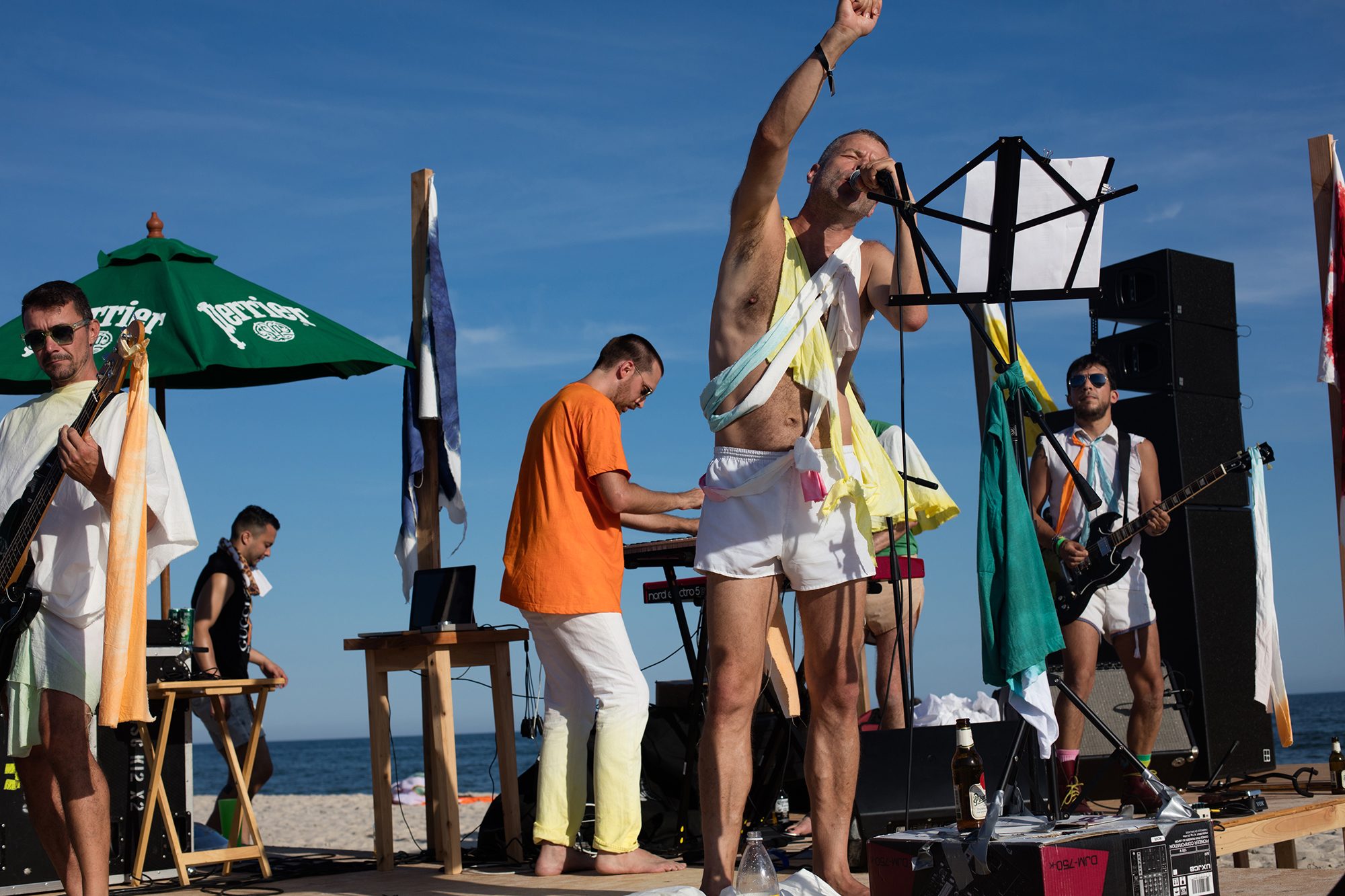
Tillmans: It was a great communal moment for the whole band. Anders Clausen was co-art directing. He, T.M. [Davy], and others built a beautiful stage. It was amazing being on the beach with great acts like Eartheater and SSION, who performed before us. And we wore these tie-dye costumes; it felt amazing. The audience thought that we were a legit entity. They could not tell that it was the first time we had ever performed publicly. We were even invited to play in the city. We did two nights at Union Pool in Brooklyn. And then we took it to Tate Modern in London and performed there as part of this larger sound installation that I made.
Bullock: I’m told Fragile’s 2018 performance was an even bigger success.
Tillmans: Yes, Faris [Al-Shathir, BOFFO’s founder and director] invited us to play another concert. We really prepared well for that one. We played that concert here with the band inside the house, which we filled with dry ice. We played the first few songs behind closed glass doors. The deck was packed with over two hundred people. When we opened the doors, all the dry ice poured out into the crowd. I am proud to say that the set was very tight—so much so that I included one song from it on the album I released this year. That same night, the artist Martine Gutierrez performed on a plank that we placed for her across the pool, and DonChristian and T.M. Davy also performed. It was a fantastic lineup. A magical night. We had Pines-party-sized loudspeakers on the deck. The volume was just so insane—without a license, without permission. It happened one week before I turned fifty, so I sent notes around to my neighbors saying that this was my fiftieth birthday party, which it wasn’t.
Bullock: I regret that I missed that one. That must have been the biggest event you’ve hosted here?
Tillmans: I mean, it was really a night! It’s interesting though—as fantastic as that was, I still feel the need to almost apologetically explain that this place is not only the hedonistic party place that people think it is. It has this completely different side.
Bullock: Well, let’s not completely erase the hedonistic. I think that energy permeates the atmosphere. It’s an important ingredient for bonding and collaboration. It grounds the place in a sense of openness and experimentation that impacts everything. The first time I read one of your interviews, you said something that stayed with me for years. You said that for you a nightclub is a place where you can really think deeply. Hearing that from you gave me permission to embrace the significance of those types of experiences. Growing up, you’re taught they are frivolous, but they are so essential to gay life and development.
Tillmans: Absolutely. For me, nightlife has always had a depth to it. Those places allow for different types of experiences to coexist. It’s rare to have such metropolitan energy in such a beautiful, natural setting.
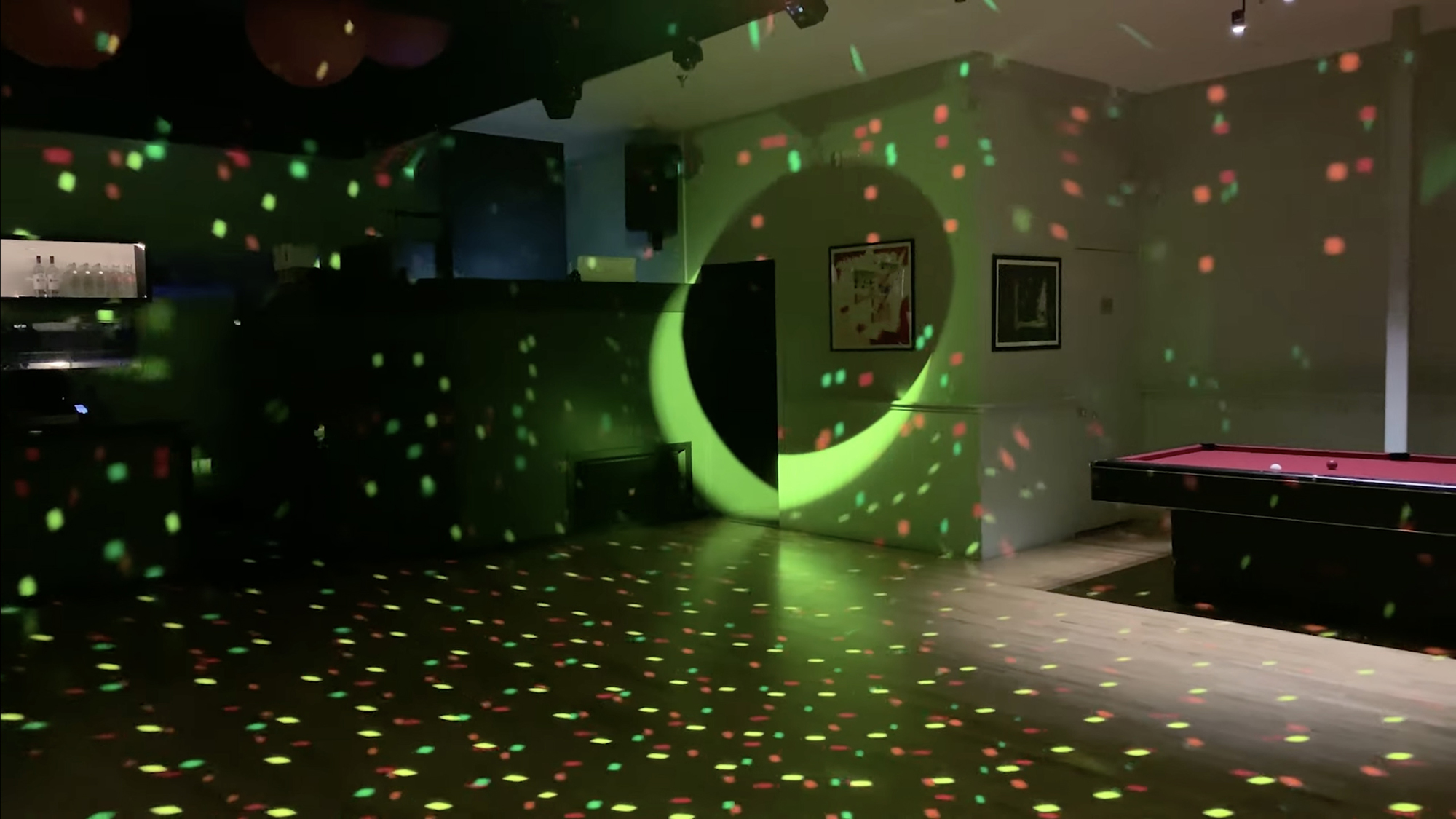
Bullock: You even, surprisingly, made a music video at Sip-N-Twirl [one of the three clubs in the Pines]. Can you tell me more about that song? And the lyrics—“I don’t want you to see me change”?
Tillmans: Yes, “He wants to change, but not be seen changing. You can’t escape into space. You’re in it.” Most songs I write in Berlin, and this one we actually recorded at the height of the pandemic in April 2020. When I was releasing it, I needed a video and realized that in 2019 I had made footage at Sip-N-Twirl on a Sunday night before closing time. I sometimes love being on my own alone on the dance floor, watching the disco balls spin in an empty club. I’m very aware of how to capture a staged reality, which in this case is a slightly tragic nightclub that never really takes off, even in the best of times.
Bullock: For those who haven’t seen it, the video shows the disco ball lights hitting the different spaces of the empty club interior for the entire song.
Tillmans: I didn’t capture that footage with the pandemic in mind, but when I released it, it was obviously highly connected to the closure of nightclubs during the pandemic.
Bullock: I have been focusing on your music, but how has this environment impacted your primary medium?
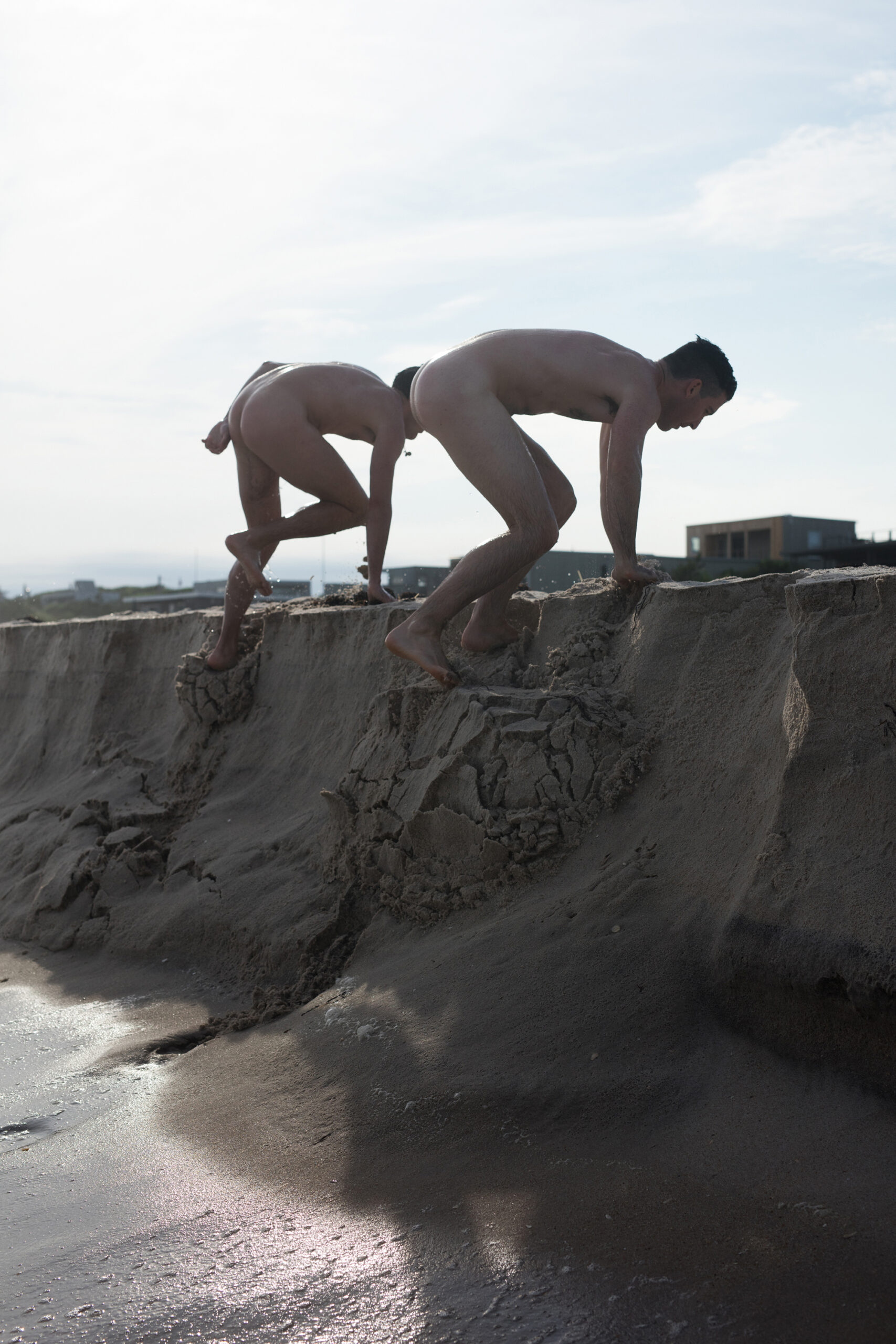
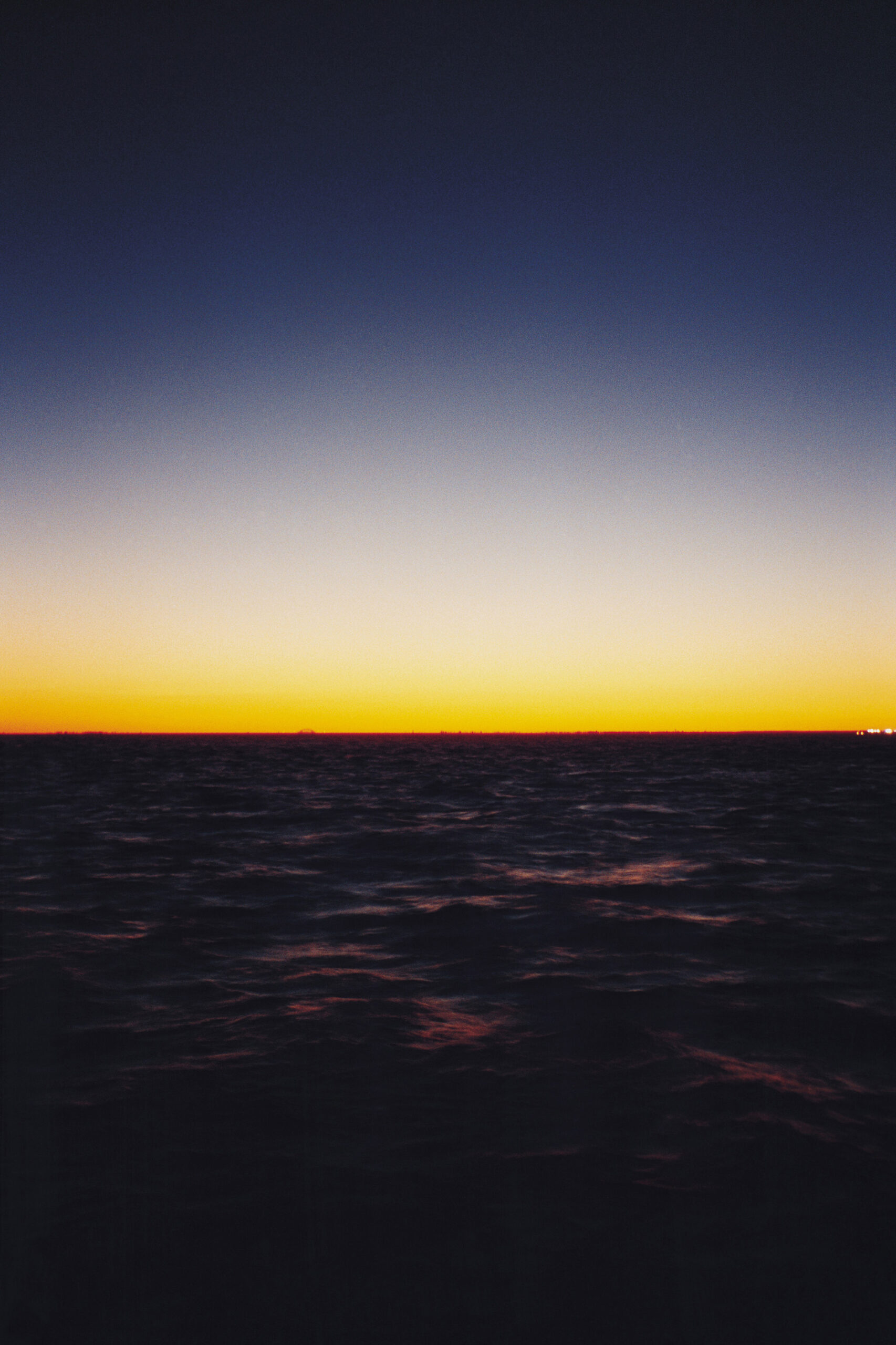
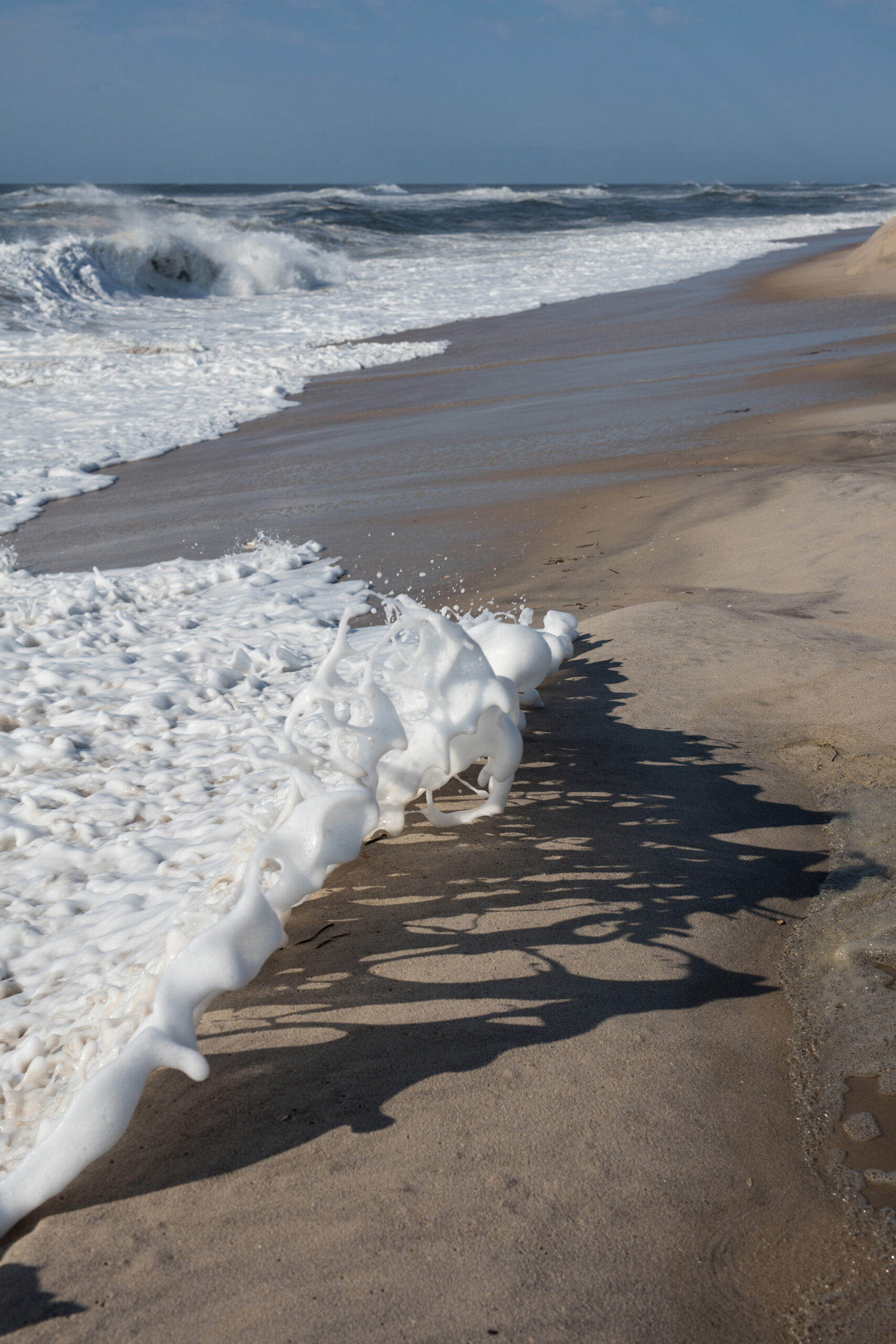
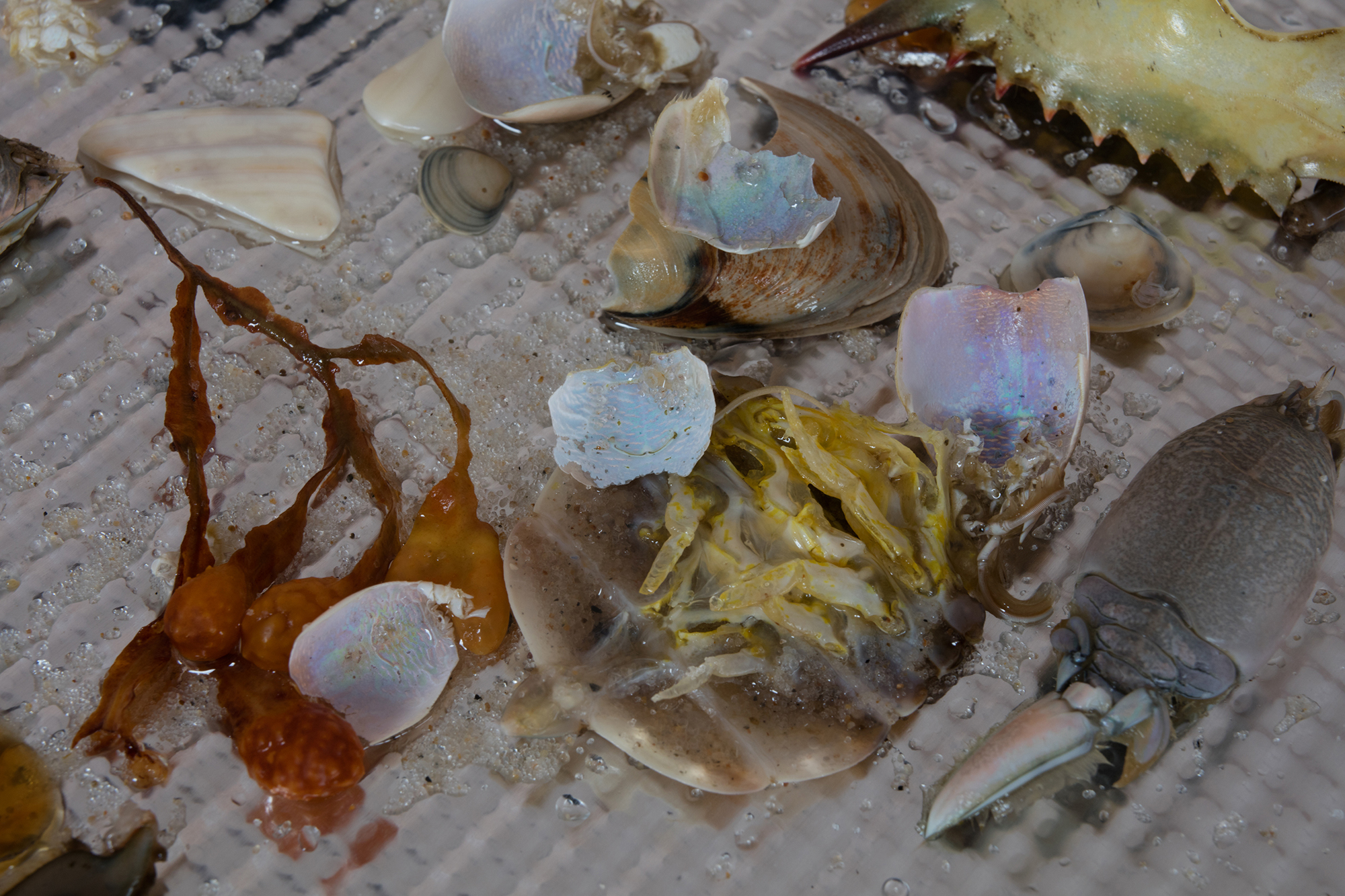
Tillmans: Most of the works I’ve made here are photographs of nature—of the ocean and the shoreline in particular, where liquid meets solid and air: the vapor, the clouds. These three elements meeting at night, in the day, lit by the moon, lit by the sun—all twenty-four hours of the day. This house is really exposed. It’s almost like living in the ocean. This situation has made me very attuned and allowed me to take pictures that I wouldn’t have been able to otherwise.
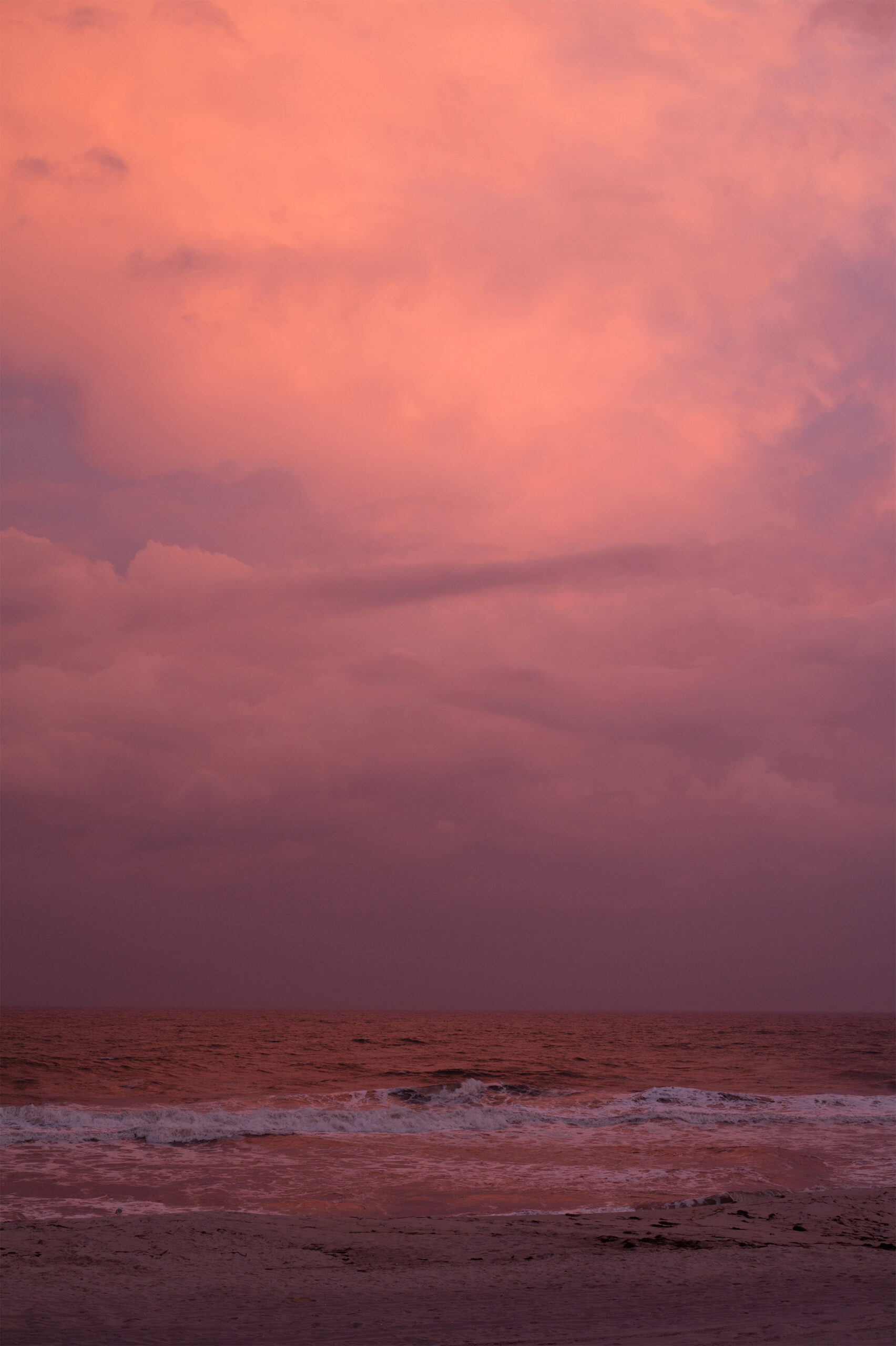
Bullock: Can we look at some of the ocean images together? I’d like to understand why something resonates with you. Can you define the qualities that move you to choose what images become a part of your body of work?
Tillmans: Yes. For example, this one is called Kleine Welle, “small wave.” I’m not interested in only the grandiose spectacle of the tallest wave. When the incomprehensible nature of liquidity reveals itself—that’s what interests me. What moves me so much is how little we understand of it. It’s entirely different from the world of solids that we obviously navigate and inhabit every day. In the early 2010s, I embraced a new camera technology which allows me to photograph that liquidity at a film speed that shows the waves as these sculptural forms, completely frozen in mid-air. Most film couldn’t record this in the past. These pictures show a degree of detail that the human eye could never see. It’s an amount of information than you could never remember. That’s something I find humbling—that there’s always more going on in the world than one could ever comprehend.
Bullock: And in a way, the more information you have—the clearer it is—the more abstract it becomes.
Tillmans: Some people could roll their eyes and think, “What are they waffling on about?” But it’s super important because it’s very connected to the times we’re in, the information saturation that surrounds us. I think these works have had relevance to people because they were inspired by a sense of hyper-information: this time when we, as cultural citizens, can’t comprehend all the information that is thrown at us. We have to learn to filter it, not to let it wash over us. That’s where I see these pictures connecting to contemporary society.
Bullock: That’s an interesting perspective, especially given how environments like Fire Island are used to escape from that constant flood of information. Will you think of these years as your Fire Island period?
Tillmans: I’m a bit skeptical of those books that showcase artists who became attached to different places, like how Matisse or Van Gogh became obsessed with certain regions because of a particular type of light. . . . I always take them with a pinch of salt. And now I’m talking about this myself—the particularity of Fire Island with its two water masses, the Atlantic on one side and the very shallow bay on the other, and the sky above. As a visually aware person, I’m constantly noticing what’s going on, for instance how the moon has a strong presence here. Even so, in most of my exhibitions and publications, I don’t explicitly feature Fire Island.
Bullock: Why is that?
Tillmans: For me, being in this book and talking about my house here is a bit of a first. The nature of my work is making ordinary and extraordinary things equally accessible—turning them into something that you feel you could have seen with your own eyes. So, the idea of an exclusive community is the antithesis of how I like my work to operate. Fire Island comes up in titles occasionally, but I don’t identify all the pictures that I took here because I don’t want people to think they have to travel here to see these things. They can see them wherever there is an ocean.
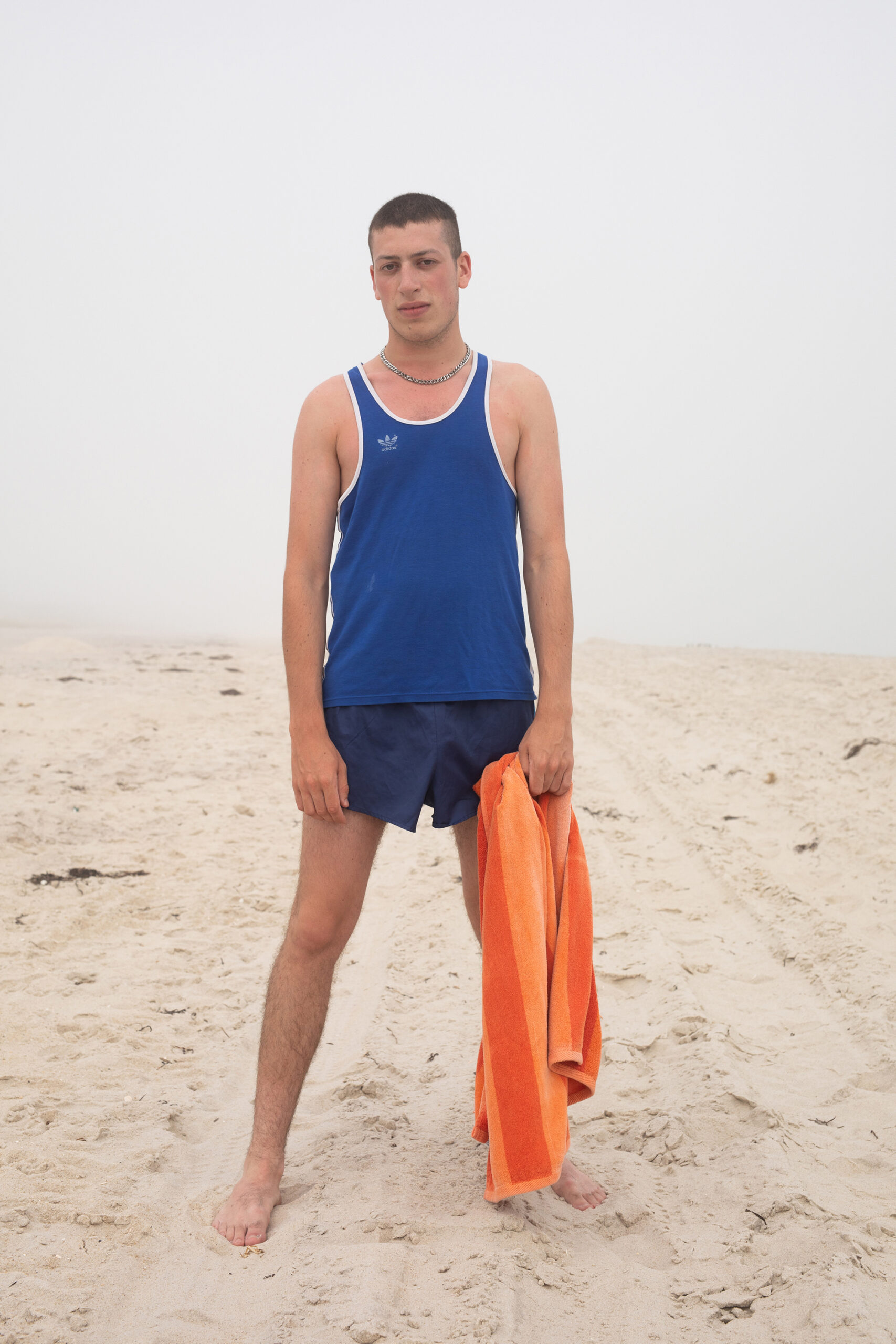
All photographs courtesy the artist and Galerie Buchholz; Maureen Paley, London; and David Zwirner, New York
Bullock: That makes sense—that’s one reason why your images have a universal quality. Before we finish, I would like to circle back to your start here and your thoughts on how the context of gay life has changed. It’s interesting that you first came here during the height of the AIDS crisis, and you came back after gay marriage was legalized in America and PrEP was approved—completely different circumstances: psychologically, pharmaceutically, politically, spiritually.
Tillmans: And of course, the year that I came back, in 2015, Trump declared he would run in the United States, and there was this populist wave that washed across Europe.
Bullock: It’s a pretty extraordinary set of political circumstances—the most freedom that gay people have ever had in America and the least fear of disease, paired with a far-right takeover of the government.
Tillmans: The way you put it is pretty spot on. It makes you wonder why they are coinciding, and why gender and sexual equality and freedom are so unbearable for some part of society, why it riles them up so much that they are willing to vote for a demagogue. In my work, I always talk about wanting to include. I don’t want to exclude anybody, but at the same time, when we celebrate people realizing themselves and their wishes and their dreams, it seems somebody does feel left out, and we can’t help them. As long as we don’t hurt anybody or hamper anybody else, we can’t all tone down our quest for happiness after years of suppression just due to fear of somebody’s envious gaze.
Bullock: Well, I certainly have packed a lifetime of happiness into the last few days. That seems like a meaningful place to end our conversation. Thank you for this.
Tillmans: Yes, exactly. I think so too.
This interview was originally published by Monacelli in Fire Island Art: 100 Years (2026), edited by John Dempsey.