


An Energetic Festival of Young European Photographers
In Paris, an exhibition considers issues of identity, belonging, and political upheaval—and highlights experiments in hybrid forms of image-making.
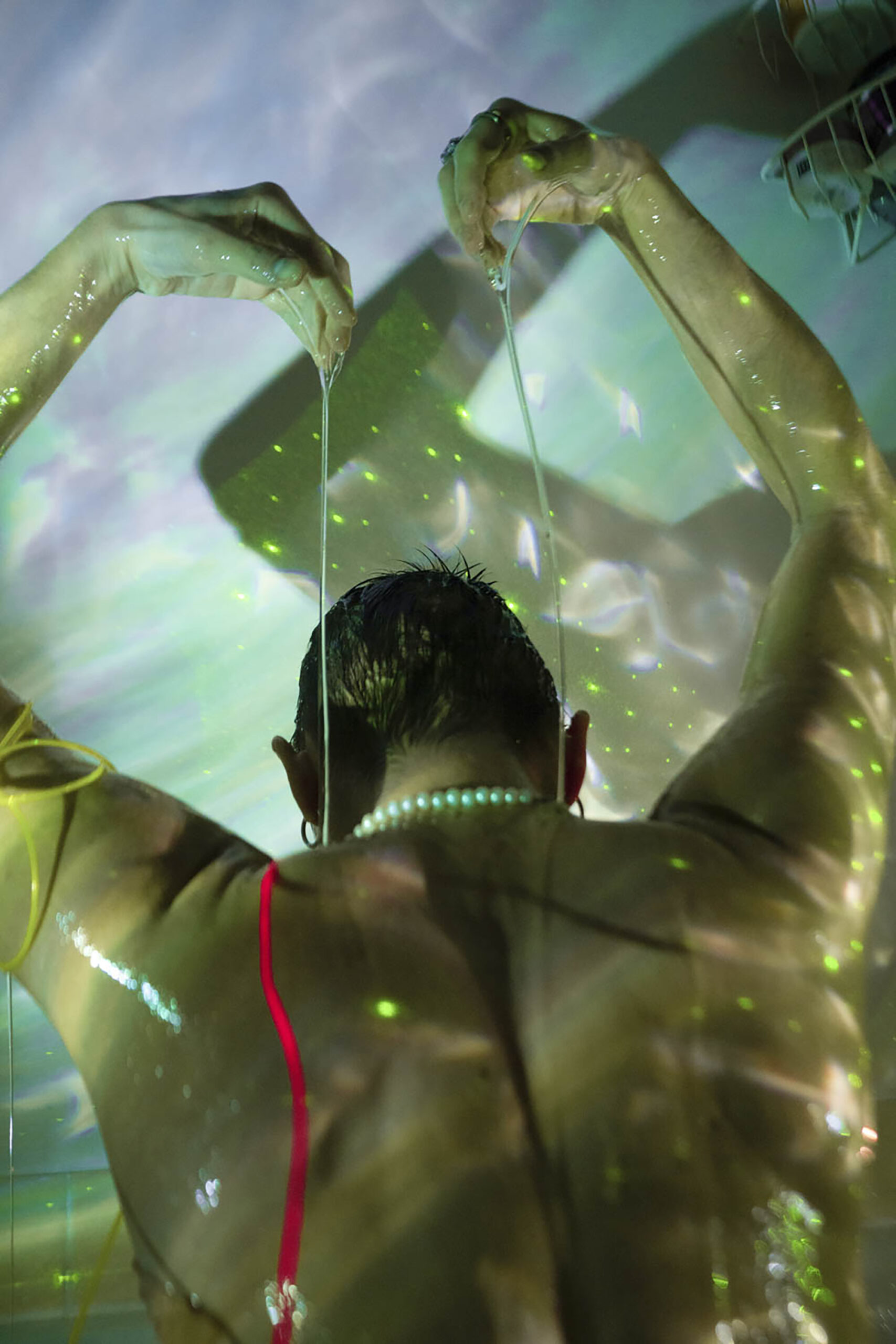
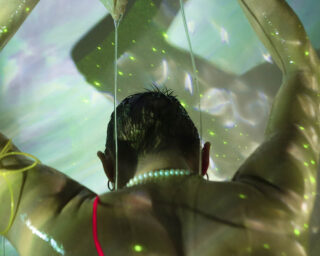
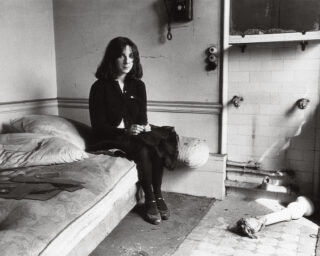
Sadie Cook and Jo Pawlowska, Everything I Want to Tell You, 2024–ongoing
In 2011, the French photography collective Fetart organized the first festival of emerging European photography with a celebratory do-it-yourself ethos in a park on the outskirts of Paris. Since then, the festival, Circulation(s), has held on to its proud outsider identity as its profile has risen and the organization has grown in size and professionalism. For the past decade, it’s popped up every springtime in the Centquatre multidisciplinary arts center, located in northeast Paris in the historically working-class La Villette district. The sixteenth edition opened in March, occupying over twenty thousand square feet of exhibition space in the glass-ceilinged industrial hall—an open-access dance practice space where salsa duos, breakdancers, and circus performers coexist with the art on view. The festival has a similarly outgoing energy, attracting a wide range of visitors from beyond the photography world.
This year’s Circulation(s) is directed by Caroline Benichou, Carine Dolek, Laetitia Guillemin, Marie Guillemin, Emmanuelle Halkin, Ioana Mello, and Lucille Vivier-Calicat, an all-women collective of photography curators. They prefer to forgo a unifying theme and instead look out for common threads among the eight hundred or so projects submitted to their open call. Participation is limited to photographers who have roots in Europe—or at least reside in the elastically defined continent—but their subjects can be further afield, such as in Brazil, Argentina, and Iran, which come into sharp focus at this year’s festival. Issues of identity, belonging, political upheaval, and memory arise often, as do experiments in new, hybrid forms of image-making. “When we come across a certain style, or a particular new visual language, it can occasionally feel a bit unsettling,” the curator Emmanuelle Halkin says. “But if several works are exploring it, we often think it’s worth showing.”
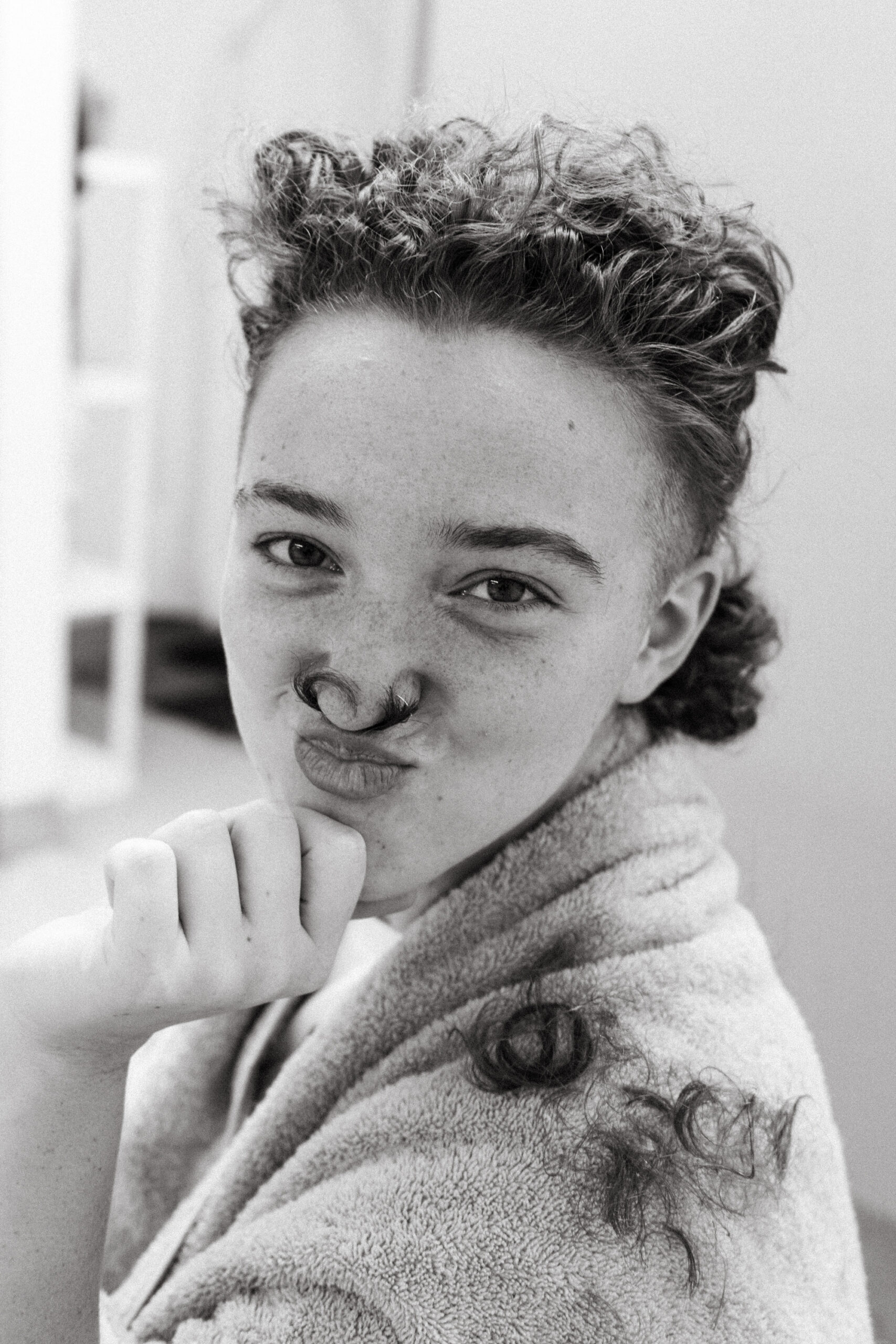
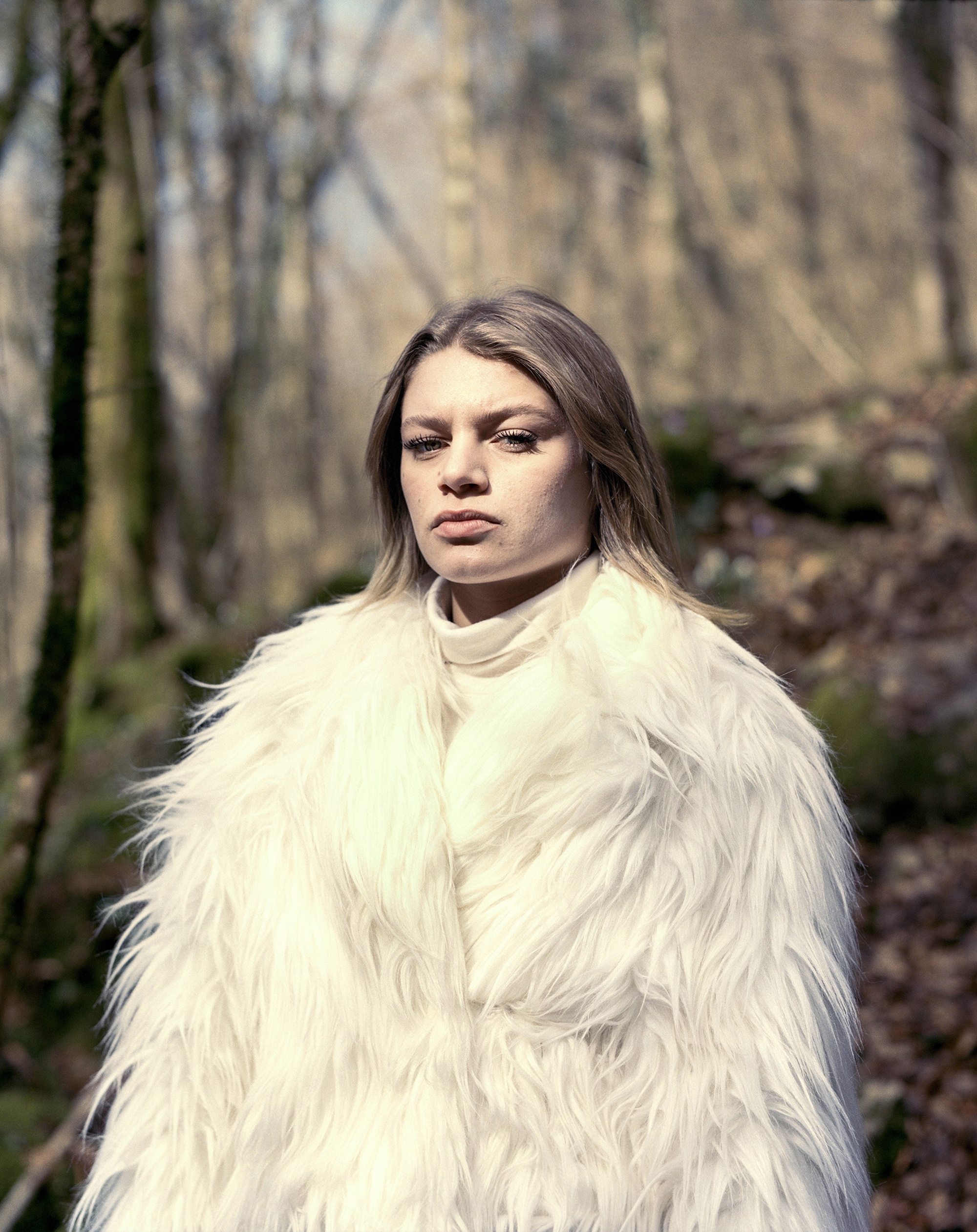
Photographs by Marie Froger
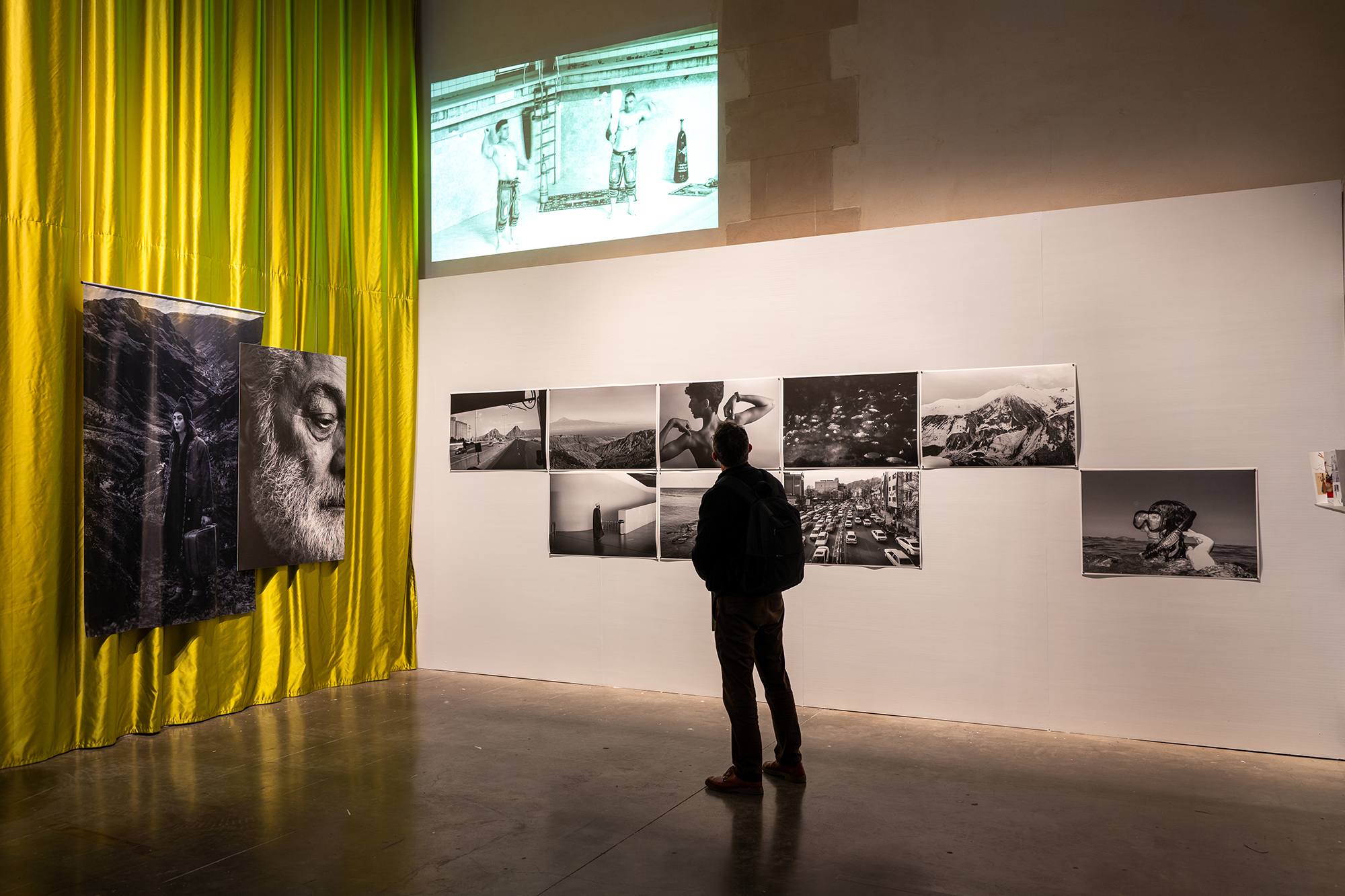
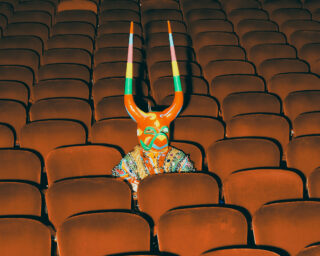
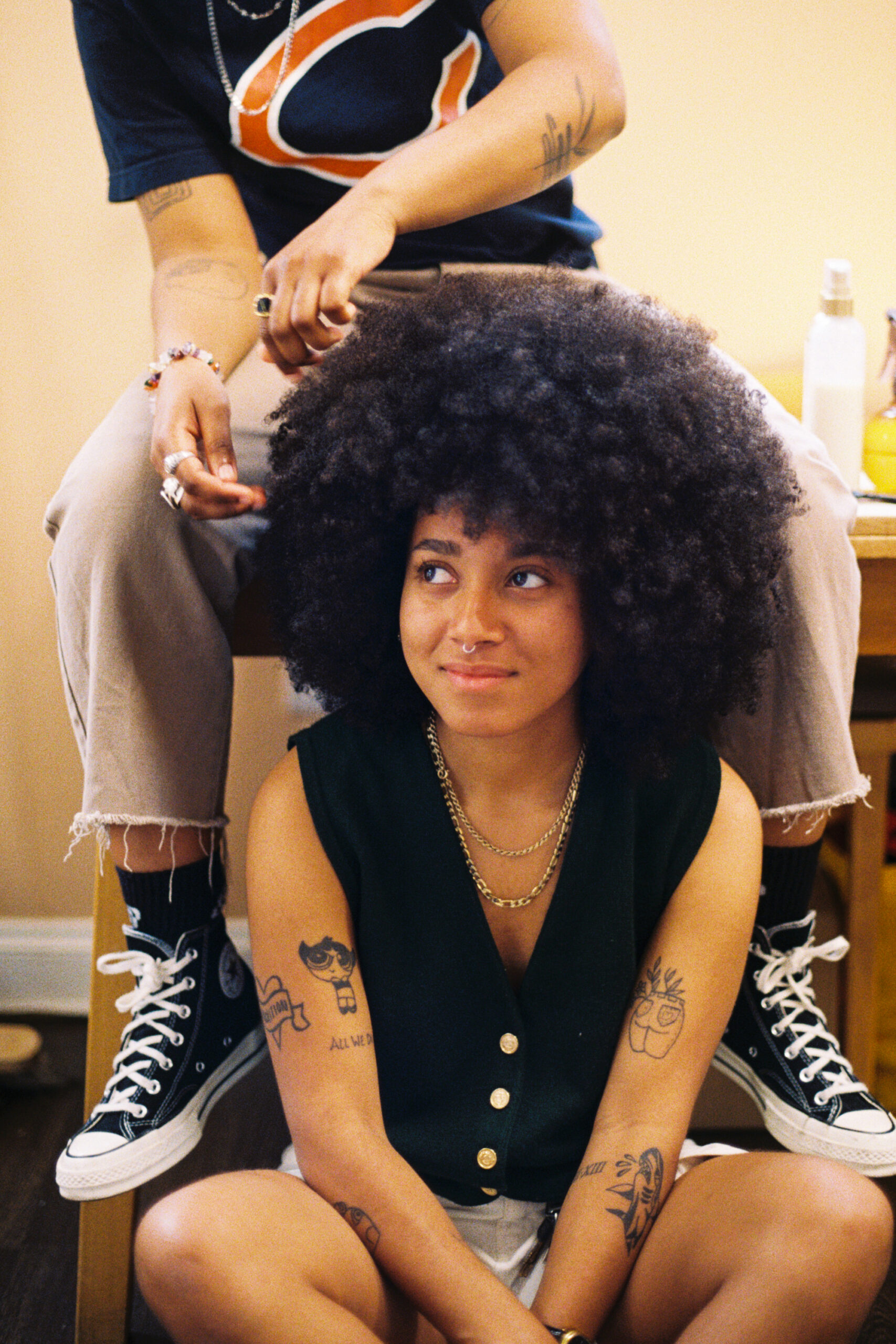
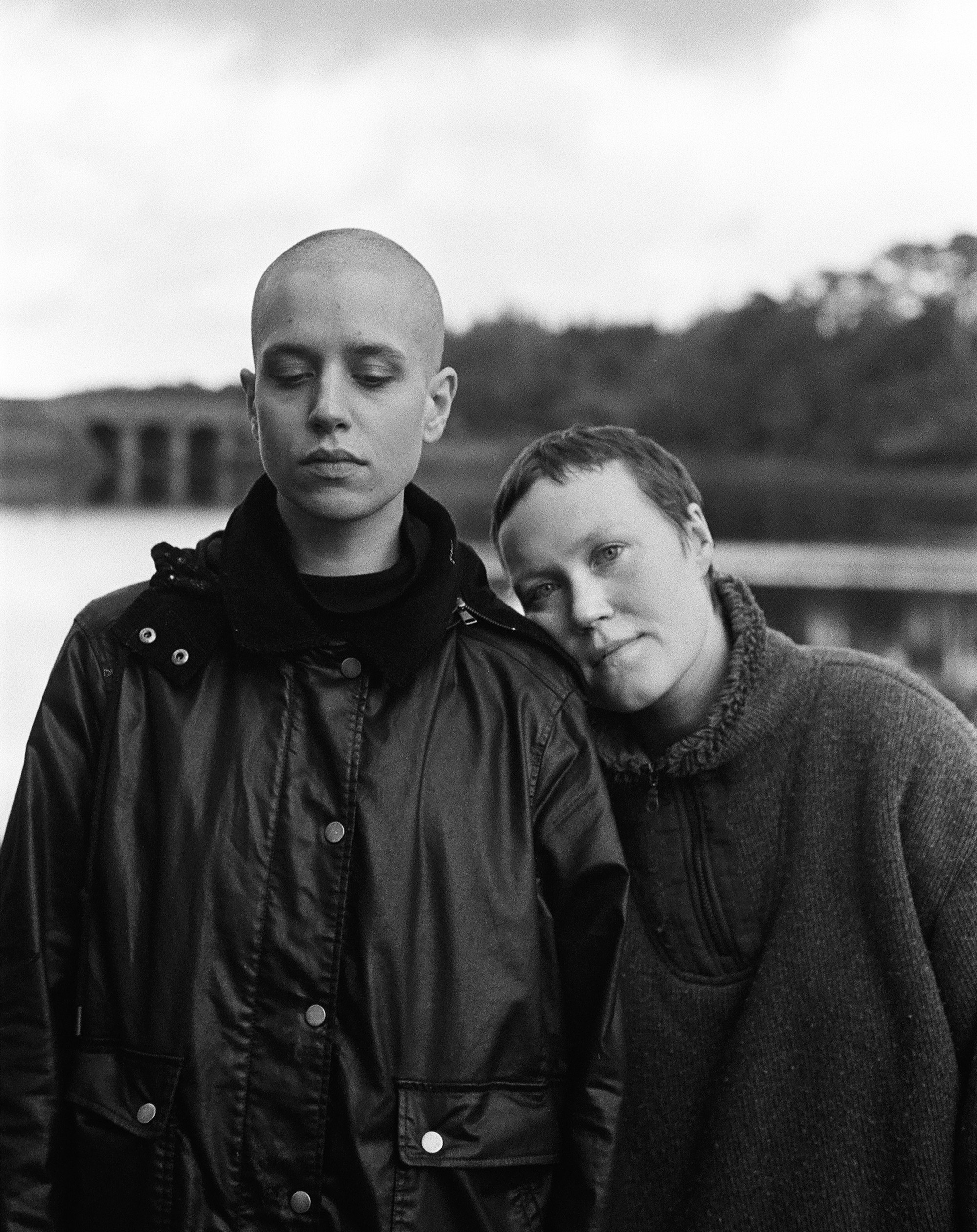
This spring, the festival brings together twenty-four idiosyncratic projects from artists early in their careers. Inside the chartreuse-green exhibition cubes near the entrance, photographs are largely outnumbered. Besides video, the other work on display skews toward craft, including a number of overpainted traditional Polish earthenware dishes and abstract beaded textile hangings that sway and shimmer in the dark. In a room highlighting Ireland, a pop-up hair salon has materialized in front of Ellen Blair’s work—a lyrical series on DIY haircuts in Belfast’s queer community. The ambitious, often eye-catching installations throughout the show reinforce the notion that this is a generation of artists intent on untethering art from the phone screen and yet alert as ever to what looks good on it.
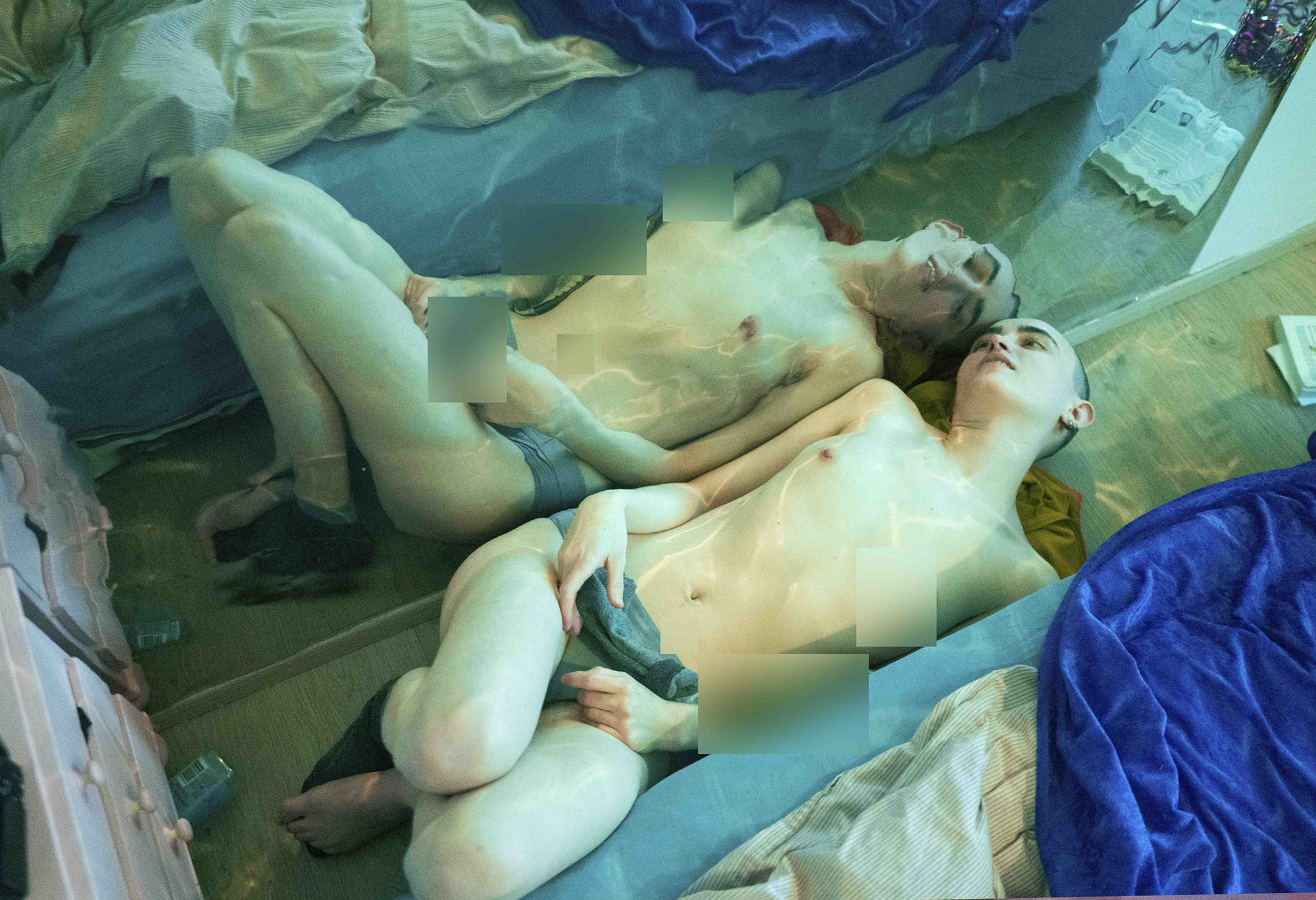
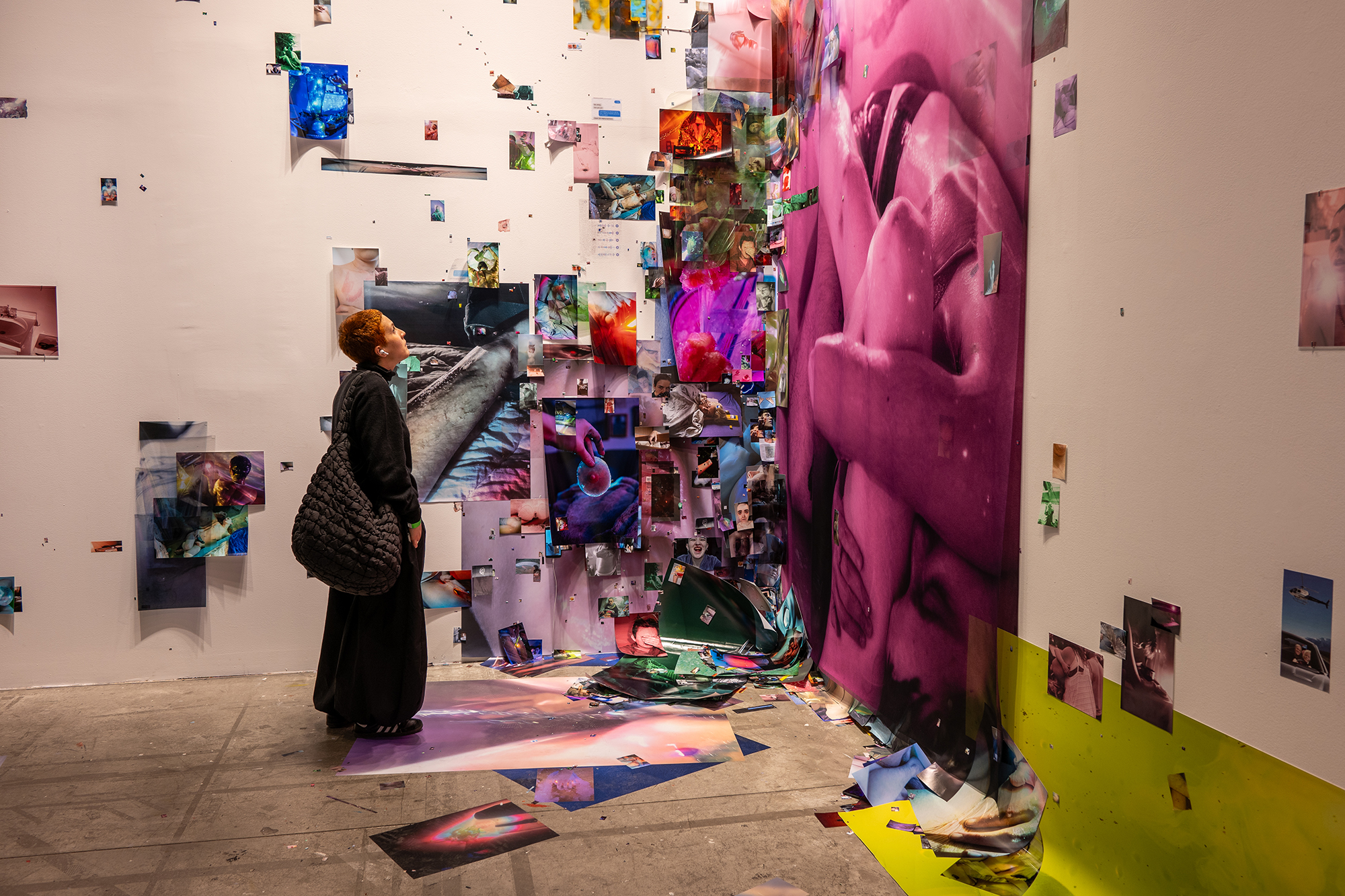
One standout is the Reykjavik-based duo of North Carolina-born artist Sadie Cook and Polish artist Jo Pawlowska’s ongoing project Everything I Want to Tell You. The result of a yearslong weekly practice exploring class, gender, sexuality, and illness, the hypnotic work conceals and fragments as much as it confesses. A dizzying installation of about six thousand images in a space not much larger than a parking spot, it tugs viewers into the rip current of private anxieties and fantasies that overwhelm the artists’ minds just before falling asleep. Entwined limbs and eerie liquids glow with electric colors that give everything a digitally corrupted feel. Poster-scale prints drag on the cement floor beneath self-portraits mixed in with medical records and distorted screenshots stapled roughly to the wall while translucent images hang so high above they can barely be seen. If you don’t watch your step, you might scatter loose confetti-sized photographs of who-knows-what littering the ground.
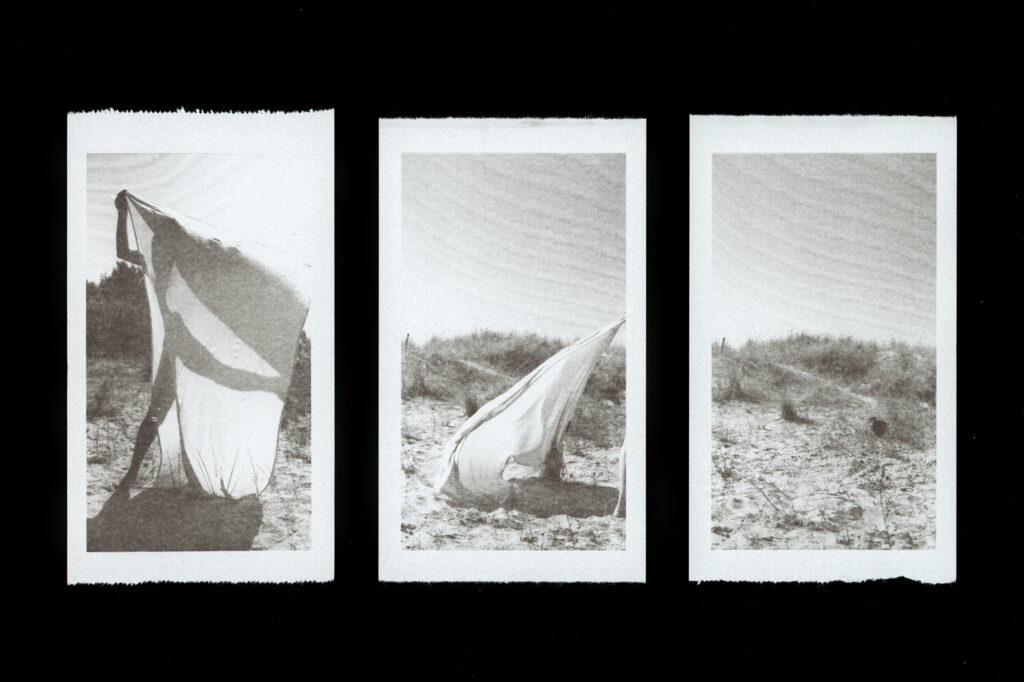
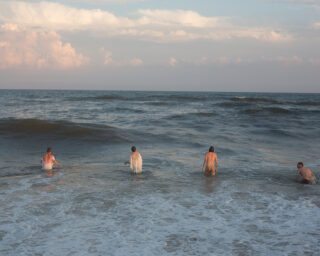
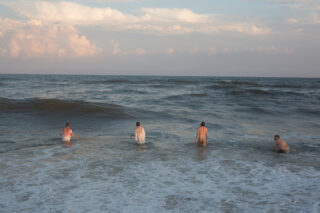
In some of the most intriguing works on view, photography is a starting point for connections of another kind. In Black Carnation Part Three (2024–26), Konstantin Zhukov constructs an imagined narrative of Soviet-era queer beaches in his home country of Latvia. “Queer history is a relatively new subject in Latvian academia, being written as we speak,” says Zhukov, who drew inspiration from the mid-century diary entries of a local closeted gay man. He prints his diffuse, gray-toned images of erotic encounters on disposable surfaces like newsprint or receipts. Making art with the kind of thermal printers that generate flimsy restaurant bills, Zhukov points at the contradictions he sees in these moments, at once transactional and infused with the warmth of human touch.
For the Paris-based photographer Marine Billet, the camera functions as a way to get to know a group of girls in their late teens, whose tender, meandering voice notes play through headphones beside her photo and video series Reliées (2025). Billet, who is thirty-four, thinks of the project as being like time traveling. “I wondered what it would have been like to have been born when they were,” she says. In painterly, medium-format tableaux, she captures the teenagers in a stylized mode between fashion choreography and their natural way of being, as they crowd together in a cramped bedroom or gaze into their phones around the dinner table.
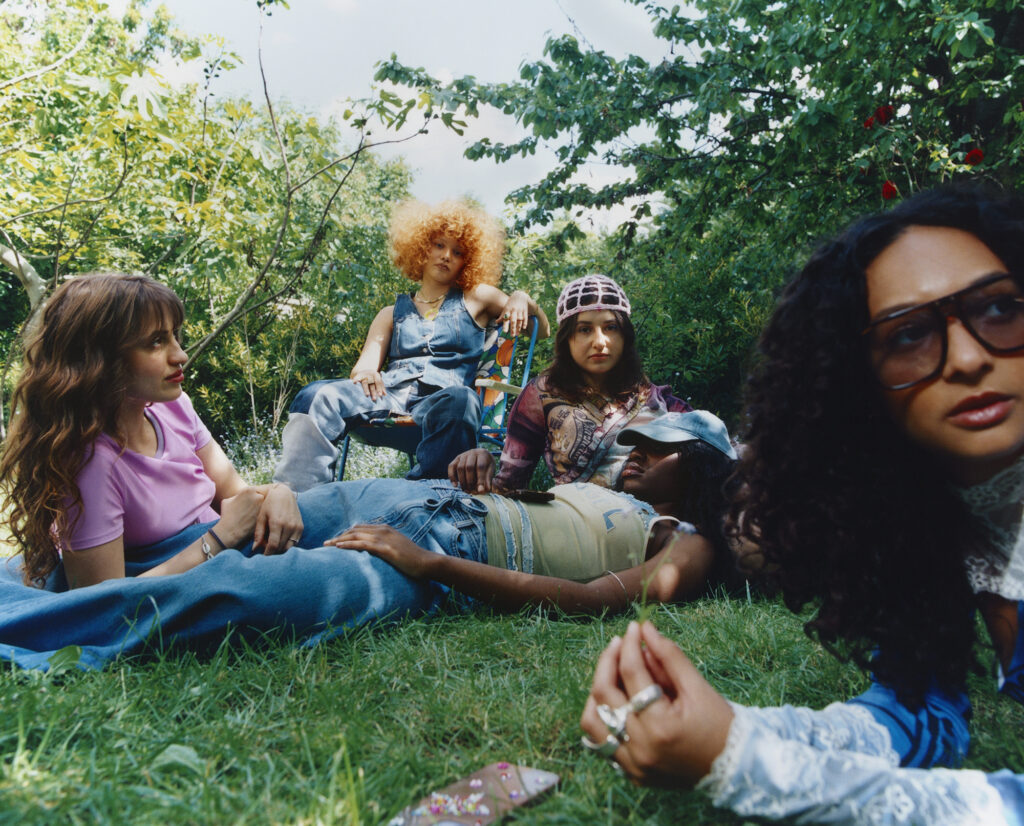
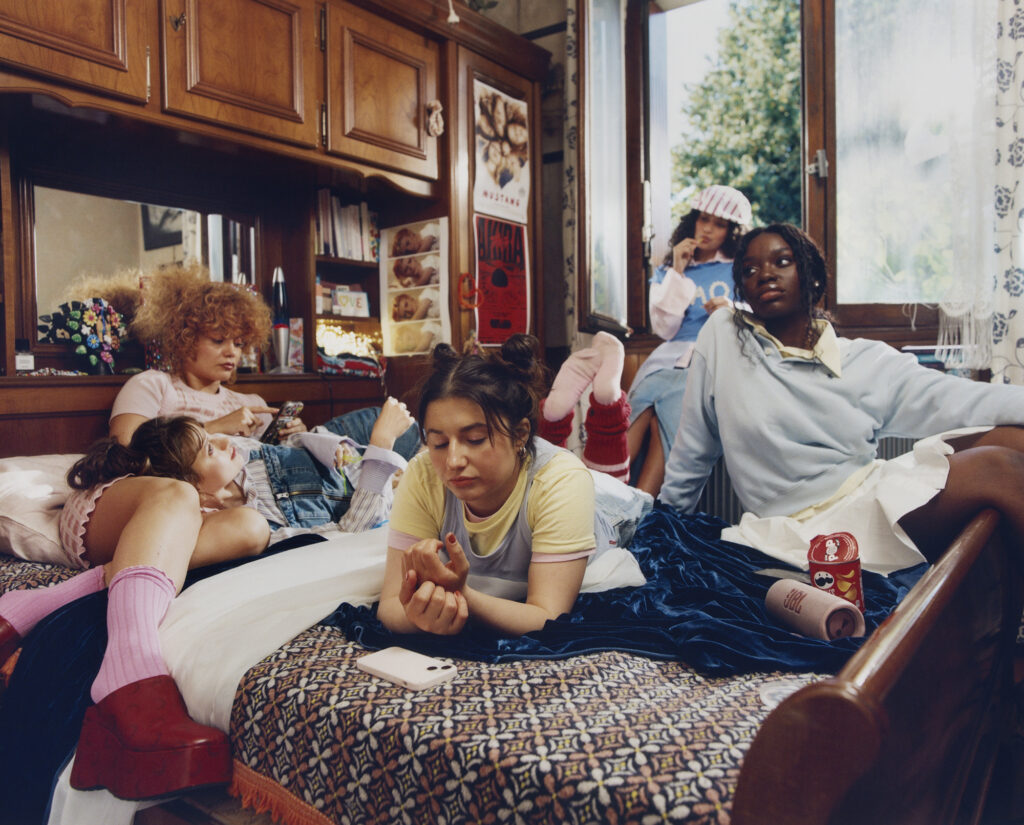
The stars of Reliées came to the opening weekend of the festival—and took pictures in front of their portraits—as did about three thousand other visitors who attended not only the exhibition but also an array of live performances and readings, all free and open to the public. Throughout the day, people were doing and making, whether in the form of haircuts and temporary tattoos of photographs on view or studio portrait sessions organized by local photographers. The rapper T2i, who had collaborated on a project with artist NouN about a mythical mermaidlike figure from Guyana, gave a lively performance. Visitors followed along on a large screen as the Swiss artist Nathalie Bissig drew in red gouache atop her wry, raw, and sometimes ghoulish images depicting the folk traditions of the Canton of Uri. There were no quiet corners with photobooks for sale. You could only purchase the festival catalogue, which was slimmer this year due to a decline in sponsors. But the curators and the large team of volunteers remain as committed as ever to this communal, militantly inclusive, and often freewheeling endeavor. As one artist told Halkin recently, any other venue might let him “hang photographs in a straight line,” but only Circulation(s) would help him take risks in front of a real audience.
Circulation(s): European Young Photography Festival is on view in Paris through May 17, 2026.