



11 Exhibitions to See This Spring
From a Martin Parr retrospective in Paris to Peter Hujar’s contact sheets in New York, here are this season’s must-see photography shows around the world.

No.223, Blossom Mode, 2023
© Estate of Lillian Bassman
Lillian Bassman — New York
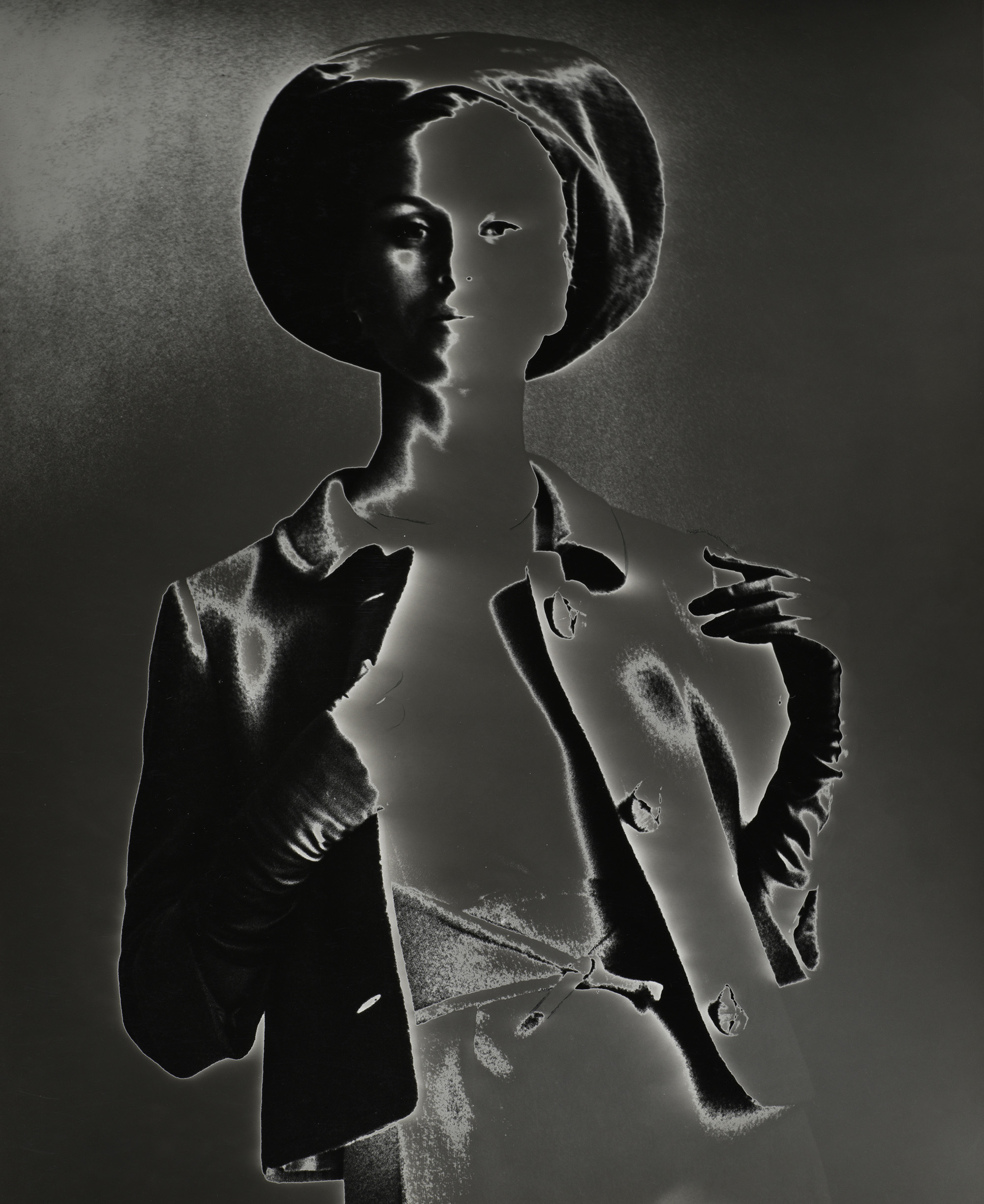
Lillian Bassman: Bazaar and Beyond provides an expansive view of a woman who challenged the status quo in fashion photography between the 1940s and the 1960s. Bassman was an American fashion photographer acclaimed for her illustrious tenure at Harper’s Bazaar, where she promoted the careers of Richard Avedon, Robert Frank, and Paul Himmel. This show traces Bassman’s trajectory from design apprentice to art director turned photographer, featuring her hallmark high-contrast black-and-white images of society women, actresses, and models. Rare vintage prints, layout designs, and darkroom experiments highlight Bassman’s signature abstract aesthetic through gestures and silhouettes that complemented the ultrafeminine style of midcentury glamour. Bassman’s contribution to the genre, she once said, “has been to photograph fashion with a woman’s eye for a woman’s intimate feelings.”
Lillian Bassman: Bazaar and Beyond at the Metropolitan Museum of Art, New York, through July 26, 2026
© the artist
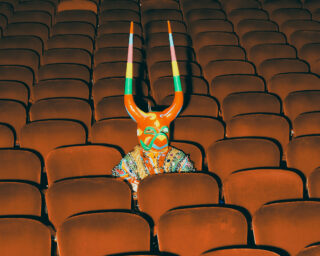
Nhu Xuan Hua — London
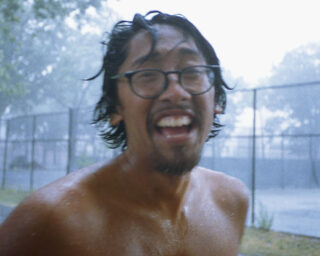
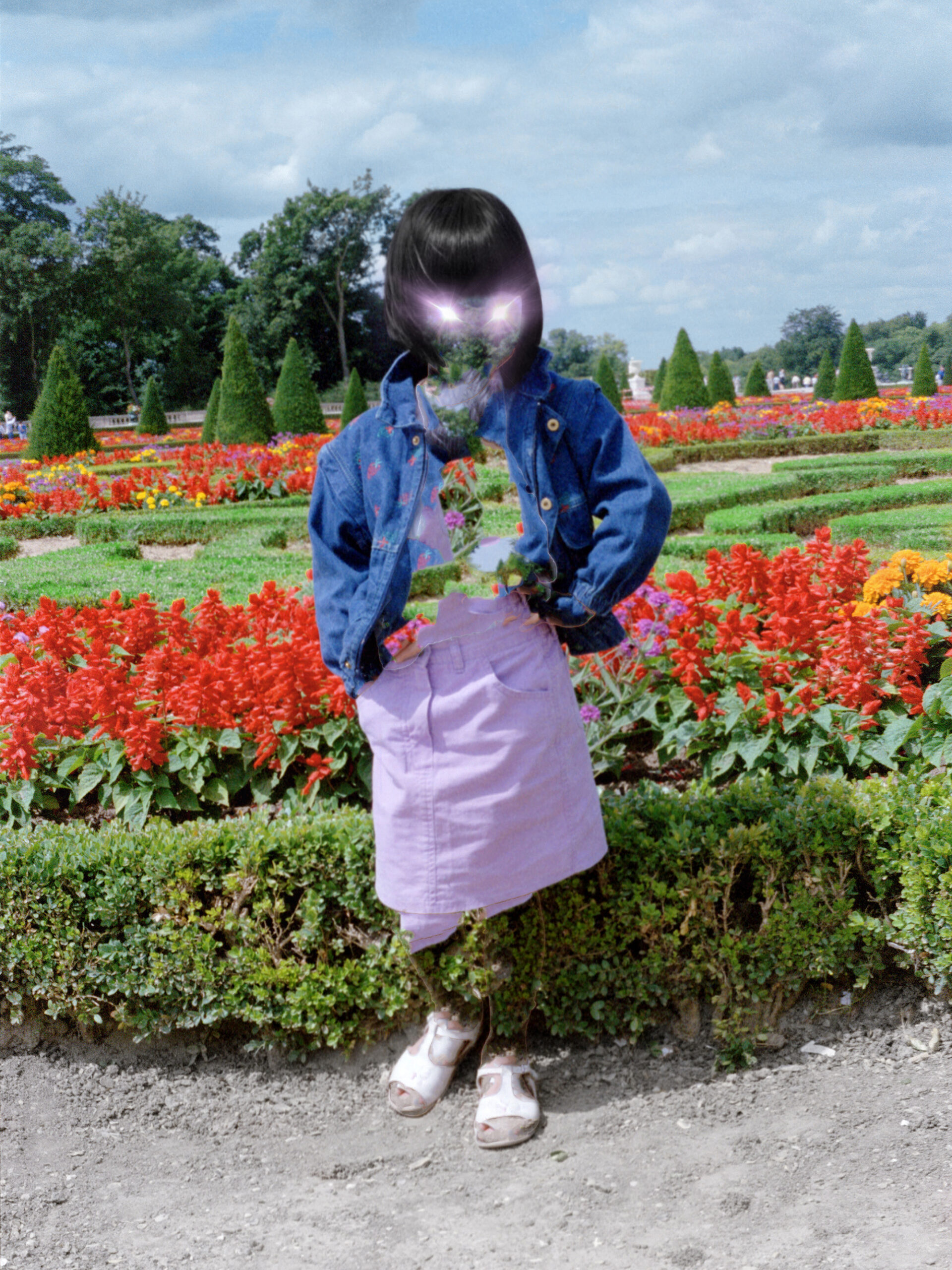
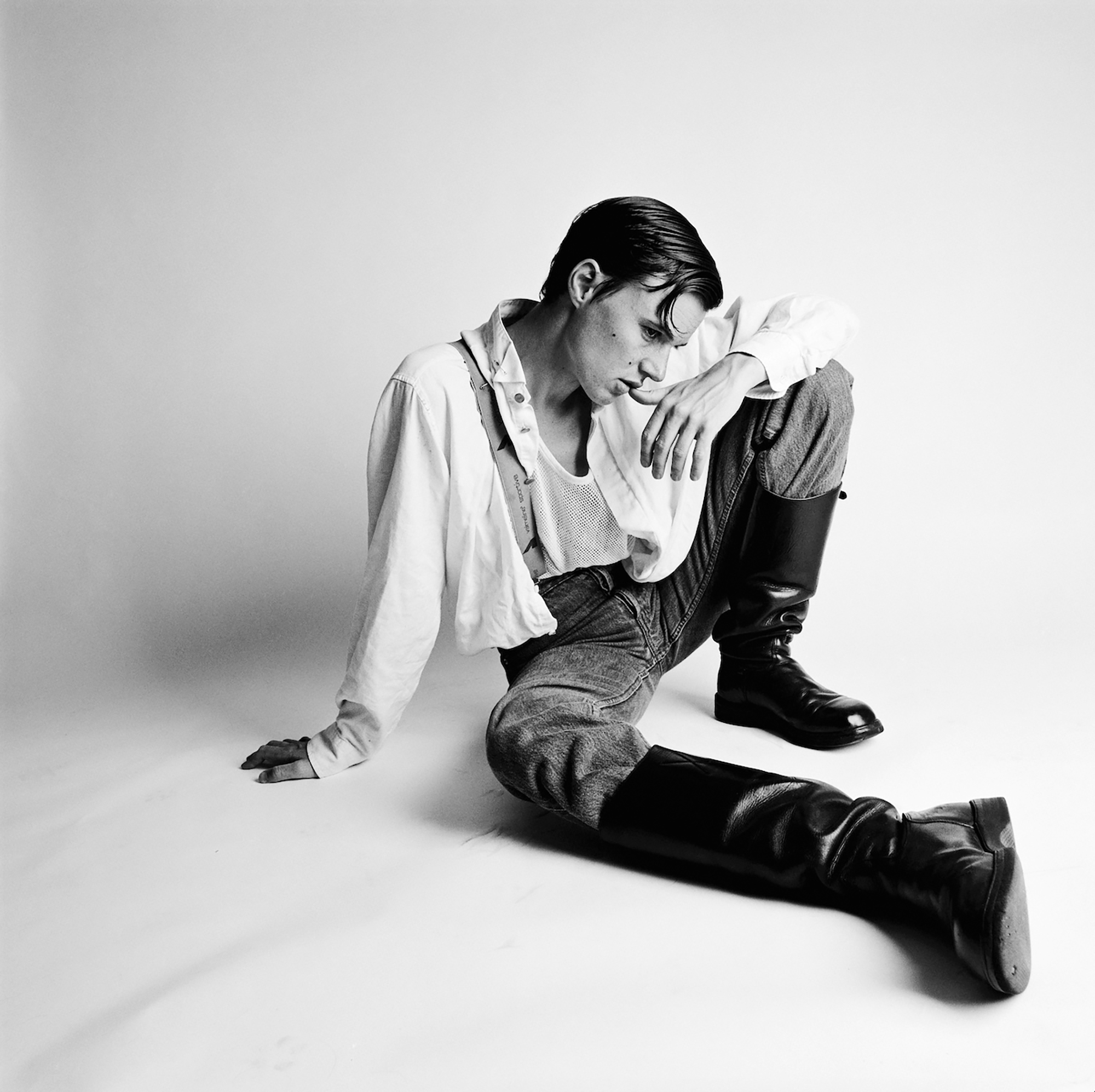
Nhu Xuan Hua has presented solo shows of startlingly imaginative, at times surreal portraiture at Huis Marseille in Amsterdam and Les Rencontres d’Arles, the photo festival in Southern France. She has also worked in the fashion industry, for brands such as Dior and Margiela. Hua’s latest project, Of Walking on Fire, takes place at Autograph in London, where she probes the limits of communication and memory. Hua’s parents immigrated to France following the war in Vietnam, and the photographer often seeks to reconcile gaps in family history with the rhythms of her own life in Paris by restaging scenes drawn from archival images. Faces and identities are sometimes obscured by garments, flashes of light, or digital manipulation. The body, Hua’s work implies, seems always to exist between eras and places, and through that mélange, a new personality might arise.
Nhu Xuan Hua: Of Walking on Fire at Autograph, London, April 16–September 19, 2026
© the artist
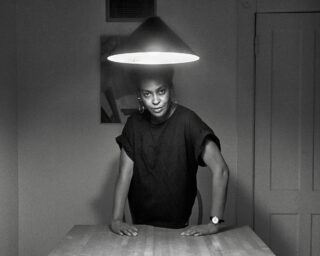
Catherine Opie — London
Catherine Opie rose to eminence in the 1990s as the court portraitist to Los Angeles’s leather-dyke scene during the height of the culture wars. Since then, she has continued to photograph her queer circle of friends and intimates while documenting other subcultures: surfers, protestors, football players, ice fishermen, Boy Scouts. Opie’s first retrospective in the United Kingdom explores this expansive, conceptually charged body of portraiture and how it makes visible the countenance of American democracy itself.
Catherine Opie: To Be Seen at the National Portrait Gallery, London, through May 31, 2026
© the artist/Magnum Photos
Martin Parr — Paris
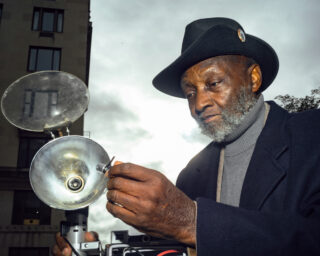
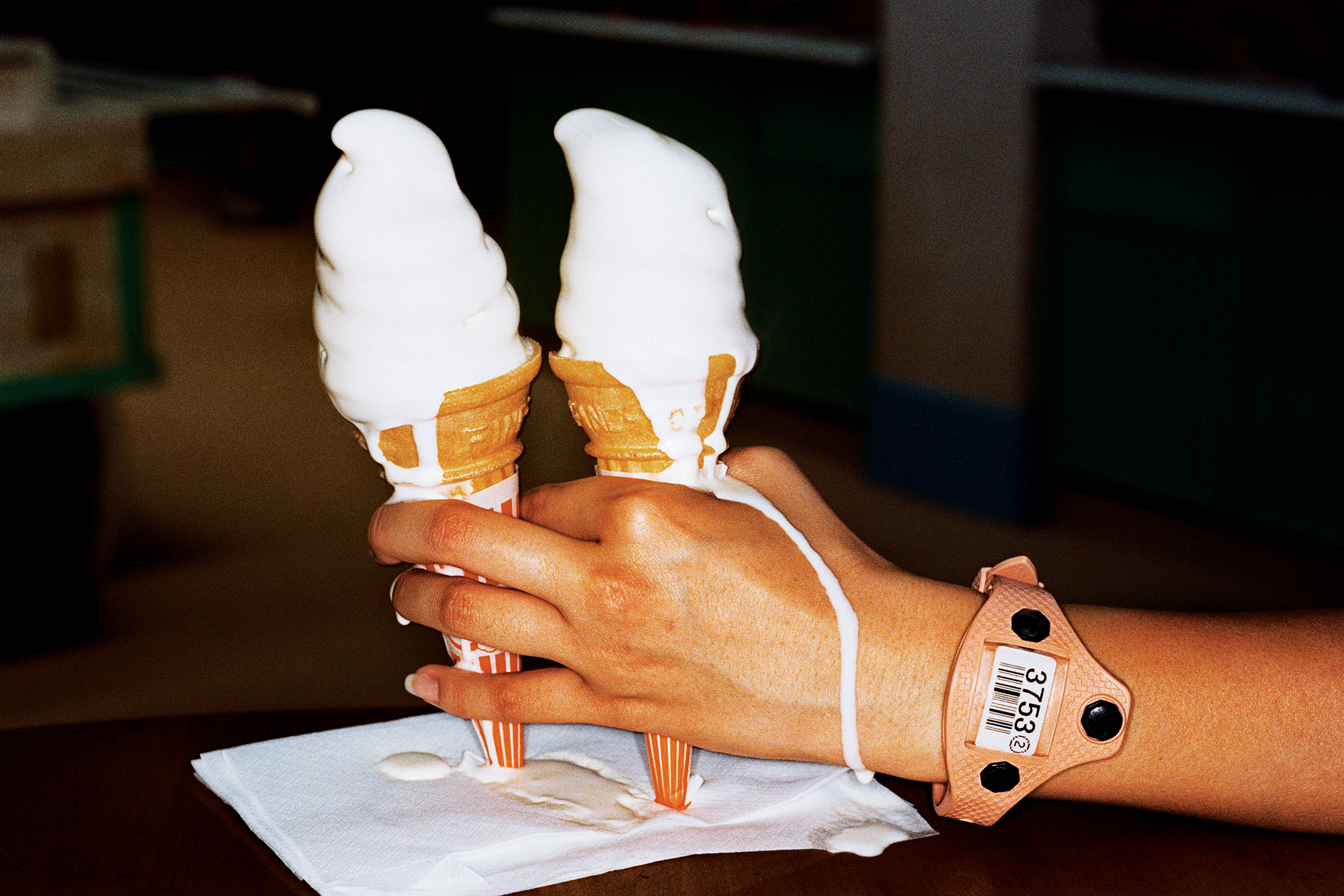
“I respect what you’re doing, but I think you’re from a different planet,” Henri Cartier-Bresson once told Martin Parr. With his lurid flash and ultrasaturated palette, the British photographer might seem like an emissary from outer space, sent to give earthlings a surreal reality check. A current exhibition in Paris frames his work against the backdrop of climate change—a ripe theme for Parr, whose tragicomic pictures, far from shallow satire, have always spoken deeply to how we want to see the world.
Martin Parr: Global Warning at Jeu de Paume, Paris, through May 24, 2026
© the artist/MUUS Collection
Deborah Turbeville — Sweden
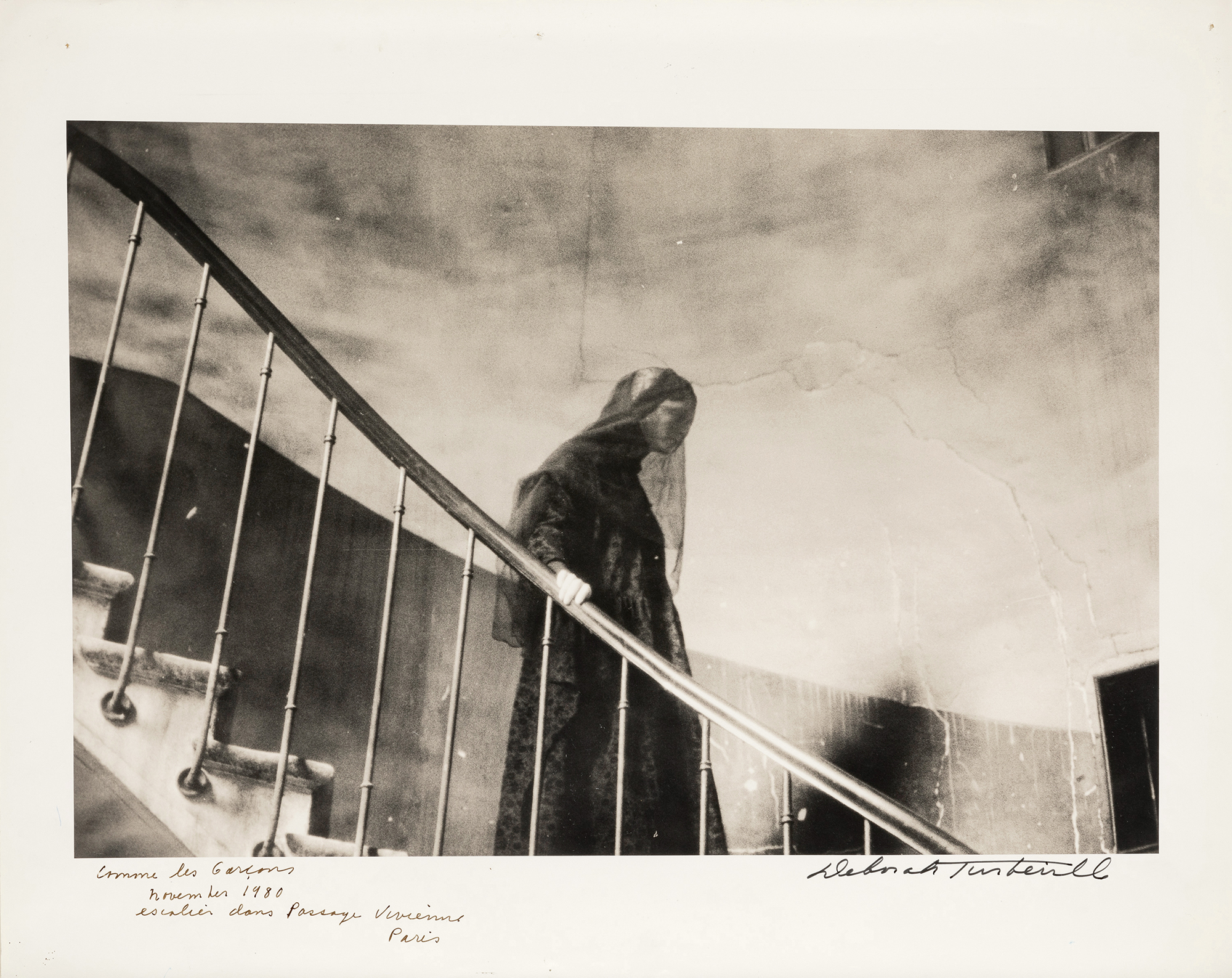
Alongside Guy Bourdin and Helmut Newton, Deborah Turbeville brought an edgy theatricality to fashion photography beginning in the 1970s. She rejected the glossy sex appeal that motivated commercial photoshoots by xeroxing, cutting, blurring, scratching, and pinning prints together to conjure otherworldly narratives. This exhibition concentrates on Turbeville’s personal experiments with photo collage, a means through which she heightened the distinct air of unreality that distinguishes her work, in which the forces of fashion and fiction coalesce.
Deborah Turbeville: Photocollage at Moderna Museet, Malmö, May 2–September 27, 2026

Courtesy the artist
Lin Zhipeng (No.223) — Shanghai
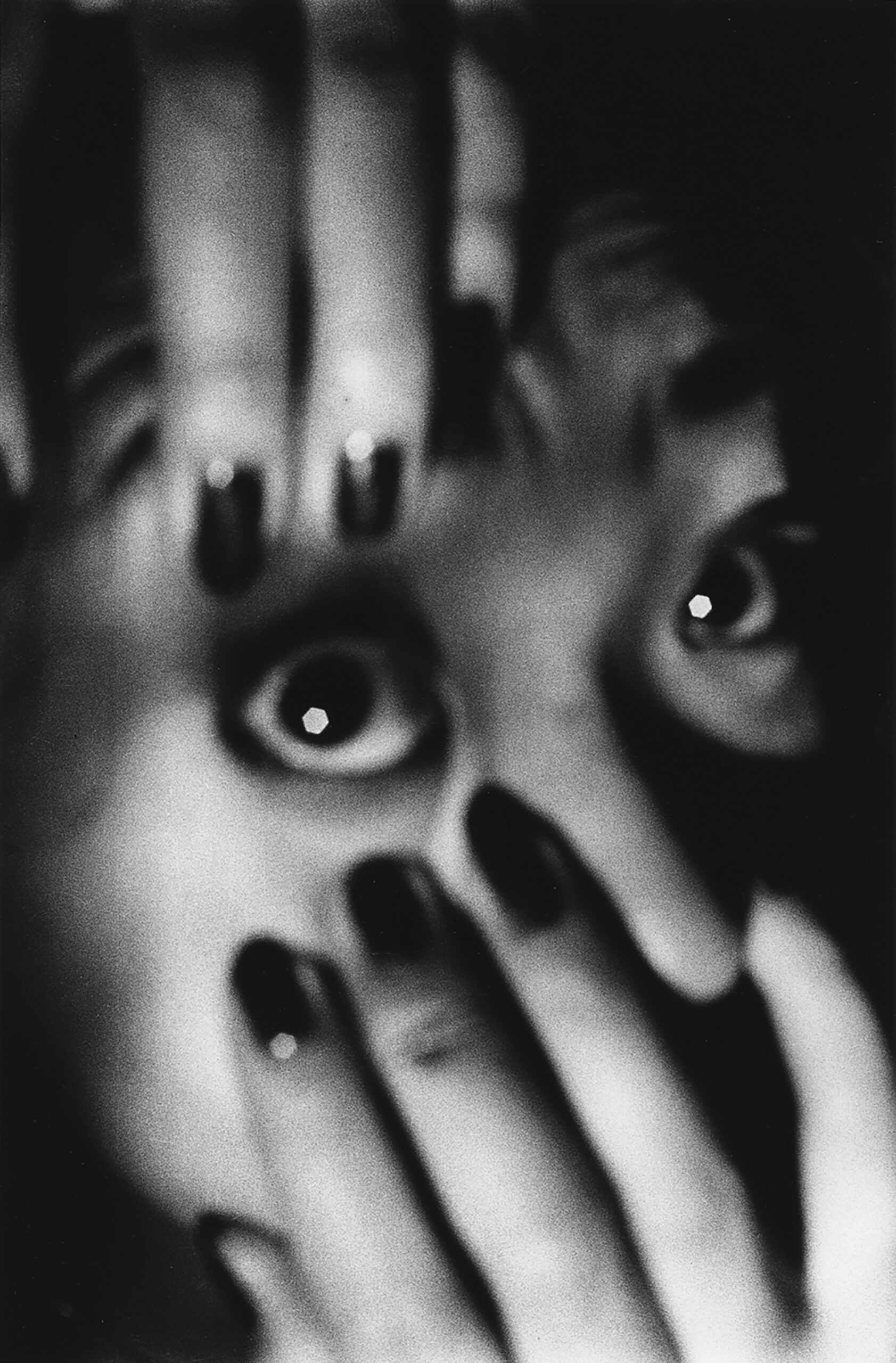
The photographer Lin Zhipeng, known as No.223, traces the hidden dialogues between desire, physicality, and the everyday. At Fotografiska in Shanghai, a new exhibition, drawn from over a hundred photographs spanning twenty years, portrays No.223’s artistic practice of documenting intimate moments between friends and lovers, sensual still lives of fruits and flowers, or city corners and natural landscapes. No.223’s images pulse with a poetic, almost electric energy: flowers seemingly bloom from the curve of a figure’s back; a knife pierces through a sliced lemon and pomegranate stacked on one another. In photographing these clandestine moments, No.223 questions how desire can become a subversive element of daily life.
Under the Sunlight, There is No True Intimacy at Fotografiska, Shanghai, through June 14, 2026
Kyotographie 2026 — Kyoto
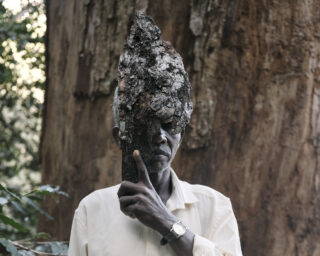
“I don’t know if individual photographs contain ideas, worlds, history, humanity, beauty, ugliness or nothing at all,” the Provoke-era legend Daido Moriyama observed in 1973. A large survey of his work at the Kyocera Museum of Art, covering almost sixty years of output, will test this observation while anchoring this year’s edition of Kyotographie, the photography festival in Kyoto. Kyotographie, however, maintains a decidedly international point of view. A spotlight on South Africa will feature three generations of image makers—Ernest Cole, Pieter Hugo, and Lebohang Kganye—revealing the ongoing work of writing a history of place. Exhibitions by resident-artist Thandiwe Muriu, from Kenya, and Fatma Hassona, a Palestinian photographer-activist killed in Gaza in April 2025, echo Moriyama’s notion of photography’s openness and contradictions, simultaneously containing beauty and ugliness.
Kyotographie 2026 at various locations in Kyoto, Japan, April 18–May 17, 2026
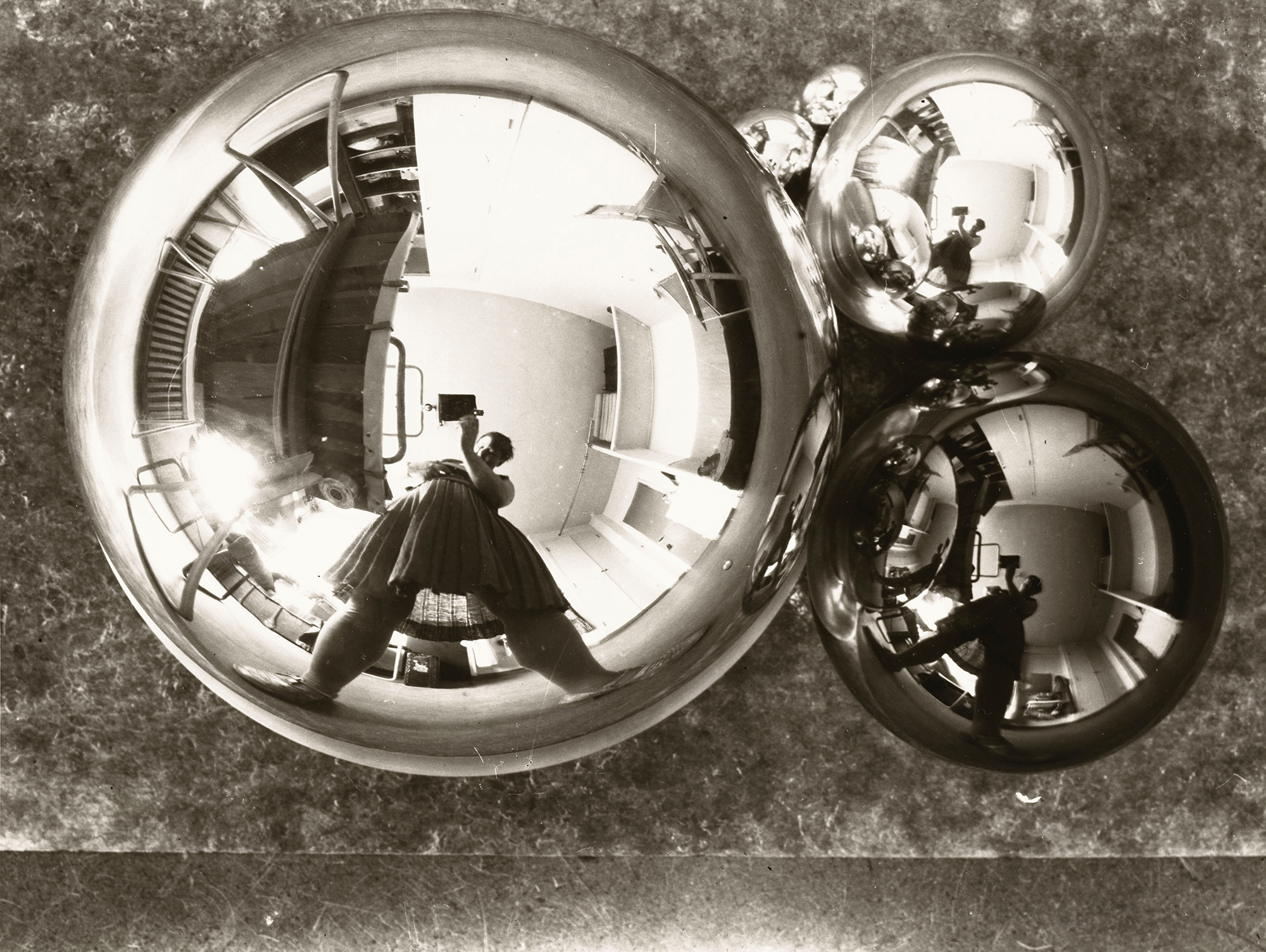
© VG Bild-Kunst, Bonn
Women Photographers of the Bauhaus — Berlin
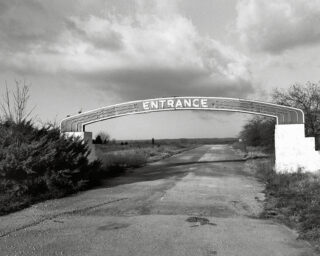
The Bauhaus was well schooled in contradiction—it was a place torn between craftsmanship and industry, emotion and function, the collective and the individual. Much recent scholarship has focused on the patriarchal structures of this supposedly utopian haven, which allowed women to study art but often confined them to categories such as weaving and costume. Yet, as this exhibition proposes, photography became an accessible and profound medium for the Bauhaus’s female students, among them Gertrud Arndt, Marianne Brandt, Grit Kallin-Fischer, and Lucia Moholy. These artists were central to shaping the Bauhaus’s New Vision, a movement that sought to reflect Weimar reality with experimental methods.
New Woman, New Vision: Women Photographers of the Bauhaus at Bauhaus Archiv, April 17–October 4, 2026
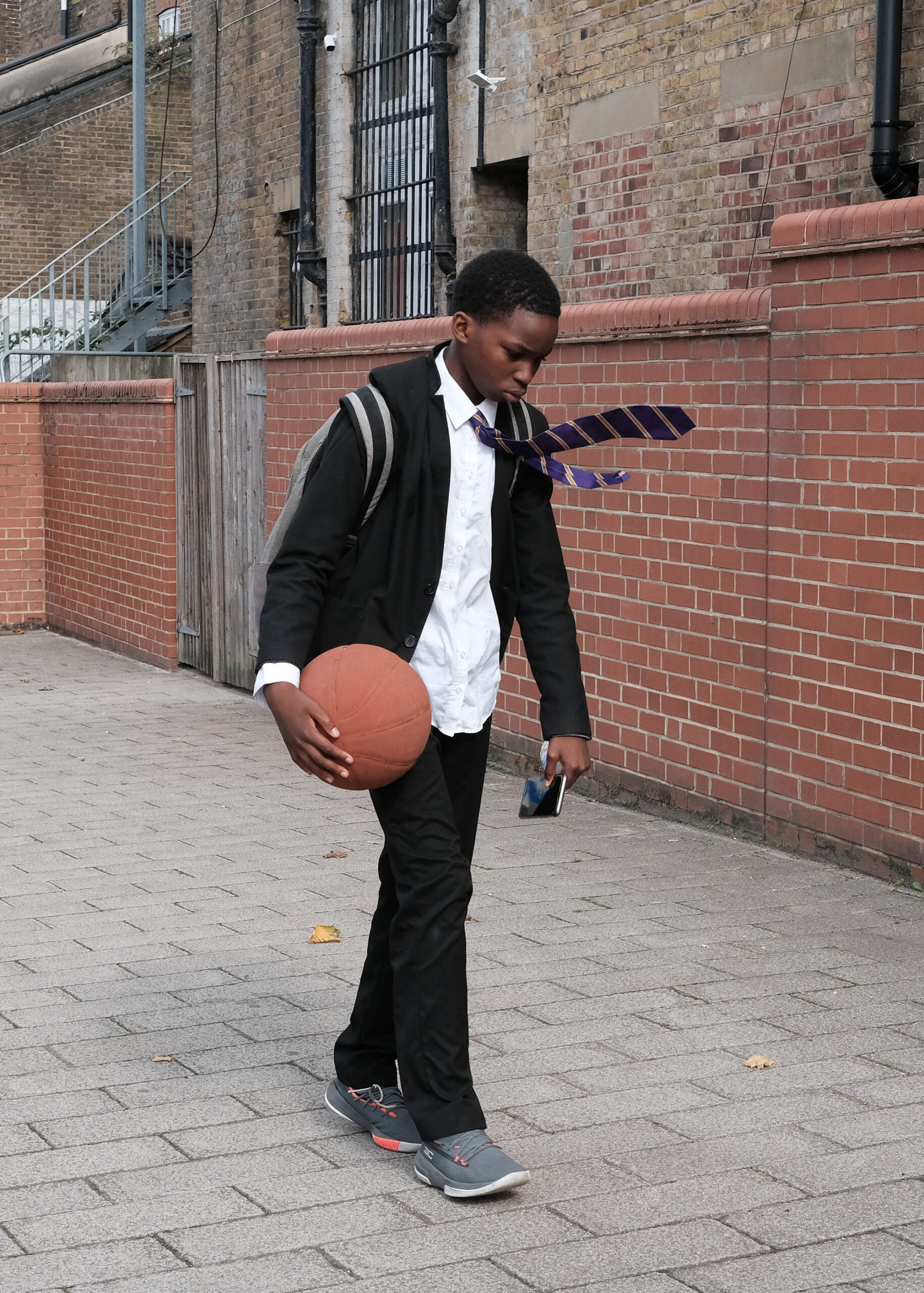
© the artist
Johny Pitts — Paris
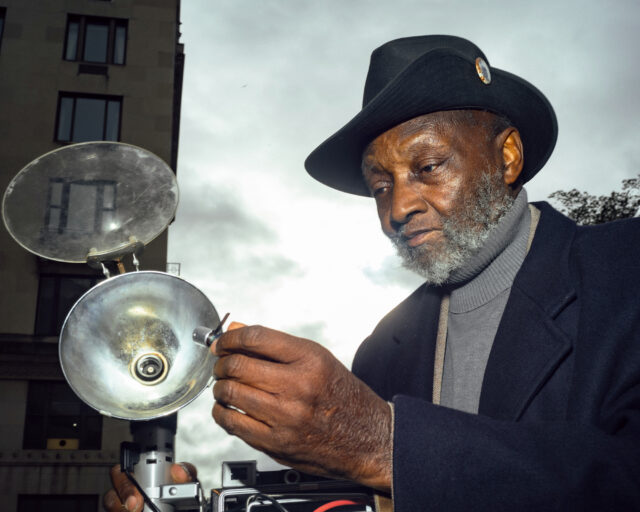
For the last twenty years, the writer, filmmaker, and photographer Johny Pitts has embarked on a large-scale body of work centered on the African diaspora in Europe and beyond. Photographing across London, Lisbon, Brussels, and Berlin, he has documented moments of daily life with the idea, as he says, that “being black in Europe didn’t necessarily mean being an immigrant.” (Musically-inclined viewers may recognize his work as having recently graced the cover of the Blood Orange album Essex Honey.) His exhibition Black Bricolage assembles photographic archives, ephemera, and personal testimony to create a layered, constellatory experience: a nuanced representation of what Pitts calls Afropean identity, “whole and unhyphenated.”
Johny Pitts: Black Bricolage at La Maison Européenne de la Photographie, Paris, through May 24, 2026
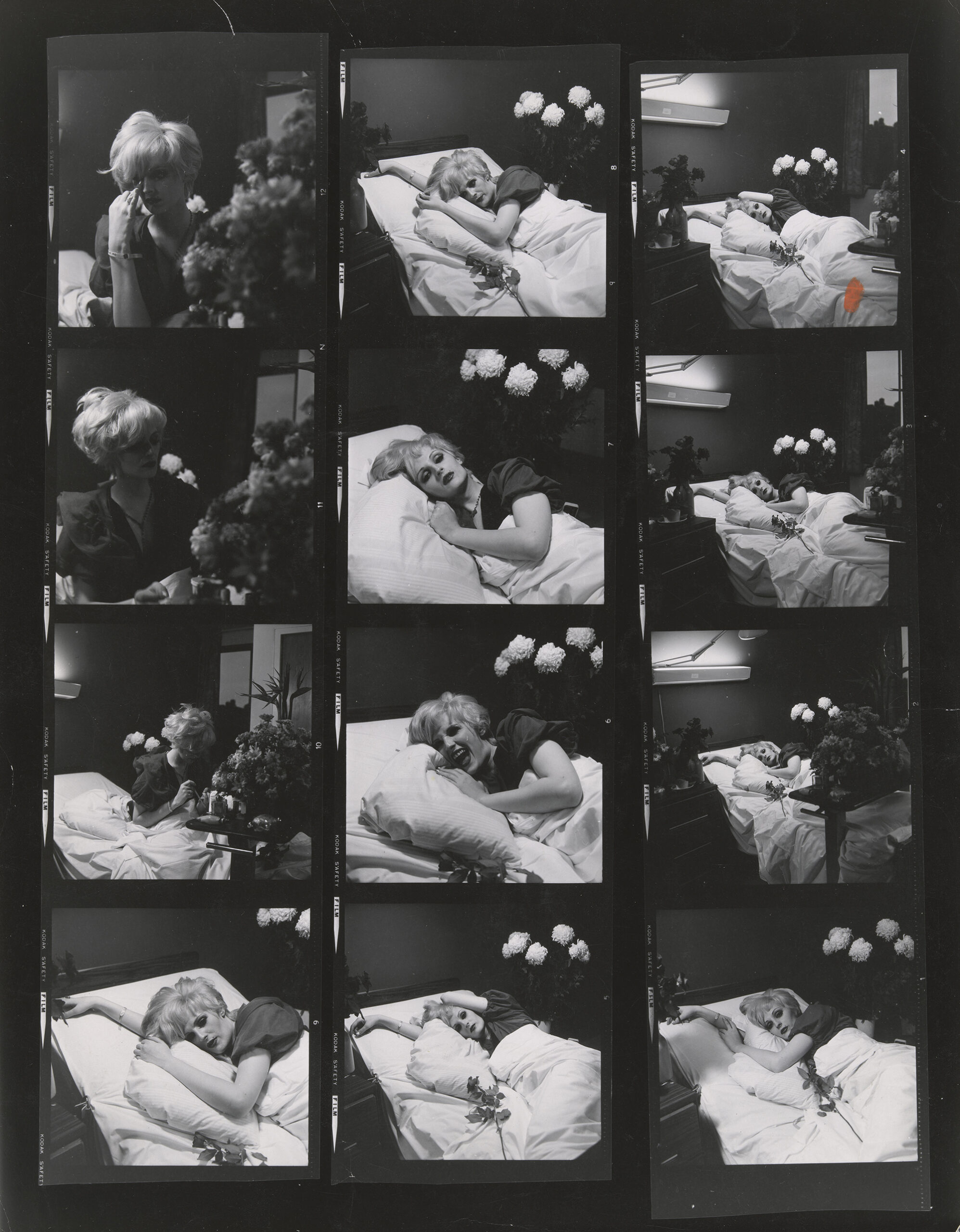
Courtesy Fraenkel Gallery, San Francisco and Ortuzar, New York and © The Peter Hujar Archive/Artists Rights Society (ARS)
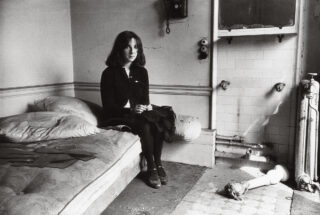
Peter Hujar — New York
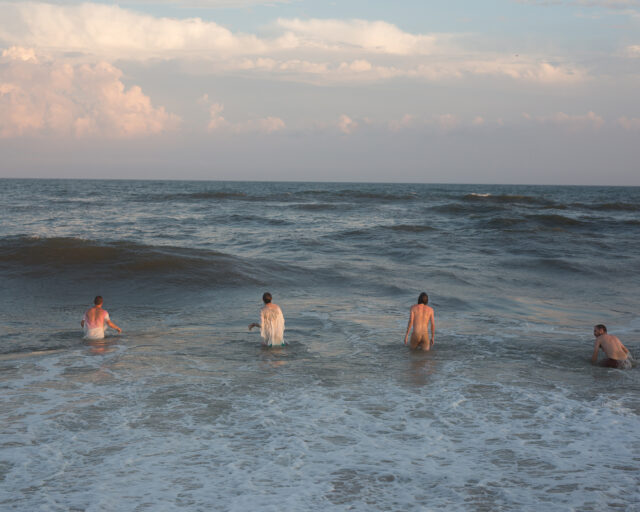
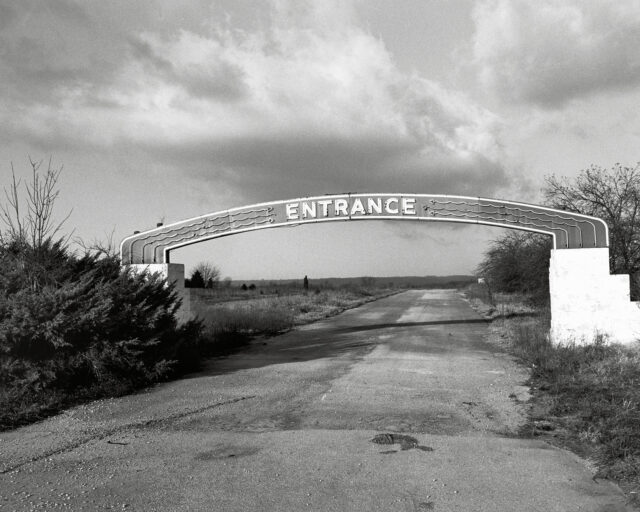
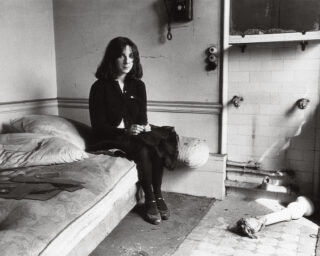
Whether photographing the fixtures of Manhattan’s queer counterculture or the catacombs of Palermo, Peter Hujar approached his subjects with genuine curiosity and preternatural clarity. Nearly forty years after his death, in 1987, from AIDS-related pneumonia, Hujar is the subject of a biography by frieze editor Andrew Durbin, an Ira Sachs film starring Ben Whishaw, and exhibitions in Venice and London. This season, the Morgan Library in New York presents Hujar:Contact, a follow-up to the museum’s celebrated 2018 Hujar show Speed of Life, which considers the artist’s process through his contact sheets and editing notes. Gifted with an ability to make his subjects pose at ease, Hujar also displayed virtuosic control in the darkroom—burning, dodging, bleaching, and spotting to refine the presence and meaning of an image. Hujar:Contact offers the rare occasion to observe a singular photographic mind at work.
Hujar:Contact at the Morgan Library & Museum, New York, May 22–October 25, 2026
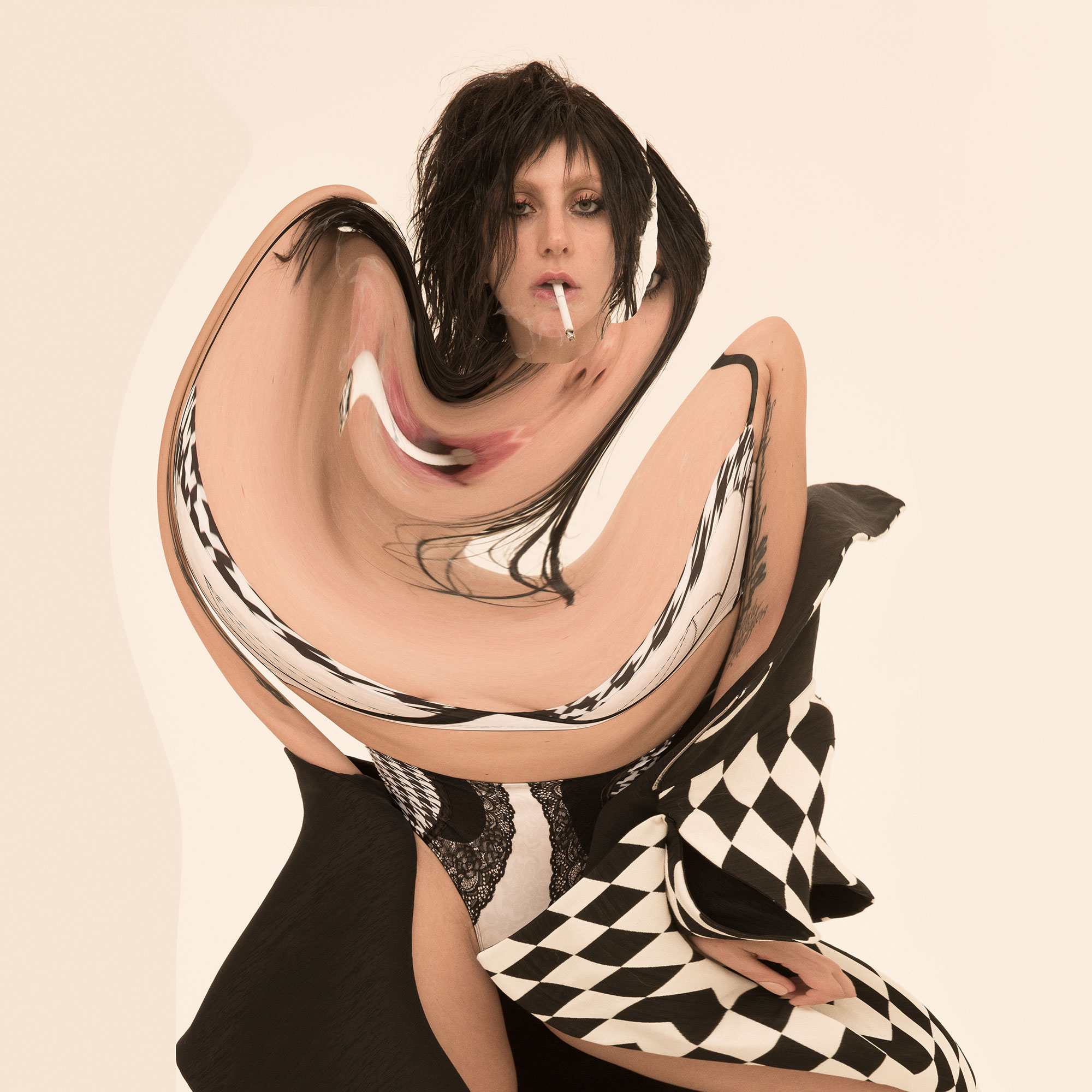
Courtesy the artists
Inez and Vinoodh — The Hague
In the world of fashion photography, few names are as inescapable—and inseparable—as Inez and Vinoodh. Since emerging in the 1990s with slick, digital images that offered an audacious alternative to the era’s heroin chic, the Dutch-born husband-and-wife team have continued to explore what makes us human, often pairing nuanced gestures with extremes of editing. Celebrating their forty years of collaboration, this survey traces the theme of love across eighteen galleries, offering a sustained look at the intimate dynamics of power coupledom.
Can Love Be a Photograph at Kunstmuseum Den Haag, The Hague, through September 6, 2026