Portfolios
A Luminous Portrait of a Los Angeles Community
In South Central, Carlos Jaramillo celebrates the everyday beauty of his parents’ former neighborhood.
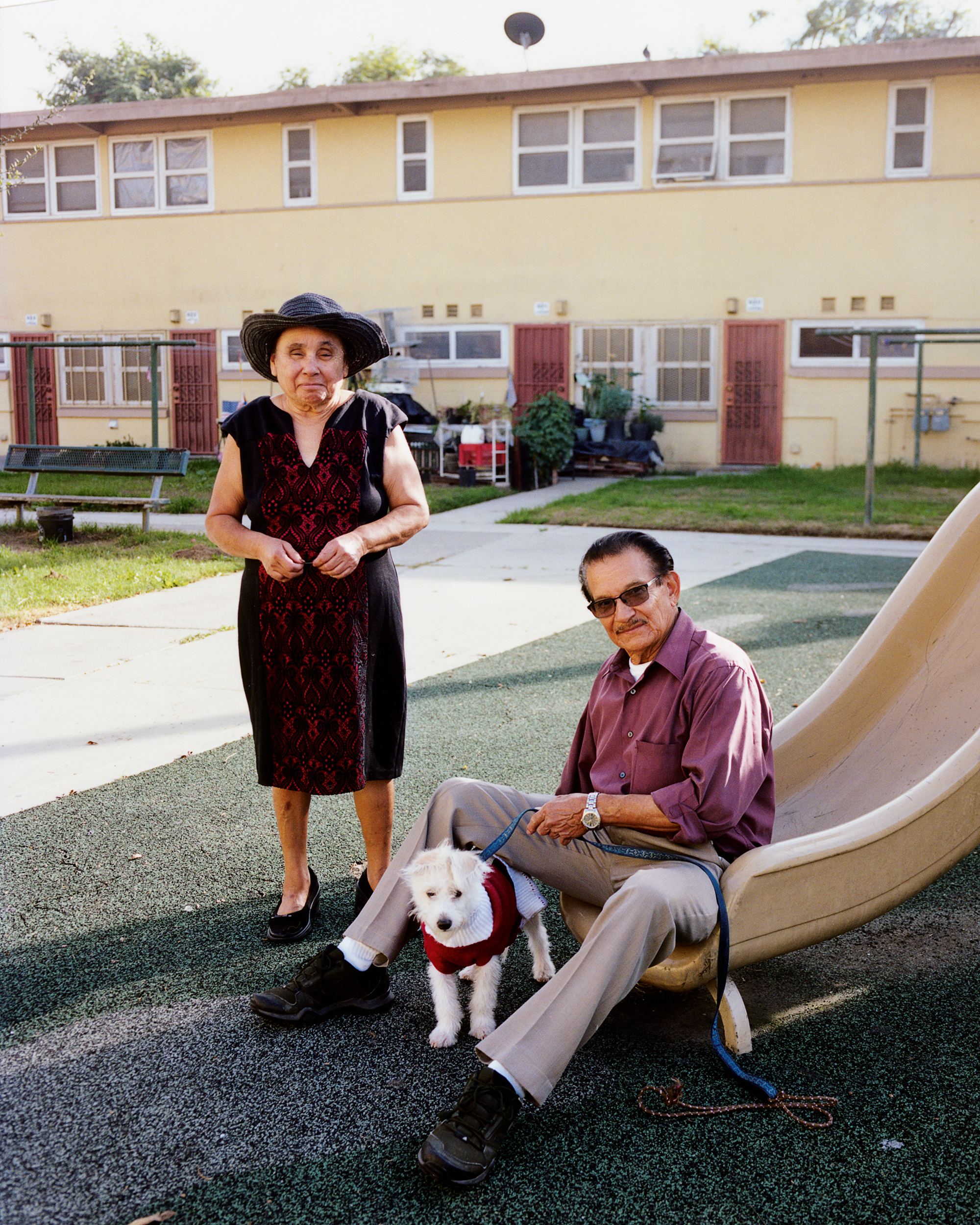

Carlos Jaramillo once spent a year trying to find the ice cream man. This was 2020. He was staying with the painter Ozzie Juarez, who was letting him use his studio in South Central Los Angeles for interior photoshoots. But it was his long walks around the neighborhood that captured his imagination: “It reminded me so much of where I grew up, the large immigrant communities, Latino families. I just felt very much like home.”
Born in McAllen, Texas, Jaramillo minted a decade in New York after studying photography at the School of Visual Arts before returning to Los Angeles roots planted before he was even born. “My parents used to live in South Central,” he told me. “We have a lot of family photos of them around 86th and Broadway. They were visiting family in Mexico when my mother was pregnant with me—they went to the closest Texas border town so I could get my American papers and ended up staying there. But having that family connection to South Central, I was naturally drawn to it.”
Aperture Magazine Subscription
The walks became more focused after he encountered Judy Baca’s 1994 sculpture Raspados Mojados at the Museum of Latin American Art of a functional Mexican snow cone cart—used by paleteros (ice cream vendors)—painted with images of day laborers. The mojados of the title evokes the epithet wetback, a racist term for migrant workers (handily picked up by kids at my suburban LA high school to describe any student who spoke Spanish). “I was really in love with the sculpture,” Jaramillo said. “I couldn’t get it out of my head. I really wanted to make a piece about paleteros in South Central. I spent a year trying to find someone to work with, and it wasn’t working out. Finally, I said, I’m just going to walk around, and maybe I’ll meet a paletero. Walking around, I fell in love with the place even more.”
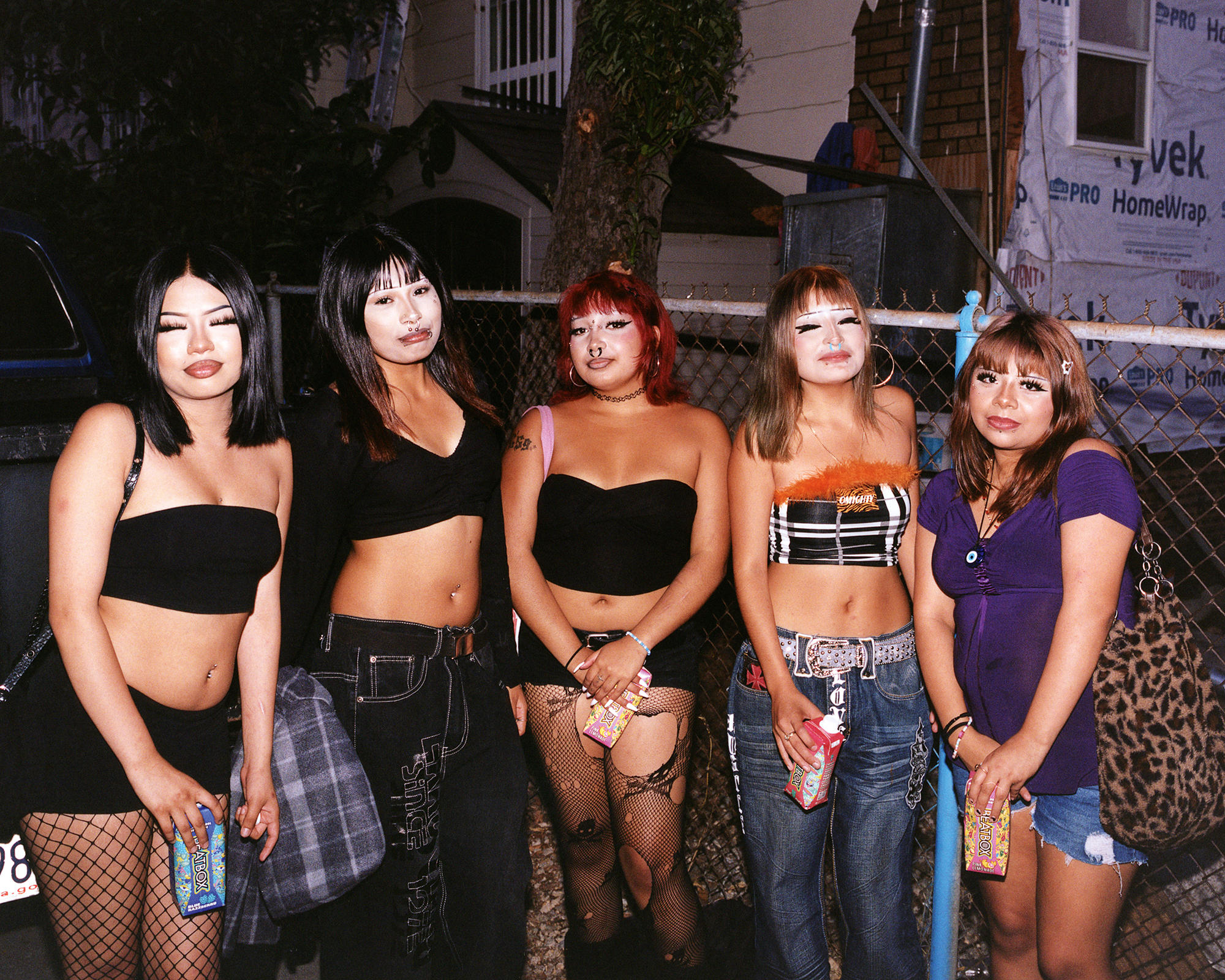
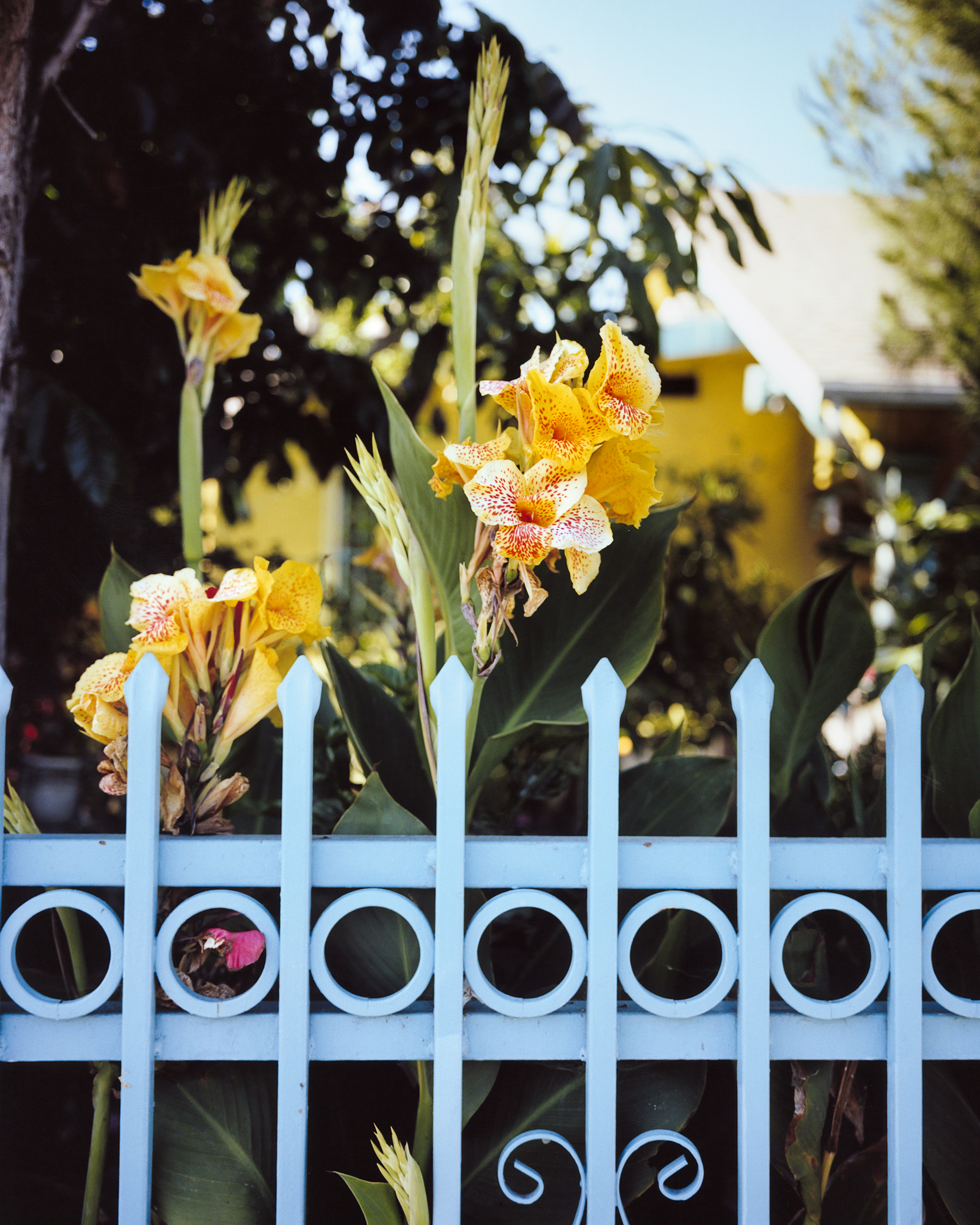
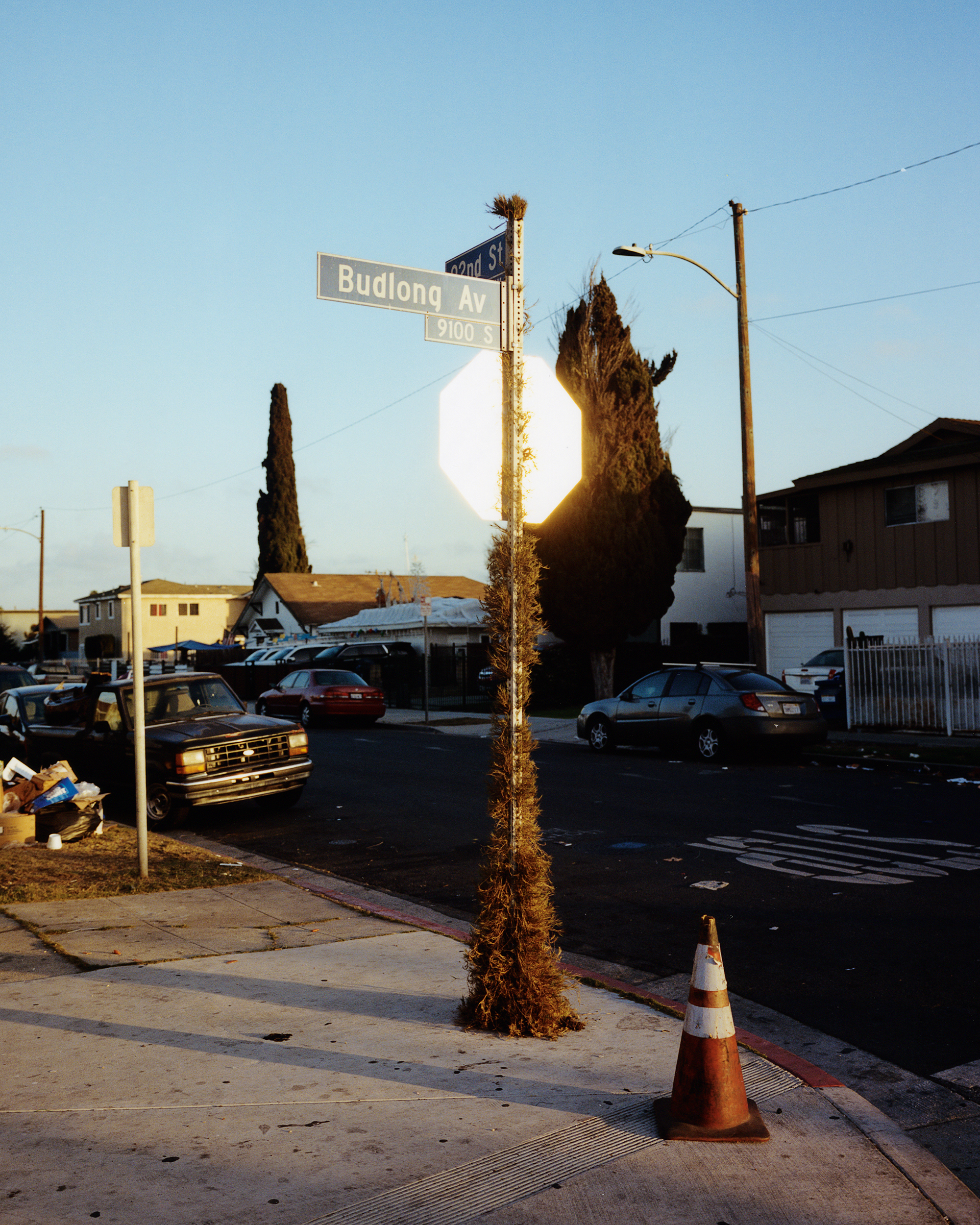
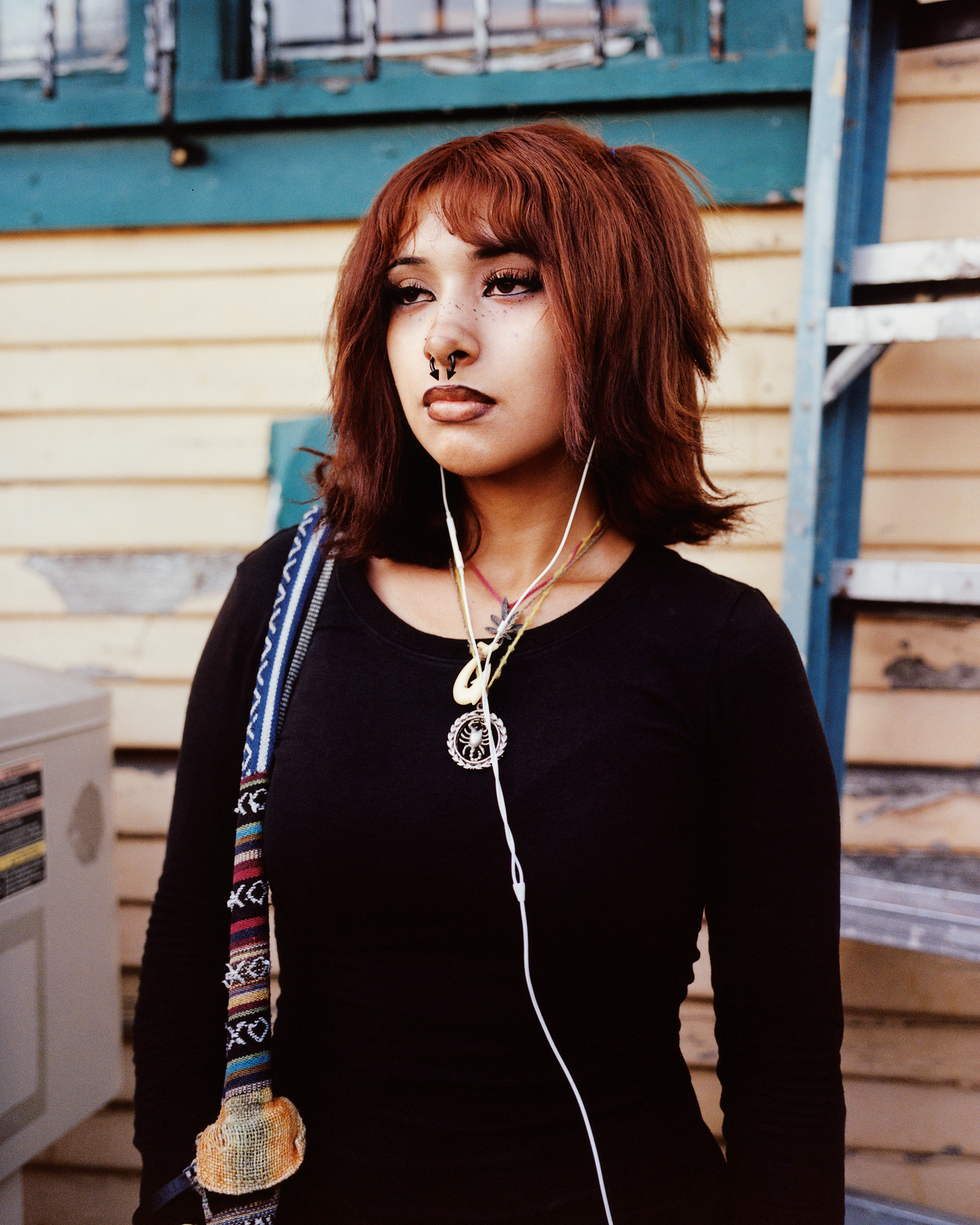
As Jaramillo’s walks took on the meandering discovery of a dérive, particularities of the landscape began to pulse and beckon his lens: roses growing through a chain-link fence, yellow canna lilies peeking out over a painted iron gate, girls gossiping in clusters or sitting pensively on swings, the halo of late-afternoon sun behind a stop sign. South Central often gets mythologized through filters of grit, all orange gels and amplified grain, a visual shorthand for urban decline. By contrast, the treatment of light in Jaramillo’s work is open-ended; the neighborhood and its residents are shown not in decay but in thoughtful repose. People often stare directly into the lens. Sometimes they invite him to take pictures inside their homes.
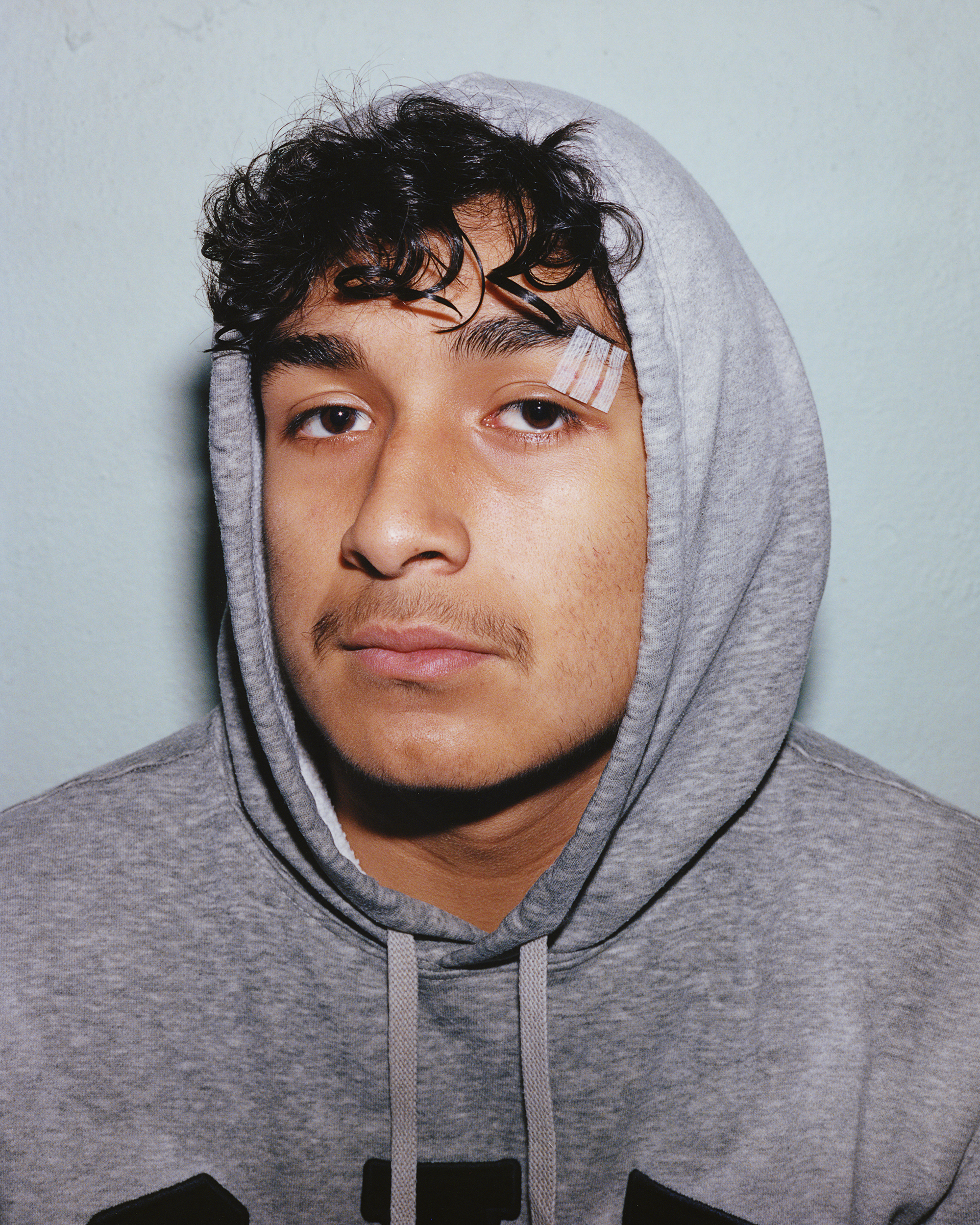
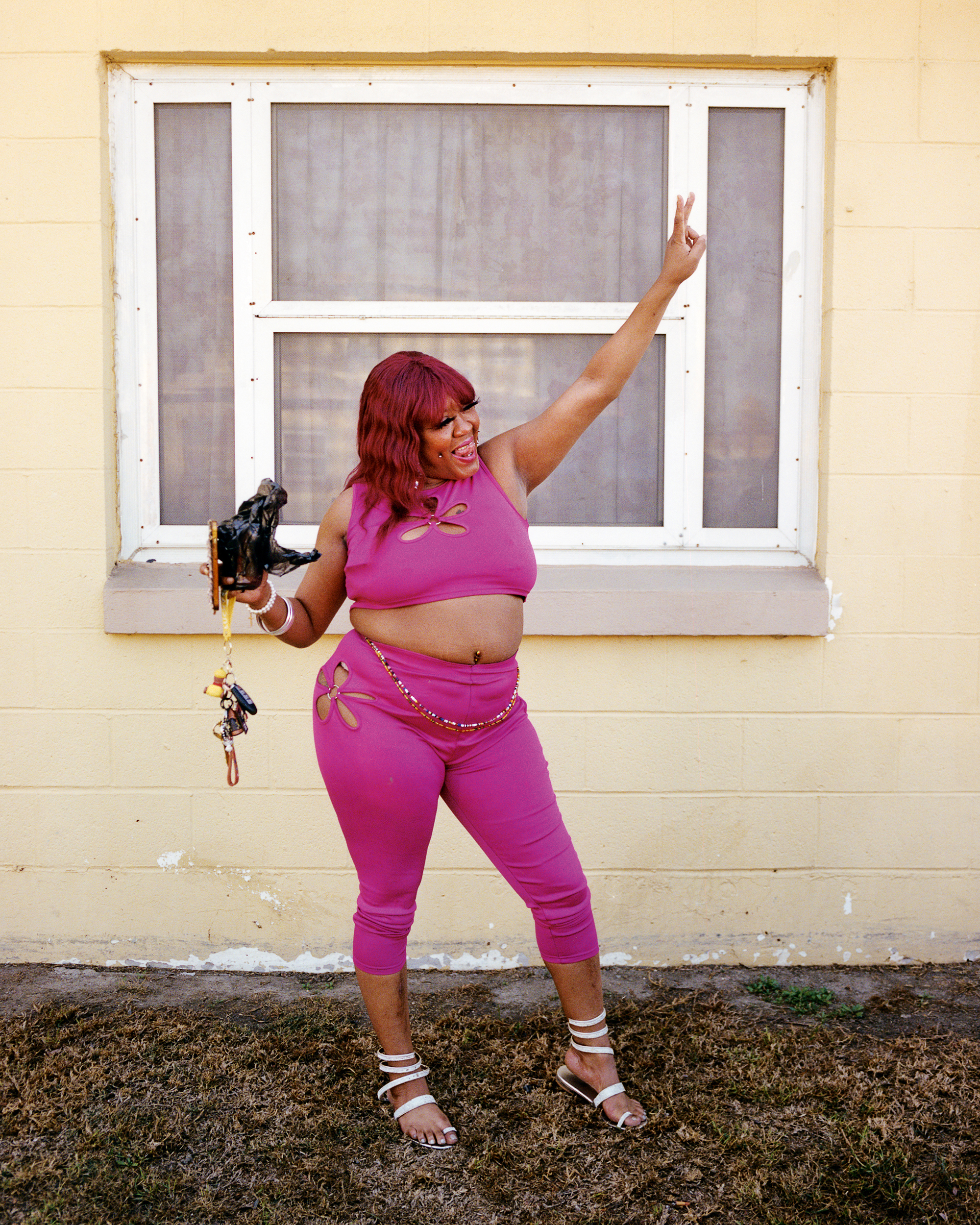
With the series South Central (2024–ongoing), Jaramillo is building a body of work in which each element stands on its own without losing coherence within the whole. Rather than attempting to define the place, he explores his relationship with it, expanding the conceptual borders of a neighborhood that is often depicted but rarely seen. Juggling a trio of medium-format cameras, he bends the light of South Central into images that celebrate a lushness of attention that is increasingly rare. The deep depth of field in his frame acts like a rising tide, placing every part of the picture on an even plane. “I have a 645 that allows me to get close to flowers and details and textures. An RB67 is a clunkier camera, but it’s good for photographing people in their homes. It all depends on the situation,” he said.
“I don’t really see a separation between documentary and portraiture,” Jaramillo explained. “I’m combining different types of photography, integrating landscape, architecture. I can get deeper and more intimate by adding all of these different approaches. It helps kind of build this narrative of the place.” For Jaramillo, there is perhaps a tinge of personal nostalgia in returning to the place his parents lived, and that reminds him of his own childhood, but the images are constantly renewing themselves in relation to one another.
“It feels like a lifetime project,” he said. “I could just keep shooting forever.”
© the artist
This article originally appeared in Aperture No. 264, “Stop Time.”