Introducing
A Tokyo Drifter’s Catalog of Crude Coincidences
From giant poodles to accidental spills, Kenya Sungai finds strange pleasures among the city’s shadows.
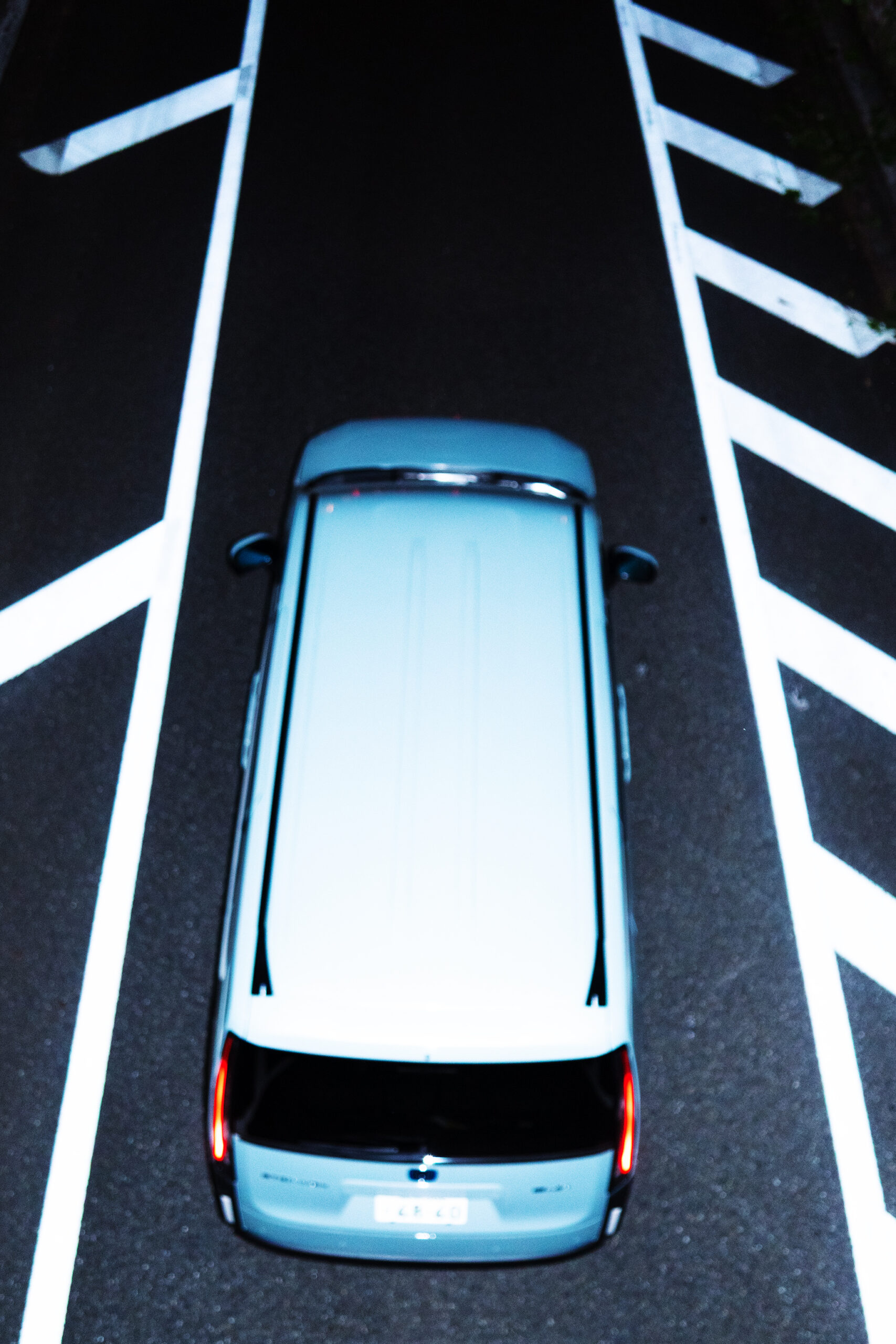
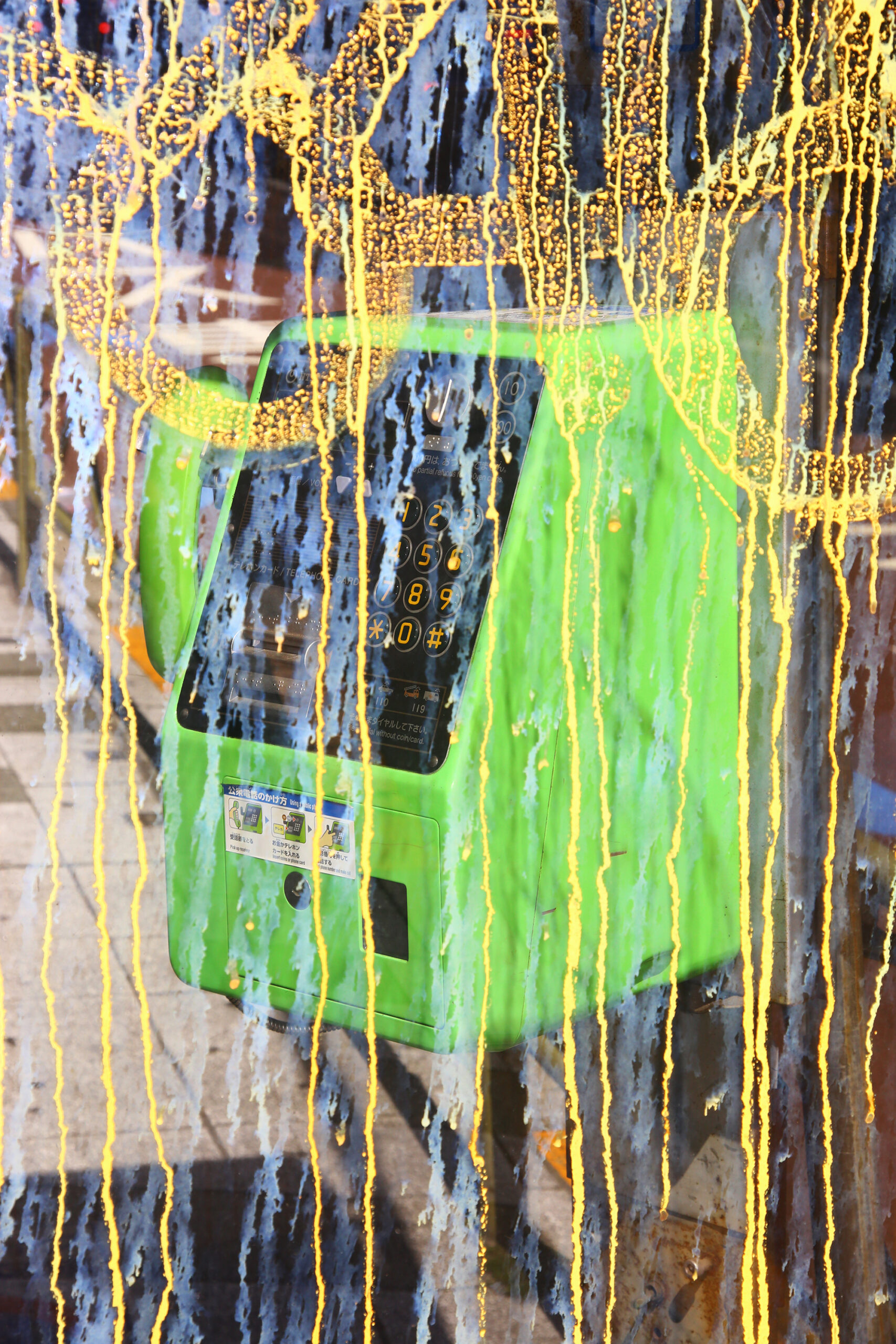
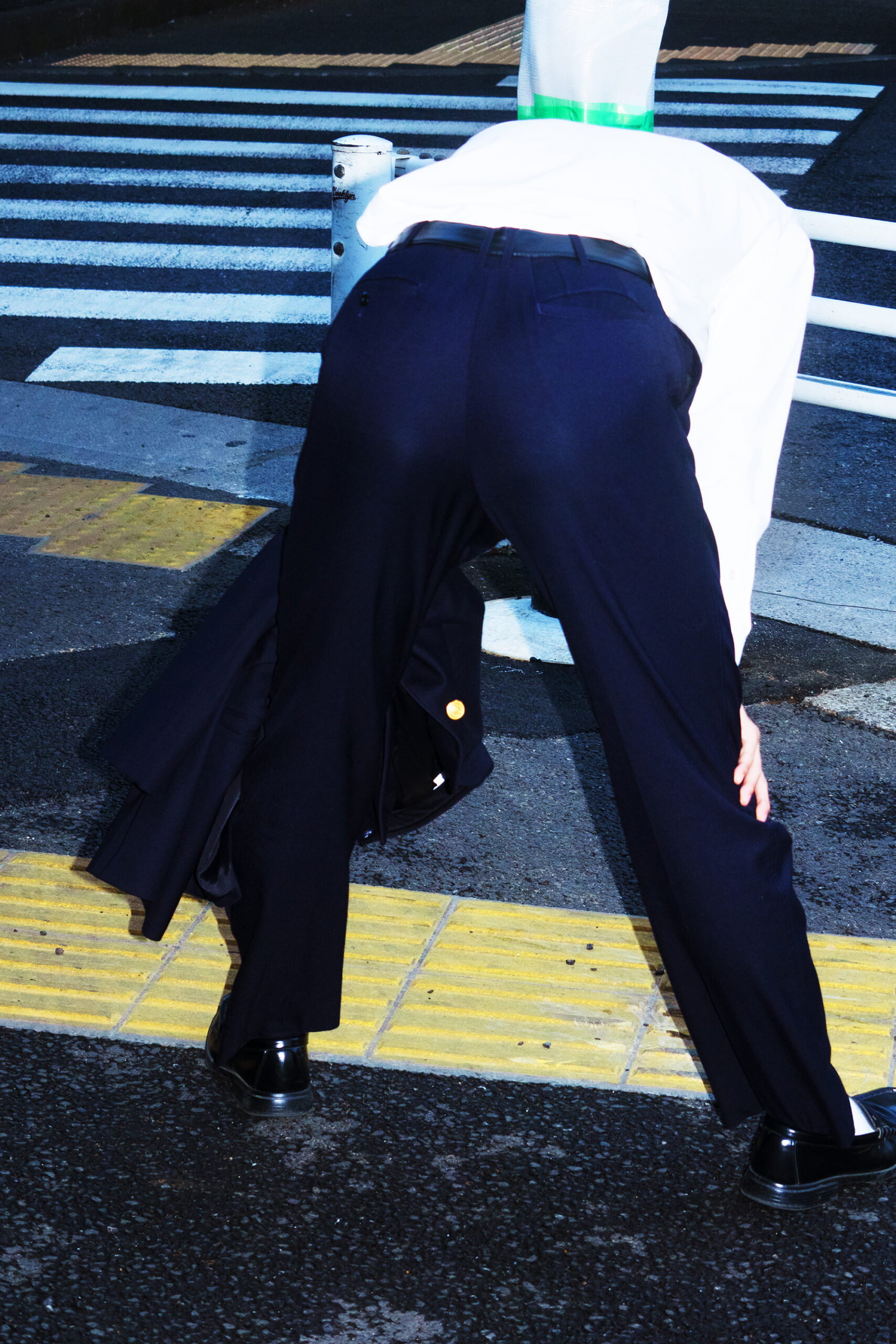
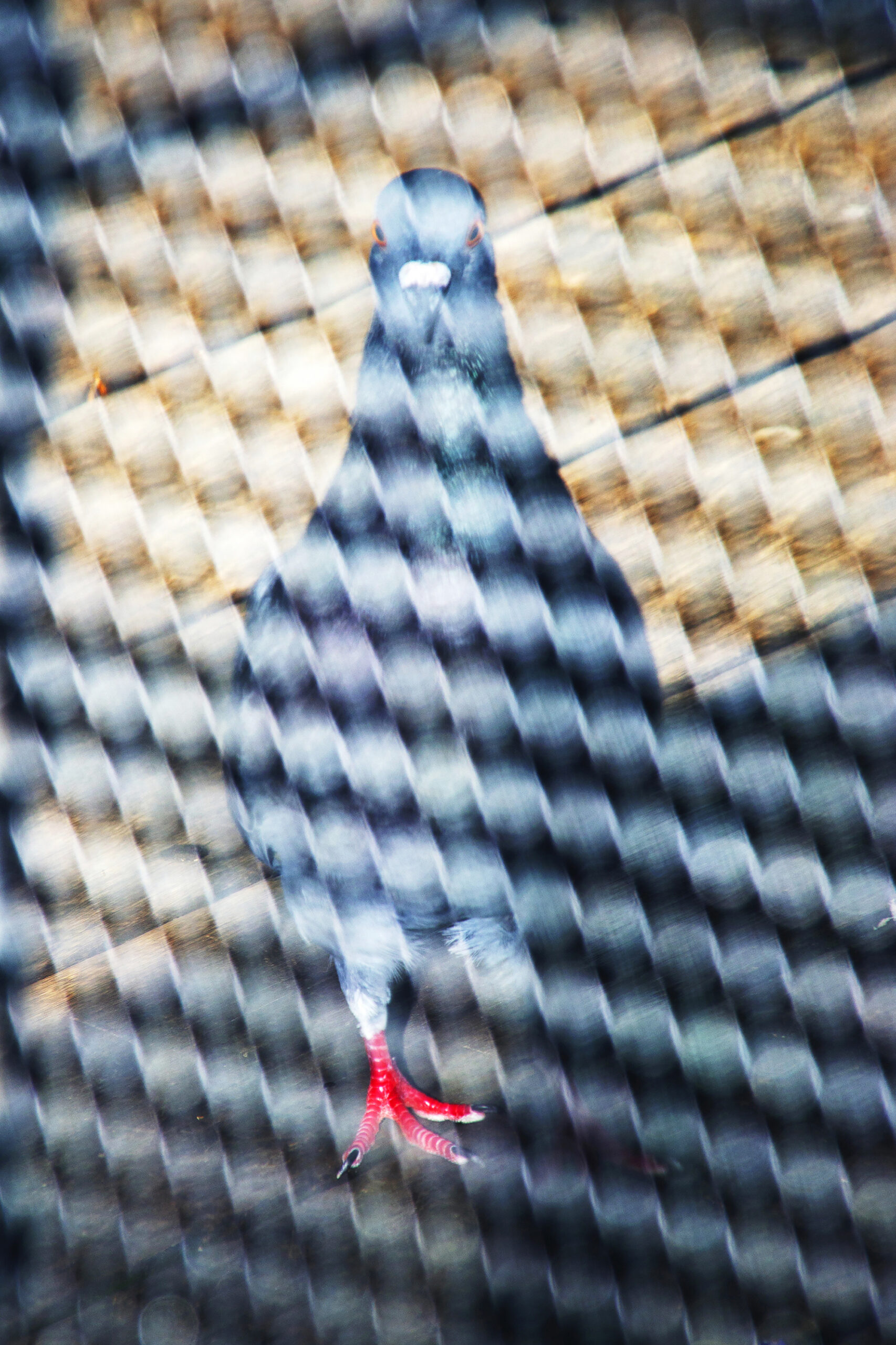
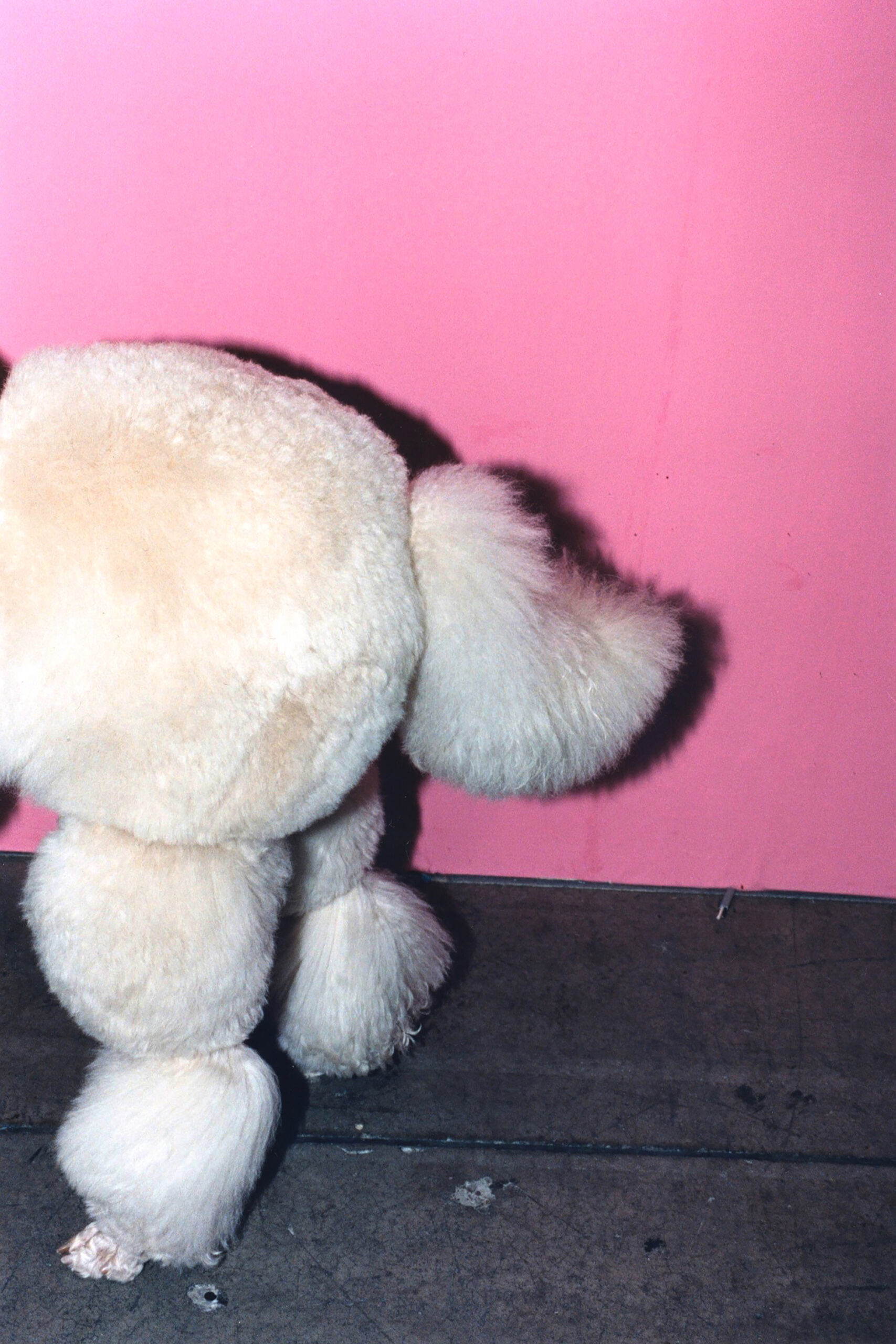
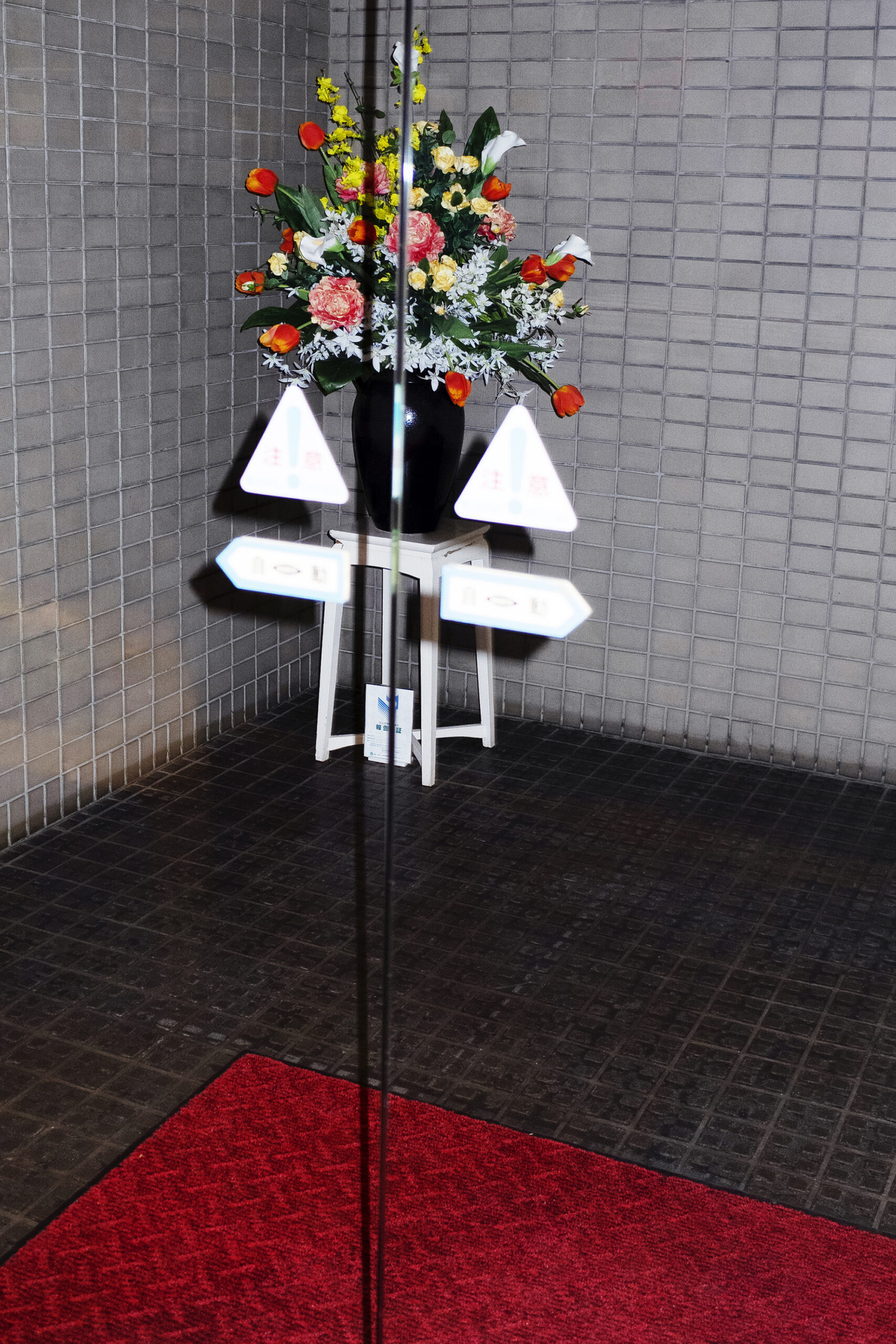
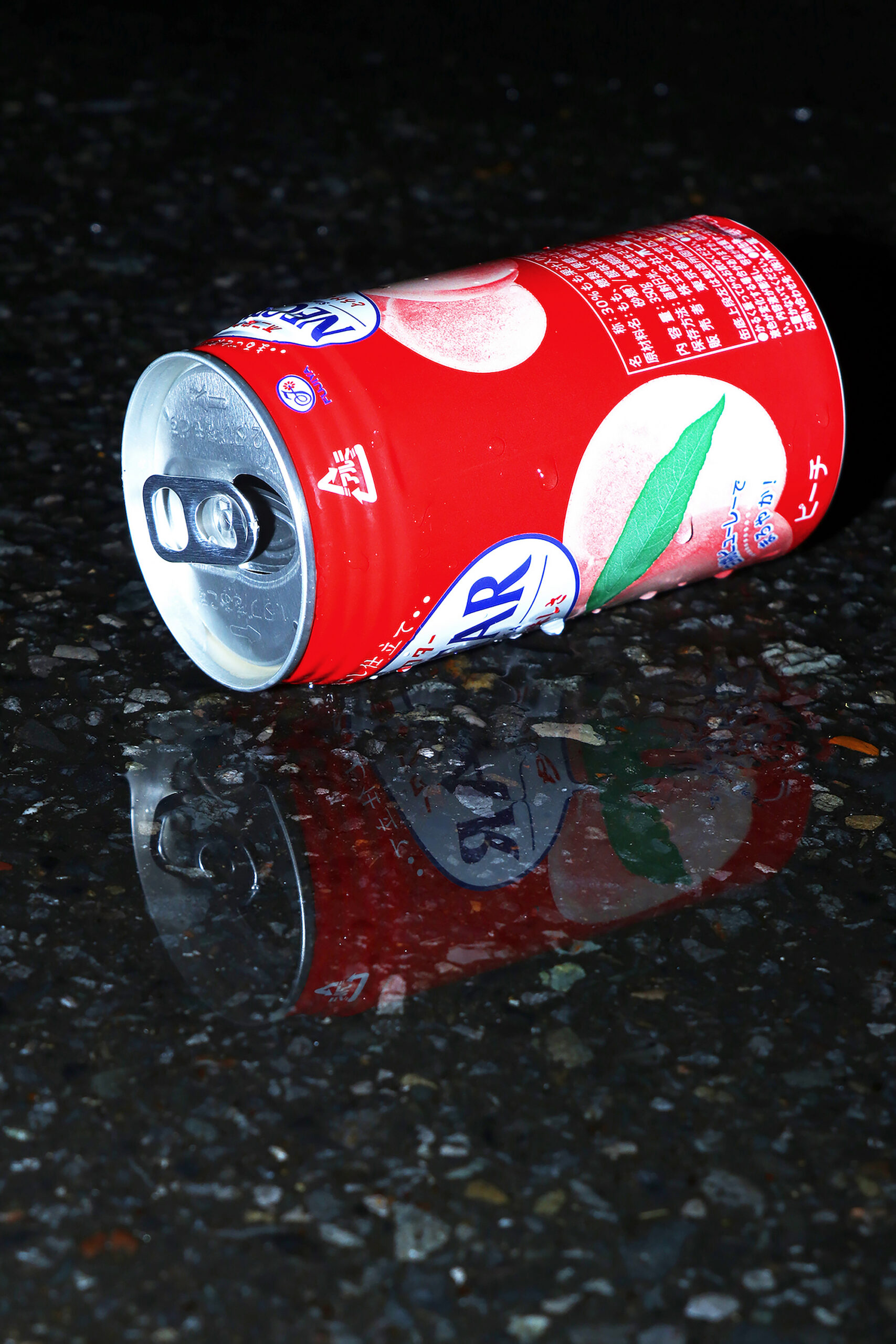
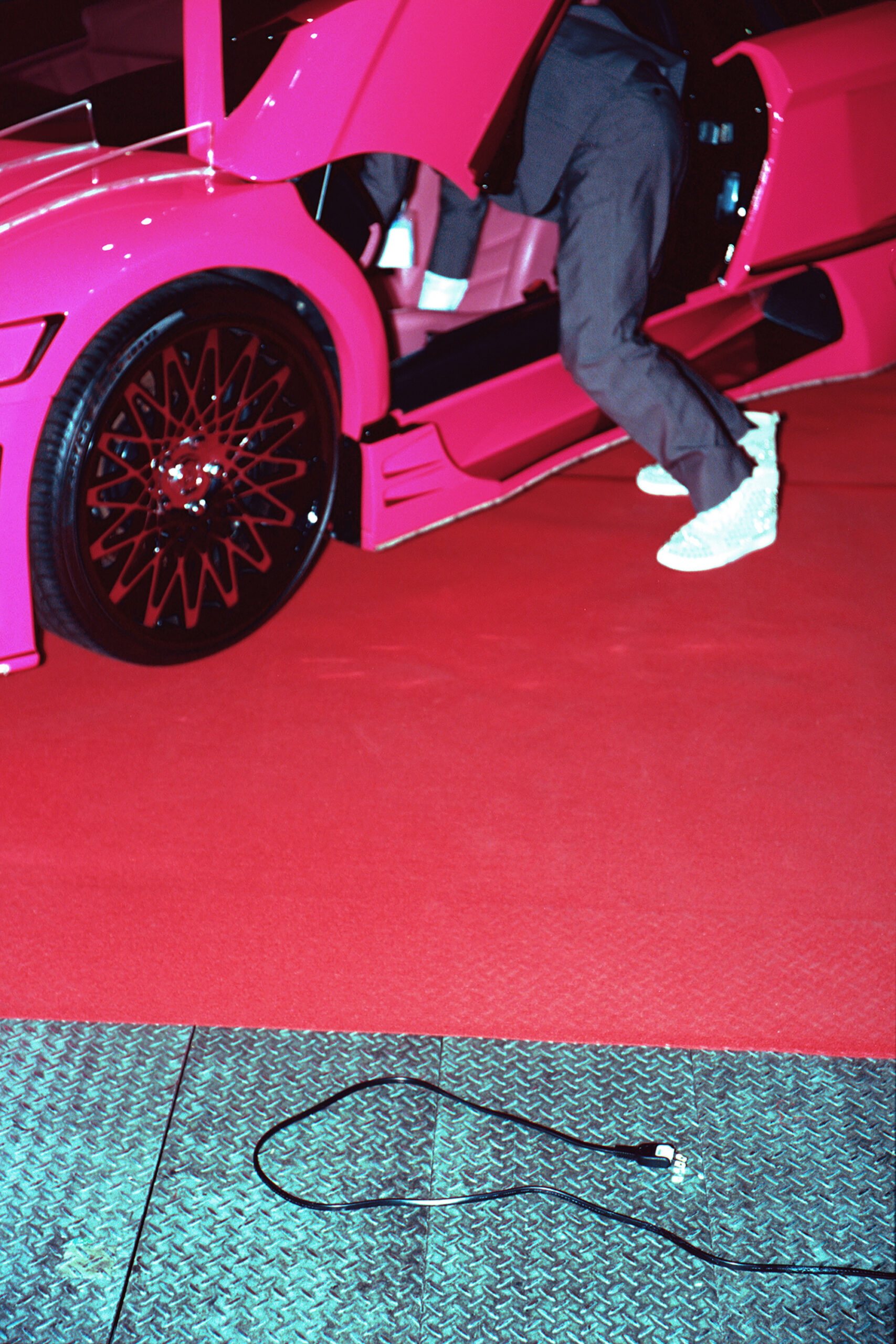
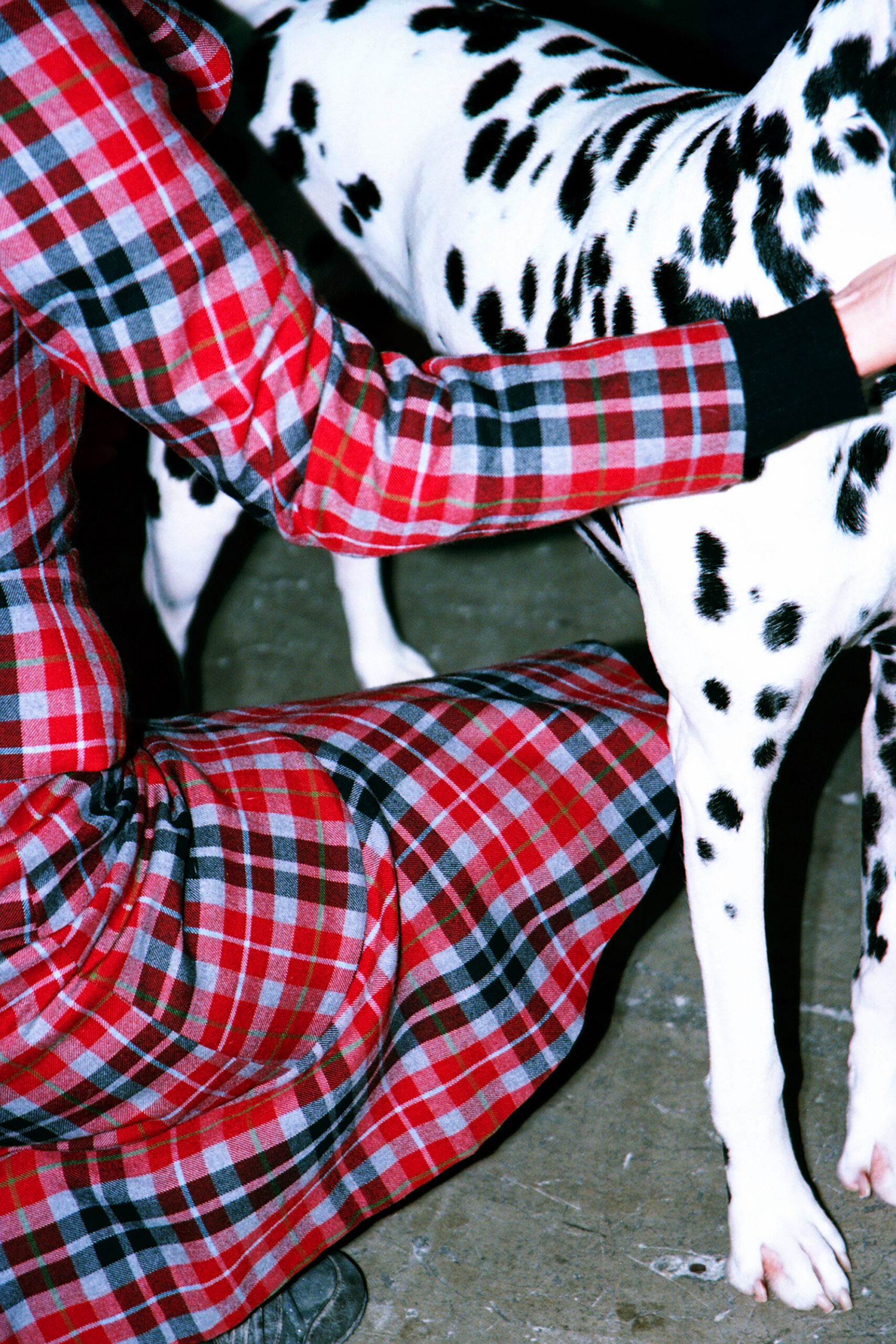
Tokyo has a reputation for its immaculate, orderly streets, but Kenya Sugai’s snapshots reveal a city littered with broken objects, accidental spills, eerie shadows, and stray reflections. “I tend to look at the world a bit cynically,” the photographer tells me. “I’ve always been drawn to society’s errors, like someone tripping over, or strange situations that come about by chance.” Sugai has been building this archive of crude coincidences for over ten years, cataloging them year by year on his website in a list simply titled “Portfolio A.”
Like his images, Sugai carries a wayward energy. Born in Kyoto in 1977 but raised in the southern city of Fukuoka, he found himself lost after high school. His parents were fed up with him “drifting around,” so they sent him to study in London. During his introductory film studies, he presented some of his street photography and a tutor pointed him to Martin Parr’s book Common Sense (1999), which had just been released that year. “It had a real impact on me,” Sugai says. “It showed me the kind of expression that was possible as a street photographer.” Parr led him to William Eggleston, then to Paul Graham, Richard Misrach, and other photographers of the New Color Photography movement. When Canon’s Shashin Shinseiki award invited Parr to be a judge several years later, Sugai entered the competition. An honorable mention gave him the confidence to pursue photography as a career.
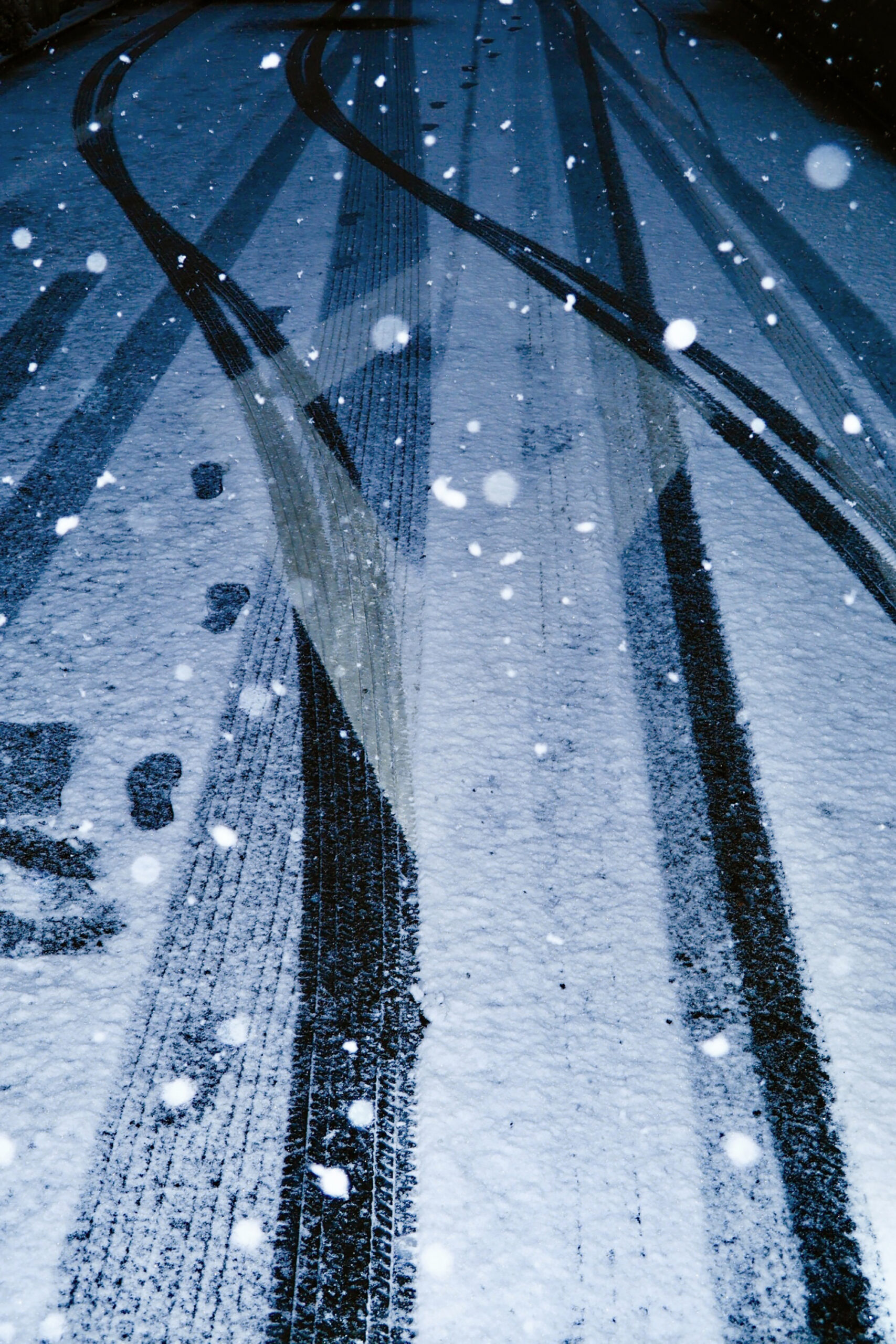
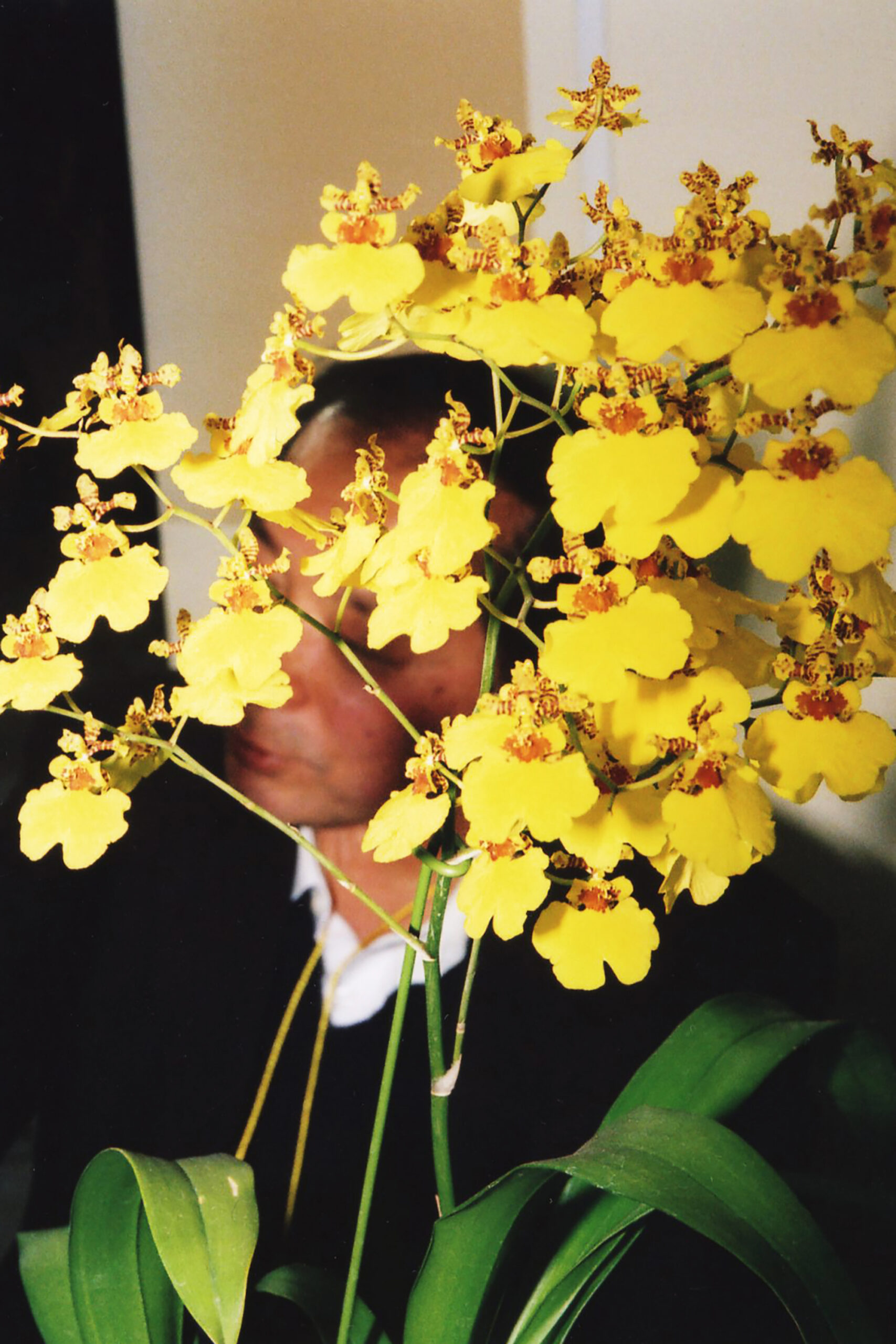
Sugai’s current style of shooting—direct strobe paired with abrupt, disjunctive cropping—started to emerge after that, as he began to feel the limits of the traditional snapshot, which he viewed as too reactive and dependent on chance. “It just wasn’t interesting to me anymore,” he says. “I wanted to figure out how I could bring my own expression into it.”
He began to practice a daily “personal training exercise” that has stuck for over a decade. This involves roaming high-traffic areas of his local ward, Setagaya, mostly the four-lane Route 246 or the Kanpachi and Kannana ring roads. He limits himself to just ten to twenty pictures a day.
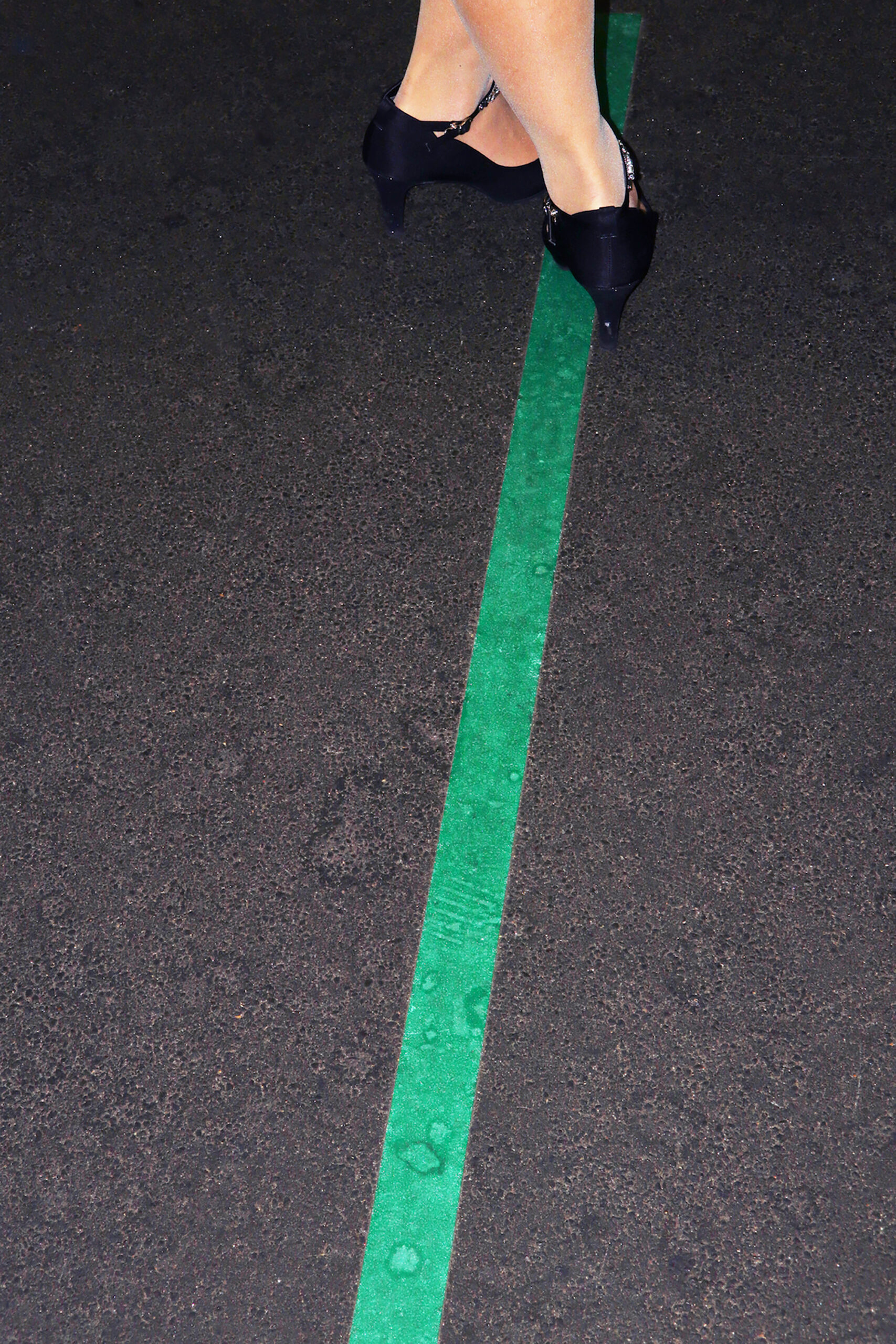
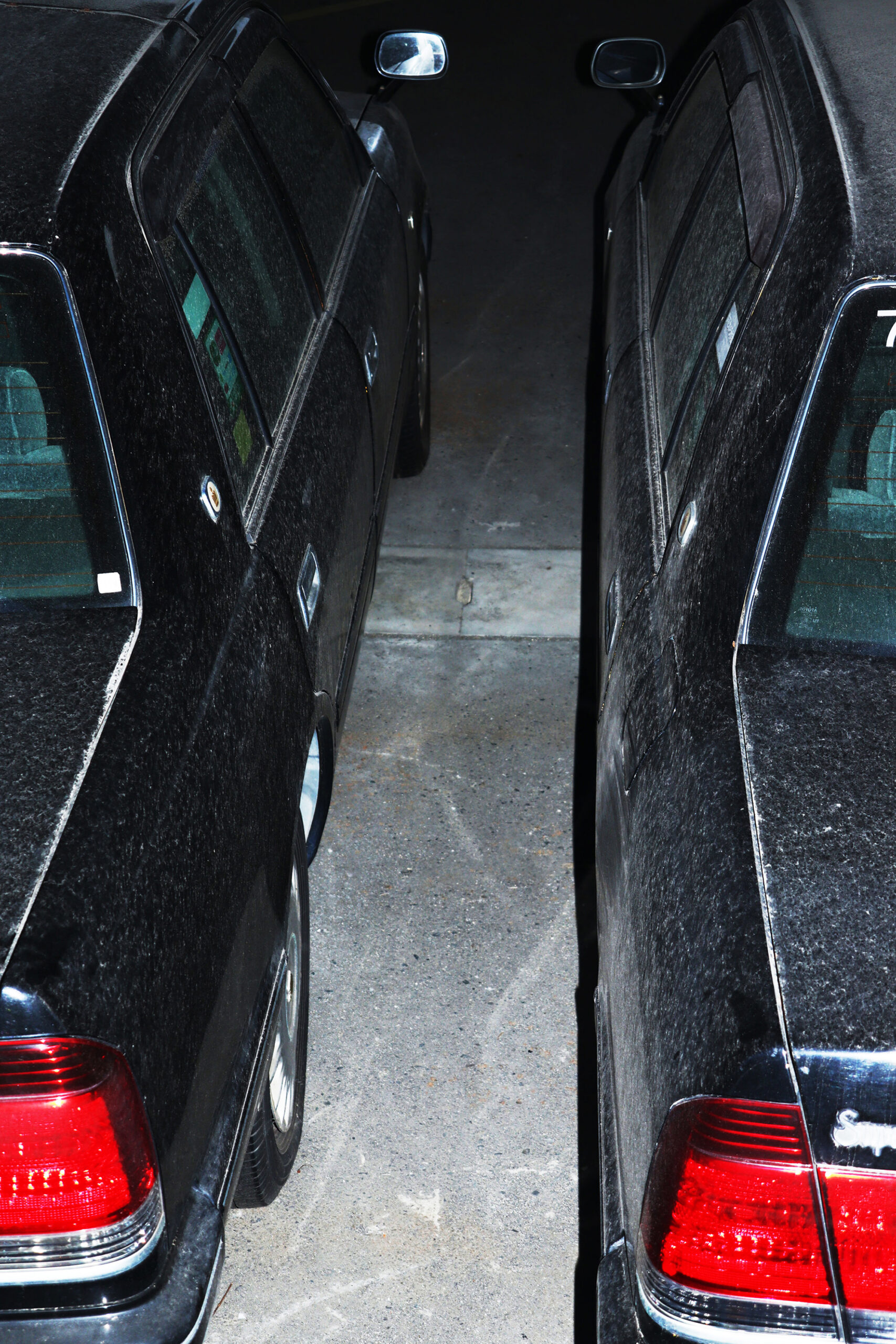
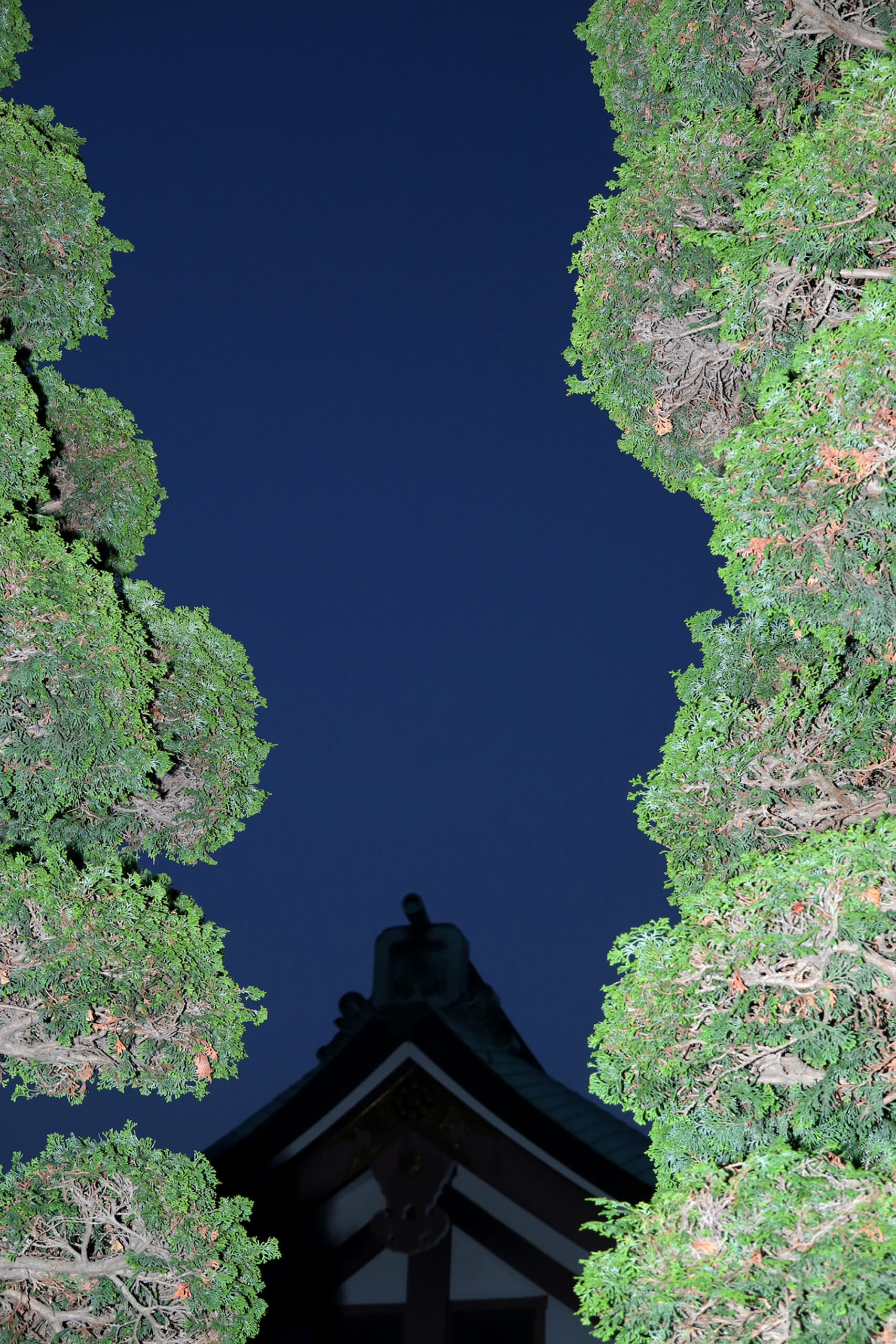
The resulting images are at once abrasive and strangely seductive—a clash of beauty and ugliness frozen by an unforgiving flash. Humans are only briefly alluded to, as half-torsos, blurred reflections, or a spill on the sidewalk, while the city’s best-dressed pets—bichon frisés, giant poodles, and chihuahuas among them—make frequent cameos. At times, the collection feels more like a catalog of the city’s textures: polished steel, rusted iron, and corrugated shutters, shot with and in between browning bushes and roots of trees breaking through the pavement. The series is still ongoing, but the photographer is now compiling all existing images into a publication titled First Decade Report.
“Over the years, as I kept shooting and selecting, the social meaning of the subjects, and my interest in that meaning, gradually faded,” he says. “I started to lose track of details like where I took a photo. . . . The sense of distance, of time, of the situational context all started to dissolve. I began to realize I wasn’t photographing the scene itself, but simply my own perception of it.”
He offers an analogy: “When we are newborns, the first things we see are just colors and shapes, with no distinction between, say, a person or a cup. . . . There’s no social understanding yet. I want to see things that way as much as possible.”

Courtesy the artist
Read more from our series “Introducing,” which highlights exciting new voices in photography.