© the artist
Featured
Aperture’s Must-Read Features of 2025
Diane Arbus’s darkroom, the legacy of David Lynch, photography’s outsized influence on painting, and a kaleidoscopic portrait of Seoul—here are this year’s highlights in photography and ideas.
Over the last year, we have looked at photography’s past and present to navigate our increasingly complex image landscape and create a forum for critical, engaged thinking about the role of images in public and private life. Below, we look back at some of the finest interviews, portfolios, and essays published by Aperture in 2025—how An-My Lê reclaims the semiotics of war, Yorgos Lanthimos’s fledging career making photobooks, the fabulous lives of Coreen Simpson, and the dynamic artistic voices in Seoul, Ivory Coast, Bangladesh, and Palestine. These stories underscore photography’s potential to witness, connect, and inspire. —The Editors
Jump Ahead:
The Year in Interviews
The Year in Portfolios
The Year in Essays
The Year in Interviews

Heinkuhn Oh’s People of the Twenty-First Century
A conversation with Hyunjung Son, from Aperture No. 261, “The Seoul Issue”
In mural-scale portraits of high schoolers, soldiers, and other social types, Heinkuhn Oh subtly dramatizes tensions between collective and personal identity in Korean society. “I don’t try to create complex gazes—I find people who naturally possess them,” says Oh. “My role then becomes creating the trust needed for them to reveal their authentic selves to the camera.”

The Darkroom Master Keeping Diane Arbus’s Spirit Alive
A conversation with Lesley A. Martin
Neil Selkirk, photographer and darkroom wizard, is best known as the only person who has printed Diane Arbus’s work since her death in 1971. Here, Selkirk shares rare insight into the photographer’s extraordinary breakthroughs: “People recognized pictures they could believe in. Nobody believes in an Ansel Adams picture. Everybody believes in a Diane Arbus picture, for reasons that had been built into the work.”

Is Photography Yorgos Lanthimos’s True Calling?
A conversation with Zack Hatfield, from Aperture No. 260, “The Seoul Issue,” in The PhotoBook Review
Yorgos Lanthimos, the filmmaker behind Poor Things (2023), Kinds of Kindness (2024), and most recently, Bugonia (2025), is known for his stylized, pitch-black comedies rife with disfigurement, deadpan dialogue, and transgressive gamesmanship. His experimental spirit undiminished by mainstream success, Lanthimos has recently branched out to a new venture: the photobook. Here, the director discusses his fledgling career as a maker of dreamy, category-defying photobooks. “The beautiful thing about photobooks is that they often allow for a story that’s not tied to the conventions of narrative,” he says.
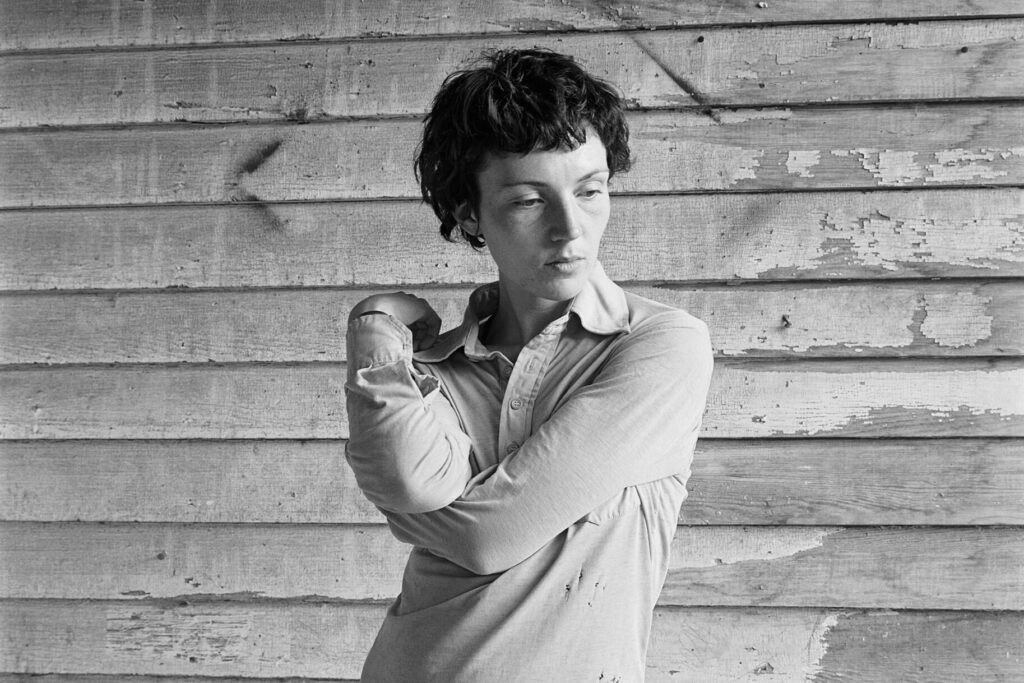
Zen and the Art of Photography
A conversation with Michael Famighetti, from Aperture No. 261, “The Craft Issue”
Mark Steinmetz and Irina Rozovsky discuss the mysteries of the darkroom and the gifts of close looking. “Picture making is like a strange maze, and there’s a frustration and euphoria to it,” says Steinmetz. “Frustration in not quite knowing if and when a photograph is going to announce itself and then the pure joy when it shouts, ‘Over here!’”

Melina Matsoukas Creates Space for Black Stories in Hollywood and Beyond
A conversation with Solange Knowles, from Aperture No. 259, “Liberated Threads”
Solange Knowles recently sat down with Melina Matsoukas for the “Barbara Walters treatment,” interviewing her friend and collaborator about her visionary career spanning fashion, photography, music, and film. “I always felt like I had this purpose to do these things and honor my family and the people that empowered me,” says Matsoukas. “I just didn’t know what the tool or medium would be to do that.”

The Lives of Coreen Simpson
A conversation with Deborah Willis, from Coreen Simpson: A Monograph (Aperture, 2025)
For five decades, Coreen Simpson has chronicled hip-hop, fashion, and New York’s cultural scene with unparalleled style. Here, in an interview from Simpson’s new monograph, the artist speaks with the art historian Deborah Willis. “The camera gave me license to see the world,” Simpson says. “When I have my camera with me, I’m not afraid of anybody. I always feel like I can just do anything if I have my camera with me.”

Daniel Arnold’s New Pleasure? Missing the Shot.
A conversation with Freddy Martinez
On the occasion of a new monograph, the street photographer Daniel Arnold speaks about New York City folklore, stepping away from Instagram, and his shifting priorities as an artist. “I made an edit of probably three thousand photos to show the scope of what’s there from my current point of view: Here’s my trajectory from those very crude photographs when I couldn’t use a camera to now trying to work without my brain noticing,” Arnold says.

David Alekhuogie Sees Blackness at the Core of Modern Art
A conversation with Zoë Hopkins, from A Reprise (Aperture, 2025)
In his project A Reprise, David Alekhuogie remixes Walker Evans’s images of African sculptures—and poses bold questions about what we consider fake or original, art or archive. “I wanted to make work from the perspective of an outsider, because I think that to grapple with broken, inherited cultural capital is to always be an outsider,” says Alekhuogie.

Vija Celmins Isn’t Interested in Photography
A conversation with Richard Learoyd, from Aperture No. 258, “Photography & Painting”
For more than half a century, Vija Celmins has produced absorbing paintings and drawings that are often inspired by—and mistaken for—photographs. Here, she speaks with Richard Learoyd about images, surfaces, and illusion. “My tools are like hours, and it becomes a real part of the work,” Celmins says. “Whereas in photography, it’s instantaneous, and then you pick which image. It’s hard to do either one, it seems to me.”
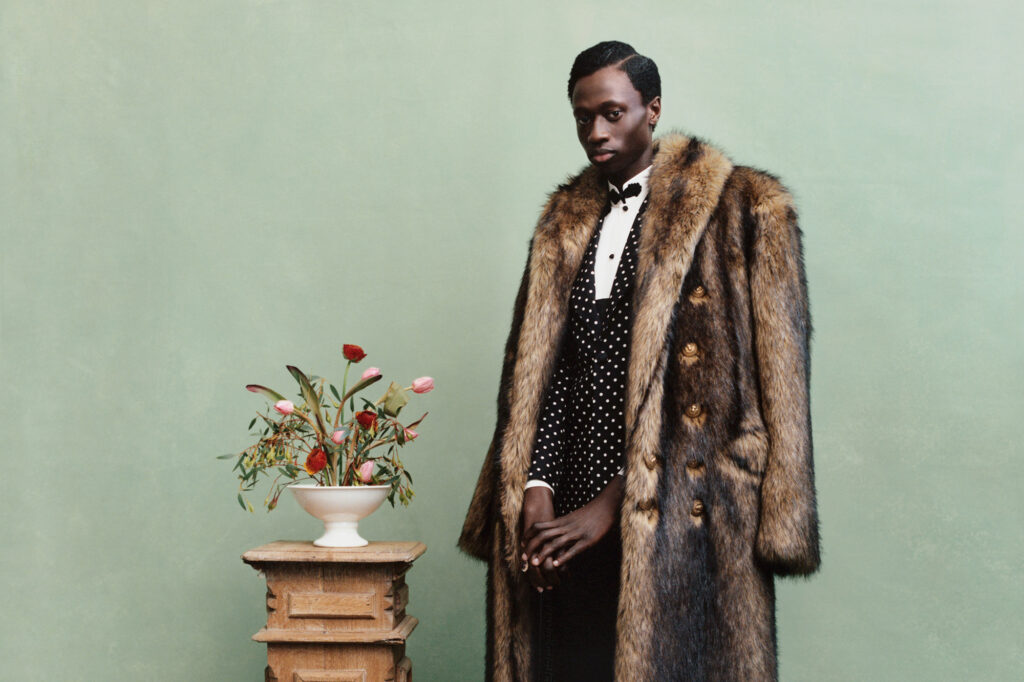
“Superfine” Unpacks Self-Expression, Resistance, and Status Through Black Style
A conversation with Monique Long
Earlier this year, the exhibition Superfine: Tailoring Black Style at the Metropolitan Museum of Art in New York explored Black style across three hundred years through the lens of dandyism. Here, Superfine catalog contributors Elizabeth Way, Kimberly Jenkins, and Ekow Eshun consider what it means to be a Black dandy—and how the figure functions in diasporic culture and history.
The Year in Portfolios
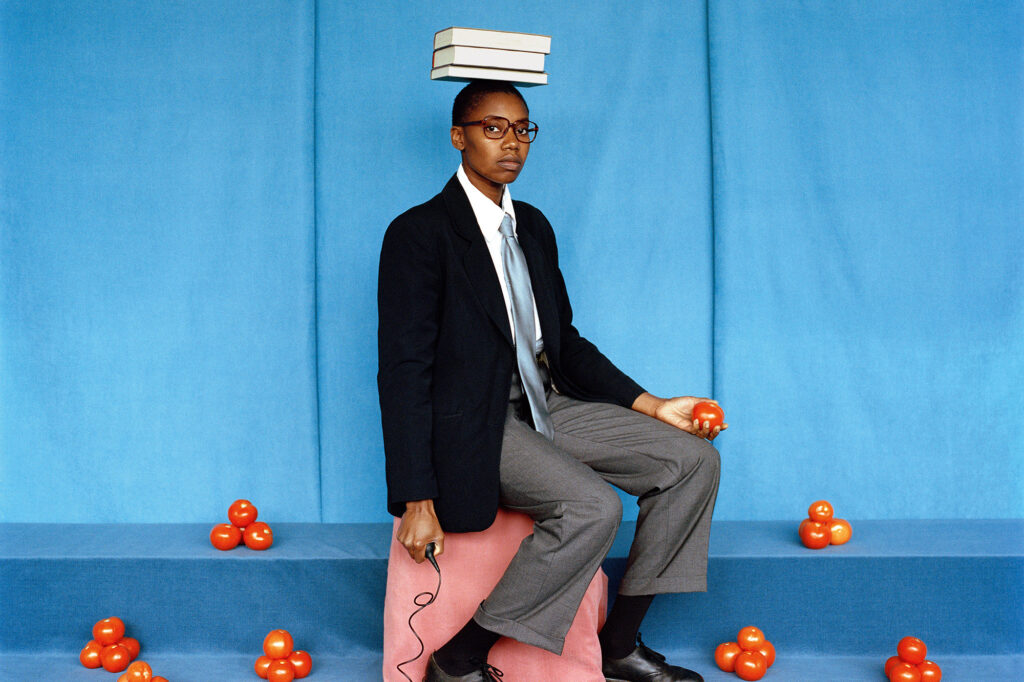
Silvia Rosi Reimagines the Family Album
by Vanessa Peterson, from Aperture No. 259, “Liberated Threads”
In her performative self-portraits, Silvia Rosi speaks to experiences of the African diaspora across Europe. “Rather than reaching toward historical personages, Rosi emulates those who aren’t written about, the lives of immigrants trying to establish themselves in a new country in the face of economic precarity and cultural dislocation,” writes Vanessa Peterson. “Her images beautifully highlight tender, painful feelings of misrecognition and alienation, and the difficulties of starting anew.”

A Bittersweet Ode to the Teenagers of 2000s Seoul
by Hiji Nam, from Aperture No. 261, “The Seoul Issue”
In search of lost youth, the New York–raised Sung Jin Park spent his thirties photographing high schoolers in his native Korea. “The series is photographed like an editorial, with the subjects often looking straight at you; we meet their gaze as teenagers ourselves and are transported back to the thrilling desperation of youthful indiscretions and the hope that they’d puncture the seemingly endless expanse of adolescent boredom,” writes Hiji Nam.
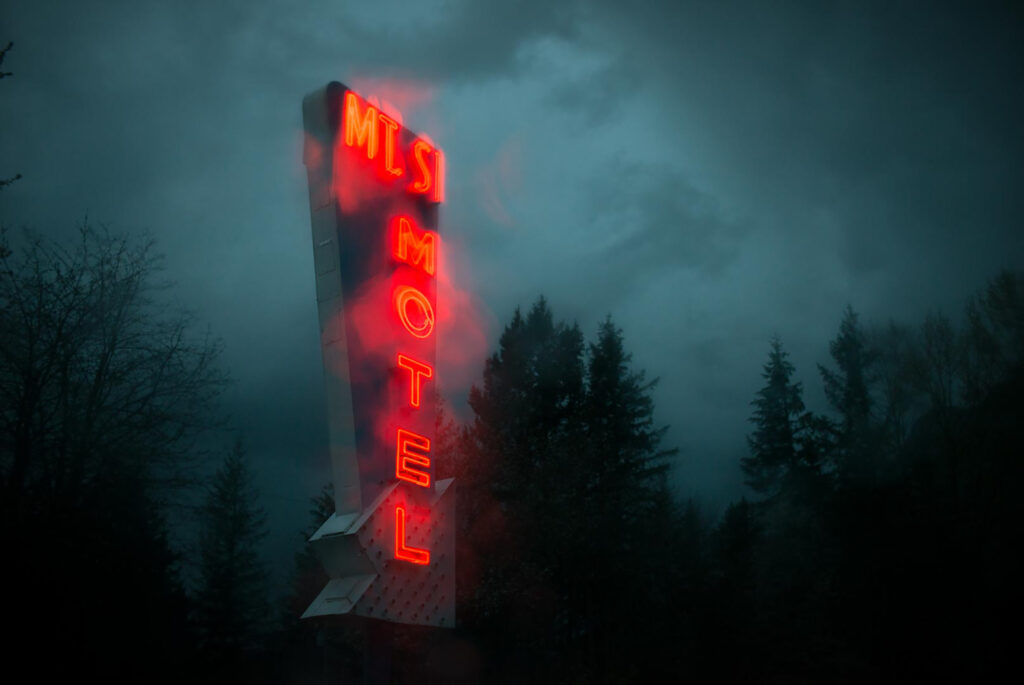
David Lynch’s Outsized Influence on Photography
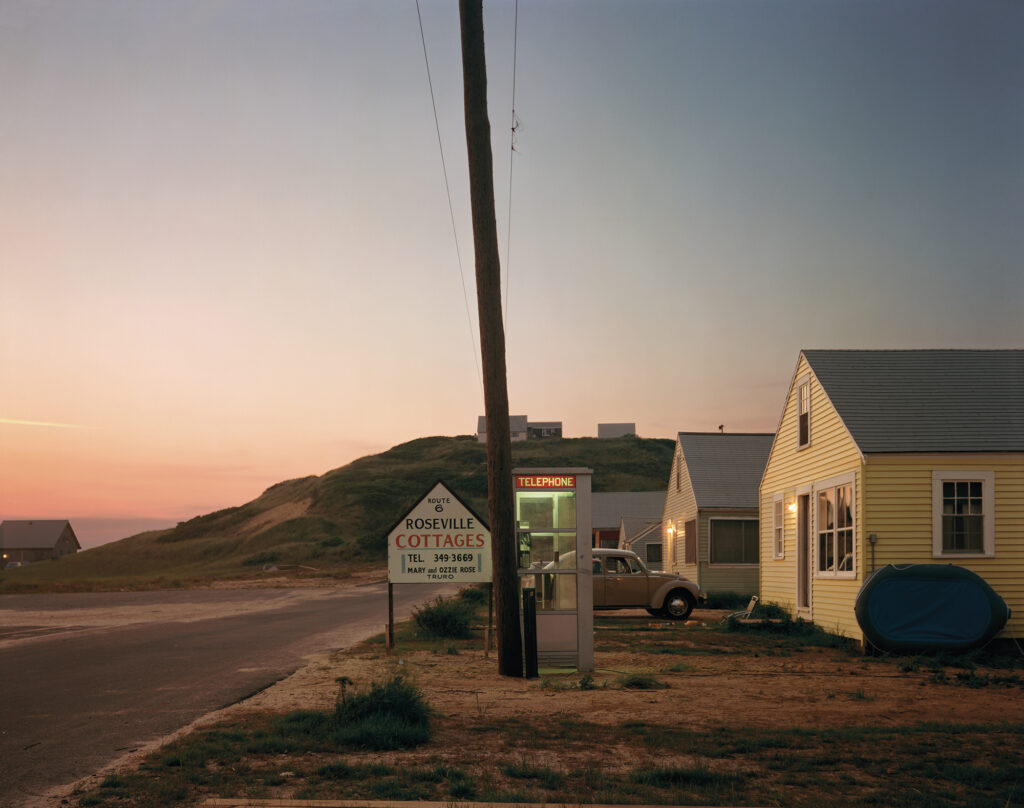
The director David Lynch (1946–2025) blended a dark surrealism with banal Americana to create hypnotic, dreamlike atmospheres. His plots were cryptic; his characters eccentric and unforgettable; his love of coffee, cherry pie, and Transcendental Meditation, legendary. Lynch was an artist of total originality who invented his own cinema of the unconscious, influencing generations of image-makers. Here, a group of photographers—Gregory Crewdson, Roe Ethridge, Todd Hido, Tania Franco Klein, Jarod Lew, Alec Soth, and Yelena Yemchuk—pay homage to the beloved filmmaker.
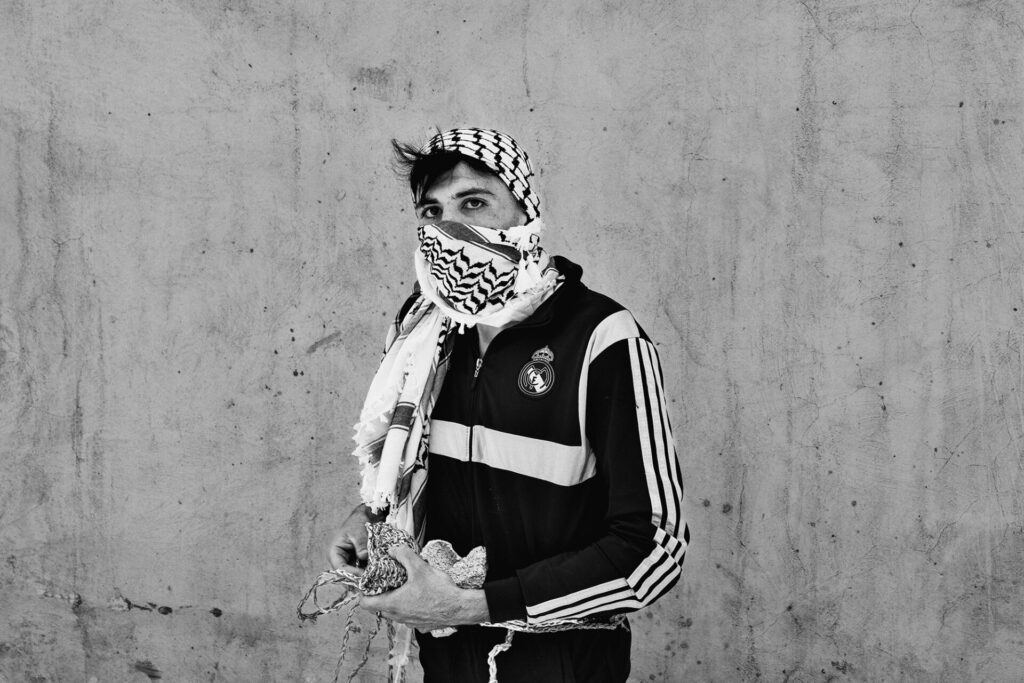
Sakir Khader’s Portraits of Palestinian Perseverance
by Kaelen Wilson-Goldie, Aperture No. 258, “Photography & Painting,” under the column Viewfinder
Sakir Khader’s photographs of people in conflict zones across the Middle East document violence and grief alongside moments of tenderness and reprieve. “Khader doesn’t parachute into war zones. He doesn’t join official military embeds,” writes Kaelen Wilson-Goldie. “Without narrative or polemic, his images create a withering critique of US foreign policy from the so-called War on Terror until today.”

A Photographer’s Scavenged Still Lifes
by Jesse Dorris, from Aperture No. 258, “Photography & Painting”
Leaving leftovers in her backyard, Lia Darjes creates a stage for a series of improvised tableaux. Snails, squirrels, ladybugs, and other fauna pay visits to the backyards of Berlin and parts unknown; scavenging the leftovers of human congregation, they trigger Darjes’s camera. “I was sitting in the garden one day,” she says, “just thinking, What’s next? And I saw a squirrel jumping on our garden table. I thought, I wonder if I can recreate that.”

How Sarker Protick Built a Career Through Listening
by Varun Nayar
In Bangladesh, Sarker Protick combines the impulses of the photojournalist with the intuition of a musician, unpacking questions about photography’s relationship to time and memory. “Musical composition is such an editorial process; you build a logic through it,” Protick says. “That selectiveness is vital, and it came to me naturally as a photographer.”
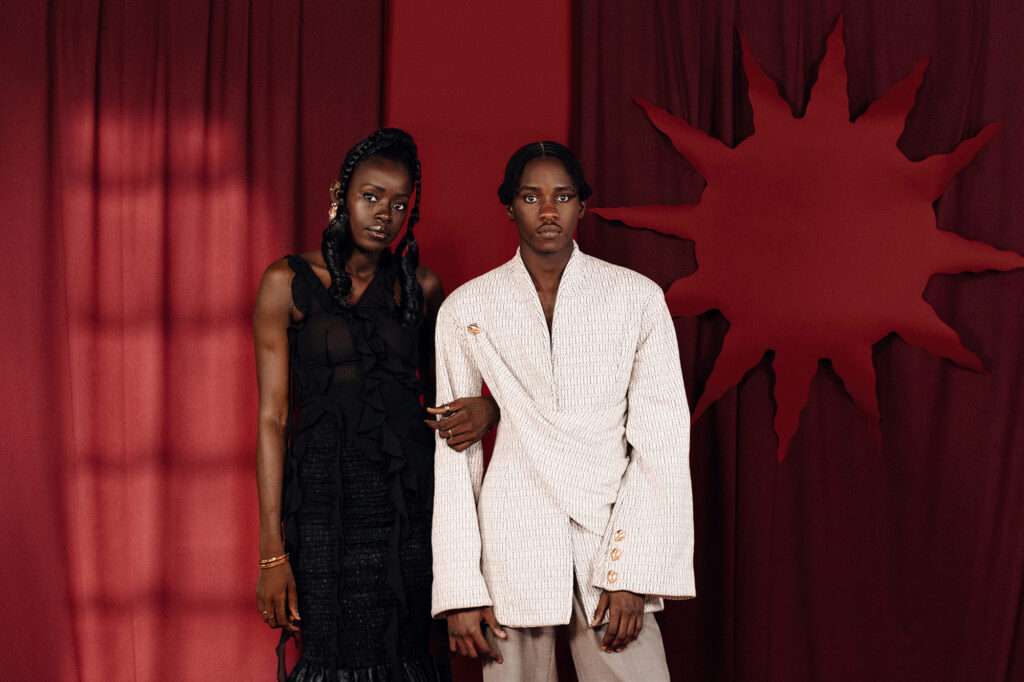
A Portrait of Creative Community in Ivory Coast
by Tiana Reid, from from Aperture No. 259, “Liberated Threads”
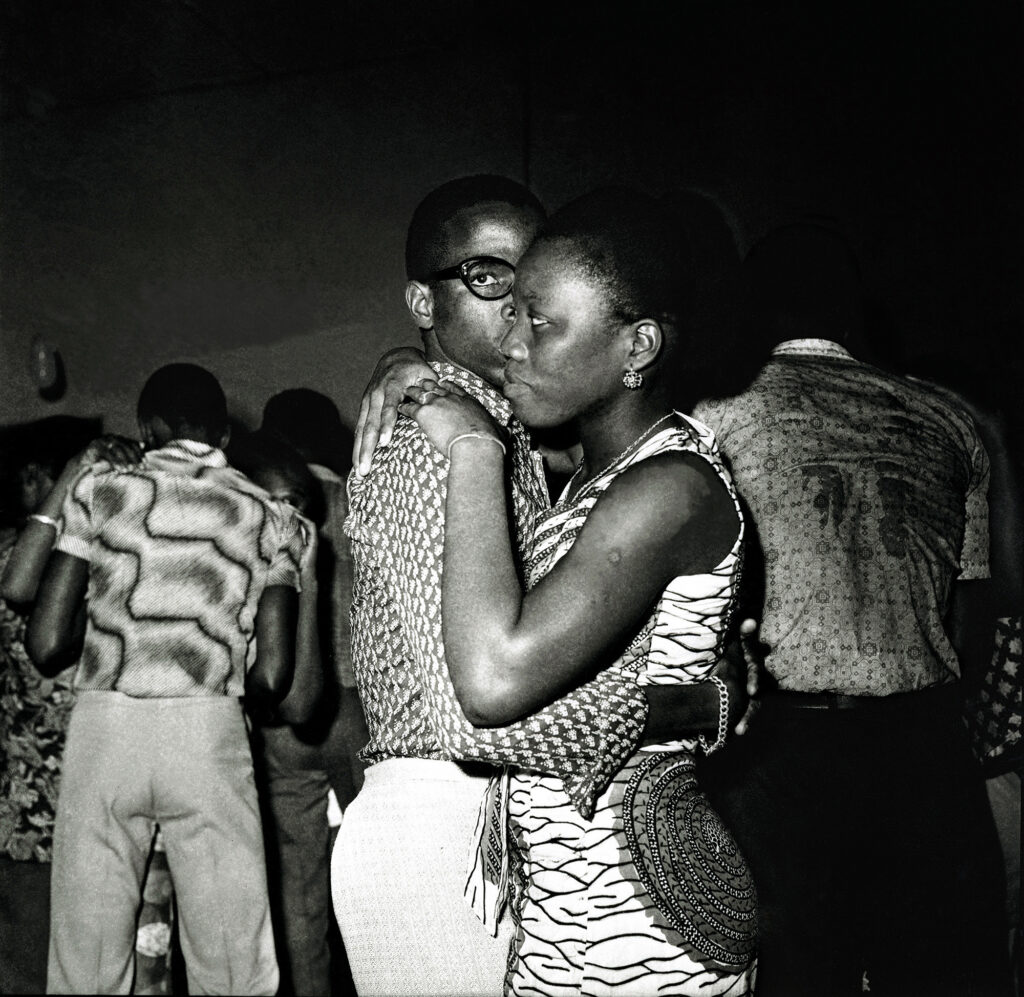
In his crisp, ecstatic photographs, Nuits Balnéaires draws from iconic West African portraiture to depict his circle of friends and family. A relentless respect for fashion, tailoring, jewelry, craft, and aesthetics are, to Nuits Balnéaires, “a way to really reclaim that identity which is strongly African, but also with a lightness that equals an openness to the world, to this contemporary world, to this global world in which we exist today.”
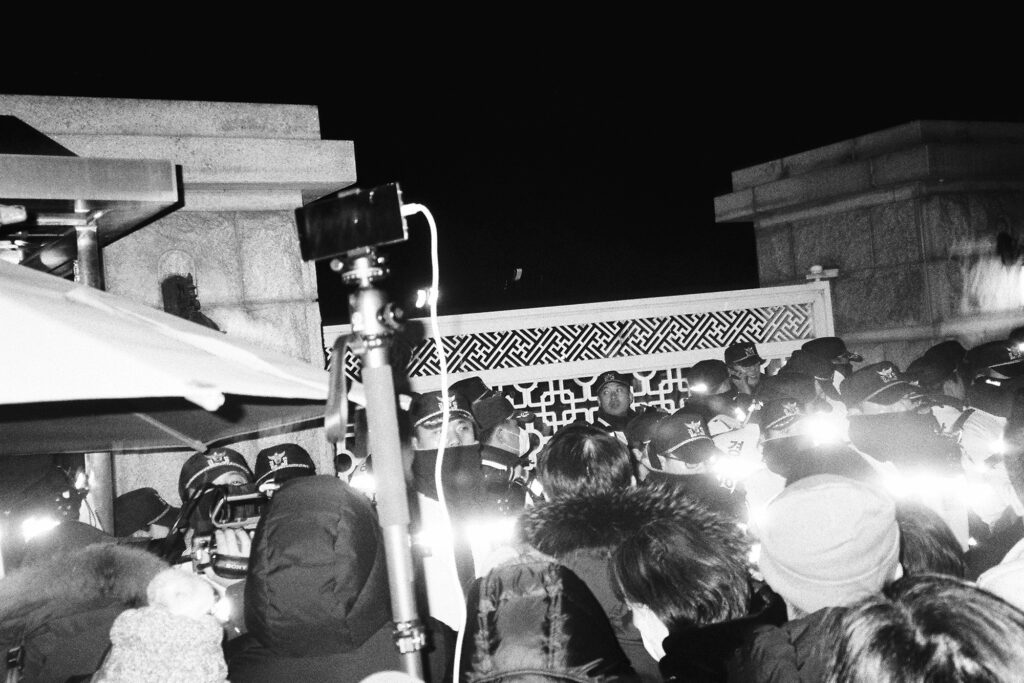
Photographing the Night That Shook Seoul
by Jungmin Cho, from Aperture No. 261, “The Seoul Issue”
Last December, South Korea found itself under martial law for the first time since the Gwangju Uprising. Yezoi Hwang took to the streets with her camera. The uniforms of the police blocking the National Assembly and confronting the protesters failed to absorb light, reflecting it instead, turning them into ghosts. In contrast, hopeful handwritten notes, ribbons, and tiny, solidaristic snowmen became fixtures of the cityscape. As Hwang states: “Photography becomes a tool that allows one individual to confront the multitude.”
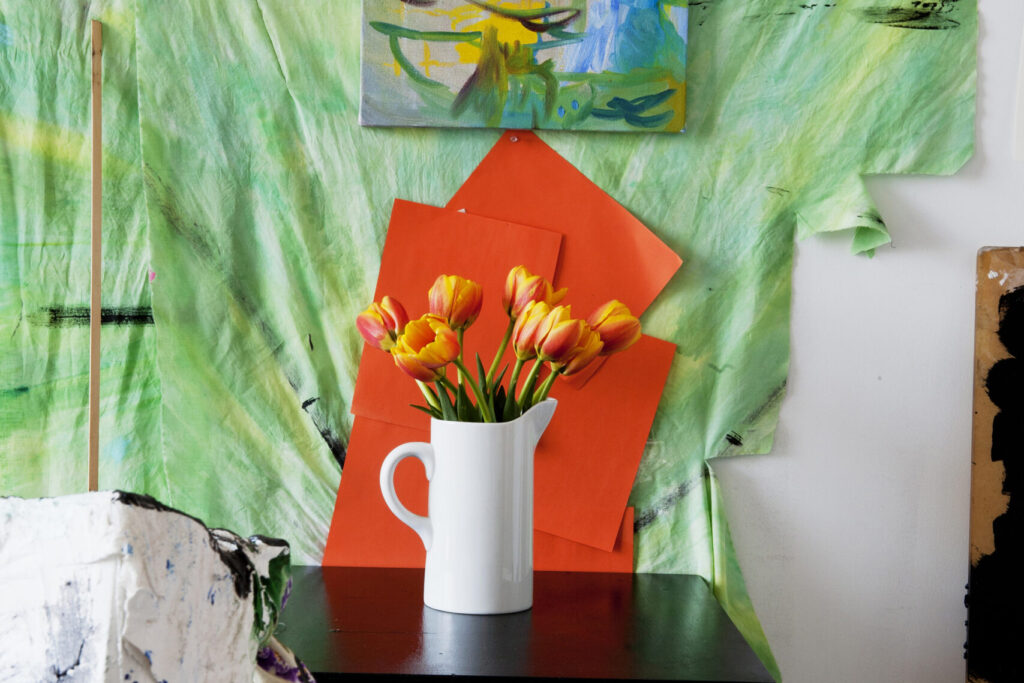
David Gilbert’s Queer Wish for Other Worlds
by Evan Moffitt
David Gilbert’s colorful studio photographs feel intensely private, like a scrapbook for a tightly knit circle of friends. “The simple stuff that Gilbert photographs isn’t meant to last: drawings and collages on paper that are usually destroyed by the time their image circulates,” writes Evan Moffitt. “Instead, they’re preserved in the paper stock of his photographic prints. In Gilbert’s studio, the lens always comes last, even though it’s the first thing we see.”

Alana Perino Crafts a Haunting Story of Family and Memory
by Eli Cohen, from from Aperture No. 259, “Liberated Threads”
In the Florida island town of Longboat Key, Alana Perino—and winner of the 2025 Aperture Portfolio Prize—portrays a home upended by loss. As Eli Cohen writes: “Pictures of Birds does not shy away from the idea that spirits dwell in this home, and in many ways, the photographs take comfort in their presence.”
The Year in Essays

How An-My Lê Makes Meaning from History’s Psychic Debris
by Ocean Vuong, from Small Wars (Aperture, 2025)
Ocean Vuong reflects on An-My Lê’s photographs of Vietnam and the US, considering how the artist masterfully uses blurred motion and stillness to reclaim the semiotics of war. As Vuong writes: “The stillness Lê captures is not one of lifelessness—but of life lived so fully—the arrested movement of these figures, as in another shot of a crowd of people observing a solar eclipse, is a reclamation from the semiotics of war and tragedy.”

Richard Misrach on the Eerie Grandeur of Global Trade
by Rebecca Solnit, from Cargo (Aperture, 2025)
Rebecca Solnit considers the photographer’s recent work tracing histories of shipping routes and their impact on the natural environment. “These ships carry specific burdens, but they also transport the burden of the industrial age’s consumption and production and its impacts,” writes Solnit. “They carry a burden, a cargo, of meanings.”
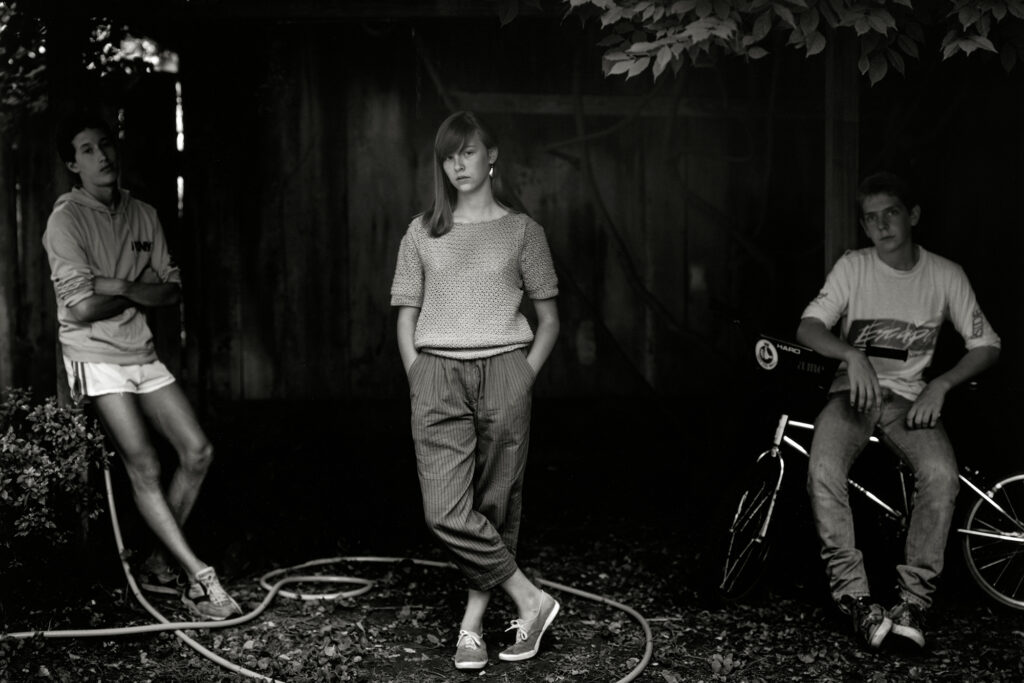
Sally Mann’s Photographs of Girls on the Cusp of Adulthood
by Rebecca Bengal
On the occasion of Aperture’s reissue of the long sought-after volume, the writer Rebecca Bengal looks at At Twelve through a dozen reflections. “The true subject of At Twelve is time itself,” Bengal writes, “perceptions of time and youth, about being a girl, versus a woman, about the chasm between those two phases, and what it means to cross them, and what selves are lost and what selves are inhabited in that process.”

Stephen Shore on the Color Red
From Aperture No. 260, “The Seoul Issue,” under the column Notebook
The color can evoke love, anger, and—especially for photographers—danger. What makes red so tricky? “A painter can choose the shade of red they want. They can choose not to use the color at all. They can place it where they want on the canvas and in relation to the other colors they have chosen. If a painter were to see a red door and want it to turn black, they would have that option,” Stephen Shore writes. “A photographer wouldn’t. We, as photographers, are tied to the world in front of us.”
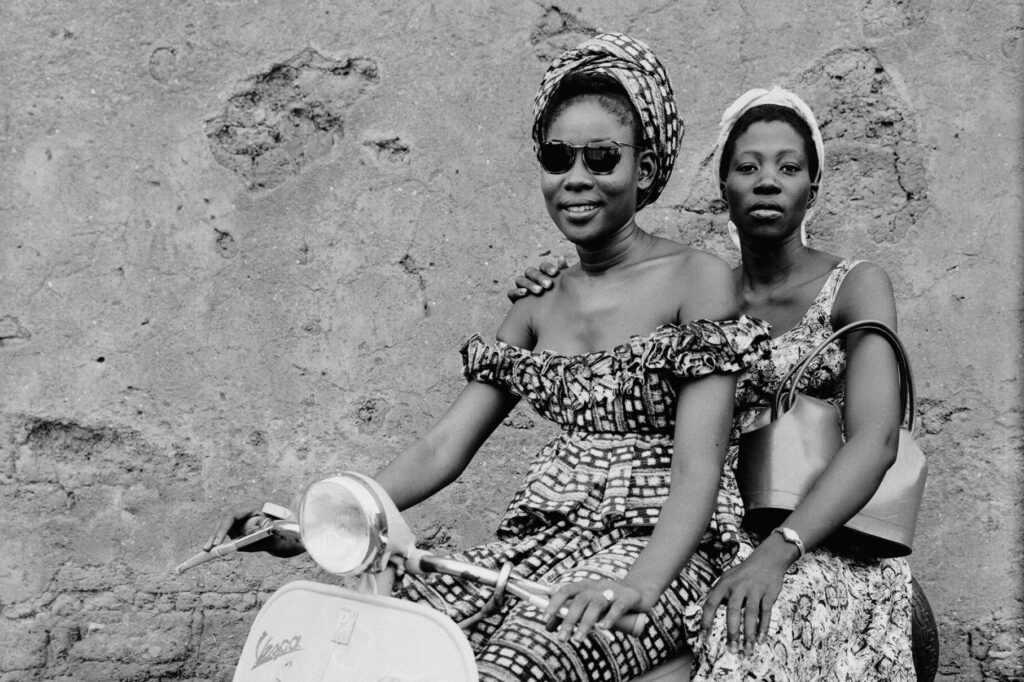
Seydou Keïta’s Revelatory Portraits of Malian Life
by Kobby Ankomah Graham, from Aperture No. 259, “Liberated Threads”
In midcentury Bamako, sitting for a portrait in Seydou Keïta’s studio was a defining assertion of identity. “Keïta’s images offer windows into a world where individuals claim space within a rapidly shifting society,” writes Kobby Ankomah Graham. “They are living archives, constantly being reinterpreted through contemporary perspectives. They show the enduring power of photography to capture more than mere aesthetic.”

Nikki S. Lee Stays in the Picture
by Hyunji Nam, from Aperture No. 260, “The Seoul Issue”
Nikki S. Lee was a rising star in New York’s late-’90s art world—then she walked away. Can the artist reinvent herself in Seoul? “I’ve never once dreamed of being a photographer,” Lee stated. “To me, photography was just one medium I happened to use. I never saw it as the end goal.”

Kunié Sugiura’s Genre-Blending Vision
by Erin O’Toole, from Aperture No. 258, “Photography & Painting”
Since the late 1960s, Kunié Sugiura has defied the expectations of the art world with hybrid, dreamlike forms that test the limits of photographic expression. Sugiura’s practice, which melds photography and painting, emerged, in part, from the heritage of artists such as László Moholy-Nagy and Man Ray. But while her work bears hallmarks of Moholy-Nagy’s legacy, Sugiura’s approach to photography also reflects her fierce independence of mind and the influence of Japanese aesthetics. “Even before she took up a brush, Kunie Sugiura was gesturing toward painting,” writes Erin O’Toole.
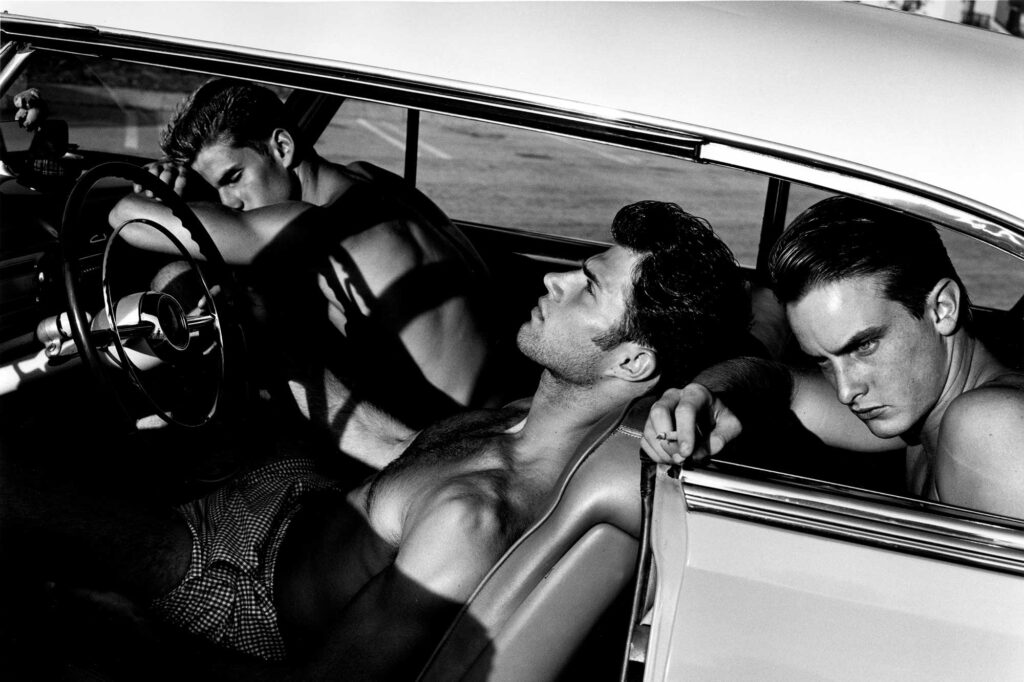
Bruce Weber’s All-American Obsessions
by Natasha Stagg
Bruce Weber’s ad campaigns for Abercrombie & Fitch and Calvin Klein made him one of the most prestigious names in photography—until he was accused by male models of unwanted advances. Will a recent exhibition reshape his legacy? “To see these images now is to recognize them from an earlier, non-art context,” writes Natasha Stagg, “and to recall their impact: a stirring of sexuality, a seed of aspiration.”
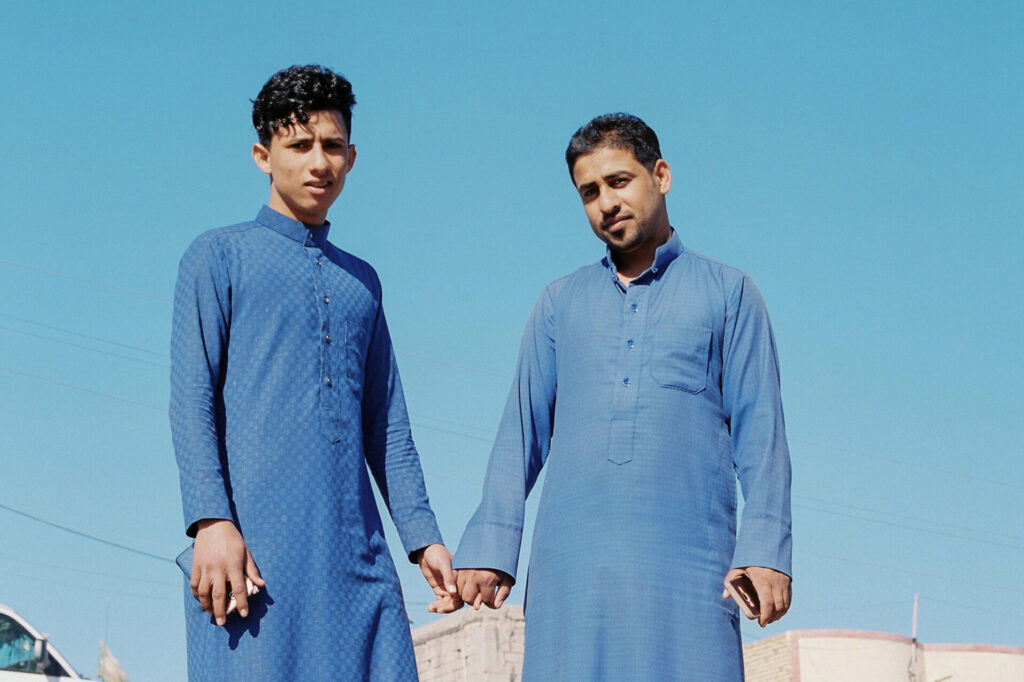
How Baghdad Is Rebuilding Its Arts Community
by Dalia Al-Dujaili, Aperture No. 259, “Liberated Threads,” under the column Dispatches
After decades of conflict, photographers gather to reimagine Iraq’s global image. As Dalia Al-Dujaili writes: “The wide accessibility of photography, which requires little more than a smartphone, has accelerated its growth in Baghdad. With more photographers emerging, the need for a communal space to share images has become crucial.”
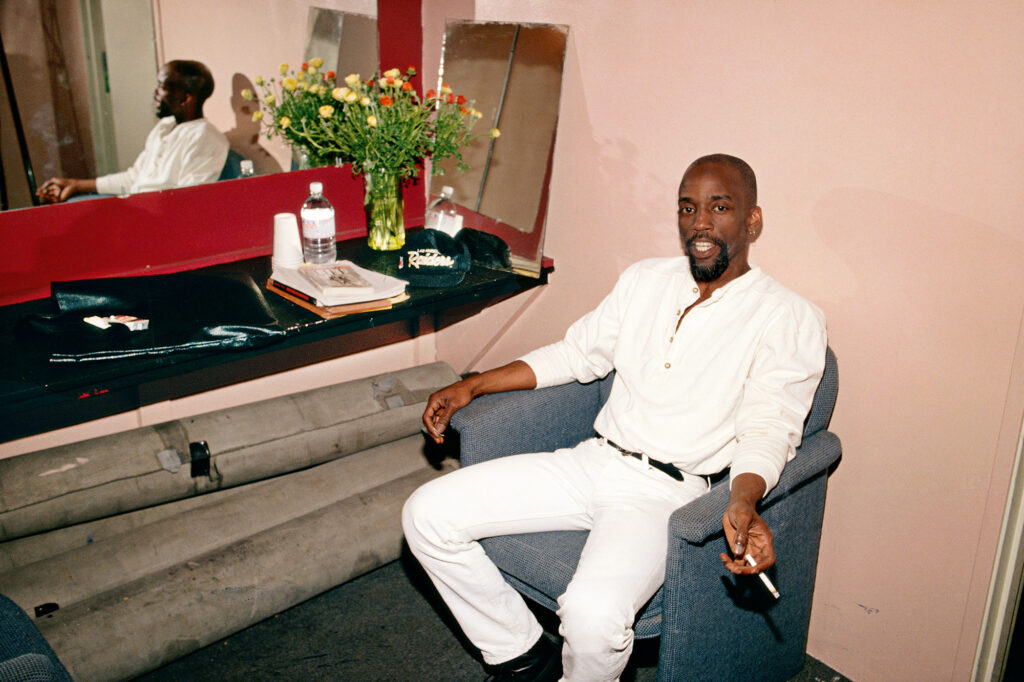
Essex Hemphill’s Love Knew No Bounds
by Michael Londres
A crucial voice for Black queer desire and liberation, the late poet—finally back in print—has ignited a fire in American artists across generations. This year, a group exhibition in Washington, DC, commemorated the bygone era in which the poet thrived, and celebrated the dream that he kept alive for the next generation. “In a town of memorials set in stone, the show pulsates with optimism and collective life,” writes Michael Londres.