


Dean Majd’s Intimate Reckoning with Masculinity
For ten years, the photographer chronicled the revelry and grief of his friends, making a definitive series about youth in New York.
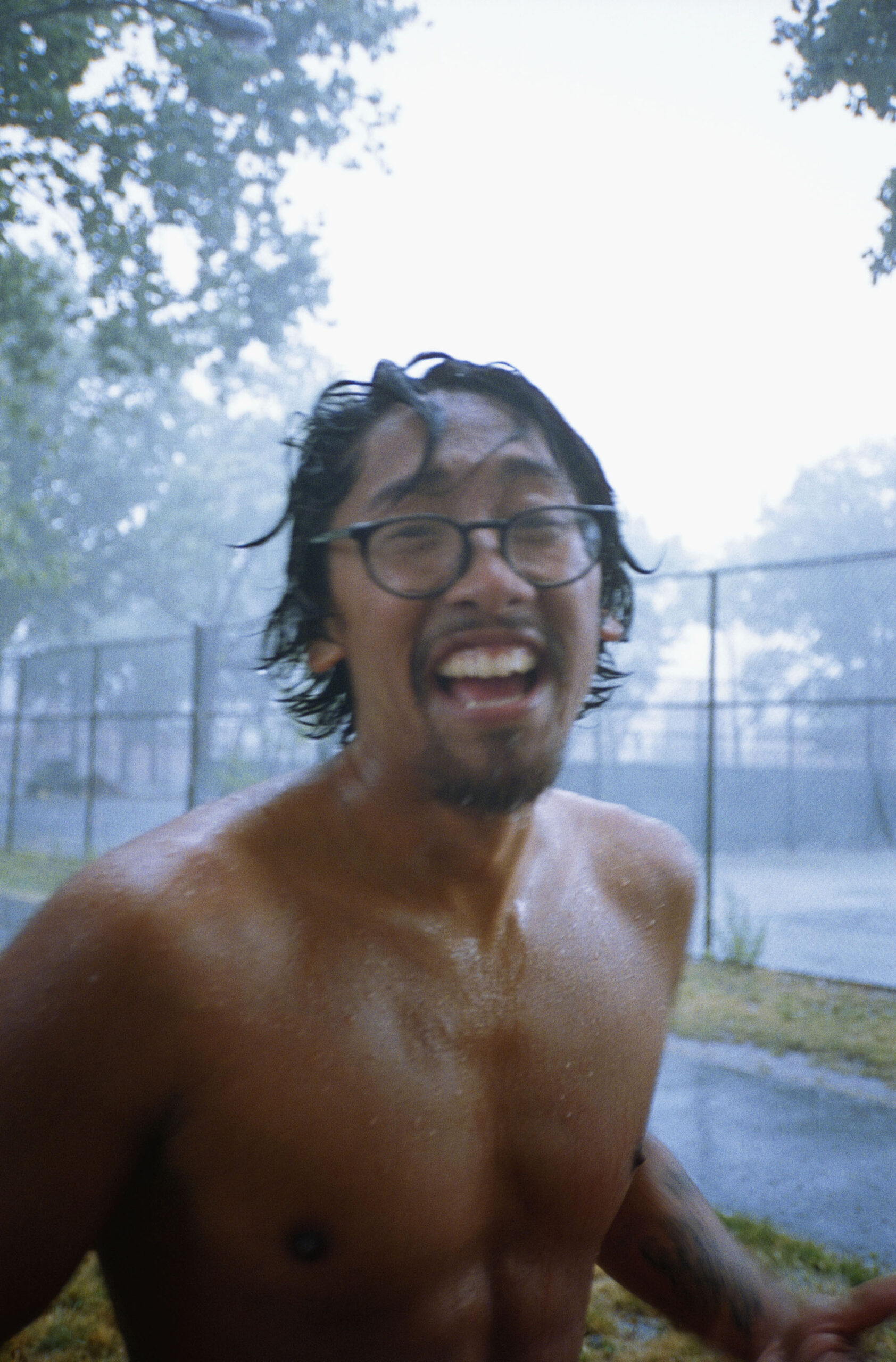
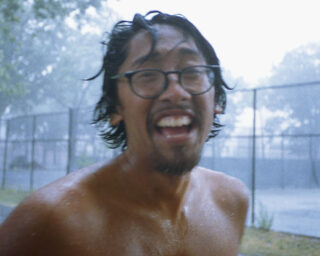
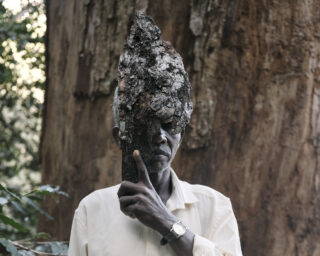
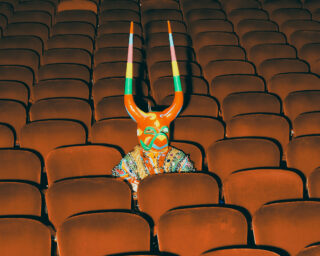
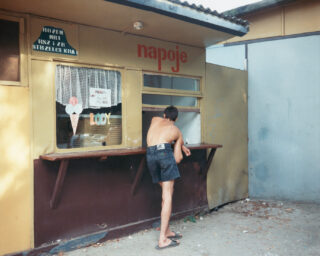
Dean Majd, suba (sunshower), 2020, from the series Hard Feelings
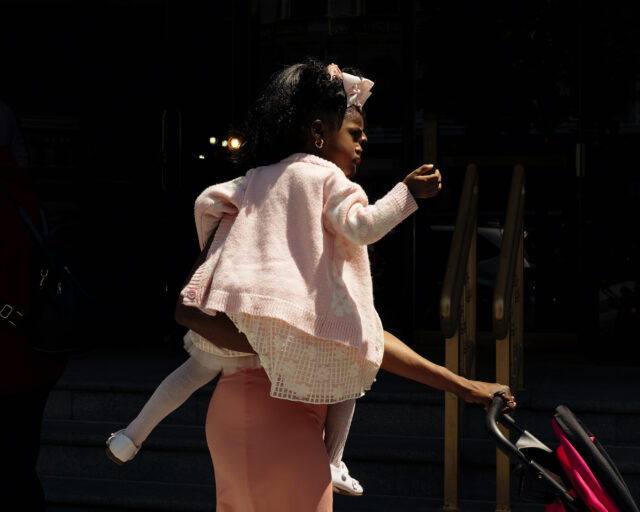
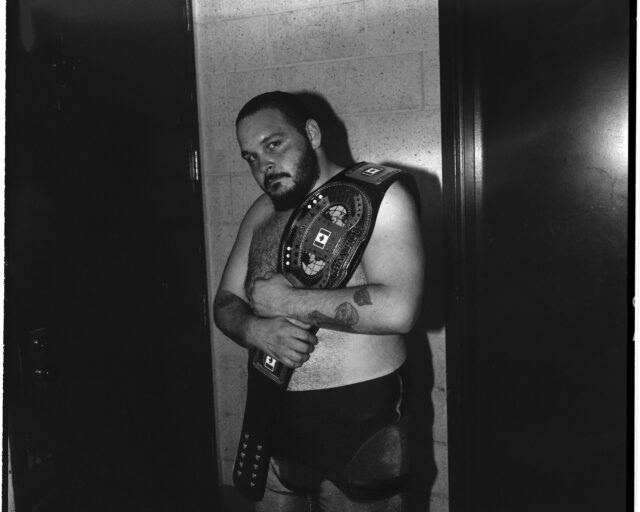
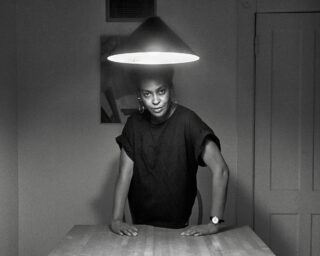
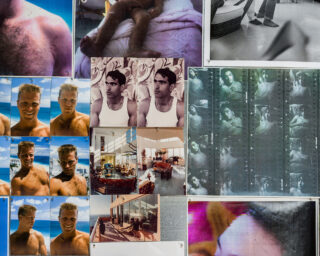
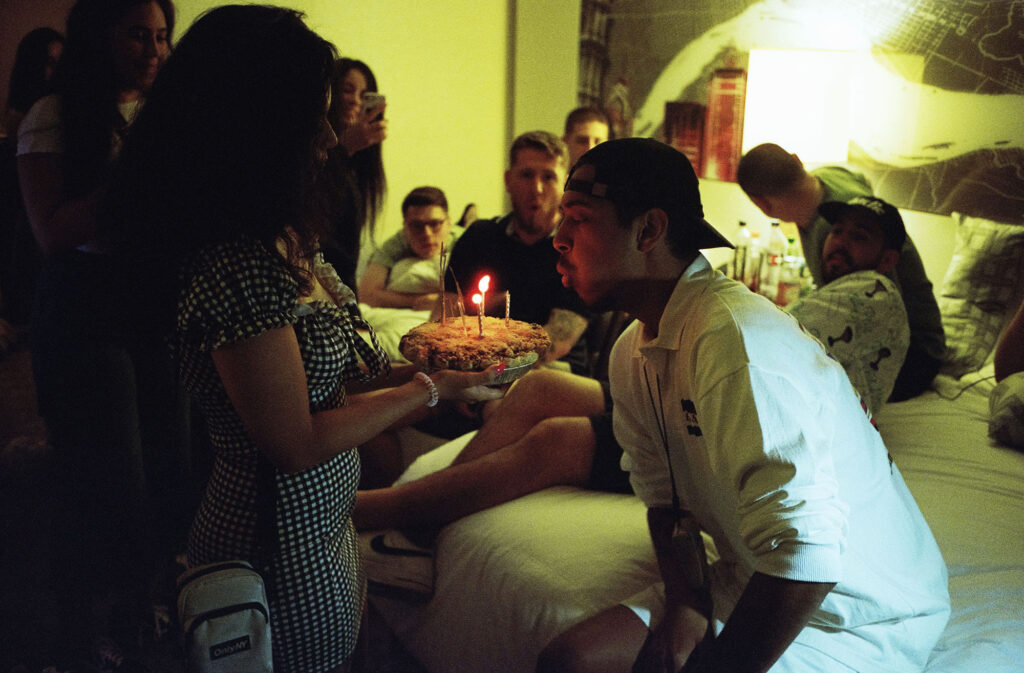
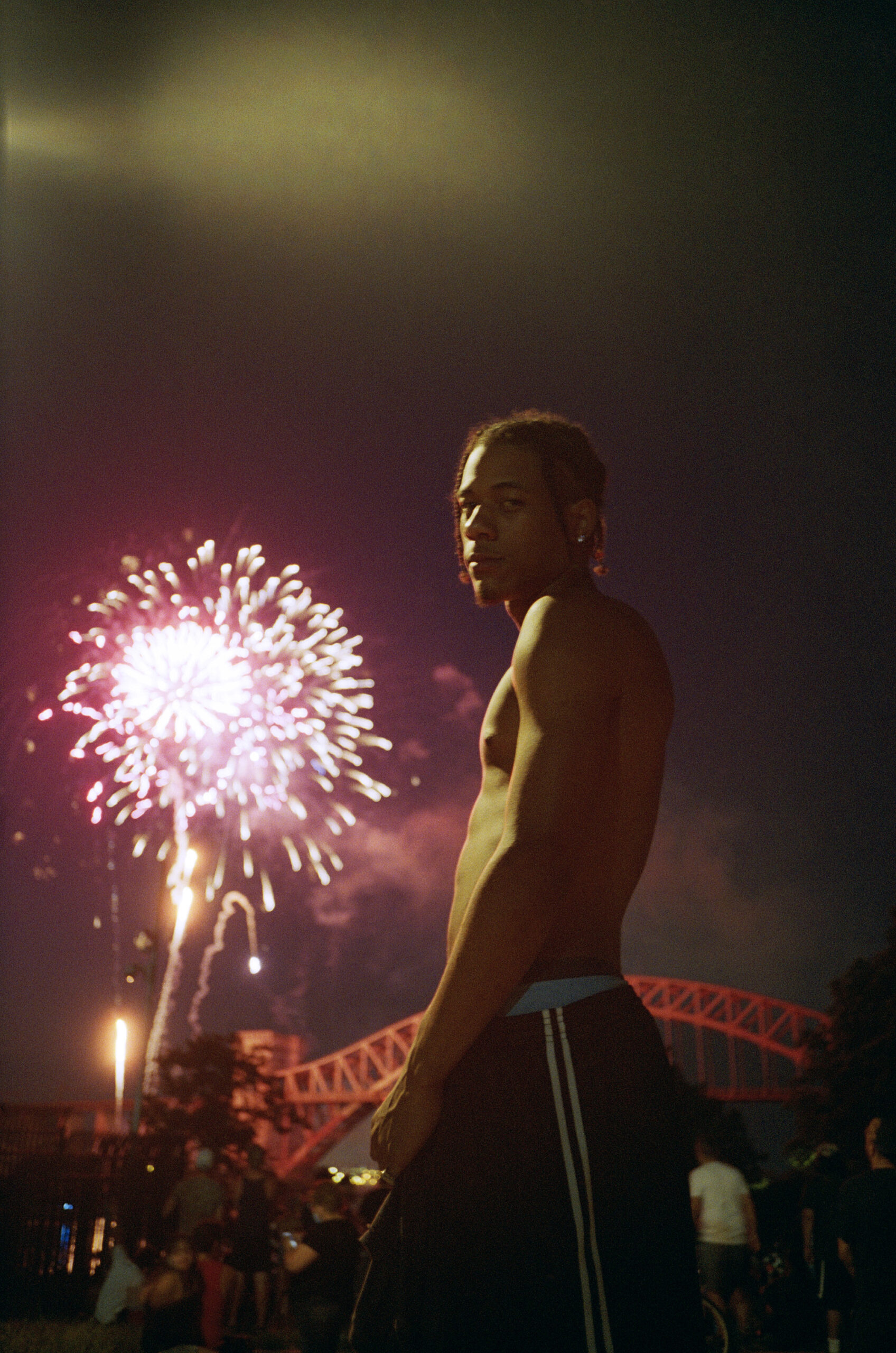
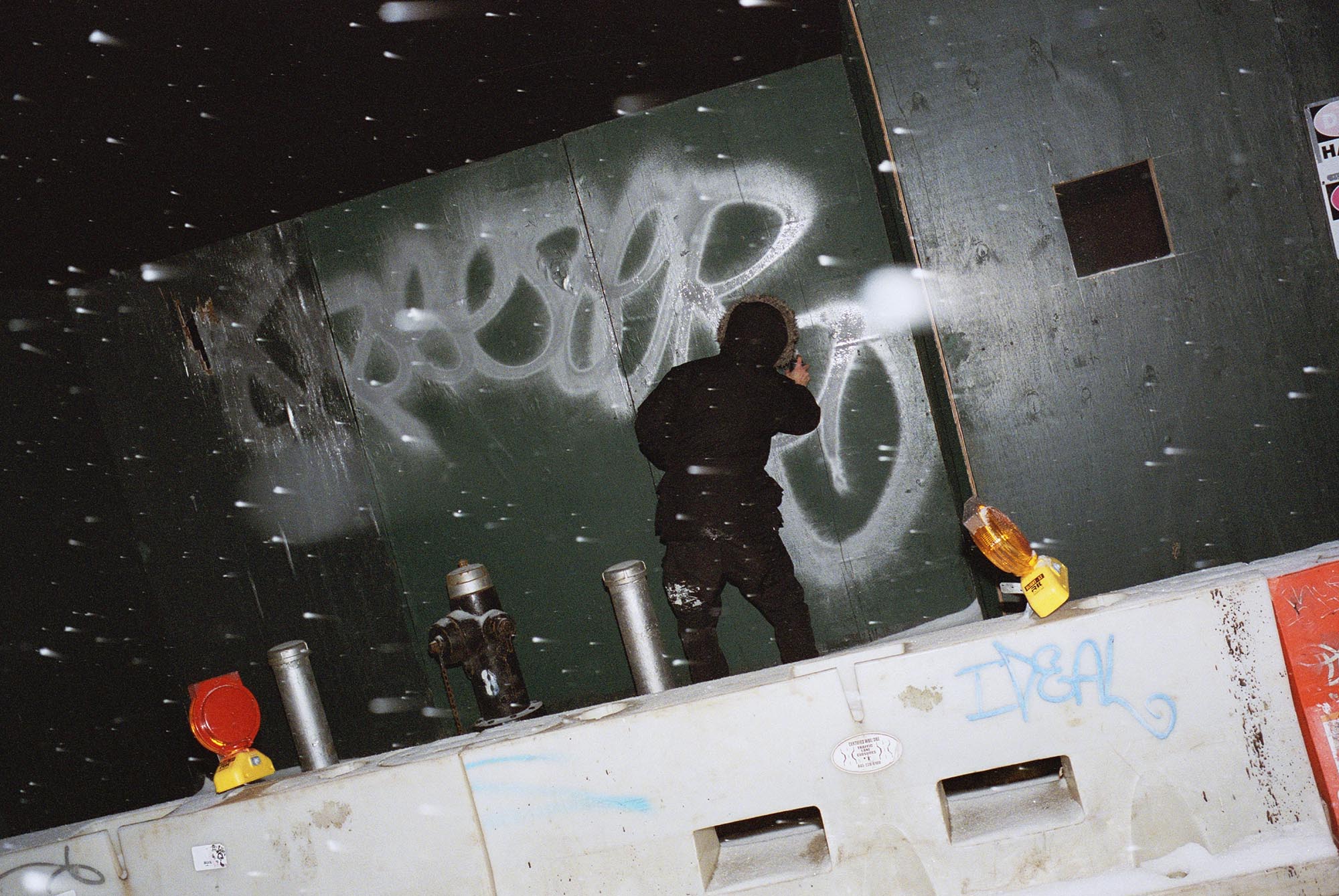
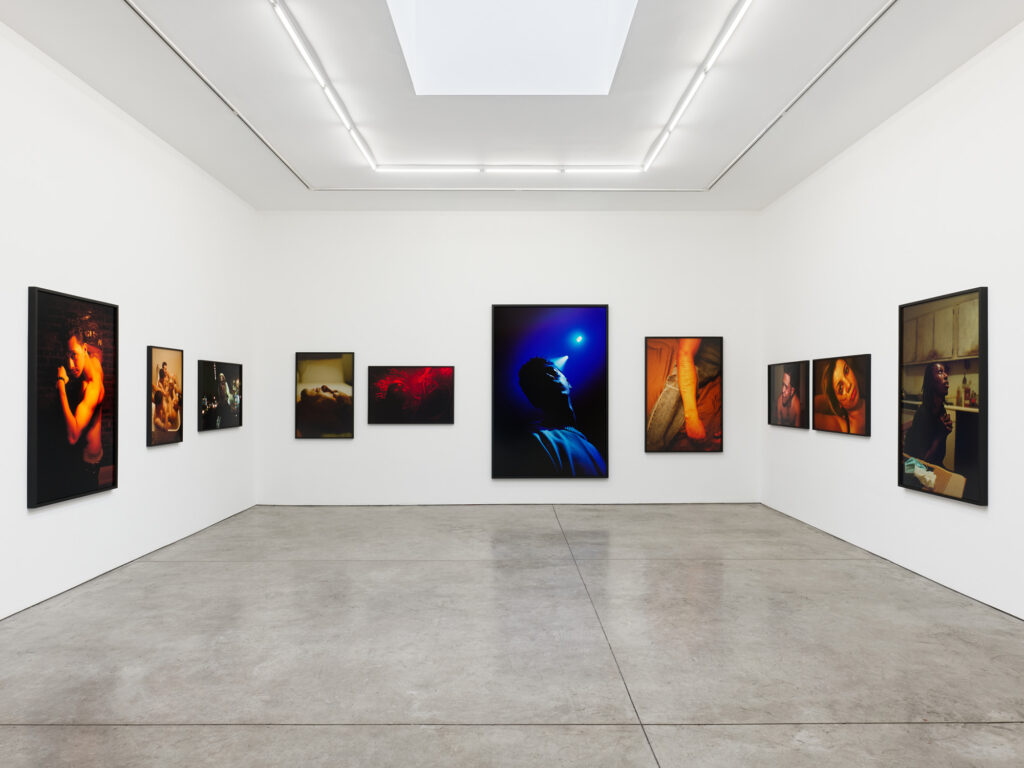
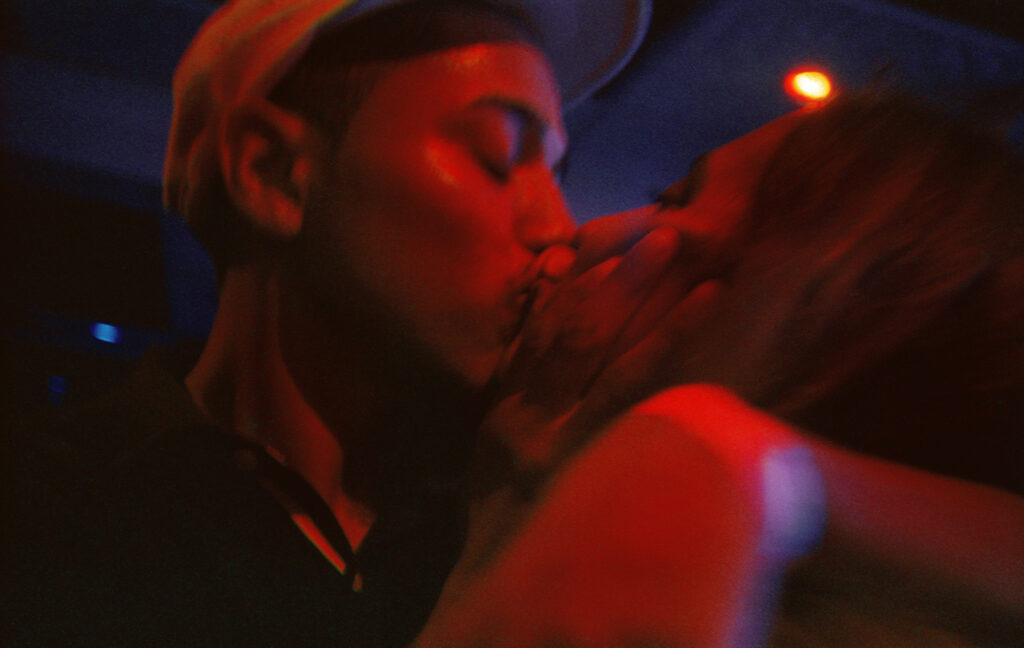
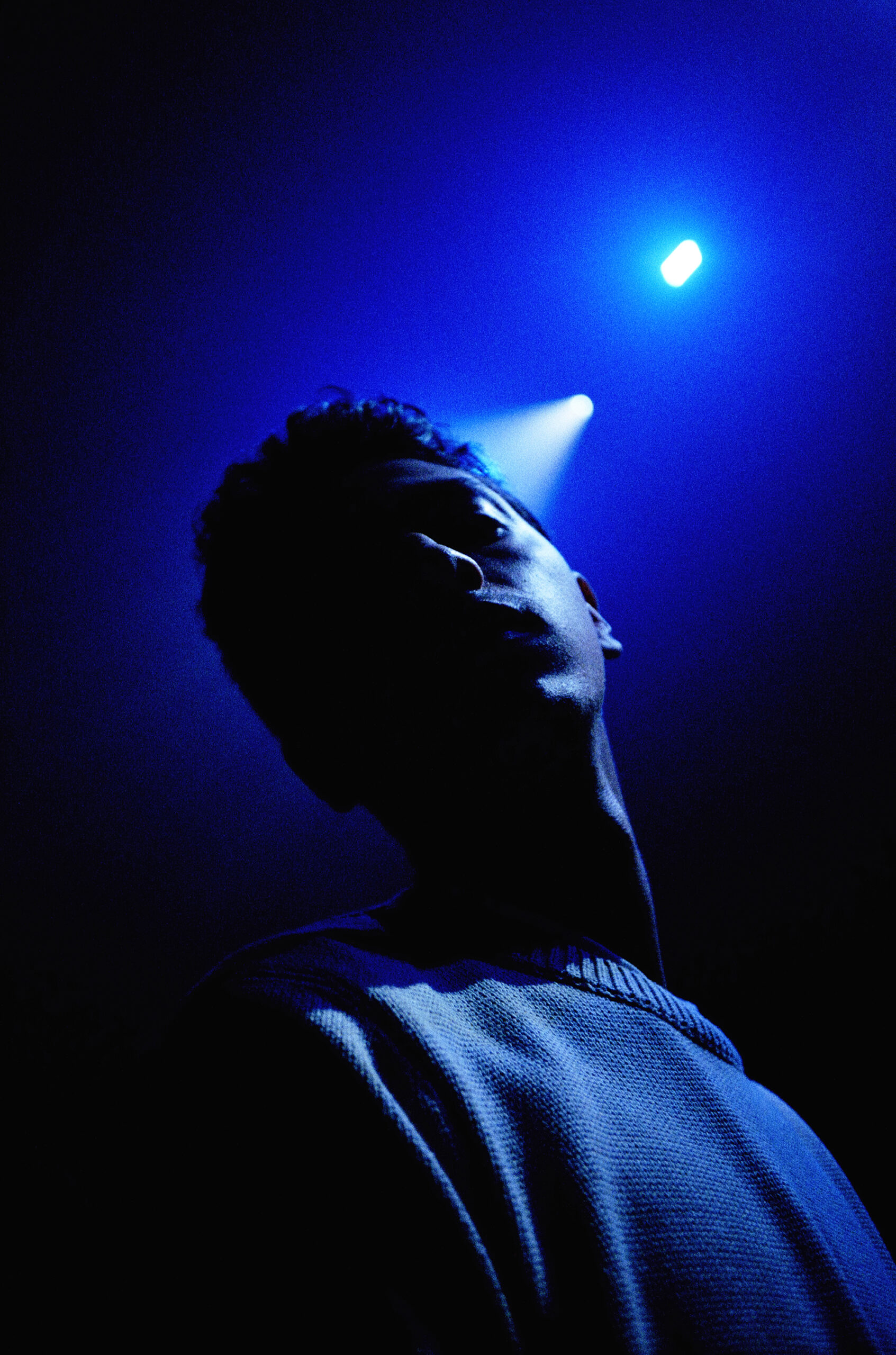
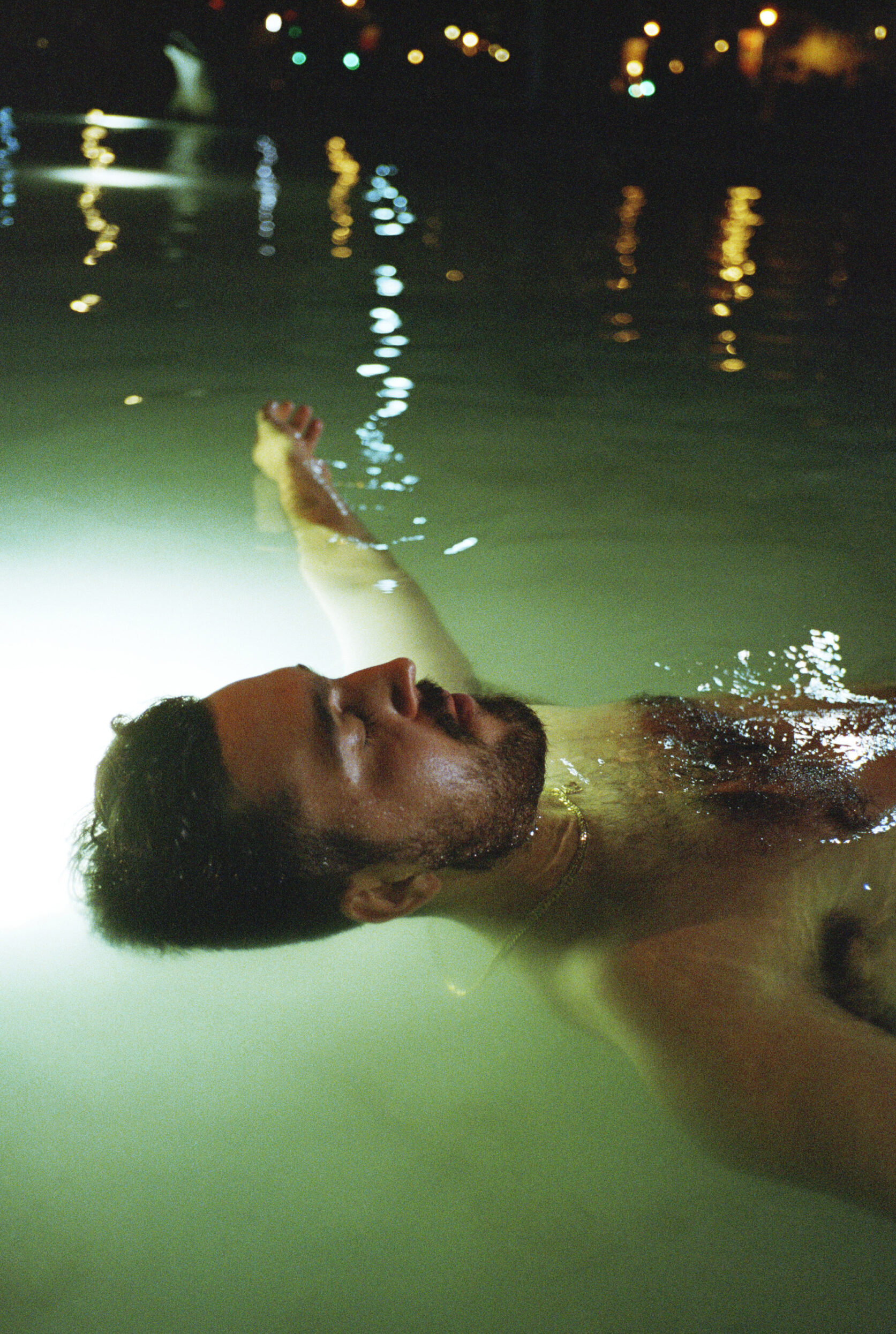
In 2016, after the sudden death of a childhood friend, Dean Majd began photographing the dynamics within an insular circle of young men connected through graffiti, skate culture, and New York’s nightlife. Shot largely at night with point-and-shoot cameras over nearly a decade, the images in what would become the series Hard Feelings move between moments of revelry and rupture—intoxicated camaraderie and quiet grief—charting an intimate record of masculinity shaped by trauma, loyalty, and survival. I recently spoke with Majd, whose exhibition of Hard Feelings, curated by Marley Trigg Stewart, opened in February at Baxter St in New York. In this conversation, Majd reflects on the origins of Hard Feelings and how he drew inspiration from sources ranging from Lorde and Dipset to the films of John Cassavetes and Abel Ferrara. He speaks about the ethical and emotional complexities of photographing one’s closest friends—and how the project evolved from a record of a life lived into a meditation on masculinity, mythmaking, and the possibility of healing.
Noa Lin: I wanted to start by asking you about these past twelve months. Over the past year, you’ve photographed Mahmoud Khalil for Dazed. You photographed Mayor Zohran Mamdani for Vogue. You’ve opened your first solo exhibition at Baxter St at the Camera Club of New York. And you have been included for Greater New York at MoMA PS1. What’s it been like for you to have this meteoric rise?
Dean Majd: I’ve been working professionally for about ten years, but I’ve been making photos since I was seven. I feel like I turned up the dial in the last few years. There’s been a palpable shift for me, but because it’s been such a long grind, it also feels like something that’s actualized and meant to happen at this time. I am really glad it took so long. If I had found any version of this success in my late twenties or early thirties, when I wanted it, I would’ve completely fallen on my face. It also affirmed to me my belief in God’s plan, or the sense that everything happens for a reason, which can be really hard to maintain faith in. You have to believe in what you’re setting out to do, even when no one else does. I’m not hyper-religious, but I’m quite close to my faith, and it feels like things are meant to happen when they’re supposed to happen.
I’ve been recently very emotional too. I’ve actually been crying a lot since the opening of the show because I’ve just released so much emotion that I’ve been carrying for ten years around this extremely difficult body of work, but also the hard work to get here in my career. And there were so many times where an opportunity, like the solo show, almost happened and it didn’t happen, or I would get a major opportunity to make a certain project and it would fall through. At some point, I accepted that it wouldn’t really happen for me, and I just was making work for myself because I loved it, which was the most important thing. So right now, I’m just trying my best to enjoy the moment and get the work done.
Lin: I’m curious, do you have a sense of why, or why you think this is now—why everything happened all at once in this way? How have your experiences prepared you for it?
Majd: I had a lot of failed opportunities and a lot of rejections in 2024. I was supposed to have a solo show around my work Separation that was made in Palestine, but it fell apart. By the end of the year, I was really down, and I just decided that I am going to give it my all. I was turning thirty-five and I felt like it was now or never. At the same time, I can’t deny that there’s a lot of attention on Palestinian American artists post–October 7, 2023, and during the genocide.
A lot of issues that I face as a Palestinian American artist regarding racism and Zionism are being confronted in the art world. I also feel that not many artists at large, but specifically photographers, were open about their beliefs around the genocide, and not many stood up for Palestine. I felt like being Palestinian American and speaking about the genocide publicly garnered me a lot of support, not just for my work in Palestine but also my work across the board. There was a lot of attention on what I was doing because there was a lot of attention on Palestinian American artists. Because of that attention, because of the projects I was building up to, the skills I had acquired over the years and my being vocal publicly about the kind of state violence that people are experiencing globally at the hands of our administration, I felt all these things were coalescing.
I also was pitching and taking on very serious projects about these subject matters that I don’t think many people were pitching and were willing to explore through their work. So many artists were facing backlash for speaking up for their beliefs. I didn’t have much of a career to lose, and I’m Palestinian, so I already faced these issues prior to October 7. I wasn’t scared to talk about it. It’s my people. I didn’t even think twice about it.
Lin: Right. This is part of who you are, and you’ve been making work on these subjects for a long time. But, just to back up, can you tell me a little bit more about your background and how you got into photography? How you ended up where you are now?
Majd: My mother gave me a camera when I was seven, and I haven’t stopped taking photos to this day. I grew up very poor, and my mom would develop the film at Genovese, which was like a Duane Reade or a Rite Aid. When she developed the film for me, which we didn’t have much money to even do, she would get mad at me because she would never see photos of me. I was already only taking pictures of my friends. As a kid, I was very quiet, so I used the camera to connect to the people around me. It was also an expression of love and care, even at that young an age.
My parents were immigrants of, refugees of, Palestine. My mother was born in a refugee camp in Jordan after 1948, after my grandparents were expelled in 1948. When they immigrated to this country, they spent all their time working. So, my brother and I were left to our own devices and fell into Queens, New York’s skating and graffiti scene, at a very young age. I have photos from 2002 from this era where we were drinking and doing drugs and staying out all night and partying and sneaking into bars and concerts. I asked my parents when I was eighteen to go to art school, and they laughed at me, so I left that world to pursue a degree in international relations and to work to help my family financially. I mean, I had literally never seen an Arab American, a Palestinian American, a Muslim American, be a successful artist or photographer. Nothing indicated that I could, in magazines or in TV or anything like that, and so I just did it for myself because I wanted to. Around that time, I discovered Nan Goldin’s The Ballad of Sexual Dependency (1986). I didn’t understand what was going on in the photos, but I just saw someone love their friends so much that Nan Goldin made it into an art form. I felt that if she could do it, I could too.
Courtesy Baxter St at the Camera Club of New York
Lin: And you’ve been working on this series, Hard Feelings, for ten years now. How did you go from just being in that skate and graffiti scene, just taking photos of your friends, to making this particular body of work as it stands? Or did it happen naturally?
Majd: In 2015, I had started hanging around the skate park in Astoria and with some friends that would skate and do graffiti. I reconnected with a childhood friend named James at Astoria Skate Park, and I took his portrait. We made a plan to hang out, but then a week later, he tragically died in a subway accident. It was tragic because anyone who knew James knew that he had a really big heart. And I mean, to me, he was the coolest person in the world. To lose him was quite tragic for me and all our friends. And through his passing, I became very close to his best friends, and we bonded over the grief of his loss.
At that point, I was casually shooting about sixty rolls a year, but by the end of 2016, I was shooting over three hundred, and I maintained that for years. I invested all my money and free time into it. And if you know anything about the graffiti and skating world, it can be hypermasculine, drug- and alcohol-fueled. It’s very violent. It can be very toxic and self-destructive, but these people who I felt were outcasts like myself were deeply loving to each other, and I was inducted into a family.
And, by the end of 2016, I proposed to them that I would like to take pictures of everything—the good, the bad, the ugly, everything in between—and I wouldn’t hold anything back. No one refused. Actually, almost all of them encouraged it. My goal was to create a record of truth for us and only us. I was deeply inspired. It felt like having twenty-five muses at the same time, and they gave me everything.
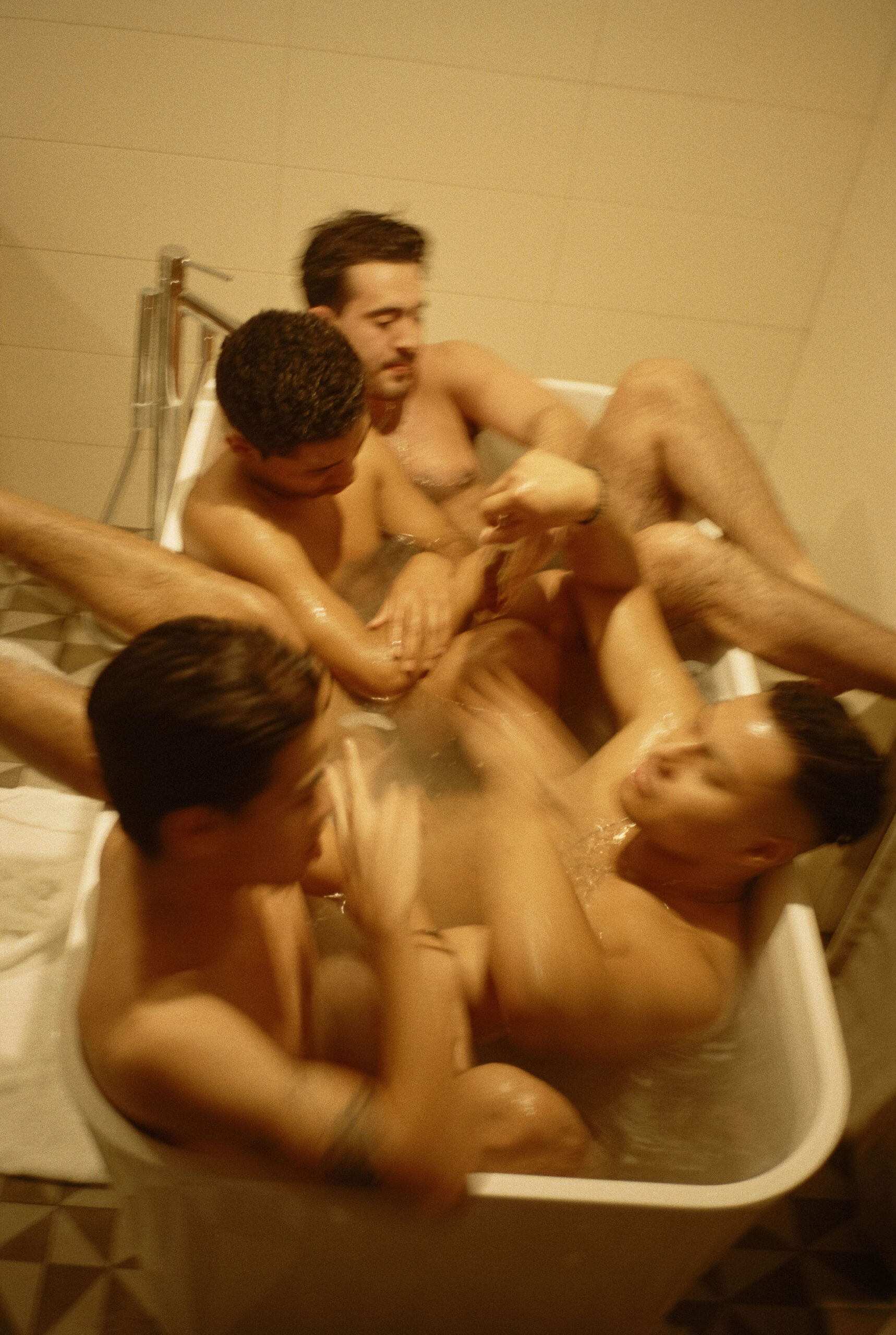
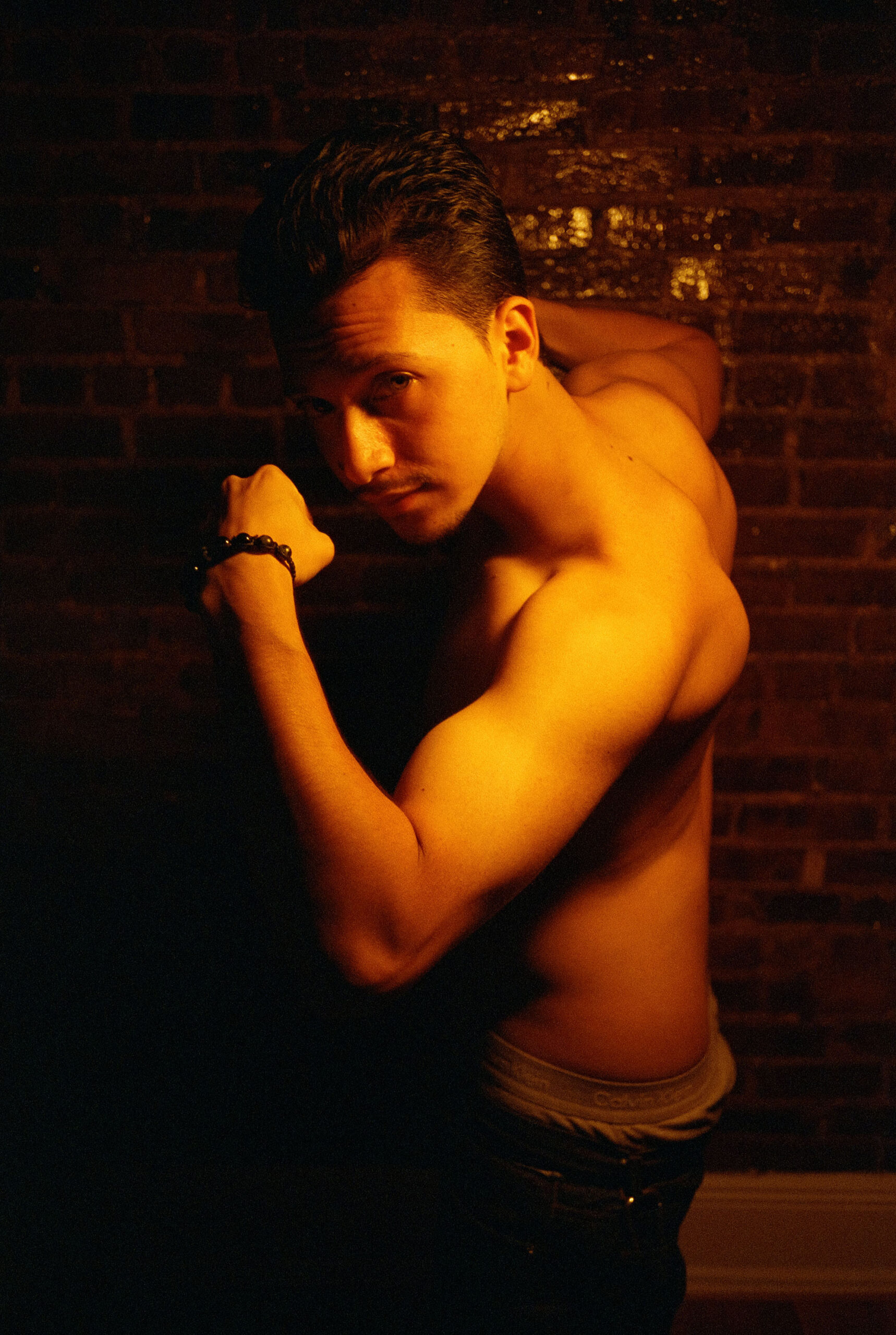
Lin: I’m curious how you approached shooting such intimate moments with your friends—were there any specific challenges you had to navigate while you were starting to shoot this seriously in a way that you didn’t think of at the time?
Majd: I think we were all making up the rules as we went along. I would take all these photos and I wouldn’t put them anywhere. I would sit with them for a while and reflect on them, and then we would have these open discussions about where they would go and if certain photos should stay archived, if certain photos could circulate between us or if they could go online. There was a trust that we built together, almost like a rule book, and that rule book became the foundation of my practice. But I’m constantly rewriting that book, and it’s constantly evolving.
Photography is inherently voyeuristic, but I try as much as possible to not approach making the work that way. I very much affirm that this is my story, that these are my friends, the people I call my family. I don’t even call them subjects. I very much lay myself completely on the line for the work.
Growing up Palestinian, I understood grief at a very young age. I understood pain and loss. My family has experienced so much racism, Islamophobia, and Zionism. At a young age, I learned that empathy and pain go hand in hand, and it helped me develop a deeply empathetic nature. And that’s how I navigate my life—and photography. When my friends gave me access to their lives, I didn’t realize at the time that that would dissolve all boundaries between me, them, and the camera. For a long time, I navigated the photographic experience without boundaries, which left me with a lot of wounds and then subsequently a lot of scars.
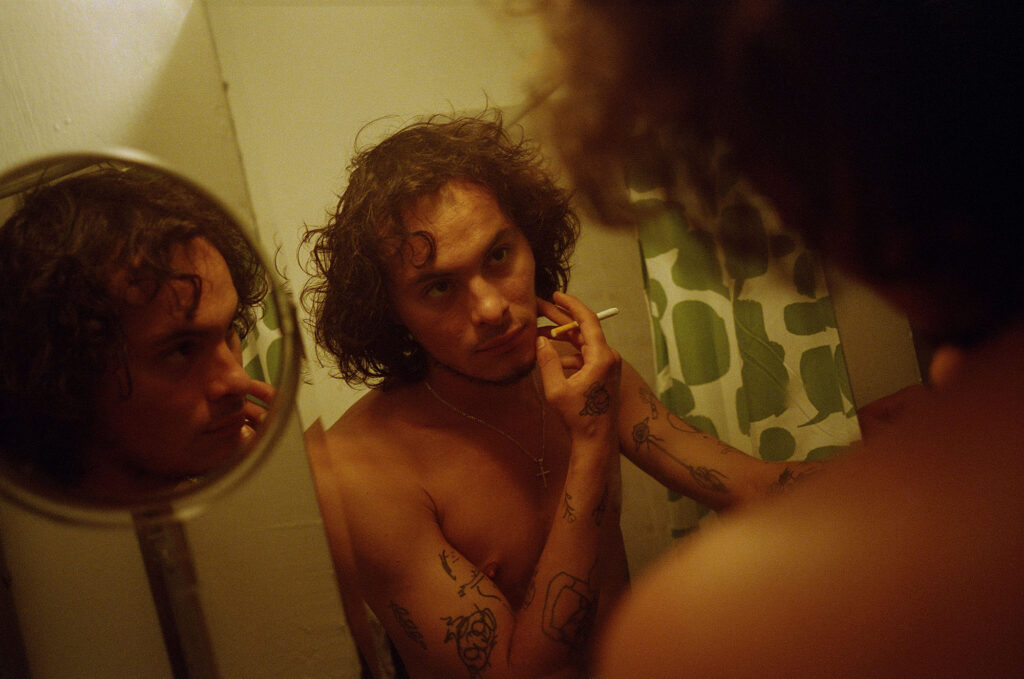
Lin: In the context of you and your friends, these images are a record of your experiences. But as these photographs circulate, they take on new meanings to different audiences. For outsiders looking in, words like trauma or violence become attached to these portraits of people you know and care about. How do you and your friends continue to think about the work, especially as it gets more exposure in art-world contexts?
Majd: I actually don’t even think many of them care. Originally, it was just a record of truth, and I was quite ambitious about my work and what I was attempting, but I genuinely didn’t think anyone would care. When the work became public and it gained an audience, I didn’t expect the work to change.
After reflecting on it though, I realized the work was about masculinity, brotherhood, and how trauma and cycles of violence manifest. I realized the work functioned as a mirror and as a space for me and my friends to be vulnerable, when in reality, we are so often told as young men of color that we need to be invulnerable to survive.
In 2018, I had a really powerful acid trip in which I saw my friends as Greek gods. I realized us sitting around passing around a bottle of Hennessy or tequila was a ceremony no different than those of mythological beings. I really began to frame Hard Feelings around the idea of an odyssey; these masculine rites of passage. I wanted to elevate these unseen lives to the place of mythology and high art. I wanted to create a legacy for those who are told their lives don’t matter. The work really became this place for these young men to face their own shadows, and it became a mirror for strangers to do the same. I studied Flannery O’Connor’s Southern Gothic style, and her use of allegory in relation to violence and faith really informed the way I think about the work.
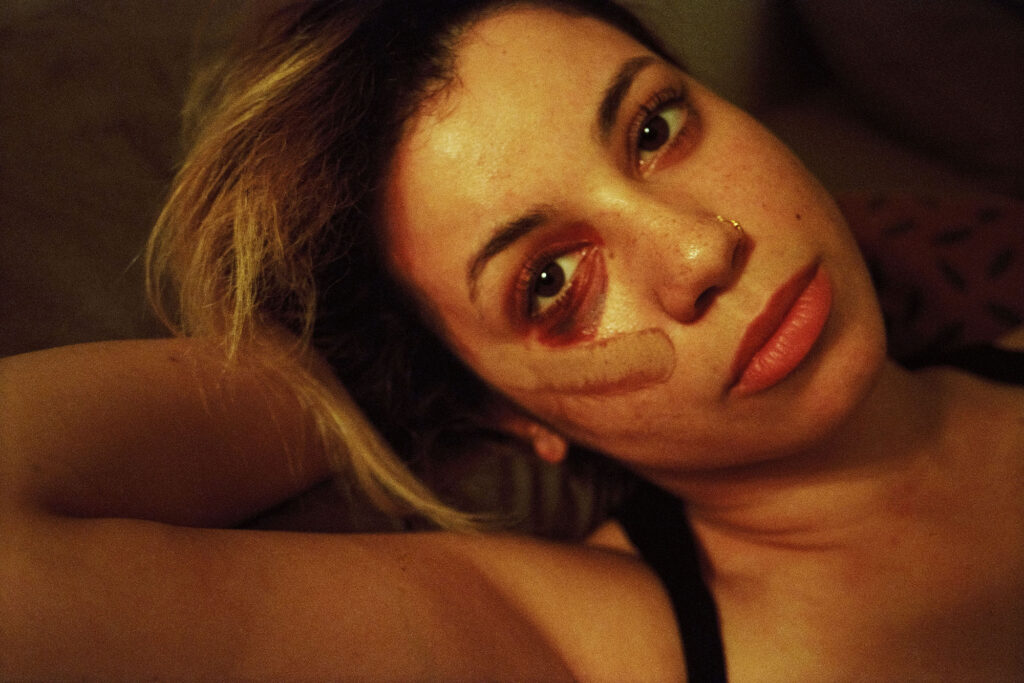
Lin: In Hard Feelings, women often appear at the margins of the narrative. One of the only images of a woman alone in the Baxter St show is the photograph of a young woman with a black eye, which feels especially devastating. How did you think about women’s presence—or absence—across the work?
Majd: Foundationally, I was just trying to honor the story of someone I love, and someone that’s really important to me, someone I consider family. And I wanted to be honest about the experiences of women in relation to this kind of expression of masculinity. It’s important to note that none of the men that I photographed, and no one I knew personally, perpetuated or were the perpetrator of the violent acts done to her, but that isn’t to say that men in the work do not contribute to systems that perpetuate violence against women.
I never wanted to paint these men as perfect victims of their circumstances. The violence enacted on them is internalized and then transferred to the people around them, to themselves and often towards women. The image itself sits in the show in relation to other images that present internalized violence and the violence against other people. I wanted to put everything out there because the overall mission of the work is to forge a path towards healing. And if this part of the experience is ignored, I don’t think we’ll ever get there.
The woman in the image, Rissa, and I have been in constant communication before and after the show about the image. She gave me her blessing to include it months ago, and it’s been handled with the utmost care and respect. She couldn’t make it to the opening, so she came by a few hours before and we walked through the show together, and we cried together about the overall show, but specifically when looking at that image. There’s an alchemic exchange in my work—I get to make these really intimate images, but I absorb and hold on to the emotions of the people I photograph. I’ve been sitting with the pain of this photo, really of all these photos, for years, and presenting them was cathartic for us, Rissa included. We’ve somehow turned that pain into a love that feels infinite, and hopefully this image of Rissa, and these images of violence, can help other people find healing.
There is a moment in the show of small-scaled images of couples around empty beds. The beds themselves refer to addiction and recovery, but I wanted to open a discussion about healing and how it’s often extracted from women in male-female relationships. It’s a vague notion, but I wanted to speak to how grief and violence affect couples’ relationships. In general, I didn’t want to contribute to the erasure of the experience of women under patriarchy by excluding these images.
Lin: Yeah. We can’t talk about patriarchy without acknowledging the violent ways it manifests.
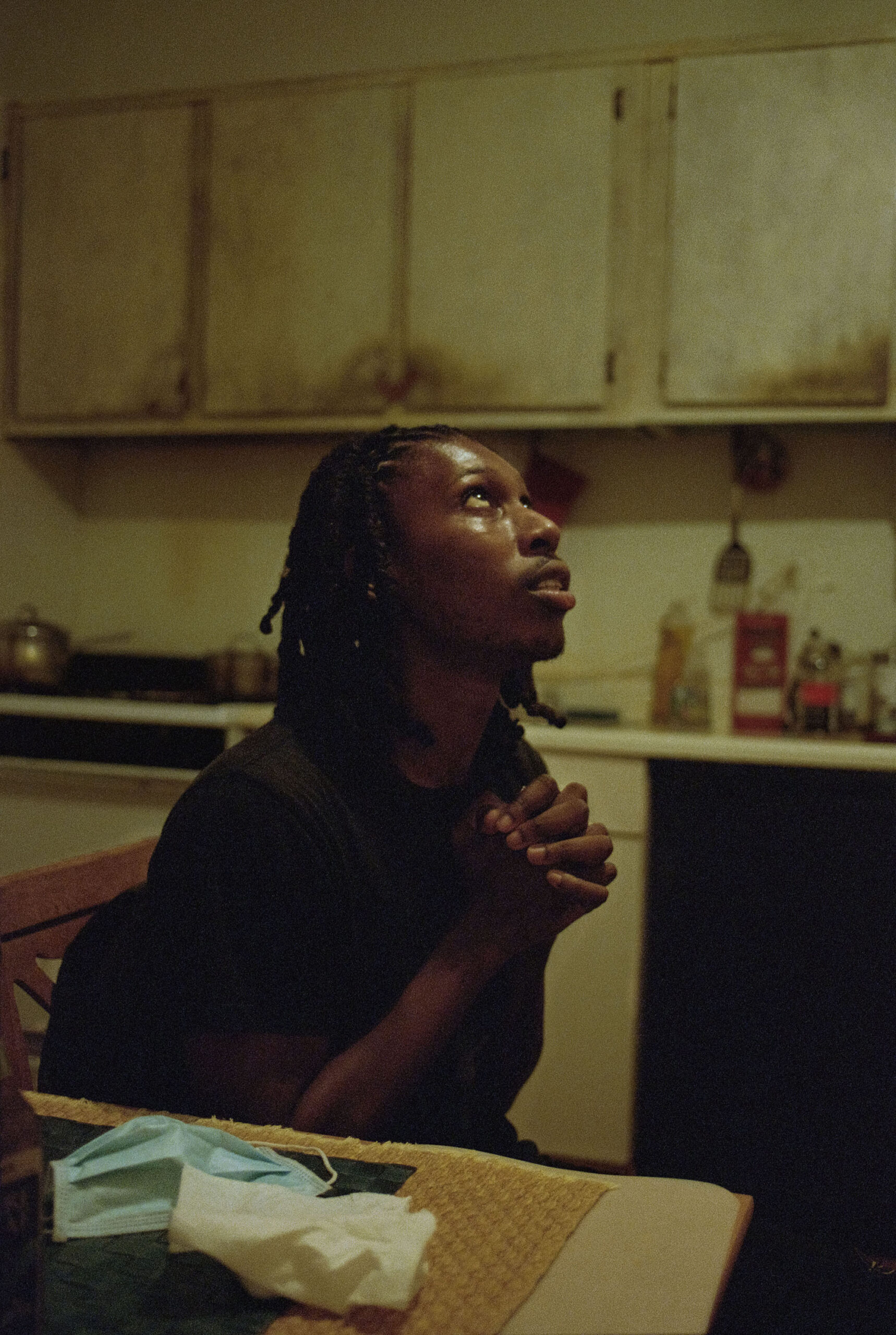
Majd: I started going to therapy in 2022, but I really felt like I started healing in 2023. Part of that was realizing that this work could help other people. I started framing the work with a mission that it could help heal those who are willing to engage with it.
I mean, I’m completely self-taught. I never went to school. I never had a mentor. I never interned. I never assisted. I’ve never even taken a class, although I really want to take a class. I worked really hard to acquire skills with which I can understand how to present the work in a way that can probably honor the work itself, the experiences of the people in it, but also create a space for this healing that I really wanted for people who are willing to engage with it.
Lin: Did you have any reservations as you were shooting this work or as you were planning on showing it? Or did you always know that this was important for you to talk about?
Majd: I felt so much of an outlier within my community that it didn’t matter to me. I was always scared, but I always fought through the fear. I feel a certain shame and stigma, and for a long time, that kept me quiet about my experiences with alcoholism and drug use. There’s a lot of grief I’ve been dealing with.
At the end of 2021, I decided to put the camera down because I developed this irrational fear that if I photographed one of my friends, a week later, they would die. Just because it had happened so often in the past. I mean, it paralyzed my day-to-day life, let alone my art practice. At some point, a really good friend of mine insisted that I go to therapy. It completely changed my life.
I went on this healing journey, which completely reshaped everything for me. I was able to pick up the camera properly again and work through these traumas and to be open about these situations. What I realized is that many men in the Arab community, and many men of color in general, rarely even think about going to therapy or work through their mental health issues because it’s so looked down upon. It’s so stigmatized. There’s so much shame around it. I got really lucky that I had a friend who was also Arab who told me, “You should try it.”
Lin: They seem like a good friend. A lighter question—if Hard Feelings had a soundtrack, what would be on it?
Majd: For the last few years, I considered how the thousands of photos that were made for the series could play as a slideshow, and what that soundtrack would be. I made a playlist of that soundtrack for the opening of the show. There’s a lot of Young Thug, Chief Keef, Kid Cudi, Pop Smoke, and Future. On the other side of the spectrum, there was FKA twigs, Blood Orange, Lana Del Rey, Kelela, Jeff Buckley, Fleetwood Mac, Taking Back Sunday, and Paramore, and even something as joyous as Rihanna’s “We Found Love.” The title, which I named on a whim, comes from a Lorde song that was really important to me called “Hard Feelings/Loveless.” There are these really poetic pop, indie, and rock songs with this kind of tough rap, laced with some yearning R&B. There’s this interplay between hardness and softness even within the music we listened to.
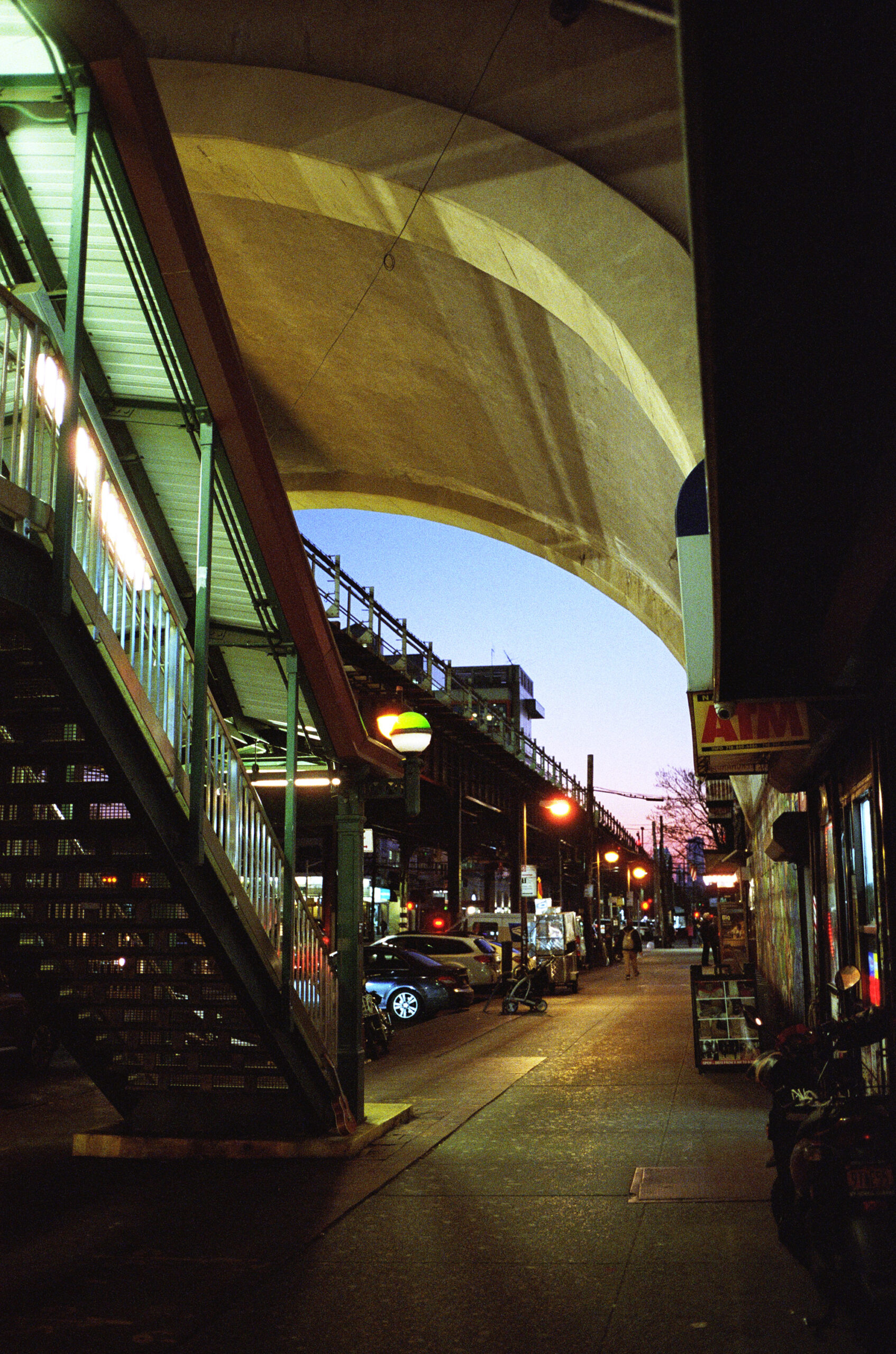
Lin: As someone who’s been to one of your openings, I can attest to your incredible community of support. People really show up and show out for you, and your openings always seem to have this incredible, vibrant, downtown energy that feels increasingly rare these days. It makes me curious—what does Dean Majd’s New York look like?
Majd: Yeah. I mean, thank you. I’ve been told that before and I resist any praise around it. I’m sure there are many people who found out about the show from the network of the photo community. But the truth is probably more than 80 percent of the people who came to the opening are people who have seen me grind for across those ten years. There’s a lot of love in the air from people who have encountered me throughout time, who have worked with it together, or who I’ve photographed both casually or seriously.
It’s also indicative of the world I photographed. I stand on the shoulders of these communities that have seen me work this hard because they created the culture in which I photograph. The show very much feels like our show; it feels like a win for all of us, and that we all did this together, every person in every community that has been a part of the work and has supported the work. It felt like a very open and loving space. Because I wouldn’t have gone here without their support, without the kind of culture of New York that I’m a part of. And that culture stems out to graffiti, skateboarding, music, cinema, paint, other forms of art. But also the Muslim community, the political community that really shows up for me, the Palestinian community. I really don’t take credit for this. It’s really because my friends are incredible people.
Lin: Totally. And this is such a New York story in a lot of ways. What other New York stories—photo, film, or otherwise—were inspiring to you as you made this work?
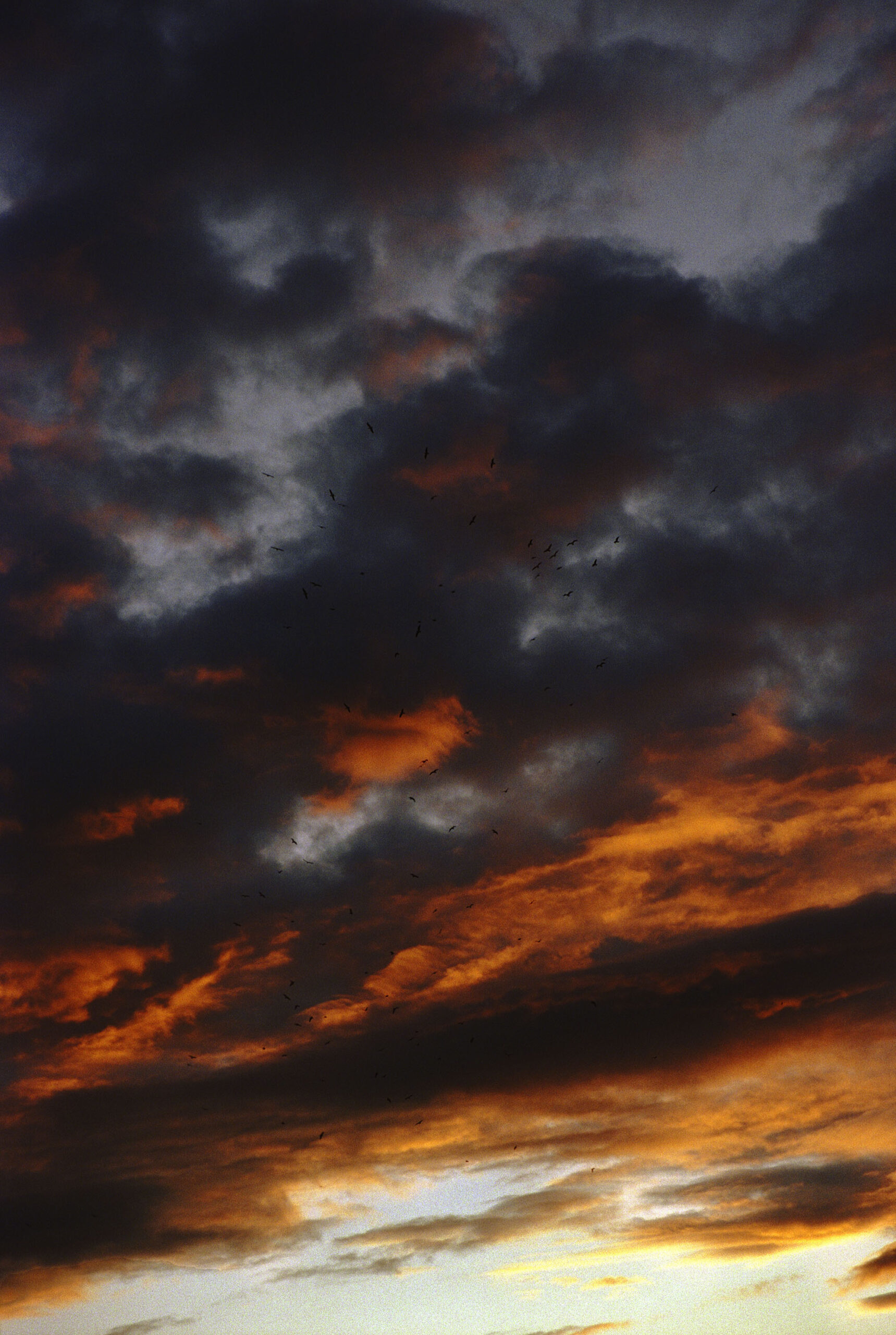
Majd: Like I said earlier, when I was eighteen, I discovered Nan Goldin’s Ballad, and it changed my life. Her work and activism, specifically for Palestine, have remained as my North Star, and meeting and working with her has been a dream. When I was in middle school, my brother and I discovered Larry Clark’s Kids at Blockbuster and essentially hosted screenings at our friends’ houses. It felt like this thing I wasn’t supposed to have seen, and it completely seeped into my subconscious. Other films include John Cassavetes’s Husbands, which felt like a premonition of my future; Abel Ferrara’s King of New York; and Charles Stone III’s Paid in Full. In middle school, I listened to Nas, 50 Cent, and Dipset, but also Taking Back Sunday and all these emo bands from Long Island. I romanticize cold winter nights listening to jazz, and after COVID, I’d stay up all night listening to Miles Davis and imagine my friends were doing graffiti to Kind of Blue.
Lin: What work are you showing in Greater New York? What’s it like to be showing at MoMA PS1?
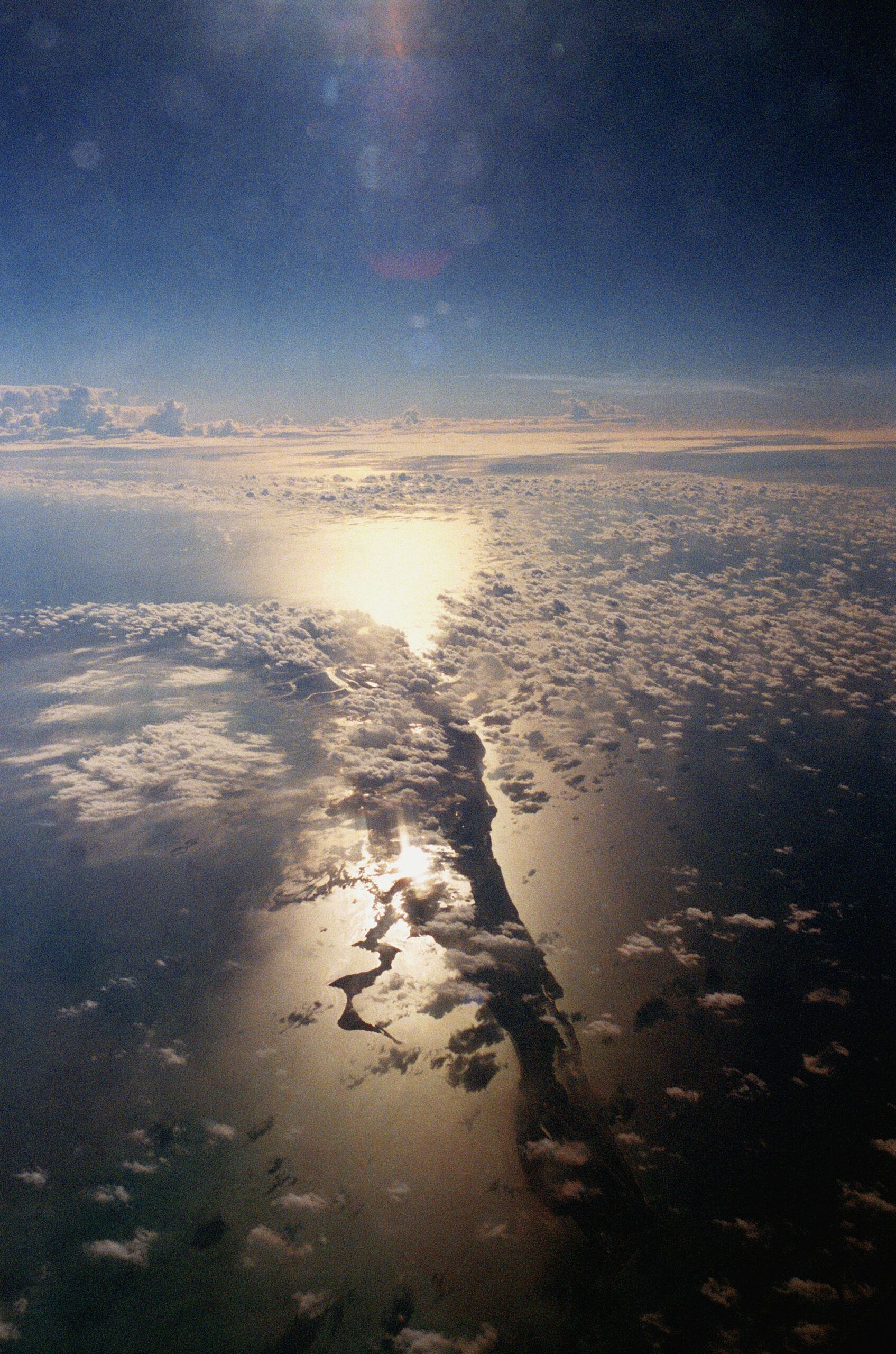
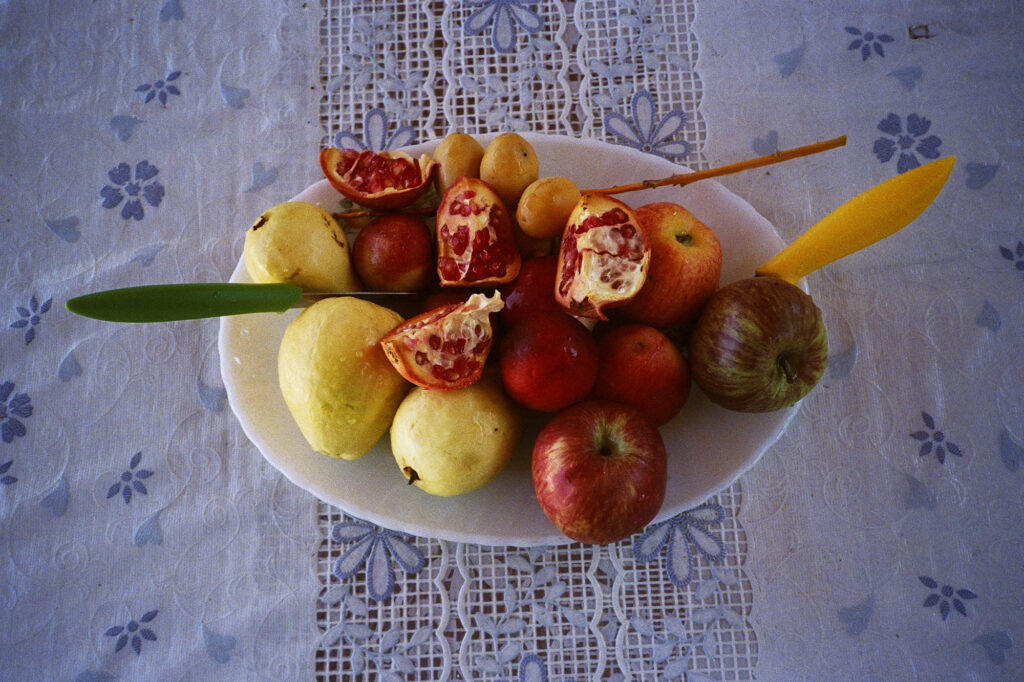
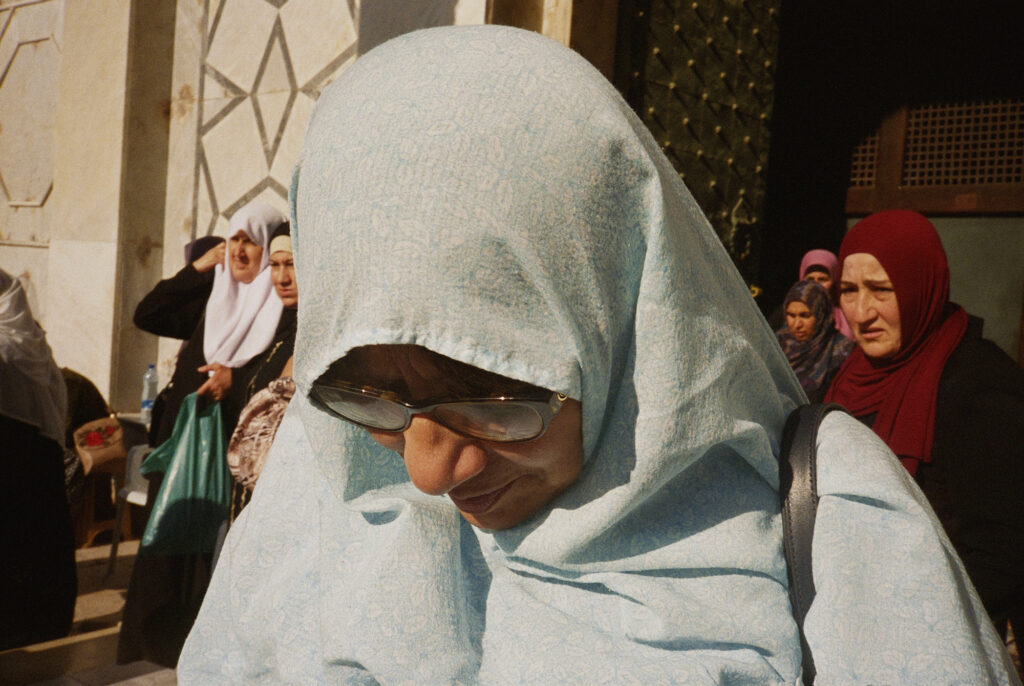
Majd: Well, PS1 is my favorite museum. It’s the museum in my neighborhood. It’s really shaped my existence as an artist. I’m living my dreams, straight up. I never thought that this could happen. The curators at MoMA PS1, Ruba Katrib and Elena Ketelsen González, have been so supportive of my work and my practice. I’m interspersing two bodies of work. One is called Separation, which was made in 2018 of my family in Palestine. And the other is Birthmark, which is a new body of work around Arab American identity.
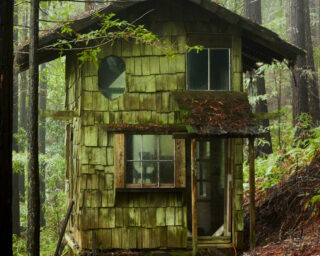
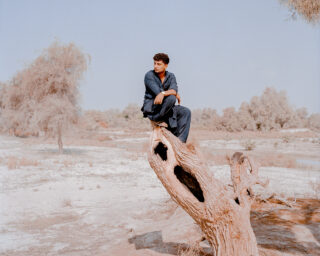
Essentially, I’m interspersing landscapes and family photos from Palestine with these portrait sessions I’ve been doing with Palestinian Americans in their homes. They are going to be hung in a collage form, almost like a constellation, to speak to the connection and disconnection between Palestinian Americans and Palestine as a result of occupation, expulsion, especially of those of first generation, second generation—or even recent refugees and migrants. It feels like a risk, and I’ve never done anything like it before, but MoMA PS1 is an experimental space after all.
Lin: How are you feeling about the future otherwise? Do you have any feelings, fears, plans, ambitions, for what’s to come?
Majd: Cinema has defined my life, yet somehow I’ve never directed a film. And I’ve always talked about directing a film, and I always thought photography would lead me to do that. But in general, I feel like every artist needs to get away and be quiet for a while and figure it out and let the ideas come. I need to fall in love. And I’m really excited to fuck off and go to the beach.
Hard Feelings is on view at Baxter St at the Camera Club of New York through April 8, 2026. Greater New York 2026 is on view at MoMA PS1 from April 16 to August 17, 2026.