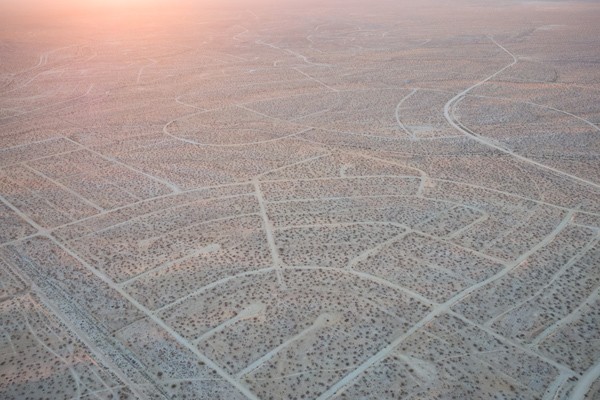
From the air, photographer Chang Kim discovers a city that never was.
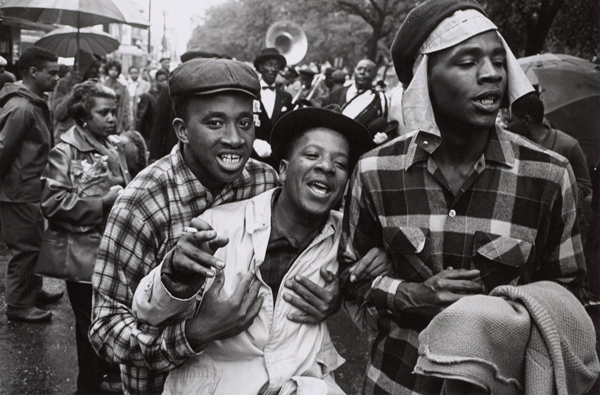
The civil rights-era photographs of Louis Draper and Leonard Freed shed light on the complex lives of African Americans.
When Fidel Castro died in November, photographer Noah Friedman-Rudovsky followed the final journey of Cuba’s comandante.
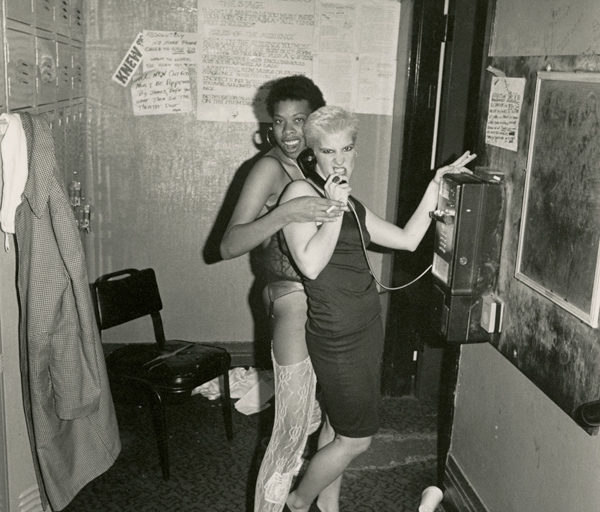
An early platform for lesbian photography, On Our Backs was instrumental in shaping a culture of desire.
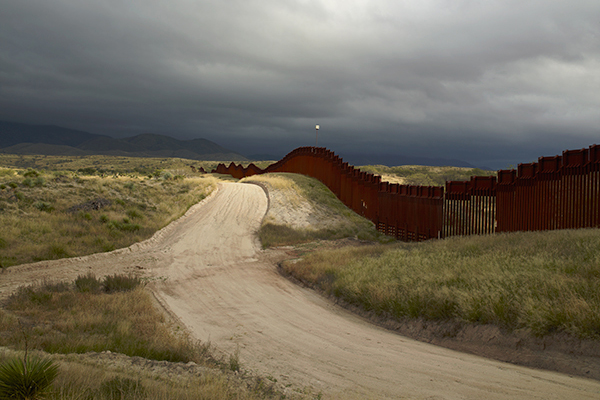
Is the U.S.-Mexico border a political calculation or a humanitarian crisis?
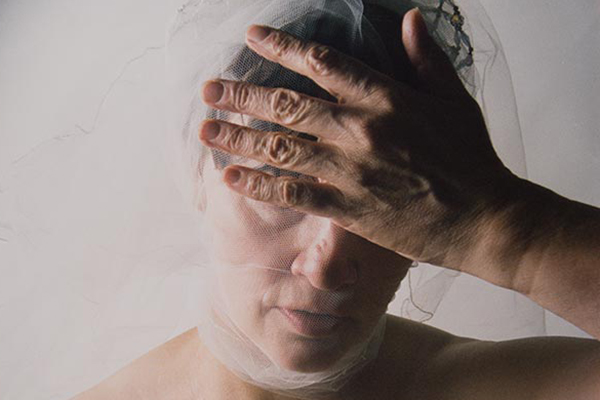
Jo Spence rejected categorizing labels of her work and practice and preferred to wander.
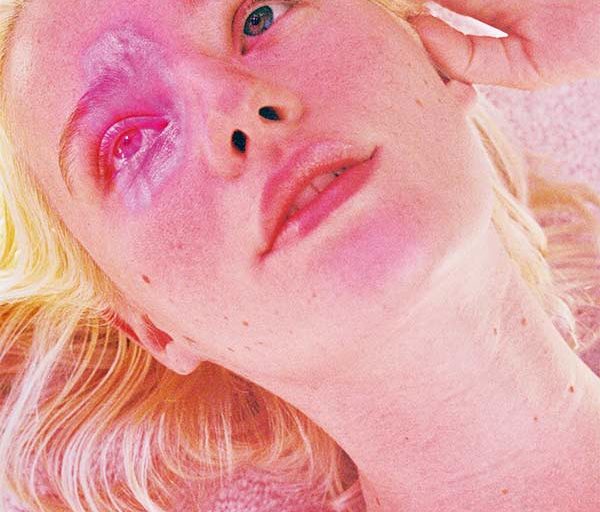
An emerging guard of young, female photographers carves out a new brand of feminism.
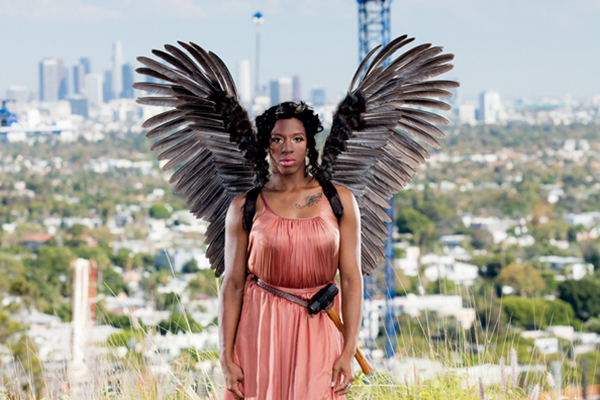
What does photography offer the trans feminism movement?
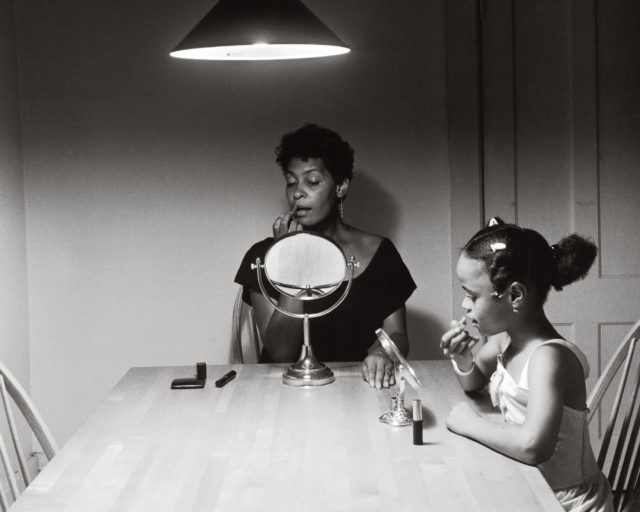
Carrie Mae Weems’s feminist vision has never been more timely.
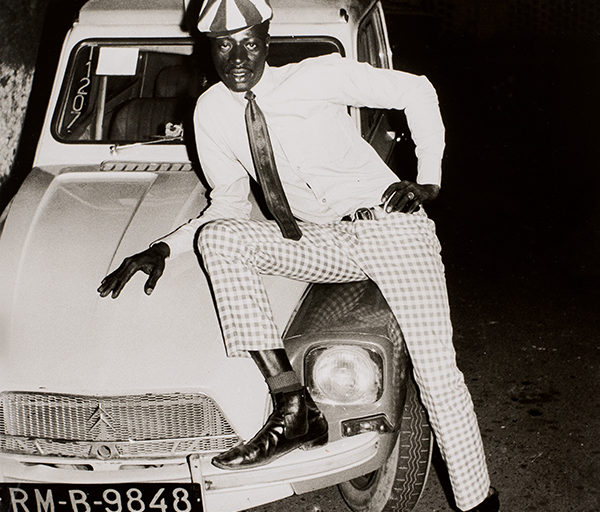
In search of the late Malick Sidibé and the rhythmic roots of his legendary photographs.
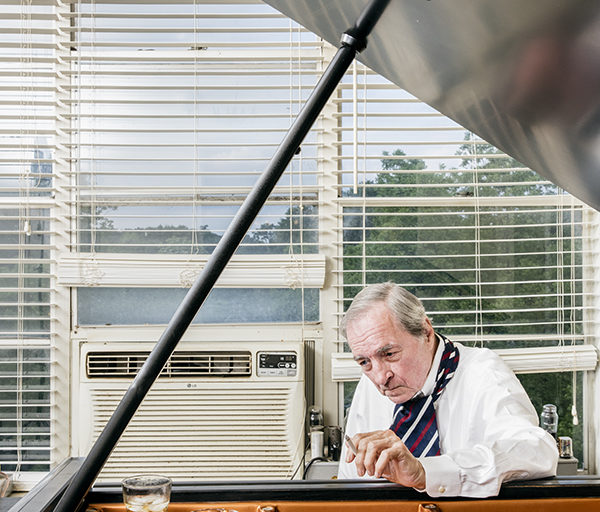
A profile of the pioneering artist and his passion for music.
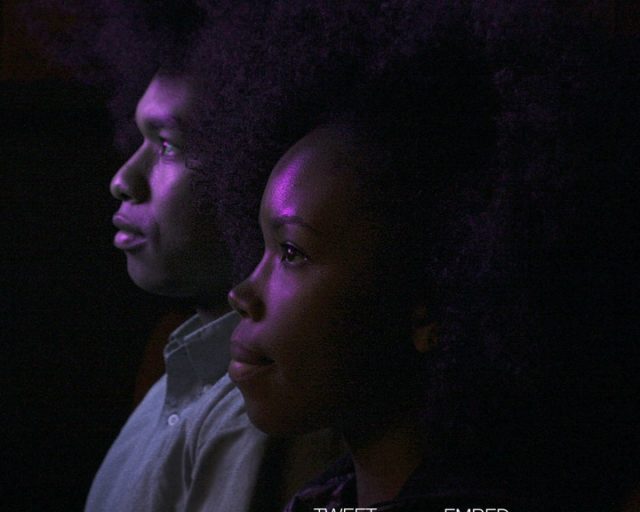
Catherine Gund, Shola Lynch, and Franklin Leonard discuss pioneers of cinema, African American archives, and the definitive films about black experience.
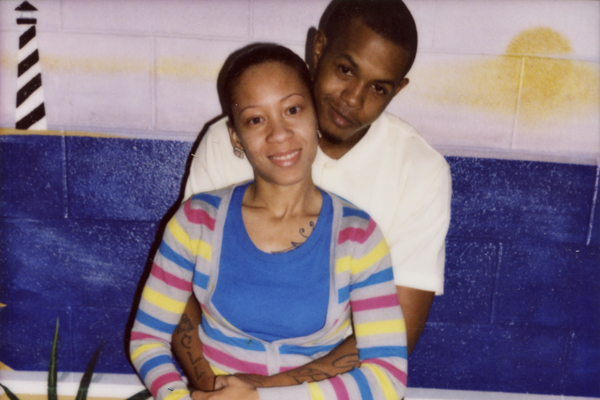
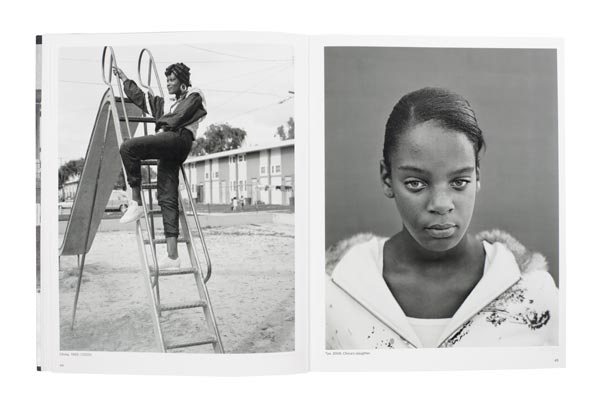
In America’s sprawling correctional system, how do prisoners and their families represent themselves though photography?
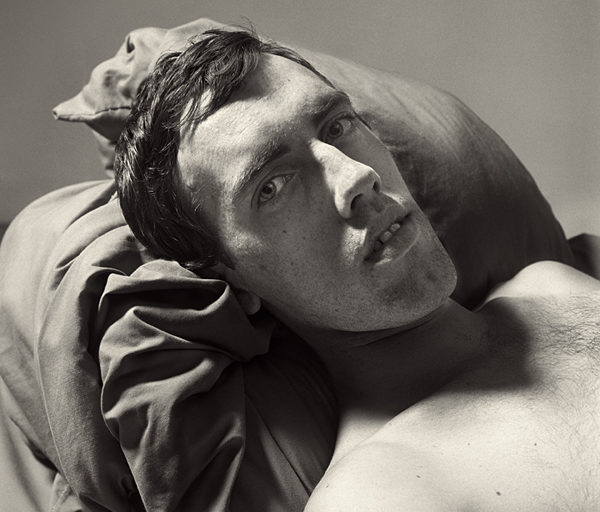
Vince Aletti recalls Tomorrow’s Man, Peter Hujar, James Dean, and the thrill of discovering queer pictures.
Five voices from the fields of theater, photography, and art history to reflect on one of Carrie Mae Weems’s most iconic projects.
In 1958, Inge Morath set out to document the cultures of Central and Eastern Europe. Spanning four decades, her monumental project was the quest of a lifetime.
In exploring the lives of others, what are the virtues of an outsider’s position?
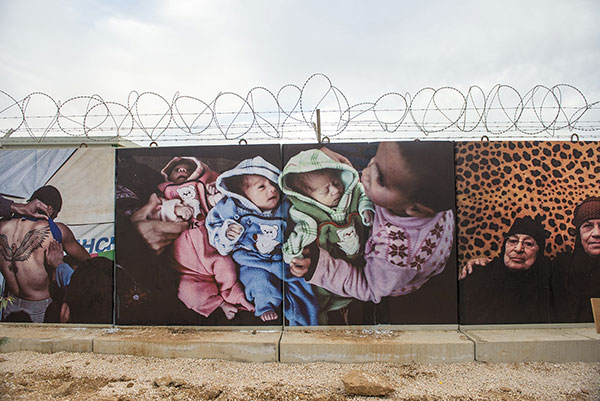
In conjunction with the recent “Odyssey” issue of Aperture magazine, Fred Ritchin examines photography of the refugee crisis.
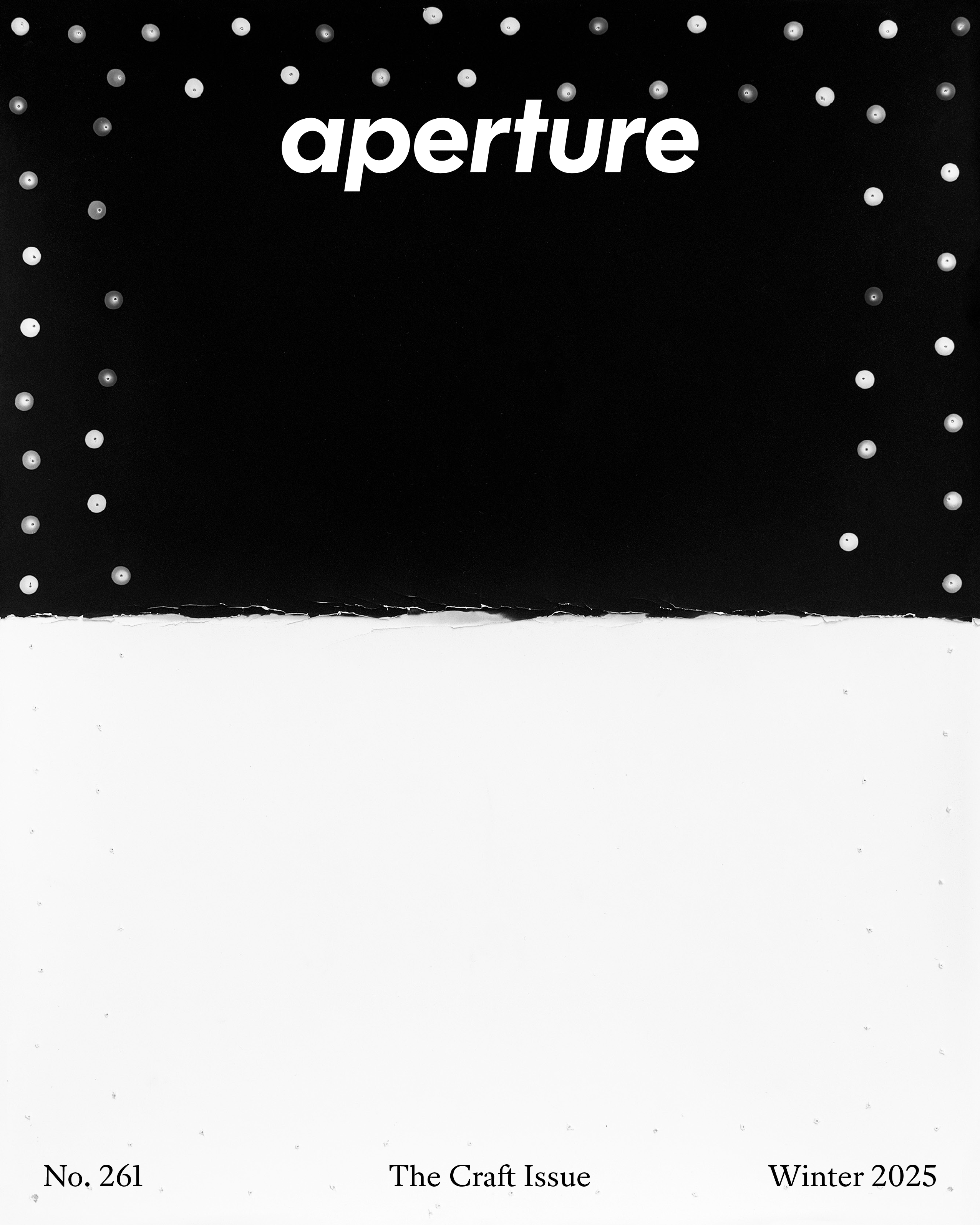
Aperture’s issue on craft features photographers who make pictures the slow way—building camera obscuras, creating photograms, and laboring in traditional darkrooms to make handmade, unrepeatable forms.