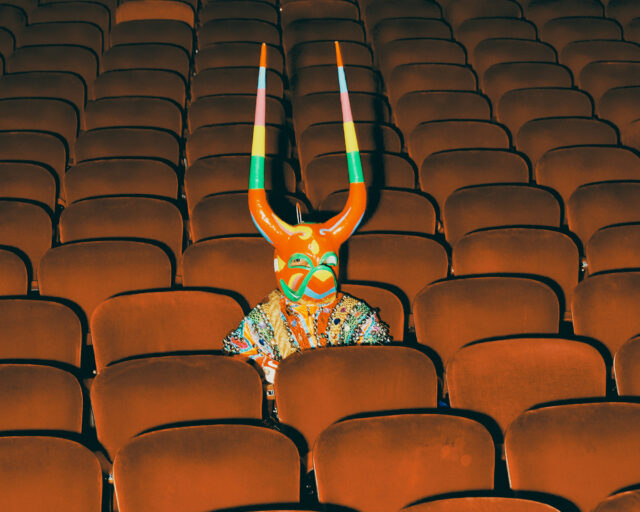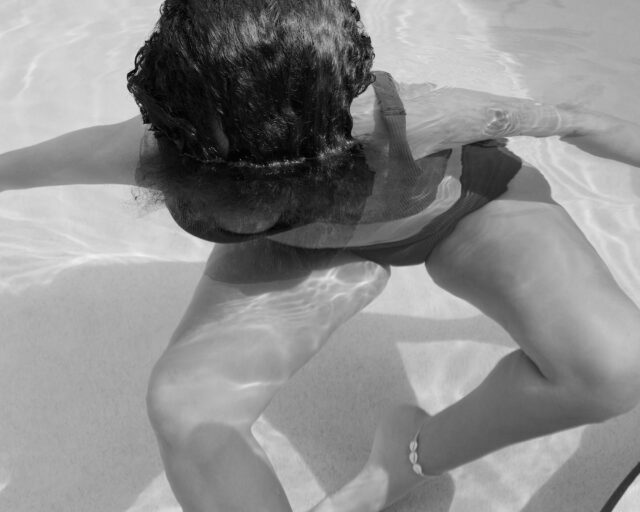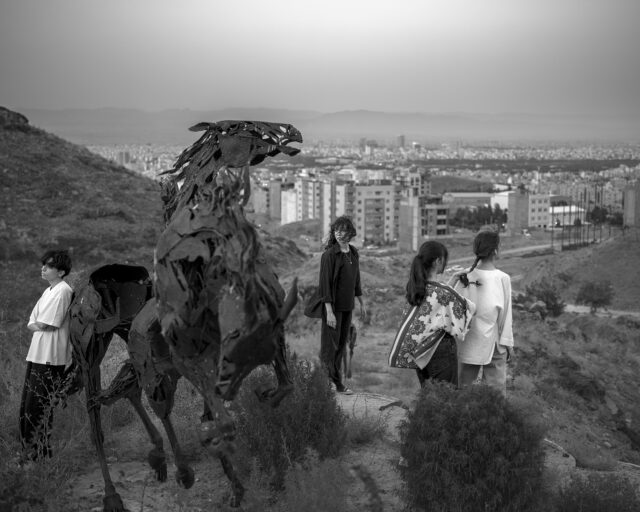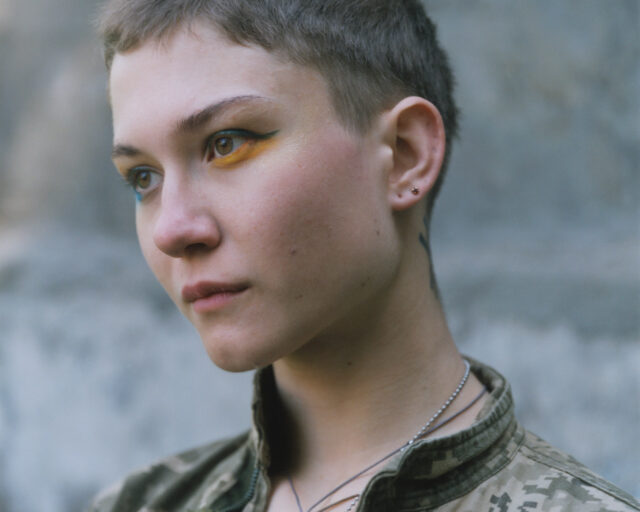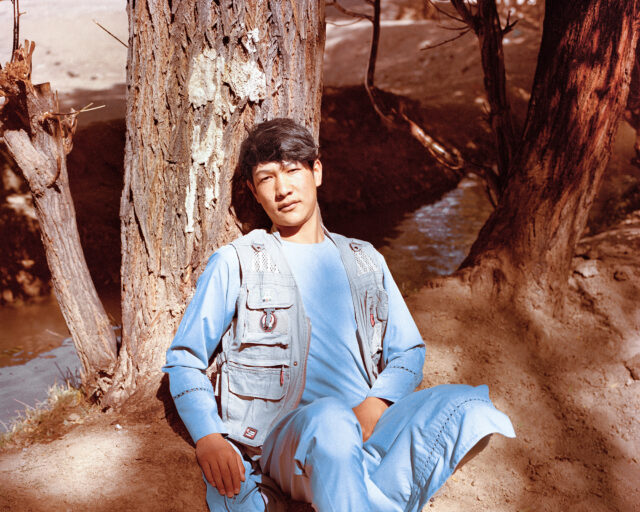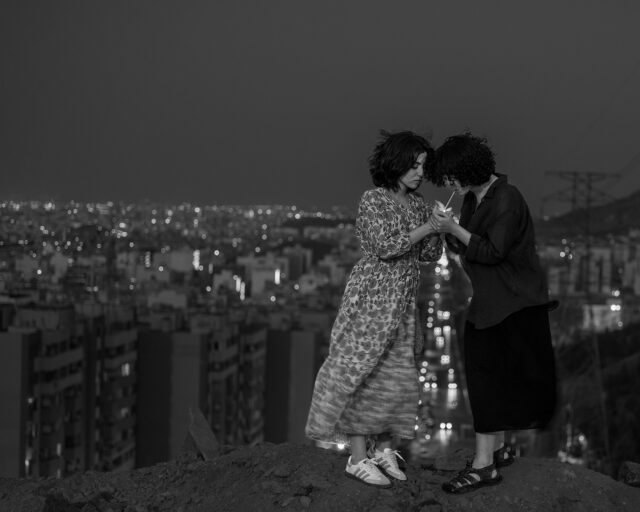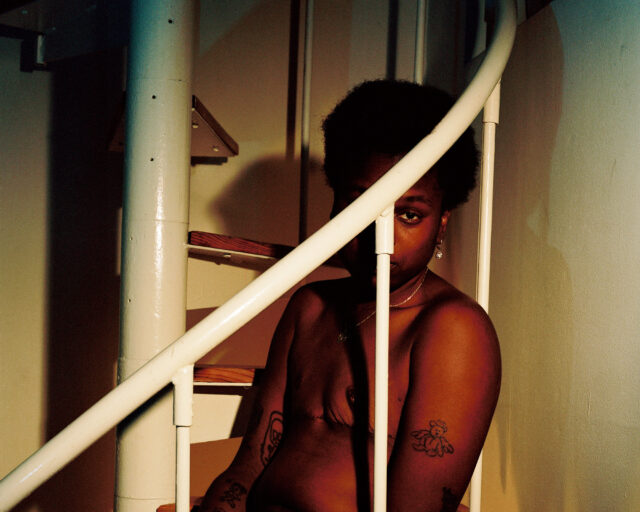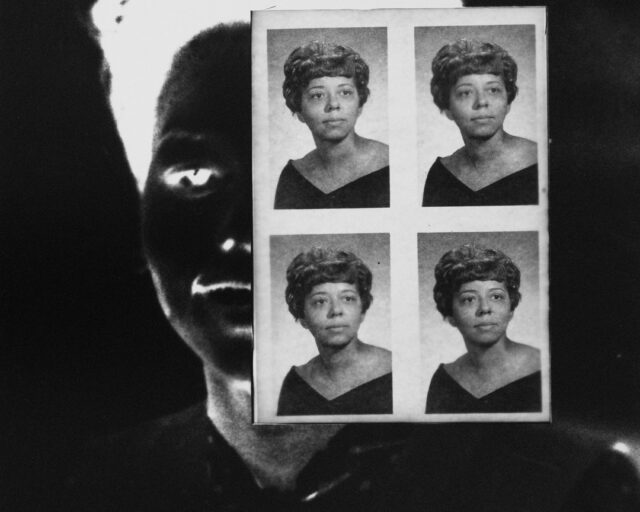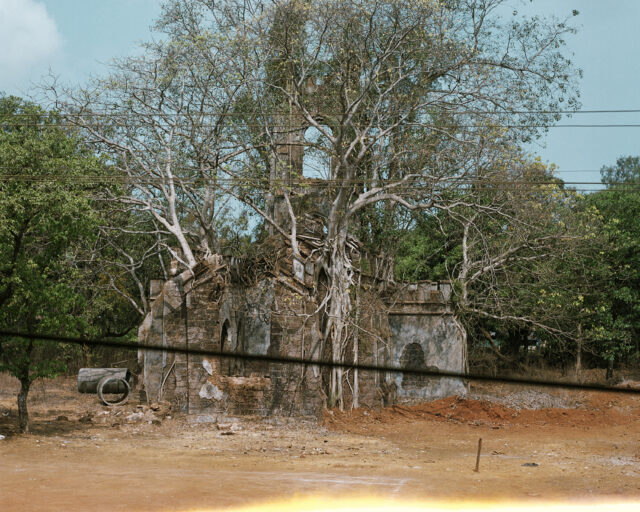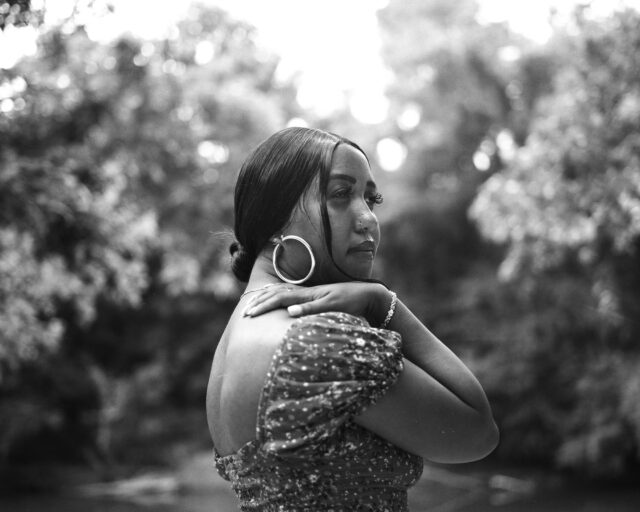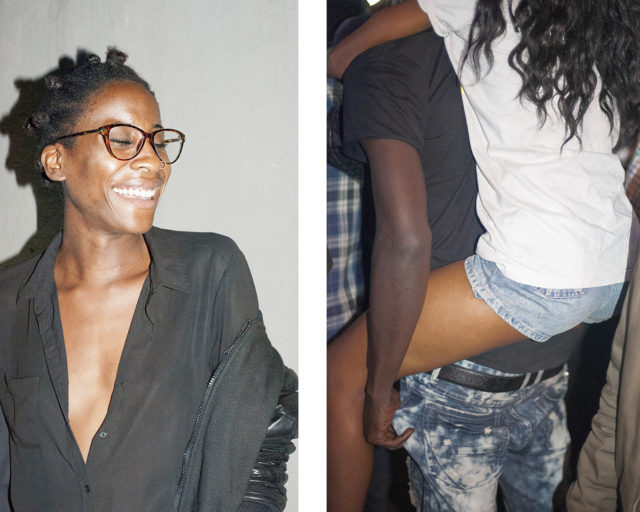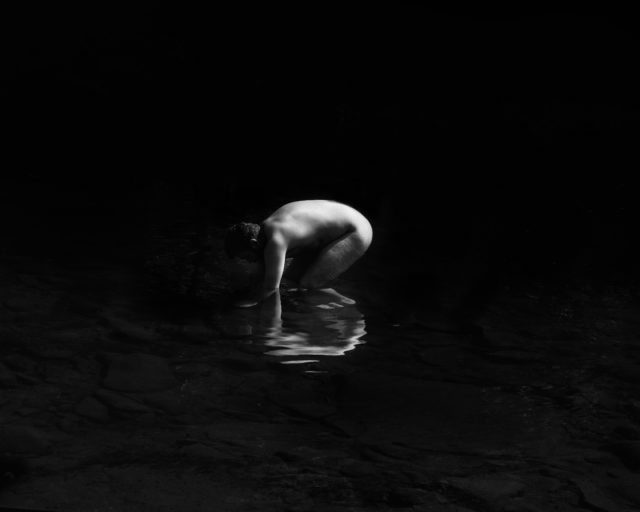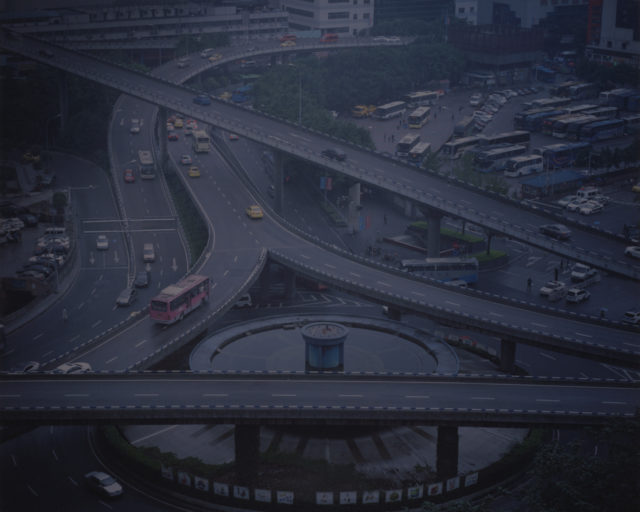
Here are the shortlisted artists for Aperture’s annual award, which aims to spotlight new talent in contemporary photography.
In the Florida island town of Longboat Key, the photographer—and winner of the 2025 Aperture Portfolio Prize—portrays a home upended by loss.
When Sara Abbaspour returned to Iran after working in the United States, she found a new way of photographing her home country.
Rather than making documentary images of the war itself, Daria Svertilova focuses on her friends and acquaintances—and the emotions of resistance.
Hashem Shakeri’s photographs show the texture of daily life in a place the rest of the world has seemingly forgotten.
Emma Ressel’s dioramas question our relationship to animals and the environment in an era of climate anxiety.
Winner of the 2024 Aperture Portfolio Prize, Pearce maps the interplay between time and the body.
In the Bolivian Andes, River Claure reckons with colonial history.
When she inherited her grandmother’s photographs, Ireland discovered how image making is an act of self-preservation.
Abhishek Khedekar pays tribute to a photographer whose images permeated everyday life.
A visit to North Carolina influenced the photographer’s ideas about the power of family.
Mixing archival images with contemporary snapshots, Gloria Oyarzabal examines the effects of colonialism and the follies of white feminism in West Africa.
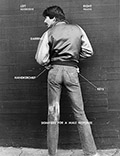
Mark McKnight’s black-and-white images of bodies and landscapes challenge Eurocentric ideas about male beauty—and aim to make “straight” photography a little less straight.
In her lyrical, dreamlike images, Teresa Eng asks—what does modern China look like to a child of the Chinese diaspora?
In the age of fake news, Jack Latham investigates the secret society that has inspired conspiracy theories, protests, and attacks since its founding days in 1872.
Zora J Murff evaluates the fallout of prejudicial housing policies within the larger narrative of violence perpetrated against African Americans.
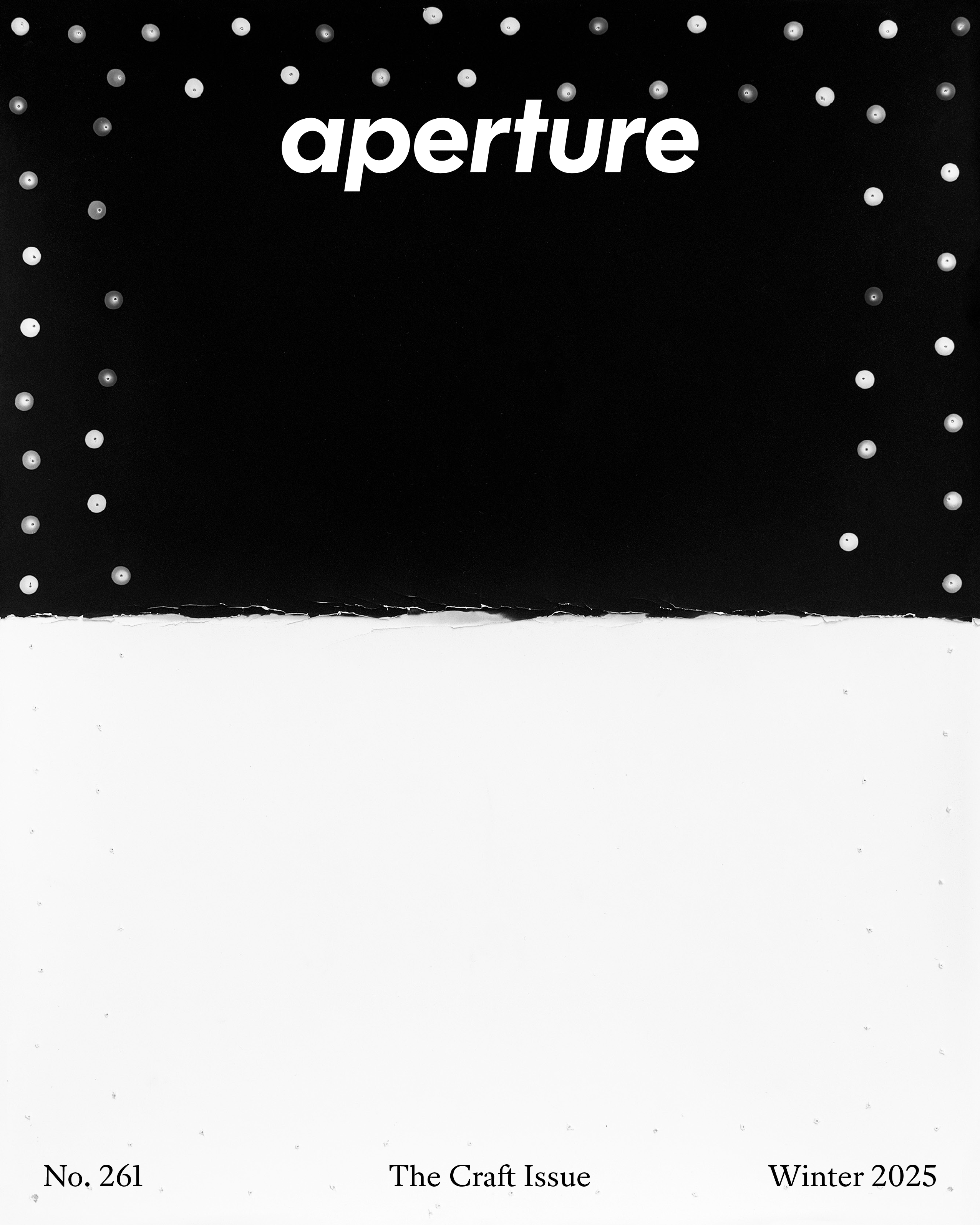
Aperture’s issue on craft features photographers who make pictures the slow way—building camera obscuras, creating photograms, and laboring in traditional darkrooms to make handmade, unrepeatable forms.