Interviews
Ishiuchi Miyako Manifests the Invisible
For more than half a century, the legendary Japanese photographer has explored how time etches its mark on everyday objects and surfaces.
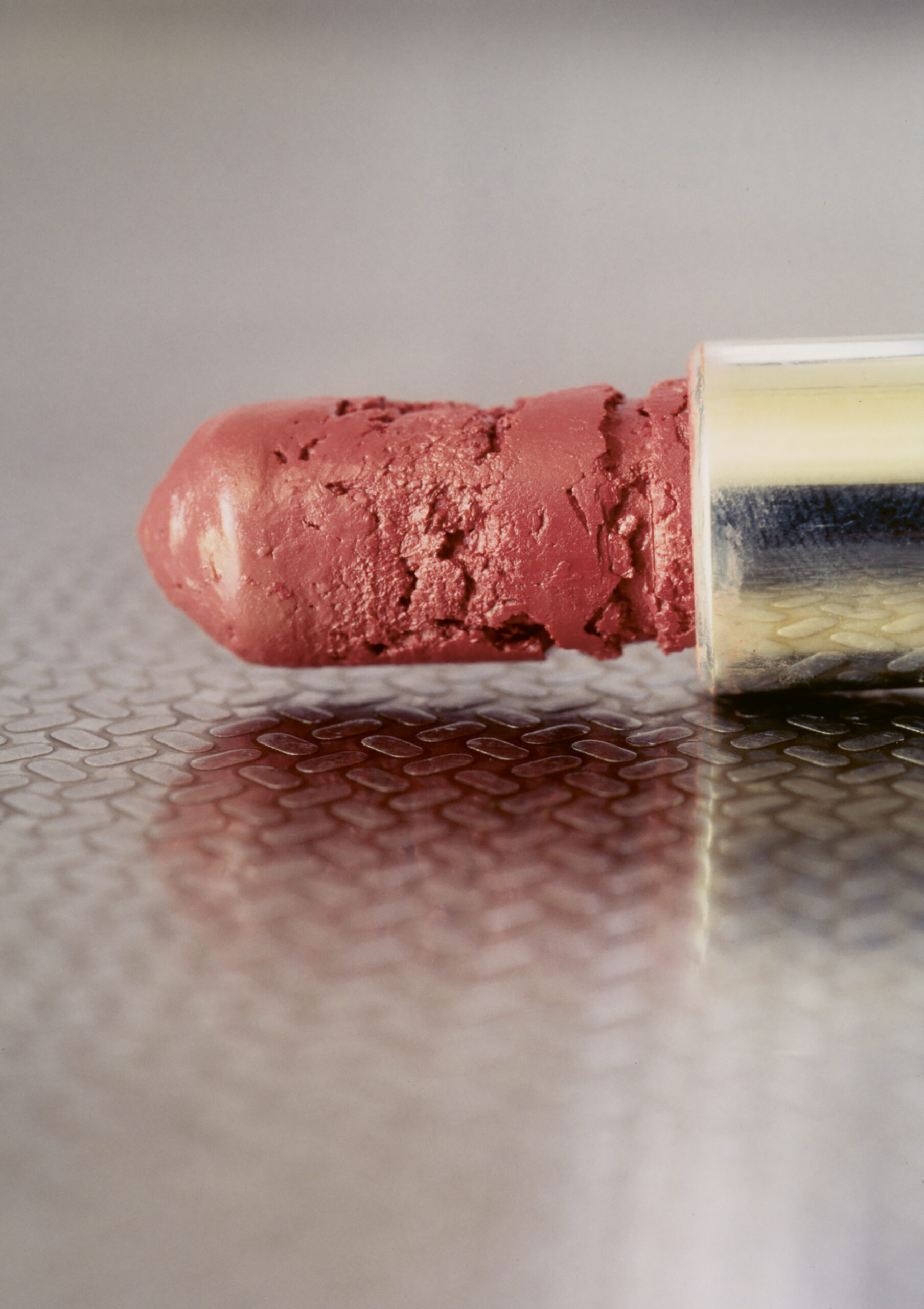
Since beginning her career in the 1970s, Ishiuchi Miyako has become one of Japan’s foremost photographers, leading the way for female practitioners in a scene that has traditionally been male dominated. Through subjects as diverse as old apartment blocks, human scars, kimono fabrics, personal belongings of the deceased, and even her own water-damaged prints, Ishiuchi manifests the invisible, capturing time, atmosphere, and memory in photographic form. Her work is at once deeply personal and evocative of the wider world hinted at by the traces recorded within the frame.
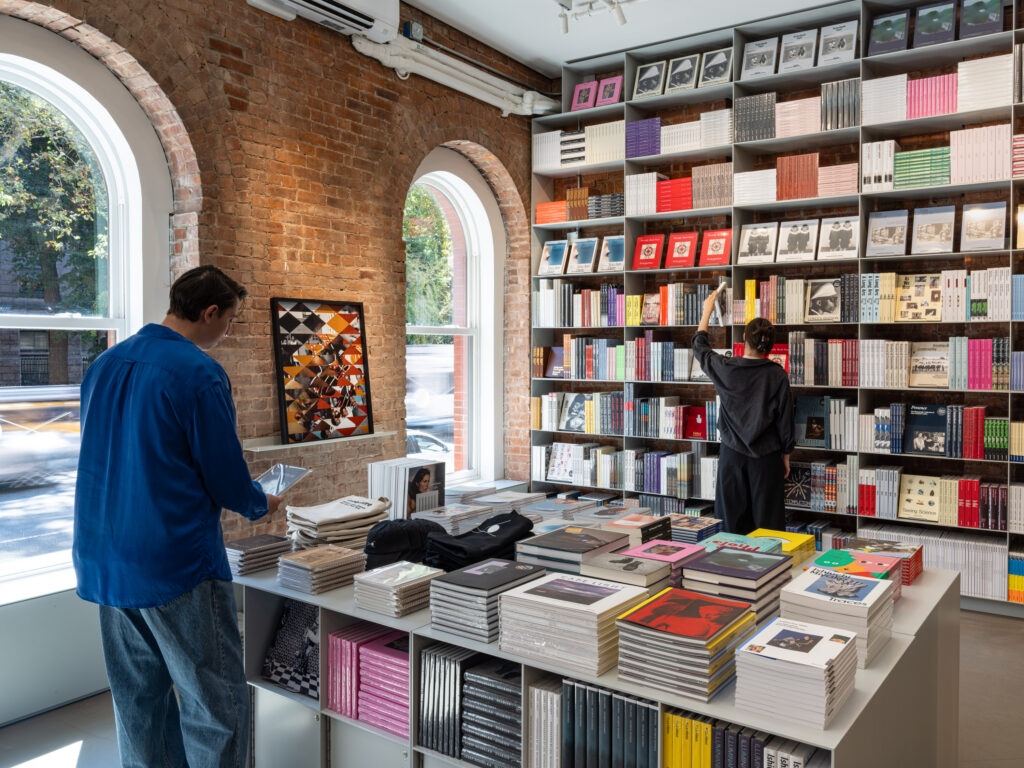
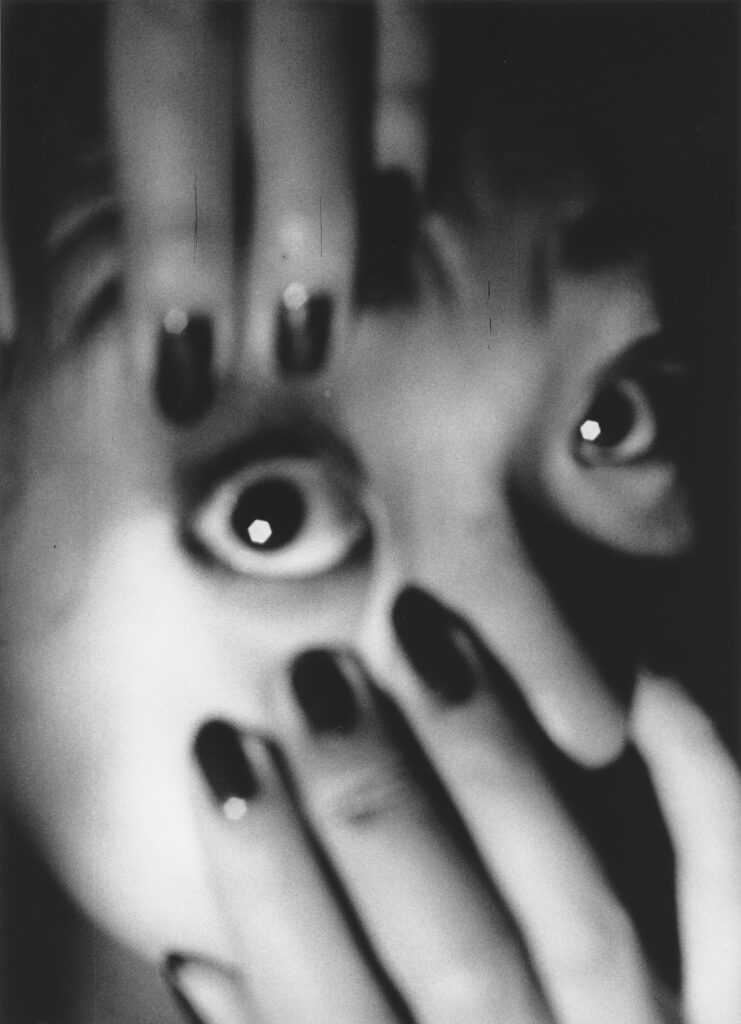
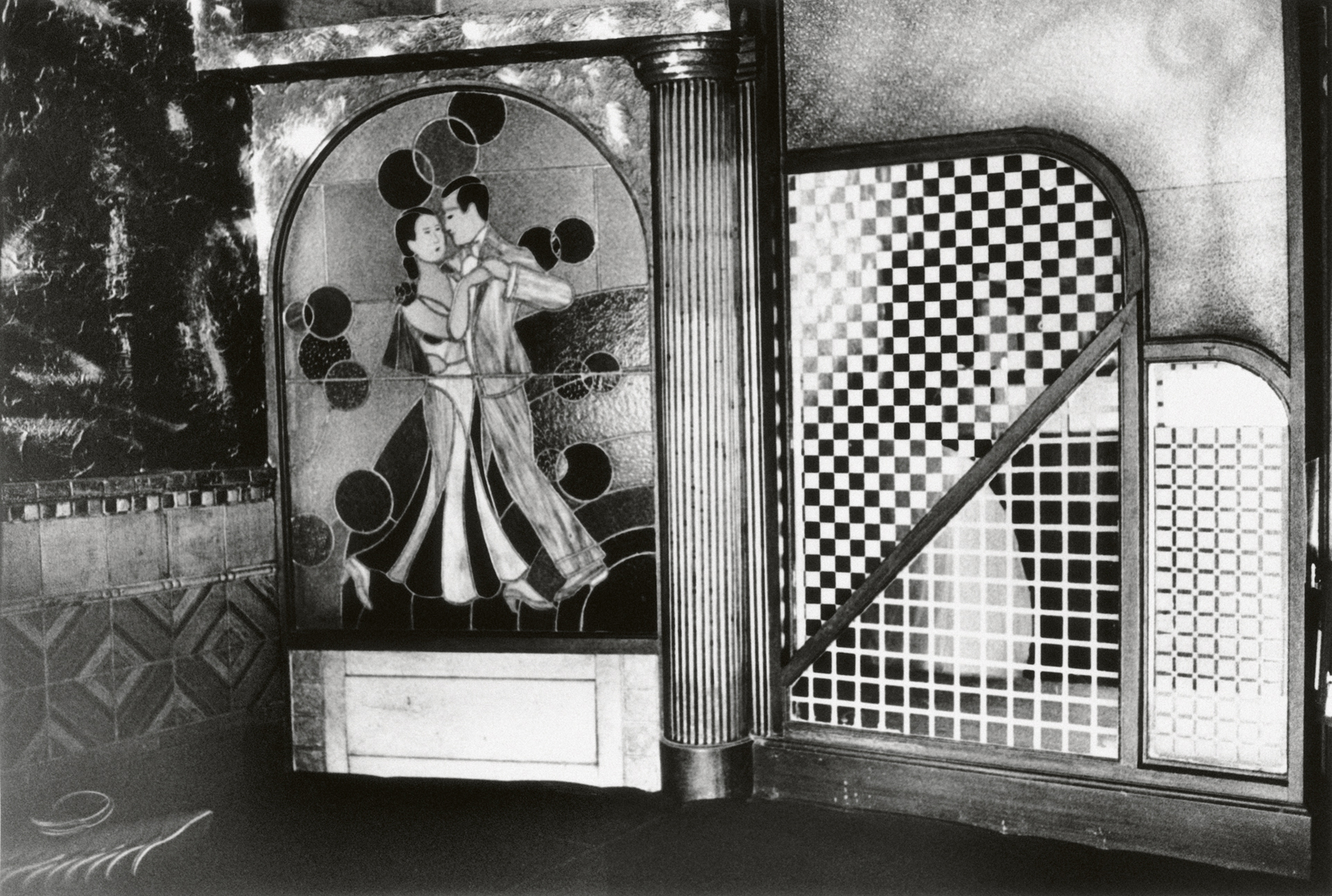
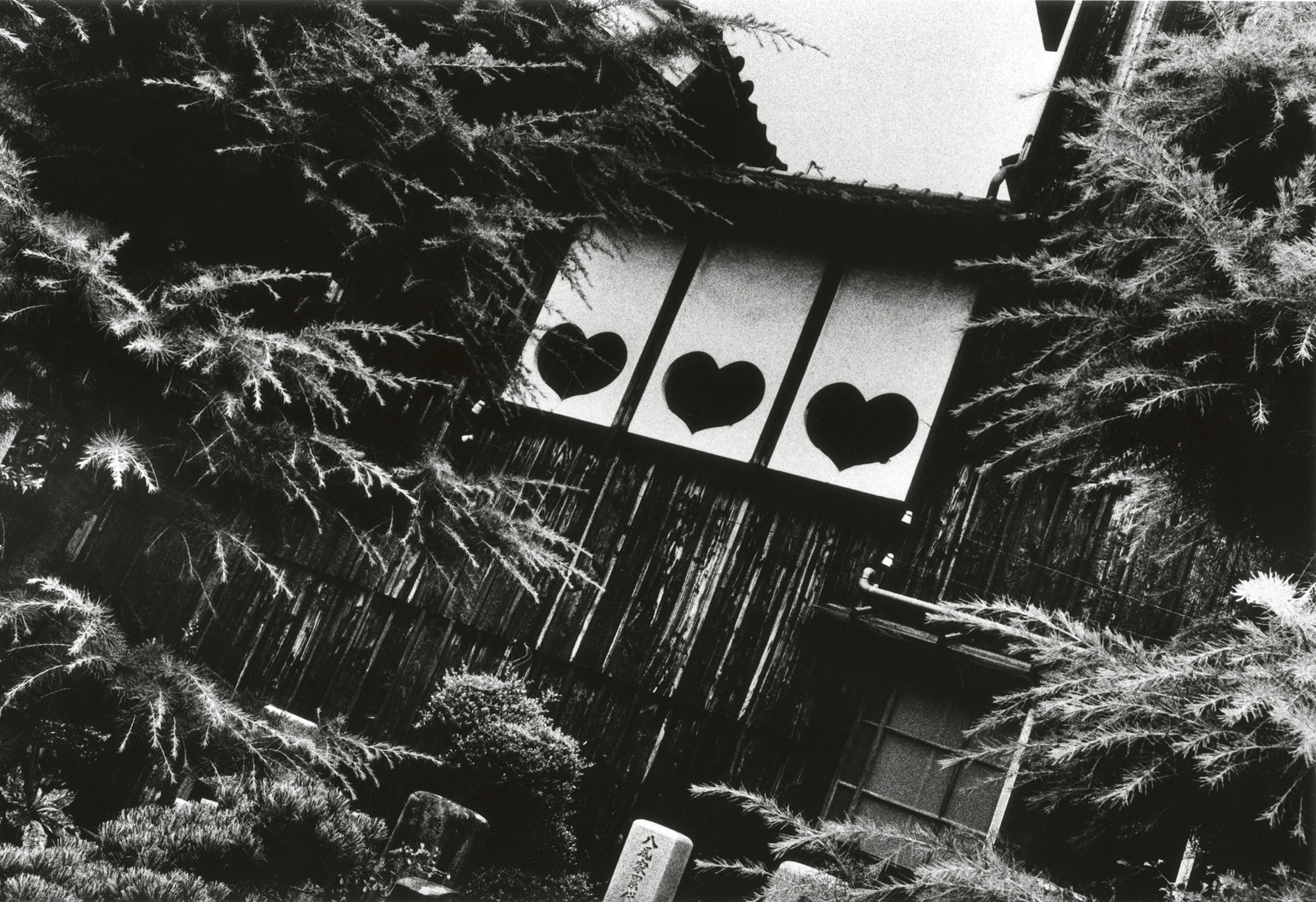
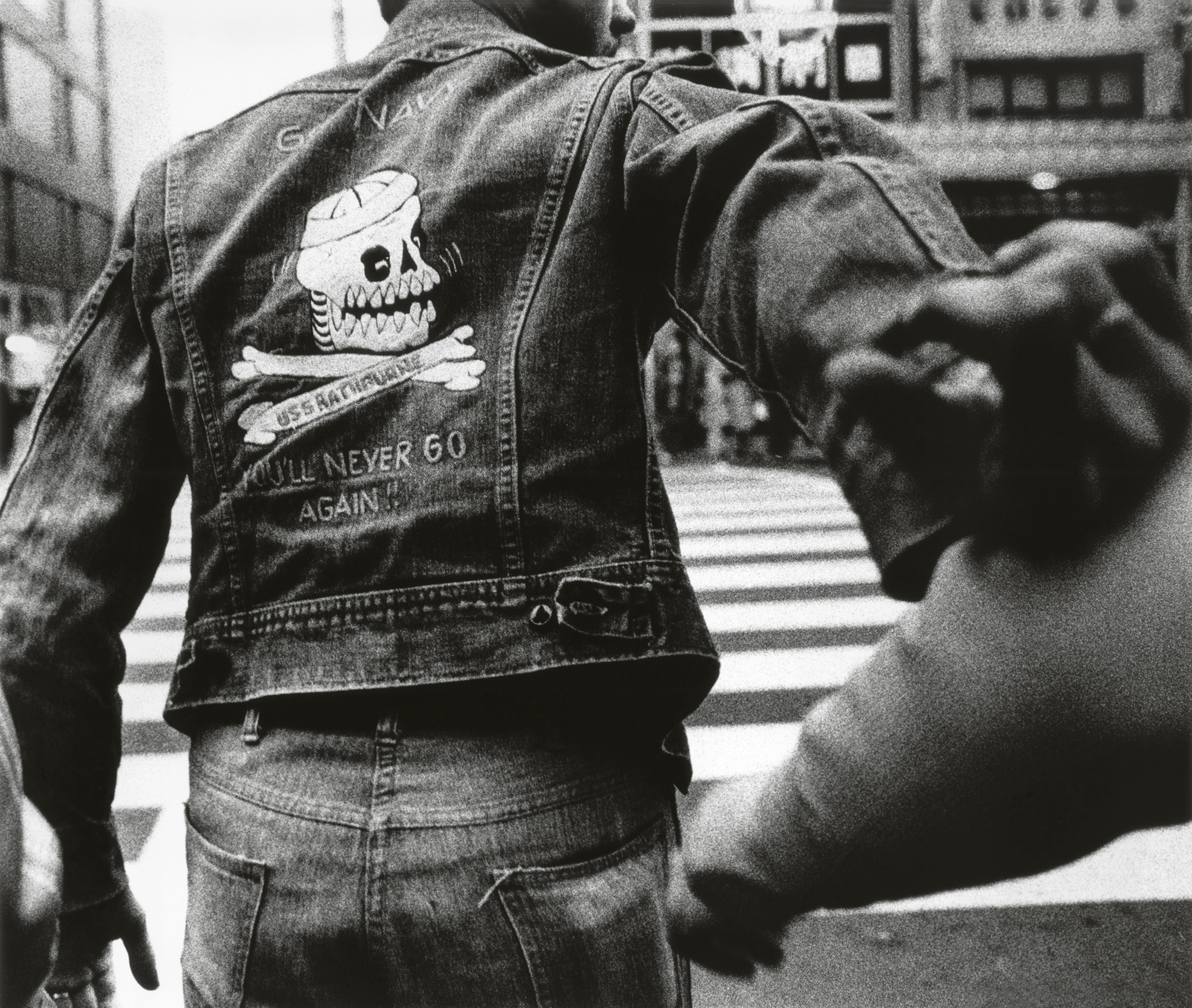
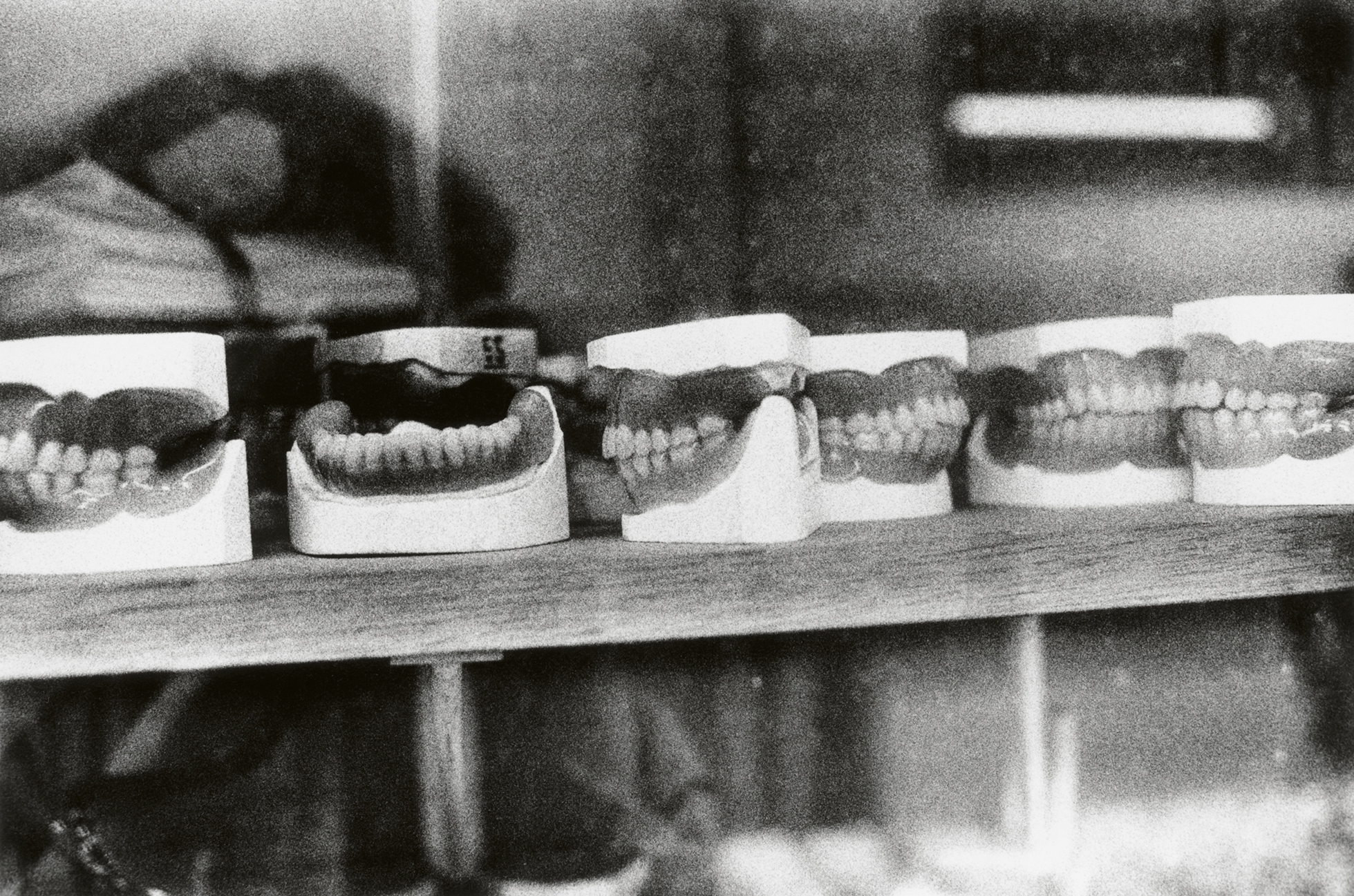
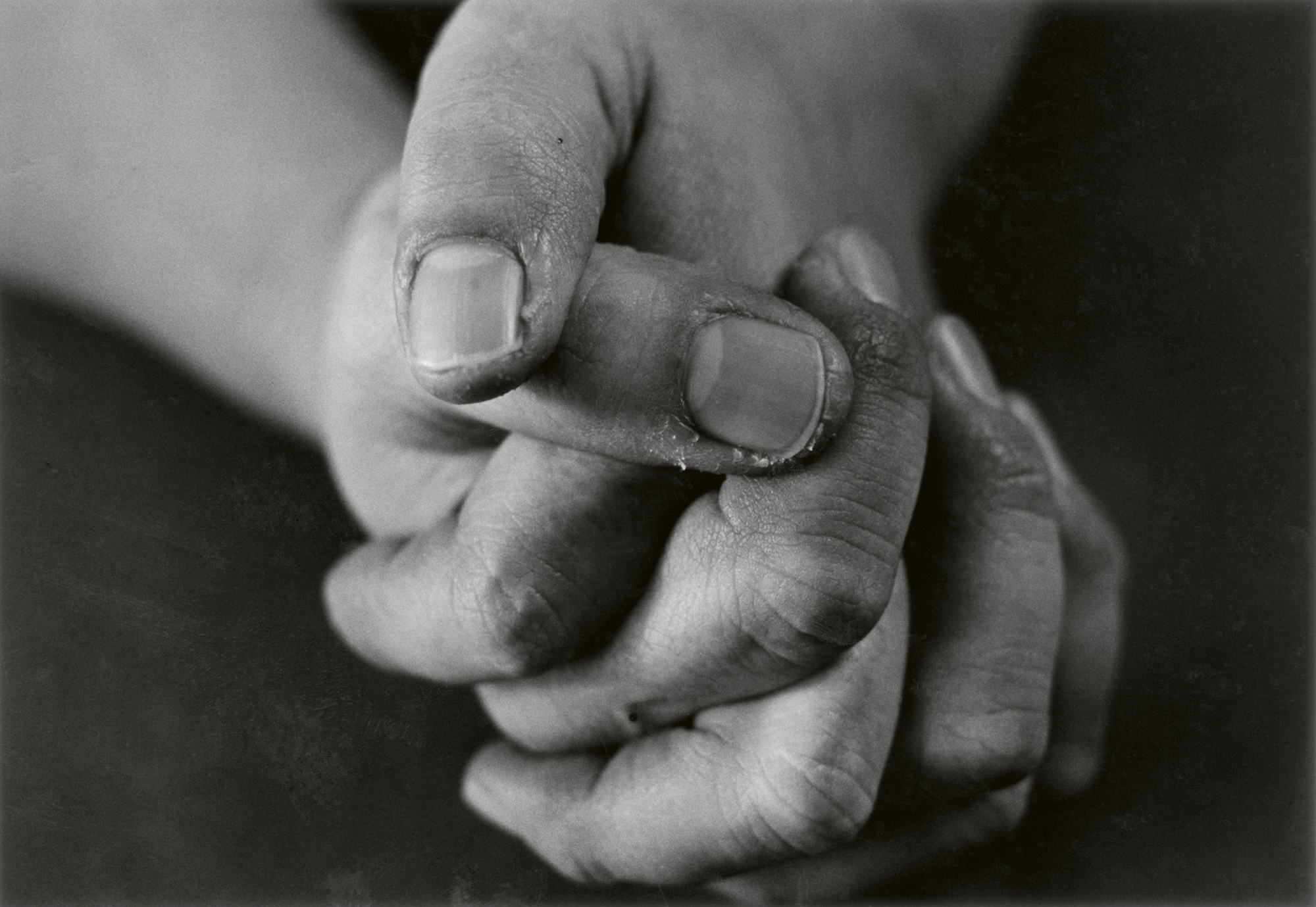
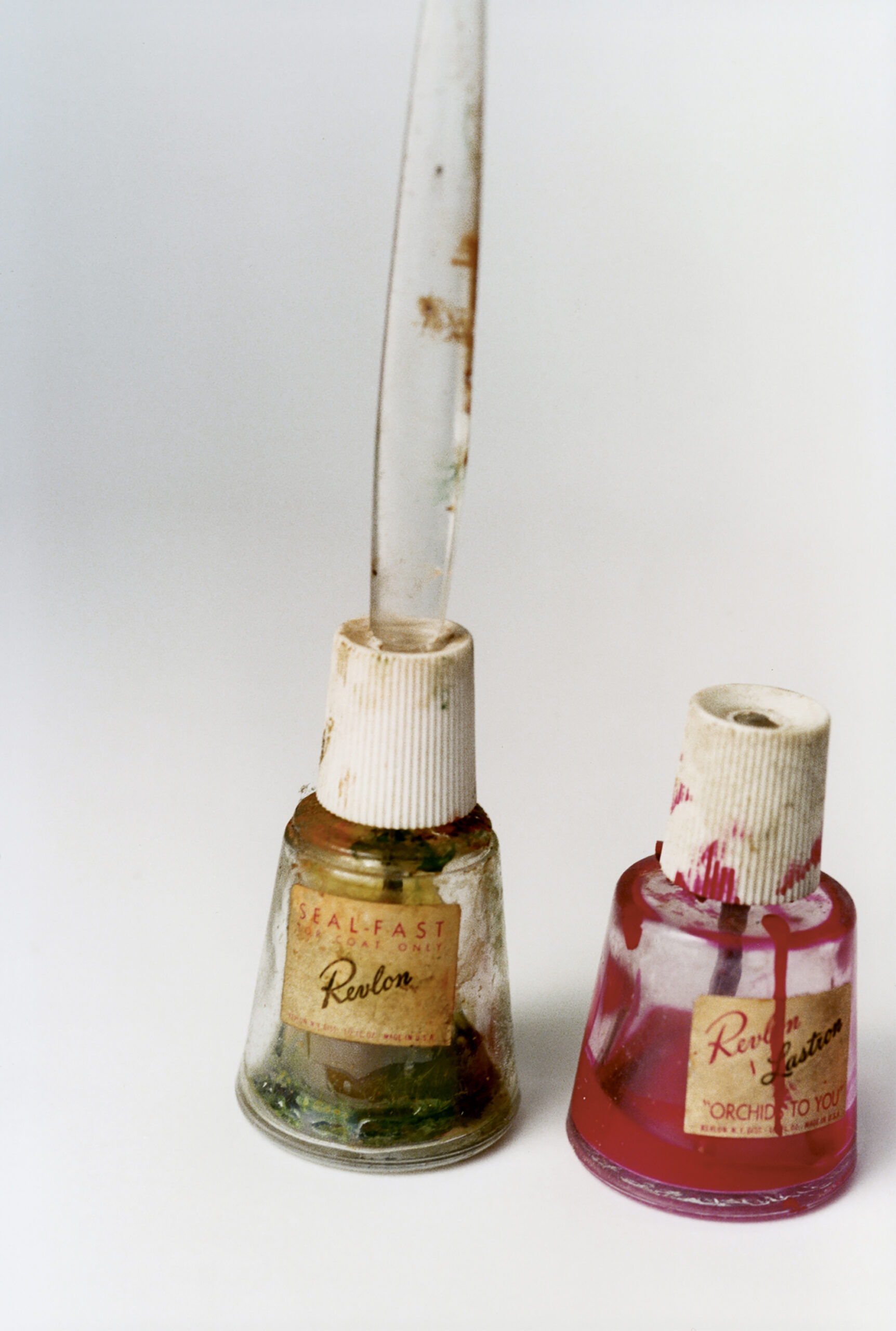
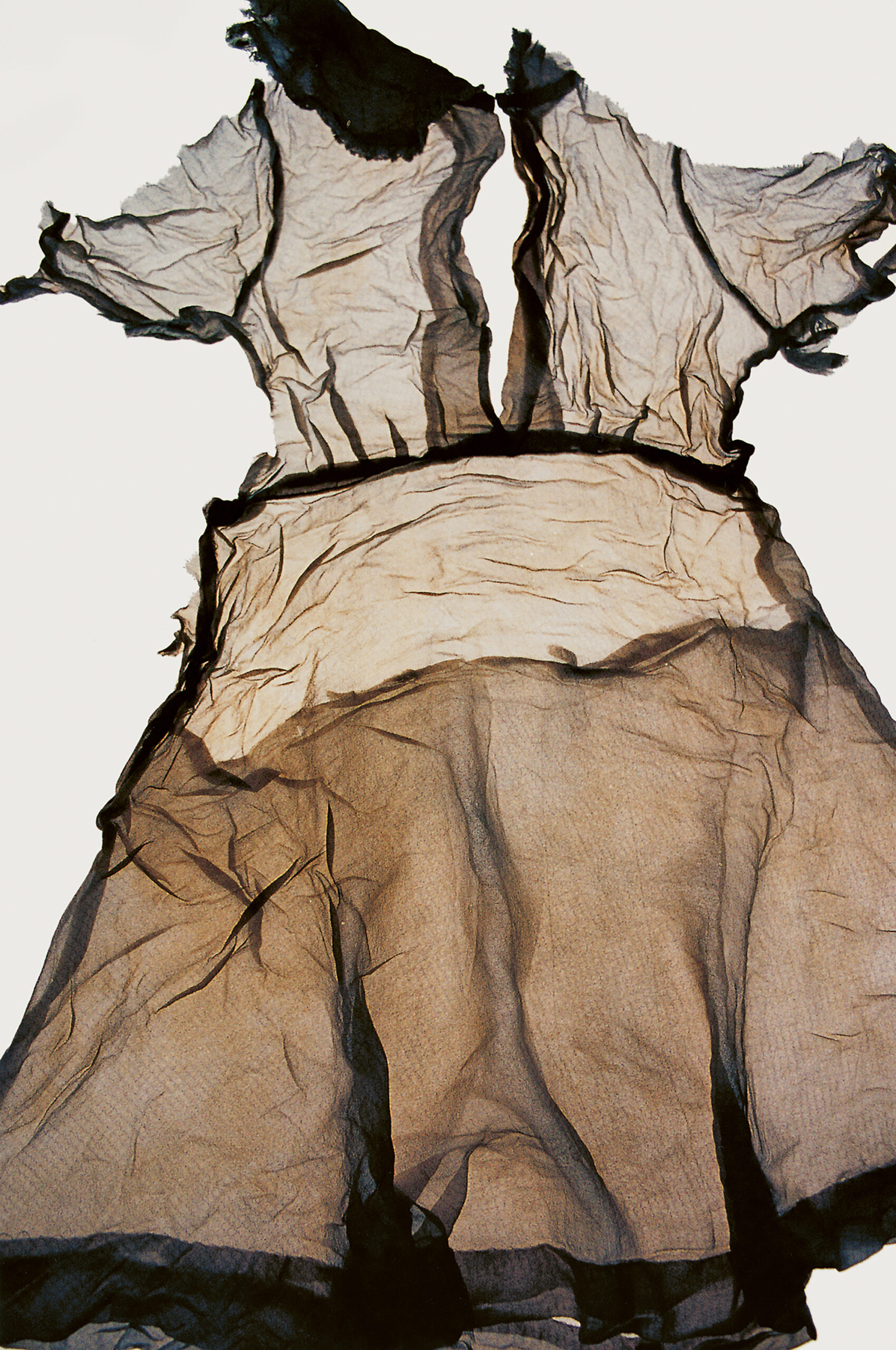
Edited by Lena Fritsch and Yasufumi Nakamori, the monograph Ishiuchi Miyako: Traces charts the course of her practice over fifty years, identifying themes that resurface throughout her work, including her relationship with place, the passage of time, and the bodies and possessions of people, always with an emphasis on materiality and ephemerality. Three thematic sections—Town, Skin & Scars, and Things Left Behind—include series such as Yokosuka Story, which documents her hometown; 1 · 9 · 4 · 7, in which she photographed the hands and feet of fifty women born in the same year as her; and Frida, which catalogues the possessions of the artist Frida Kahlo. The major photographic series appear alongside lesser-known works and previously unpublished material.
For Traces, Fritsch sat down and spoke with Ishiuchi for an in-depth interview ranging across her origins to photographs, returning to her hometown to photograph, and her ongoing project documenting the collection of the Hiroshima Peace Memorial Museum. Below, read an excerpt from their conversation.
Lena Fritsch: You were born in Gunma Prefecture and moved to Yokosuka when you were six years old. May I ask about your family background and upbringing?
Ishiuchi Miyako: I was born in Kiryū, where I live now. My father worked away from home—in Yokosuka. When I was six years old, it was decided that it would be better for the family not to be apart; we moved to Yokosuka so I could go to elementary school there. My father was employed by a car repair shop of the US armed forces and saw an advertisement recruiting female drivers on a notice board at the factory. My mother had a driver’s licence. My father accompanied her to the Camp McGill army base: six people had been invited for a job interview but only three turned up. Those three women all got the job. That’s how my mother ended up driving a jeep on the US military base [laughs].
Fritsch: That’s quite cool.
Miyako: Well, at the time, you were discriminated against when employed by the US armed forces. It wasn’t easy. My mother earned more money than my father. The US army tried to promote themselves as great employers by hiring women: there is an official photograph of the women drivers with a stamp by the Department of Defense, the Pentagon, and the photographer’s name on the back. My mother seemed happy. The drivers were treated well and earned a lot of money. My mother received her licence before the war, when she was eighteen years old, to work as a driver. At the time, it was unusual for a woman to work as a driver—women would work as typists or housemaids or similar.
My father was from Tokyo and when the army drafted students, he had to move to Ōta [in Gunma Prefecture]. At the time, my mother drove a truck transporting military goods and that’s how she met my father at Nakajima Aircraft in Ōta. My father never went to the front. After the war he returned to university, and apparently my mother paid his student fees. After graduating, he came to Kiryū and they got together. However, he was my mother’s second husband. Her first husband, who had gone to war and was thought to have passed away, suddenly returned! I don’t know the details because my mother never told me, but when her first husband came back, she was already pregnant with me. My mother had to pay him settlement money and they divorced. It seems that because she was a driver she had a pretty good salary [laughs]. The men had gone to war so there were few people who could drive, and her driving came in very handy. Post-war history is reflected in my family history.
When we moved to Yokosuka, the military base was right in front of my eyes. To have the border right in front of you was a shock: ‘From there onwards it’s the US, even though it’s Japanese ground,’ I remember thinking as a child. There were also many rape and sexual assault cases. It was ‘occupied Japan’ and nothing would be reported. The first time that a rape incident involving the US army was reported and soldiers were arrested was as late as in 1995 in Okinawa. That’s why I grew up in Yokosuka with a gloomy, depressed feeling. I didn’t like Yokosuka. I wanted to get away as soon as possible and moved to Tokyo. When I started photography, I went back to this Yokosuka that I hated to take photographs.
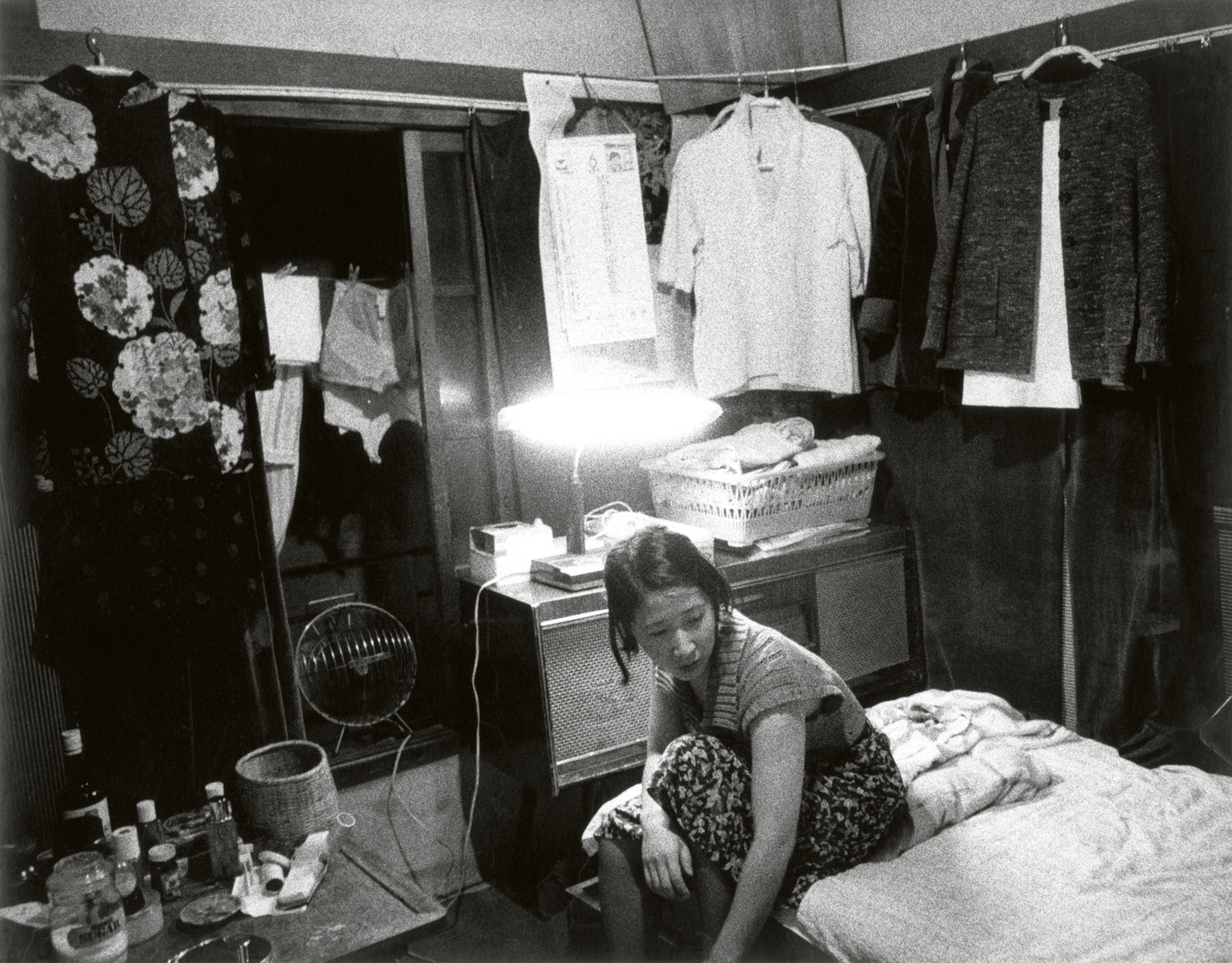
Fritsch: You had your friend’s darkroom equipment more or less by chance, didn’t you, and randomly started photography?
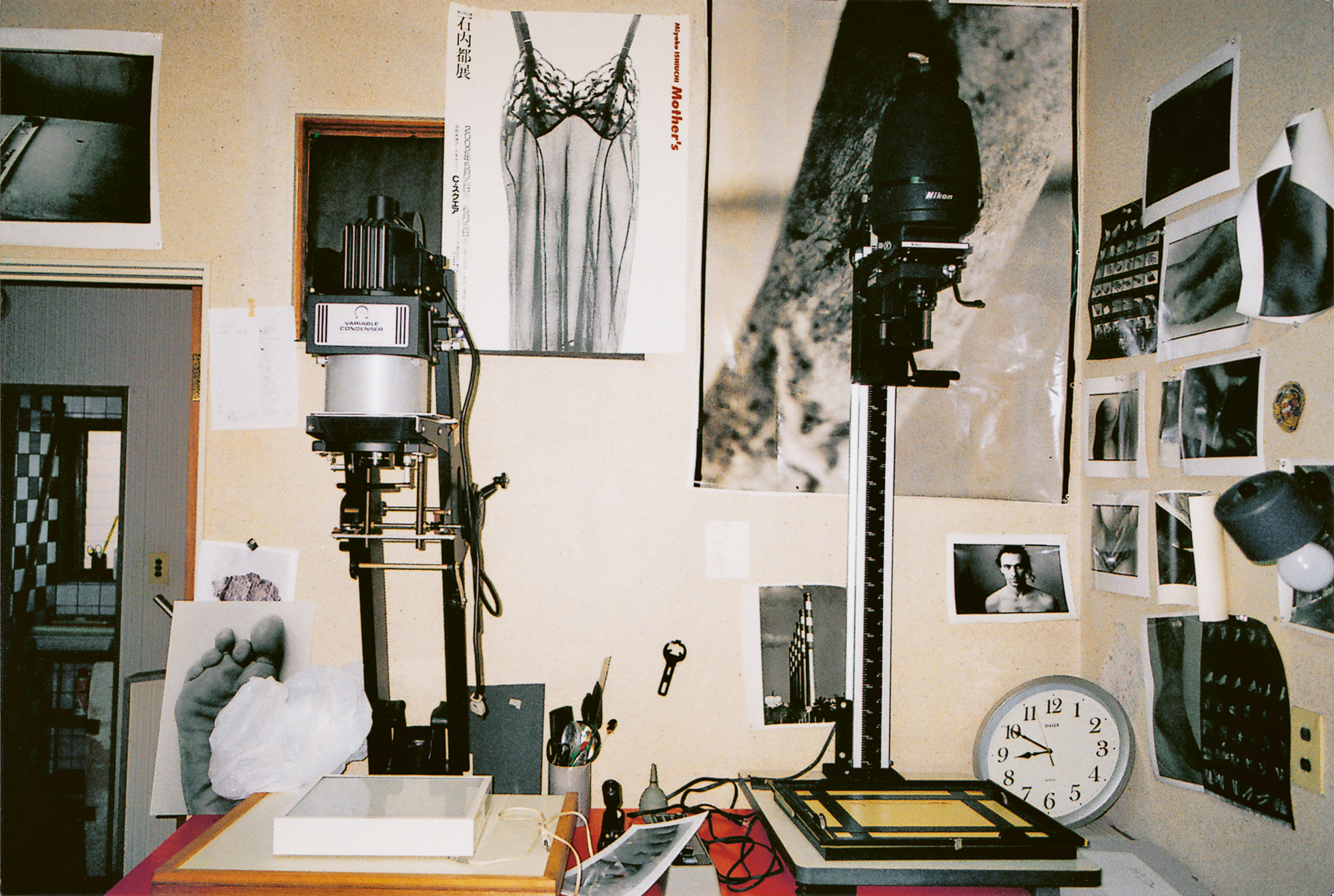
Miyako: Yes, it was my boyfriend’s equipment. Well, he was studying to become a filmmaker, and it was actually his aunt’s. She didn’t need it anymore and thought he could use it, but he already lived in Tokyo at the time and it was a nuisance for his parents to store it—they were going to throw it away. I had a small spare room and we kept it there. If you don’t use it, it becomes waste; but if you use it, it becomes a tool—I decided to use the equipment. I only bought film, photographic printing paper and chemicals. Everything else, including a camera, was already there. Just two months after I started photography, a friend of mine organized an exhibition and invited me to show my work. It was a group show so I didn’t have much space but contributed around fifteen works.
Fritsch: This must have been in 1975?
Miyako: Yes, around 1975. And that’s when someone praised my work and said that it was the best in the exhibition. That someone was Tōmatsu Shōmei.
Fritsch: How come Tōmatsu-san visited this group show?
Miyako: He was a teacher and taught my friend. I didn’t know who he was at the time—I hadn’t learned anything about photography, so wouldn’t know [laughs].
Fritsch: You had learned design and textiles at university.
Miyako: Exactly. The main reason I got into design was the 1964 Tokyo Olympics: when I went to high school, there were all these stylish posters by Kamekura Yūsaku around the city. ‘I want to become a designer’, I thought and entered the design department of Tama Art University. But it didn’t suit me. In my second year, I switched to the textiles department. And that’s when the student demonstrations started. In 1969, when I was in my fourth year, I got involved in the barricades: I was part of a group that barricaded the school and lived in it. I kept my large textile equipment at the university and would sometimes use it in the middle of the night [laughs]. Under normal circumstances I would have graduated in 1970, and the university approached me, saying that if I paid the student fees [equivalent to] one year, I could get the graduation certificate.
Fritsch: Despite you not attending any courses anymore?
Miyako: They were teaching some courses outside the barricaded university, apparently. But I declined: ‘In my field, a graduation certificate is not really necessary,’ I said clearly to my parents, who would, of course, have liked me to graduate. I quit and therefore don’t have a graduation certificate [laughs]. I then moved into a shared apartment: with a shared toilet and kitchen. I started to tie-dye textiles like the flower children. I thought this could be a good way to earn money and eagerly dyed T-shirts together with a friend. But you had to sell these T-shirts cheaply and couldn’t make much money [laughs]. We sold them to a shop in Dōgenzaka [district] but it just wasn’t an efficient business so we stopped it. I also made candles: apples, for example.
Fritsch: Apple candles?
Miyako: Candles in the shape of apples, using white wax and paraffin and then dyeing and shaping them. But this also took a long time and was not efficient economically [laughs]. So, I started some completely different work. That’s when my father asked me to join his company. Around that time, I began photographing on the weekends. I worked for my father until he passed away [in 1995]—although it was very irregular at the end.
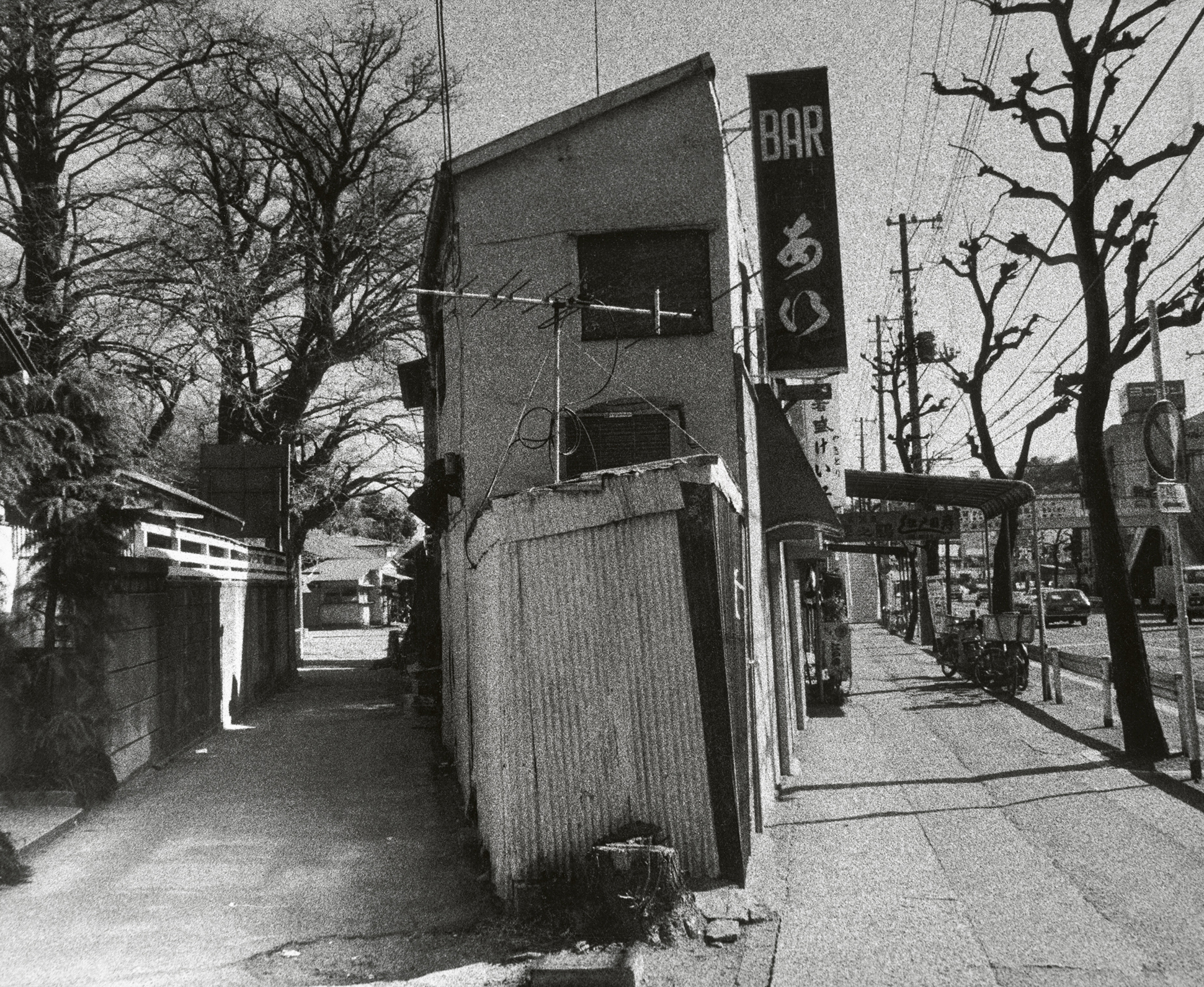
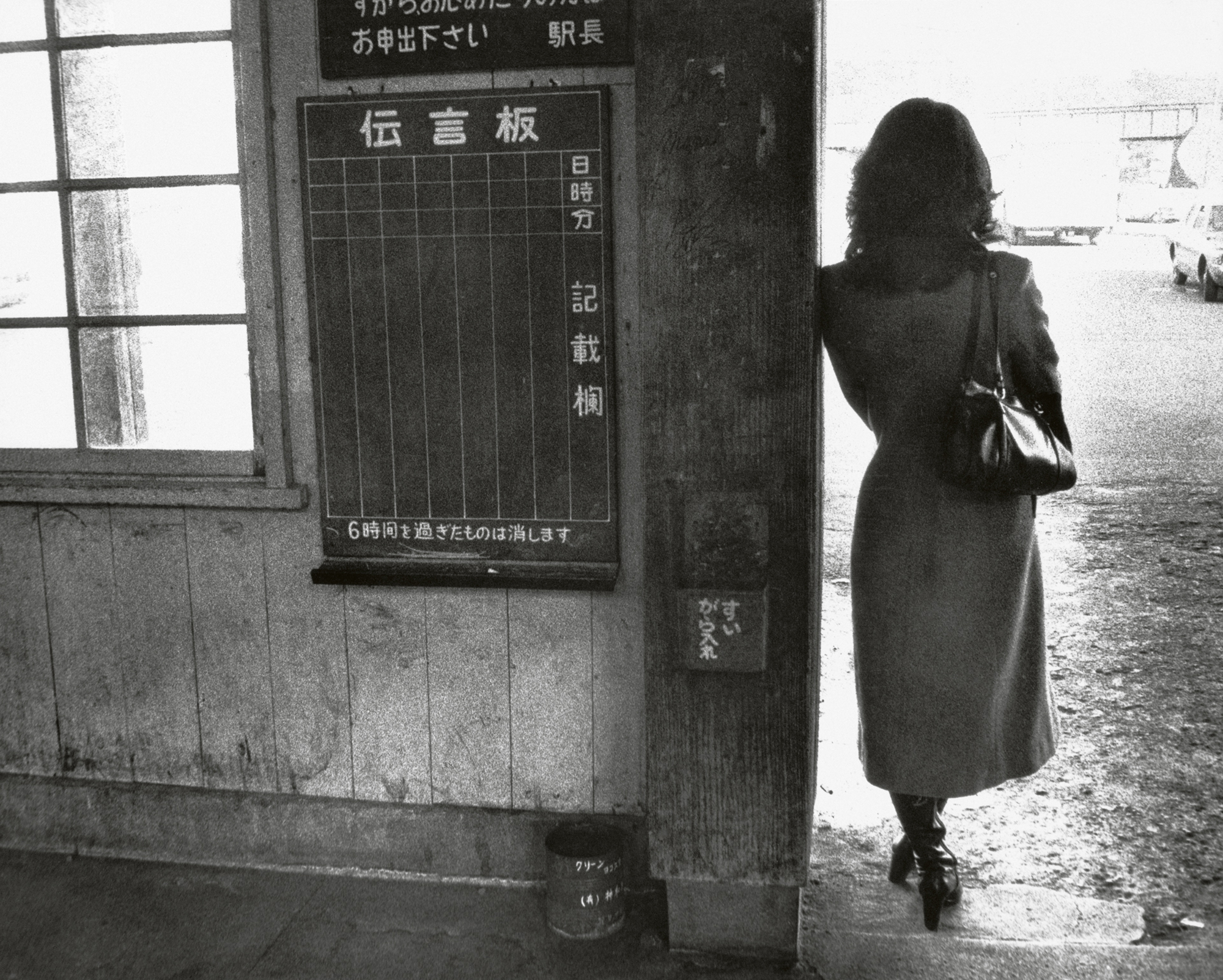
Fritsch: The photographs you took for Yokosuka Story and before were all taken on weekends.
Miyako: That’s correct. Joining my father’s company, I calmed down and only took photographs on Saturdays and Sundays. On Friday evenings I would return to [my parent’s home in] Yokohama and go to the darkroom to develop the films.
Fritsch: You told me previously that the darkroom work was your favorite part of photography. Your photographs really came into existence in the darkroom.
Miyako: It almost didn’t matter what the photographs depicted. I just wanted to be in the darkroom and print. My vintage prints tend to be large-sized rolls [laughs]—unusual for that time. I kept them all. Unlike other photographers, I don’t take so many photographs, because, for me, it is all about the process of making. I once did a talk with Moriyama Daidō-san and he said that to him it’s about taking many photographs because there will be some good ones among them; but for me it’s about taking fewer photographs [laughs]. I developed the films myself and had to do everything afterwards myself. If there is one film, I print a lot of its photographs.
Nevertheless, when thinking about what to photograph, I felt I had to shoot Yokosuka. For around half a year, I went there to take photographs. It didn’t feel like taking photographs but rather like getting out my own emotions that were deep down inside of me. When printing, it was like giving vent to my feelings on the photographic paper. I made around 400 prints – 20 metres [65 feet] of photographic printing paper—at 45×56 centimetres [18×22 inches]. I became a bit crazy. I was in the darkroom for a month and asked myself, ‘What am I actually doing?’ [laughs] A solo exhibition at Nikon Salon had already been decided. I had exhibited my works in group shows and met people like Tōmatsu-san and Araki-san [Araki Nobuyoshi], who said that anyone who wanted to do an exhibition at Nikon Salon should just approach him. So I did. In Tokyo, I only wanted to exhibit at the Nikon Salon at Ginza: it was the largest space that attracted the largest number of people. I thought that exhibiting my work there just once would be enough. I felt I could stop photography after that—I just wanted to get my feelings out. When exhibiting the prints at Nikon Salon, I hung them with double-sided tape on the wall. But after just one day, they all fell down on the floor.
Fritsch: Didn’t Nikon Salon help with the hang, preparing all the necessary materials, etc.?
Miyako: They had provided me with strong double-sided tape. But the walls were made of textile. I had to use some drawing pins and hang all the 140 to 150 prints again [laughs].
When exhibiting my works in a previous group show, quite a few people had asked me if I was Moriyama-san’s disciple. At the time, I didn’t know who he was, but looking up his photographs, I thought they were really cool. When I had my exhibition at Nikon Salon, I called him. You had his phone number? I think the gallery gave it to me. When I called, he himself answered right away. I had never met him, so I said, ‘I’m Ishiuchi Miyako and have been told that my work looks like I’m your disciple. I therefore think you should come and see my photographs’. And he came! [laughs]

Ishiuchi Miyako: Traces
$65.00
A definitive survey of a pathbreaking figure in Japanese art.
Fritsch: You met some of the most important protagonists of Japanese post-war photography early on: Tōmatsu-san came to your very first group show, then you met Araki-san, and then Moriyama-san.
Miyako: That’s right. My people instinct is good, isn’t it? [laughs] The feeling between us was just right. I didn’t know anything about other photographers. First Tōmatsu-san, then Araki-san, a little later Moriyama-san and then Fukase-san [Fukase Masahisa]. They were all good people and we got on well. I was a young woman, of course, but Araki-san, Moriyama-san and Fukase-san never approached me like that.
I thought about attending a workshop that Tōmatsu-san was teaching but the fees were extremely high, so I didn’t. If I had, I would have become someone’s disciple and things might have turned out differently [laughs]. Thankfully, I just continued to teach myself, experimenting in the darkroom. I never had a teacher and was therefore on equal footing with these men—we were friends. I was quite cheeky.
Fritsch: You were a brave young woman.
Miyako: I just approach the things and people I’m interested in and express my feelings. That’s how I was able to visit Robert Frank in his house in New York and later John Coplans. I didn’t learn photography from Tōmatsu-san, Araki-san, Moriyama-san or Fukase-san but found their individual ways of living and approaching photography interesting. I think this had a big impact on me.
Fritsch: At that time, there were not as many women taking photographs.
Miyako: Before my ‘Yokosuka Story’ exhibition, I arranged the all-female Hyakkaryōran (Riot of Flowers) group exhibition though. After I had left university and the barricades, there were many things that I still wanted to do because I couldn’t finish them as a student. It was a time when I was not sure how I should live. One of the other photographers in the exhibition attended a photography school that Moriyama-san taught at: Nishimura Tamiko.
I was also involved in the women’s liberation movement but didn’t agree with many of the views expressed by activist Tanaka Mitsu, who represented the movement, and therefore left early on. I had a boyfriend at home and didn’t hate men [laughs]. In 1970, together with two classmates from Tama Art University, I launched a group called s·e·x Thought Group—just when the women’s liberation movement in Japan started to spread. I left, but they continued. I never intended to continue photography but when photographer Miki Jun asked me about my next project during the Yokosuka Story exhibition, I somehow said that I wanted to take photographs of apartments. And to my great surprise, I then received the Kimura Ihei Photography Award for this series. I didn’t really know Kimura Ihei.
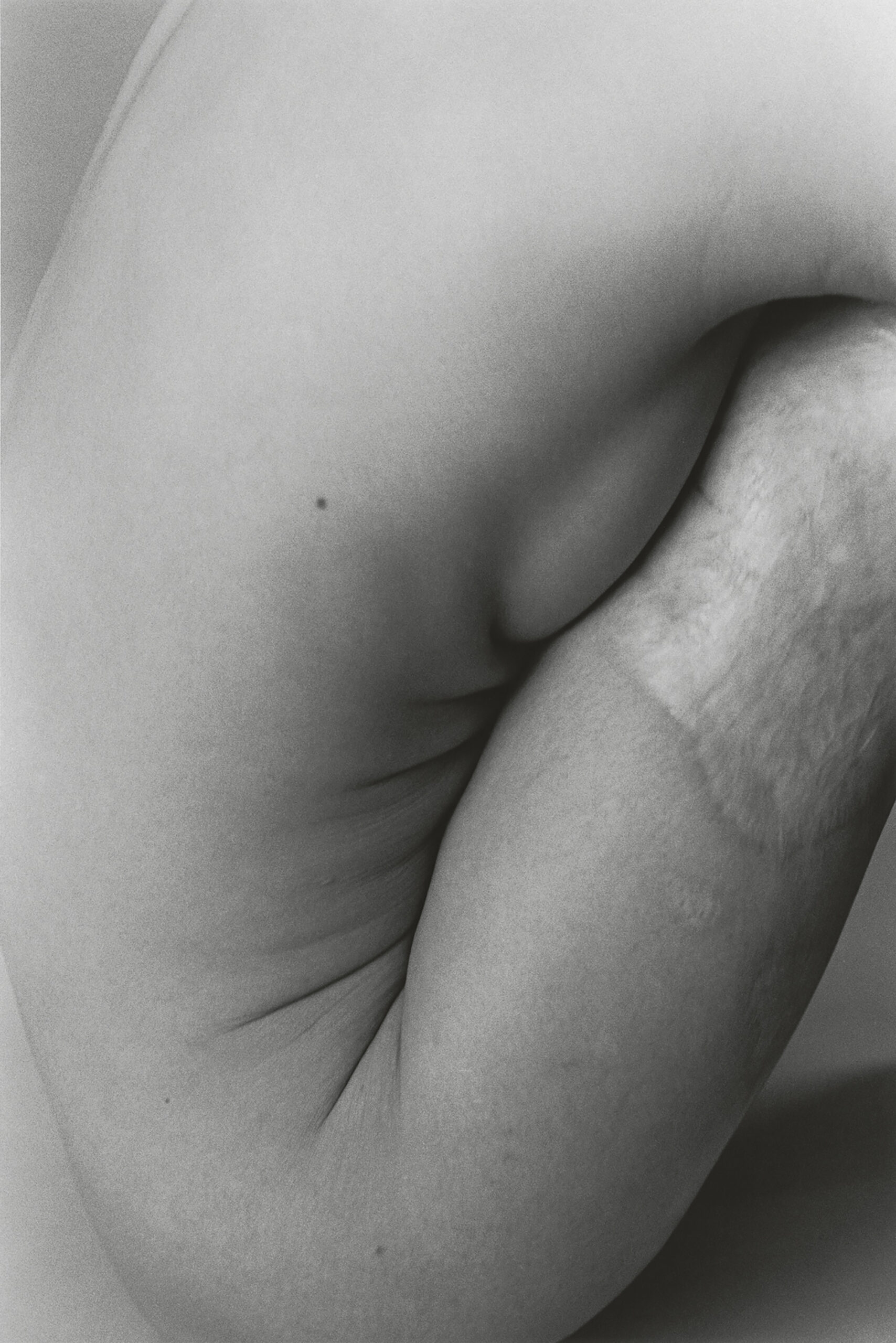
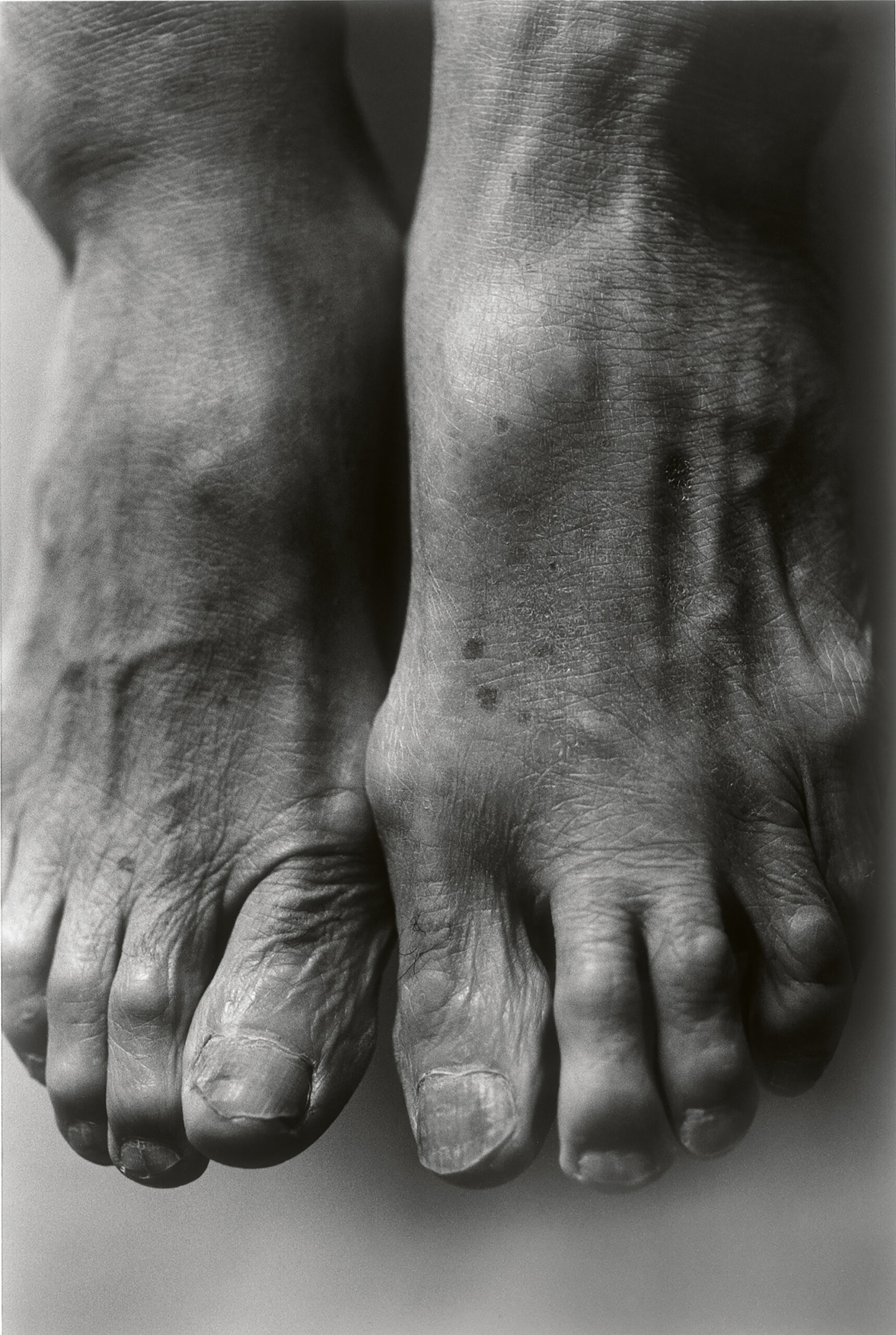
Fritsch: That is funny—there must be so many people who try hard and eagerly hope to receive this major award, and you didn’t even know the photographer that it’s named after [laughs].
Miyako: Around the same time that the award ceremony was taking place, there was an exhibition titled Japan: A Self-Portrait at the ICP [International Center of Photography] in New York. Together with Araki-san and his wife Yōko—with whom I got on very well; she was a close friend—I went to New York to participate in it. I therefore said: ‘Unfortunately, I won’t be able to attend the ceremony because I’ll be going to an exhibition in New York’. The Asahi Shimbun newspaper people told me off and I came back early. I thought, ‘I don’t have to be there’—I really didn’t know anything about photography [laughs].
I never intended to continue photography, but somehow more and more things have appeared in front of me, asking to be photographed. That’s how I have reached today—it has been a natural flow. At the beginning, I really didn’t think much about photography or photobooks. Exhibitions are just like theater performances: they finish quickly and nothing remains.
Fritsch: Photography exhibitions at the time were particularly short.
Miyako: One week or five days was normal. Photobooks were therefore like records of exhibitions and seemed important. That’s why I started making them. Apartment was my first photobook and I never dreamt of winning the Kimura Ihei award. In order to print the book, I asked my father for money. I said, ‘You must have saved some money for my wedding ceremony’, and borrowed 3,000,000 yen from him. Both Apartment and Yokosuka Story were self-published. I intended to pay him back completely, but then I won the Kimura Ihei award: 300,000 yen. I gave all that money, 10 per cent of what I had borrowed, to my father, right away after the ceremony. The rest I never paid back, in the end [laughs].
For around one year after winning the award, I received a lot of work, for example, from commercial magazines. That kind of commercial work was extremely boring and didn’t suit me. I just wanted to take photographs for myself, not as work. Therefore, for the next twenty-five years, I stopped accepting any commissions. For me, photographs are expressions of oneself. I don’t really provide captions: please just look at the photographs. If you provide captions, people look at the images in a certain way—I don’t like that. I just want people to look at the photographs and think freely.
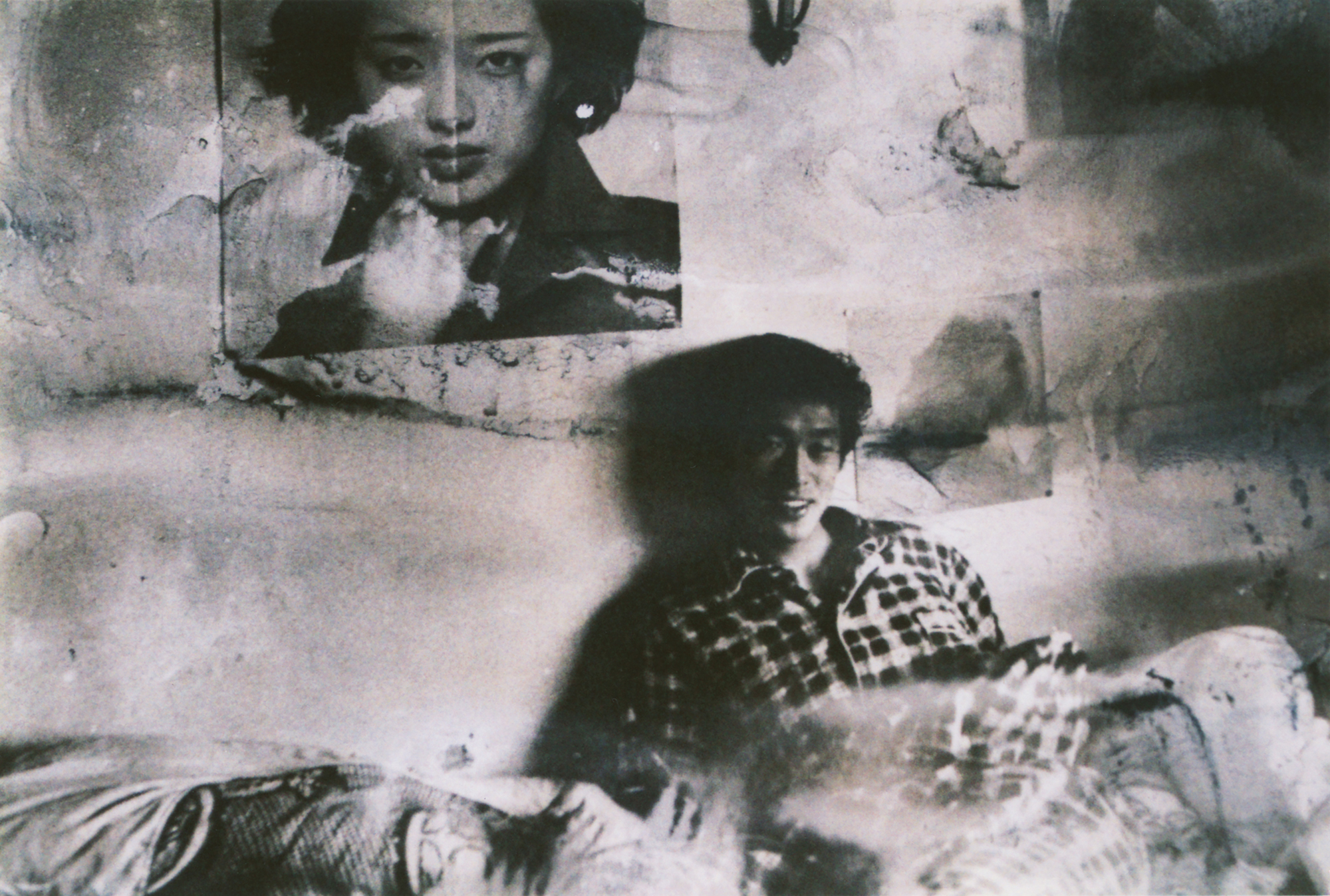
Fritsch: Conceptually, your work has stayed true to itself. Of course, you used to work in black and white and printed your works yourself, and now you mostly work in color and get them printed elsewhere—in that sense, your work has changed. But in terms of the way you approach photography, you have not changed much, have you?
Miyako: That’s true. But it might have changed recently, with my Moving Away series. A museum in China asked me to take self-portraits. To me, photographs were always self-portraits, even if I was not in them. But I thought, ‘Why not?’ and started taking self-portraits within a kilometre of my old darkroom in Yokohama. I used the darkroom as the centre and walked no more than 1 kilometre away from it. I printed in that darkroom for forty years. That’s why there are quite a few photographs of the darkroom in the series. When I made that photobook, I somehow felt refreshed and old grudges were suddenly gone. I took the photos with a mini-camera and included myself. Photography is interesting, I thought [laughs]. I felt at ease and my thinking about photography became free. I said farewell, sold that house and came here [Kiryū]. It felt good. For over forty years I was there and also started printing photographs in that house—it was liberating to hand over the house to someone else, a young family.
Fritsch: The Japanese photography world has changed a lot over the last decades. There is an increasing number of women photographers, there are new techniques, etc. What do you think about all this?
Miyako: There are many good photographers, and there is a greater sense of freedom in thinking about photography. You can do whatever you want. I also think that photography as an artistic medium suits women. Male photographers have become increasingly feminine too [laughs]. In my generation, women who got married would quit photography. They had children and stopped. Those were the times. But men have changed. Nowadays you can get married, have children and still continue to take photographs. It’s mainly the husbands who have changed.
All photographs © the artist and courtesy The Third Gallery Aya
Fritsch: In your generation, women who decided to work as photographers mostly didn’t get married and didn’t have children.
Miyako: I personally always had a partner, but never wanted to get married (we just got married this year), and I never had any intentions to have children. My mother always worked so it seemed completely normal for women to work, and I also never wanted to have children of my own. I decided this very early on: when I got my first period. I also didn’t link marriage with being with a man you love. Around 90 per cent of my friends’ marriages failed. You take photographs at weddings: what do you do with these when you get divorced? Thinking about this made me feel sick and scared of photography. The divorces that I have witnessed were all ugly and made people unhappy. In your generation, marriage for women really meant dedicating their life to married life. Yes, and for some women it was also the only way to leave the family home. I was surprised and shocked when I heard this from some of my friends because I was born into a family that was a bit different. My mother had remarried too.
Fritsch: Your father was also a lot younger than your mother.
Miyako: He was seven years younger. As a child, I sometimes wondered why my mother was such an obasan [‘middle-aged aunty’]. The other mothers were all much younger, only my mother was so old [laughs]. My father was an interesting man; we got on very well. Your parents and the environment you grow up in have a strong impact on your life. We lived in a small almost slum-like area in Yokosuka: there were harsh people around us, like a murderer and a lady from Okinawa who ran away with her lover. But I learned a lot from these people, about society: that people differ so much from each other, that there is discrimination, poverty. They were all good people.
Fritsch: Well, there was a murderer? [laughs]
Miyako: Yes, that gentle guy [laughs]. But even good people can commit a murder. Yokosuka was a place where a lot of these kinds of things happened. My parents wanted to leave and kept saying that it was just temporary. Somehow, we ended up staying for a long time. We were a bit unusual. In a good way. That’s why I am the way I am today.
Fritsch: What do you like best about the medium of photography?
Miyako: Difficult question. The past appearing on paper. That is incredibly interesting. Once something is photographed, it becomes the past. This past becomes visible. Right away. Probably, only photography can do this. Lost times appear. I can’t live in that past: there is only the present, which links with the future. The past is usually not visible but when you look at a photograph, it is there. To me, that is probably the most interesting aspect of photography.
This interview is excerpted from Ishiuchi Miyako: Traces (Aperture, 2026).