A New Space for Photography Explores Who Gets to Be an American
With its first permanent exhibition center, Cincinnati’s FotoFocus cements its standing at the forefront of lens-based art.
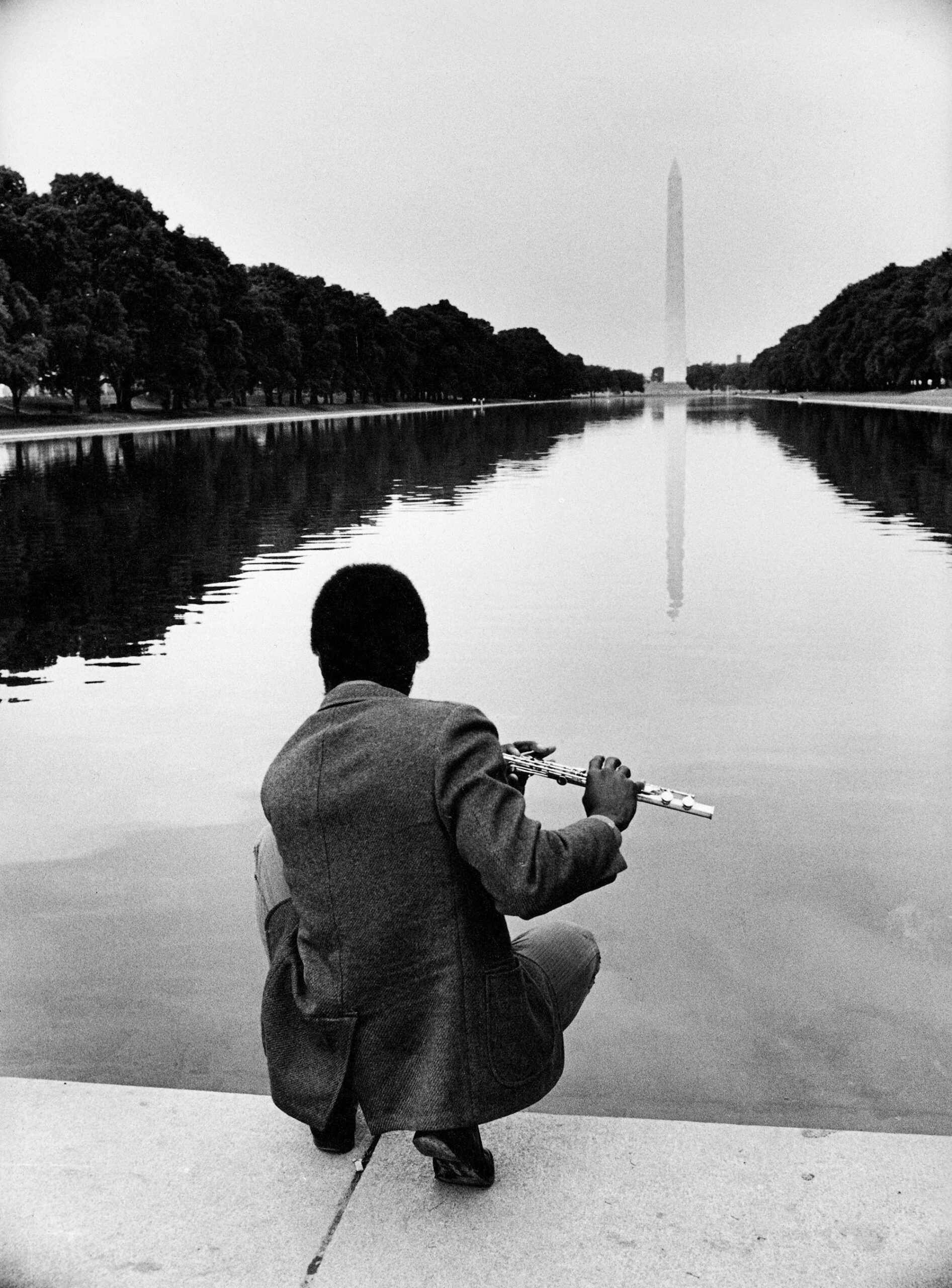
Jill Freedman, Monumental Flute, Resurrection City, Poor People’s Campaign, Washington, DC, 1968
Courtesy the Estate of Jill Freedman
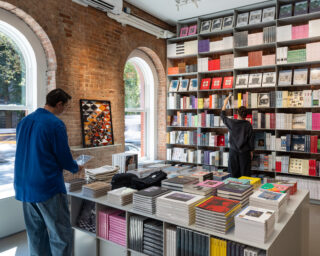
For some twenty-five years, FotoFocus has brought international photography to Cincinnati, Ohio, activating spaces around the city with ambitious programming of biennials and symposia. This year, the nonprofit solidifies its stature as one of the world’s foremost sites of lens-based art with its first permanent exhibition center—an airy, elegant 14,700-square-foot space of timber and glass, designed by architect José Garcia with a staircase inspired by a camera viewfinder and thresholds that bring to mind the white frames of Polaroid pictures.
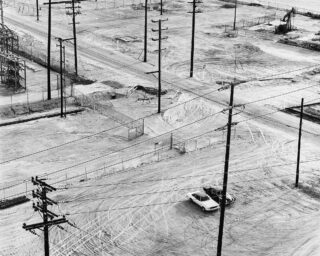
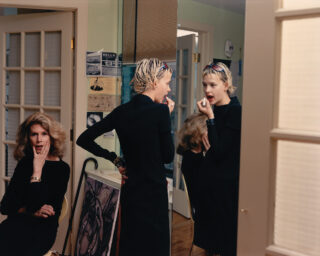
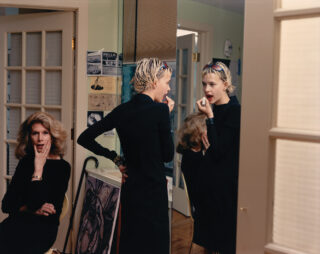
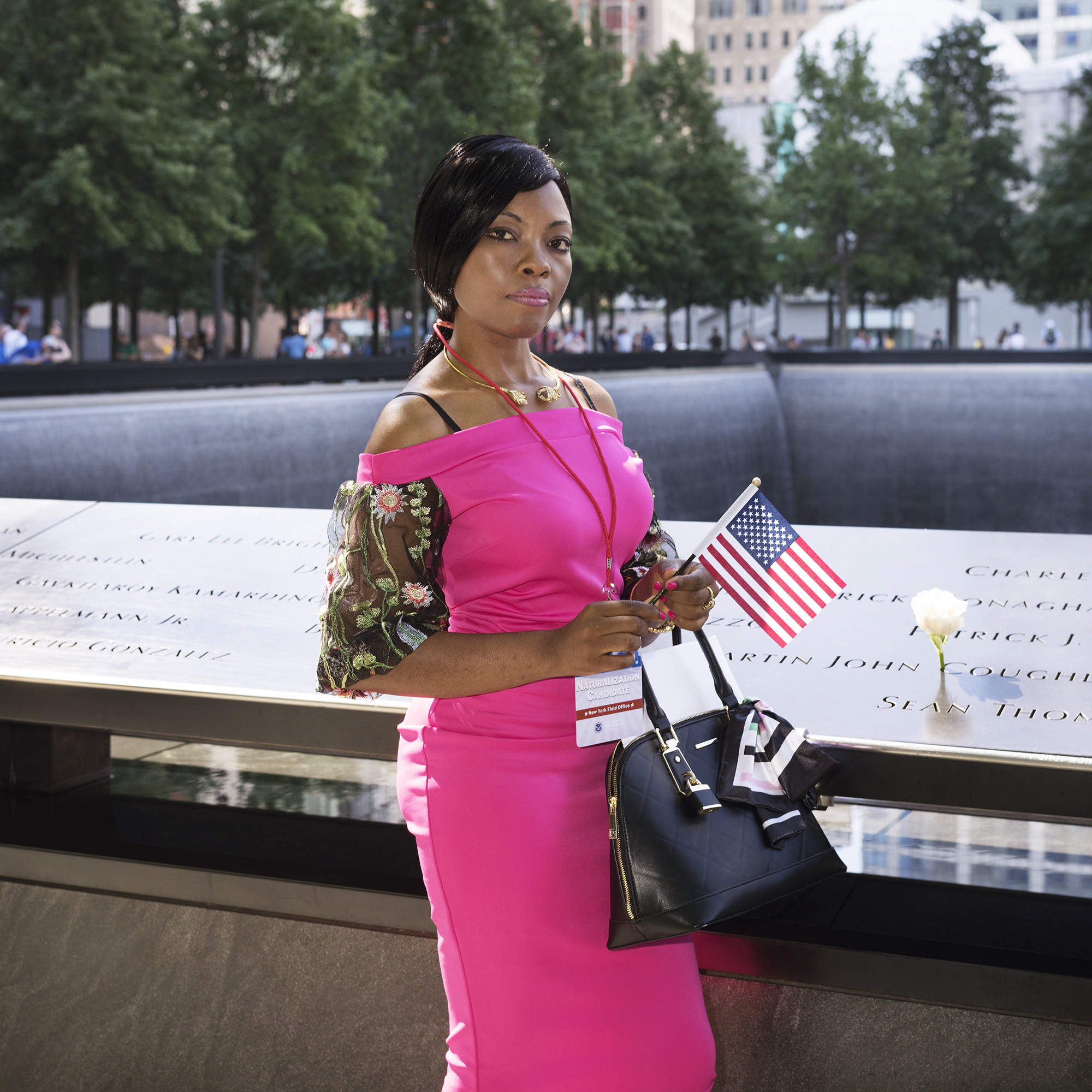
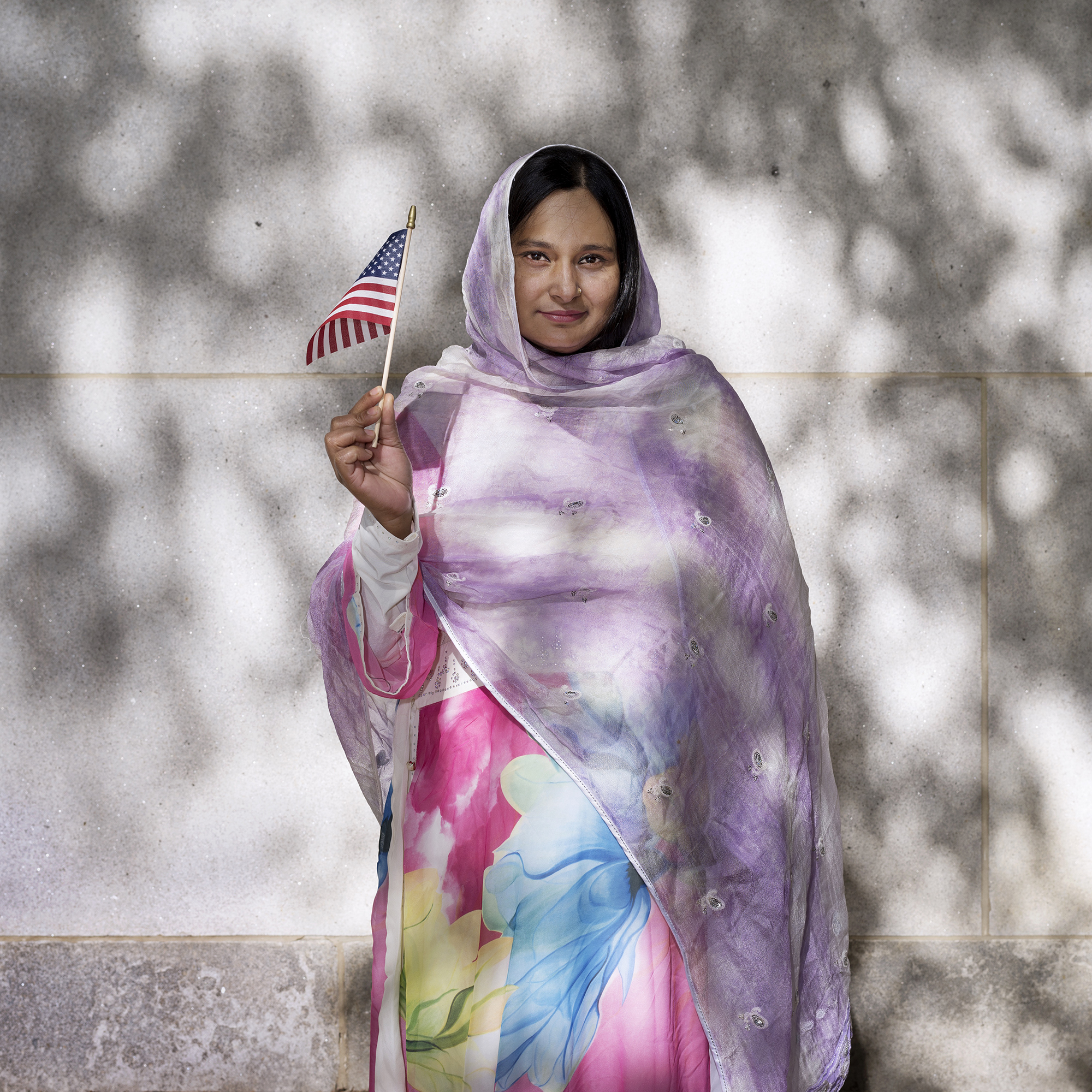
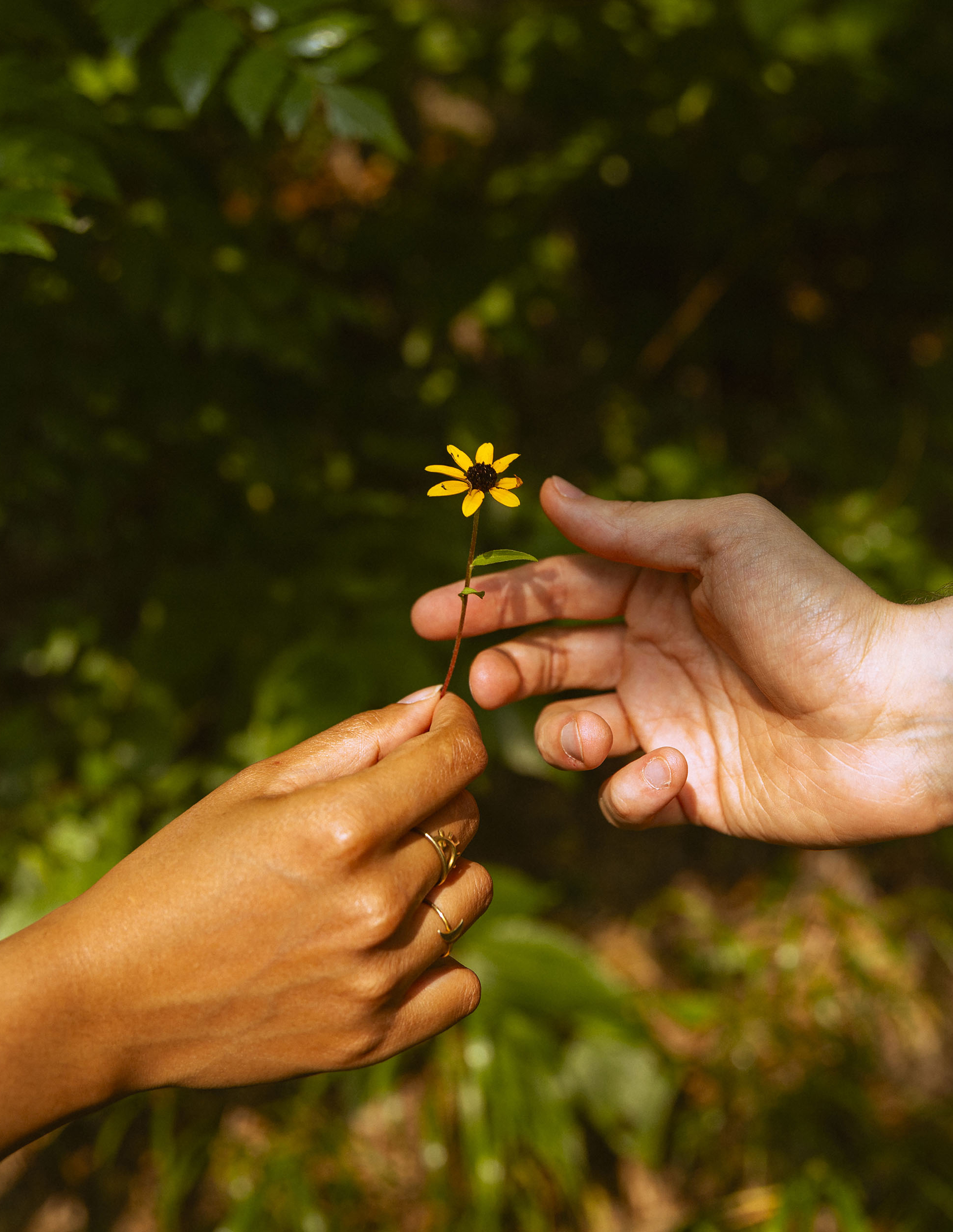
To inaugurate the space, artistic director and curator Kevin Moore has installed Big Tent, a forthright and nondidactic exploration of who gets to be American (and who doesn’t) inspired by Amanda Gorman’s poem “In this Place (An American Lyric).” Moore weaves monumental images by Gordon Parks and Robert Frank with anthemic newer work by An-My Lê, Catherine Opie, Alec Soth, and David Benjamin Sherry to achieve, particularly in the upper floor’s massive portrait gallery, the kind of faith in individuality that American patriots claim to hold dear. This fall, Moore will juxtapose the ripped-from-the-headlines currency of Big Tent with The Long View, the FotoFocus Biennial, including major exhibitions by Trevor Paglen, Paul Mpagi Sepuya, and Nancy Rexroth. I recently spoke with Moore about the shows, the new building, and how curation poses questions for artists to answer.
Courtesy FotoFocus
Jesse Dorris: Tell me why Big Tent was the right idea for the first show in the new building.
Kevin Moore: I have the luxury of working very fast in Cincinnati. It’s a show about inclusivity. It’s also a show that is self-consciously provocative. This current [federal] government is eliminating DEI. They’re discriminating against women. We decided that our audience is diverse, and our artists are diverse. Big Tent is the best expression of that—it’s a political term about coalitions of people with different perspectives. And also, it’s a reference to the first big tent that José Garcia built in 2014. We literally built a big tent for FotoFocus as the art hub. It was a pole-and-canvas structure, and we couldn’t really hang art in it. We used TVs and an Instagram exhibit, because that was a hot new thing in 2014. You could use a hashtag and participate in the exhibition. Our heart is really in that place: We want it to be as big and inclusive as possible. We think very high-low. I’ve always had that mindset as a curator and writer myself, so this is the place to do that.
Courtesy the artist
Dorris: Can photography address all this in ways other media can’t?
Moore: In my essay in the catalog, I talk about Frederick Douglass, who was the most photographed person in the nineteenth century. He understood photography as a medium to democratize social status. When new studios happened in the 1850s, anyone could walk in and afford a picture of themselves—and, also, eventually anyone could take a picture. Photography has always been this very democratic medium. Also, as I discuss in the essay, it’s gone off the rails in the sense that now everything is being recorded. There’s a kind of war of surveillance going on right now: official corporate surveillance, but also citizens have become activist-reporters in almost every situation they’re in. If there was an incident here, we’d pull out our phones and start filming it as a defense.
Courtesy the artist
Dorris: In that omnipresence, then, what makes a good image now? Or, what makes the kind of image you wanted in the show?
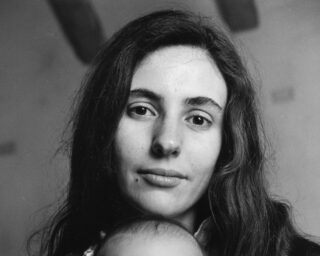
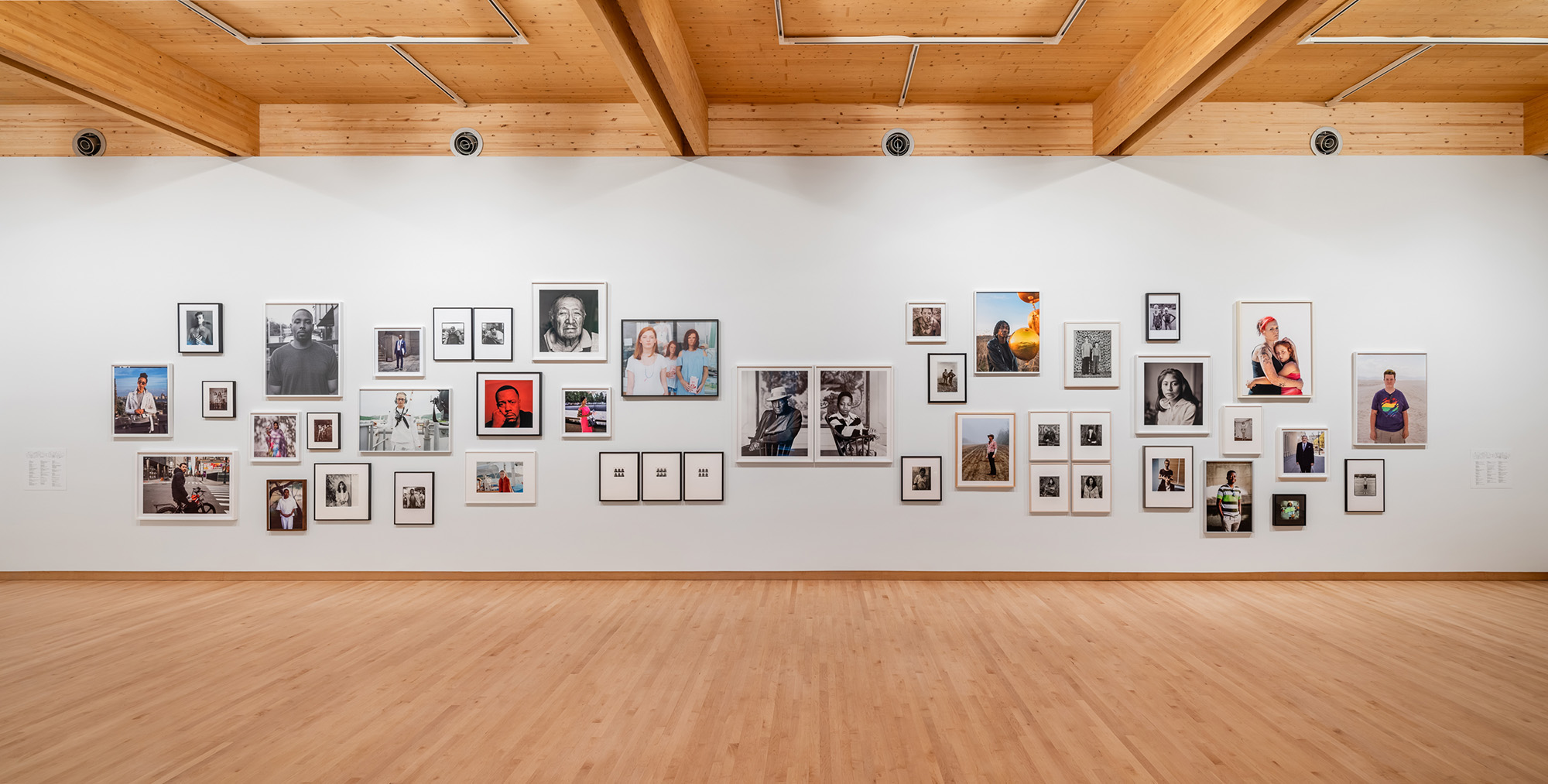
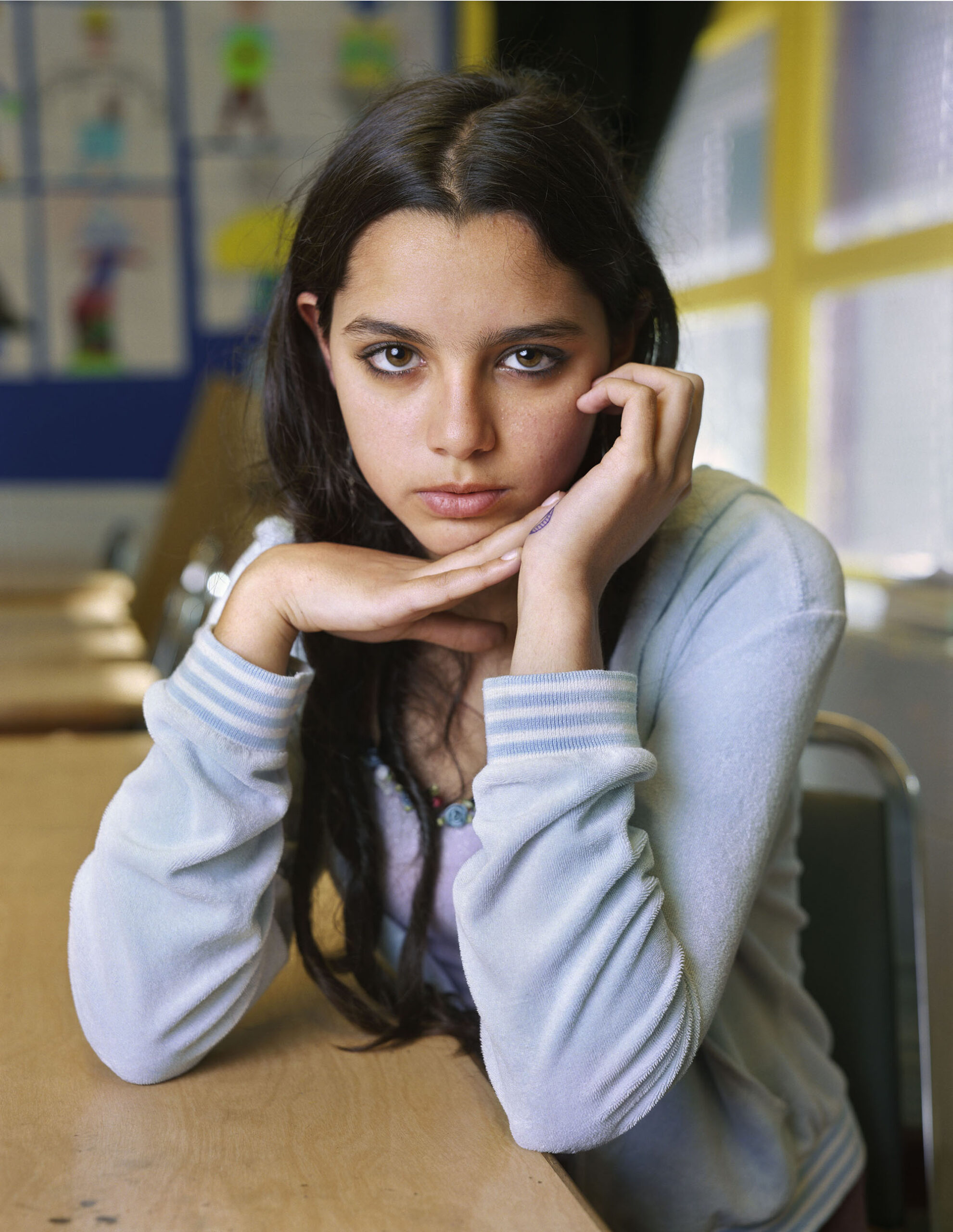
Moore: A group show is always a challenge because it needs a backbone. You have to find a through line. I found “In This Place (An American Lyric),” a poem by Amanda Gorman that she wrote as Youth Poet Laureate in 2017. I read it, highlighting adjectives and nouns, and started translating them into a huge list of artists I’m interested in. I ended up with a lot of unexpected things. Sheila Pree Bright, who was a guest speaker for us in 2018, sent me a picture of a tent with red and white stripes, and it’s a Black farm stand. The part of the poem that really inspired me was this passage: “the Protestant, the Muslim, the Jew, / the native, the immigrant, / the black, the brown, the blind, the brave, / the undocumented and undeterred, / the woman, the man, the nonbinary, / the white, the trans, / the ally to all the above.” All these identities in the US I just saw as this big wall of pictures. I chose portraits realizing it was most effective when they were looking right back at you.
Dorris: How do you negotiate that kind of checklist impulse where including everything one by one becomes the curation, as opposed to an aesthetic or narrative?
Moore: I’m intentionally very intuitive and sloppy with it. I don’t want anything too scripted to intrude. I remember Maya Lin was asked what she thought the Vietnam Memorial was going to do to people and she said, I think it’s going to make them cry. I feel that way about the choices I make. I really guard the experimental zone where you just don’t have to have it all figured out analytically. I try to allow some games of illusions and metaphor. An exhibition checklist doesn’t need to be a spreadsheet. Well, it does become one eventually, but that’s someone else’s job! [Laughs]
Courtesy the artist
Courtesy the artist and Rena Bransten Gallery
Dorris: And there’s something interesting about just asserting the idea that it is possible to talk about the American character, but it doesn’t have to be definitive or complete.
Moore: I don’t work in museums because you’re seen as an authority there. What I love about gallery shows is that they can just propose an idea. It’s a question, not an answer. At FotoFocus, I have a space to ask questions. I want other people to suggest answers. That’s what artists do.
Dorris: Were there works you secured along the way that made you feel, OK, I’m now on a certain path?
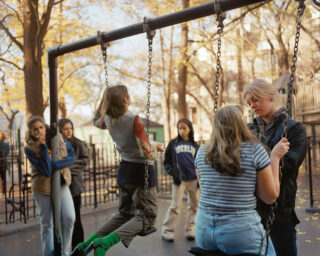
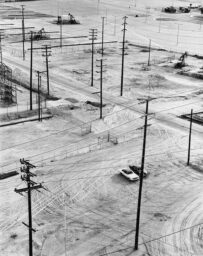
Moore: Accra Shepp’s Shit Is Fucked Up and Bullshit, the Builder Levy photographs of the I Am A Man protest from the 1960s, the Dawoud Bey wall of schoolchildren photos—those are what anchored the whole thing. Upstairs is the part of the poem that is still dark, but it becomes triumphal, and that’s where things like Mitch Epstein’s border wall pictures and Sky Hopinka’s Southwest landscape, those things all crept in as metaphors for the border conflict, the danger and the beauty. They very much animate the idea of who’s in the tent and who’s not in the tent.
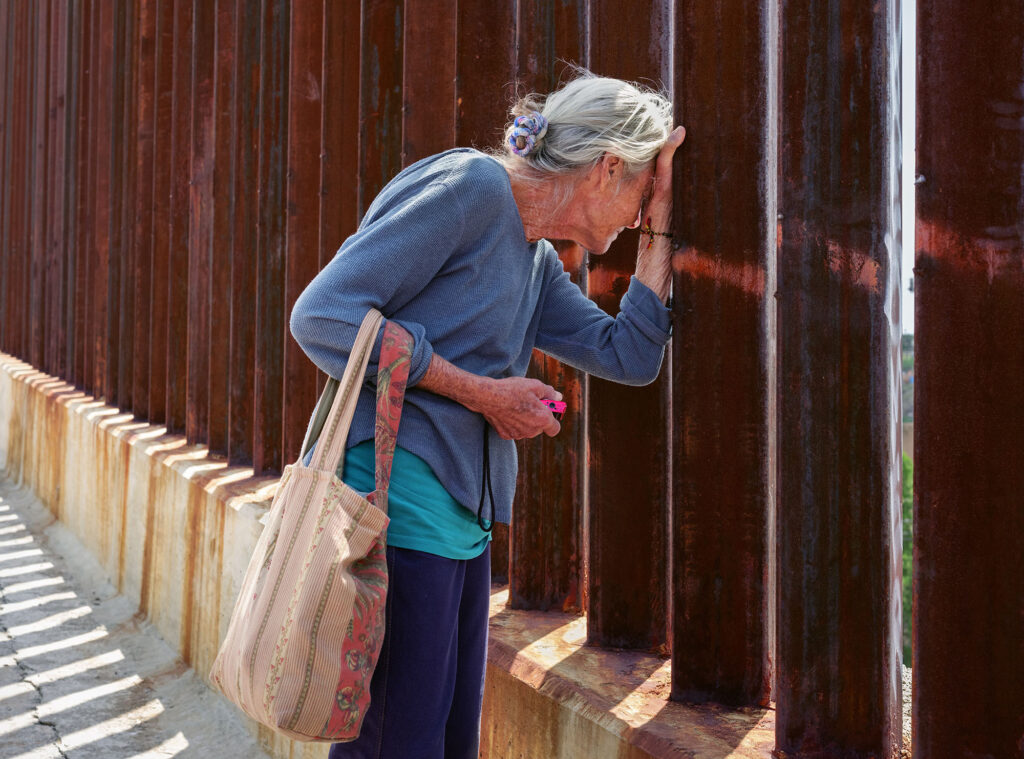
Courtesy the artist and Sikkema Malloy Jenkins, New York
Dorris: What’s it like curating the first show in a new building, where there are no traces of other exhibitions yet?
Moore: Honestly, at first I over-curated. I had too many objects, which is why we built a wall [on the ground floor] for a Cauleen Smith video on one side and a Madeleine Hordinski photo on the other. It’s great, it divides the gallery. And the scale of the ceilings was surprising, but we just did things that actually emphasized the architecture. For the wall of portraits, we put them all on the floor, took pictures of it and measured it, and just put it up as is. We started to question a little bit, wondering if things shouldn’t line up so much or if we should create a little more. But we just said: Screw it, let’s go with what the intuition was, imperfect. And imperfection the point of the show. We’re in a kind of perfect building but we’re adding imperfection by adding art to it.
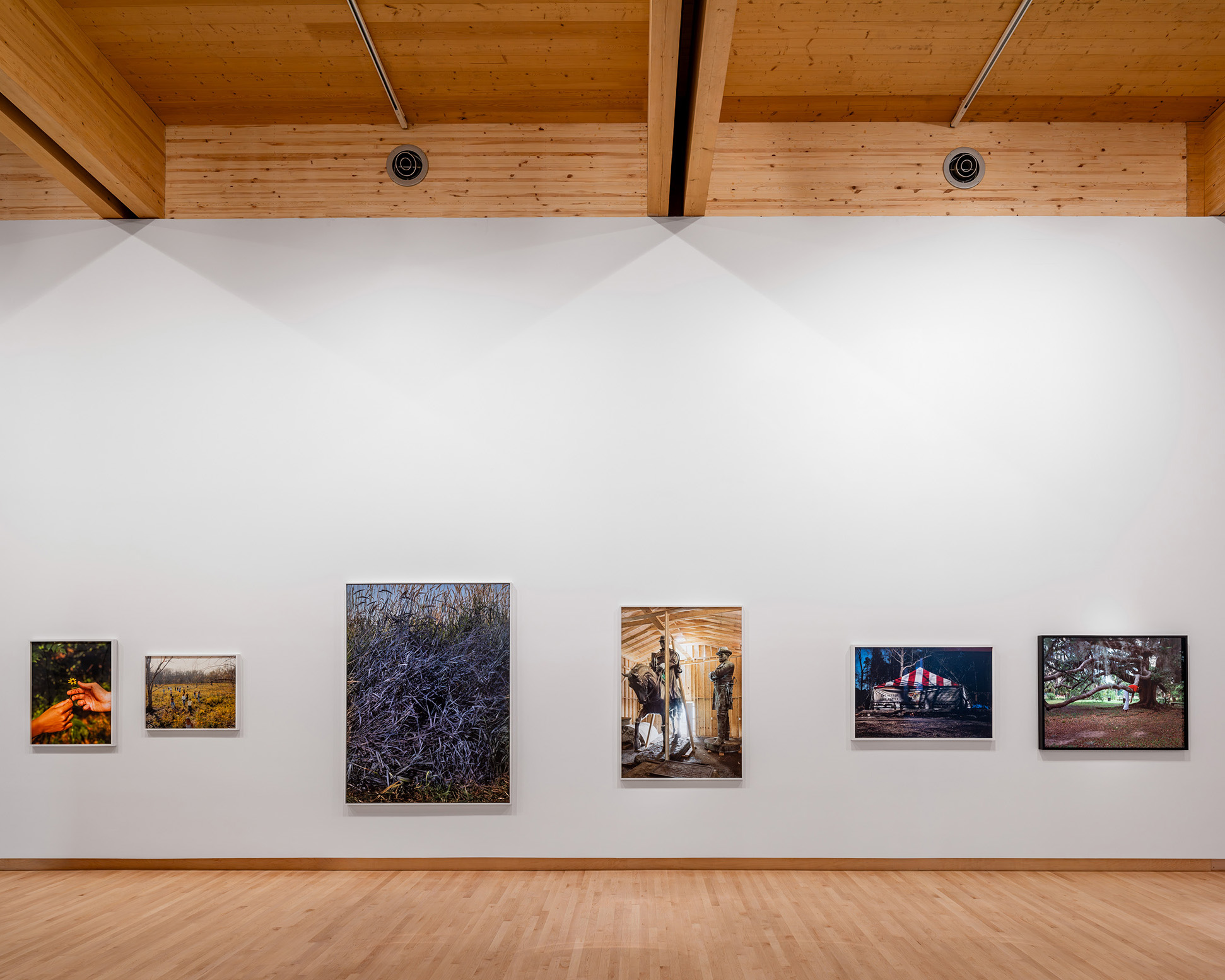
Courtesy FotoFocus
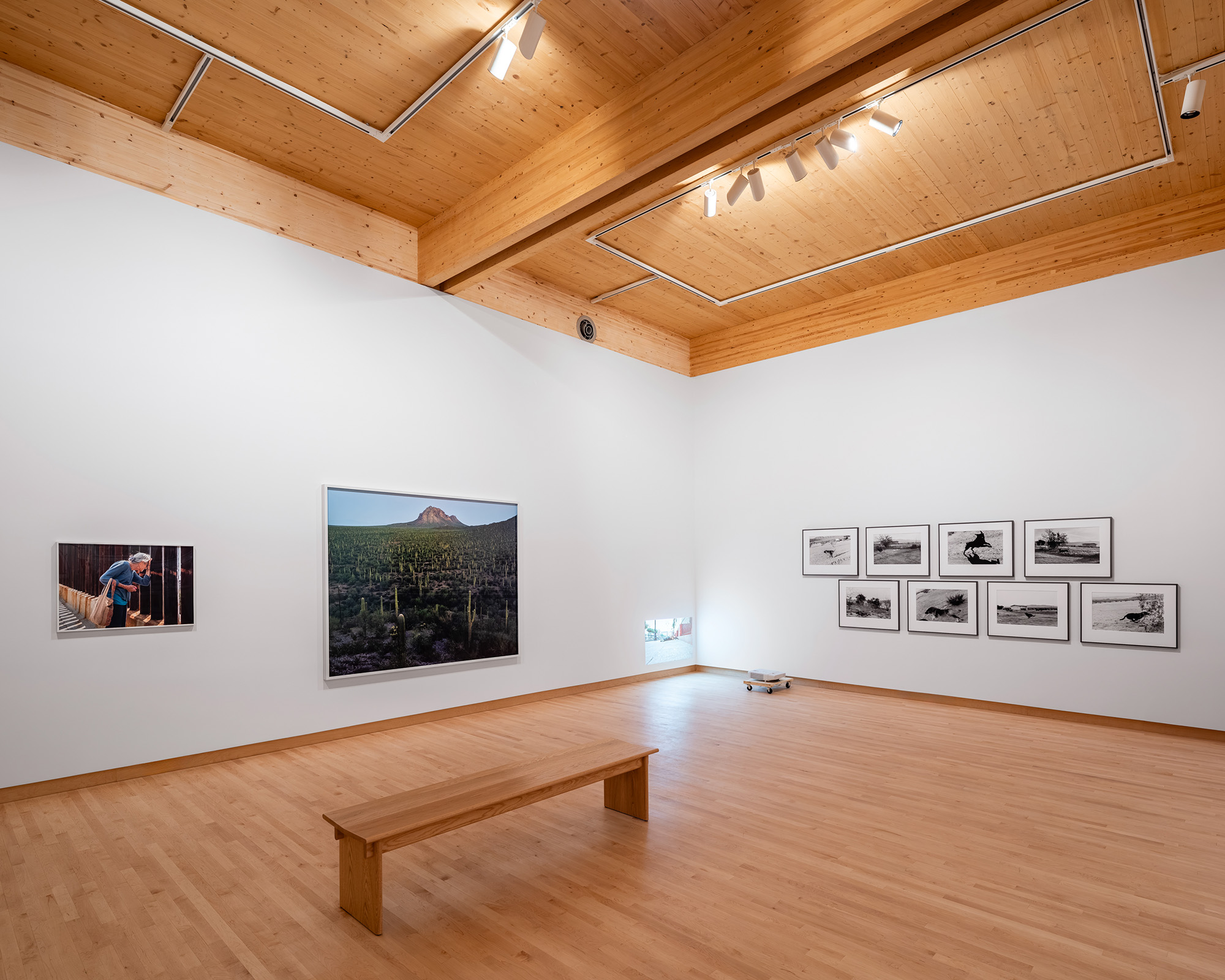
Dorris: How has the new building influenced the shape and scope of the biennial?
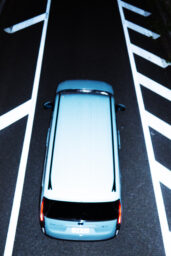
Moore: Trevor Paglen’s work is visionary in terms of looking into the future in a terrifying way. But he’s also very art-historical, looking even to the past of English landscape painting while taking long-distance photography of military sites from many miles away, or drones and surveillance satellites in space. So the building gives us a base that can draw great international artists and local artists. We want to bring great artists to Cincinnati and infuse money into the ecosystem here to elevate the entire conversation. It gives us visibility. I think we’ve been hard to understand for a long time. Now we actually have a home, which is something I think we avoided for a long time.
Dorris: Is there any part of you that’s worried about that?
Moore: I’m worried about calcification. Gertrude Stein said something like: You could be modern, you could be a museum, but you can’t be both. As long as I’m here, we’re going to keep pushing the boundaries and be experimental. It might be a community center. We might have an artist residence, or collaborate with other institutions or universities. But we maintain the idea that we’re light on our feet. We want to do things that are quick and current and make it feel like a pavilion of current events featuring photography as a language we speak through. We’re going to try to hold onto that as long as we can.
Big Tent is on view at FotoFocus, Cincinnati, through August 22, 2026.