Martin Parr Led a Global Movement for Photography
As both an acclaimed photographer and an impassioned advocate for the medium, Parr’s influence on the field has been immeasurable.

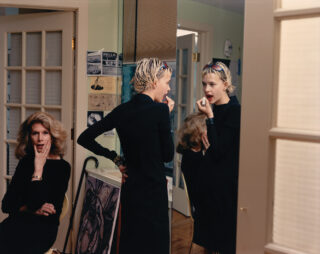
Martin Parr, Autoportrait, New Ming Chun Photo Studio, Singapore, 2007
© Collection Martin Parr/Magnum Photos
Since his death on December 6, there has been a remarkable outpouring of love and sorrow for the photographer Martin Parr. Quite right: He was loved by a community that embraced him, and whom he nurtured, and he has left us too soon. He took an idea at the heart of photography—the pleasure and point of documentary picture-making—and with his irrepressible appetite for people, a singular clarity of intention, and phenomenal energy, he grew our culture. He changed how Britain sees itself and changed the way the story of photography is told. He fired up the economy of the photobook and grew a broad informal global fellowship.
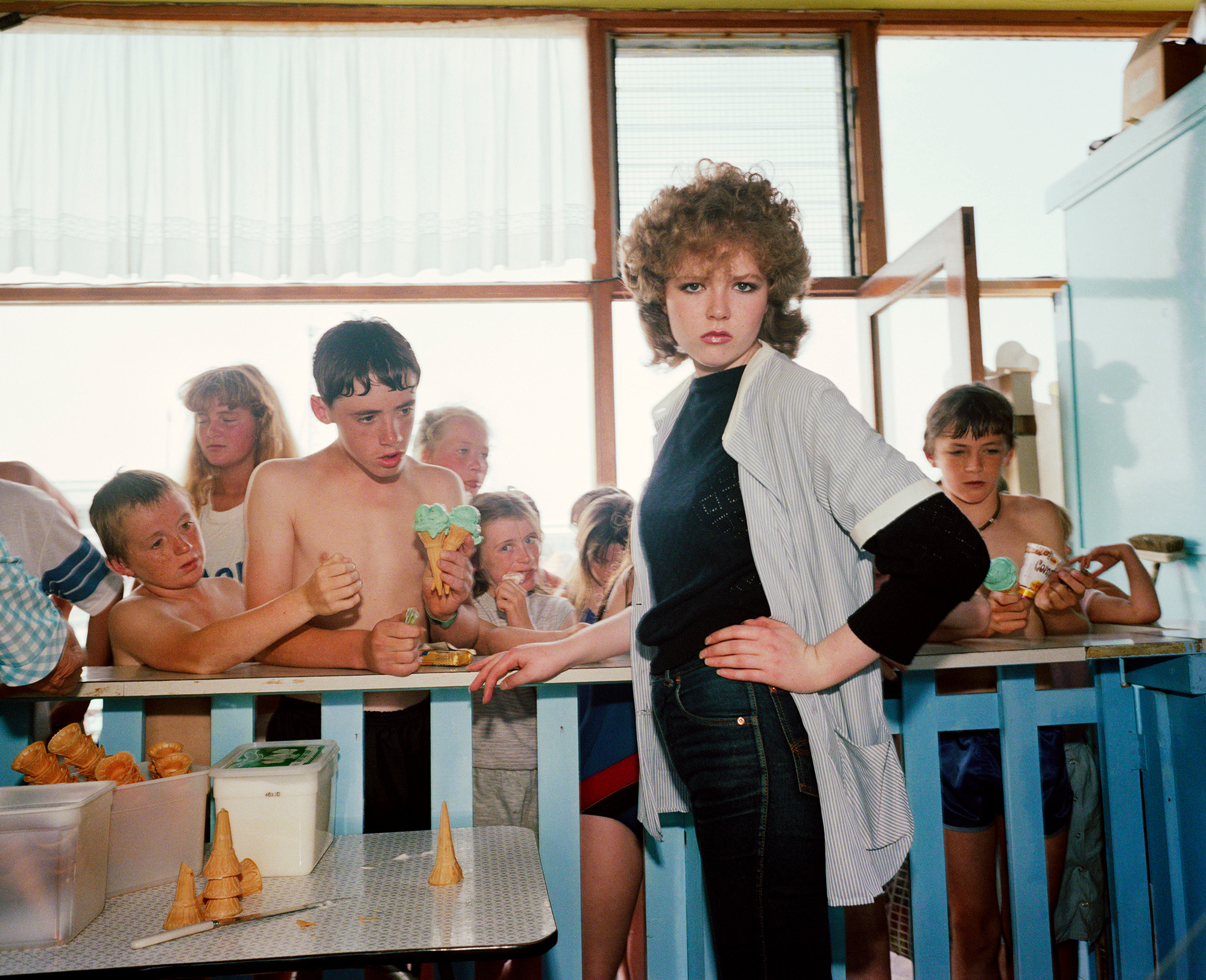
When Magnum photographers were voting on Parr’s entry to the full membership, in 1994, Philip Jones Griffiths called heresy, arguing that Parr trashed the required empathy between photographer and subject—an article, as he saw it, of Magnum’s humanist faith. Griffiths portrayed Parr as cruel and cynical, referencing him as Margaret Thatcher’s would-be favorite photographer. Parr took it on the chin and scraped into Magnum with one vote.
© the artist/Magnum Photos
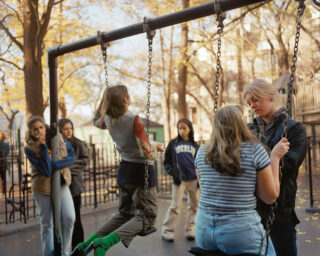
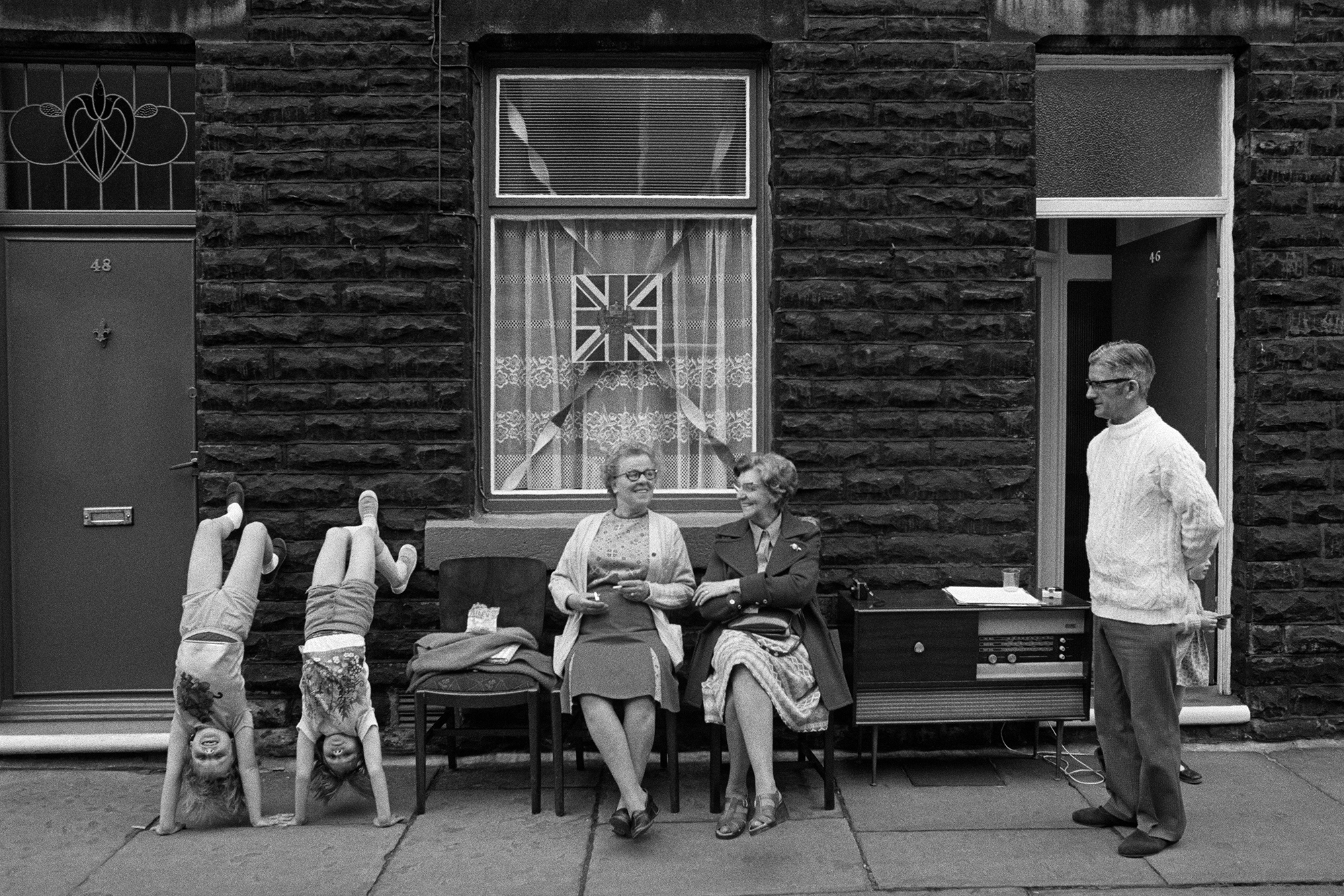
And yet, as one thinks about the narrative of Parr’s life’s work, that all seems remote and wrong. His affection for his subjects seems constant from the beginning. He poked as much fun at himself as he did at anyone else. And while his work and public role were, of course, driven by a huge and fearless ego, and he had the polish and poise of a great public entertainer, there lurked a good humored, cardigan-wearing, civic-minded middle-class English socialist (and Protestant—perhaps Chapel Baptist—in terms of his work ethic) who wanted to do good. Parr profoundly cared about people, especially the folly-prone Brits of his photographs. And it was always part of his story, from the beginning, to be interested in other photographers, and to wish to bring others with him. He served a story about documentary observation, as art and language, and led a global movement. (The United States was somewhat peripheral. Incidentally, the major museums of many capitals have presented surveys of Parr’s photographs, though not yet the US.)
© the artist/Magnum Photos
How much Parr relished his role as flagbearer for a movement, and how good he was at it, became clear in Arles, France, in 2004. There, in the twenty-three exhibitions he presented, he made a perfectly argued case for the dynamism of contemporary documentary photography, past and present, from the auteur to vernacular, by including John Hinde photographs of Butlin’s, Henryk Ross’s photographs of the Lodz Ghetto, and work by Tony Ray-Jones, Keith Arnatt, and Chris Killip alongside his own collections of photo ephemera and his Saddam Hussein watches. I have never experienced a clearer manifesto for photography than this, nor a photography moment more exciting.
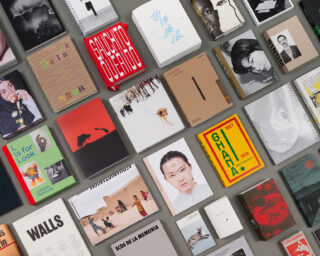
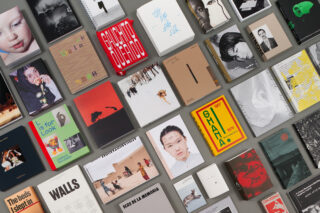
There have been many great acts to Parr’s artistic and civic life—he did so much!—and his last is another: With the money earned from selling his unique photobook collection of some twelve thousand volumes (now at the Tate), he established the Martin Parr Foundation, buying a building in his hometown, Bristol, nurturing a team, setting its course, to foster the understanding and the history and characters of documentary photography, and their role in British cultural life. May it long thrive.