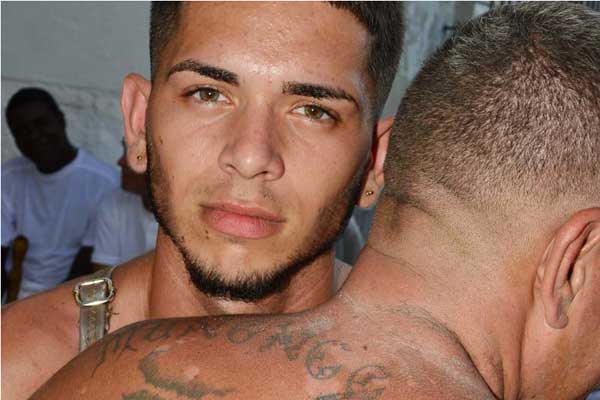
Exploring the rituals and communities of African descendants in Cuba, a photographer reveals their solidarity and resistance to oppression.
Photographer Hugh Mangum’s life was brief, yet it encompassed momentous shifts amid a turbulent period in American history, as he worked from the early 1890s to the 1920s.
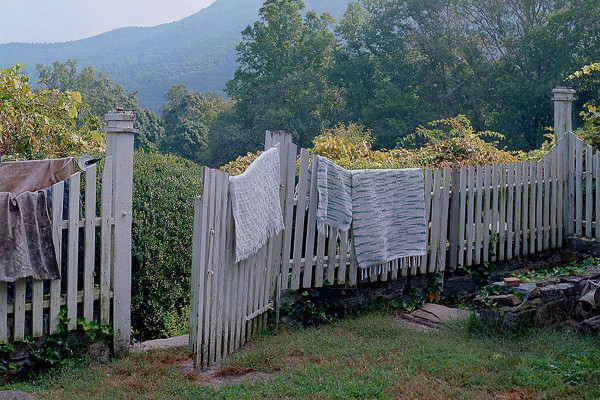
Diana C. Stoll reviews Ken Abbott’s new exhibition at the Asheville Art Museum, North Carolina, which focuses on the day-to-day of a prominent local farm.
A new exhibition at Tate Modern, London, presents photographs of war arranged by how soon after the event the photograph was made.
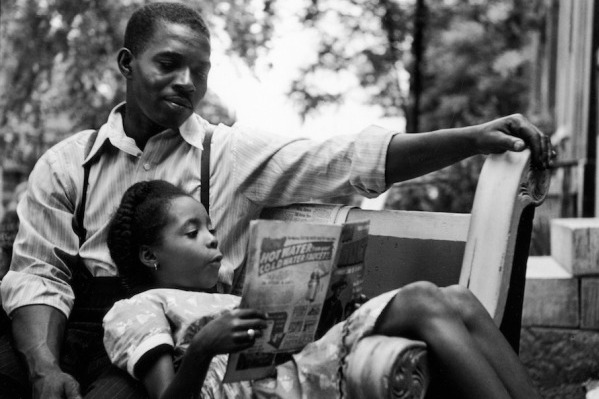
A new exhibition at the MFA, Boston, sheds light on a forgotten photo essay by Gordon Parks from 1950.
A discussion between LaToya Ruby Frazier and Dawoud Bey on The Notion of Family.
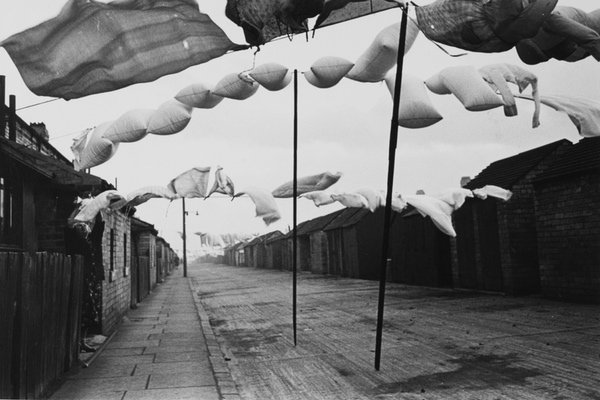
Sarah James ponders the Mass Observation project, now surveyed at Photographers’ Gallery in London.
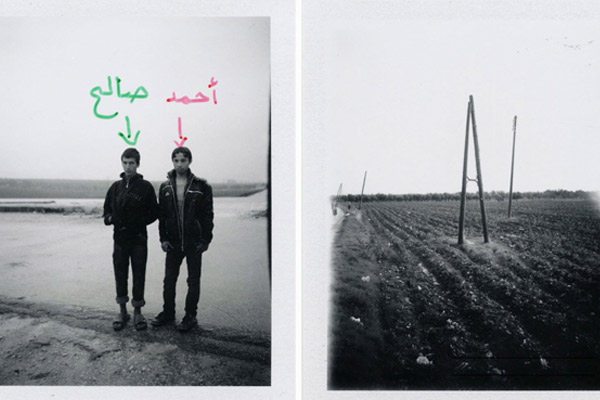
The Turkish photographer wins with a documentary series focused on the ongoing impact of Syria’s civil war.
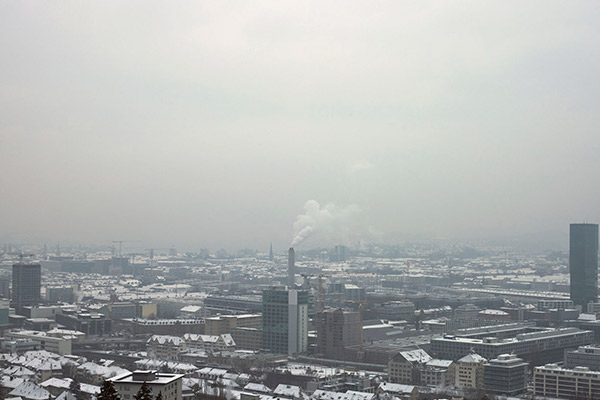
Willie Doherty’s latest body of work focuses on the sense of alienation to be found in Zurich’s peripheral spaces. Martin Jaeggi assesses the photographs and video.
Isabel Stevens reviews Everything Was Moving: Photography from the 60s and 70s at the Barbican Art Gallery, London.
An interview with David Galjaard, winner of the 2012 First PhotoBook Award for Concresco.
In the wake of Tuesday’s New York Post cover, a discussion on NPR considered the ethics of documenting tragedy.
Aperture speaks with Galjaard about photographing in Albania, the design process, and self-publishing his first book.
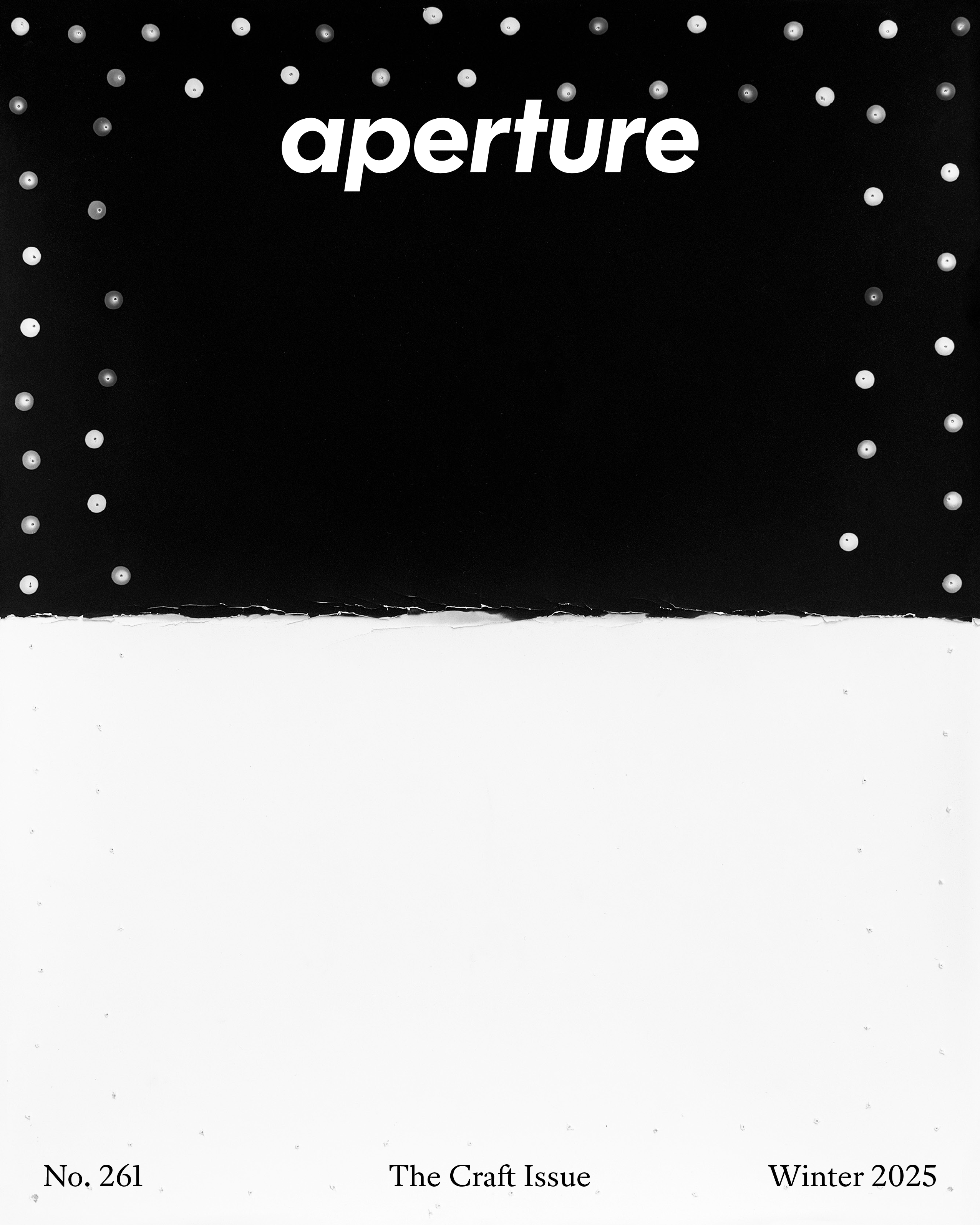
Aperture’s issue on craft features photographers who make pictures the slow way—building camera obscuras, creating photograms, and laboring in traditional darkrooms to make handmade, unrepeatable forms.