What can Robert Bergman teach us about the act of seeing?
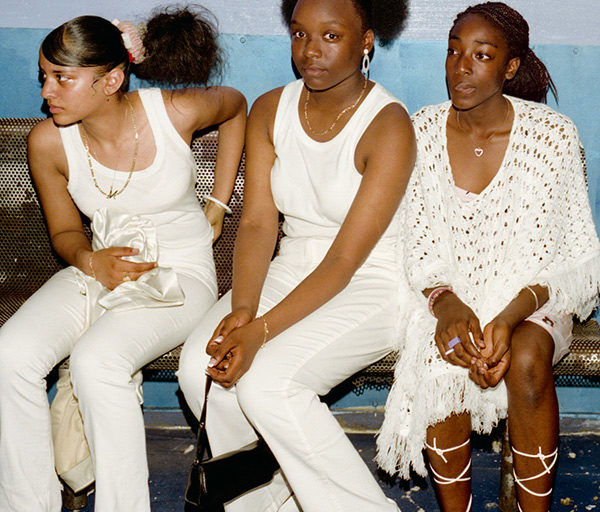
Liz Johnson Artur’s intimate workbooks honor communities across the African diaspora.
Theaster Gates revisits the legendary archives of the Johnson Publishing Company.
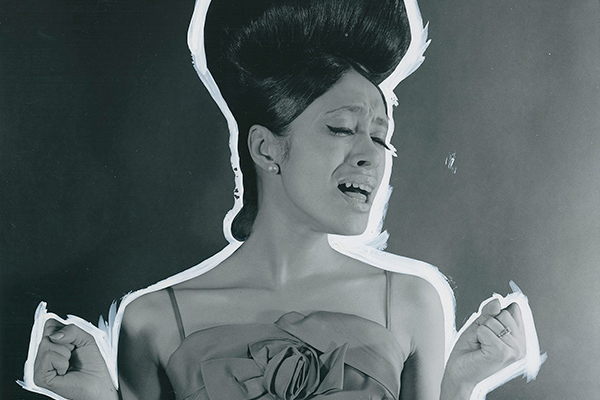
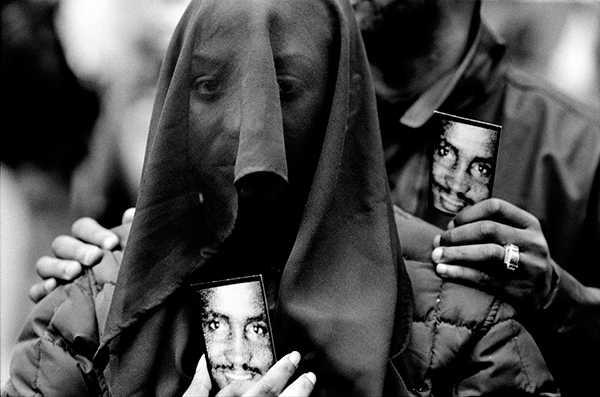
An artist considers the psychological ramifications of media images.
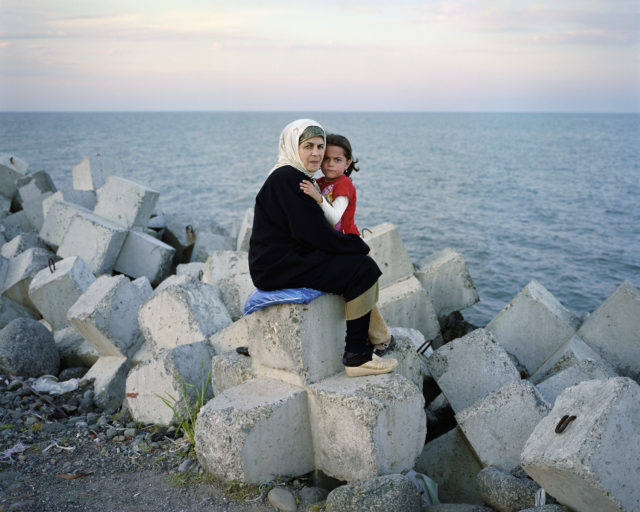
From Russia to Turkmenistan, Chloe Dewe Mathews photographed the rituals and resources of a much-coveted territory.
A new exhibition offers an inside look at the artist’s book-making practice.
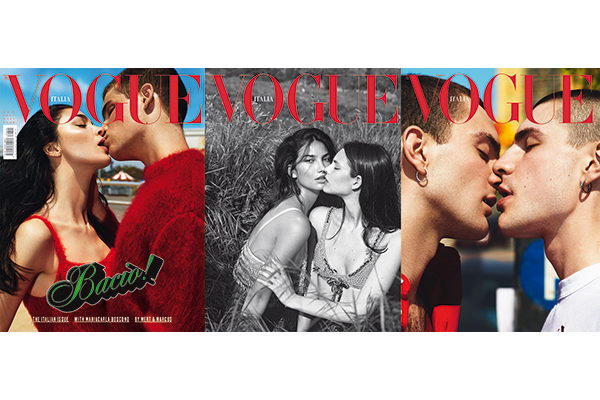
Are fashion photographers responsible for producing truthful images?
In September 1963, six children were killed in racially motivated violence in Alabama. Fifty years later, Dawoud Bey pays tribute to a community’s resilience.
Collecting images and posting them to Instagram, the artist creates space for an alternative history of youth culture.
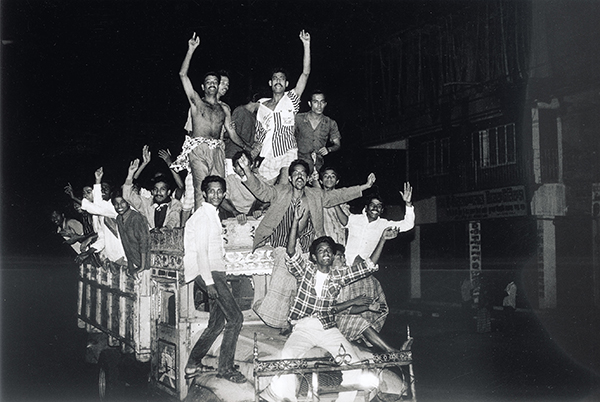
In Bangladesh, the brutal arrest of a prominent photographer incites an international outcry.
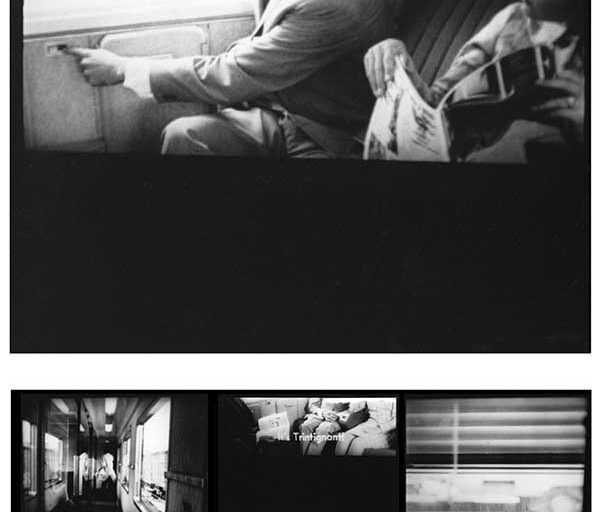
In two recent films, Kahlil Joseph and Arthur Jafa consider the poetics of African American life.
Sharing, surveillance, and data are changing the way we look and see.
How has an experimental platform for photographers created a new form of image making?
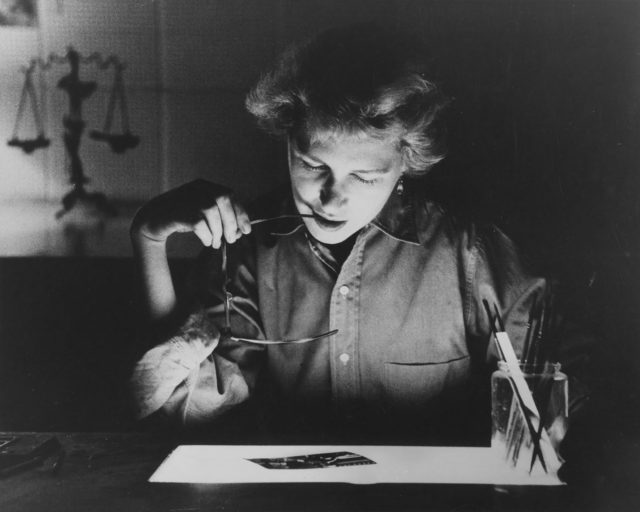
Helen Gee risked everything to open Limelight in 1954, selling prints by Ansel Adams, Berenice Abbott, and Robert Frank.
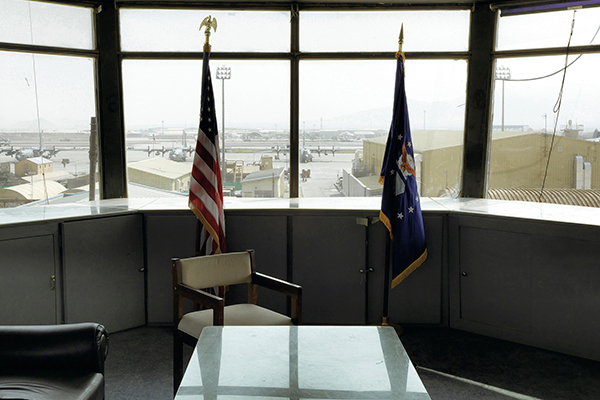
Photographer Edmund Clark and historian Crofton Black trace a network of black-site prisons.
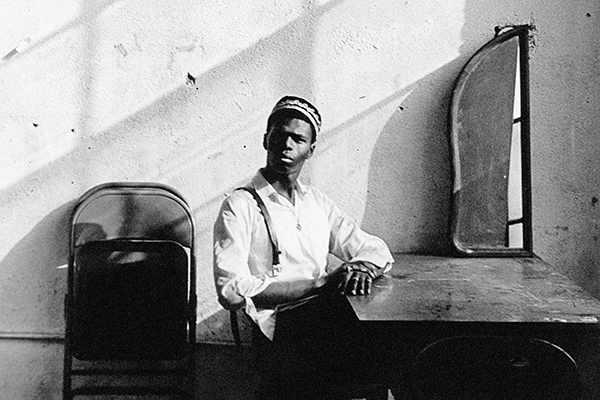
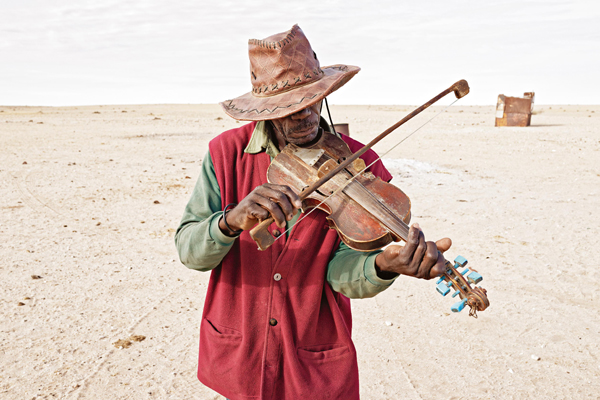
With uncompromising directness, Margaret Courtney-Clarke photographs the lives and landscapes of Namibia.
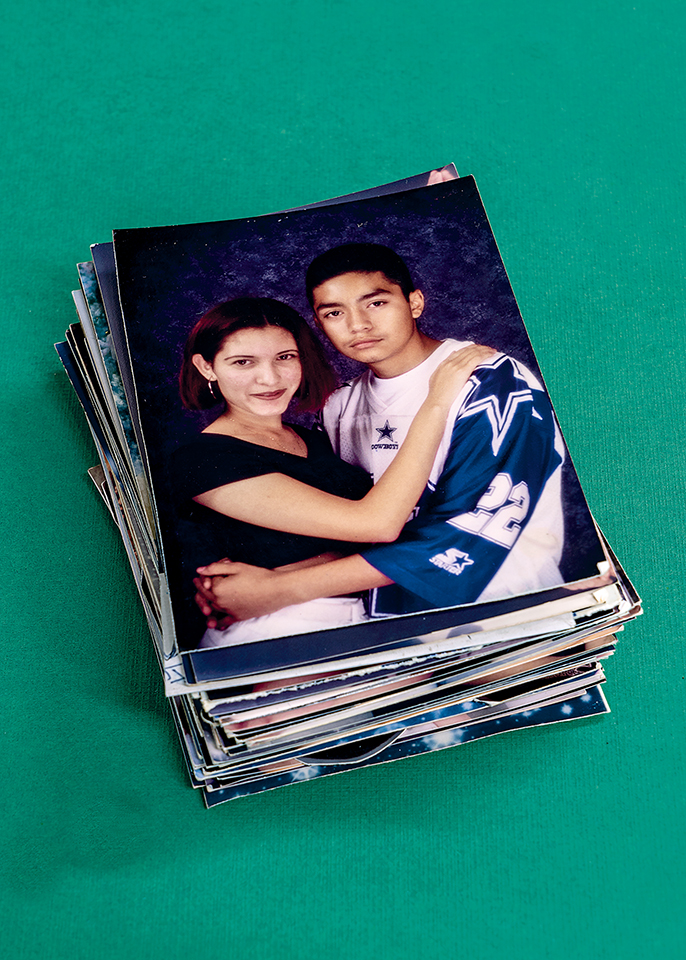
How do photographs tell the story of citizenship in the United States?
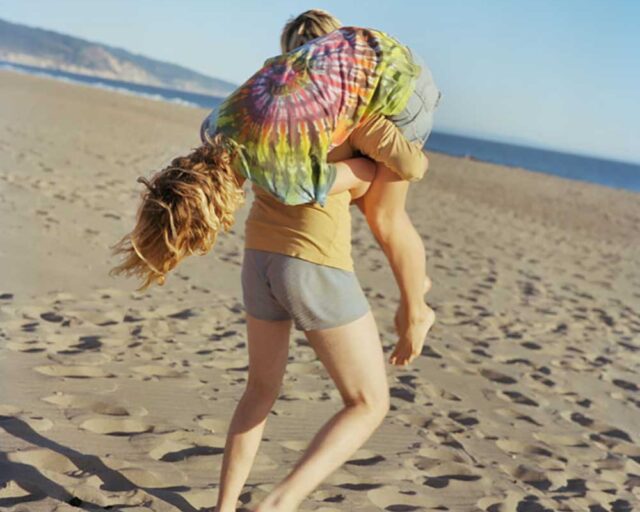
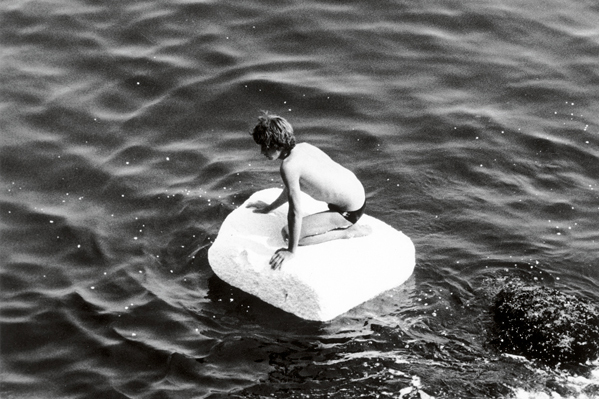
From the underground art star, a delicate picture of youth.
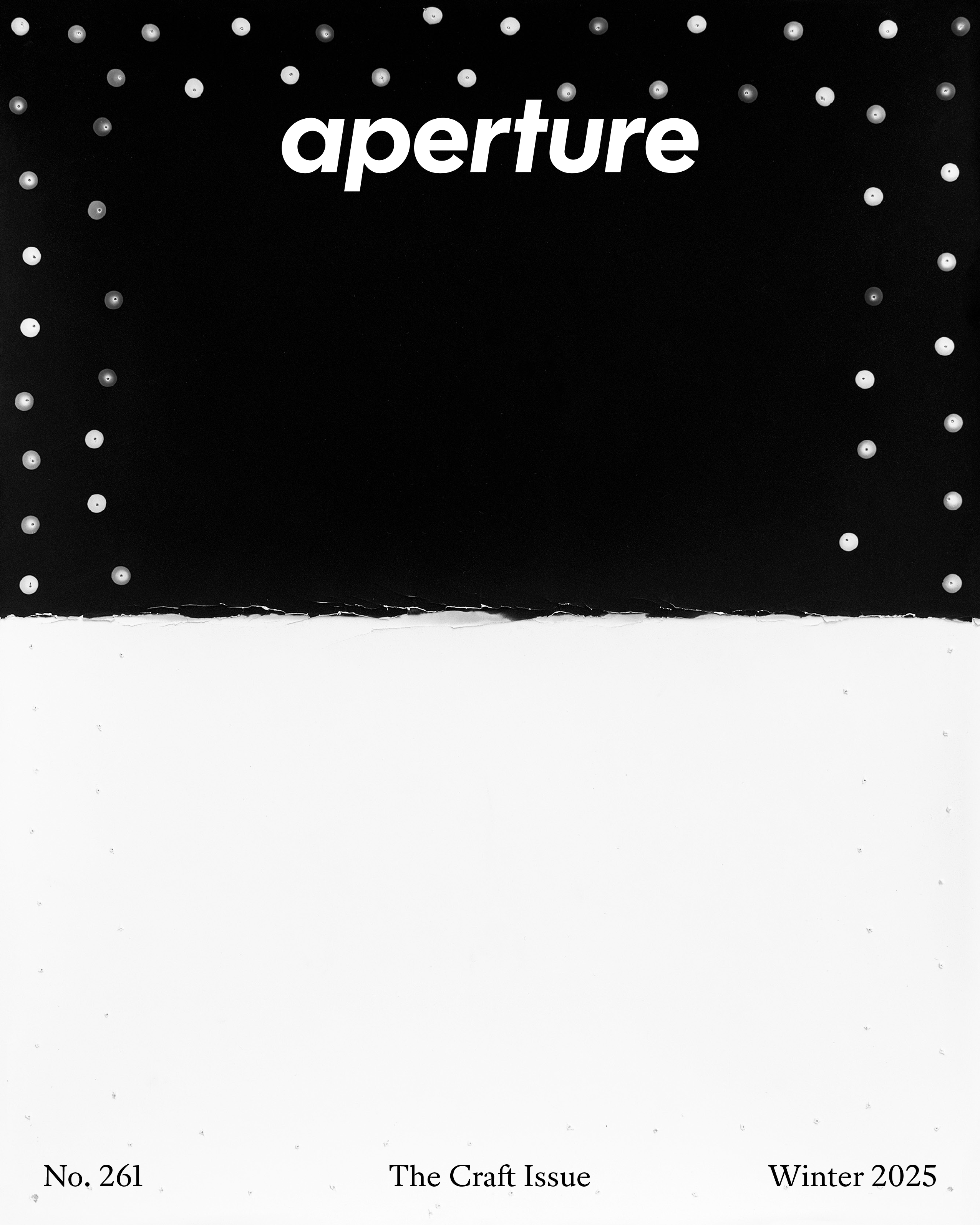
Aperture’s issue on craft features photographers who make pictures the slow way—building camera obscuras, creating photograms, and laboring in traditional darkrooms to make handmade, unrepeatable forms.