Interviews
Hiroshi Sugimoto Is Playing the Long Game
As guest editor of Aperture’s fall issue, Sugimoto traces his obsessions—from the nature of seeing to humanity’s quest for immortality.
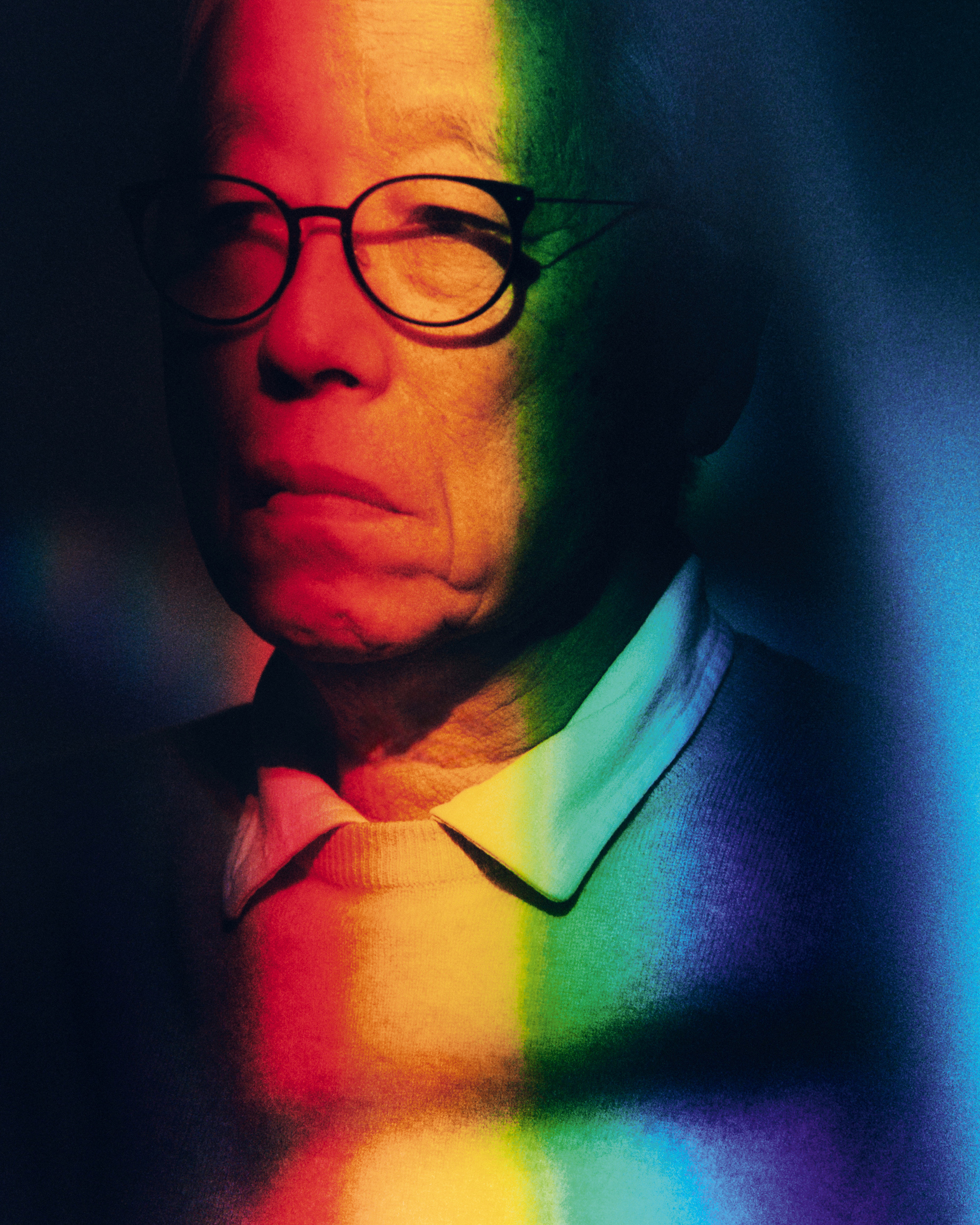
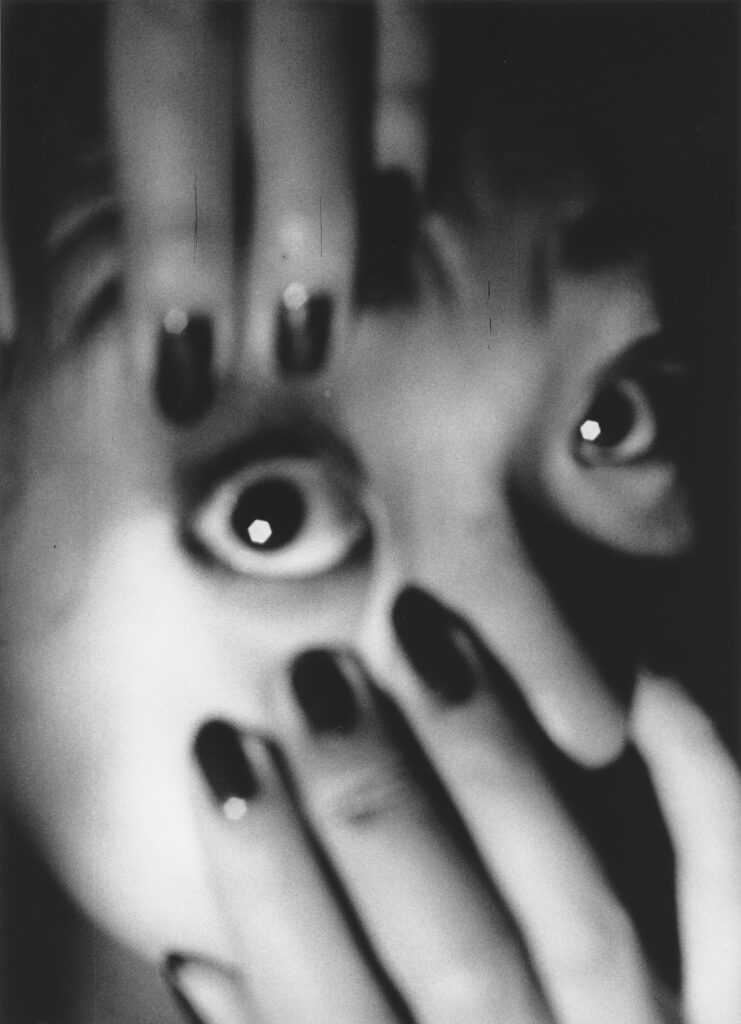
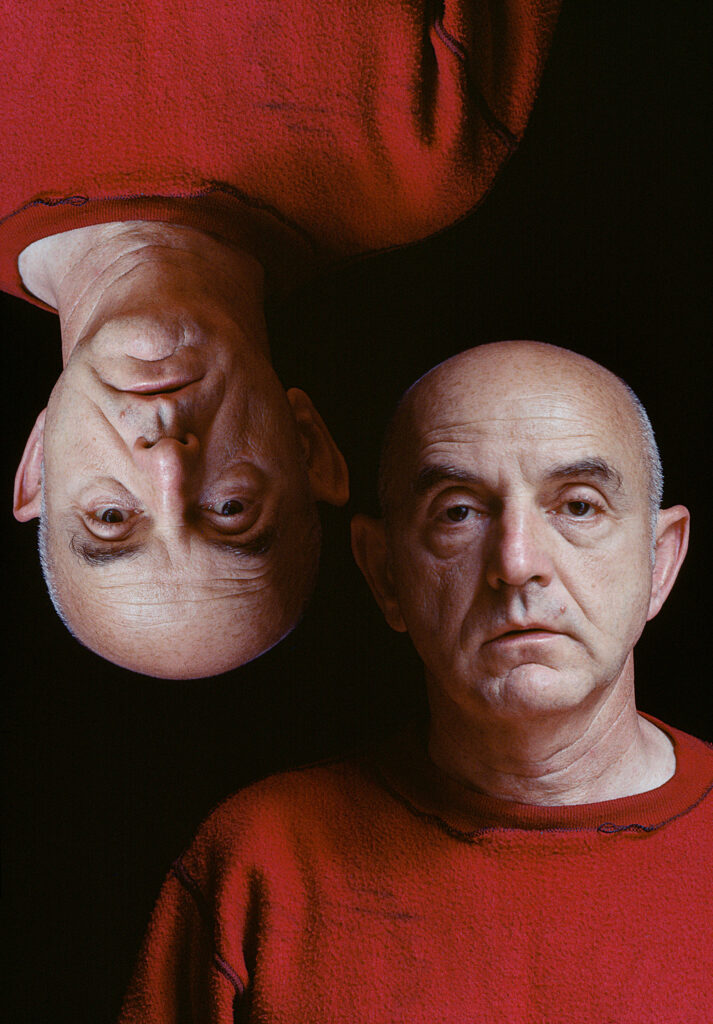
All photographs by Daniel Shea for Aperture

For someone who has made a career of contemplating sight, Hiroshi Sugimoto is skeptical of appearances. “All my life I have made a habit of never believing my eyes,” he once remarked.
Born in Tokyo in 1948, a son in a family of merchants, Sugimoto studied economics before deciding, in 1970, to go west—not to America, but to the Soviet Union, on a backpacking trip inspired by the utopian promises of the socialist experiment. After his travels in Eastern Europe, he moved to Los Angeles, the other end of the ideological spectrum, to study photography at Art Center. His interest in the medium had long been simmering, at least since seeing the revelatory, strange magic of a photogram in an elementary school science class. After college, Sugimoto moved to New York and sold Japanese antiques in SoHo, a business that connected him to the leading Conceptual artists of the 1970s at a time when he grappled with photography’s second-tier status within the art world. The experience deepened his fascination with old objects as markers of time, surfaces of memory and projection, and sources of aesthetic intrigue.
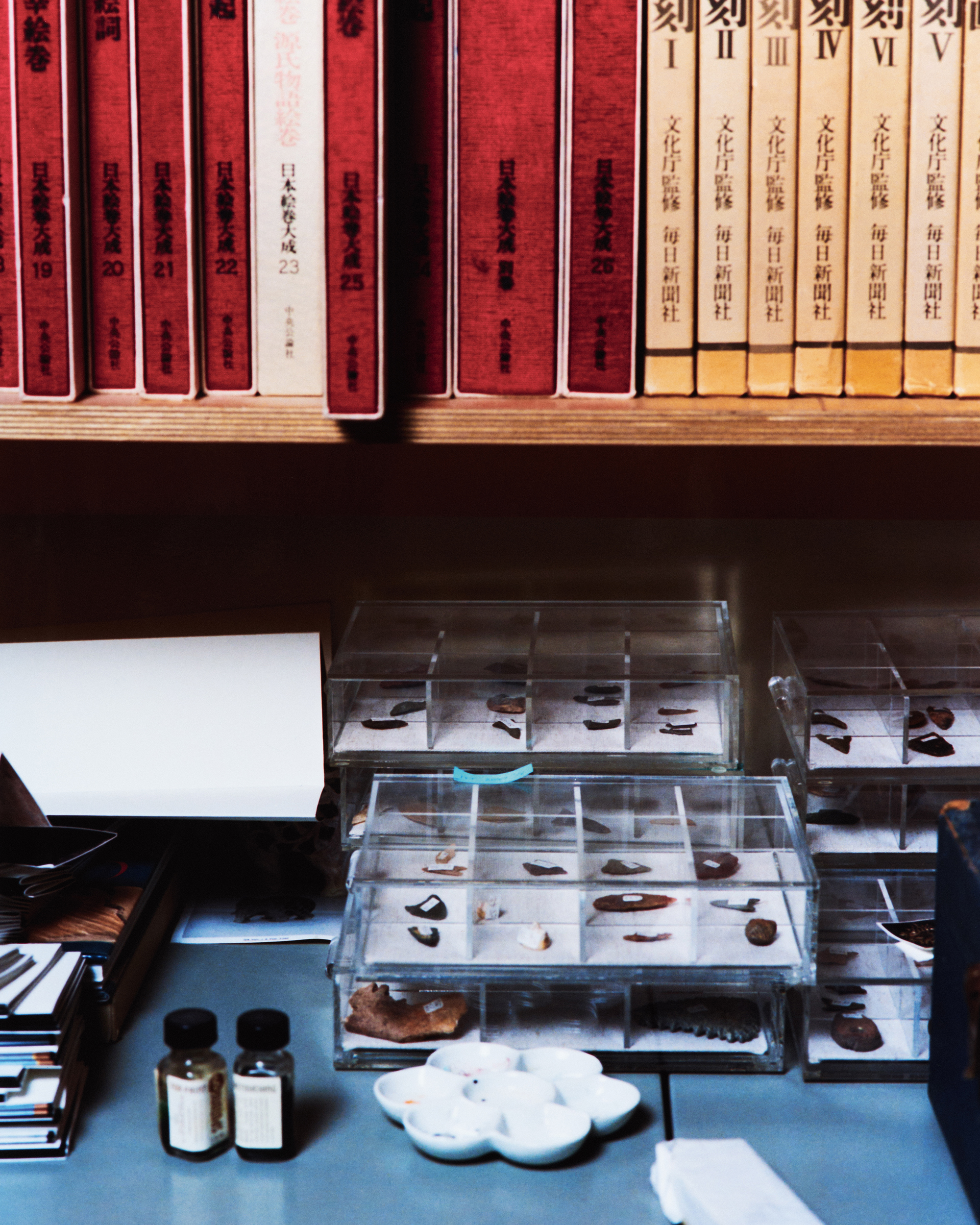
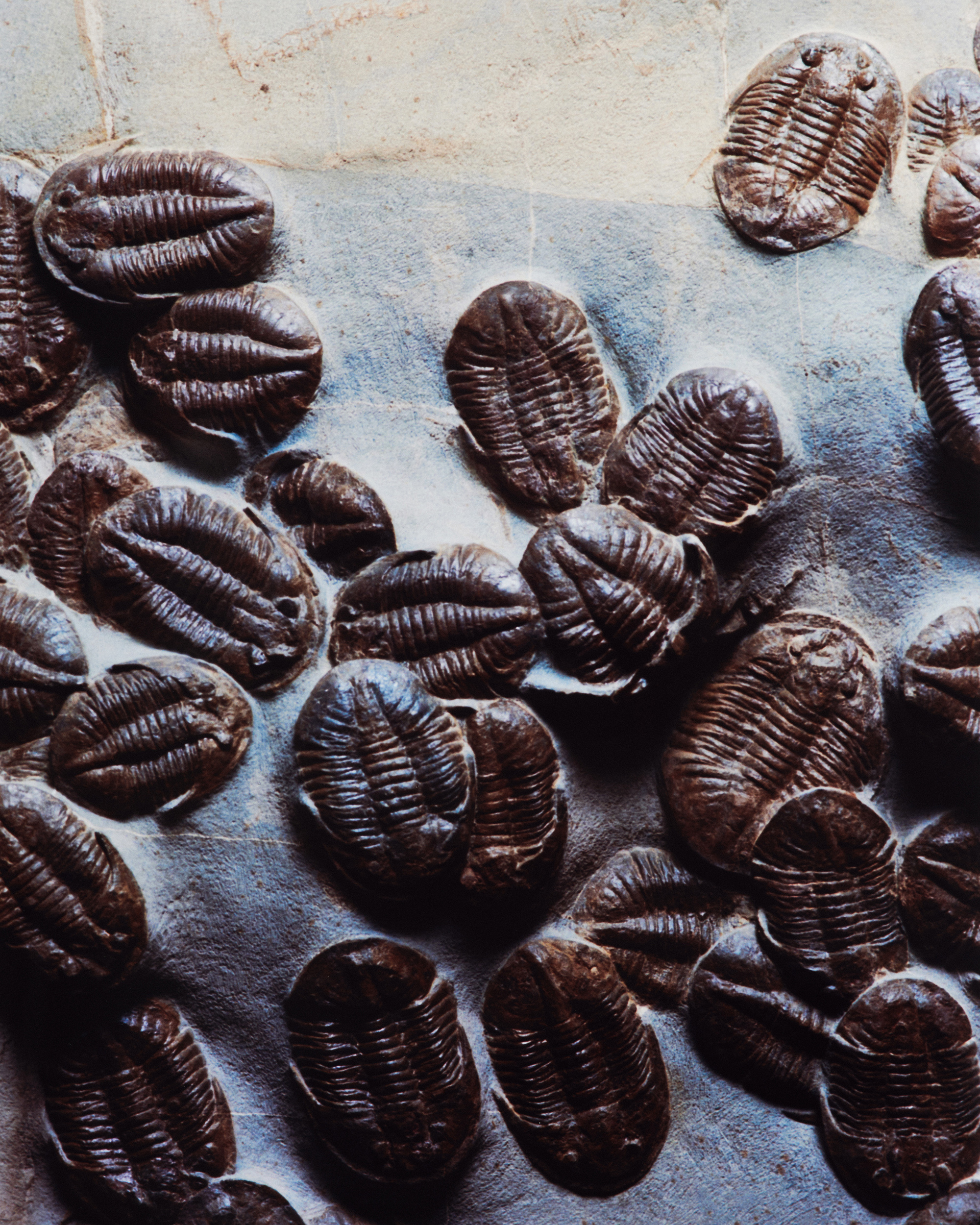
When we invited Sugimoto to guest edit an issue of the magazine, he responded that he’d like to focus on the impossible task of stopping time. Beneath his quiet poise, there’s a touch of the mad scientist about Sugimoto, aspiring chrononaut. His New York studio doubles as an impeccably organized cabinet of curiosities. Near a window, a large glass prism splits light into its constituent parts. A Tesla coil (when switched on) emits an antiquated crackling buzz. Dragonfly fossils dating from the Triassic period rest on a table. He is perhaps the only photographer who keeps a 400,000-volt Van de Graaff generator in his darkroom. When he’s not conducting high-voltage experiments, he enjoys the traditional tearoom he had meticulously constructed upstairs.
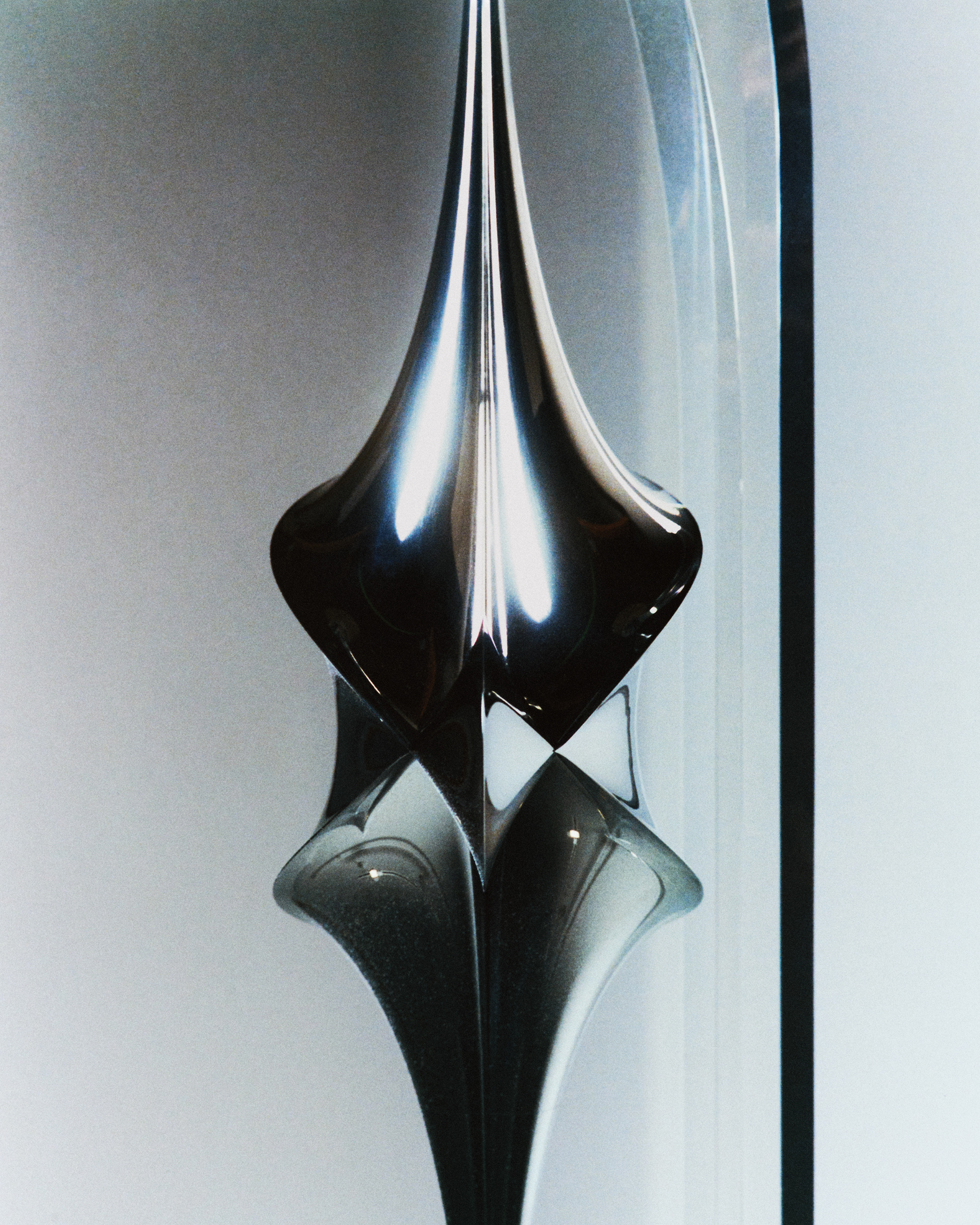
The large philosophical ideas that animate Sugimoto’s work are entwined with his daily life. As an artist, he has embraced typological rigor, returning to subjects over many decades—dioramas, seascapes, studies of light, waxworks, the Surrealists—to ponder the uncanny nature of representation, the indeterminacy of space-time, and the pathos and folly of humanity’s quest for immortality despite our species being a mere blip when registered in cosmic scale. His Enoura Observatory, overlooking Japan’s Sagami Bay, may be the culmination of his life’s work, showcasing his aesthetic and philosophical obsessions while allowing visitors serene environs to contemplate their own relationships to a vast sea, sky, and unknowable universe.
This all might make Sugimoto sound intensely serious, but he also projects an air of playful humor and bonhomie. The scope of his personality can be gleaned in the portraits made by Daniel Shea this past spring at his studio, where Sugimoto, ever the Renaissance man, privately played his harmonica behind a closed door during his lunch break, the muffled notes carrying throughout the space.
Michael Famighetti: In 1979, you opened Mingei Gallery in SoHo, where you sold Japanese folk art and crafts. How did that project begin?
Hiroshi Sugimoto: Well, all my life is just coincidence. It’s never been well planned. It just happens. So, I came to New York in 1974, and then decided to join this contemporary art club, using photography as my medium. My wife and I had a baby, and she wanted to have a steady income so she wouldn’t have to rely on my income, which was almost zero at the time. She was very well-trained as a coordinator in Tokyo for Shiseido, and she started the antique gallery. But because the baby was just one year old, I helped her with the gallery, and then I just got involved in the business. I liked it.
Famighetti: What were the options for a photographer in New York at that time?
Sugimoto: I looked around commercial photography and fashion photography as a kind of proving ground. I worked as an assistant for a fashion photographer and also a commercial photographer, shooting products at the department store. One hundred shots a day with a 4-by-5. I decided I had to promote myself as not just a photographer, and I found another option when I came to New York. Contemporary art was more respected than just being a photographer. Photography was considered a second-class citizen of art. So, I thought, this is a good idea, to raise the status of photography to a serious art.
Aperture Magazine Subscription
Famighetti: Mingei Gallery helped connect you to many of the leading artists of the era, including some of the major minimalists, Donald Judd, Dan Flavin, as well as Isamu Noguchi, Louise Nevelson, among others.
Sugimoto: Mingei Gallery became a circle of artists. So I had fun. But at that time in the 1970s, New York was dangerous. SoHo was illegal loft living. Drugs everywhere. But I made many friends among the artists of that time, and they knew that I was also a photographer. My first show was in 1981 at the Sonnabend Gallery. My Mingei Gallery started from 1979, so it was almost at the same time that I started my career as an antique dealer and as an artist.
Famighetti: Did this also drive your longstanding interest in collecting historical objects, which includes examples of photography’s earliest experiments? We’re sitting in your studio among many intriguing things, including your collection of fossils of dinosaur eggs and trilobites, which might be considered a form of proto-photography.
Sugimoto: The nice thing about my collection is I didn’t have a proper art history education. So I just trusted my eye. If I go out to a flea market and find something interesting, without knowing its age, the presence of the object itself is most important. There must be something behind it, because it has a very powerful presence. I usually purchase something, and then buy hundreds of books to study it.
Famighetti: In many respects, duration is at the heart of your practice, both in terms of the long exposures in the theater pictures, for example, where you photograph an entire film in one frame, but also how, over many decades, you have returned to the same subjects again and again.
Sugimoto: I have worked in series. Basically, there were three series that made my life fully booked. I started the Diorama series at the American Museum of Natural History in 1975. This is the fifty-first year of that series. Technically, I’m still doing exactly the same thing. Same developer. So no progress at all . . .
Famighetti: But the Diorama work has recently taken a new direction: color photographs of dioramas mounted onto traditional screens. But, aside from this change, the work has been remarkably consistent, without an obvious time signature, sort of out of time.
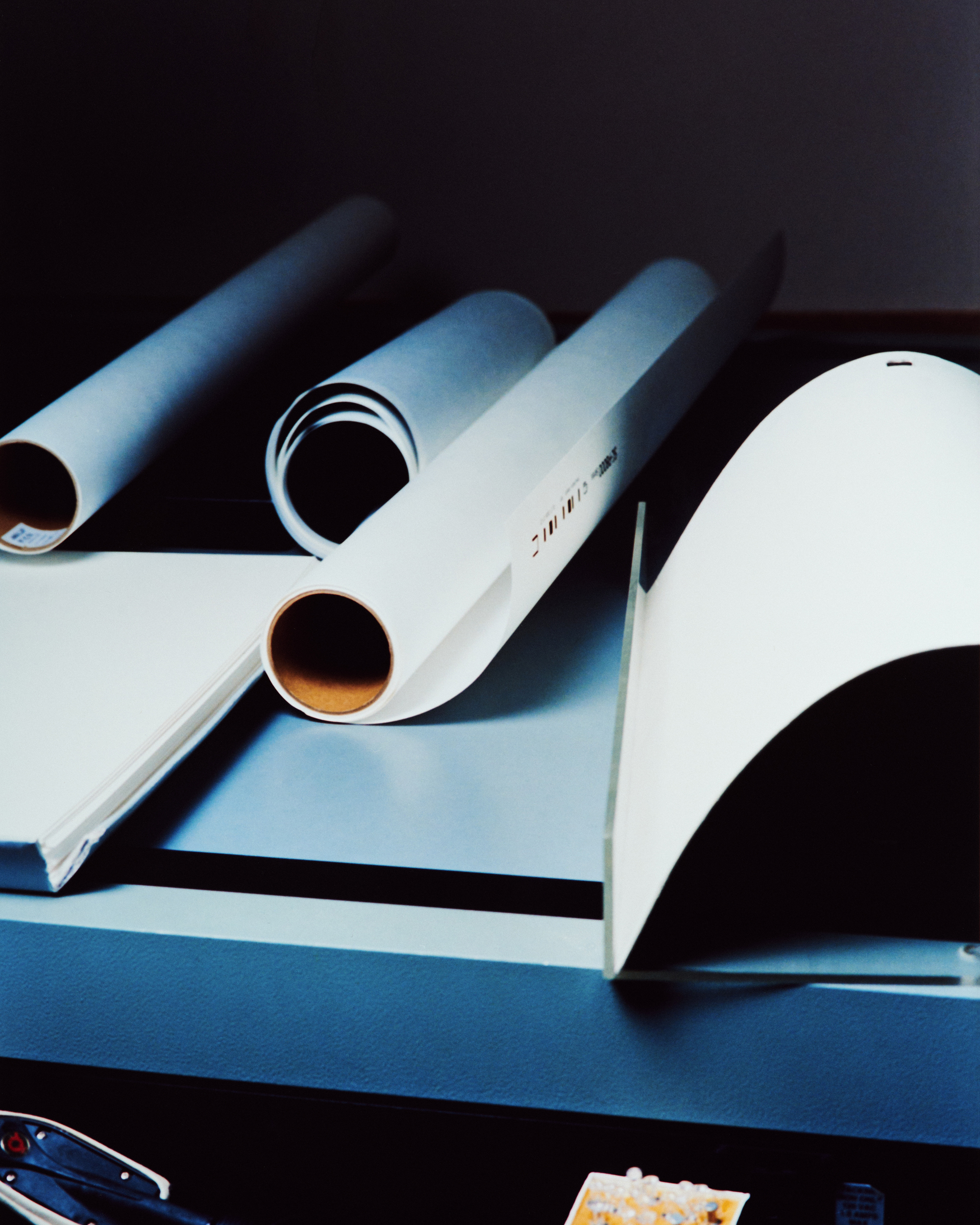
Sugimoto: I’m usually trying to match the original 1975 quality. That’s the most difficult part. The black-and-white photo paper has changed. It used to be very good, but now they use less silver in it to cut costs. I don’t want people to think, Wow, your quality is lower than fifty years ago. So that’s very challenging!
Famighetti: There is a sense of accumulation, or at least repetition, in your work as you photograph the same subjects over long expanses of time. I know that you’re interested in the photographs of Bernd and Hilla Becher and other artists working in typology.
Sugimoto: The Bechers were a few years before me. Early on, they were the only photographers being shown as contemporary artists. And then I just happened to join the same gallery, Sonnabend.
Famighetti: Photography is all about reproducibility, but what, specifically, interests you about typologies as a form?
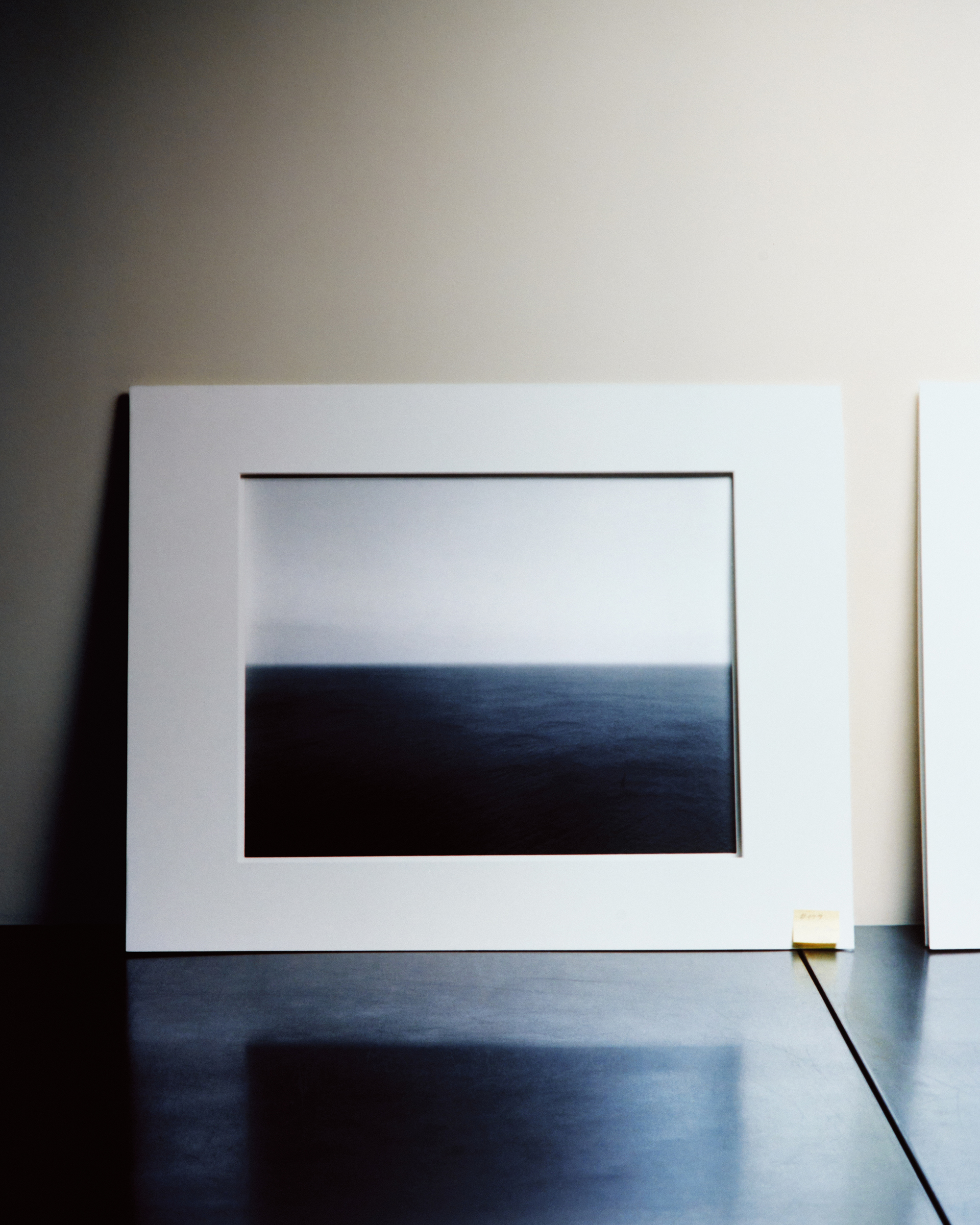
Sugimoto: Well, repeating subjects, such as Seascapes (1980–ongoing) especially—just one seascape doesn’t have any conceptual meaning. Water and air are the two fundamental elements of the world. That’s the subject, not the seascapes.
Famighetti: Just the elements. You photograph the sea at Enoura Observatory, in Japan, every year on January 1?
Sugimoto: New Year’s Day is the only day I can photograph in Japan without any sea traffic. Even the fishermen take that day off. I traveled around the world to compare the quality of the water and air. Now, I have stopped traveling around. I’m aging. And also the quality of the sea is changing.
We are losing nature. In the 1980s and 1990s, I traveled to the most remote places, far from civilization and human habitation. And then finally, I found the seas I was searching for. Wow. Kind of the primordial sea that humans used to see. But near civilization, there’s always heavy traffic on the sea, cargo ships and fishermen. I went to Scotland, to the North Sea, but I was too late. All you see are oil towers.
If one big digital bomb is dropped, then we lose electricity, and we have to go back to the old darkroom techniques.
Famighetti: Your introduction to photography came through your elementary school science teacher, who taught you how to make photograms. You have an abiding interest in Man Ray, who famously made photograms, many of which formed the center of an exhibition at the Met last year. You have also revisited the mathematical models he photographed in the 1930s. What drew you toward the Surrealists?
Sugimoto: I encountered these mathematical models in 2002, and I instantly recognized that these were the same ones photographed by Man Ray. So I thought, Well, maybe I can do it better?
Famighetti:Better than Man Ray? You’re also building your own sleek versions of mathematical models now as well, creating otherworldly sculptural forms.
Sugimoto: [Laughs] And I can even make it more accurately. Man Ray’s photographs are of plaster models made in Germany in the late nineteenth century. The French Institut Henri Poincaré purchased the set, and then Man Ray and probably Marcel Duchamp saw it together, and then they were so interested. I carry the same kind of interest. Marcel Duchamp is my mentor.
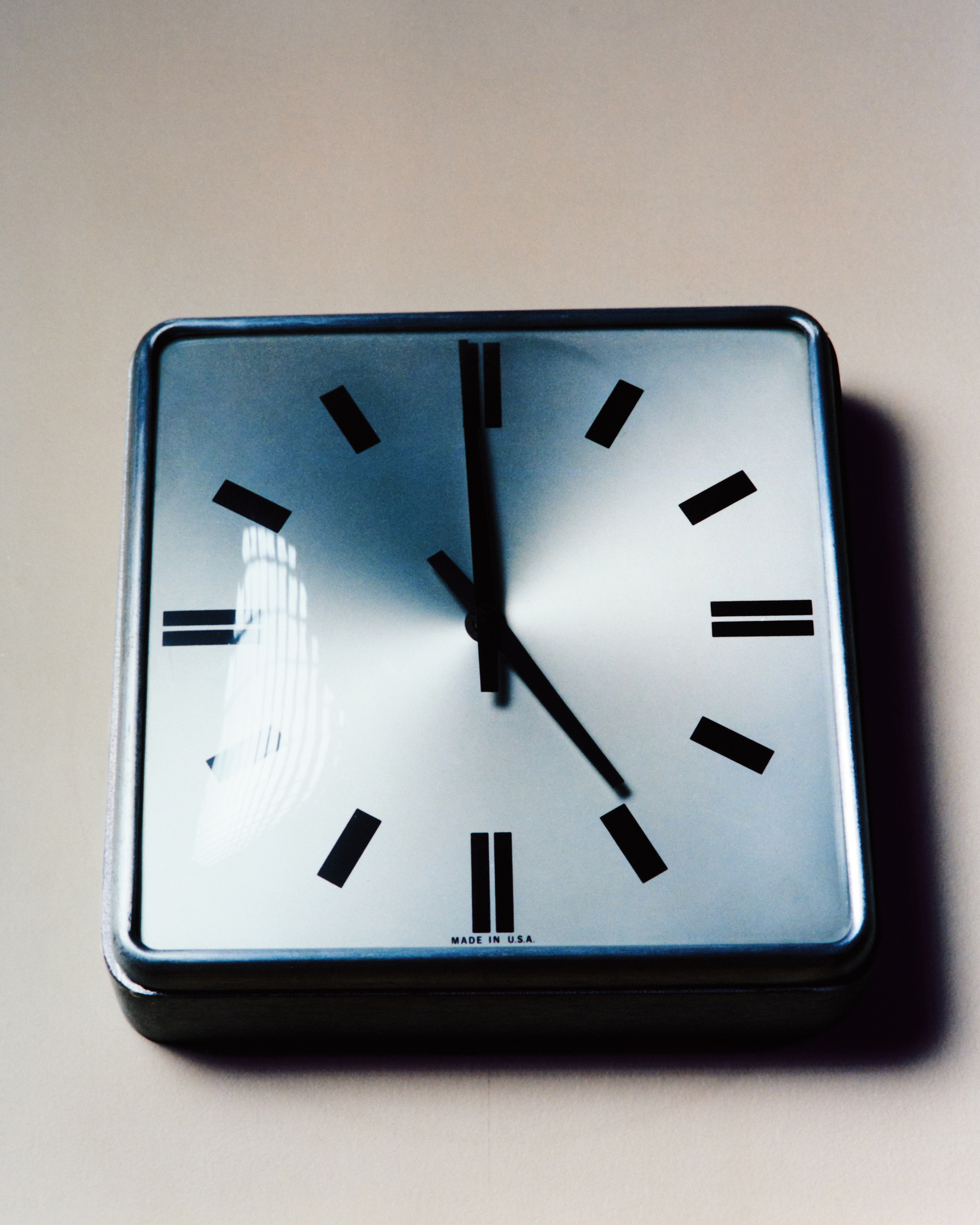
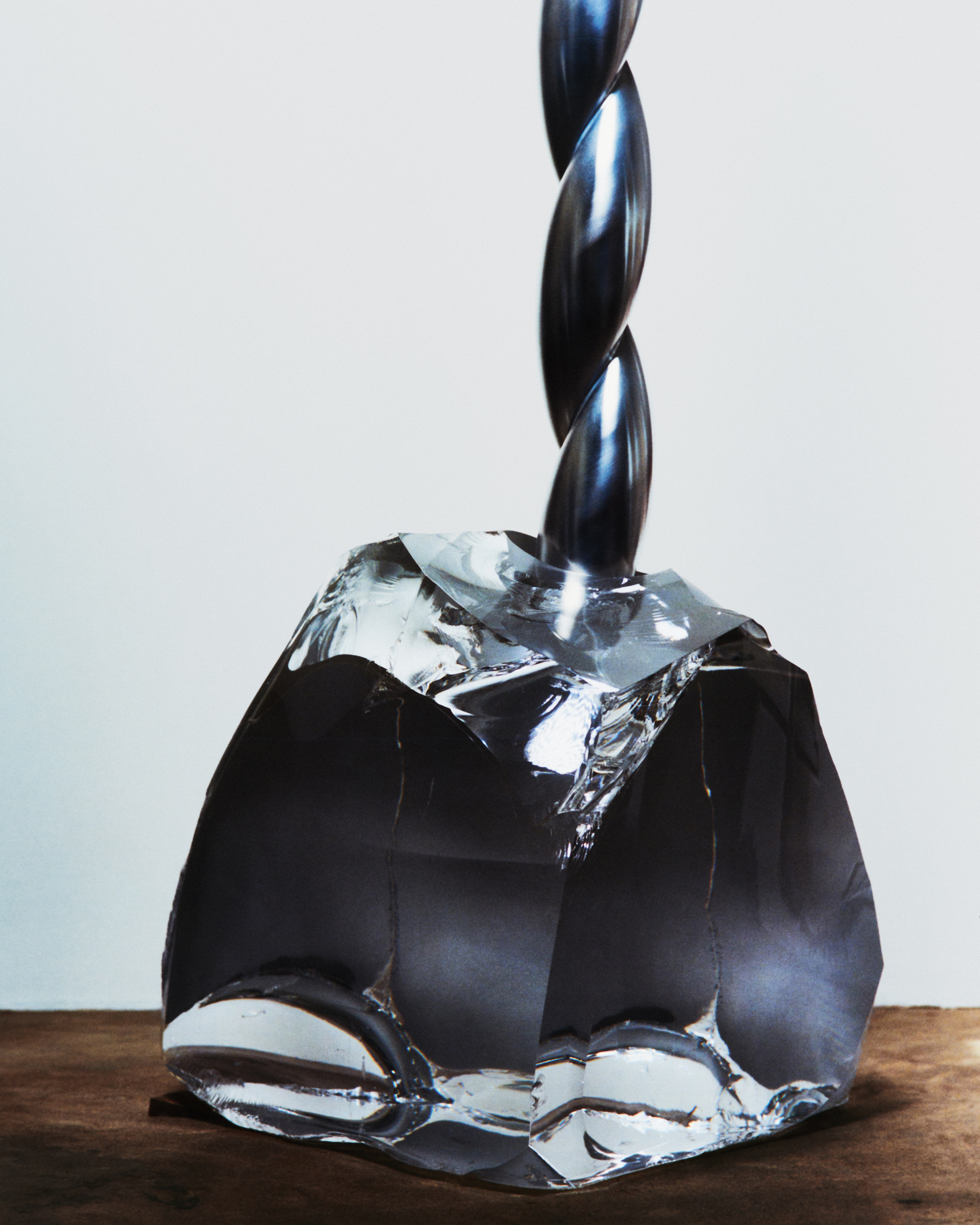
Famighetti: Duchamp was famously interested in chance as an artistic mode or strategy. When I think of your work, there’s always such rigor, a sense of control, but then you’re also are interested in experimentation—there is the element of scientific exploration, or tinkering, at play. How does that balance between the chance of photography and control play out in your photographs, especially with the Lighting Fields (2007–25) images that are made by deploying live current in the darkroom?
Sugimoto: Photography is a chance operation, and creating Lightning Fields is a very dangerous operation. We risk our lives. What’s the voltage? Four hundred thousand?
Famighetti: Shades of Mary Shelley. I was reading that you went up from one machine to another. Is that true? You started with one that was gentler but you needed a bigger jolt?
Sugimoto: Right. But it’s all motivated by my visit to William Henry Fox Talbot’s home at Lacock Abbey, where I discovered many electric devices studied by Michael Faraday and Talbot. But then, Talbot stopped his research because the invention of photography took up all his time . . . life, actually. He wanted to continue the study of electricity but this photography issue distracted him. Many people began copying him, and he had to spend a great deal of time asserting his patent rights.
Famighetti: I’m interested in your fascination with Newtonian theory and the first edition of Sir Isaac Newton’s Opticks. The Opticks series (2018–ongoing) is your first work in color?
Sugimoto: Yes, I wanted to re-create his experiments on the nature of color. That happened to be the last year Polaroid film was produced, and a curator organized a farewell exhibition, Bye-bye Polaroid, at the Yokohama Museum of Art. They approached me, “Well, why don’t you try it? We’ll give you the last batch of film and an SX-70 camera.” So the museum show was planned, and I was invited. I already had this prism set up in my Tokyo studio. The room was designed as a chamber to observe the quality of light and shadow, with Japanese stucco walls. I projected the colors from the prism onto the walls so that I could photograph the spectrum of colors within white light.
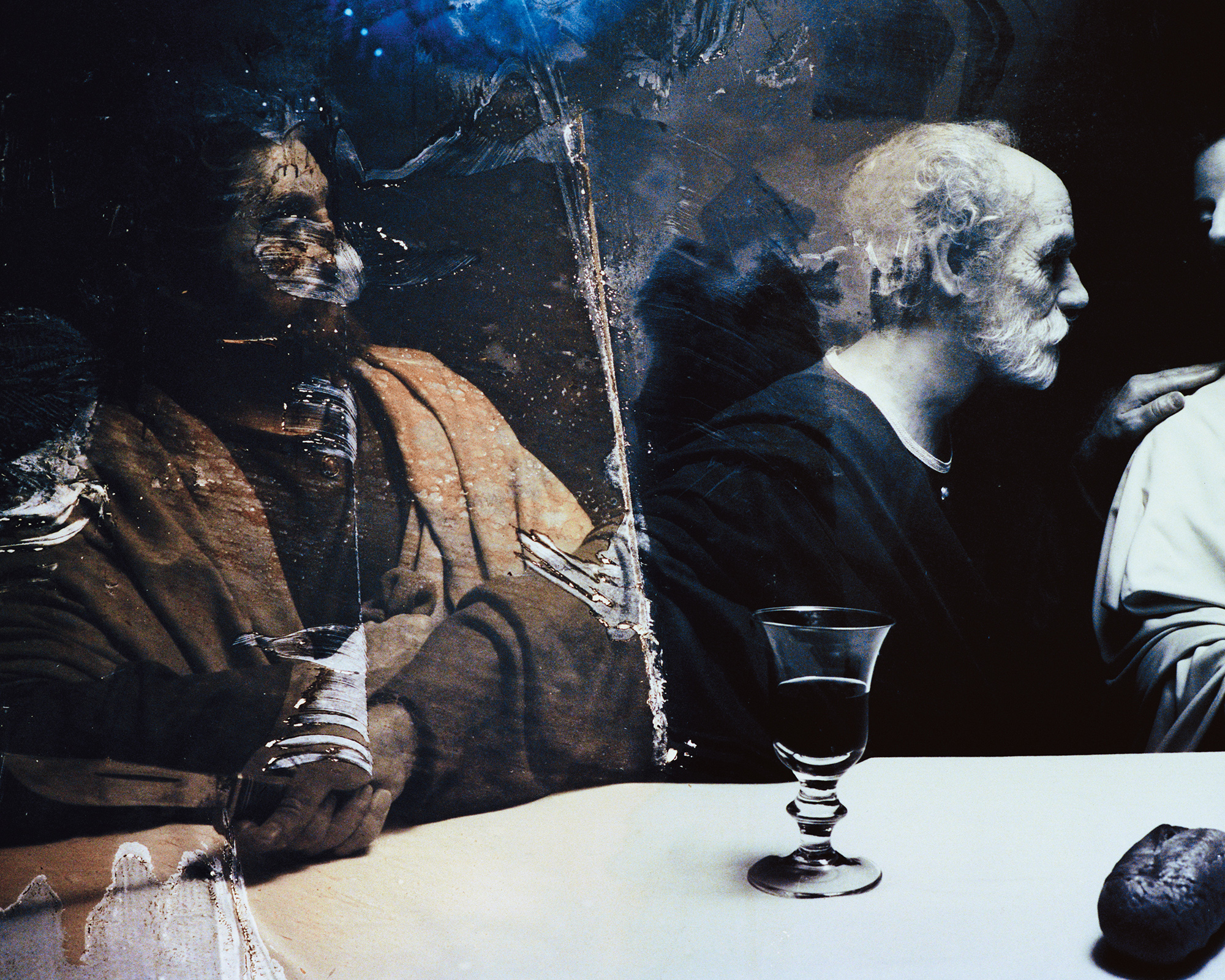
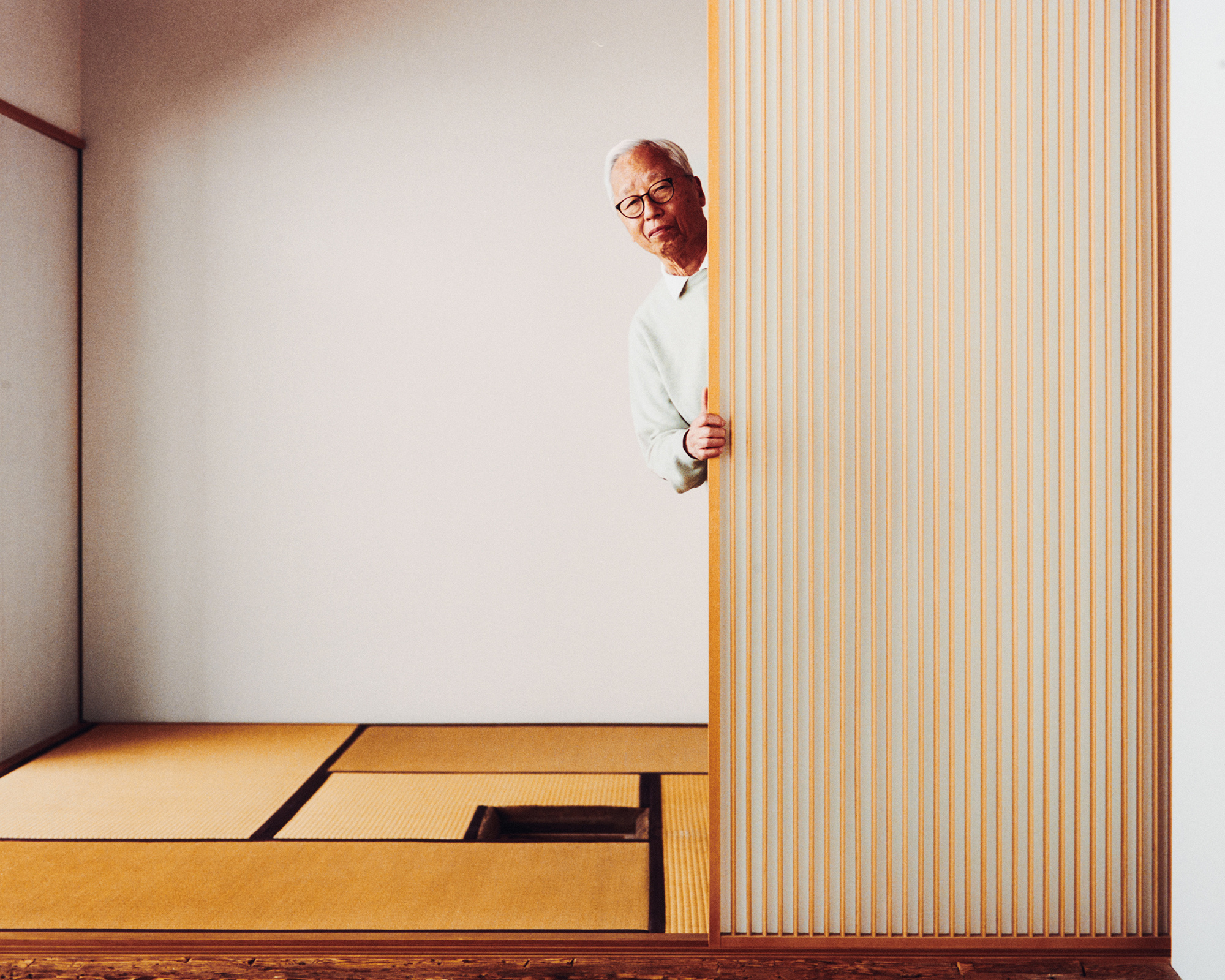
All photographs by Daniel Shea for Aperture
Famighetti: You split your time between New York and Tokyo. How has living between two cultures for so long shaped your practice?
Sugimoto: The jet lag confuses my sense of time. But I can use that. I have my best ideas when I am jet-lagged.
Famighetti: Creating a context for viewing your photographs is a central part of your work as an artist—how does architecture and space figure in your overall practice?
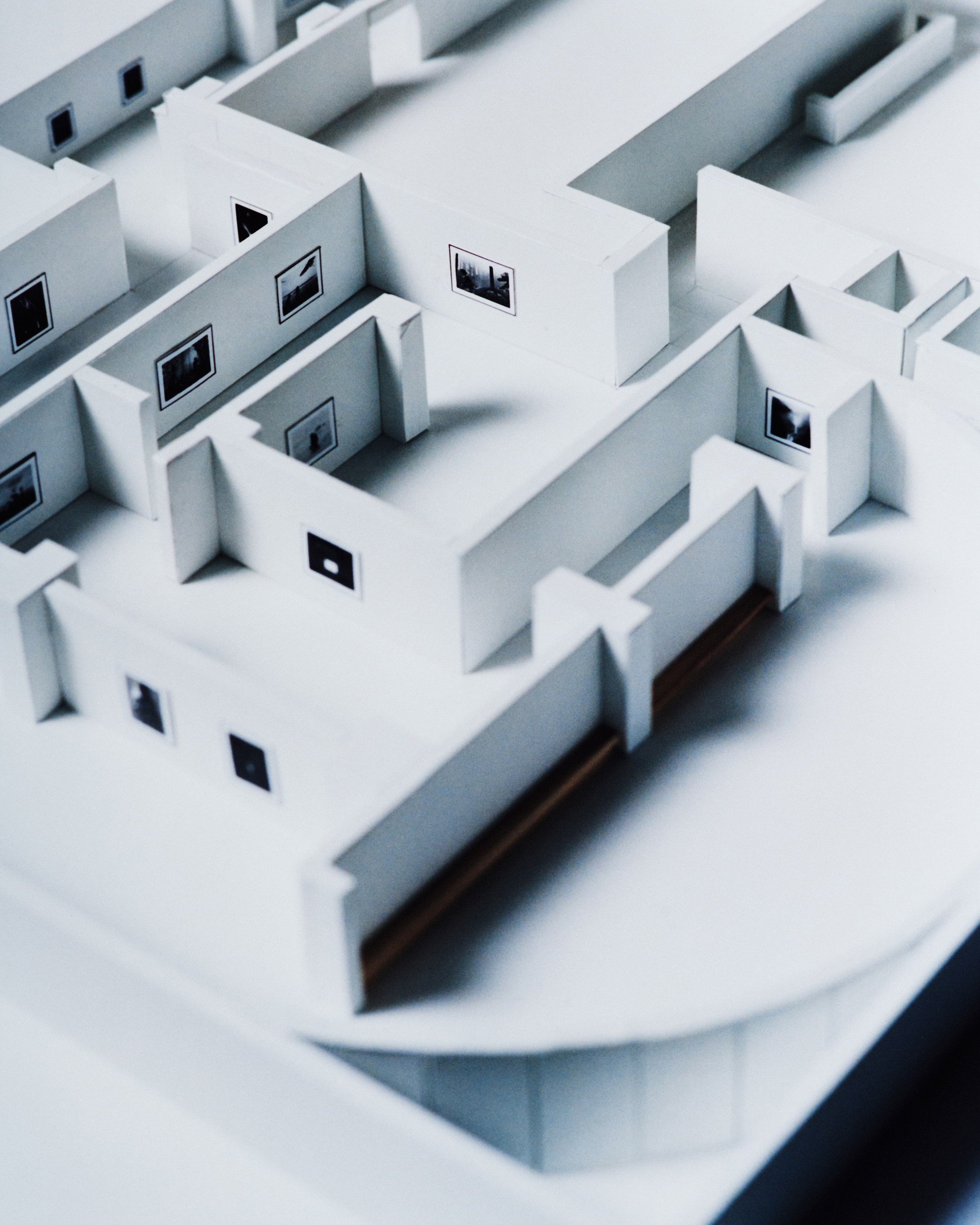
Sugimoto: I started by designing the exhibition spaces for every show. It is kind of an obsession. People started asking me to design the spaces because they saw I have a very good sense of space. That’s how it started. And then the projects were getting bigger and bigger, and I had to establish my architectural studio, New Material Research Laboratory. But I don’t have an architect’s license, so I work with a licensed architect.
Famighetti: What is essential to consider when planning an environment to view photographs?
Sugimoto: It’s not just the walls, I have to consider the entire space. For example, the Cartier Foundation, in Paris, is a huge glass box. So I made free-standing monolithic walls. So it’s a sculptural space with my photography.
Famighetti: Do you have a dream space, or building, that you would want to be exhibited in? Or I should ask: Was there a museum that you felt very excited about having your work shown in because of the space itself ?
Sugimoto: For an exhibition at the Royal Ontario Museum, I built a free-standing, crescent-shaped wall in the exhibition hall because there were no vertical walls. It was the opening of the new building designed by Daniel Libeskind, but my wall was delivered on the day of the exhibition opening. It wasn’t completely finished! But the crescent-shaped wall was beautiful, with a super-sharp edge that requires special care.
Famighetti: Enoura Observatory, outside of Tokyo, seems to be the apotheosis of your career, an expression of so many of your interests. There is a space for theater, an optical glass stage, a tea house, gardens. It’s your total work of art. Was it a longstanding dream to create this?
Sugimoto: Enoura Observatory brings together the different artistic fields I’ve been practicing into one place. It was very difficult to begin with, to purchase the land, and then the construction cost a lot of money. But I didn’t want to ask the rich people to support me or borrow money from a bank. I decided to use all the money I make from my art to support the creation of a new type of art, which is my foundation.
Famighetti: Across the grounds of Enoura, there is a sense of considering time on a grand scale—from objects representing longstanding traditions to sites meant to contemplate the cosmos or the sea and nature. It’s very much a living work, changing throughout the year. Do you have a favorite season there?
Sugimoto: My favorite season? In Japan we only have two seasons now, winter and summer. Maybe soon there will only be summer. But my favorite time to be at Enoura is for the winter and summer solstices.
Famighetti: You have described yourself as an “habitual self-interlocutor.” What conversation is playing out in your head these days?
Sugimoto: These days? Well, the exhibition in Tokyo, at the National Museum of Modern Art, is titled Extinction. The extinction of black-and-white silver-gelatin prints, but at the same time, the possibility that our civilization might be facing extinction. Everything can be done by AI, and probably the artist is the last vestige of the first people. Art is so fragile, and everything is digital. If one big digital bomb is dropped, then we lose electricity, and we have to go back to the old darkroom techniques.
Famighetti: Would you be happy to go back to the “old darkroom”? In many ways you already have through your interest in photography’s origins. Why do the origins of the medium continue to fascinate you?
Sugimoto: In the very beginning, the process was not fully formed. There is a beauty in the imperfection of the technique. Now, we are in the post-photography era. Perhaps I will be memorialized as the last photographer.
This interview originally appeared in Aperture No. 264, “Stop Time.”