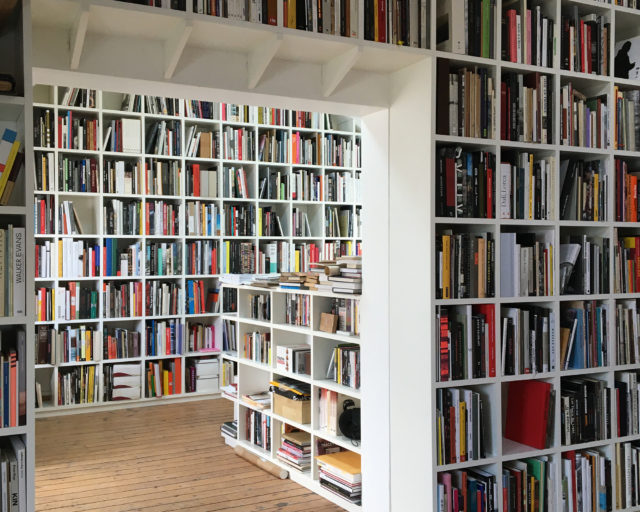
Photography has a new home in New York. Come visit us at 380 Columbus Avenue!
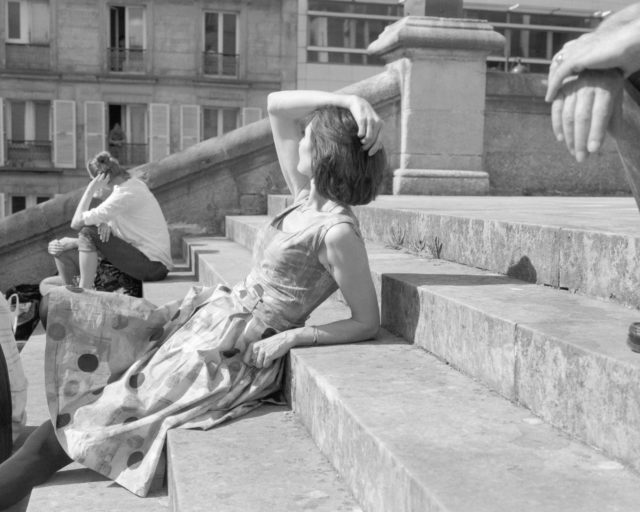
For the past ten years, the photographer has wandered the streets of Belleville, creating quiet images that reflect on a city that both changes and doesn’t.
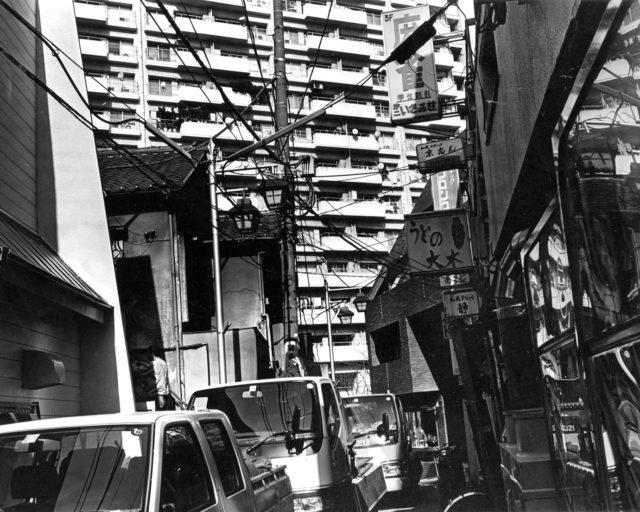
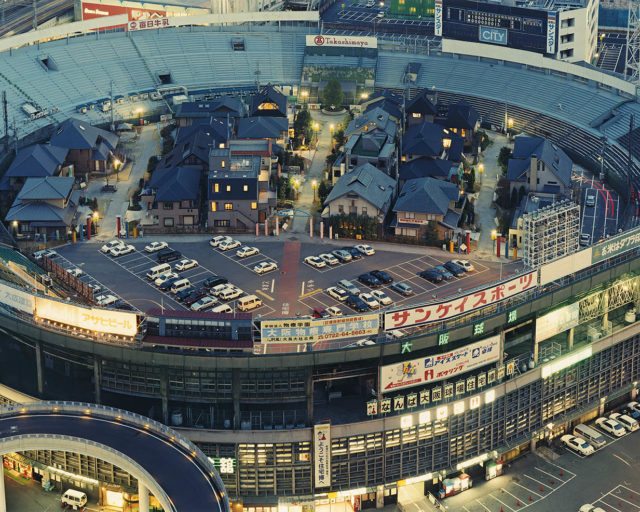
Osamu Kanemura and Hiroko Komatsu speak about photographing Tokyo, the virtues of the Plaubel Makina camera, and why a single picture is never enough.
Four bookmaking experts speak about each step of the production process—from making an image sequence to finding the perfect paper, size, and design.
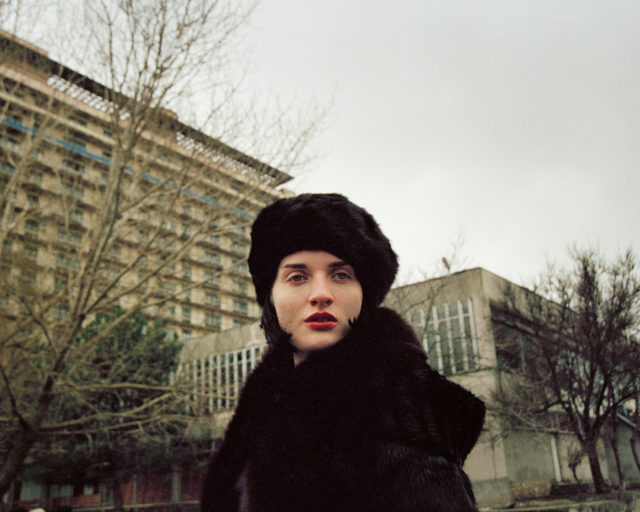
Yelena Yemchuk’s series on the Ukrainian city began with a romantic fascination with youth culture, but quickly turned into a chronicle of a pivotal moment in history.
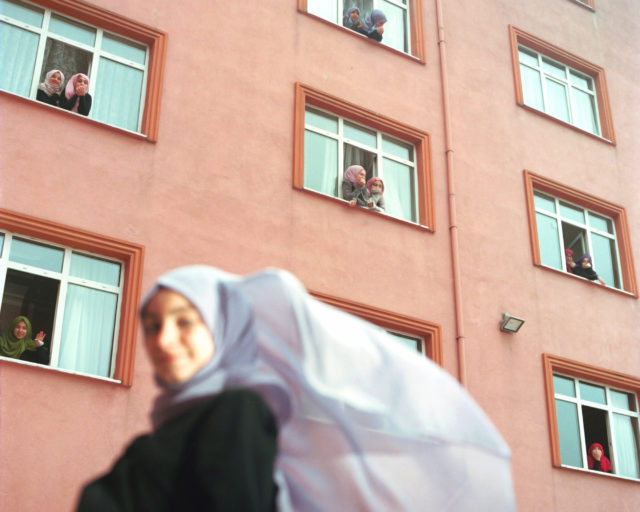
Sabiha Çimen’s photobook “Hafiz” portrays the world of Turkey’s single-sex Koran schools, where girls are tough, disciplined, and playful.
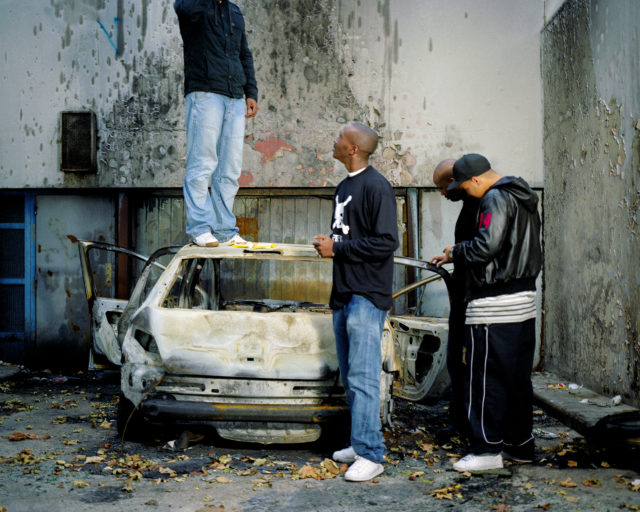
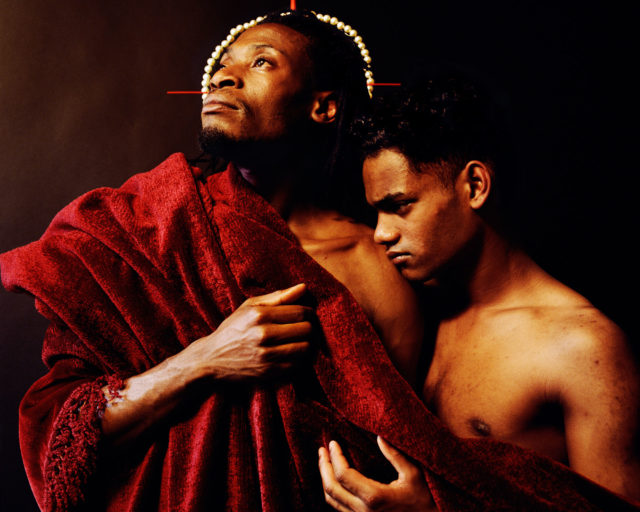
In a new photobook, Bourouissa returns to his signature series “Périphérique,” a critique of French culture and the politics of representation.
In teahouses, classrooms, and night clubs, the photographer discovers how images of Mustafa Kemal Atatürk have proliferated across Turkey.
Drawing upon a range of aesthetic sensibilities, Studio Lin has made award-winning photobooks by Tyler Mitchell, Ren Heng, Naoya Hatakeyama, and more.
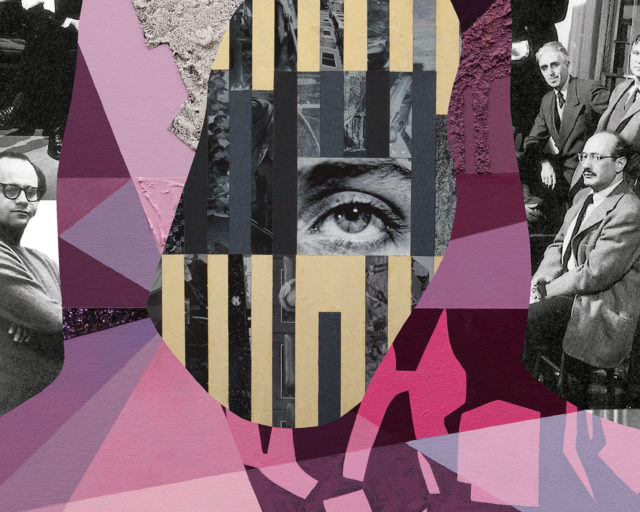
In images and words, Anna Ostoya and Chantal Mouffe create a passionate manifesto about global politics.
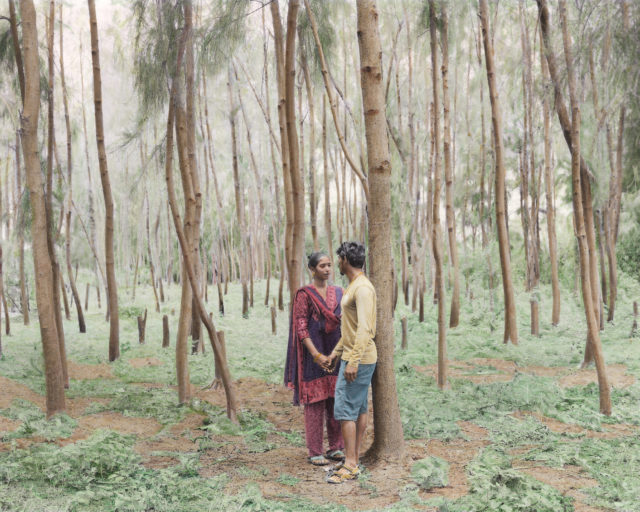
In his contemporary iteration of the Ramayana, Vasantha Yogananthan’s photographs consider memory, history, and the poetics of daily life.
With robust critical frameworks and debate, the photobook can mature and expand.
Jo Ractliffe’s expansive new photobook demonstrates how words and pictures bring historical memory into sharp relief.
Clément Chéroux, guest editor of the latest issue of The PhotoBook Review, on the evolution of the photobook and its community.
Mike Mandel’s book “Zone Eleven” presents commercial photographs attributed to Adams. But are they essentially found images that have little to do with his artistic vision?
Since the 1980s, the London-based organization has propelled a commitment to the visibility of Black artists by centering identity and human rights.
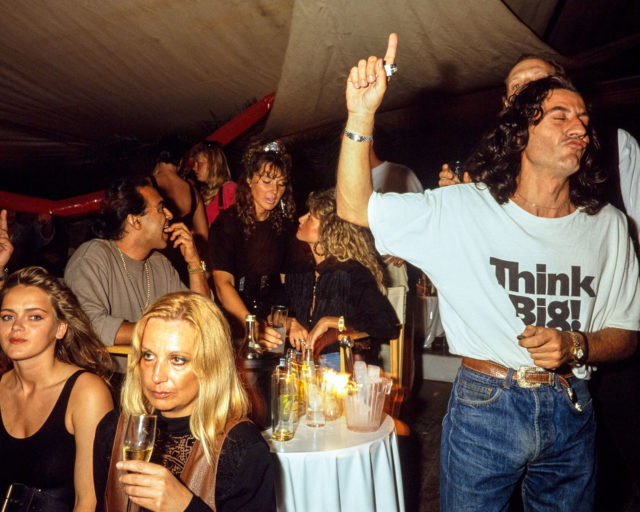
Two recent photobooks offer up nostalgia for the dance floor—and imagine the hedonism of a post-pandemic future.
Since 1989, Seiichi Furuya has revisited his intimately quotidian images of his wife in a series of photobooks that affirm photography’s potential to heal, remember, and reimagine a life.
Indu Antony and Kaamna Patel speak about publishing, feminism, and the initiatives encouraging a new generation of photographers.
The fiftieth anniversary edition of a…