Essays
The Photographer Who Made Absence Her Muse
Alix Cléo Roubaud’s extraordinary darkroom visions, cut short at age thirty-one, are only now coming to light.

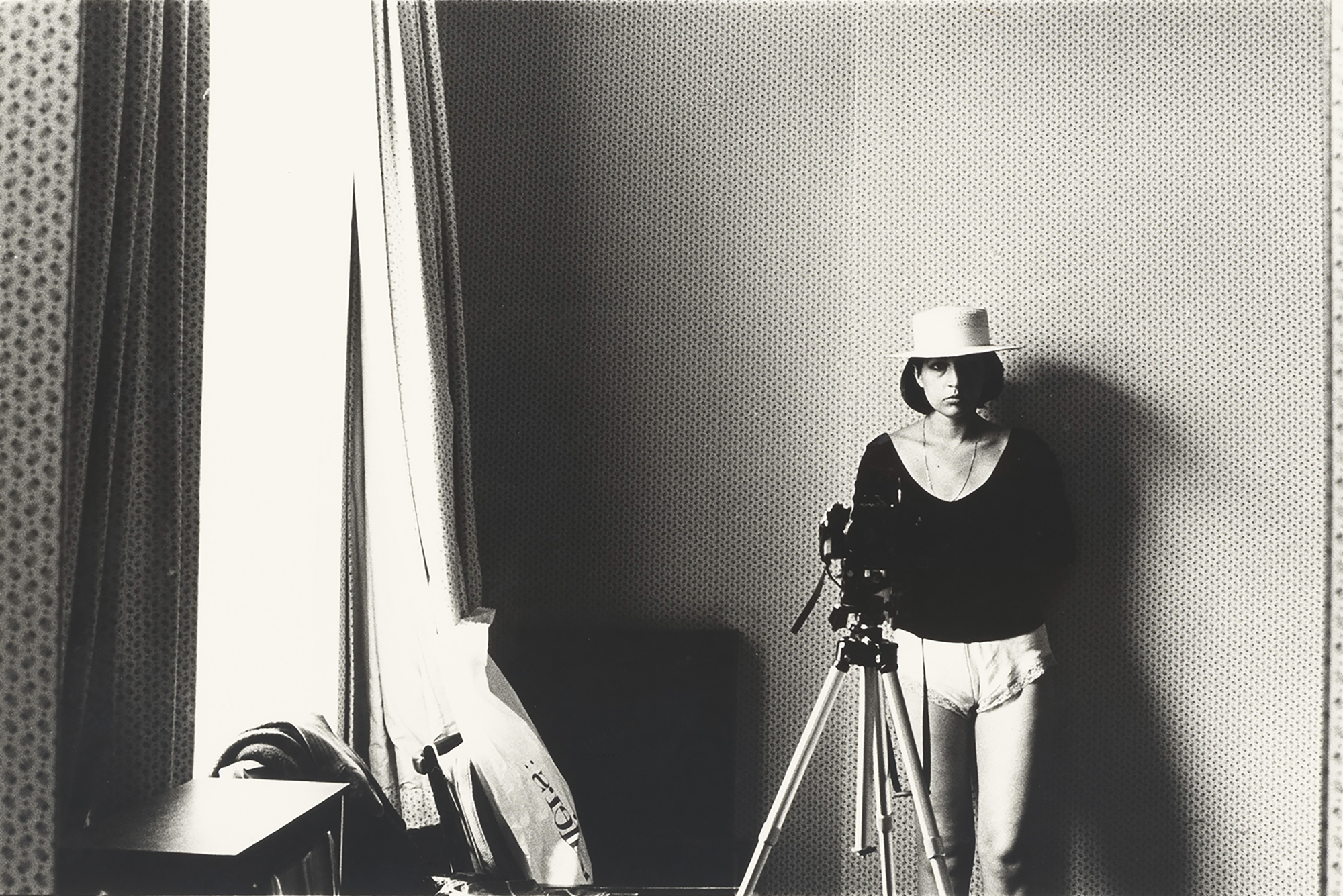
Alix Cléo Roubaud lived her life at the threshold, in states of in-between. Born in Mexico in 1952, she grew up in a nomadic way. Her father was a Canadian diplomat, and as a child she moved frequently. The family left Mexico when she was four, cycling through year-long stints in Egypt and South Africa before returning to Canada and then setting off again for postings in Portugal and Greece. She had an unplaceable accent, no clear first language. She spent her career, if one can call it that, in a state of transition—a perpetual state of becoming a photographer. She achieved no real success, being rejected by various galleries and critics before her death from a pulmonary embolism at thirty-one. She spent years of her youth wondering if she would be a poet or a novelist or a philosopher, and even after making the choice to focus firmly on photography in 1978 she sometimes found herself, especially when faced with dismissal, returning to thoughts of some other, different path.
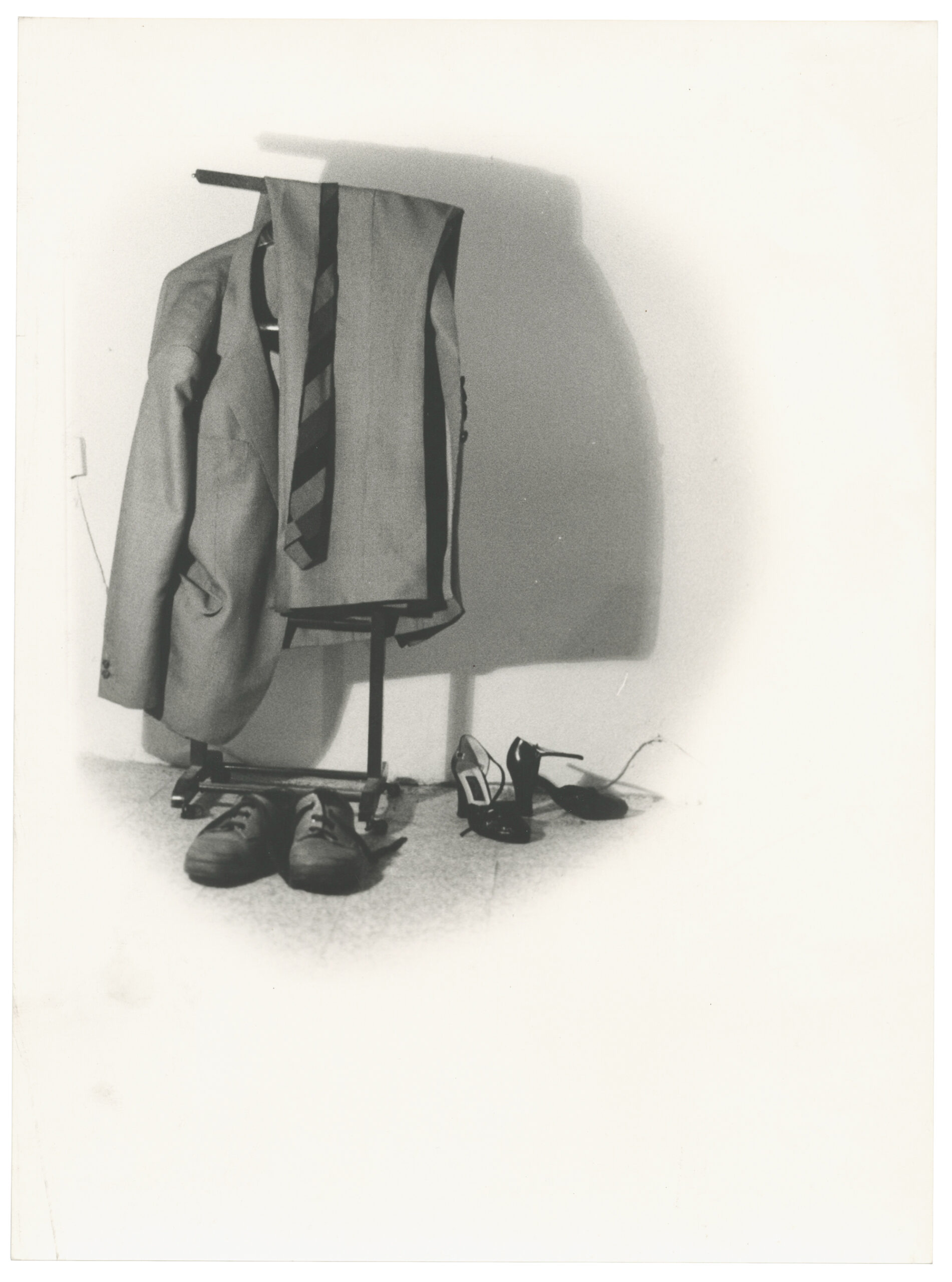
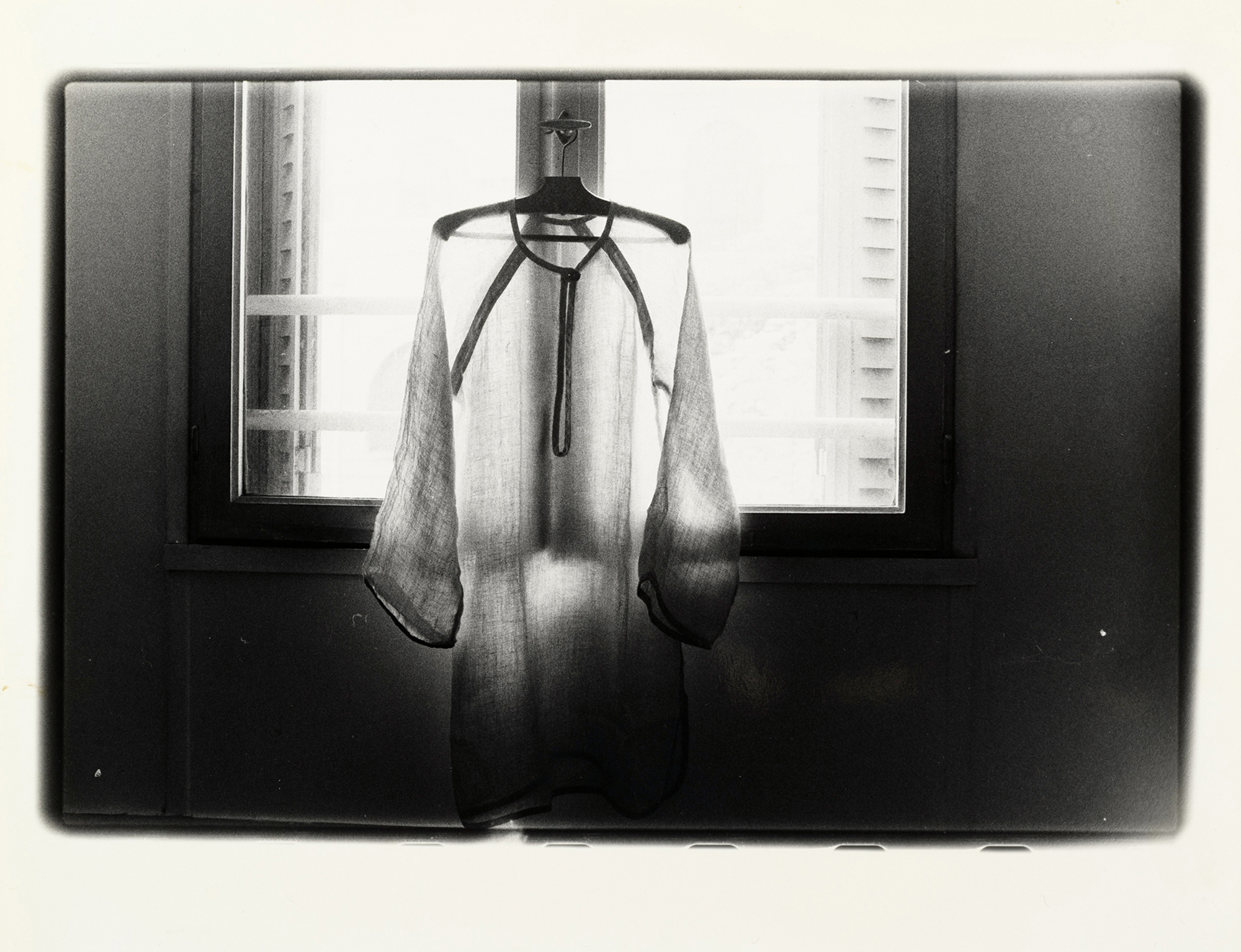
Roubaud liked to work in the middle of the night. Her journal describes a basically nocturnal darkroom schedule: coming back from parties and printing from three to six in the morning, or five to eleven. She called these hours “my private night.” After her 1980 marriage to the celebrated poet Jacques Roubaud, some twenty years her senior, she lived between the marital home and her own separate apartment one street away in Paris, moving back and forth, between happiness and despair, marital fulfillment (the pair often shared moments of intimacy as he was waking up for the day, and she was finally settling down to bed) and a cycle of love affairs, togetherness and solitude. She was often drunk, often depressed—both states that allow for a fundamental detachment from the world. To her, living was hard and full of mysterious, irreconcilable dimensions. Her images reflect this. Writing of a perfect summer day, a clear sky, a swimming pool, she remembered a recent suicide attempt and noted “the reasons for living have no overlap with the reasons for death.”
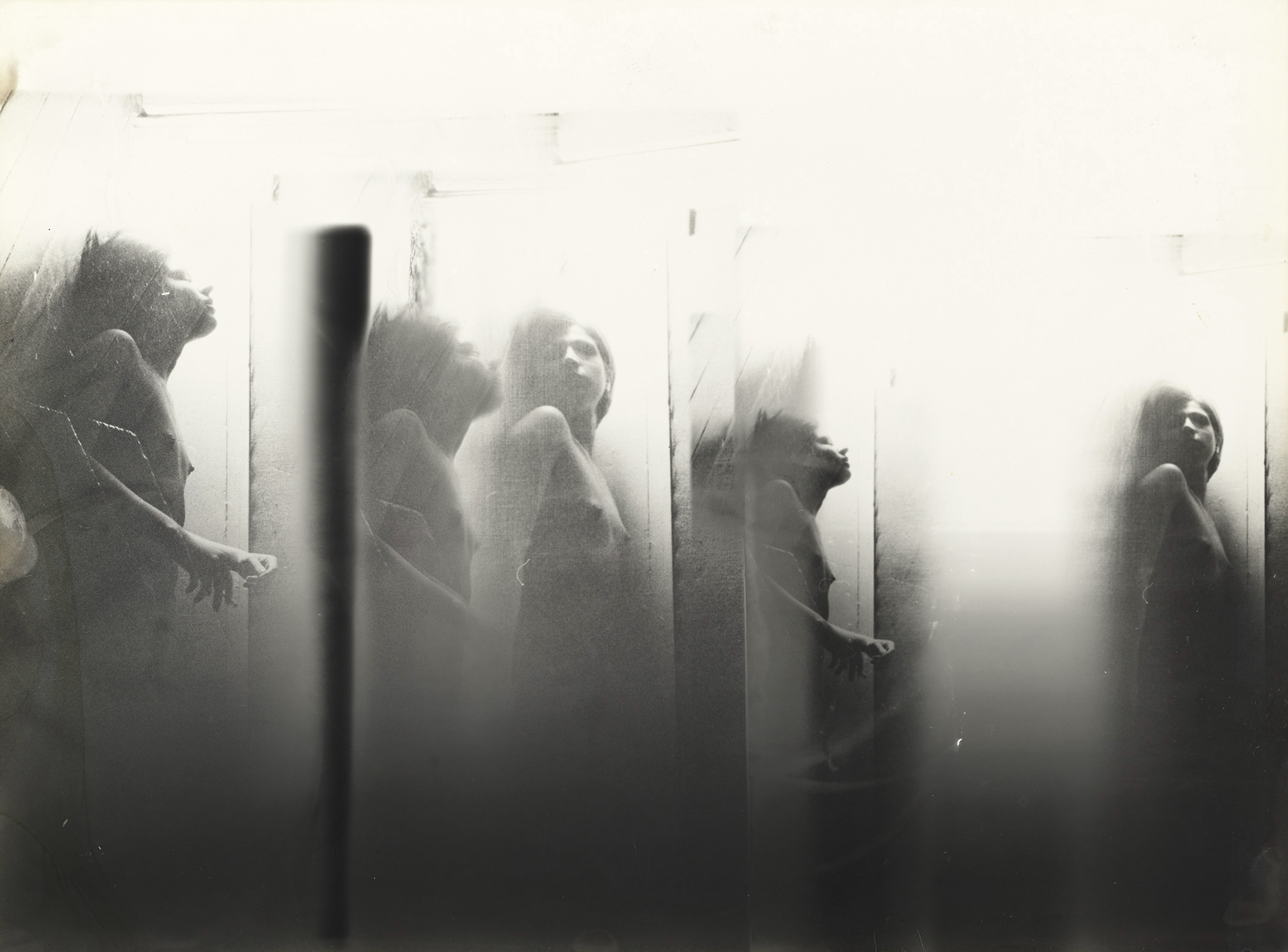
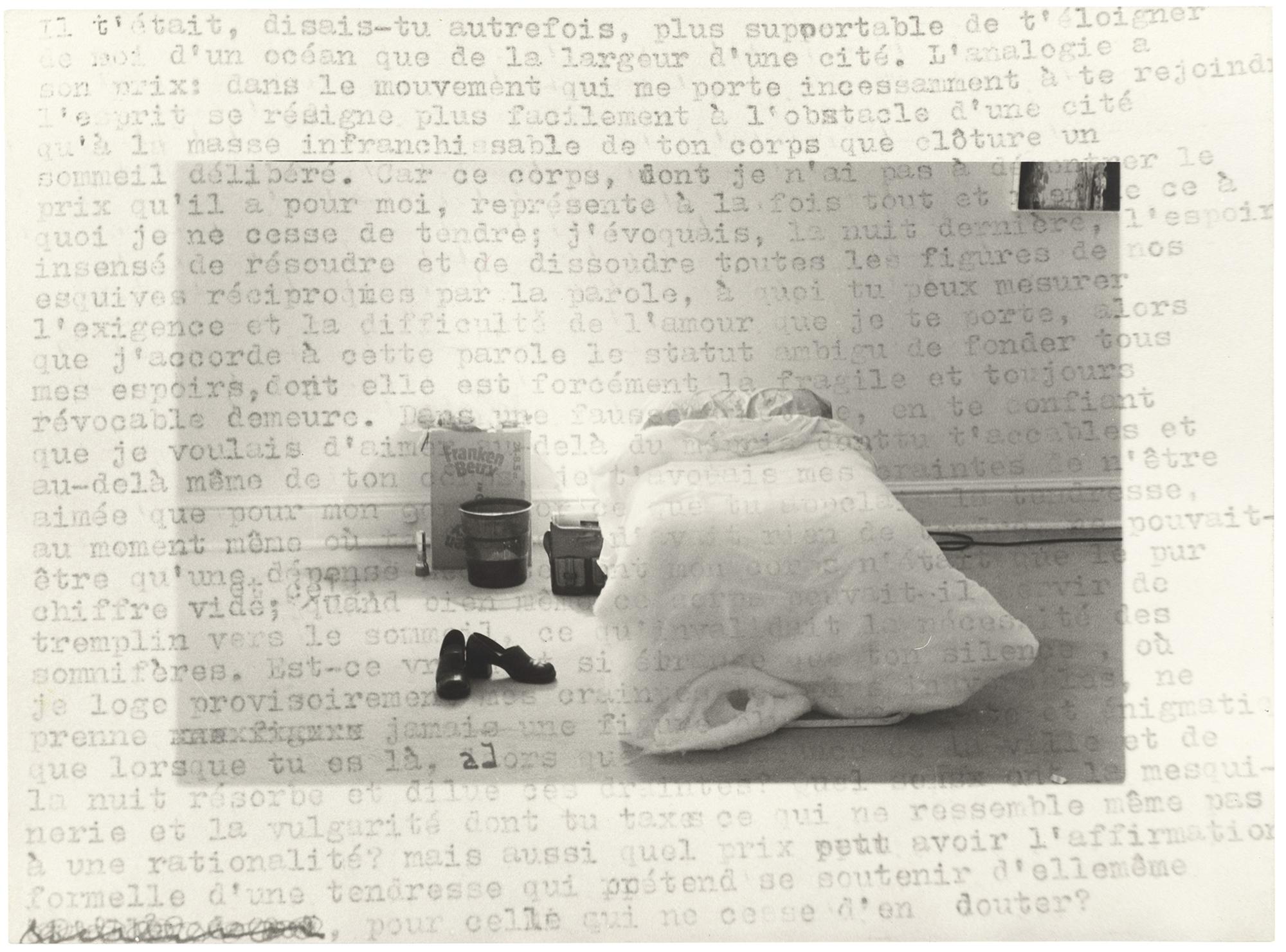
In 1980, Roubaud wrote in her journal a thought directed to her husband: “Would that we could be the dark-room for one another.” The journal is an odd, slippery document: a semipublic, semi-private endeavor that was both personal diary and rolling letter to her husband, though he was forbidden from reading it in her lifetime. It was, he wrote in his introduction to the parts of it he published in 1984, her “secret expression.” (The paradox of this phrase, given his decision to publish, further complicates the document’s already unusual status and intentions.)
Aperture Magazine Subscription
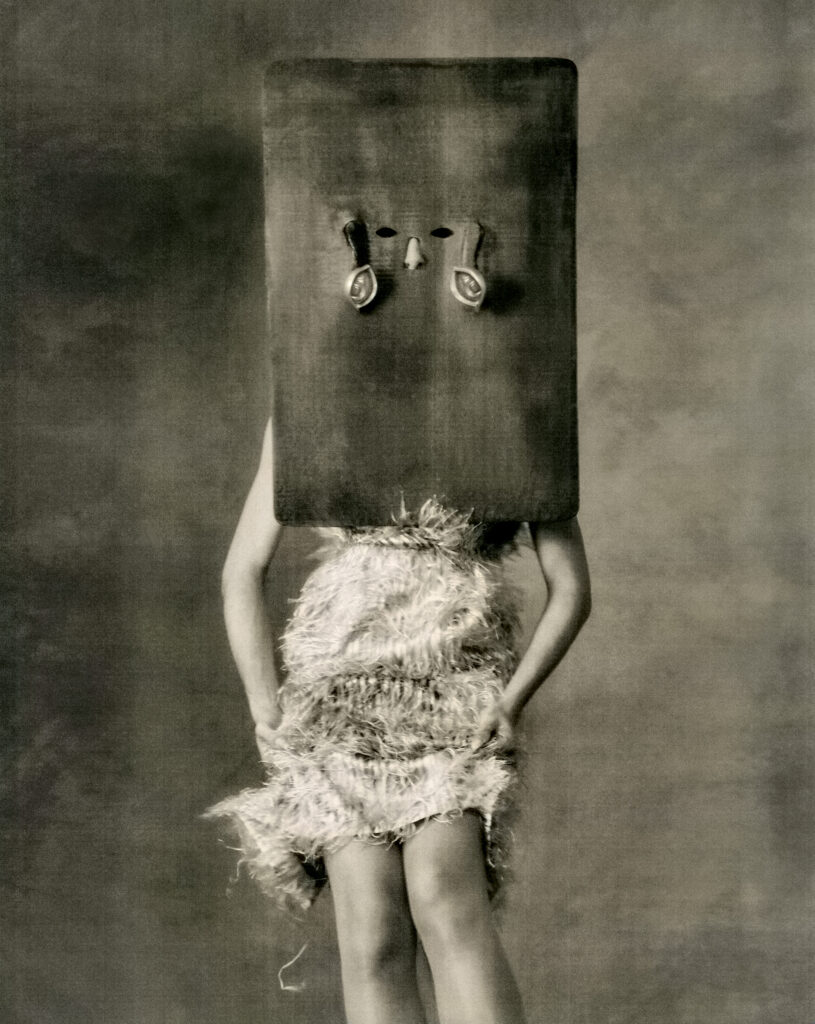
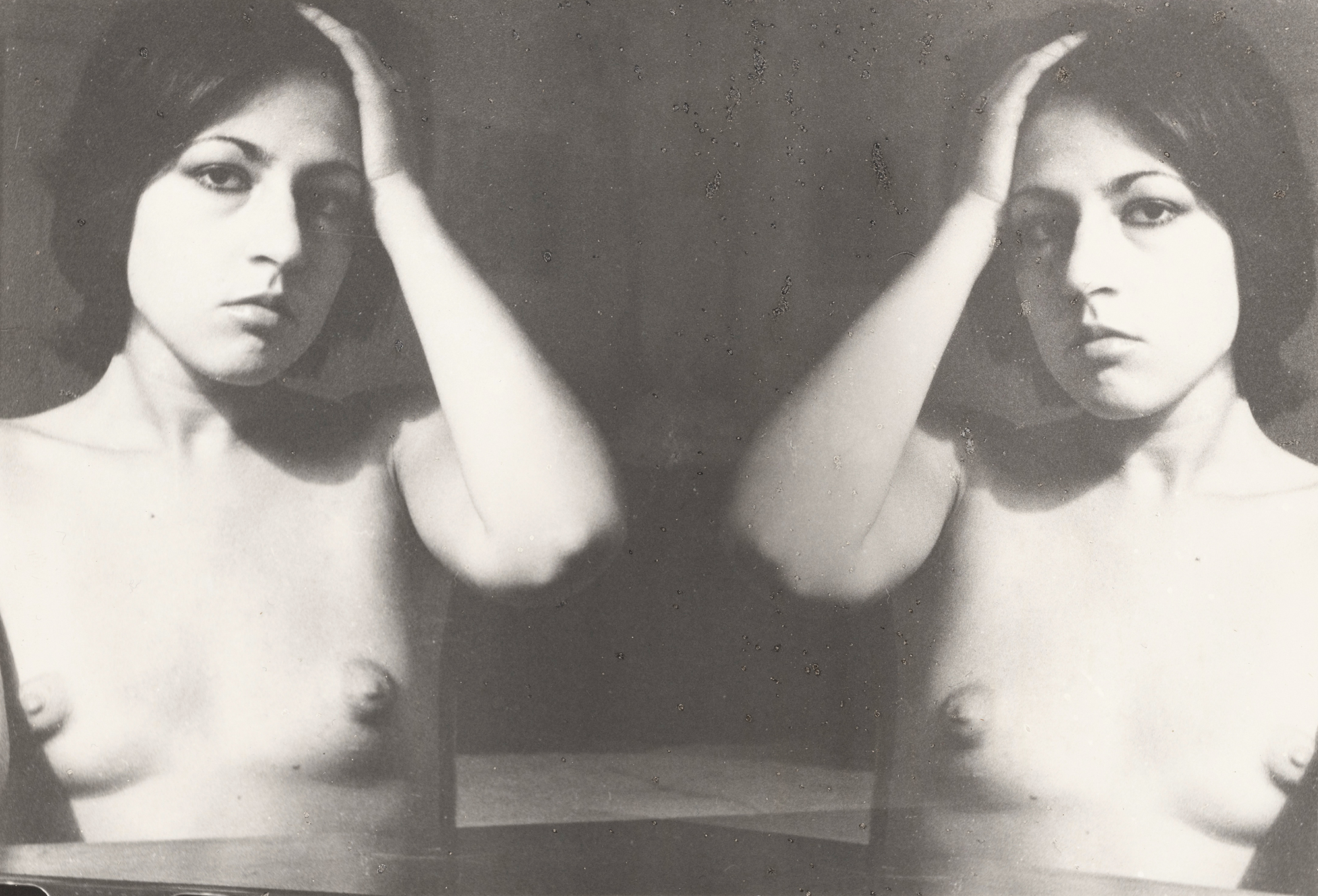
The book, Alix’s Journal, has come to be the best-known thing about her—alongside the film Les photos d’Alix (Alix’s Pictures, 1980) by her friend Jean Eustache, which won the 1982 César Award for Best Short Film—giving Roubaud a notability that eluded her in her lifetime, despite the fact it represents only a small fragment of her life. Roubaud had kept a journal from adolescence, but her husband chose to publish only the later entries written between 1979 and 1983, during their relationship, thus framing her within the confines of their marriage. Our understanding of her life remains stunted, full of misunderstandings, secrets, and confusions, much like the interior world she inhabited and pictured. Her photographs offer visions that are dizzying and sliding: a wine glass spilling multiple times, a floating face, a dissolving body, nothing ever quite what it seems. In Alix’s Pictures, Roubaud sits in her apartment and describes her photographs to a young man, Eustache’s son. Gradually her words depart from the images we see on-screen. A shoe is described as a self-portrait, a pillow as a beautiful body. The viewer is left confused, frustrated, amused, unsure of exactly at what point things fell out of sync.
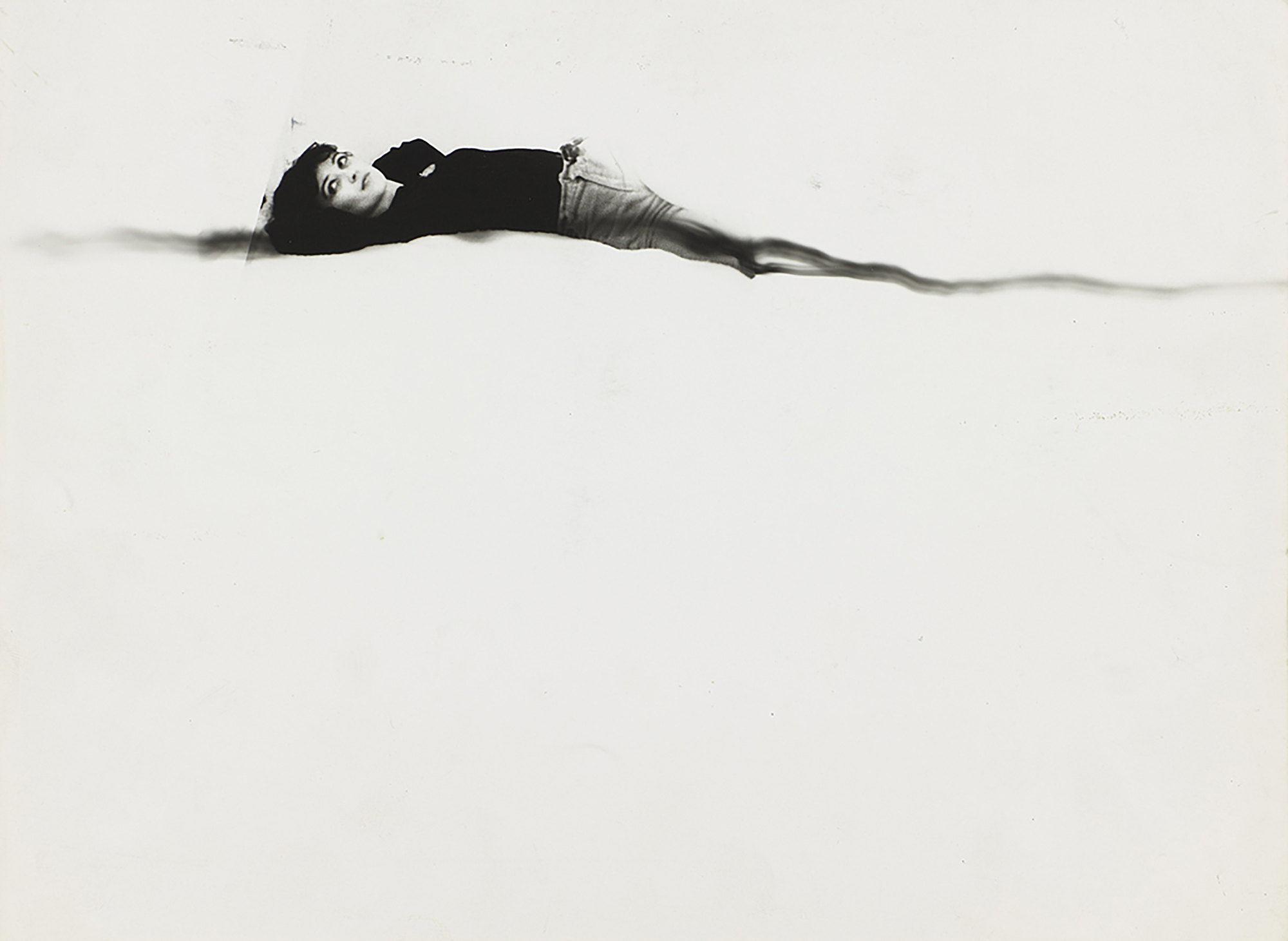
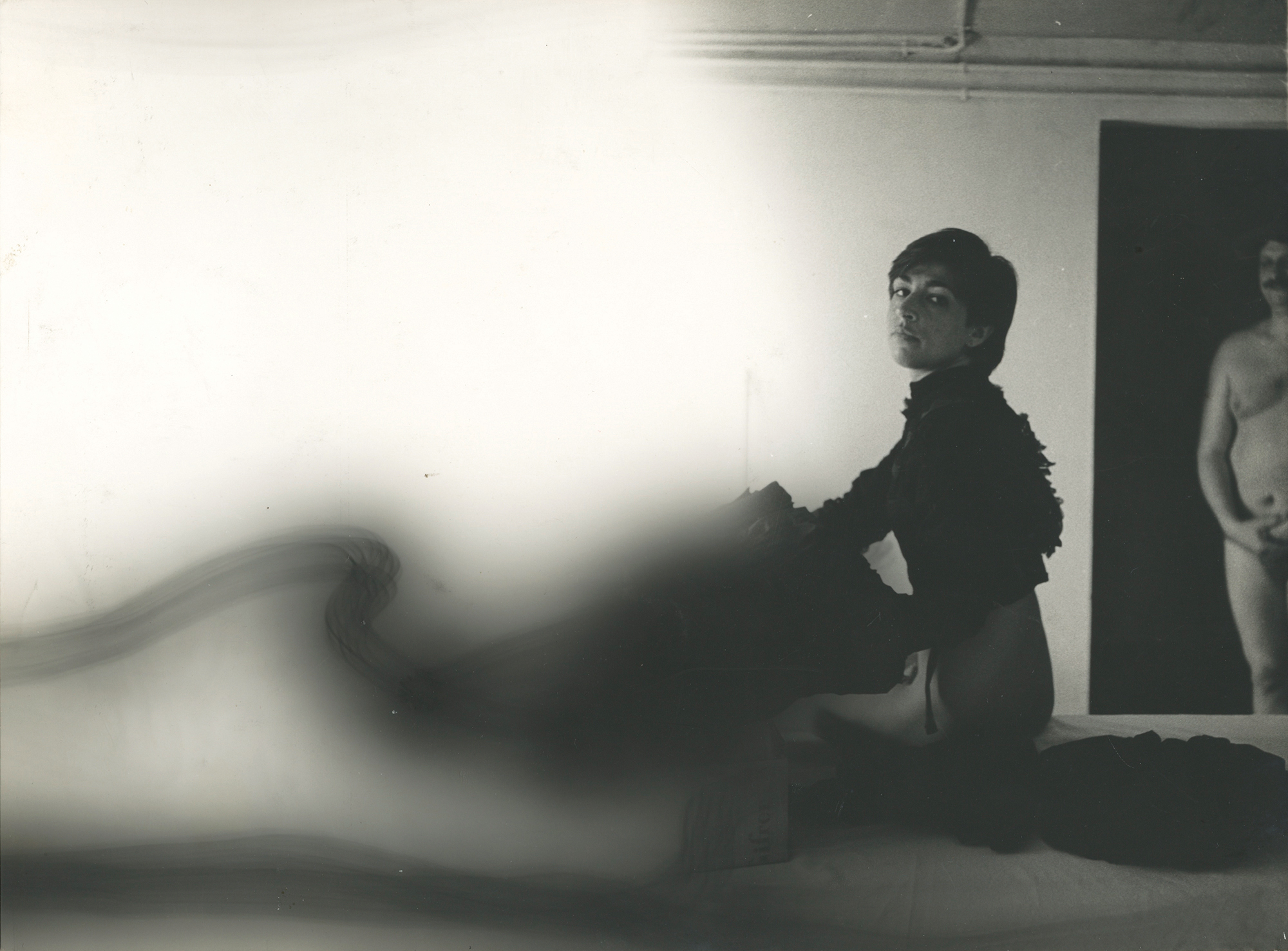
Roubaud’s thought to her husband is a complex assertion: A darkroom is a solitary space, where one retreats, hidden. But it is also a space defined by emergence—by an activation of sorts, as things, images, become open, real, living. Roubaud referred to negatives as being like a “painter’s palette” and sometimes spent up to ten hours on a single print, reveling in the chemical process. Writing in Alix Cléo Roubaud: A Portrait in Fragments (2024), Hélène Giannecchini—who as director of the Alix Cléo Roubaud Foundation has done much to organize the work and writings into a coherent archive and bring new attention to the photographer’s practice—describes her techniques as varied and ambitious, making use of inks in chemical baths and applied toners, and even scratching her negatives or drawing directly on the print’s surface. “For Alix the darkroom was a crucial step in the material and symbolic making of a photograph,” she writes. “Everything that happened before that was of little importance. The quality of a photograph depended very little on the shot itself. It was at the developing and printing stage that Alix came close to the final work.” “I told you,” Roubaud herself wrote, “I want to make everything come up to the surface.”
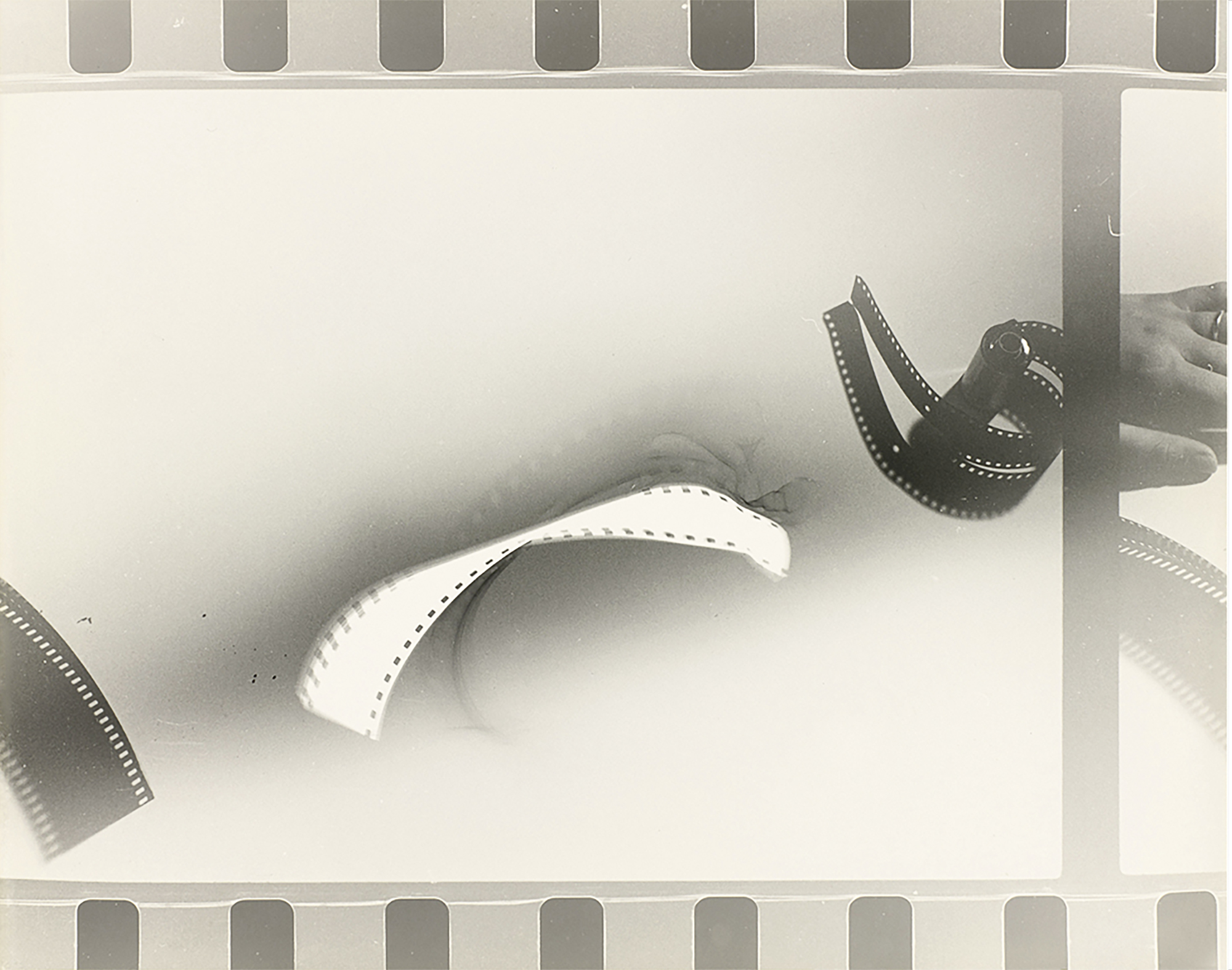
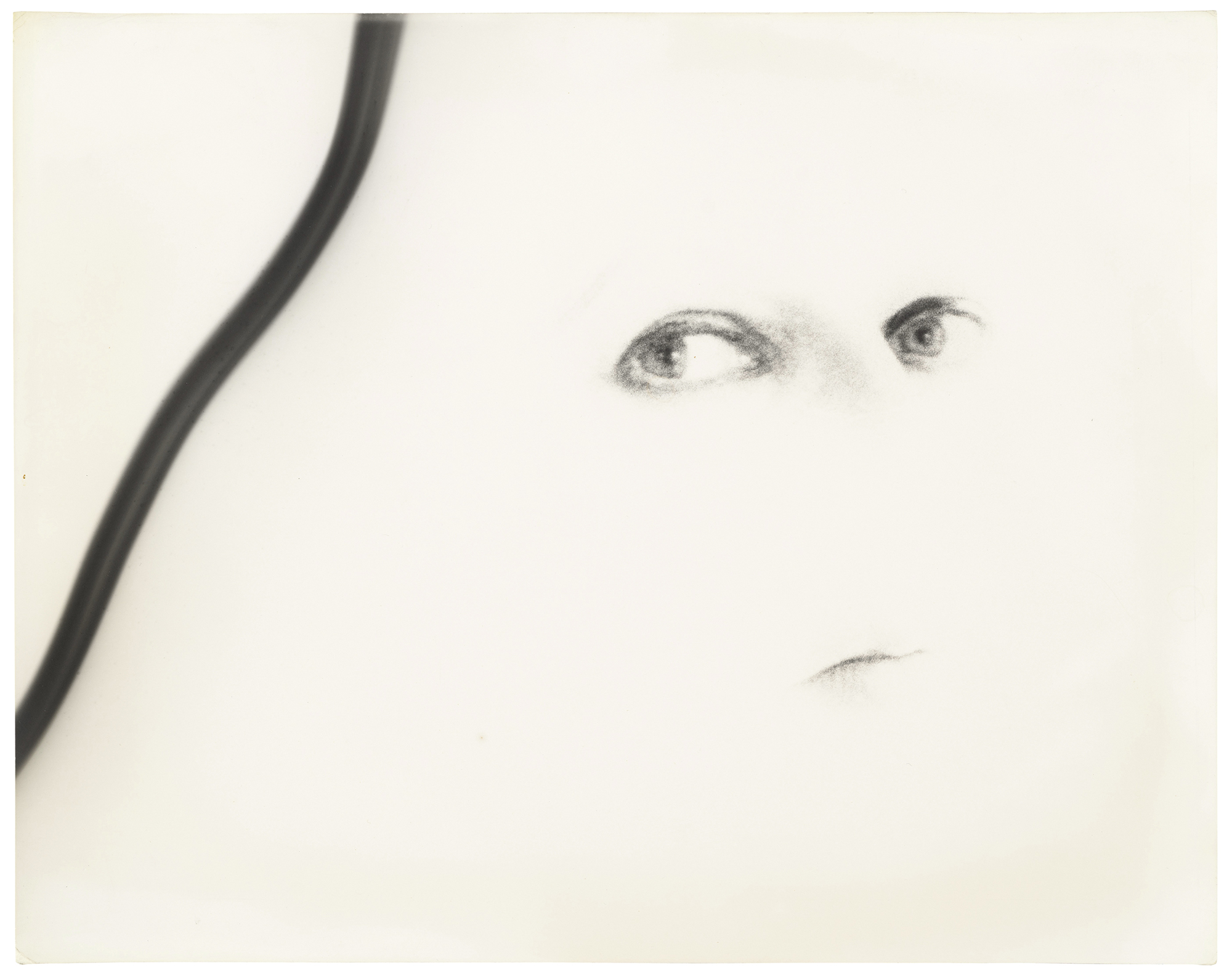
As objects, photographs often reveal themselves like secrets unearthed—bolts of information or memory, stumbled upon in “biscuit boxes or chocolate boxes, photographs in brown envelopes,” as Roubaud wrote in her journal of finding a trove of her husband’s childhood family photographs. But they spark mysteries too. What is it that they depict? Not the future, not the past. As Roubaud herself put it, “When you see this, it will no longer be.” As soon as the image is made, the scene or person it depicts is gone, lost, already finished, already dead, ungraspable.
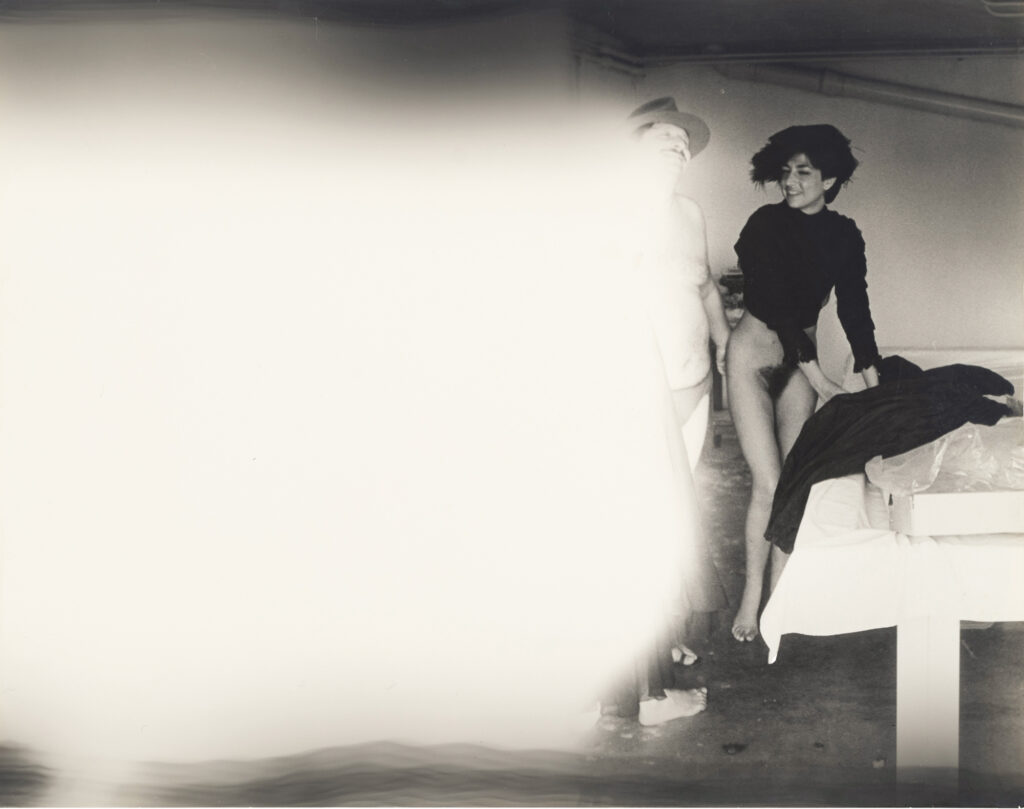
Roubaud was never formally trained—she completed a single short course at the photography school in Arles—but was already pondering the conundrums of the medium from a young age. Writing in a letter to a childhood friend at age fourteen, her words are probing and startingly mature, anticipating her later voice and style. She describes receiving a new photograph of her friend, grown-up, taller, more beautiful than she remembered: “And faced with an image on a piece of paper, my eyes falter, stubbornly persist, try desperately to come to terms with the mobile reality that it represents. Weary of this futile effort, I tuck the photo away into my purse, unsatisfied.”
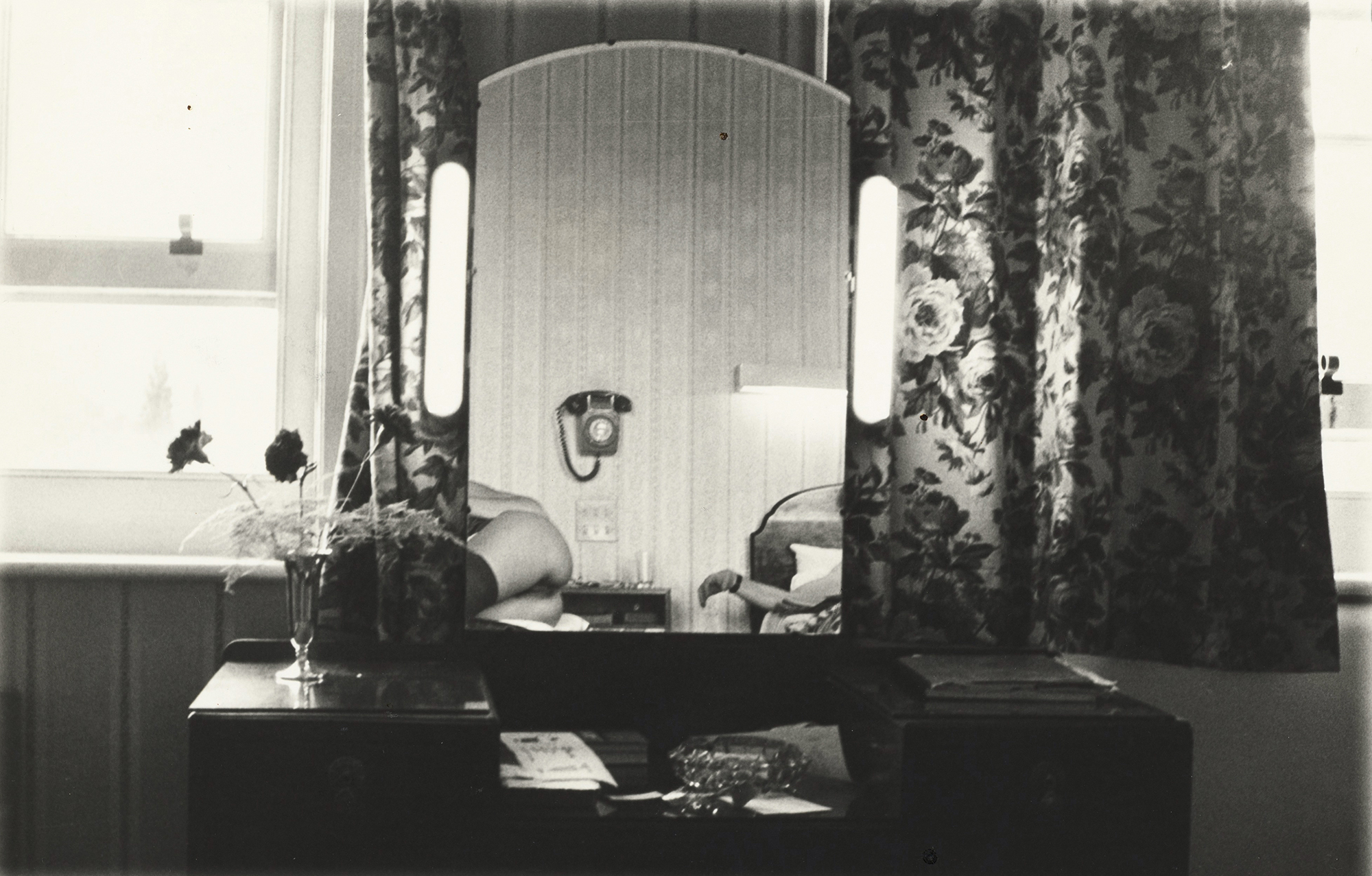
All photographs courtesy Estate of Alix Cléo Roubaud and Galerie Buchholz
This article originally appeared in Aperture No. 263, “Secrets.”