A Whimsical Time Capsule of Everyday China
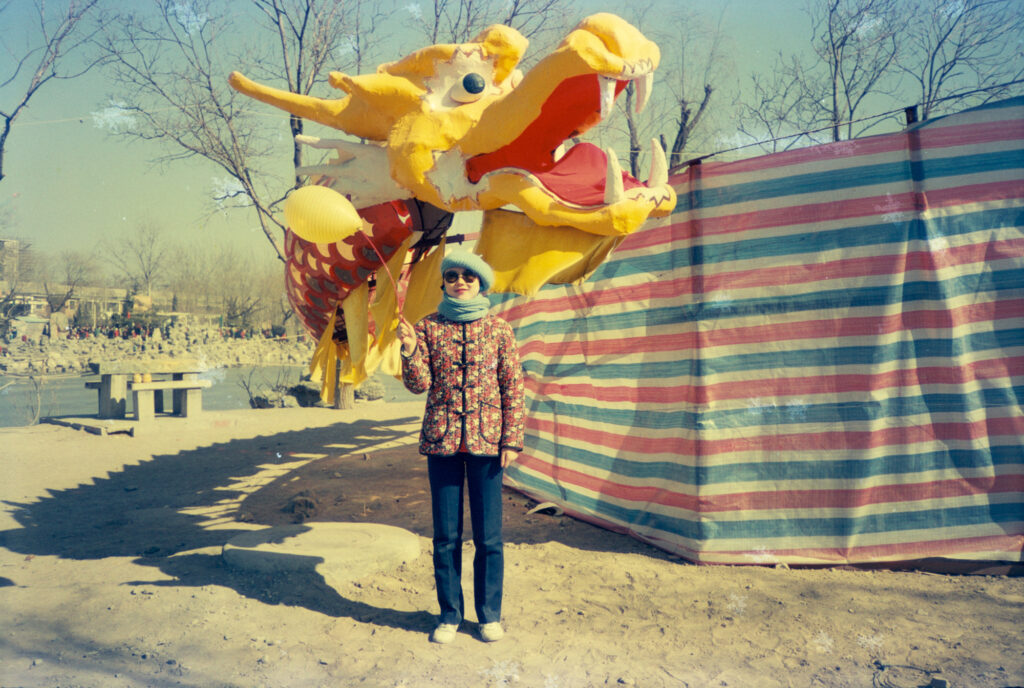
The thousands of amateur photographs in the Beijing Silvermine archive trace daily life in China before the ascendance of social media.
Negative A – 4658 – 19
The first McDonald’s in Beijing opened in April 1992, in the shopping district of Wangfujing, a short walk from Tiananmen Square. With a total of seven-hundred seats, it was the largest branch of the fast-food chain in the world at the time and served forty thousand customers on its first day alone. More than a decade into Deng Xiaoping’s period of “reforming and opening up,” Chinese citizens were rapidly embracing commercialism and foreign culture, and the Golden Arches came to symbolize a rising middle class’s aspirational cosmopolitanism.
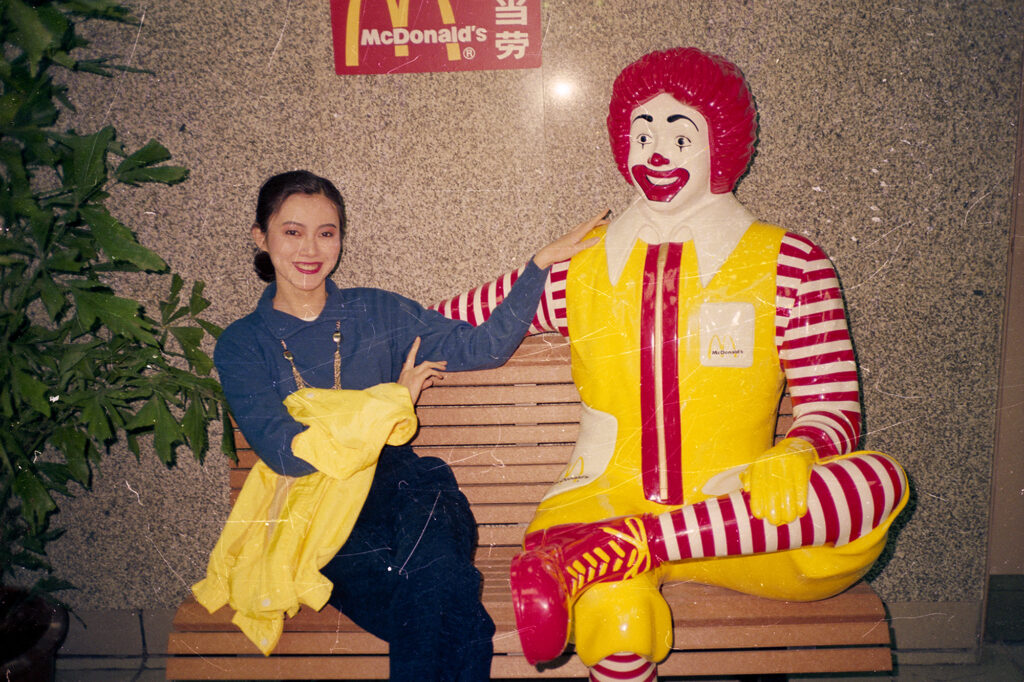
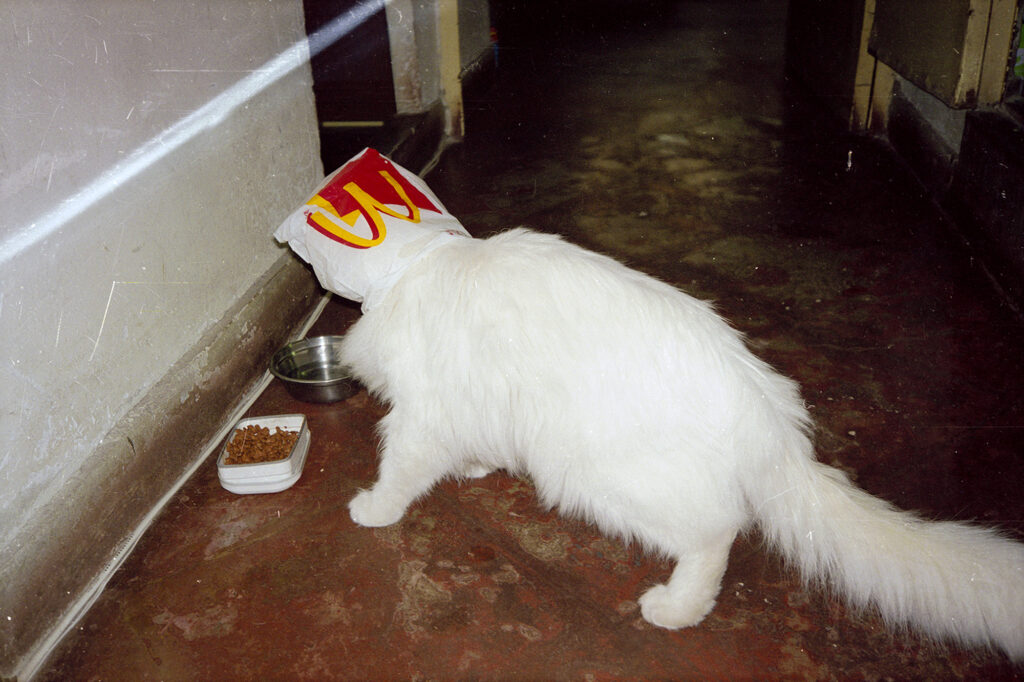
A rite of passage from that era was to take a photograph next to a beaming Ronald McDonald on the bench outside. Customer after customer snapped nearly identical pictures, but this curiosity might have been lost to time or sequestered within hundreds of separate family albums if the French artist and collector Thomas Sauvin, who lived in Beijing from 2002 to 2015, hadn’t noticed a ragpicker collecting negatives door to door. When Sauvin discovered that he was selling them to a nearby recycling plant that would strip the negatives for their silver nitrate, he negotiated with the plant to regularly buy them by the kilo instead, and began a seventeen-year-long project to digitize and archive a collection of vernacular photography by Beijing residents that has grown to more than a million negatives. Spanning 1985 to 2005—from when Kodak and Fujifilm, as well as domestic alternatives, became widely available to the average consumer to shortly before the iPhone was introduced to the Chinese market—the Beijing Silvermine archive has become an essential record of the city’s self-image and of a moment when amateur analog photography dovetailed with the optimism of a population emerging from recent traumas and encountering novelties from around the world.
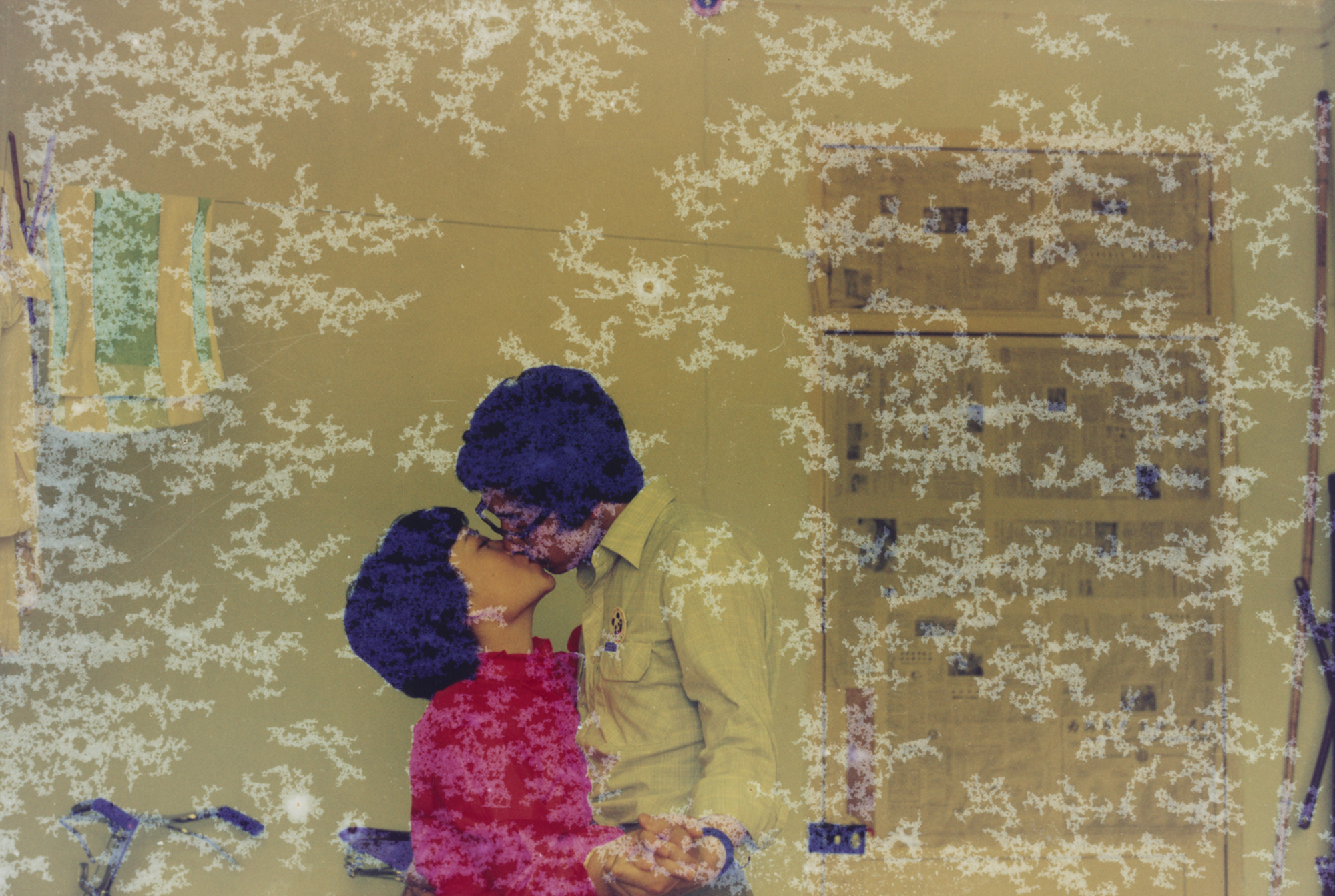
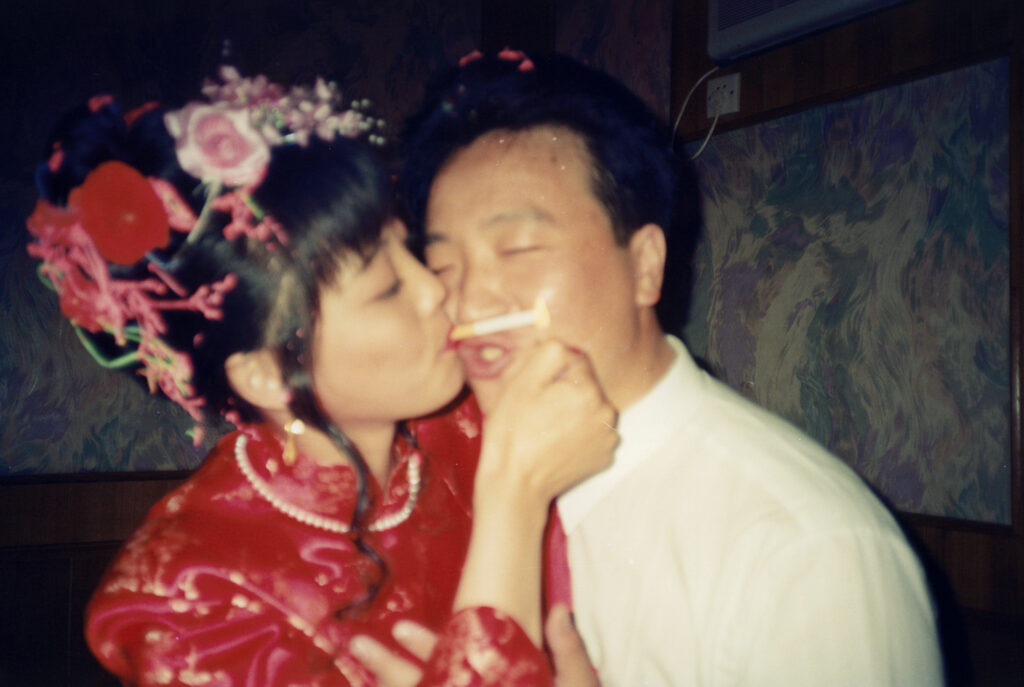
Sauvin has compiled selections from his archive into several projects. These include thematic photobooks like 2015’s ingeniously designed Until Death Do Us Part (in the shape of a cigarette packet), which chronicles the role of cigarettes as a symbol of good fortune in Chinese weddings, with photographs depicting, for example, bride and groom lighting up dozens at a time; collaborations that have produced animations (with the Chinese artist Lei Lei), collages (with the Japanese artist Kensuke Koike), and droll textual juxtapositions with world events (with the Swedish duo Klara Källström and Thobias Fäldt); and a popular Instagram account. The archive’s first complete retrospective, however, is taking place this summer at Fotografiska Shanghai. Besides documenting the archive’s various projects, it also includes replicas of drawers from Sauvin’s studio (now based in Paris) and the physical mementoes he collects alongside the negatives.
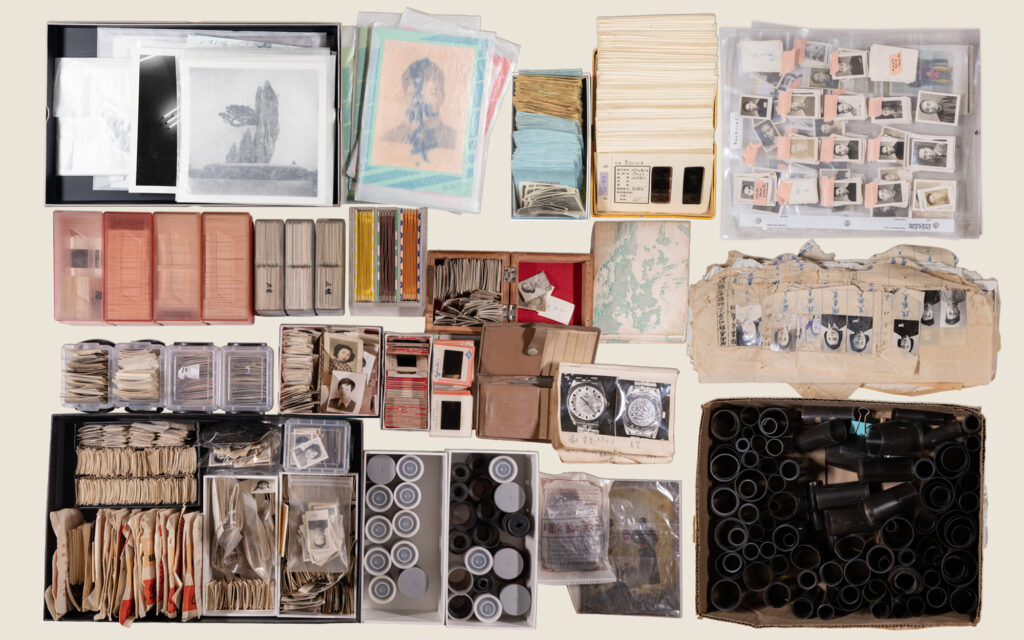
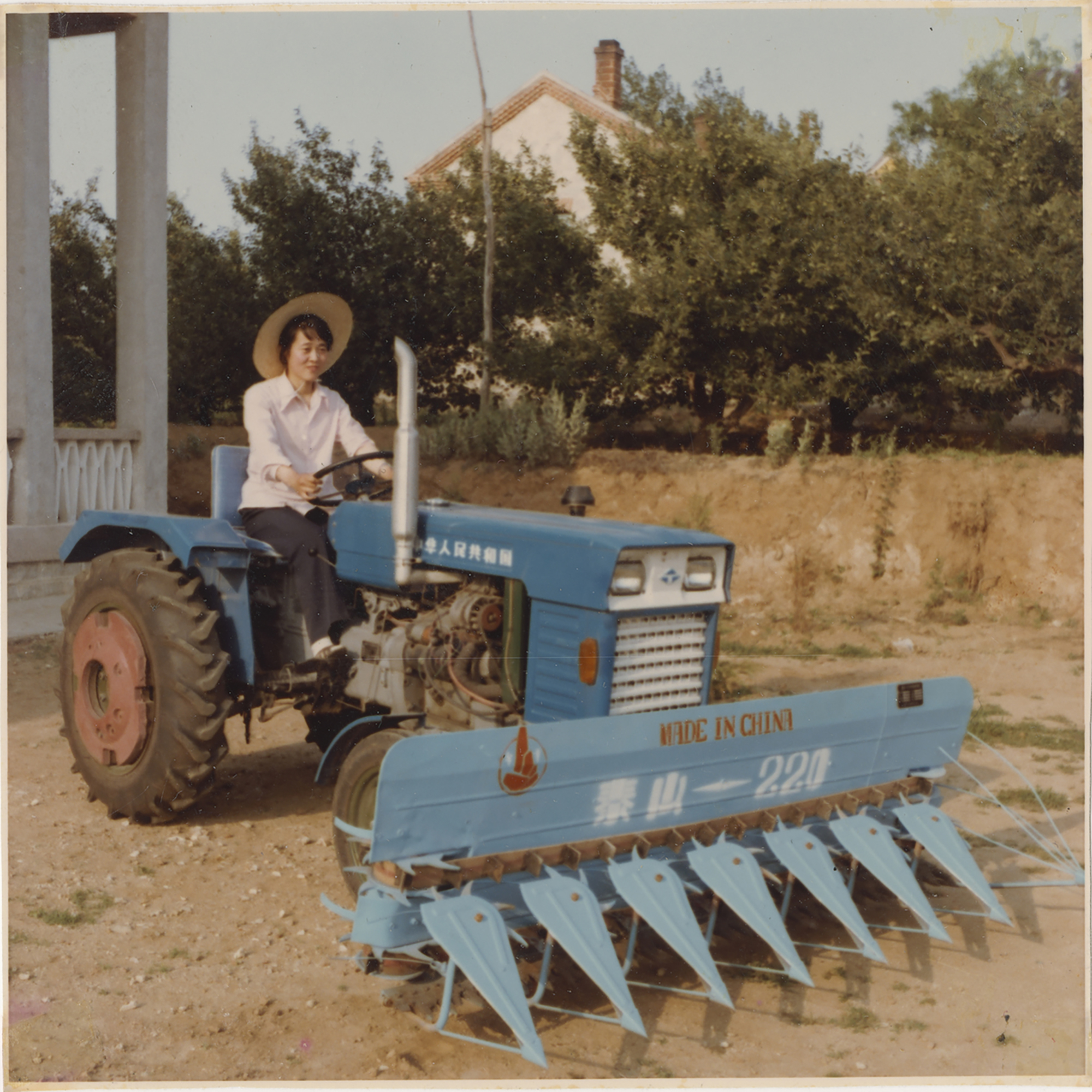
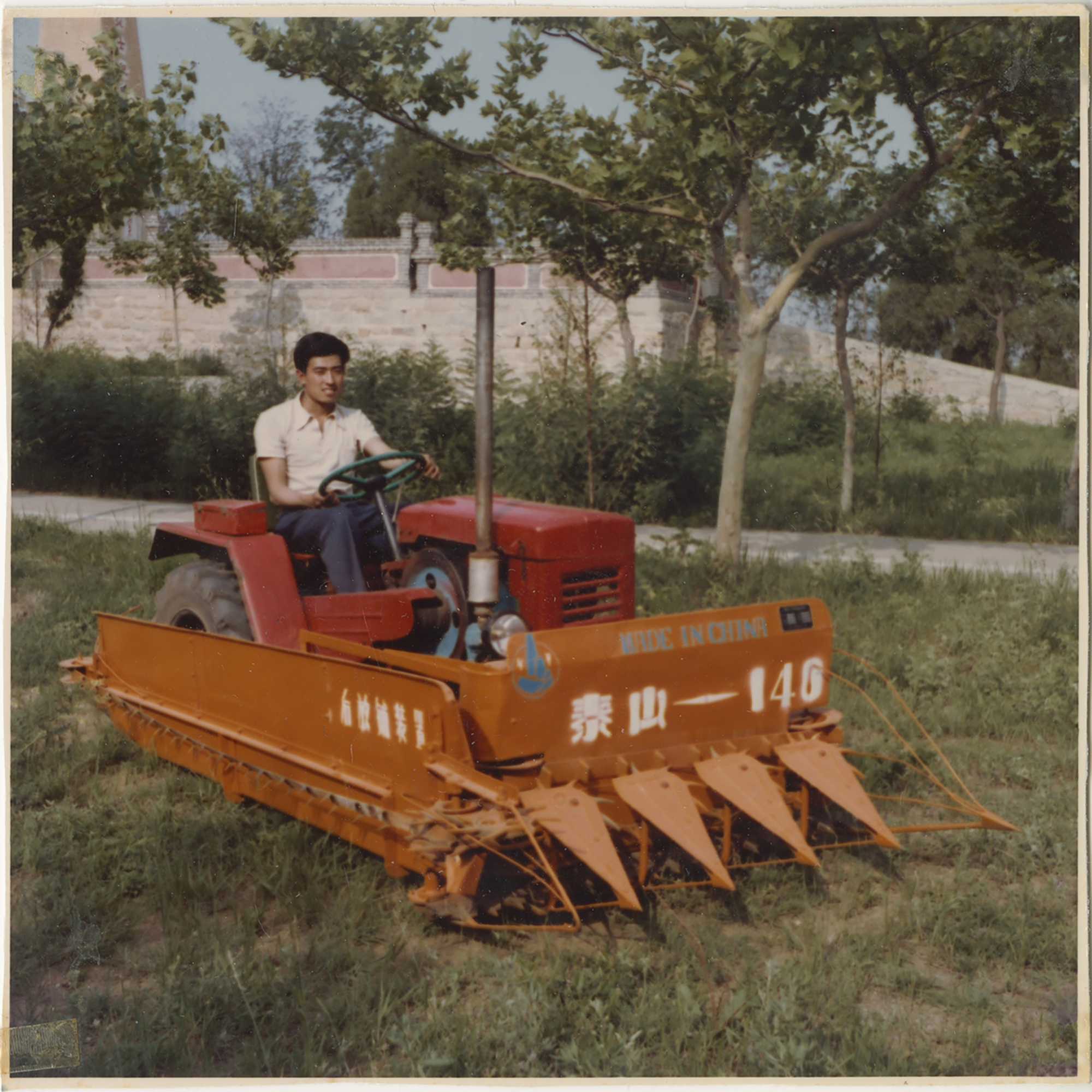
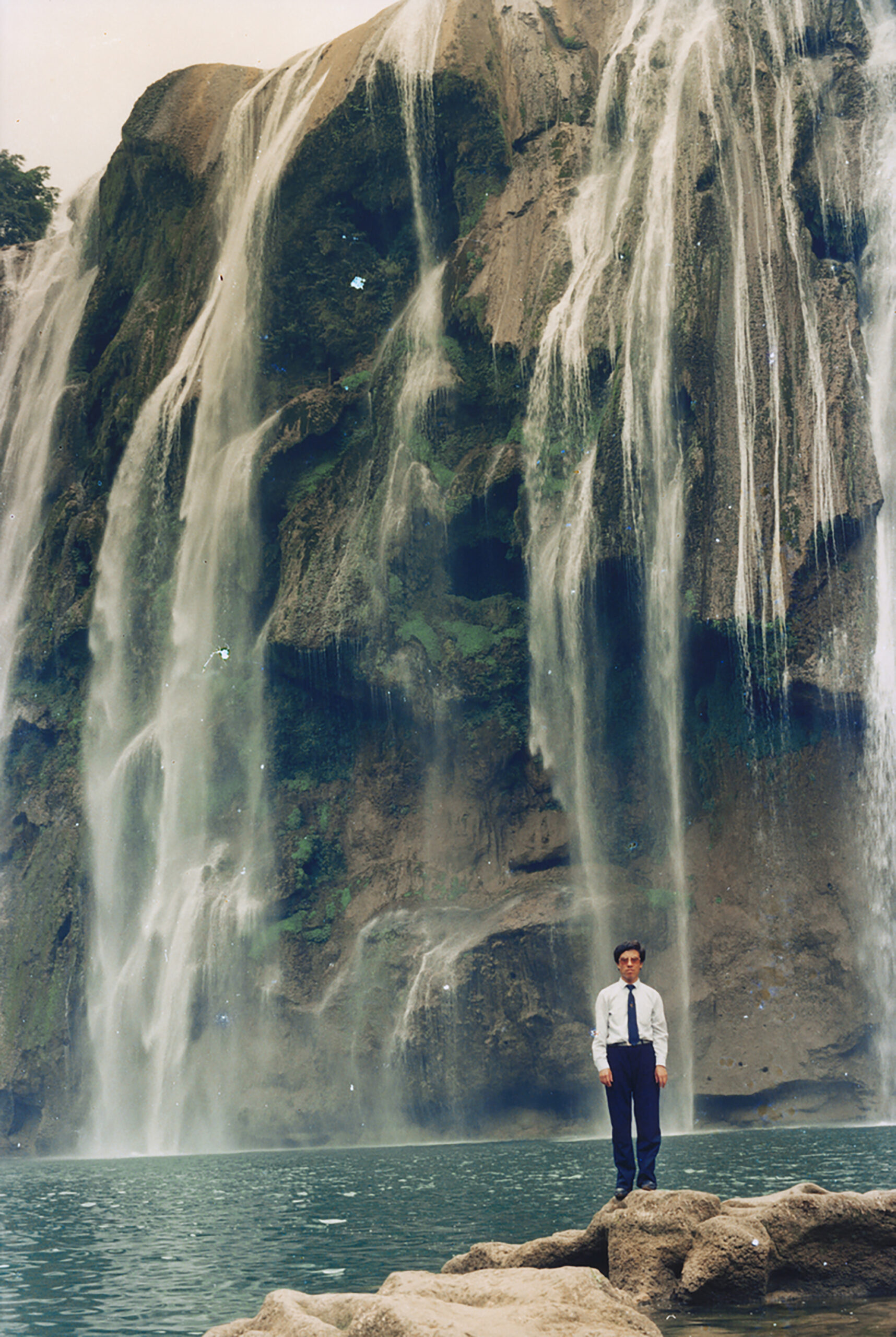
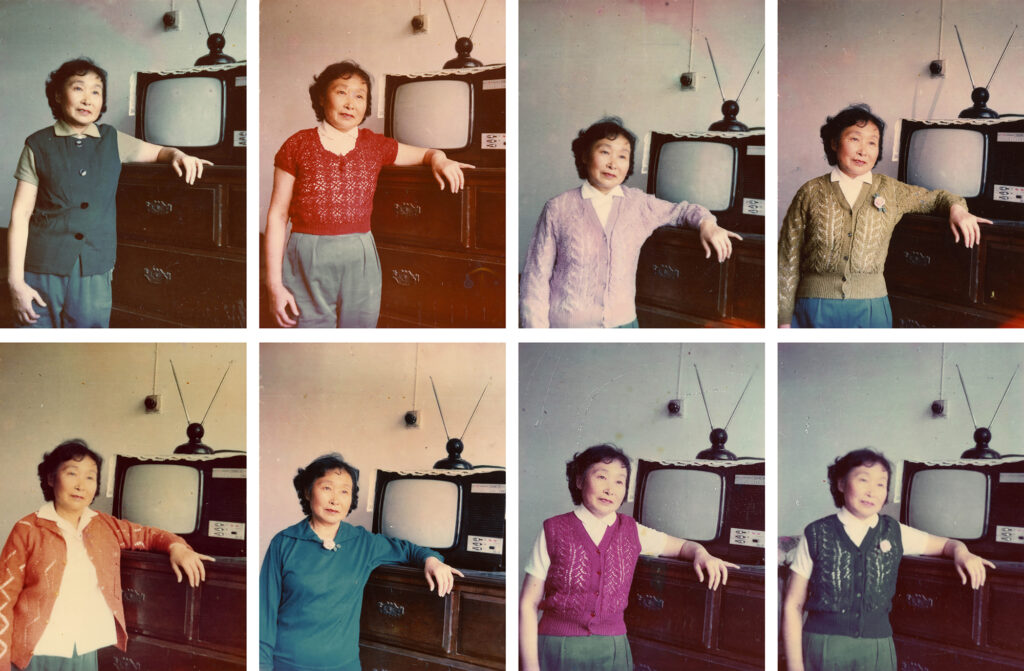
For the exhibition, Sauvin and curator Holly Roussell made thousands of prints from the archive in a format that would have been accessible to any of the original photographers (four-by-six inches, with rounded edges). Arranged largely at random directly on the wall, the images resemble a massive scrapbook. Besides Ronald McDonald, signs of ecstatic consumerism abound in photographs of individuals guzzling Sprite or flaunting brand-new tractors and refrigerators and television sets, including, in one instance, a woman sporting cardigans of different colors next to her TV in successive photographs, as if finding the perfect outfit for her screen test. Other photographs portray travels domestic and abroad, their subjects gleefully replicating the same shots near the Egyptian Pyramids or Buddha’s big gleaming toe.
Courtesy Beijing Silvermine Project/Thomas Sauvin and Erik Kessels
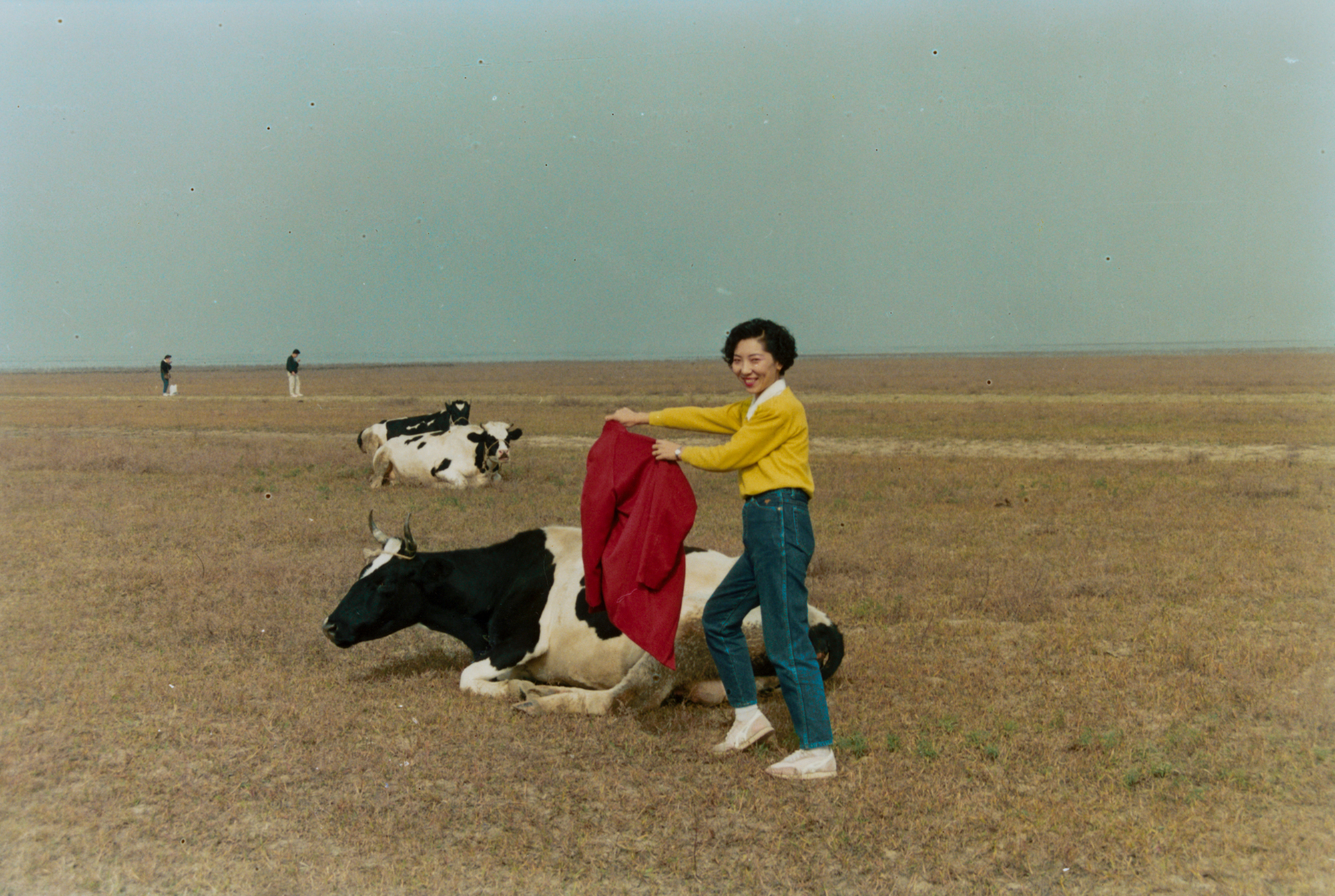
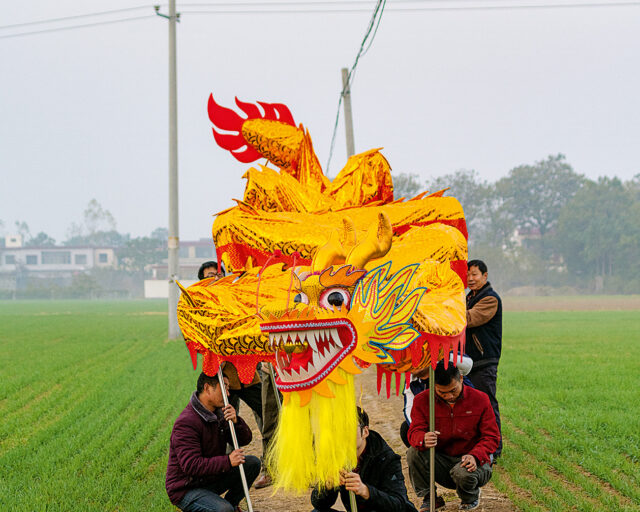
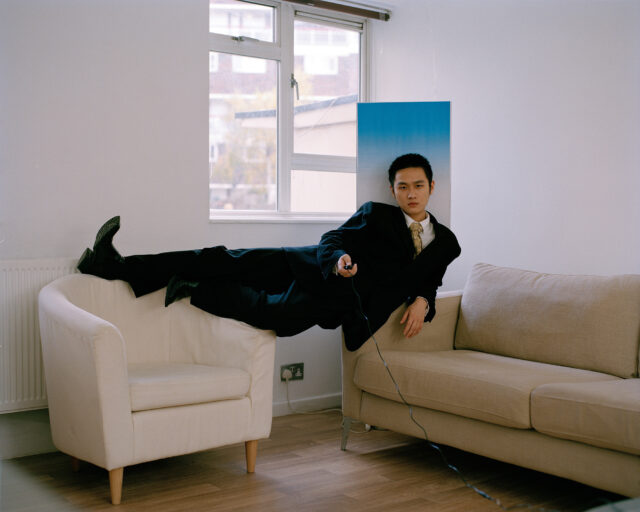
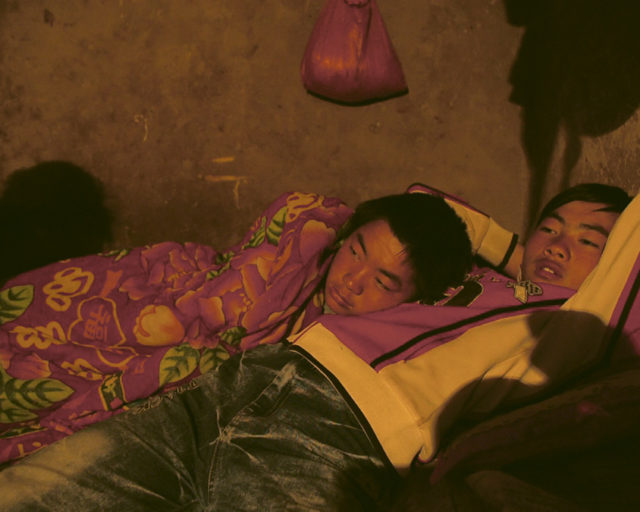
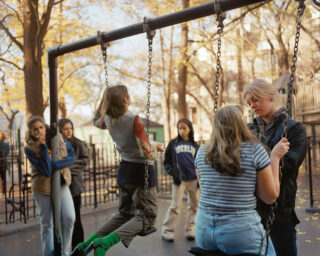
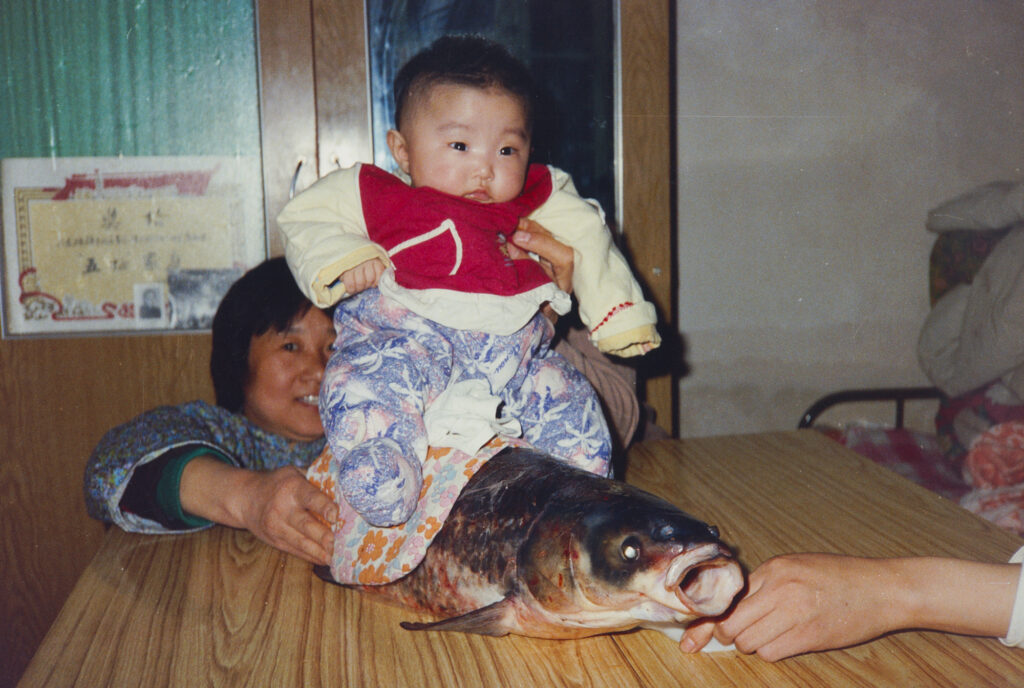
Some photographs are consciously posed and framed, while others are flatly rendered; rather than emphasizing the genius of its amateur photographers, as some found footage archives might do, Beijing Silvermine demonstrates how repetition and recurrence suggest their own creativity, and how a kind of collective folklore arises from analog photography. As the number of negatives available to salvage grows smaller and smaller, the Beijing Silvermine will eventually transform into a finite archive. Its photographs don’t show the major events from that period, like the 2001 announcement of the Beijing Olympics and China’s entry into the World Trade Organization or the 2002 transition from Jiang Zemin to Hu Jintao. Instead, they constitute a record of daily feelings, or at least the ones their photographers saw fit to capture. Looking through them, one finds mostly a document of happy moments.
All photographs © Beijing Silvermine Project/Thomas Sauvin