Essays
How Catherine Opie Learned the Art of Teaching Photography
Students often imagine that a career in art can be sustained by inspiration alone. But endurance, structure, and collaboration are equally essential.
In my thirty-two years of teaching photography, working with students has never been separate from the rest of my artistic life; it has always been a parallel yet deeply interwoven practice. Looking back, I am struck not by any single revelation but by the accumulation of conversations and shared discoveries that took place in classrooms, studios, hallways, and offices. My new book, part of Aperture’s Photography Workshop Series, emerges from a collective space defined less by hierarchy than by inquiry, curiosity, and exchange.
At the start of this project, my central question was how to articulate the fundamentally collaborative nature of teaching. Yes, I have my own experiences and bodies of work, which inevitably shape the way I reach students, but advancing my own perspectives was never the reason I wanted to teach. For me, teaching is relational; it lives in conversation. I don’t believe that an artist educates by imparting a singular vision. Instead, teaching photography is an invitation for students to develop their own voices by looking closely at the world and at images—and then trusting what they notice.
This book is structured around sustained conversations with five former students: Lucas Blalock, Janna Ireland, Paul Mpagi Sepuya, Jeff Whetstone, and Carmen Winant. Each one of them has become an educator, and they carry forward their own influences and sets of questions and methods. What emerges in our dialogue is not simply five individual narratives but a portrait of how knowledge, mentorship, and artistic history circulate—and reverberate—across generations. None of us teaches alone, just as none of us makes work alone. To be a teacher means to be part of a lineage that moves from one person to the next and reconfigures itself with each new maker. Each of our bodies of work contributes to that ongoing discourse. The classroom has often been envisioned as a chamber in which the master speaks and the students listen. But the real classroom is something else entirely—full of unpredictable and shifting energies, ambiguities, and discoveries. It is an environment in which authority is questioned as often as it is followed, where the teacher attends as much as her students, and where the collective voice shapes the direction of inquiry. In this way, the classroom becomes a community, and my role within it is that of guide, witness, and coinvestigator.
Every photograph contains a question. Every artist remains a learner. Every classroom is a chamber of overlapping voices.
Students bring their own histories—personal, political, and aesthetic—and photography is a way for them to articulate those histories. Often, they do not yet know the questions they are trying to ask. My highest task is to create a space where they can learn how to see, rather than be told what to see.
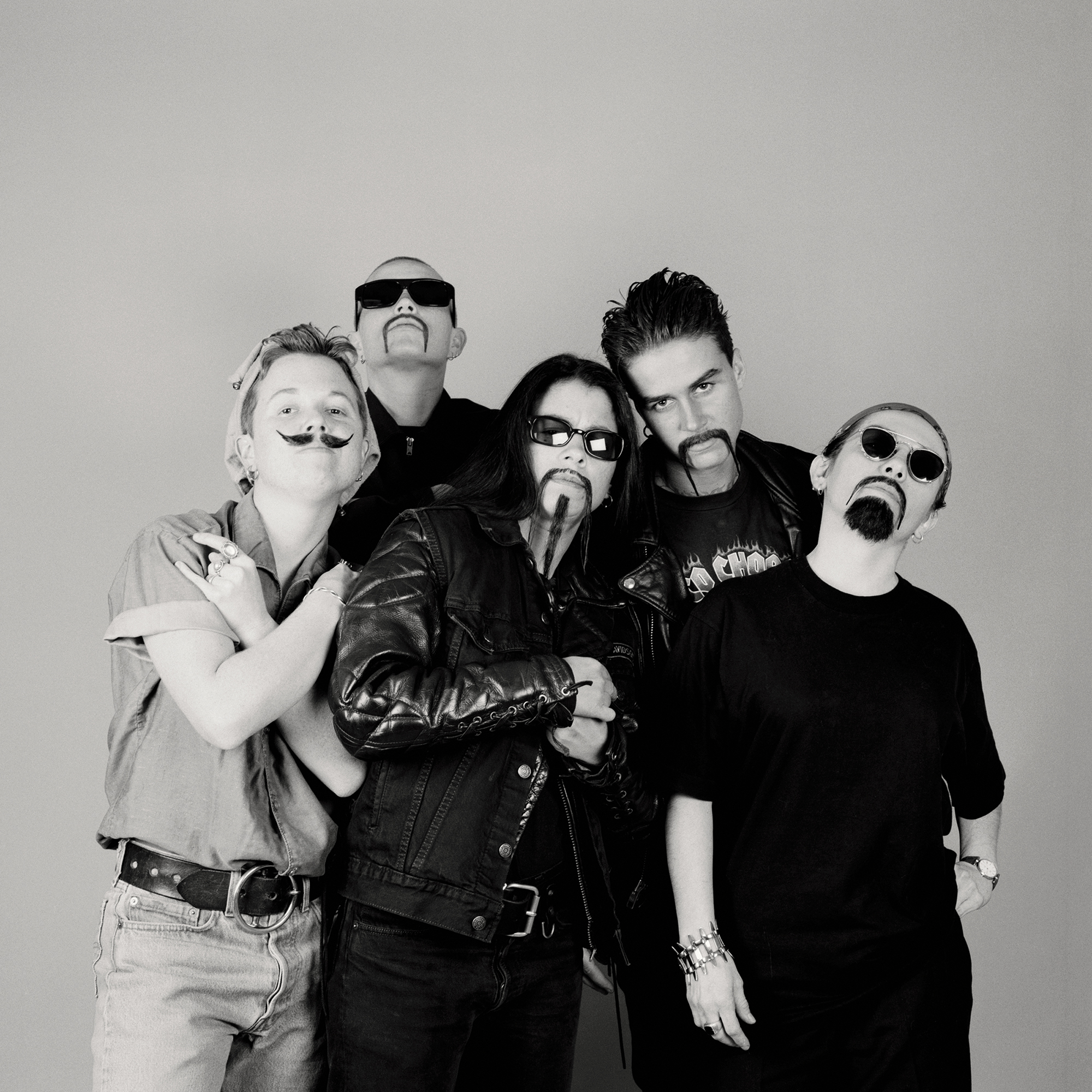
Over my decades in the classroom, I have watched generations of students arrive with different assumptions about what photography is and what it does. The collapse of the analog and digital divide, the rise of social media, and the shifting landscape of public and private imagery have transformed how young artists understand their work. The velocity with which images move through the world today is radically different from when I began my life in photography. Yet the essential questions remain. What do images do? Who is their audience? How do we represent the world without exploiting it? How do we represent people without exploiting them? How do artists sustain a practice over time? Who or what should we look to for inspiration?
The nature of influence became a recurring theme as I spoke with Paul, Carmen, Lucas, Janna, and Jeff. In art school, students are often warned about influence as if it threatens originality. The truth is that all art emerges from something learned, observed, or absorbed. Influence is not a burden; it is an inheritance.
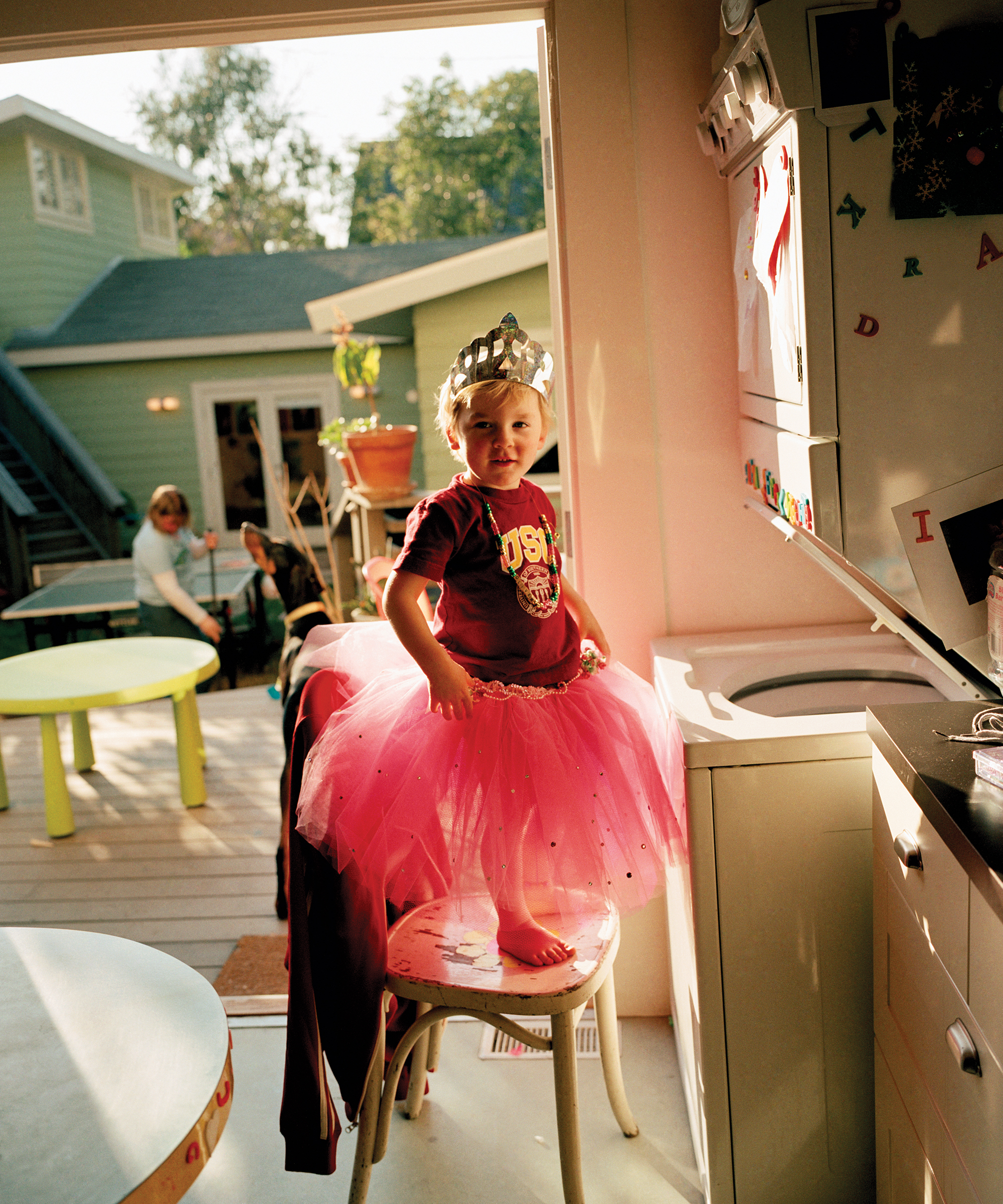
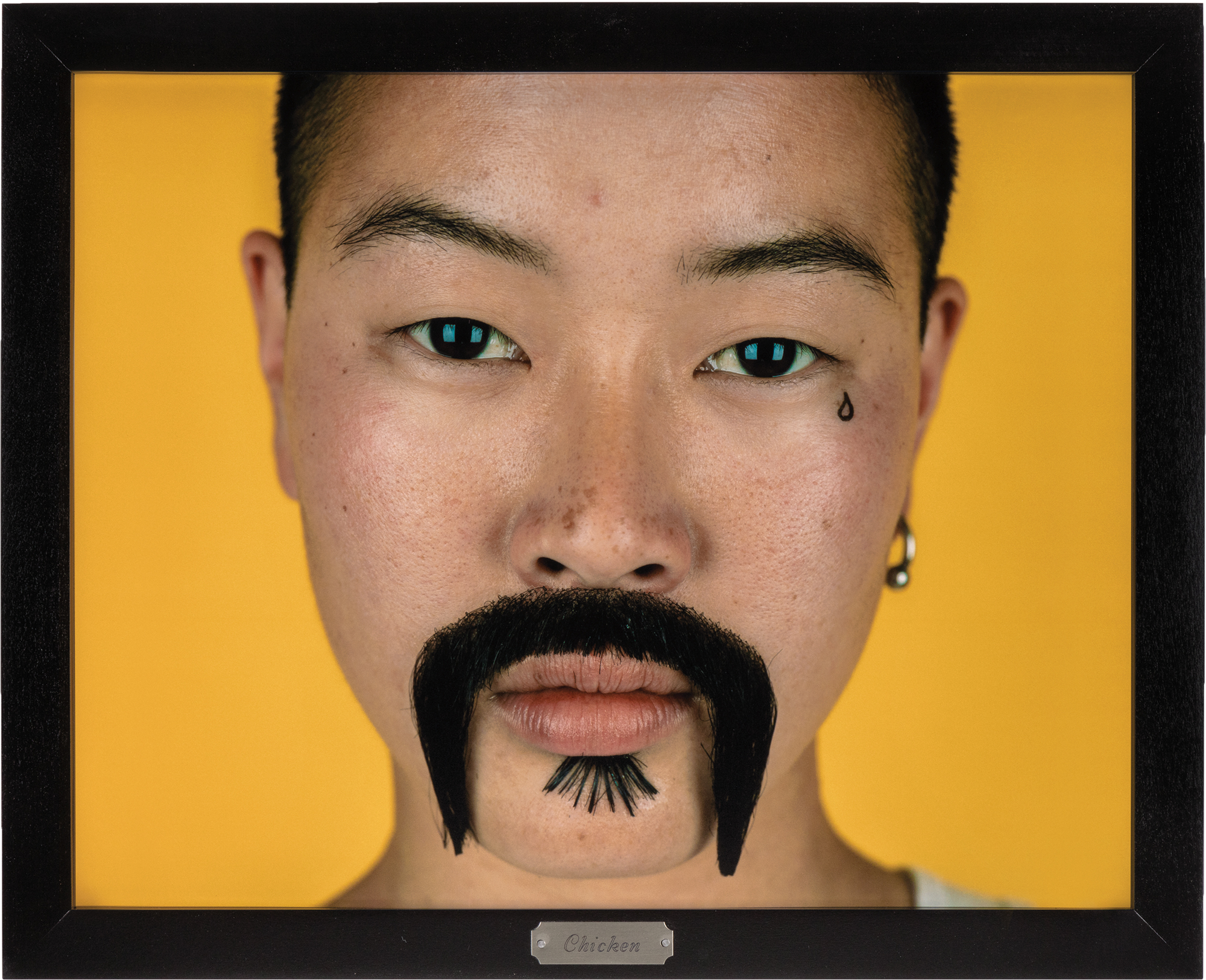
My own early work was shaped by the 1970s and ’80s, by avant-garde academic texts that framed political and cultural visibility and conceptual work by artists such as Barbara Kruger and Martha Rosler, who linked images with language and critique. But each generation develops its own constellation of people and references. Lucas spoke about teachers who shaped his thinking in ways he had not anticipated. Carmen described artists who transformed her approach, long before she understood how they were teaching her. Paul talked about learning to appreciate the image as an object through the example set by both his peers and famous figures in photography. Janna reflected on how rigorously studying history helped her to comprehend both narrative and form. Jeff recounted how an intersection of landscape, environment, and cultural memory directed his path. Together, their experiences form a shared and constantly evolving archive.

Catherine Opie on Identity and Collectivity
$29.95
An expansive dialogue about what it means to develop your artistic voice in collaboration with others.
The practical realities of building an artistic life also surfaced repeatedly as we talked. Students often imagine that a career in art can be sustained by inspiration alone, but those of us who have cultivated one know that endurance, structure, and discipline are equally essential. Being an artist is a long-term commitment that requires patience and an ability to navigate uncertainty. Teaching therefore must include honest discussions about labor, economic realities, and the complex institutional structures through which artists move. The work of sustaining a practice is built in the slow accumulation of time spent looking, thinking, and making; the work of building an artistic life requires a different kind of savvy.
Throughout our exchanges, I found that a shared sense of inquiry connected all six of us. The art of photography is full of contradictions; it is mechanical yet emotional, instantaneous yet historical, documentary yet conceptual. To teach the medium means to embrace these contradictions rather than resolve them—and to encourage students to ask questions for which there are no predetermined answers.
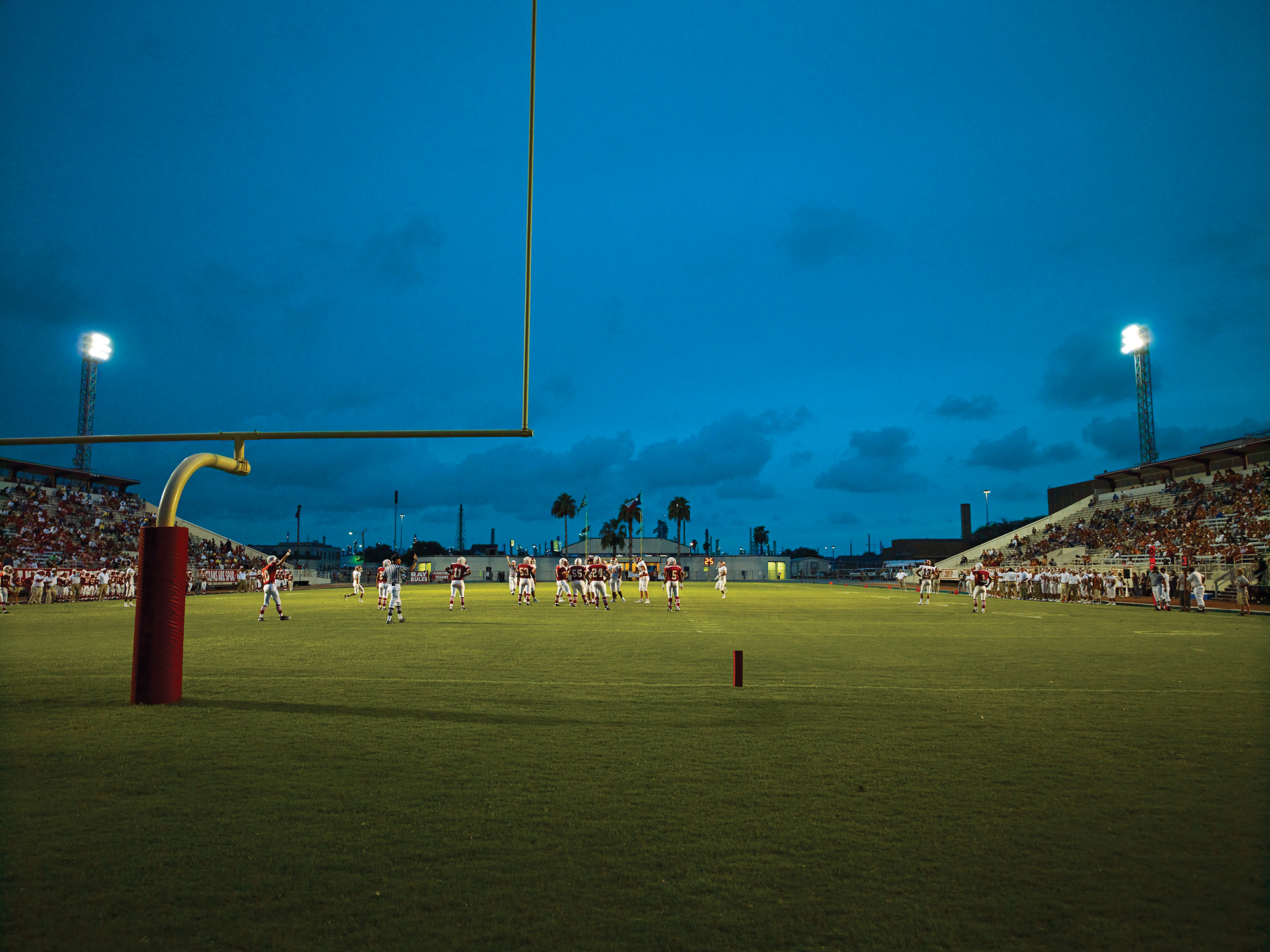
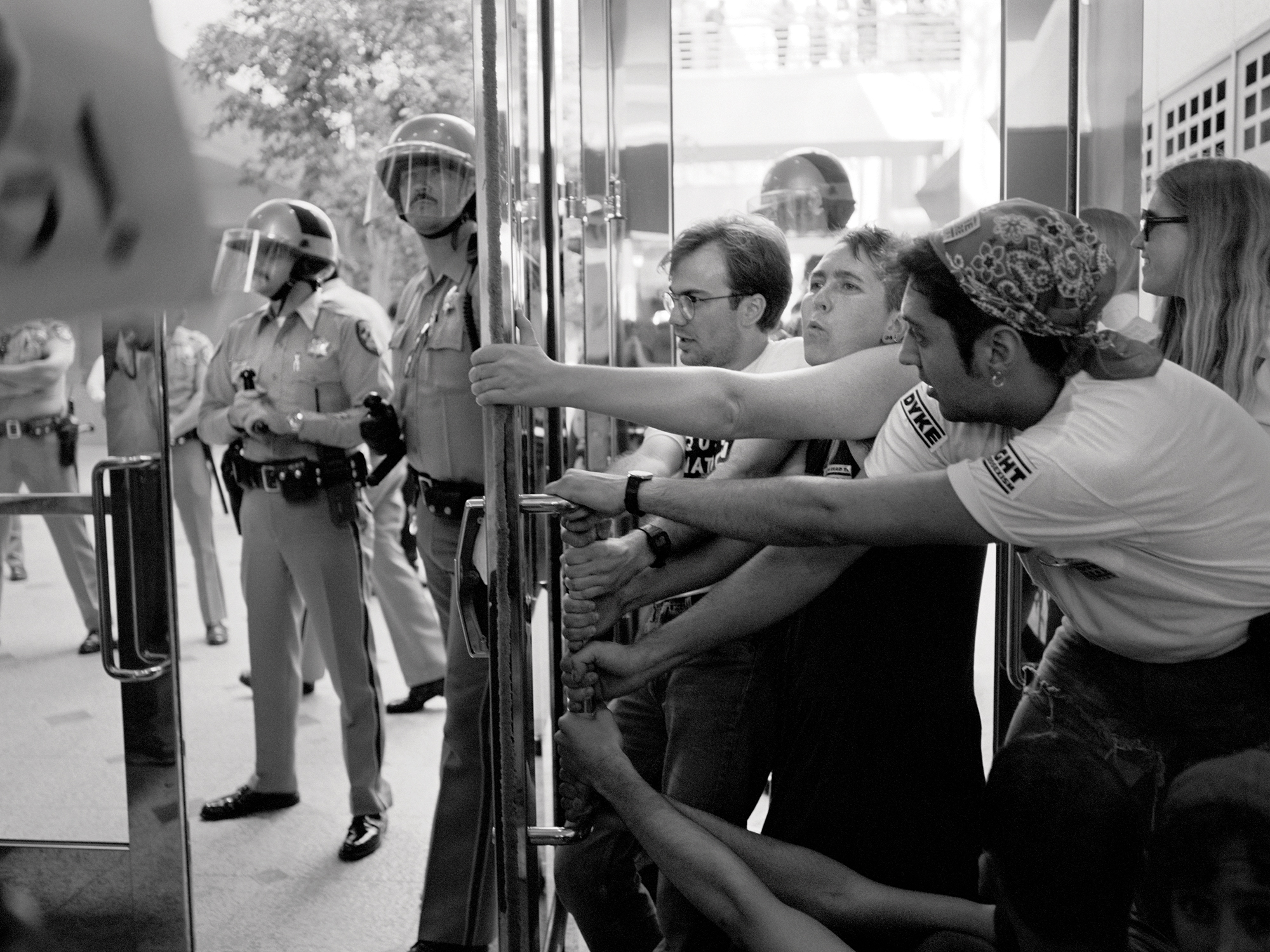
As educators we not only inherit histories but also challenge and expand on them. We carry forward our own influences and our own urgencies; each one of us adds something new to the lineage. Although our artistic practices differ, Carmen, Janna, Jeff, Lucas, Paul, and I all approach teaching as something profoundly cooperative and communal and shaped by the institutions, mentors, peers, and students who show us unexpected routes through the medium. What does it mean to pass knowledge on—for a question to be carried forward by another and reshaped by their own experiences and the times in which they live? As former students become teachers, the conversation widens again, and the cycle continues.
Photography thrives on these continuities. Every photograph contains a question. Every artist remains a learner. Every classroom is a chamber of overlapping voices. This book is an acknowledgment of the voices that have shaped my three decades of teaching and an expression of gratitude for all the relationships that sustained me. In thinking about the future of photographic education, I cannot ignore the shifting landscape of art schools. The college I attended, the San Francisco Art Institute, closed after a long and influential history. Its closure—and that of fellow institutions—is a profound loss. Places like SFAI cultivate forms of dialogue and experimentation that simply cannot be replicated by large university art departments. Despite having spent most of my career teaching at both Yale and UCLA, I believe that independent art schools such as CalArts remain essential for artists who need a community that understands the myriad complexities of making art and an environment built around intensive studio practice and dedicated critique. That these independent colleges continue to exist matters deeply for the next generations of artists who require spaces where risk, curiosity, and imagination are central to their education. Our collective work is to make sure that they continue to thrive.
This book is a testament to the legacy of those kinds of institutions: It reflects both the education I received and the education I have offered, and recognizes the communities that make artistic life possible. The classroom, the studio, the critique, and the collective practice of learning from one another form a lineage that extends far beyond any single career—it is my hope that the conversations will resonate and guide in ways that we cannot know, and will be continued by those who reimagine the future of the medium.
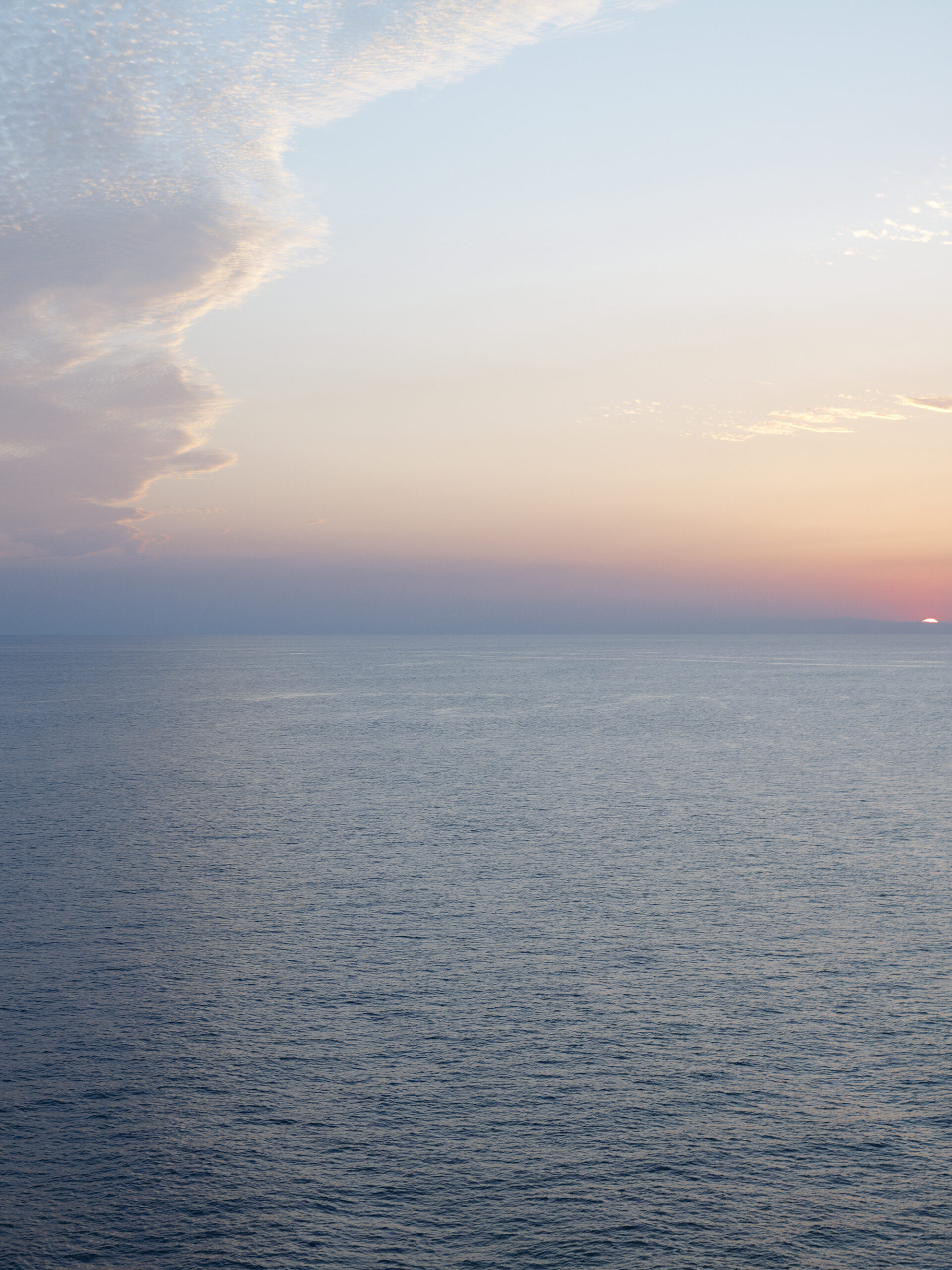
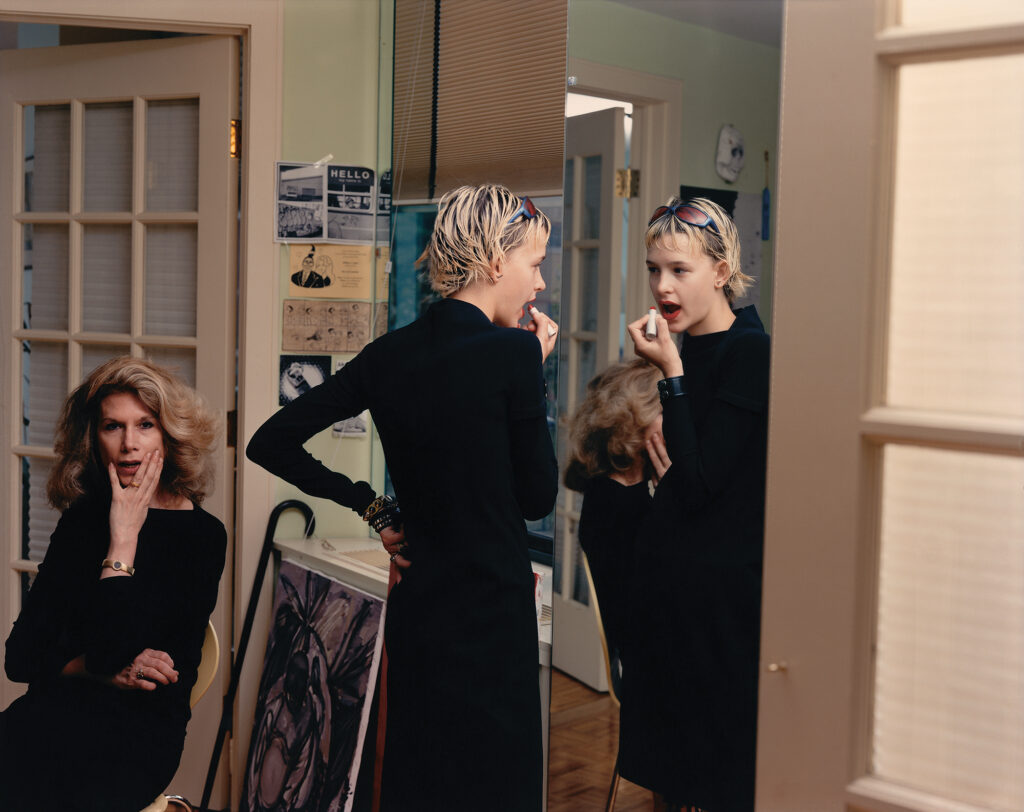
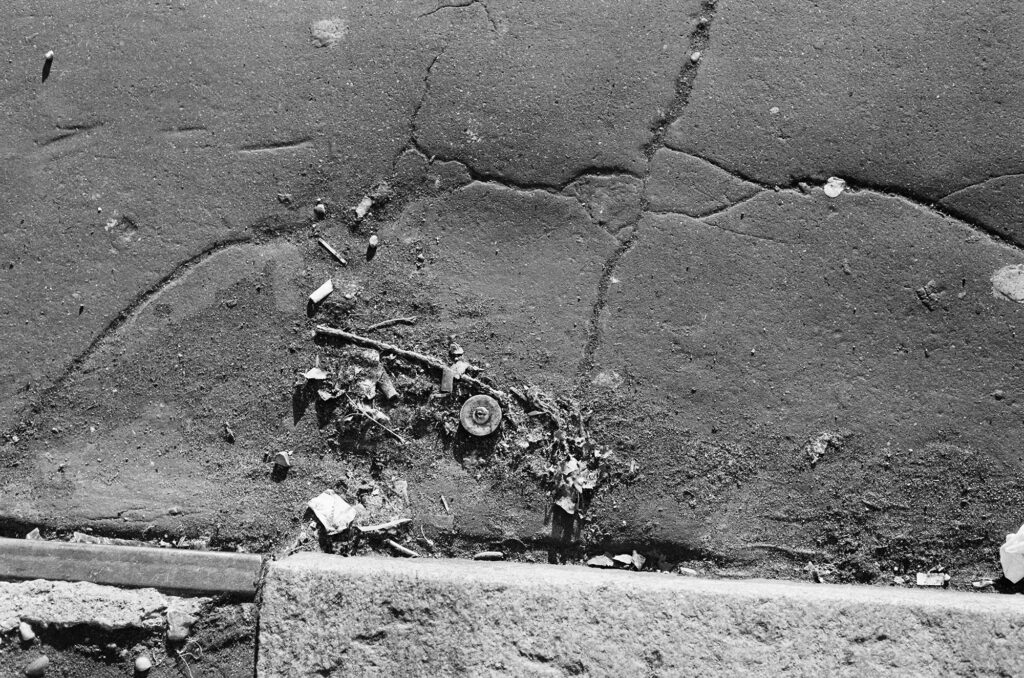
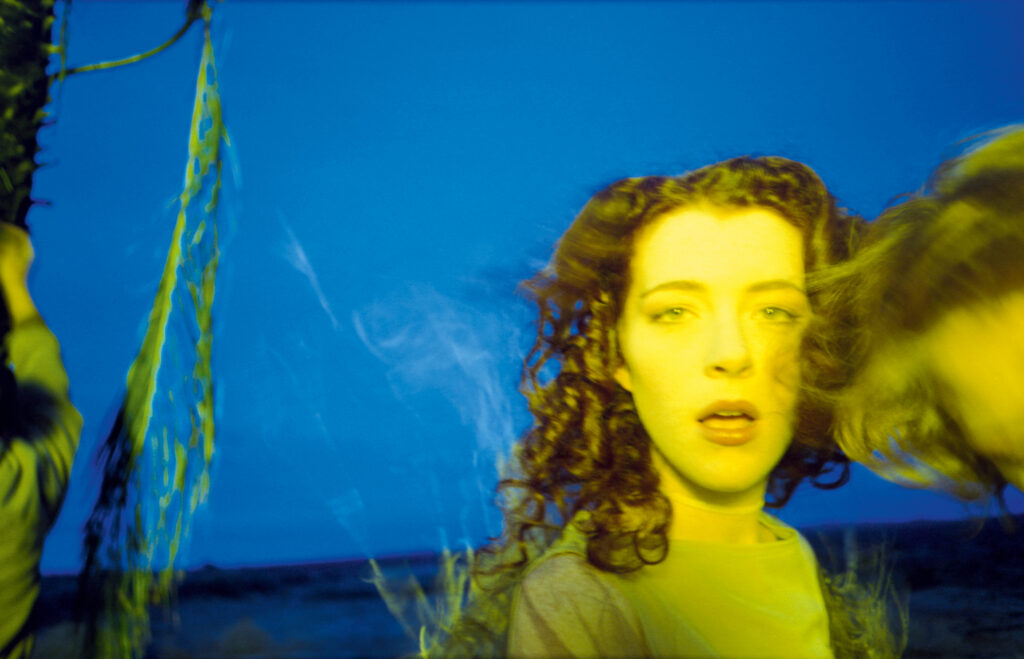
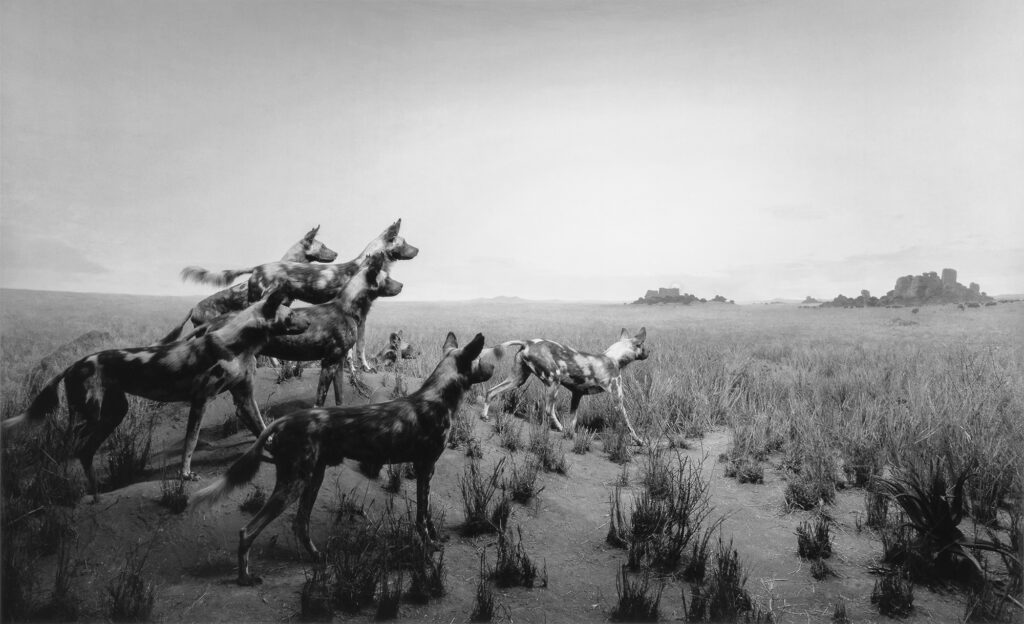
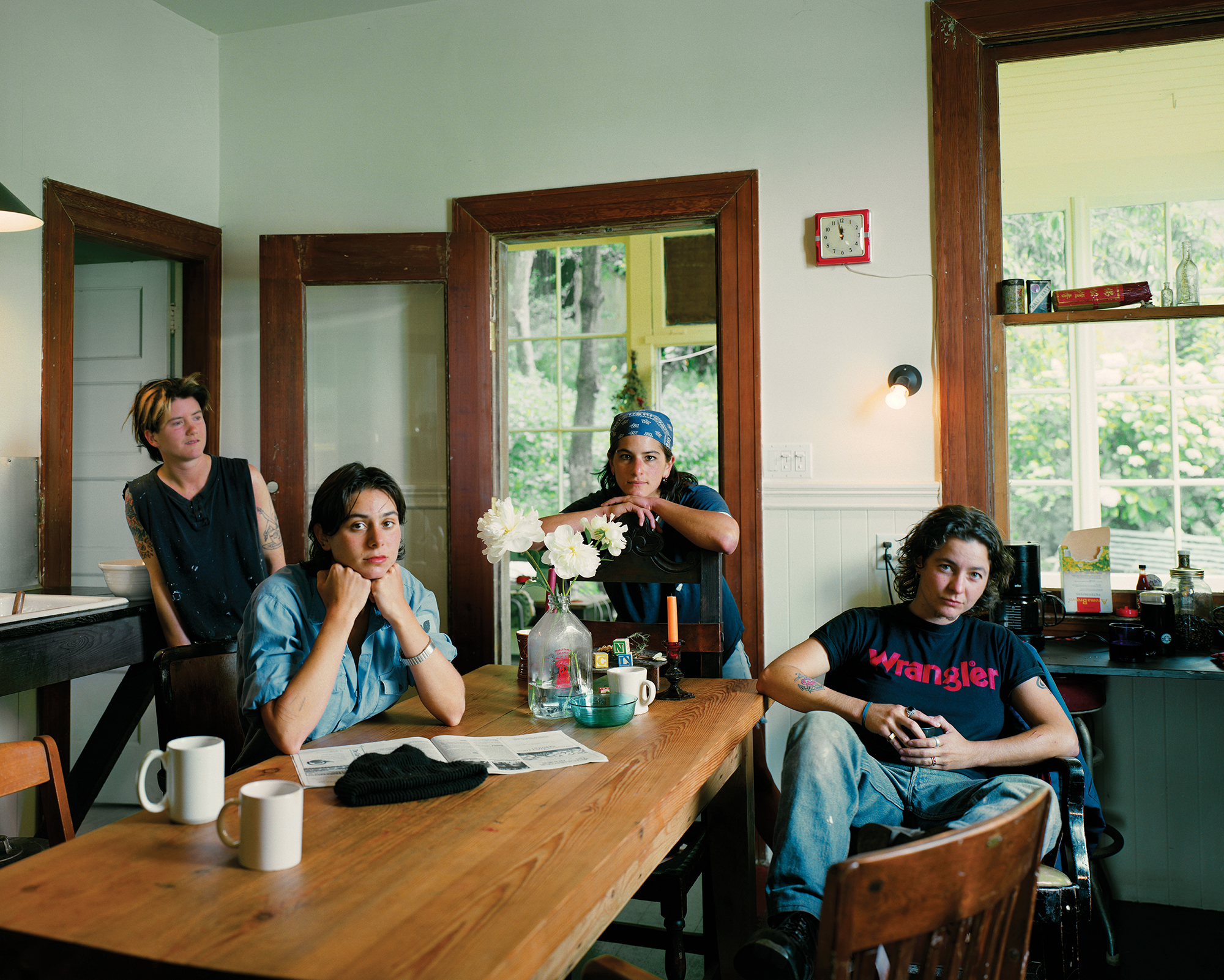
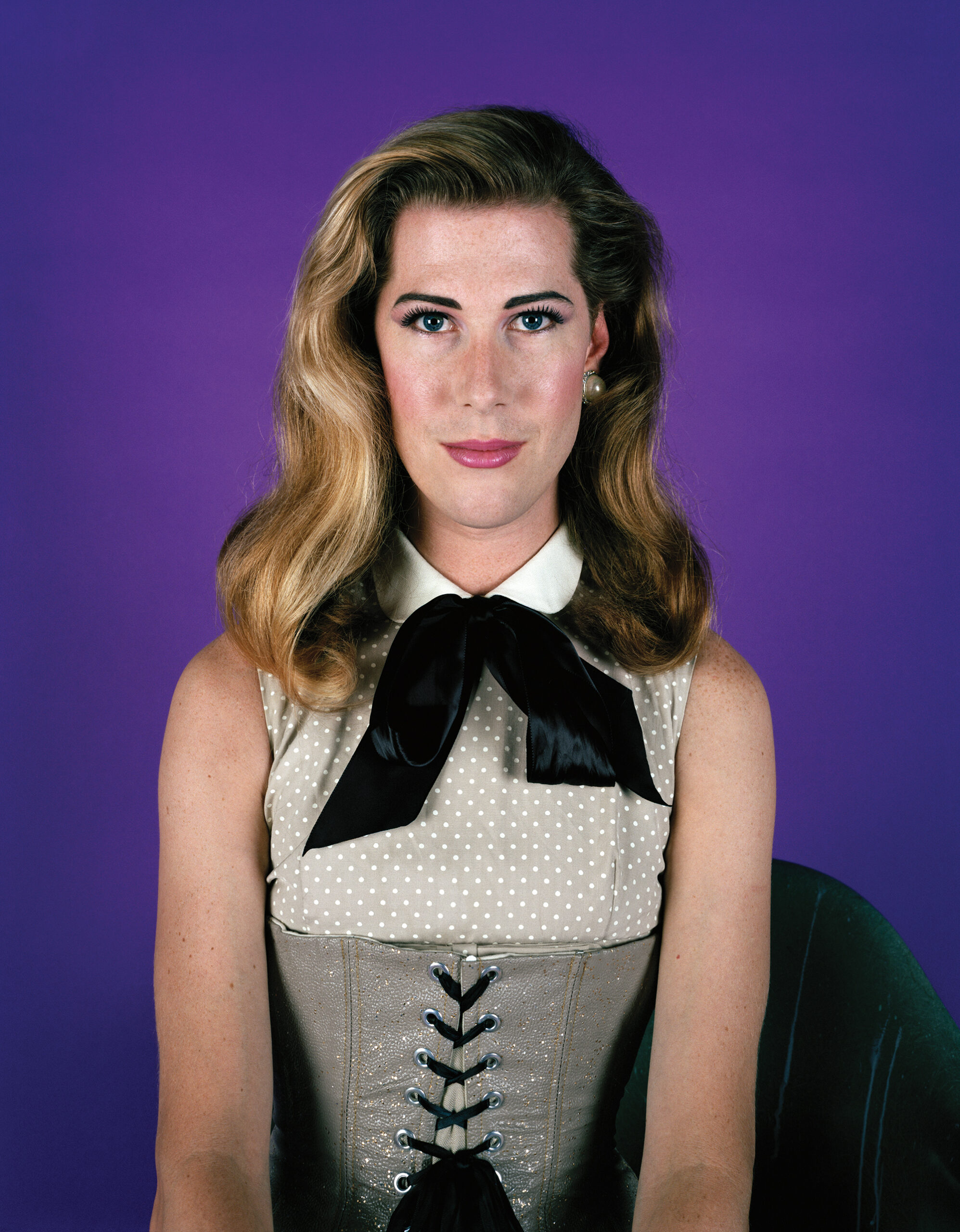
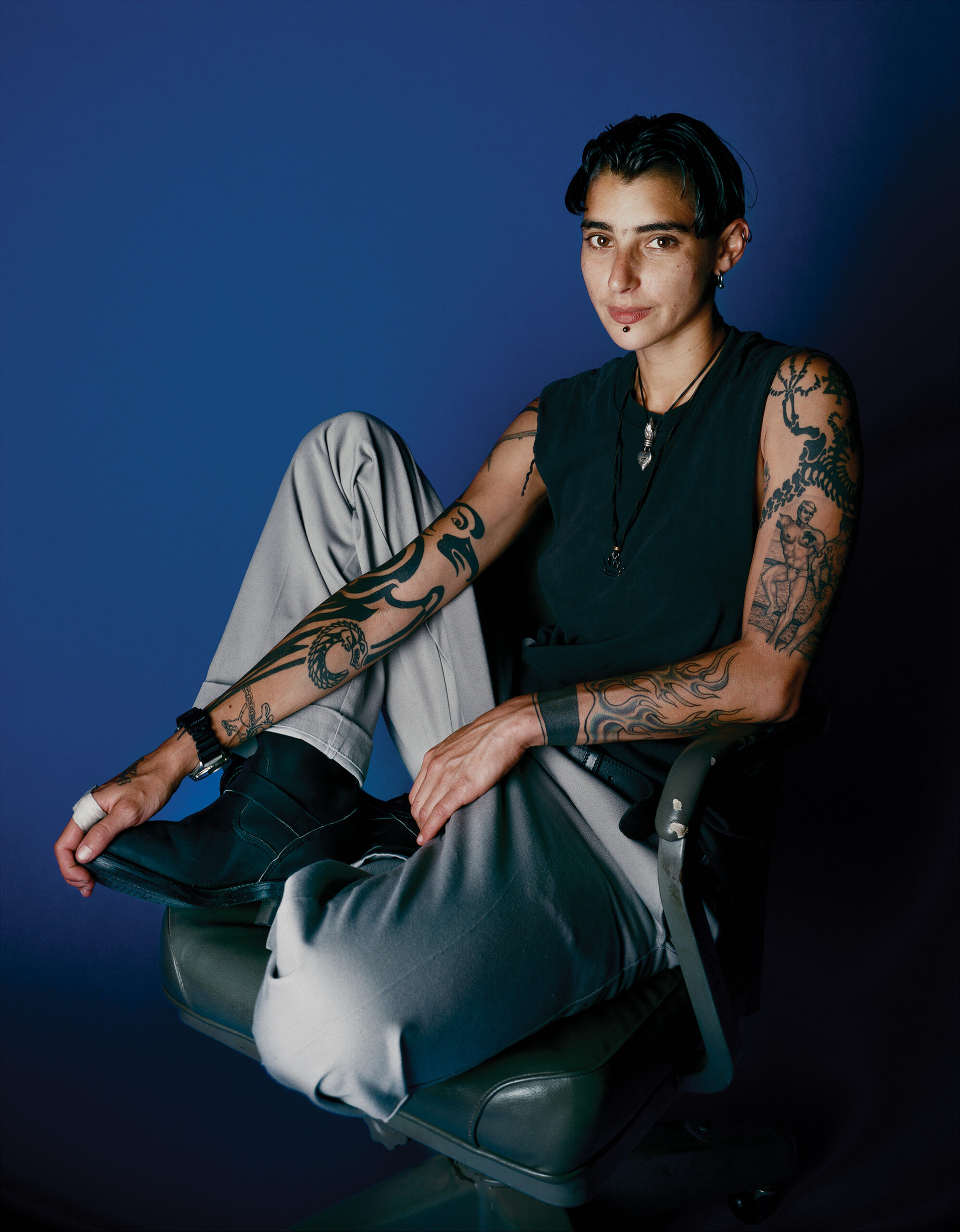
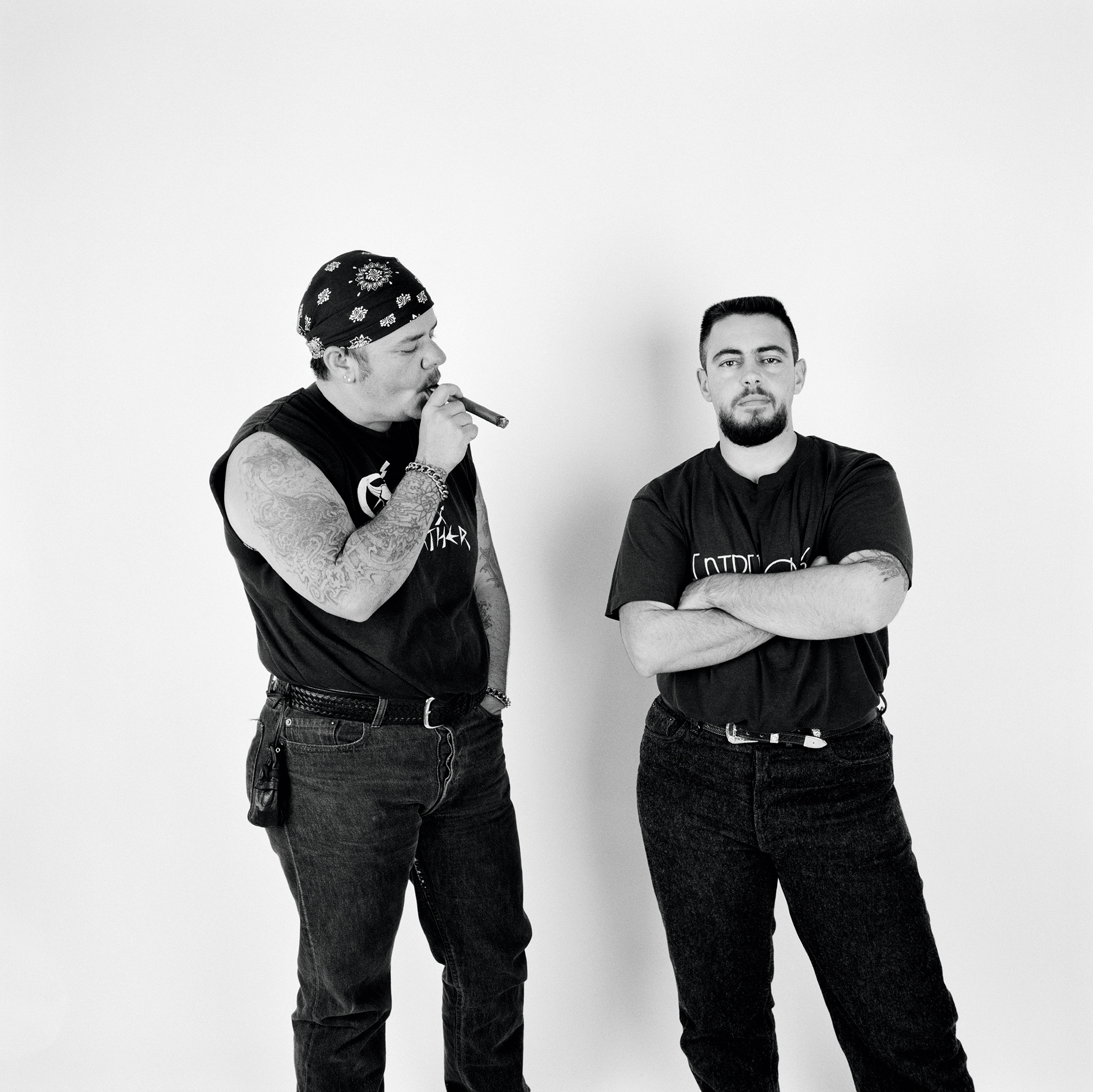
All photographs © the artist and courtesy of Regen Projects, Los Angeles; Lehmann Maupin, New York, Hong Kong, Seoul, and London; Thomas Dane Gallery; and Peder Lund Gallery, Oslo
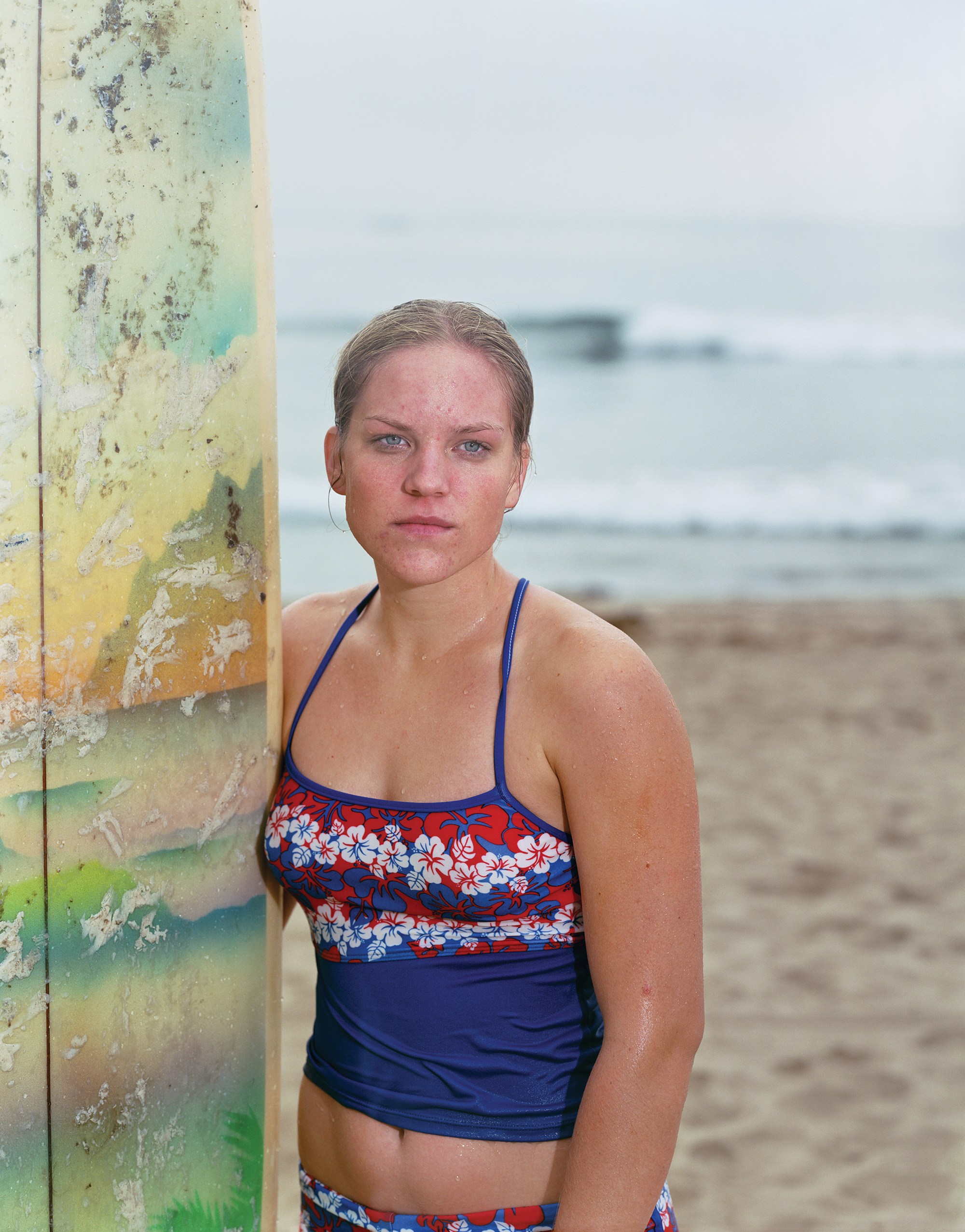
This essay originally appeared in Catherine Opie on Identity and Collectivity (Aperture, 2026).