Featured
The Secret Life of Photography
Aperture’s summer issue exposes a world of conspiracy, private eyes, voyeurs, hidden histories, and nested realities.
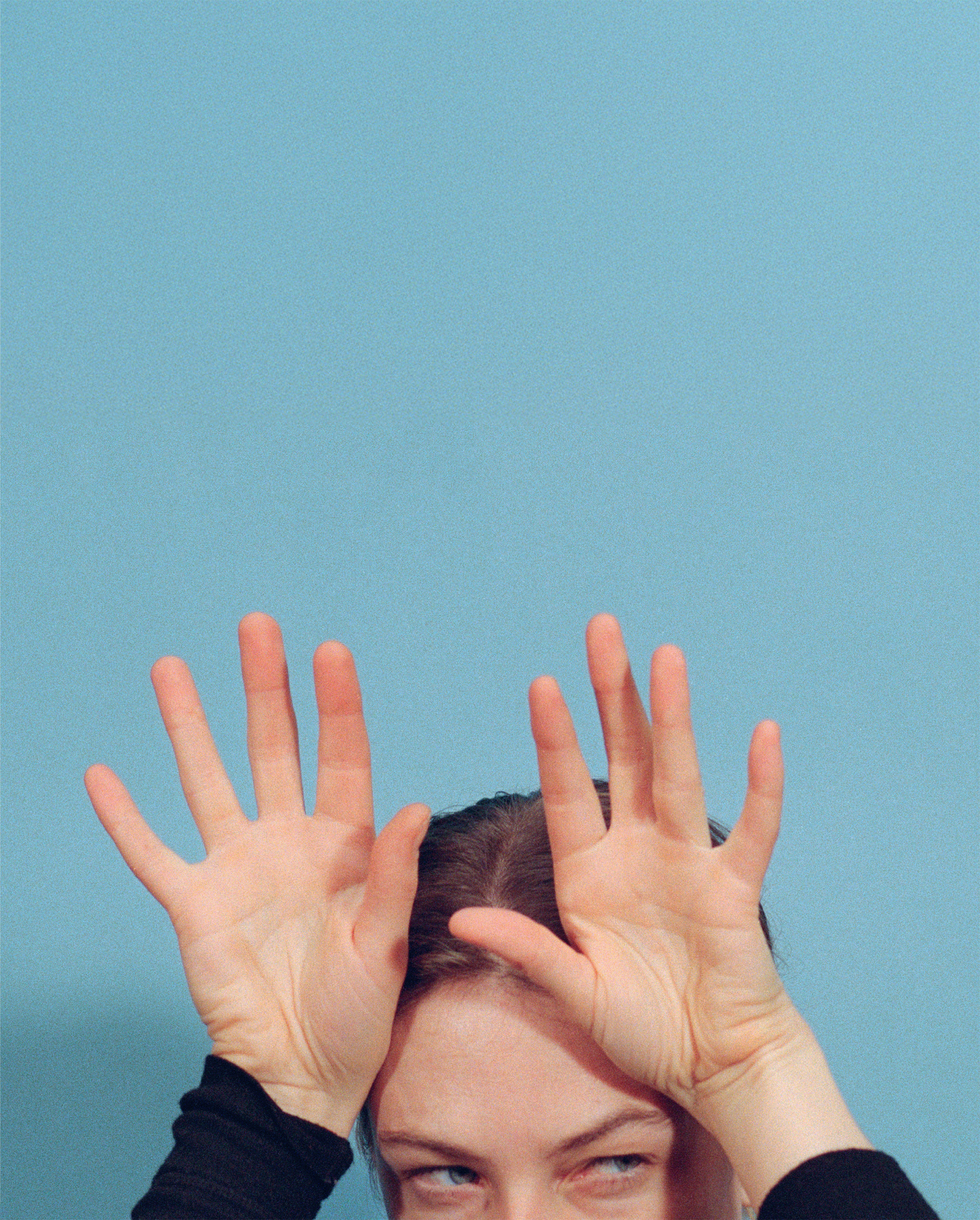
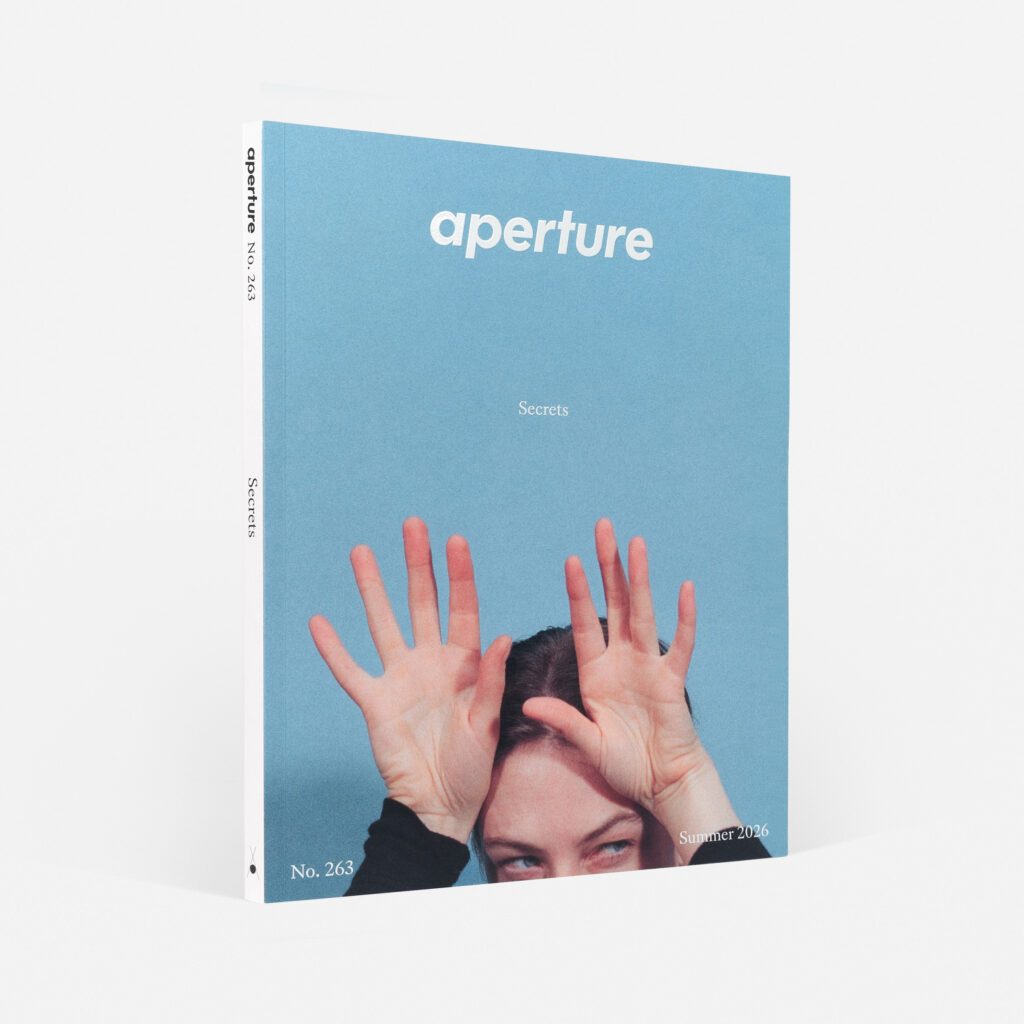
Cover of Aperture No. 263, “Secrets”

We live in a strange, shape-shifting time, where the contours of an agreed-upon reality are in flux. On social-media feeds churned by data-driven AI, the plot thickens until it shatters into a thousand pieces. Conspiracy, once the precinct of supermarket tabloids, is becoming common sense. Against a backdrop of fractured politics, the intrigue around the Epstein files offers a lingua franca, an unsavory point of consensus that an illuminati have circled their Gulfstreams to protect their own.
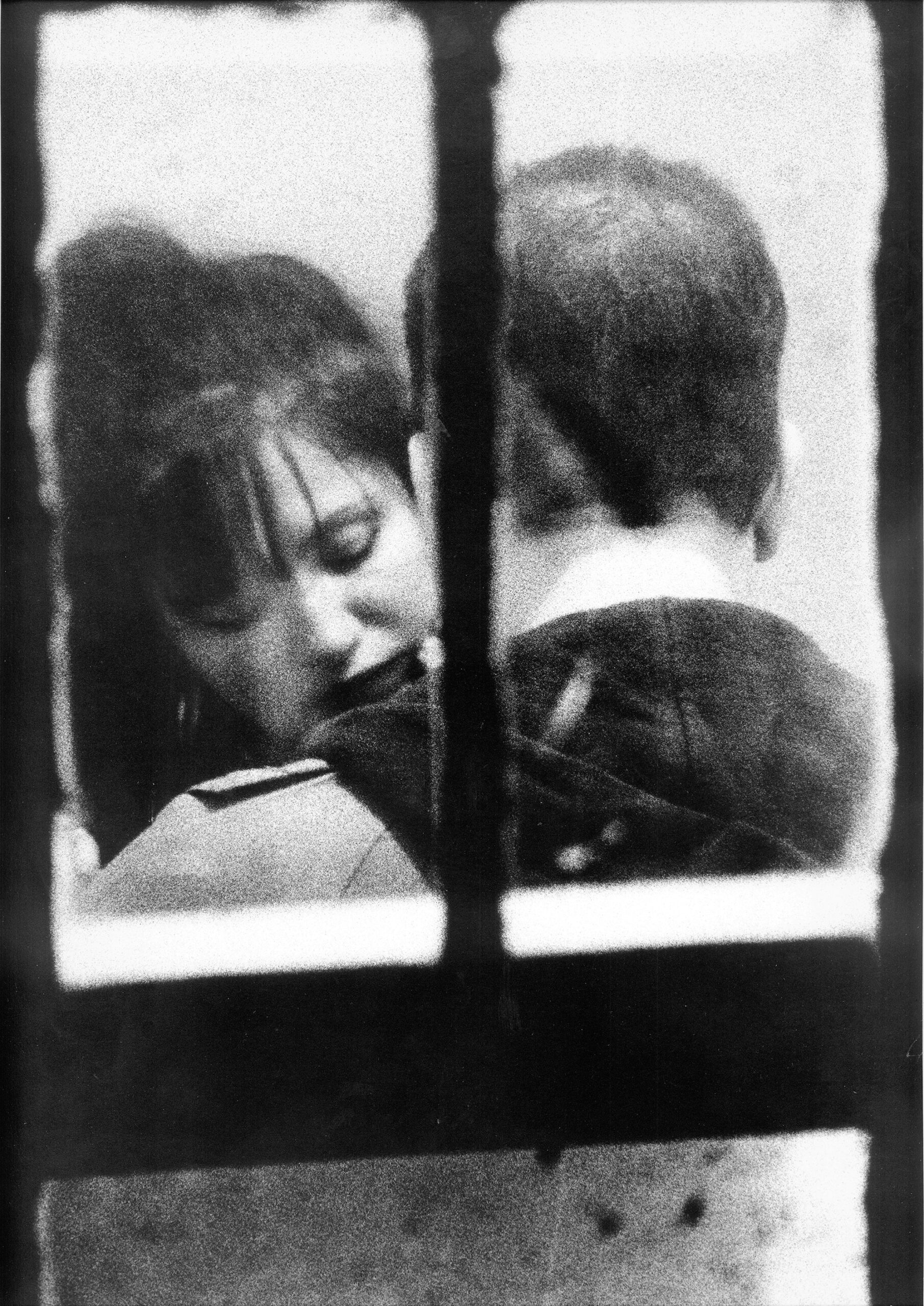
Power, as the artist Taryn Simon has shown, is less a spectacle than a system. Simon has spent her career documenting the unseen structures that shape institutions, from flower arrangements to nuclear storage sites. “I’ve never been looking to expose, I’ve been looking carefully to understand,” she tells us in these pages. It’s a line that speaks to how photographs have always existed in a kind of gap between revelation and concealment.
Related Stories
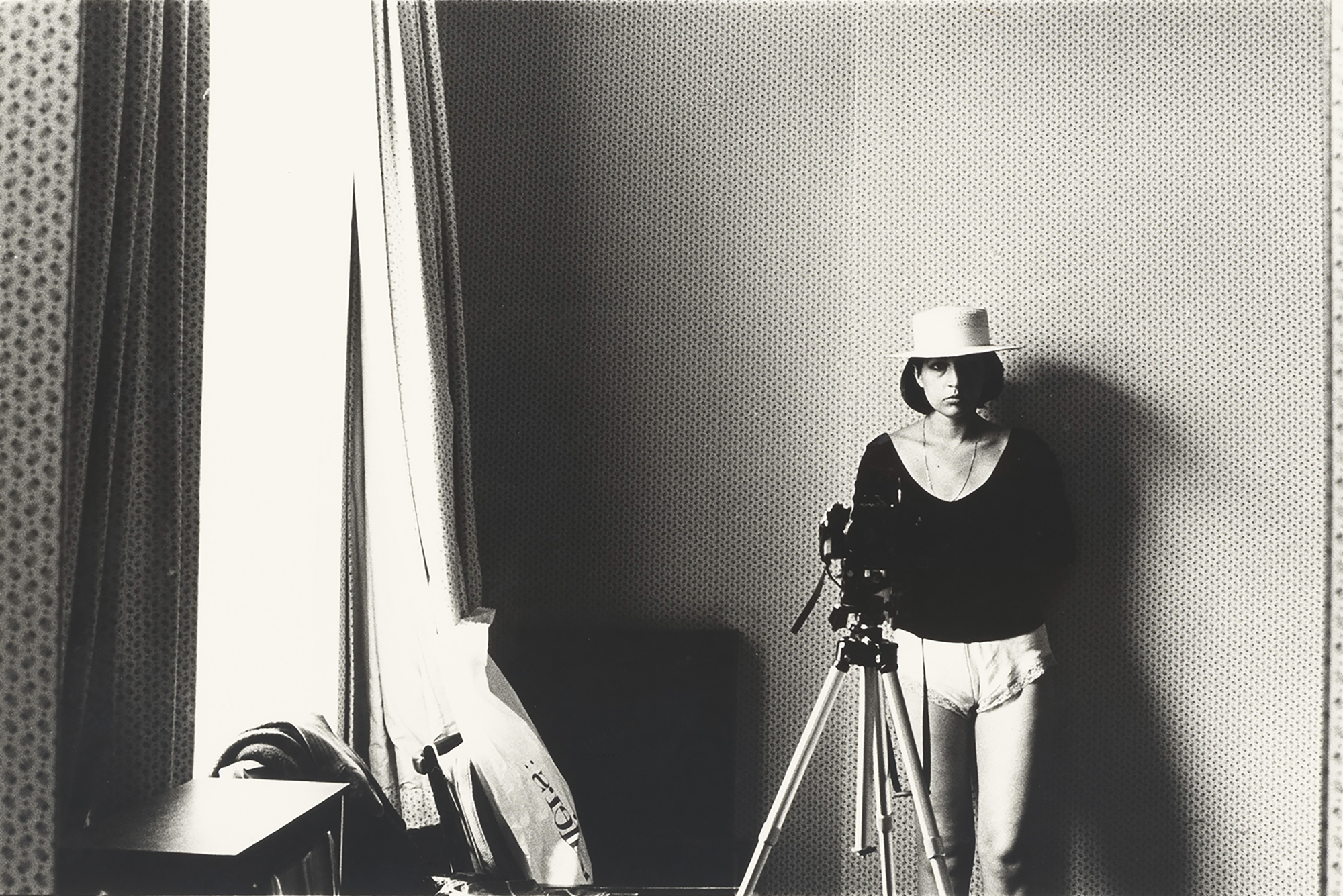
Not all secrets are pernicious, of course. In an age of oversharing and eroded privacy, a well-guarded secret takes on a new currency, a means of opting out of a system that wants to know everything about you. The photographers featured in this issue show how a secret can be a powerful bond, a shared symbology among workers, a form of play, the basis of a riveting whodunit, or something that can’t easily be put into words. Sarah Charlesworth and Alix Cléo Roubaud both left behind enigmatic bodies of images shrouded in open-ended questions. Charlesworth set her beguiling pictures up like magic tricks, only without a big “reveal.” Roubaud delighted in the sorcery of the darkroom. “I want to make everything come up to the surface,” she said. Like that of all the artists gathered here, her work asks not only what is hidden, but how and why we choose to look.
This article originally appeared in Aperture No. 263, “Secrets.”