Lee Friedlander’s Seven-Decade Portrait of a Marriage
For nearly seventy years, Lee and Maria Friedlander have shared a bond shaped—and at times distorted—by photography.
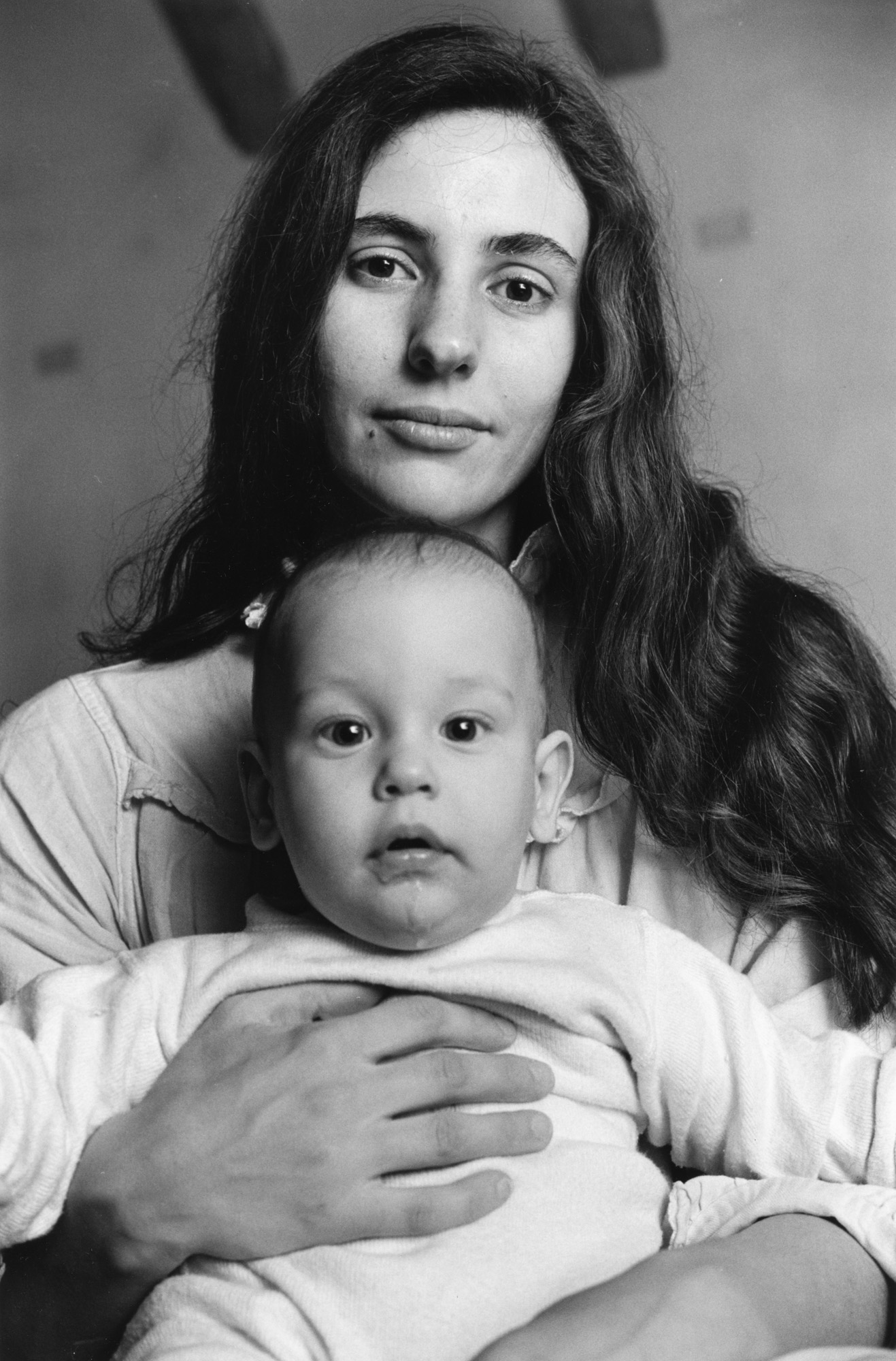
Lee Friedlander, Maria and Erik, New City, New York, 1961
Lee and Maria Friedlander recount the beginning of their long life together in much the same way. After running into her at the Sports Illustrated offices, where she worked as an assistant—women weren’t allowed to write for the magazine in 1958—Lee called Maria up and asked her to a Count Basie show at the jazz club Birdland. “I went and—it never stopped,” she told the gallerist Jeffrey Fraenkel in 2019. In Lee’s telling, they went to see Basie—“And that was it.” First date, rest of life. They have now been married sixty-eight years.
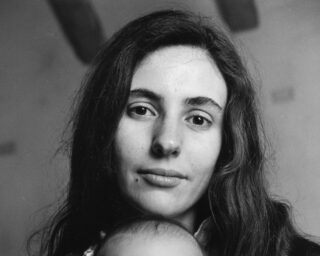
For each of those years, Lee has taken portraits of his wife: Maria caught in profile; Maria by Lee’s side; Maria holding their infant son; Maria at the wheel; Maria dozing off in the grass; Maria in Paris, Santa Fe, or Wales; Maria doing the crossword with their now adult daughter; Maria reading the funny pages with her daughter’s young son.
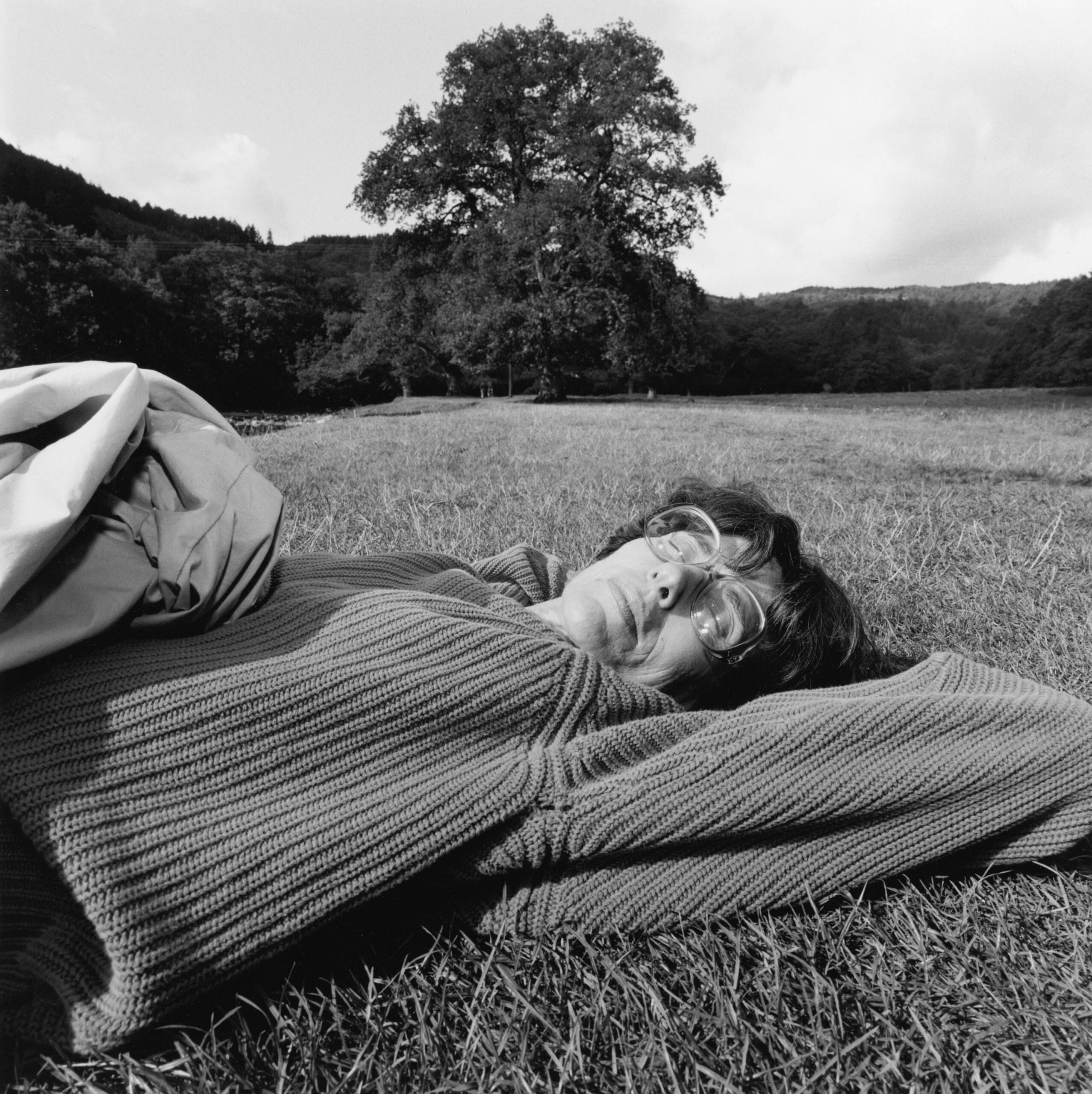
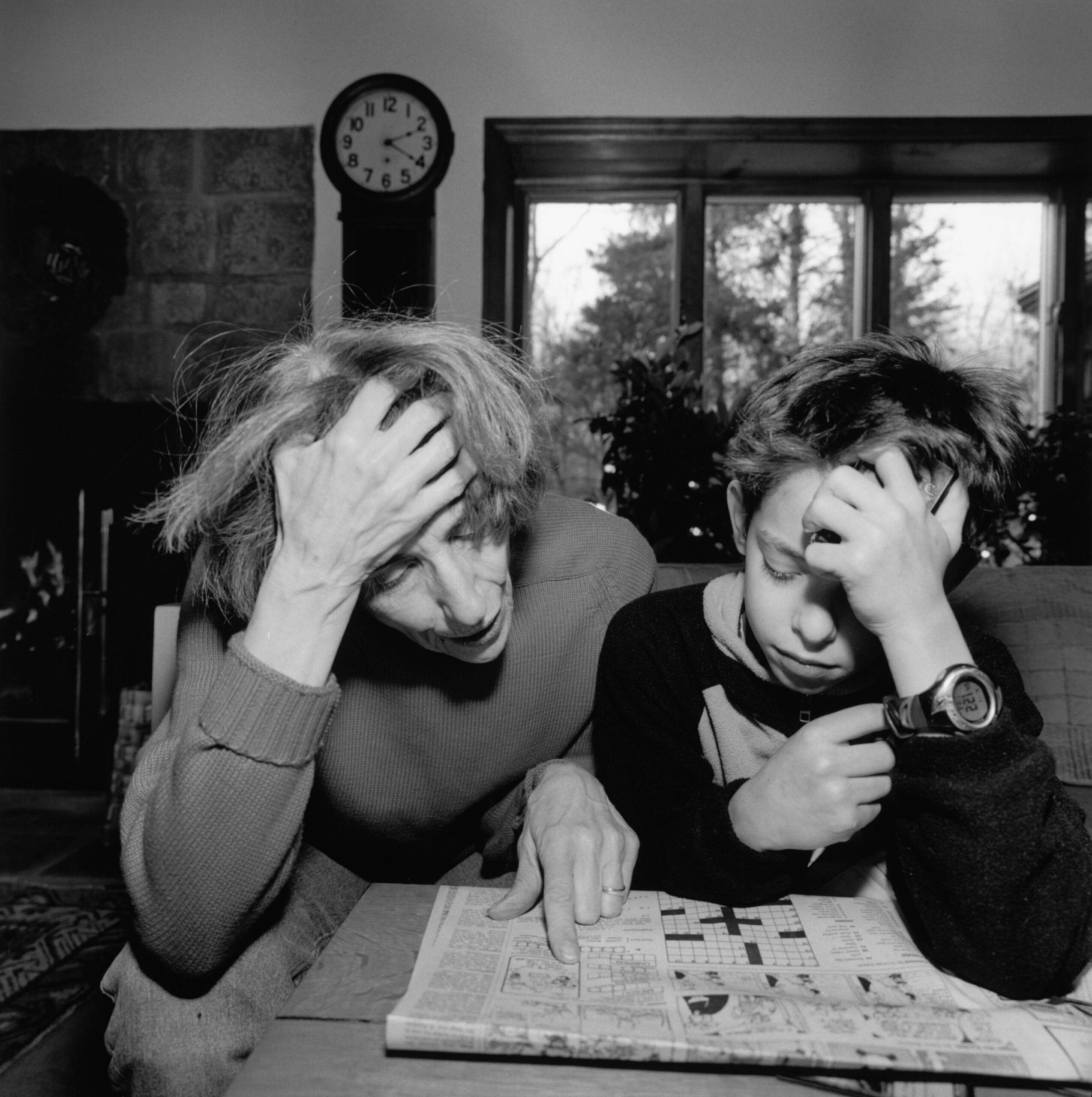
The photographs, currently on display at San Francisco’s Fraenkel Gallery, are clearly “Friedlanders.” They have a formal rigor to them. They are all monochrome. Lee, the original selfie king, is often present—sometimes only obliquely, his shadow stamped onto Maria; always in the clarity of his vision. But these pictures are also more intimate than much of Lee’s work. A 1974 photograph taken on a camping trip in Colorado is an apt spatial rendering of the family dynamic, with its uneasy miasma of romantic and domestic love. In the right half of the image, the couple’s children occupy themselves at the picnic table; on its left, Maria, in dishabille, meets Lee’s gaze from the back of the camper, a look of sly complicity creasing her face. These portraits document the relentless etchings of time: Maria’s cheeks hollow; a furrow appears in her forehead; her mane of black hair lightens and one day reappears cropped short. Later images of her reclining, legs splayed, or reviewing documents in her underwear are discomfiting, and forceful, in their rare combination of aging, eroticism, and the mundane.
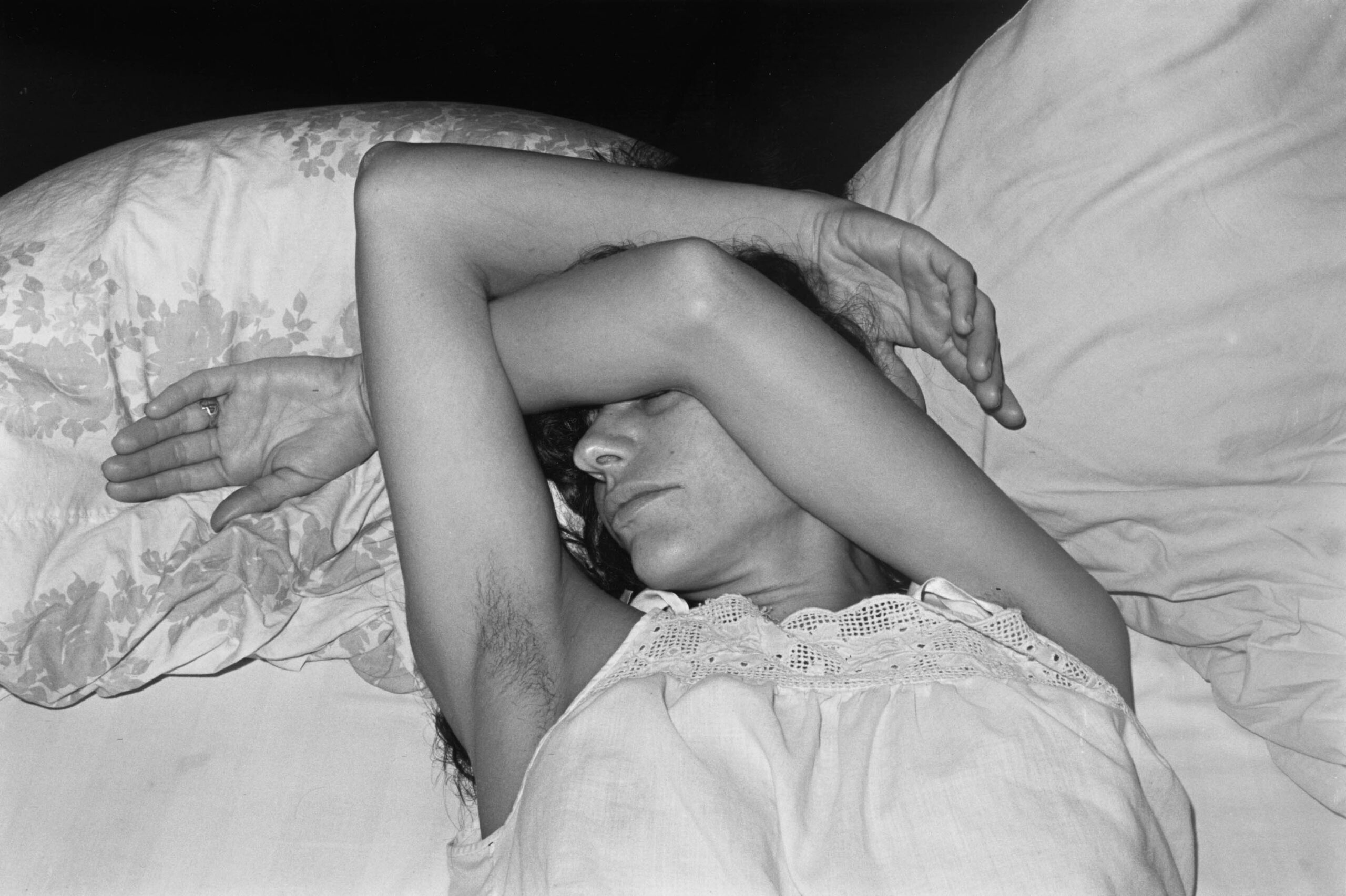
The word muse does not seem quite right here: Lee felt the compulsion to make photographs long before he met Maria, and he would have gone on doing so if there had been no Sports Illustrated encounter, no Basie show. (“What’s in front of me starts to get photographed. And Maria has been in front of me a lot,” he told one interviewer, characteristically unsentimental.) But his portraits evince a steady desire to keep looking and an awareness of what they cannot see, two qualities that seem essential to the tenacity of a marriage. Consider Maria’s appraisal of why their sometimes troubled relationship endured: “No matter what was going on, we always did what we said we were going to do.” “I’m certainly curious about Maria,” Lee said, more than thirty years in. “I still am.”
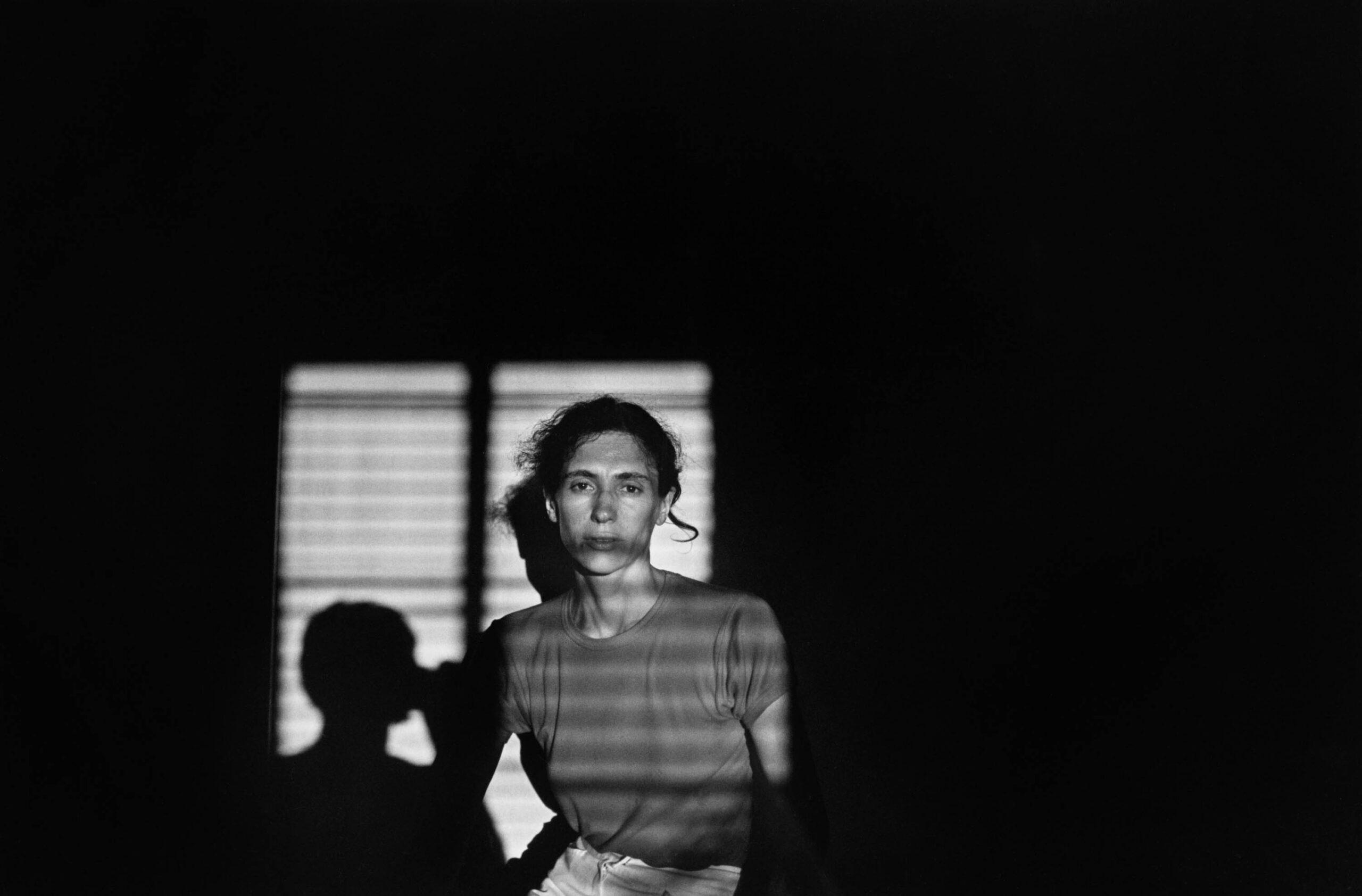
In some of these images, Maria revels in Lee’s gaze, preening like a rock star or a fashion icon; in others, she seems to reluctantly tolerate it, or merely looks back at him, inscrutable. Who knows what she’s thinking? She has compared the experience of looking back at Lee’s pictures of their shared past to “rereading a private journal.” Unlike Lee, who is often comically taciturn when asked about his work, Maria’s essays and interviews allow us a degree of access into that hidden world. They reveal a life not merely documented by her husband’s camera but also molded by it. She recalls her discomfort, in the years after his late ’70s Nudes series, when women they knew socially would brazenly ask him to shoot them naked. Photographs Lee took in 1979 of a then unknown Madonna later put their children through college; Lee and Maria went to the theater to see Desperately Seeking Susan and realized that his former nude model was now a famous singer and actress. Other luminaries appear, at decidedly human scale. (Maria is drily hilarious on the topic of Garry Winogrand, Lee’s contemporary: “Garry seemed happy as he said his third ‘I do’”; “Garry never punched anyone in our house.”) Lee made his first portrait of Maria with Walker Evans’s camera.
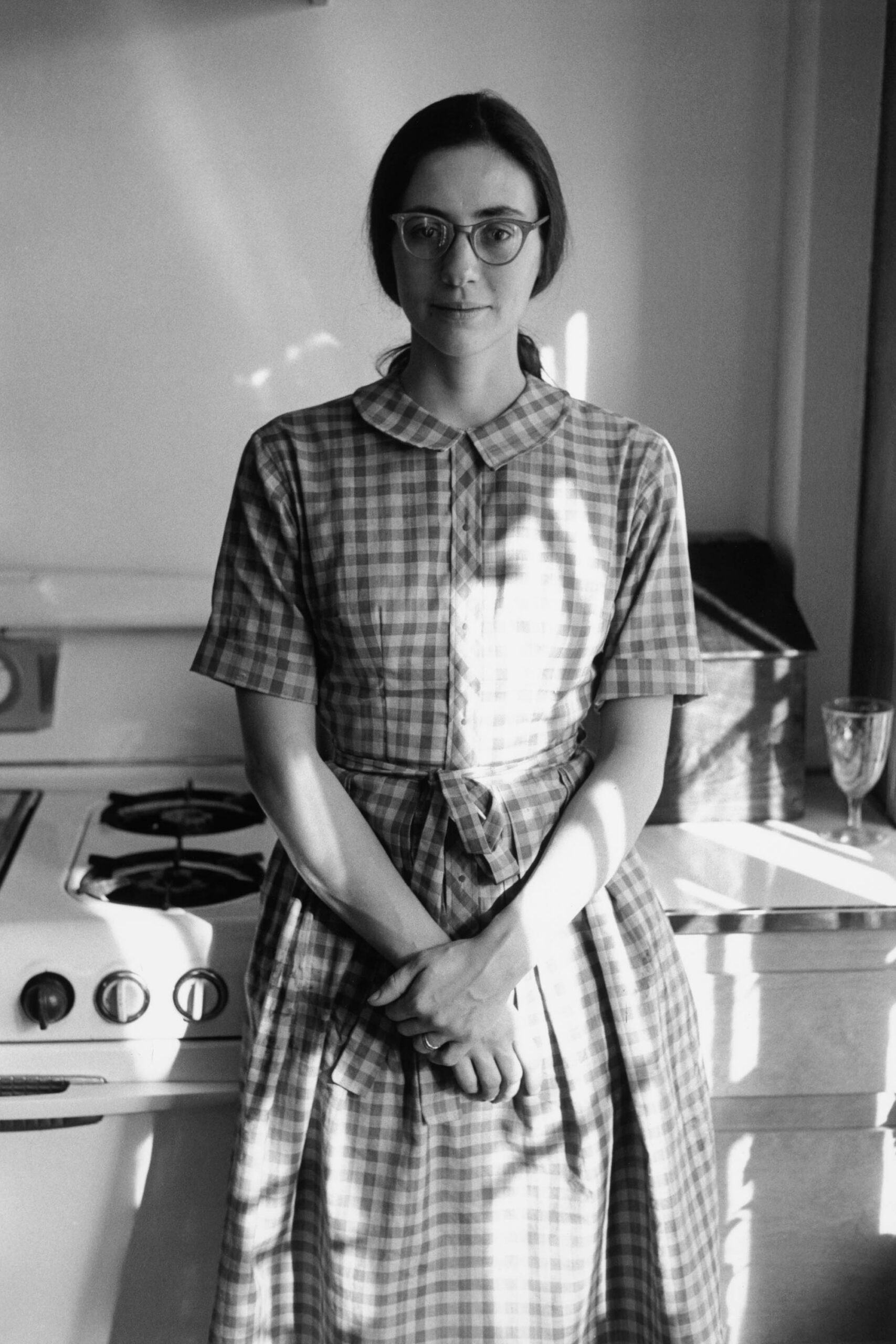
All photographs © the artist and courtesy Fraenkel Gallery, San Francisco and Luhring Augustine, New York
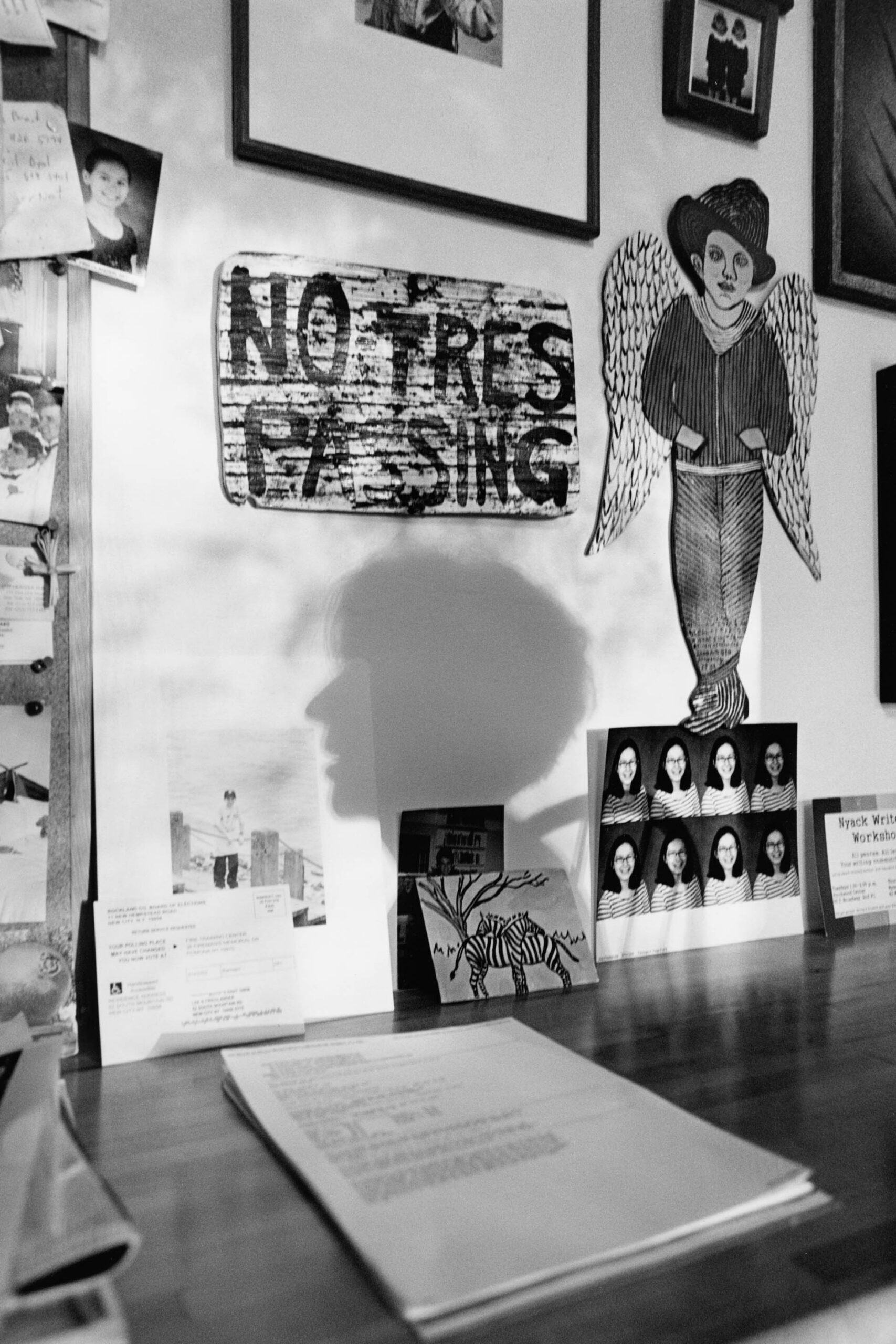
Maria has written about the emotional whiplash of seeing the arc of her family’s life represented in book form. The passage of decades can seem to collapse in on itself: There she and Lee are with their young children, and a few pages later, those same children have grown up and are holding babies of their own. Fraenkel’s visual presentation achieves the same effect. The photographs on the main wall of the gallery balloon outward in the fullness of midlife, then taper. The final portrait shows the couple’s shadows, shoulders touching. You feel the weight of life and its ephemerality; the endless span of days, weeks, months, and the speed with which, looking back, it has vanished.
In 2019, when Fraenkel interviewed Maria for a Friedlander retrospective, she spoke bluntly about the vicissitudes of old age. Her eyesight was failing, robbing her of “one of the greatest pleasures of my life.” Lee, meanwhile, had whittled down the substance of his own life, retreating into his work: “The darkroom has become his cupola.” Nearly everything has gone, but Lee and Maria are still there, together. And so is Lee’s camera.