9 Exhibitions to See This Summer
From high fashion to high-speed photography—and everything in between—here are the season’s must-see shows.
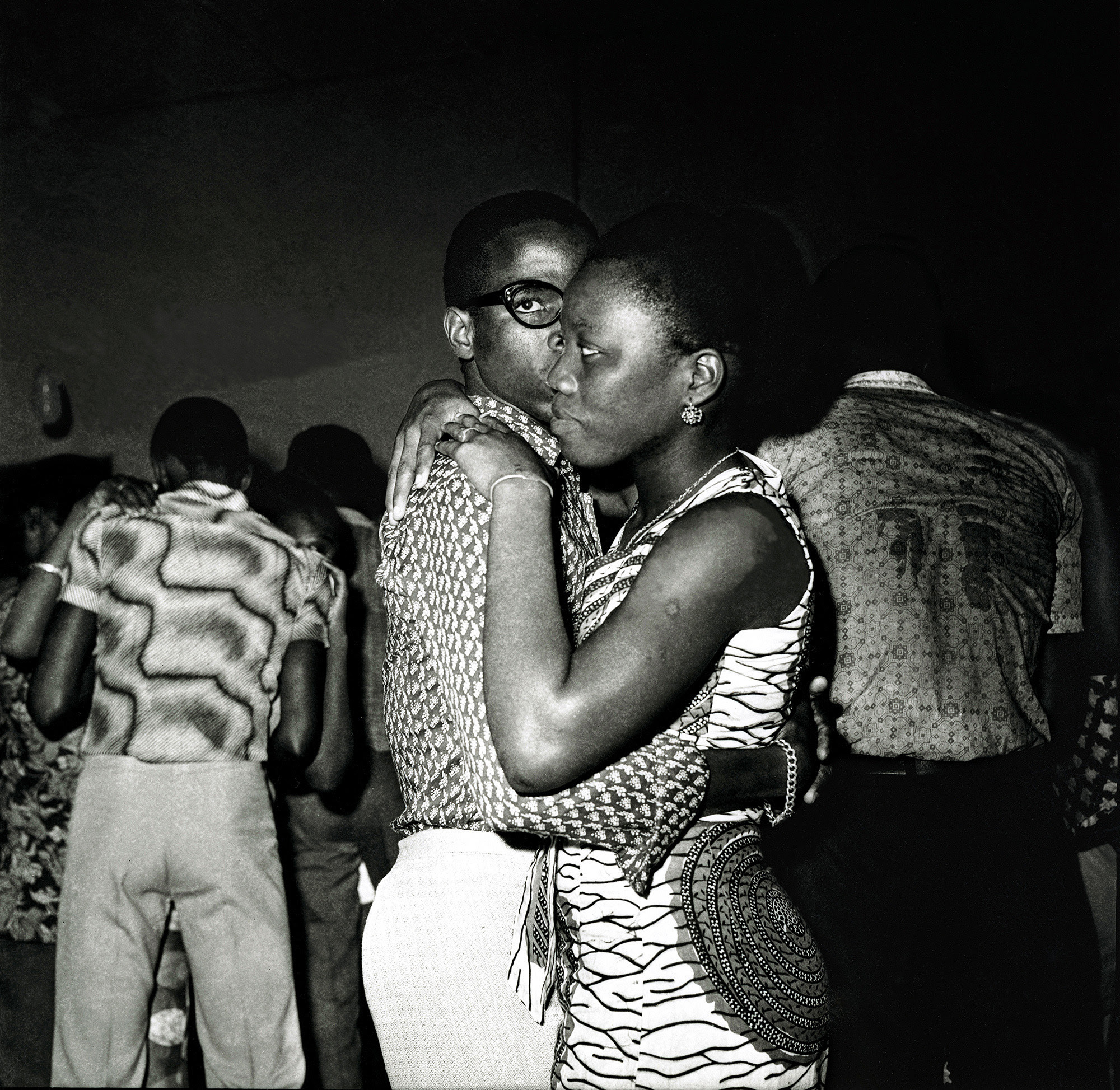
Paul Kodjo, Abidjan, 1970s, from the series Les Soirées dansantes (Dance Parties)
Courtesy Les Rencontres du Sud and in camera galerie
© the artist
Camille Vivier — Paris
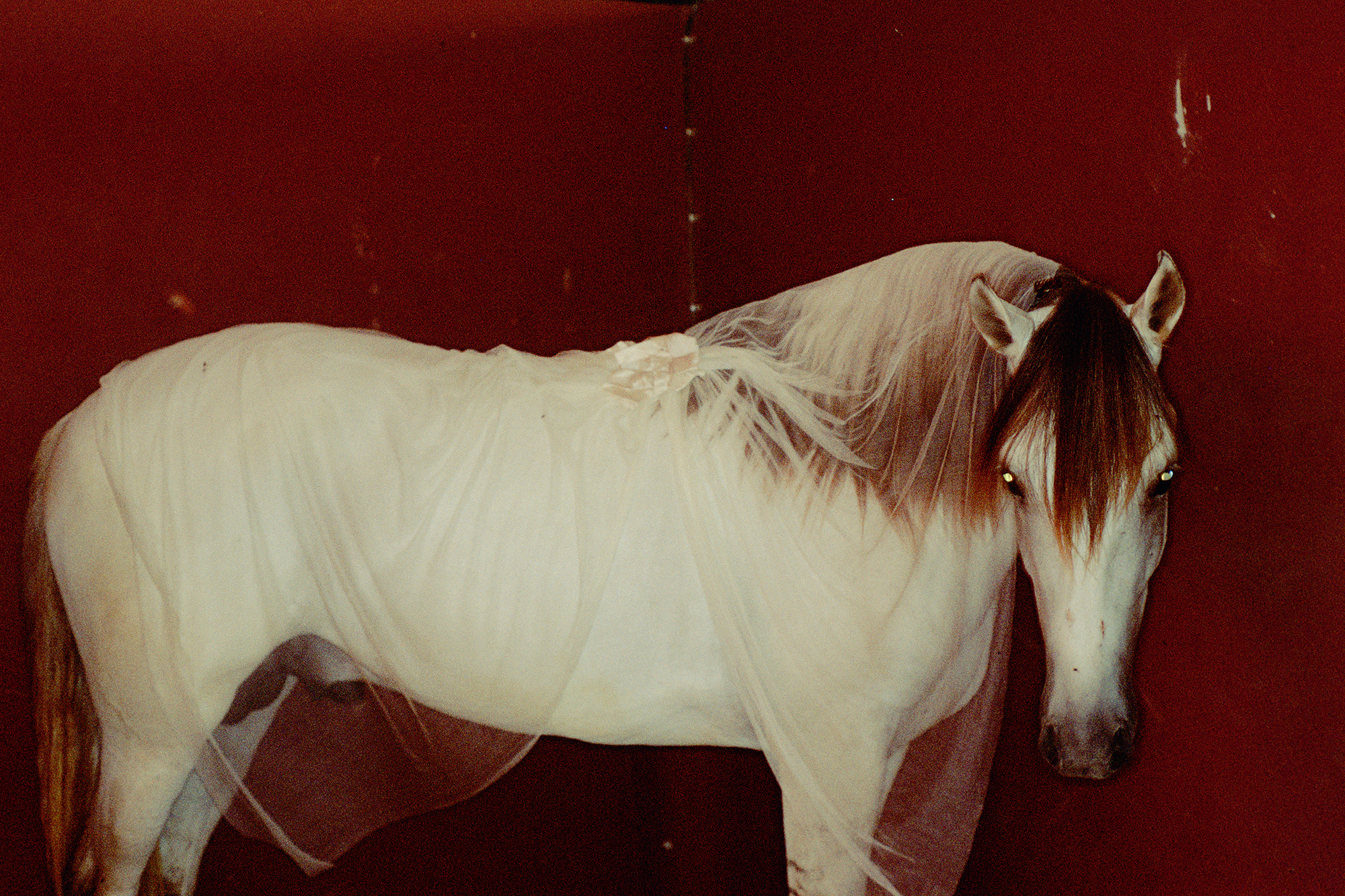
For over two decades, Camille Vivier has shrouded the pages of i-D, Dazed, and Purple in an air of fantasy and myth, working in a loose tradition of surrealist fashion photography stretching back to Man Ray. Now, an exhibition in Paris brings her work to museum walls for the first time. Whether on assignment for Cartier, collaborating with female body-builders, or dabbling in equestrian portraiture, the French photographer imbues her subjects with an alien beauty and a dreamy eroticism that is bracingly bereft of convention.
Camille Vivier at Maison Européenne de la Photographie, Paris, through September 20, 2026
Courtesy the artist and Galería Alta
Les Rencontres d’Arles 2026 — France
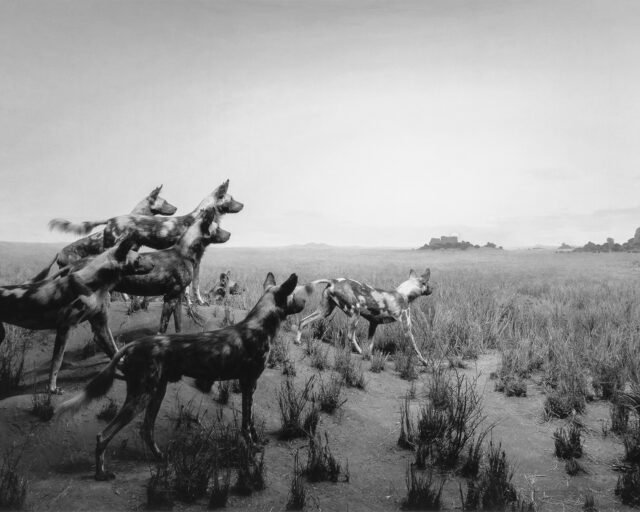
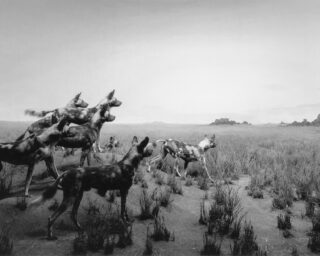
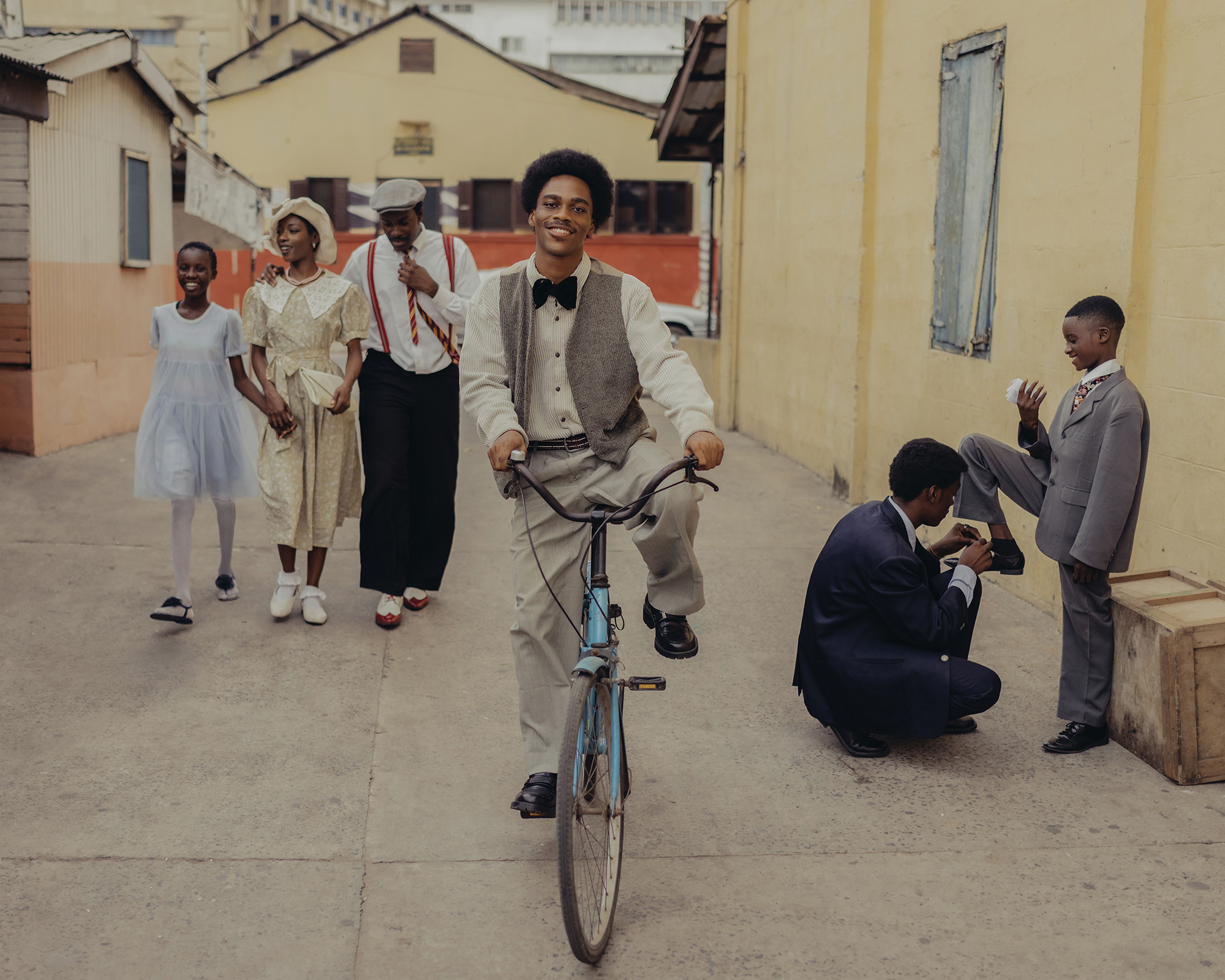
The annual Rencontres d’Arles, now in its fifty-seventh edition, opens in the sultry days of early July and offers an array of exhibitions spread across venues in the ancient town dotted with Roman ruins and beloved by Van Gogh. This year’s edition features the exhibition Ghana! Dreaming Independence, 1957–1976, with images by James Barnor and Paul Strand, who documented an independent Ghana (on the invitation of its newly minted leader Kwame Nkrumah), and Carlos Idun-Tawiah, a contemporary maker of stylish, at times retro-inflected imagery. Other standouts include meditations on the natural world by the likes of Edward Steichen and Lisa Oppenheim, a thematic show dedicated to animals, and an exhibition by the under-the-radar Ivorian photographer Paul Kodjo shedding light on his innovative photo-romans.
Les Rencontres d’Arles 2026, at various sites across Arles, France, July 6–October 4, 2026
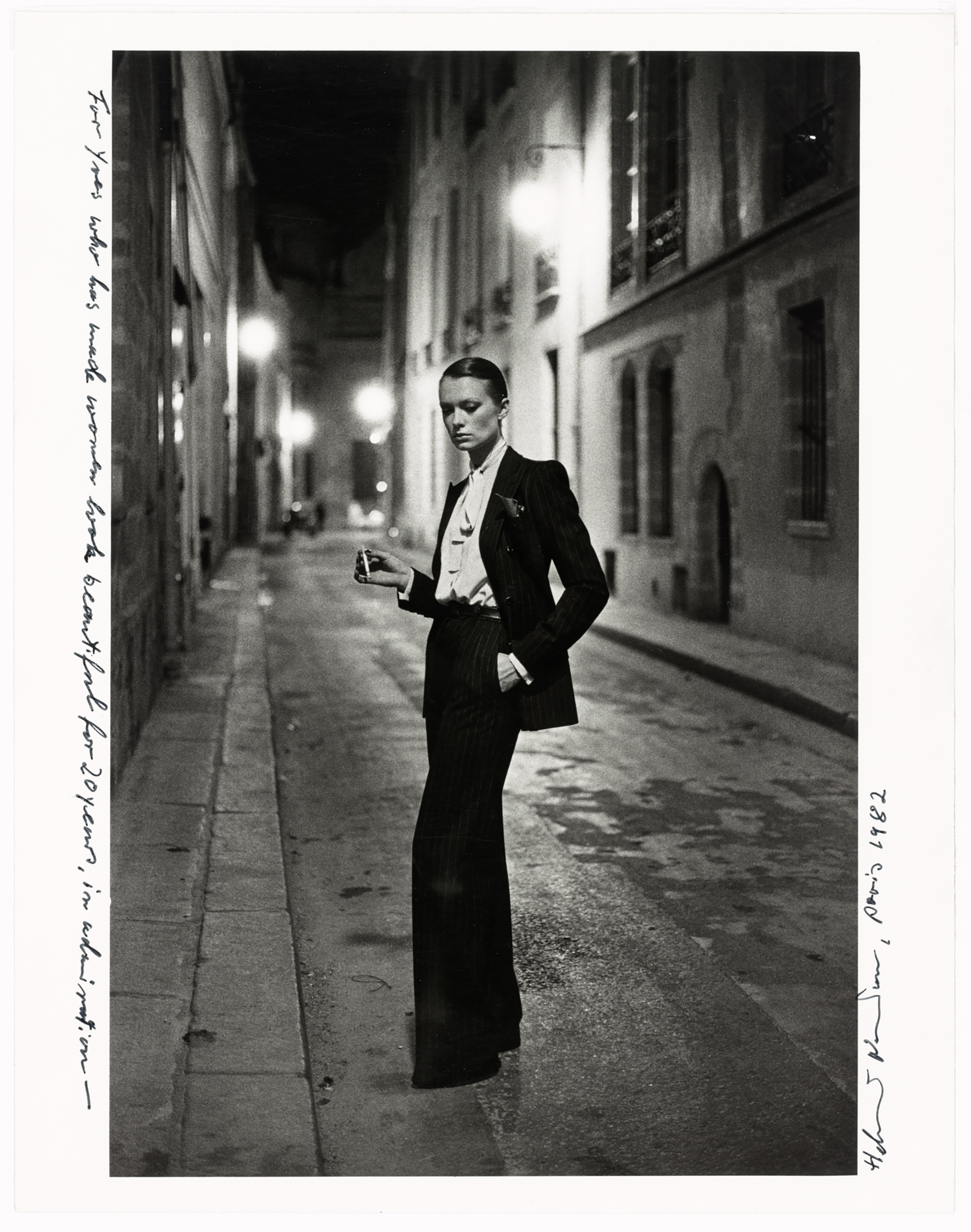
© Helmut Newton Foundation and courtesy Fondation Pierre Bergé—Yves Saint Laurent
Yves Saint Laurent — New York
Yves Saint Laurent always understood photography as not only a marketing tool, but also a daring extension of his art. As Yves Saint Laurent and Photography argues, the couturier was a driving force behind some of the twentieth century’s most ingenious and experimental image-makers, from William Klein and Horst P. Horst to Guy Bourdin and Juergen Teller. His commissions yielded iconic images like Richard Avedon’s Dovima with Elephants from 1955 and Helmut Newton’s noirish 1975 shots of Le Smoking, but also hidden gems such as Bert Stern’s 1967 photograph of Twiggy in an evening dress, leaning against a television monitor broadcasting her own close-up—photographs that grab you by the satin lapels.
Yves Saint Laurent and Photography at the International Center of Photography, New York, through September 28, 2026
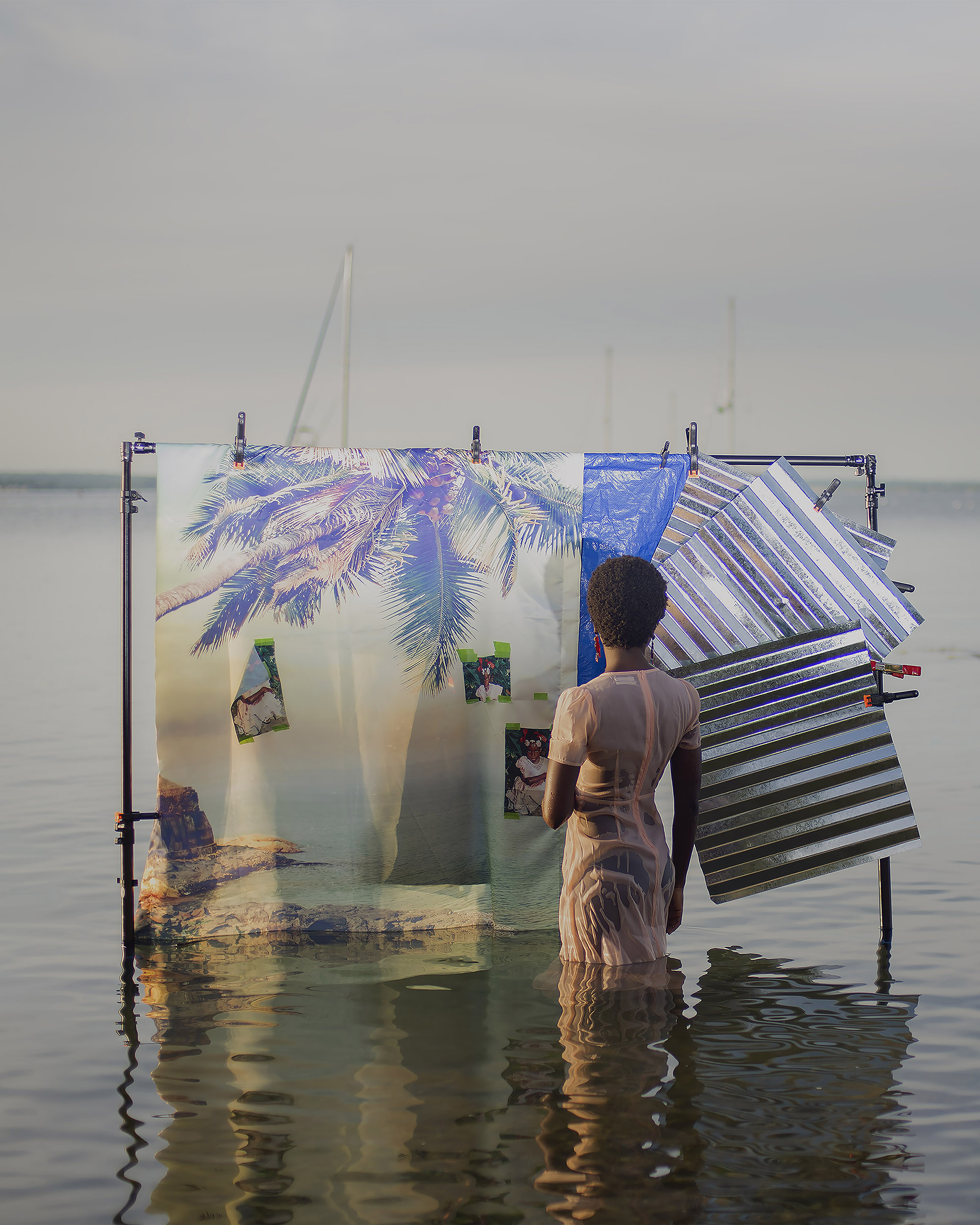
Courtesy the artist
Widline Cadet — Milwaukee
Working across photography, video, and installation, Widline Cadet’s ongoing series Seremoni Disparisyon (Ritual [Dis]Appearance) contends with Black diasporic life and survival. Since 2017, as travel to her home country in Haiti became increasingly limited, she turned her camera toward herself to create what she’s called a “living archive.” Currents 40 at Milwaukee Art Museum marks Cadet’s first solo museum exhibition in the US, and presents meticulously staged scenes: a framed archival picture sits atop a moody scene of a backyard; washed-out photographs are strapped to a C-stand in the water, a figure with their back turned stoically observing the installation. Across the exhibition, Cadet resists the boundaries of fixed narratives by leaning into more open-ended tableaux that bridge past and present.
Currents 40: Widline Cadet at Milwaukee Art Museum, Milwaukee, Wisconsin, through August 9, 2026
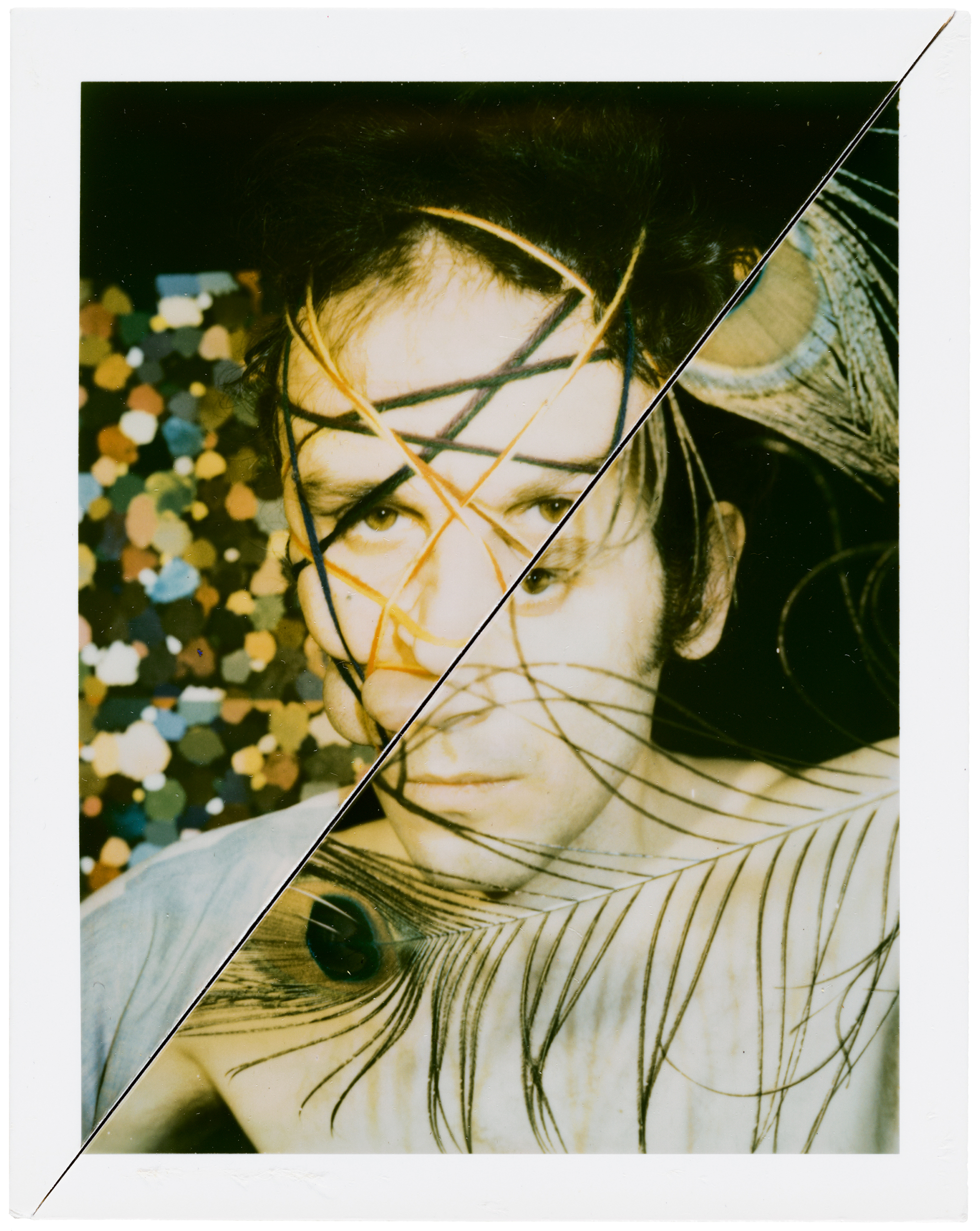
© The Art Institute of Chicago
Lucas Samaras — Chicago
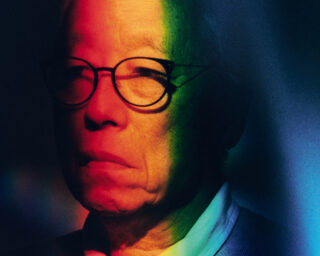
Lucas Samaras’s great subject was Lucas Samaras. Though a staple of New York’s art scene beginning in the 1960s, the Greek-born artist never committed to a single school or style, instead forming a one-man movement—sprung from the confines of his apartment—that expanded the boundaries of self-depiction through paintings, installations, performances, and a dizzying array of other media. An exhibition in Chicago focuses on his photography, including the famous Photo-Transformations series (1973–76), in which he manipulated the wet emulsions of Polaroid film to create psychedelic selfies avant la lettre.
Lucas Samaras: Sitting, Standing, Walking, Looking at the Art Institute of Chicago, through July 20, 2026
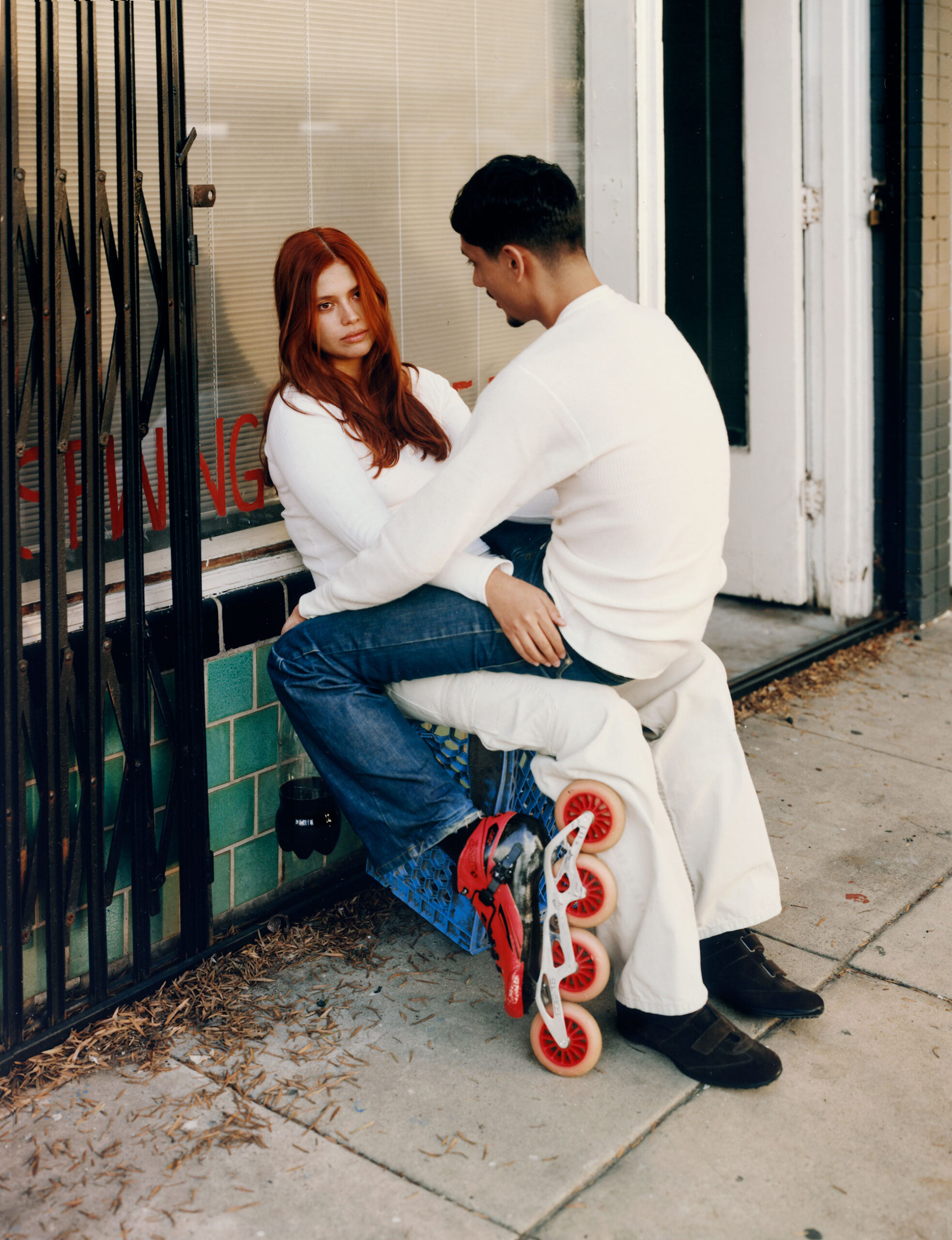
Courtesy the artist and Donald Ryan Gallery, New York
Greater New York 2026 — Queens
Greater New York returns to MoMA PS1 for the museum’s fiftieth anniversary, surveying fifty-three artists and collectives living and working across the city’s five boroughs and beyond, with an emphasis on early and mid-career voices. Photography is particularly well represented, and Devlin Claro’s lush C-prints of Queens are a highlight. In one photograph, blades of glory (2026), a man sits on a woman’s lap outside a storefront, their arms and legs crisscrossed, the red of his rollerblades echoing the color of her hair. The precision of gesture, dress, and color against the everyday backdrop lets the image linger memorably between observation and stagecraft.
Greater New York 2026 at MoMA PS1, New York, through August 17, 2026
© and courtesy MIT Museum
Harold Edgerton — Cambridge
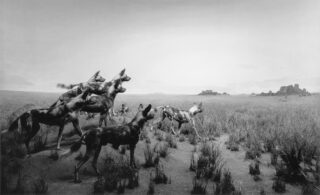
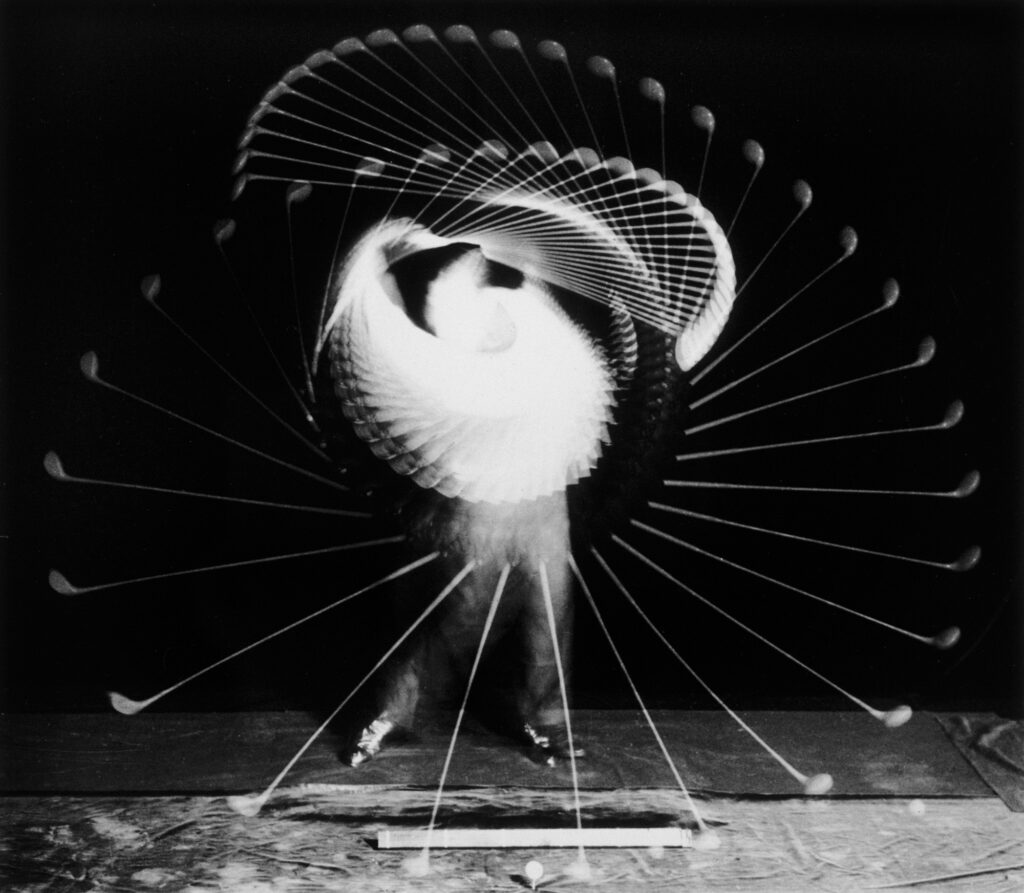
A bullet piercing an apple, a drop of milk splashing onto a red pan, every phase of Bobby Jones’s golf swing: When the engineer and researcher Harold “Doc” Edgerton first applied the stroboscopic flash to high-speed photography, it allowed him to reveal things previously invisible to the naked eye. A retrospective at the Massachusetts Institute of Technology, where Edgerton pioneered his technique in the 1930s, delights in such microsecond spectacles, exploring how his influence rippled beyond science and into the realms of art, war, and Hollywood.
Freezing Time: Edgerton and the Beauty of the Machine Age at the MIT Museum, through October 8, 2026
© Stiftung F. C. Gundlach
Triennial of Photography Hamburg
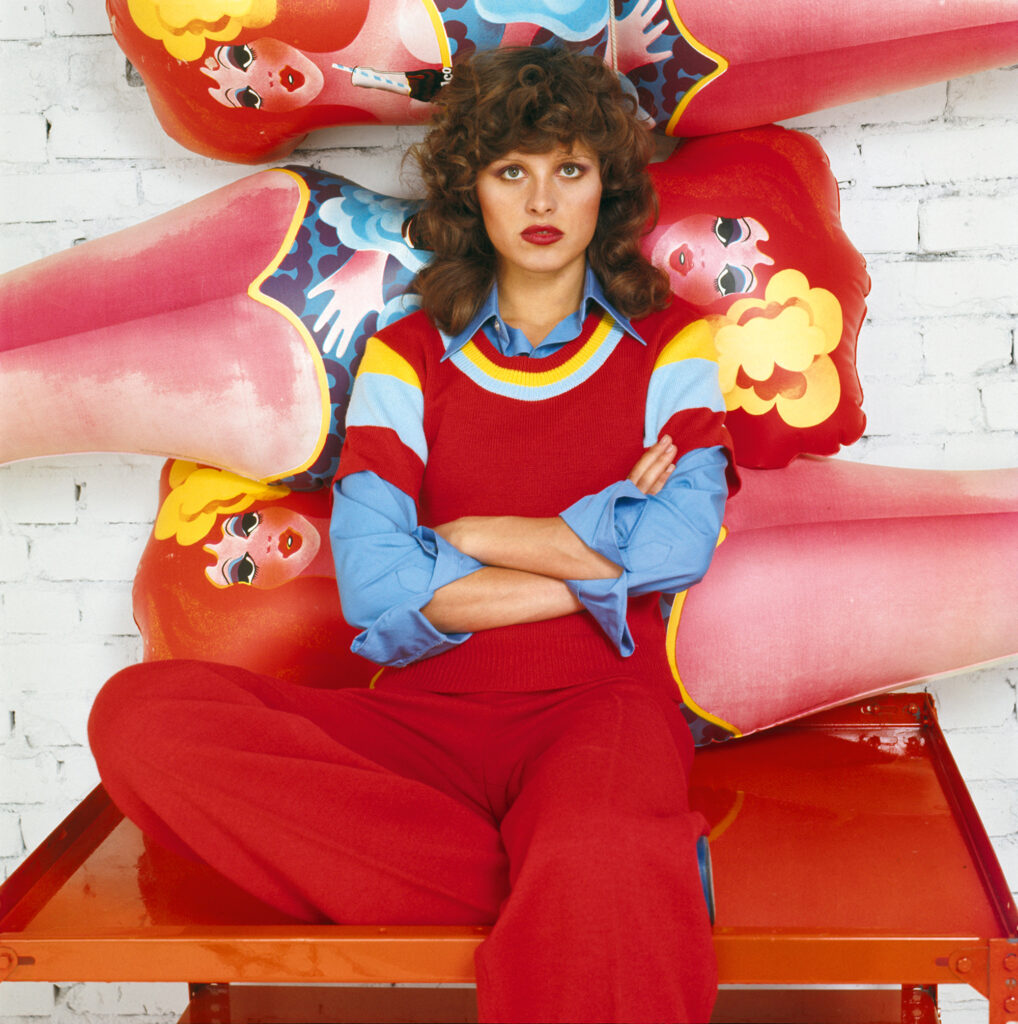
“To open our hearts more fully to love’s power and grace we must dare to acknowledge how little we know of love in both theory and practice,” wrote bell hooks, a lodestar of the ninth Triennial of Photography Hamburg. At a time of deeply fractured global politics, the artistic director Mark Sealy has convened a transnational group of photographers who offer a love letter to the medium that doubles as a blazing polemic. The citywide festival includes themed exhibitions, solo shows for young artists including Melike Kara, Abdulhamid Kircher, and Nina Porter, and an exhibition celebrating the centennial of the triennial’s late founder, F. C. Gundlach, whose exuberant fashion pictures reflect the shifting tides of style and society.
Alliance, Infinity, Love—in the Face of the Other at various venues in Hamburg, through September 22, 2026
Courtesy the artist
Paolo Roversi — Spain
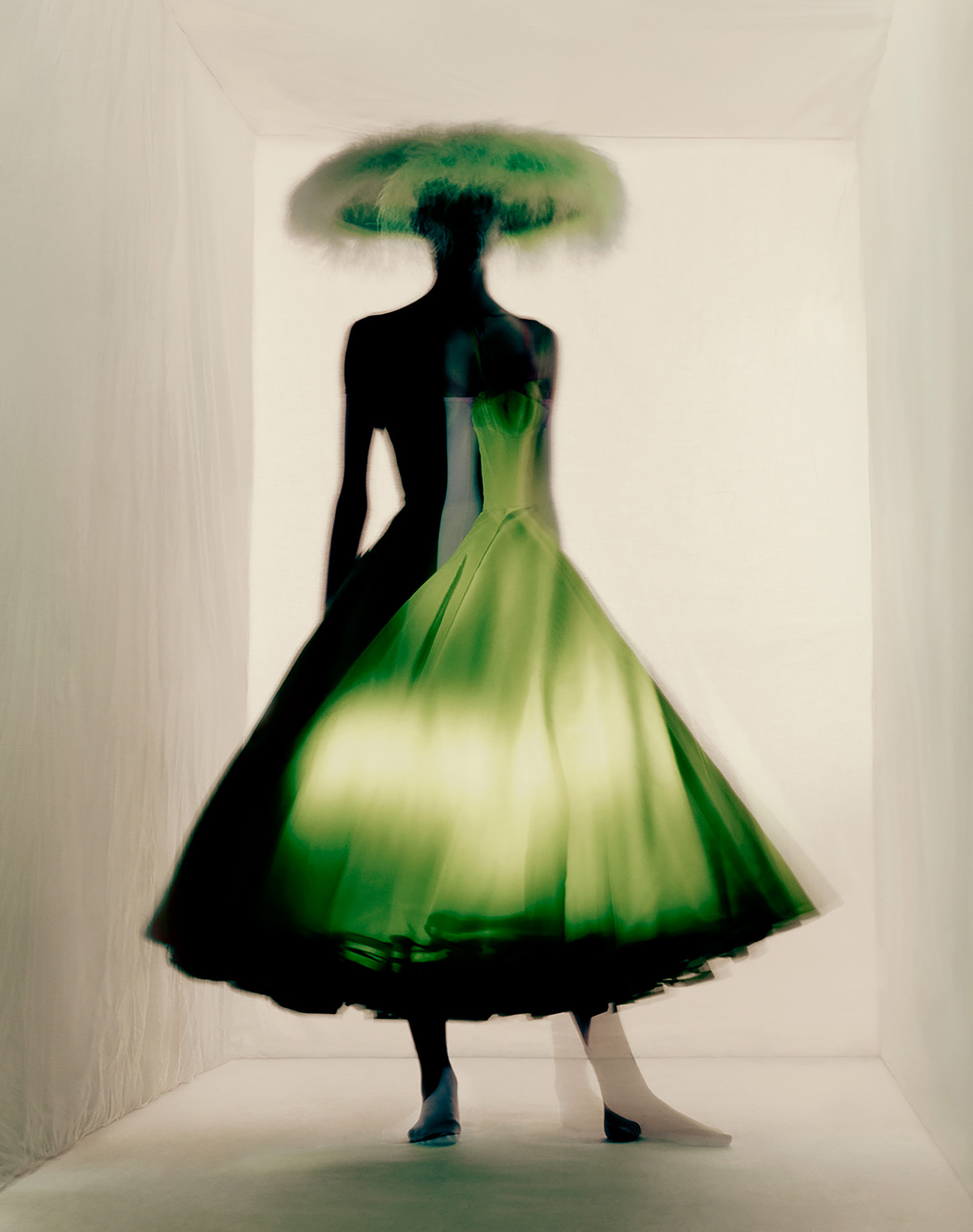
Known for his painterly photographs, Paolo Roversi began his career in the 1970s with assignments for the Associated Press, garnering the attention of legendary art director Peter Knapp of Elle magazine. At the heart of those images are close relationships with Christian Dior, Romeo Gigli, Rei Kawakubo, and most famously, Yohji Yamamoto—collaborations that have allowed Roversi to continually challenge and renew his practice. Roversi chose Doubts as the title for his career survey at the MOP Foundation in the Spanish port city of A Coruña as a gesture to uncertainty—an “open door to creativity and imagination.”
Paolo Roversi: Doubts at the MOP Foundation, A Coruña, Spain, June 20–September 20, 2026