In France, an Exhibition Focuses on the Power of Truth
Rather than simply documenting reality, photographers at this summer’s Arles Festival negotiate memory and challenge dominant narratives.
Amira Lamti, Amen, 2024
Courtesy the artist
Visitors to Rencontres d’Arles will know the long, hot walk down the circular ring road that surrounds the old city, mimicking the shape of the bullring at its center, to the brutalist beauty of the Monoprix supermarket at its end. The crescent-shaped building topped by large, yellow cement blocks bearing its name is, for the duration of the storied annual photography festival in southern France, home to multiple exhibitions, accessible only through the clothing section of the high-end store. This year, half the entire floorspace above the store is dedicated to the festival’s Louis Roederer Foundation Discovery Award. Occupying an unlikely spot for an exhibition, this cohesive yet competitive show awards up-and-coming voices in photography.
The exhibition The best possible way to tell the truth… showcases the work of seven artists: Charlotte Yonga, Souleymane Bachir Diaw, Phan Quang, Amira Lamti, Jordan Beal, Mallory Lowe Mpoka (who won the public vote), and Magali Paulin (who was awarded the jury prize). Selected by curator Nadine Hounkpatin, these artists bring viewpoints from Vietnam, Senegal, Martinique, France, Cameroon, and Tunisia, a diversity that is mirrored by their modes of practice and in the realization and presentation of their work. “What above all unites these seven artists is a shared intellectual and ethical commitment. Each approaches photography as a space of inquiry, one in which images construct meaning, negotiate memory and inheritances, and challenge dominant narratives, rather than simply documenting reality,” Hounkpatin explains.
Courtesy the artist
Courtesy the artist
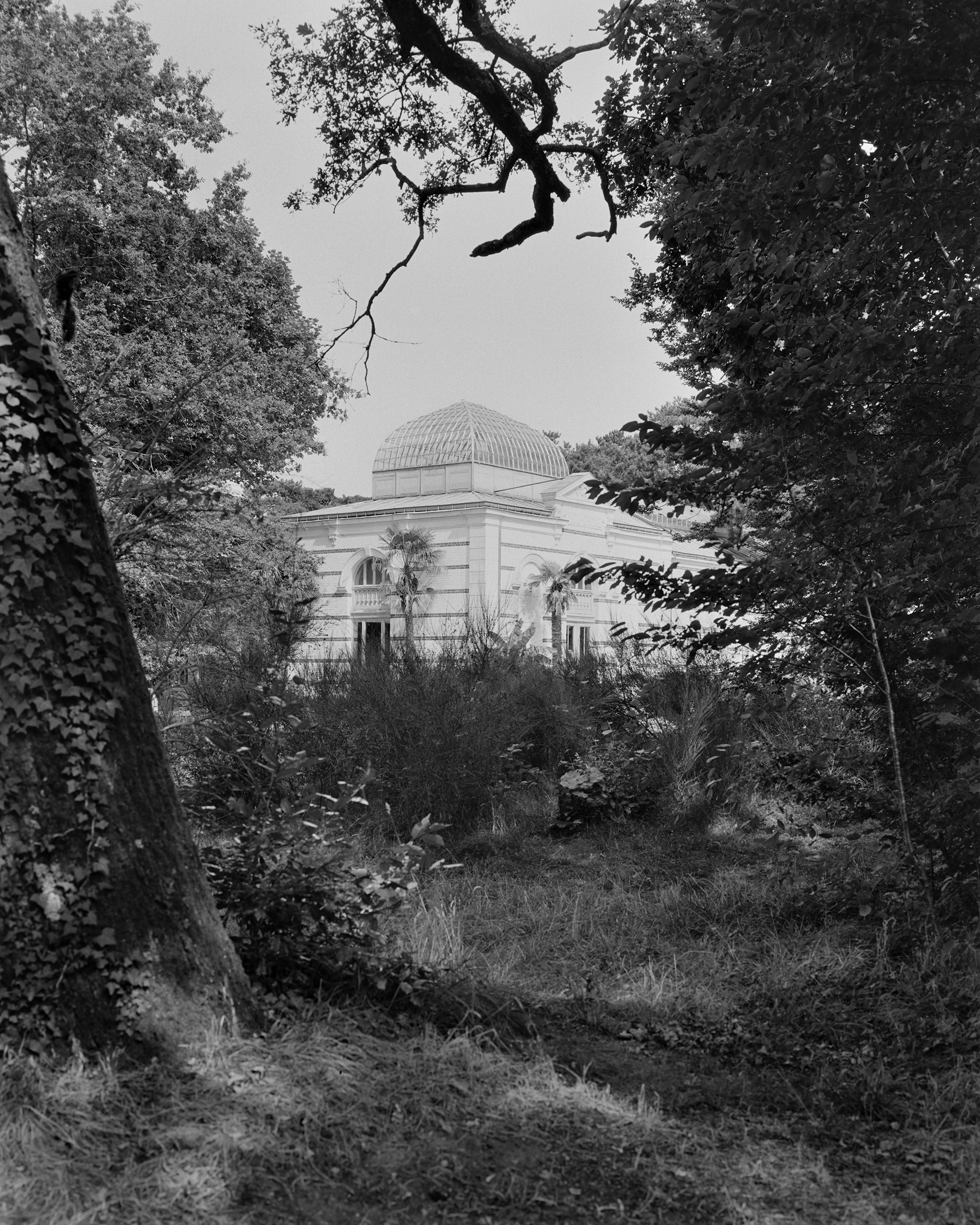
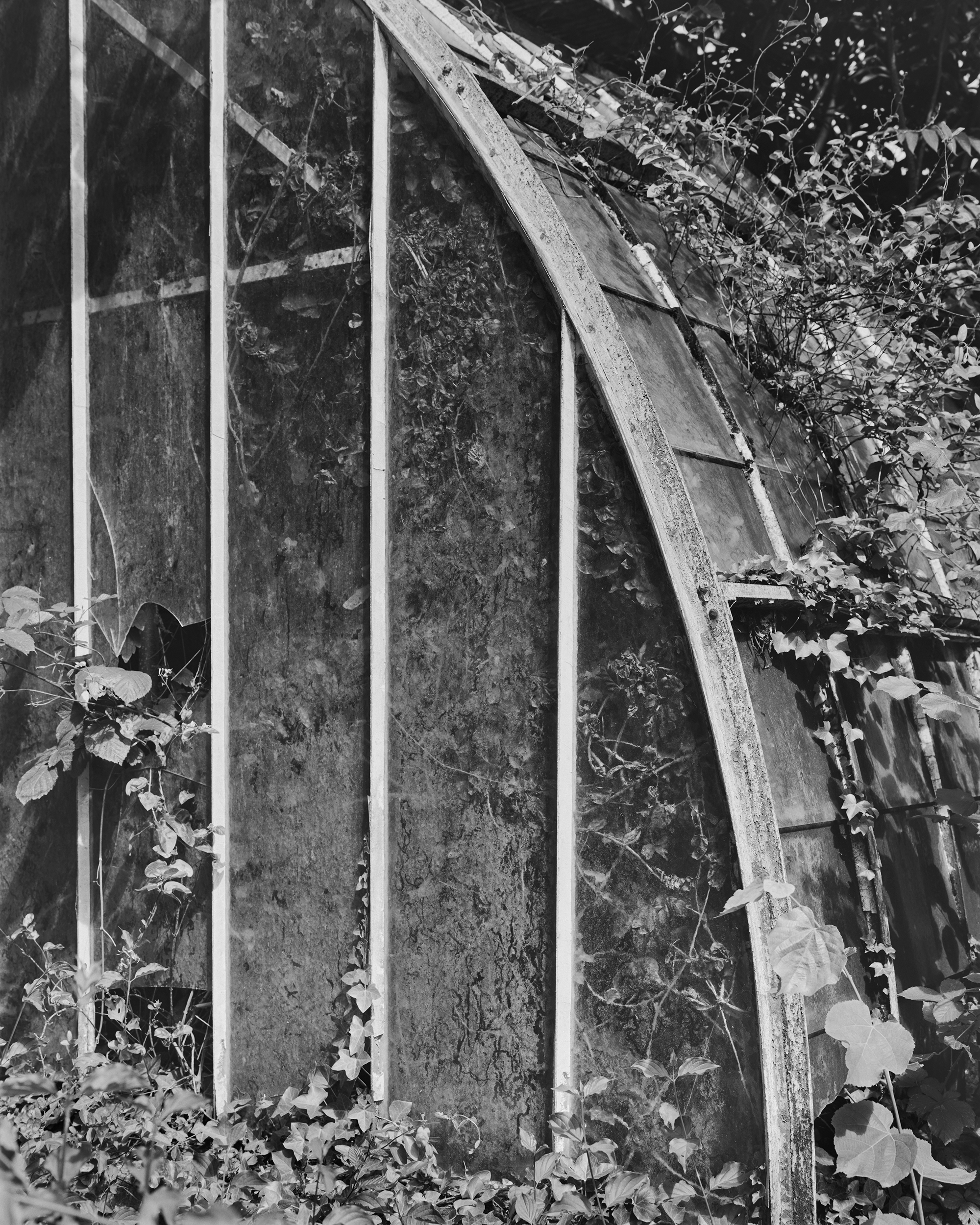
Martinican-French artist Paulin uses photography and text to tell the story of the Jardin d’Agronomie Tropicale, located in Nogent-sur-Marne, Paris, and dating back to 1907. Paulin photographed the site and documented its history, and her installation leaves two photographs propped up on the floor, unhung to echo the unresolved nature of colonialism. “The garden of Nogent immediately struck me as one of the matrixes of the plantation system,” Paulin says. “It was a place where the extraction of both natural resources and knowledge was organized, and where agricultural strategies for France’s colonial territories were developed. A place responsible for so many sufferings.”
Shot in black and white, the images have an aura of stillness to them, isolating details of plants, figures, and structures to highlight the history of this garden. One image shows a monolith inscribed only with the word NOIRS, zeroing in on a detail from a monument to the Black soldiers who died for France. “I was deeply unsettled by the presence of the former colonial pavilions and the memorials dedicated to colonial soldiers,” Paulin explains. “The park itself is peaceful, wooded, removed from the bustle of central Paris. It was precisely this paradox that drew me in. The site revealed itself to me as a haunted space, but also as a place from which to think about the broader haunting of colonial history in public space.”
Courtesy the artist
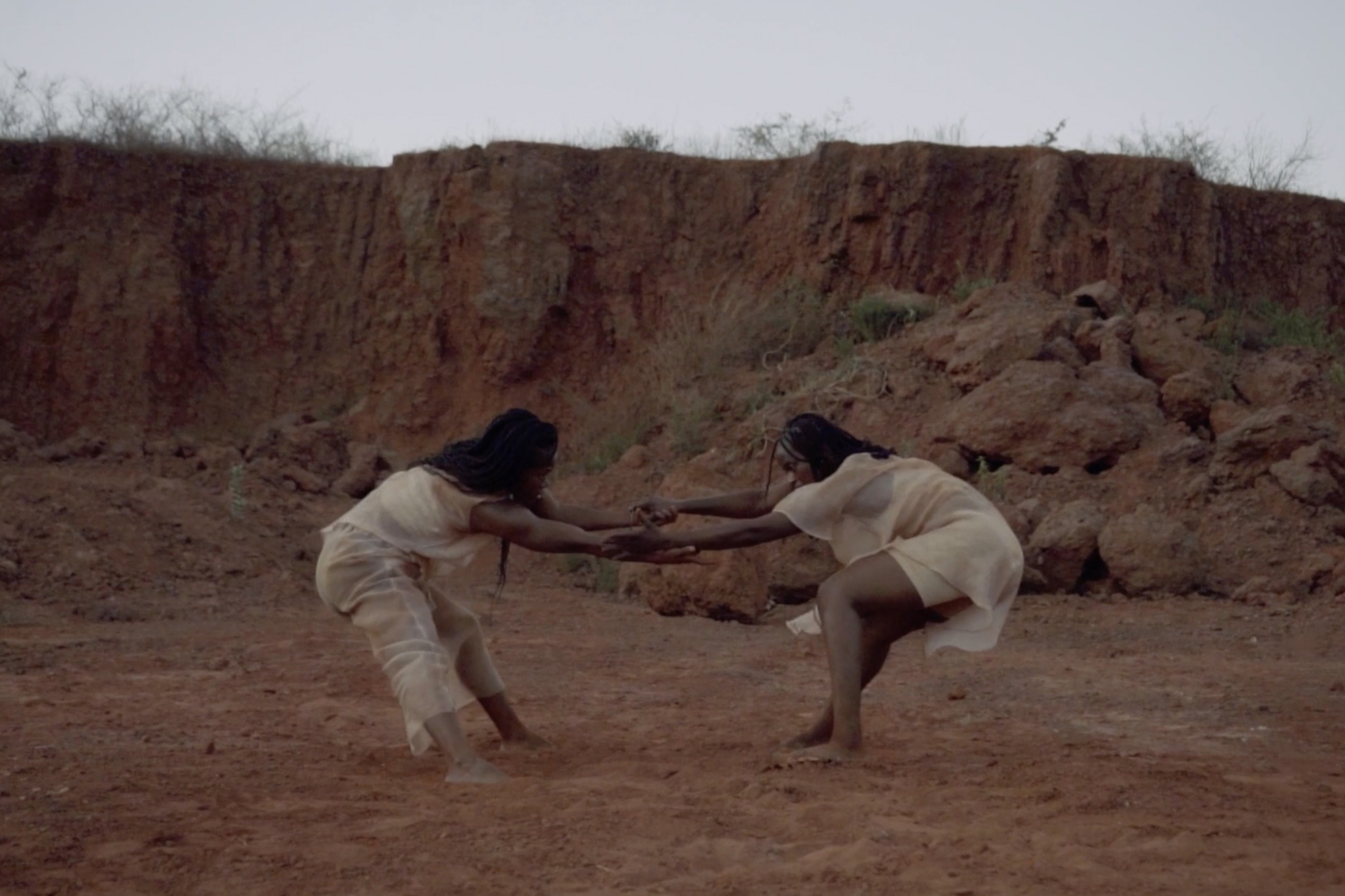
Mpoka’s series Cosmologies of the Heiresses uses textile, film, and found photography to tell the story of her coming of age after the passing of her mother, leaving her the matriarch of her family. Alongside Mpoka’s film work and staged photography, two large woven works in warm, ochre shades depict her and her mother, with the images in negative shown on the reverse of each work. “What compelled me was recognizing that my experience wasn’t unique,” Mpoka says. “So many women, particularly Black women, inherit responsibility at a very young age and are expected to move through that quietly, almost as though it were inevitable. Those experiences often become invisible because they’re understood as duty rather than something worthy of reflection.”
Courtesy the artist and Gallerie Bao
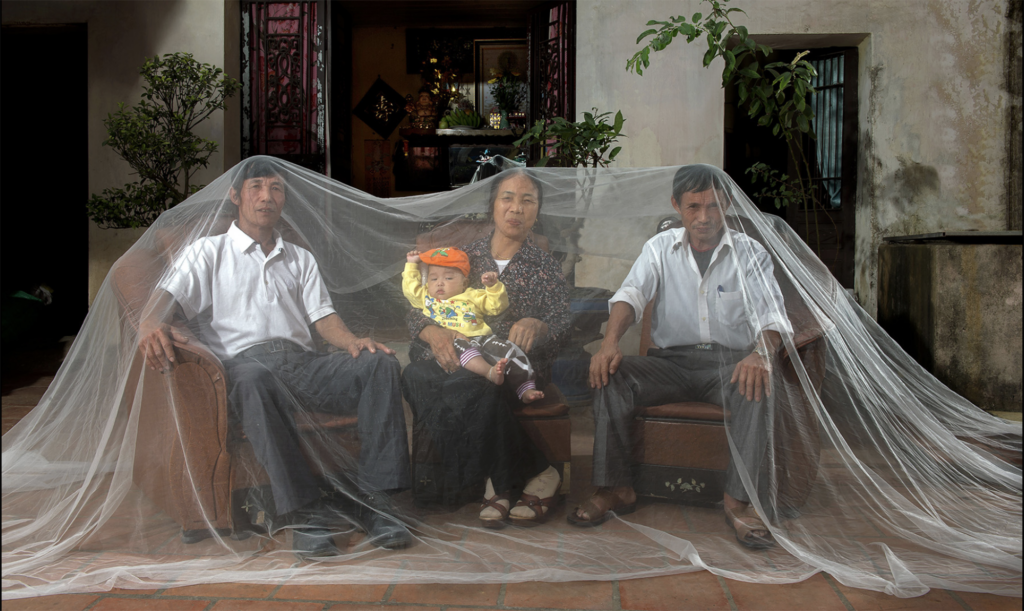
Quang’s series offers a moving investigation of women who had children with Japanese soldiers in Vietnam following World War II. In some cases, the soldiers were forced to separate from them when they were repatriated after the war, leaving their partners and children vulnerable and often without contact. His images show his subjects veiled in fabric, emblematic of the shadow these forced separations cast over their lives. The series was photographed over the course of the last five years, and Quang plans to expand it to other affected countries in Asia.
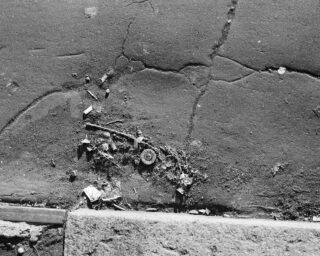
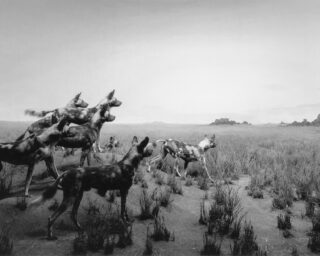
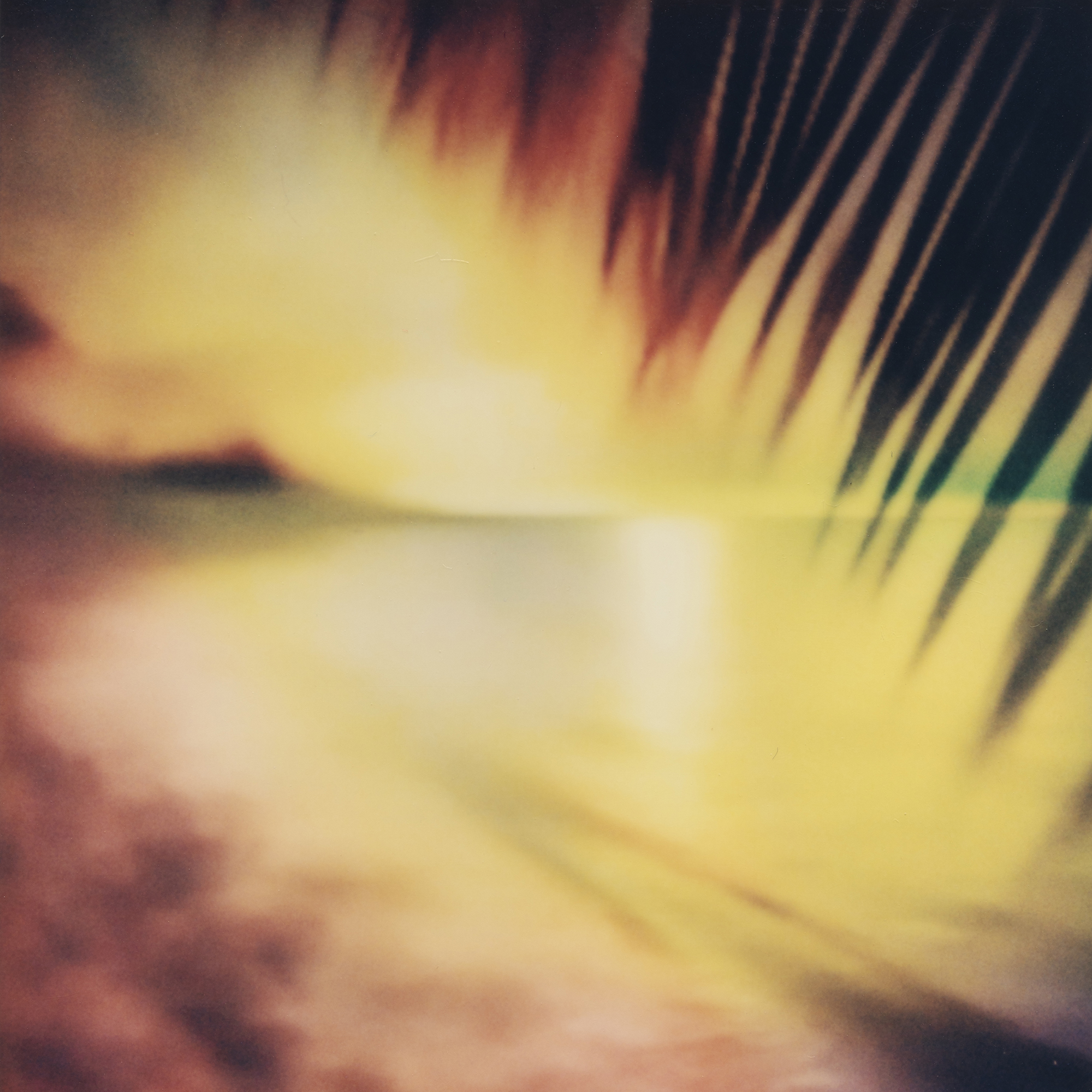
Focusing on his native Martinique, Beal’s Linaments uses AI to explore the ways we imagine tropical islands and the visual tropes of paradise. Martinique, an island in the Caribbean, was colonized by the French in 1635. This brought multiple disasters with it, from the displacement of the indigenous Kalinago to the slavery-powered sugar industry. Beal created images of the island using AI and shot them on the screen. The resulting photos are grainy and have a dreamlike quality to them, raising questions of history, exoticism, and desire.
Courtesy the artist
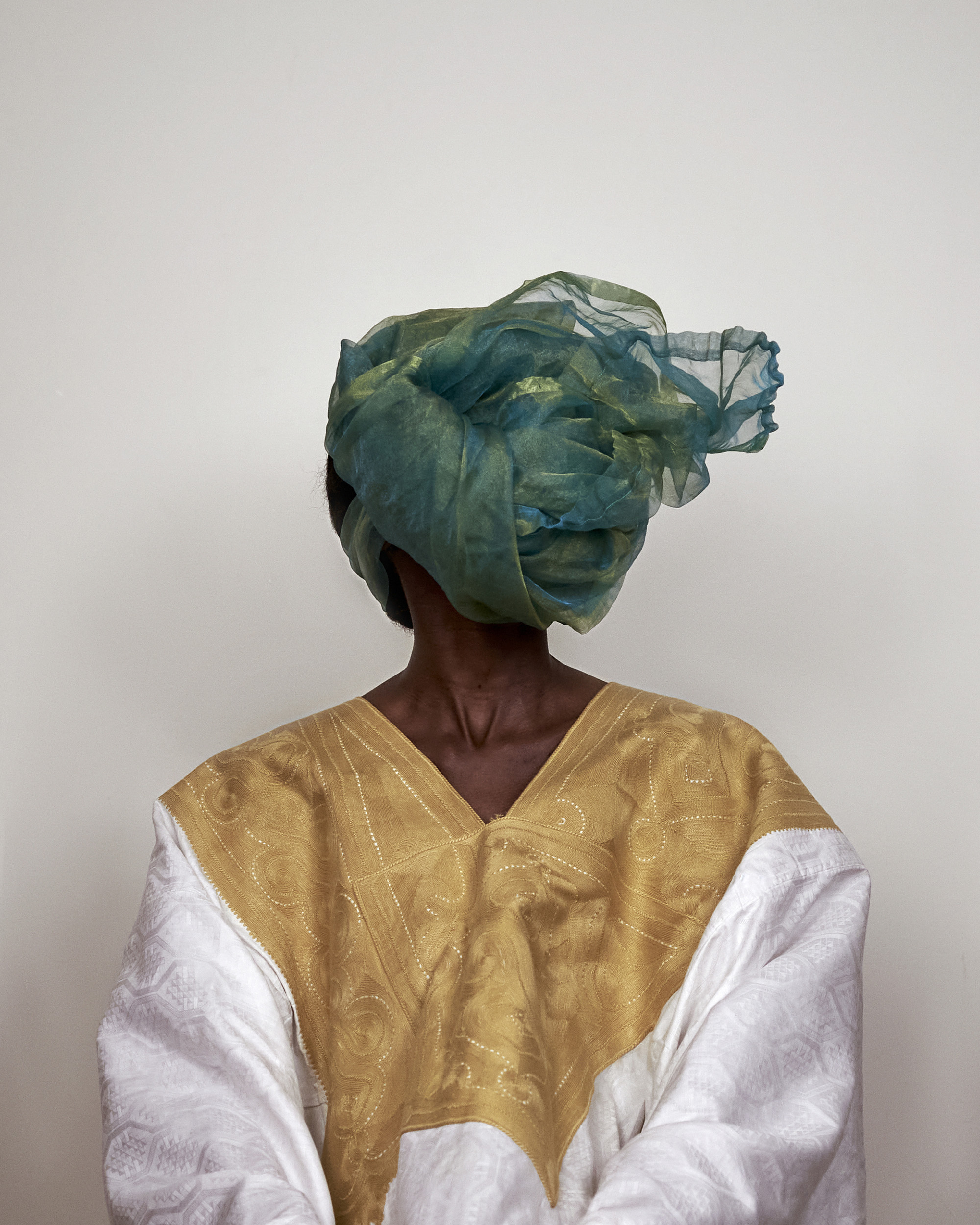
Diaw’s series Sutura explores silence and the unspoken in families. Drawing on precise compositions and symbolism, Diaw creates work based on unanswered questions to build out his own multifaceted answers. He poses his subjects and then shoots sections of the body or has them partially concealed and indiscernible, evoking the unsaid in family dynamics. “I generally construct an image by gathering, in a specific location, people, artifacts, fabrics, and garments I want to work with,” Diaws says. “After that, I activate them in a performative and intuitive way where I use sequencing and repetition, whether it is through still-life or self-portraiture. This way, I build a kind of catalog of aesthetic and meanings, which will later be integrated into a network.”
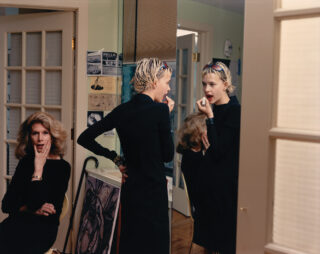
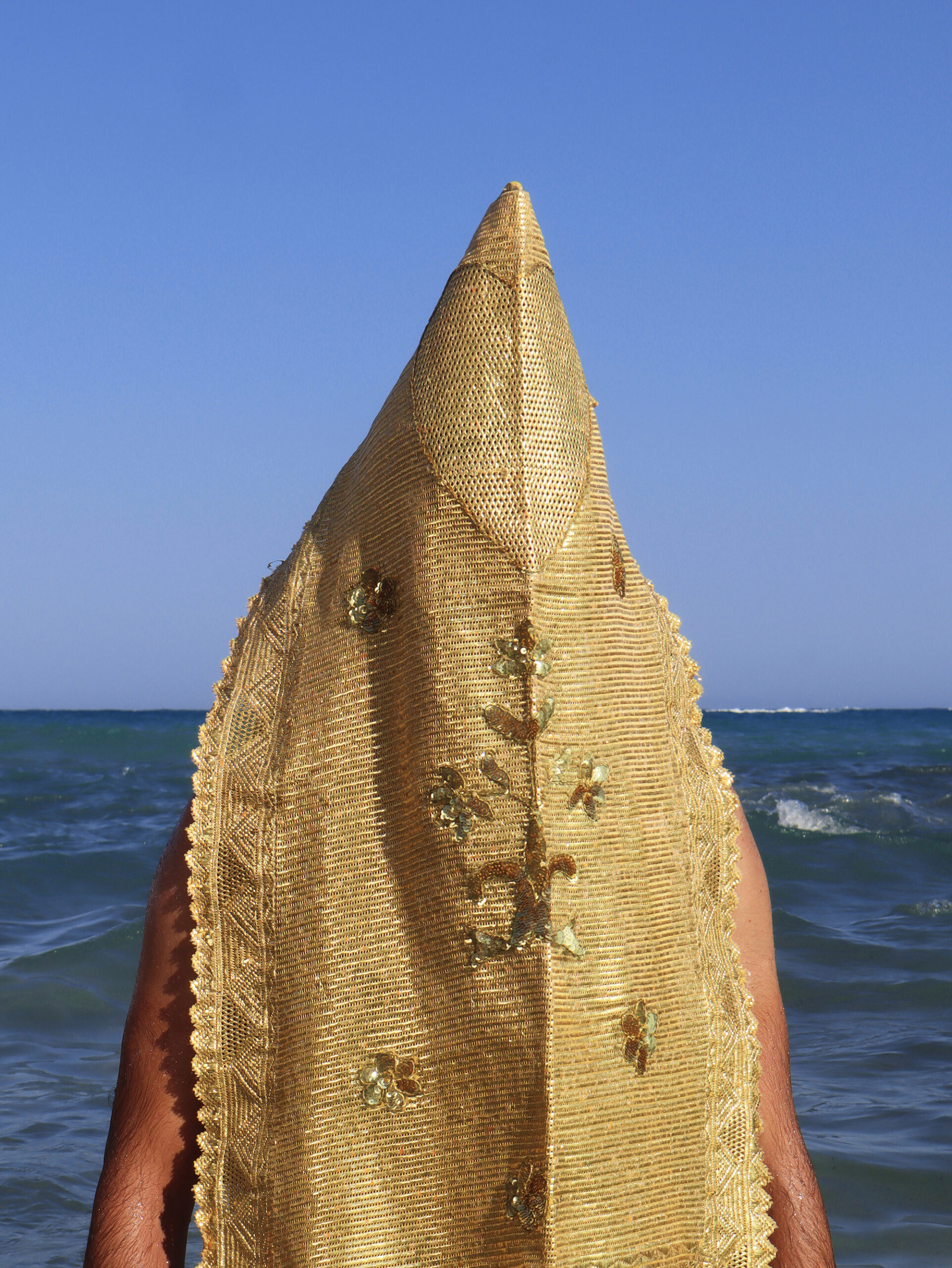
Lamti’s work Bent el Machta explores the traditionally female role of the matcha, the guardian of wedding rites in the Tunisian Sahel, through photographs printed traditionally and onto fabric. “Traditional fabrics, such as the safsari, became important elements within the work, not only as backgrounds or surfaces but as materials that hold their own histories and meanings,” Lamti says. Through staged images, collage, and documentary images, she shows us elements of this tradition, including an image of her brother in the traditional dress of the matcha. “The project is connected to Tunisian and wider North African contexts, and more specifically to the evolving experiences of women, who continue to redefine themselves and their place within contemporary life while remaining connected to their ancestral roots,” she explains.
Courtesy the artist
Courtesy the artist
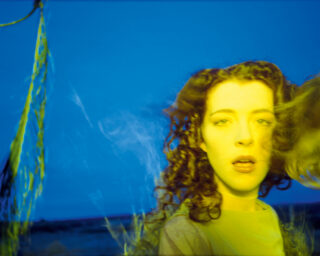
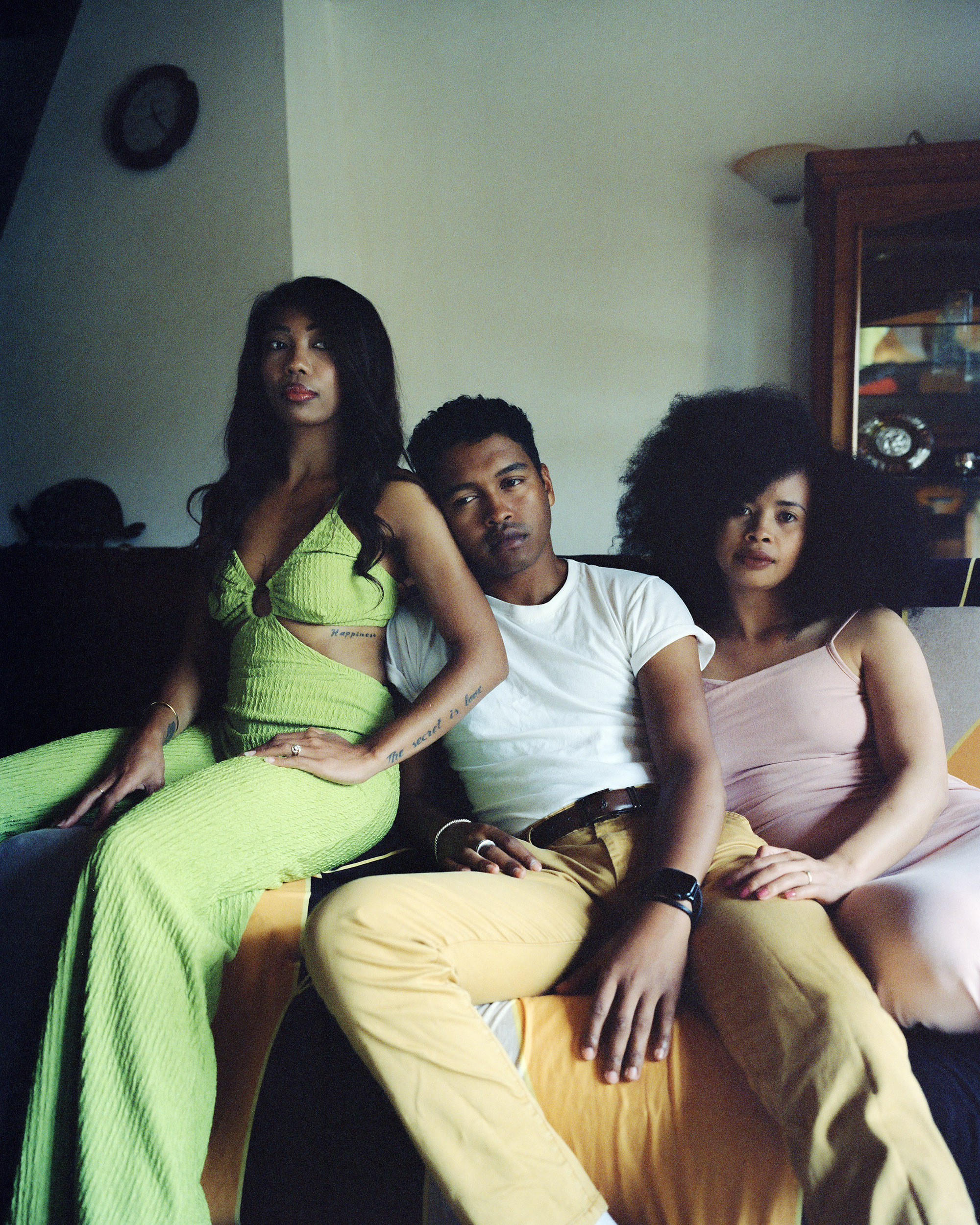
“The combination of photography and drawing comes afterwards. I bring them together quite instinctively, often through analogies of form or color,” says Yonga, who shoots in film and, while she is waiting for it to be processed, makes abstract drawings based on her memory of the experience of making the photographs. (Tsy) Possible, made while on a residency in Madagascar, looks at the full spectrum of love and relationships. Her tender images of couples, single portraits, and images of the beauty of Madagascar provide a window into a place at a specific time.
These projects expand on the postcolonial themes that have created exciting conversations in photography in recent years by using tools taken from outside of photography to highlight their key ideas. Here, multiple voices speak on vastly different themes in a variety of ways, yet the exhibition as a whole focuses on a single point—the power of a truth. From unearthing the history of a public park to the devastating reality of colonialism as seen through the lens of AI, the truth is as platformed as it is up for grabs. At Rencontre d’Arles, one of the centers of the establishment, this feels like a true platform for the contemporary.
The best possible way to tell the truth… is on view at Rencontre d’Arles, France, through October 4, 2026.