11 Exhibitions to See This Winter
From William Eggleston’s “Last Dyes” to Nan Goldin’s “Ballad,” here are this season’s must-see photography shows around the world.
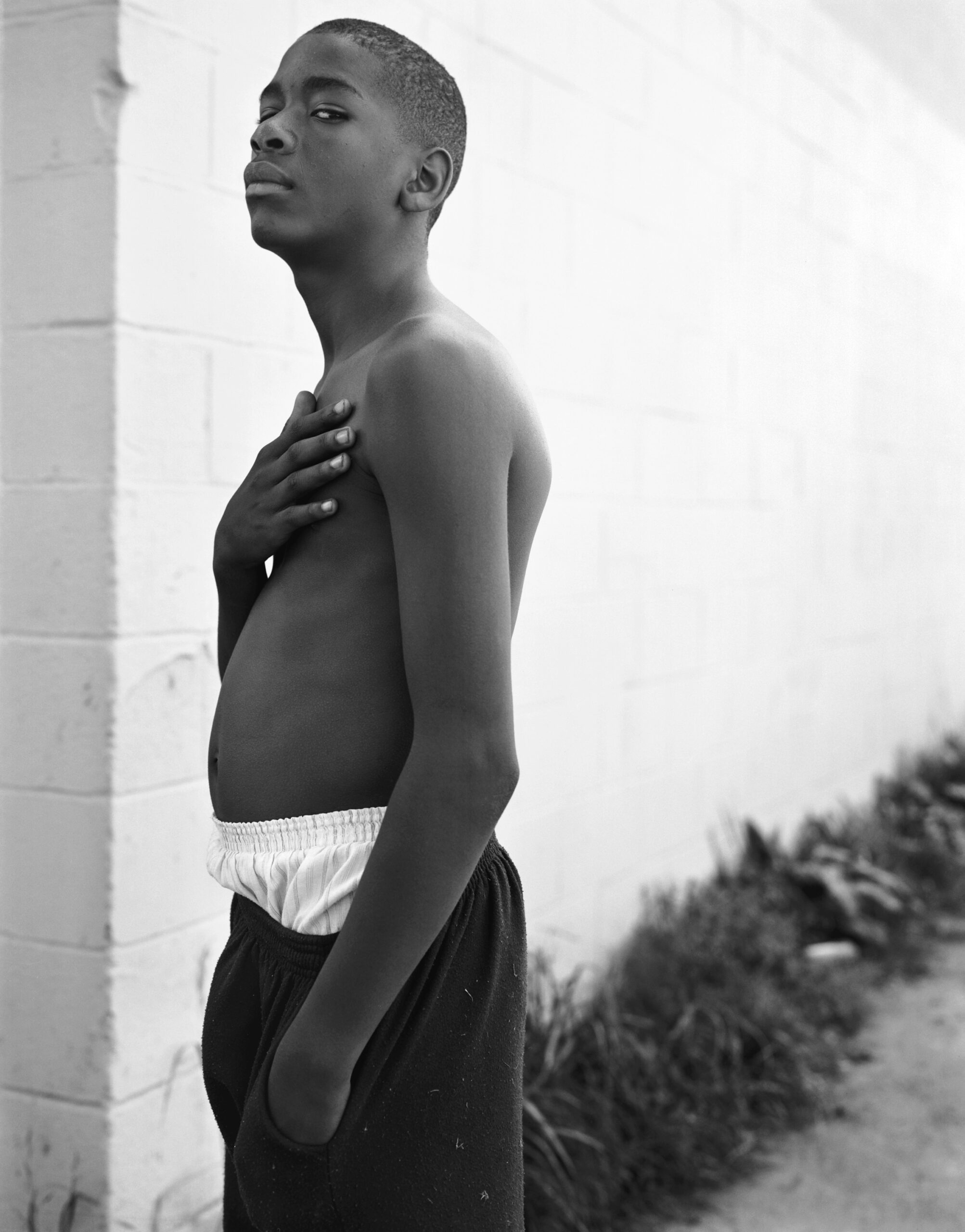
Dana Lixenberg, DJ, 1993
Courtesy the artist and Grimm Gallery
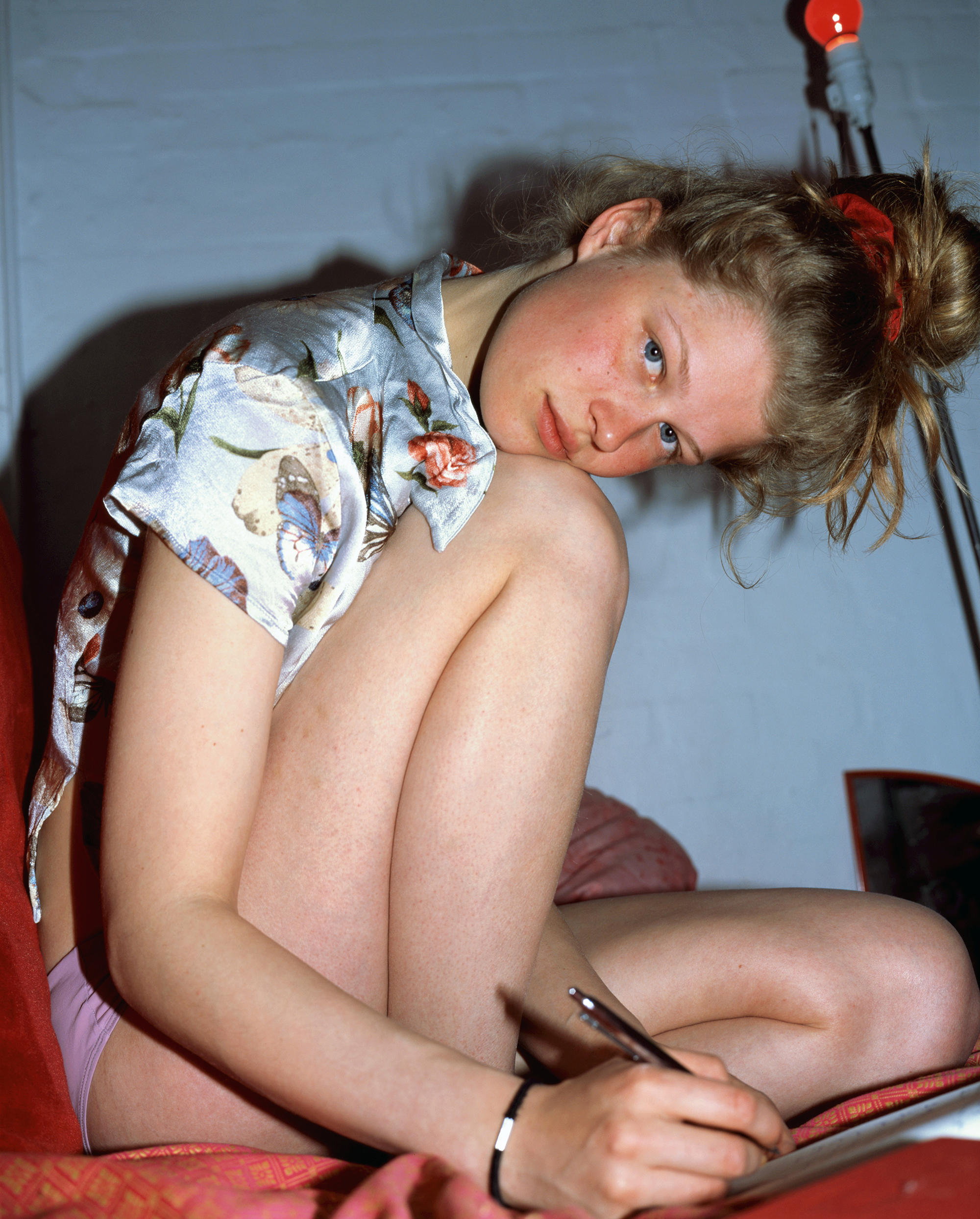
Courtesy the artist and Huis Marseille
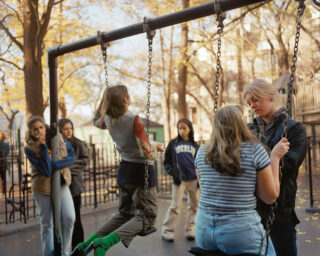
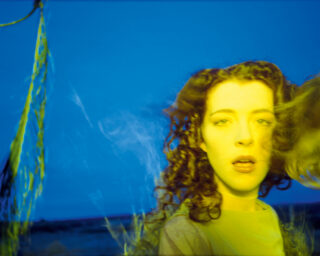
Michella Bredahl — Amsterdam
Having begun a modeling career at fourteen years old, Michella Bredahl felt the intrusions of a camera’s gaze early on. By contrast, her own portraits of young women, many with unstable upbringings that mirror her own, are grounded in trust and collaboration. In the Danish photographer and filmmaker’s first museum exhibition, portraits of pole dancers, new mothers, artistic peers, and chosen family derive their strength from displays of unguarded tenderness. “She had a specific vulnerability,” Bredahl has said of Sybilla, a friend and recurring subject. “It’s as if there was always a tear in her eye.”
Michella Bredahl: Rooms We Made Safe at Huis Marseille, Amsterdam, through February 8, 2026
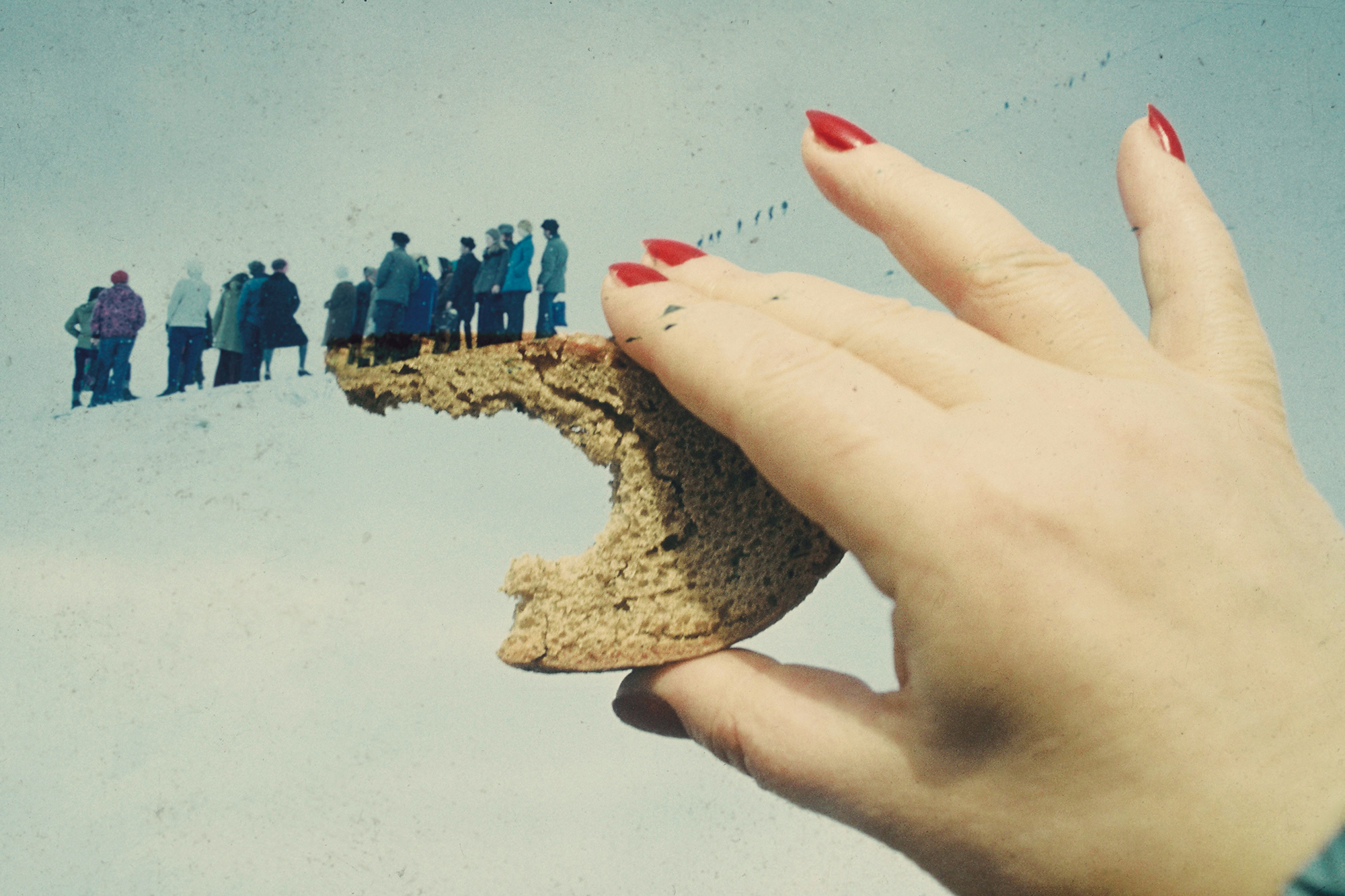
© the artist and VG Bild-Kunst, Bonn; and courtesy Boris and Vita Mikhailov
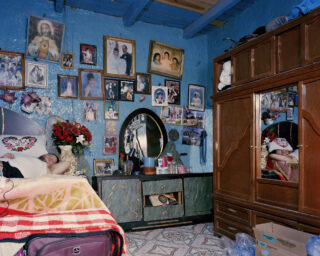
Boris Mikhailov — London
A towering figure in Ukrainian art, Boris Mikhailov fully embraced photography after being fired from an engineering job in 1969, when the KGB realized he was developing nude portraits of his wife in the factory’s darkroom. It’s a fitting origin story for this inveterate rule breaker, whose photographs of everyday life in Kharkiv—both behind the Iron Curtain and after its collapse—skewer ideology with a bracing intimacy and a sly amateurism. Planned before the Russian invasion, Mikhailov’s largest exhibition to date explores the complexities of Ukrainian identity at a time when the nation is fighting for its future.
Boris Mikhailov: Ukraine Diary at the Photographers’ Gallery, London, through February 22, 2026
Courtesy the artist
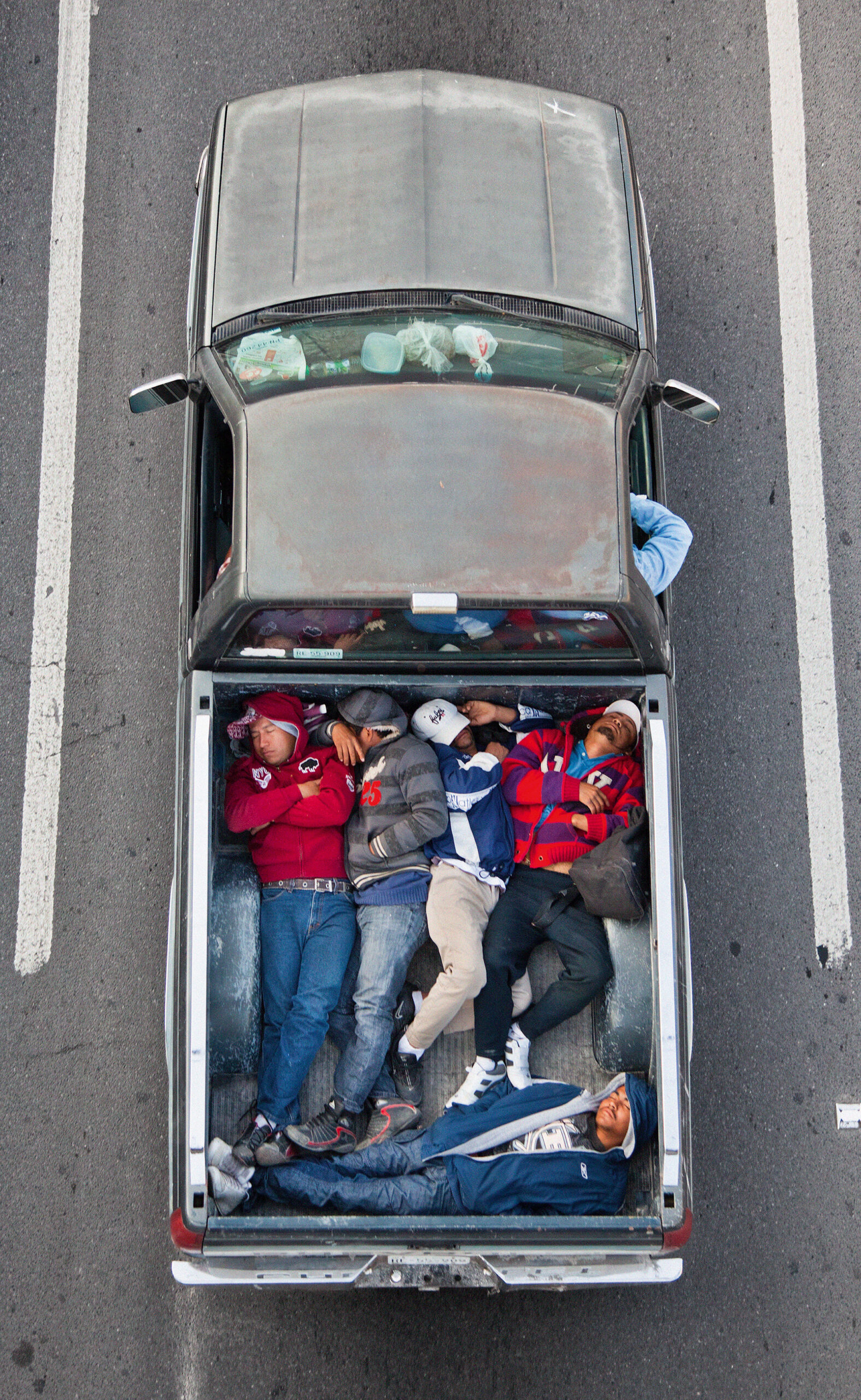
Alejandro Cartagena — San Francisco
Between 2011 and 2012, Alejandro Cartagena waited every morning on an overpass in Monterrey, Mexico, leaning over to photograph day laborers sprawled across various pickup beds, where they read newspapers, scrolled their phones, or napped during their commute into the city center. Carpoolers exemplifies Cartagena’s cumulative, serial approach to visual storytelling, as well as his mix of political critique and deadpan humor. The artist’s first museum retrospective—coinciding with a monograph published by Aperture—reveals the absurdity surrounding border culture, disastrous development schemes, and contemporary image-making itself, lending new credence to André Breton’s claim that Mexico is “the Surrealist place par excellence.”
Alejandro Cartagena: Ground Rules at the San Francisco Museum of Modern Art, through April 19, 2026
© Estate of Ralph Eugene Meatyard
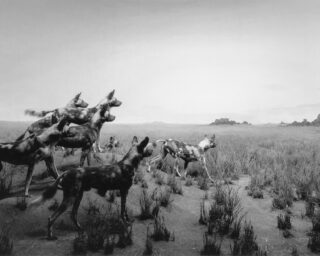
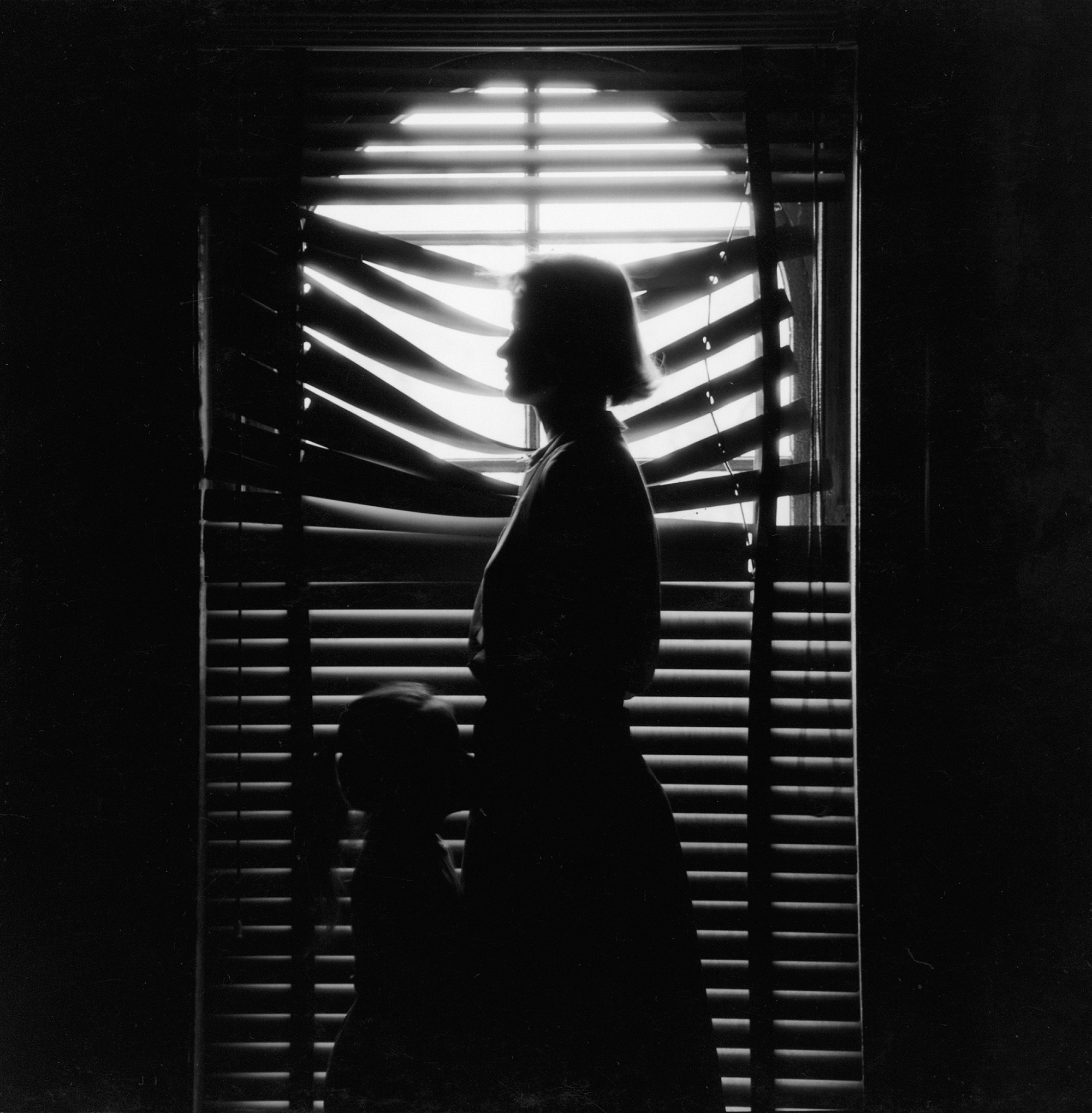
Ralph Eugene Meatyard — Atlanta
In 1950, a twenty-five-year-old optician named Ralph Eugene Meatyard bought his first camera, and what started as a way to document his new family led to a tremendous addition to the history of old, weird America. Part of a close-knit creative community in Lexington, Kentucky, Meatyard often photographed his wife and children, who gamely portrayed the figments of his Southern Gothic imagination using masks, dolls, and other props. The prints on view in the High Museum’s The Family Album of Ralph Eugene Meatyard are drawn from a monograph that the photographer assembled at the end of his life—tragically cut short in 1972—and intended as the culmination of his peculiar vision.
The Family Album of Ralph Eugene Meatyard at the High Museum of Art, Atlanta, through May 10, 2026
© Estate of Barkley L. Hendricks
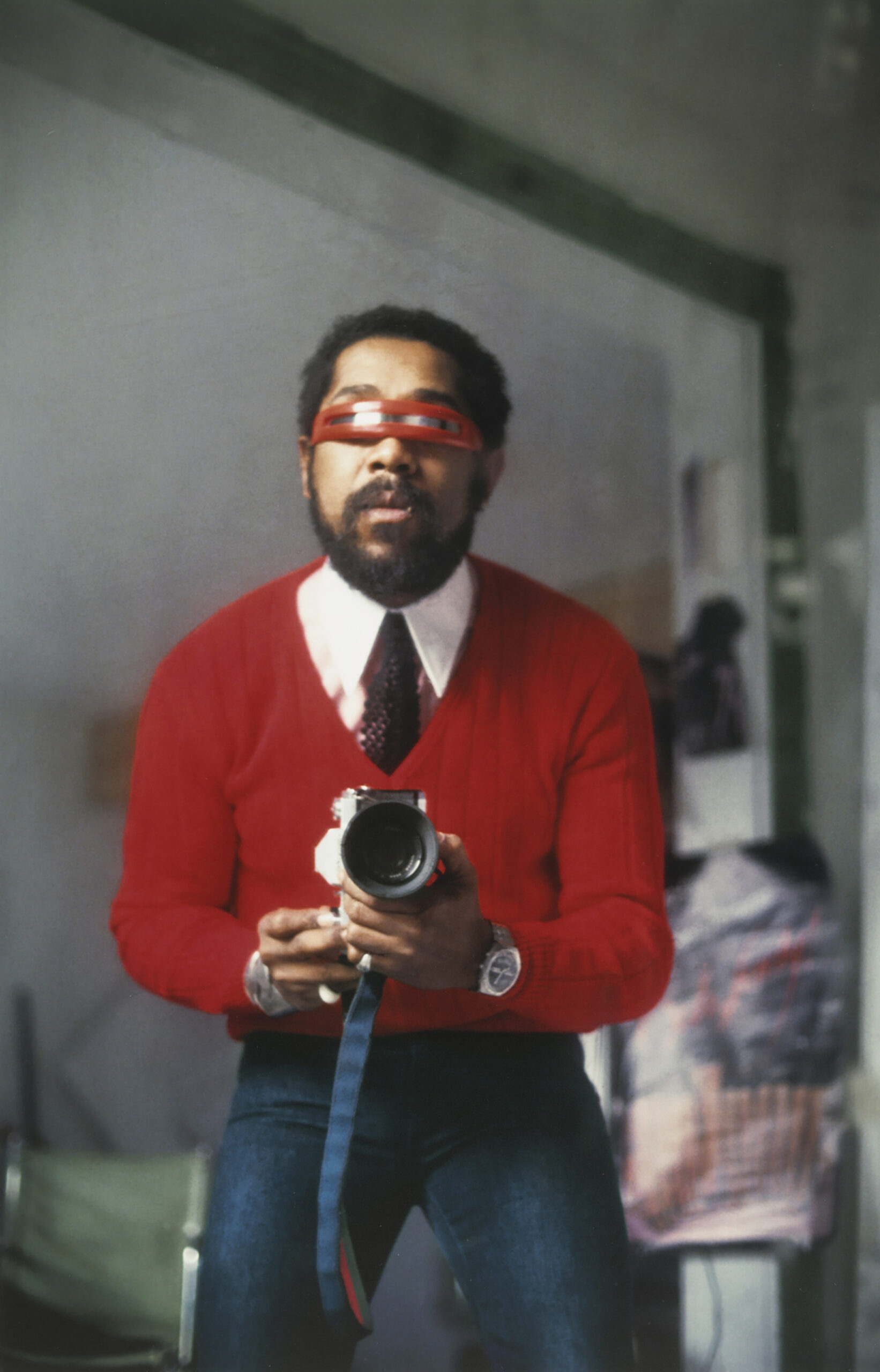
Photography and the Black Arts Movement — Los Angeles
Flourishing in the 1960s and 1970s, the Black Arts movement formed a revolutionary cultural front against the marginalization of Black life and art in the United States. This substantial show, curated by Philip Brookman and Deborah Willis, is the first to historicize the role of photography in what is often called the Second Renaissance, whose image makers—among them Barkley L. Hendricks with his pioneering portraiture that venerated everyday Black people—advanced a new visual language of self-representation and community building.
Photography and the Black Arts Movement, 1955–1985 at the Getty Center, Los Angeles, February 24–June 14, 2026
Courtesy Eggleston Artistic Trust and David Zwirner
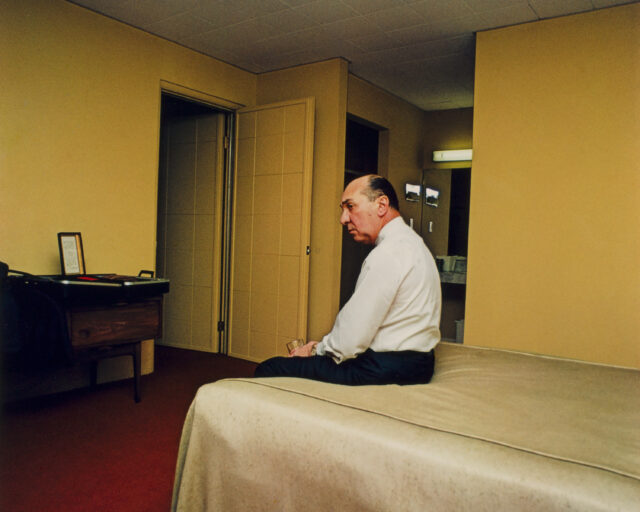
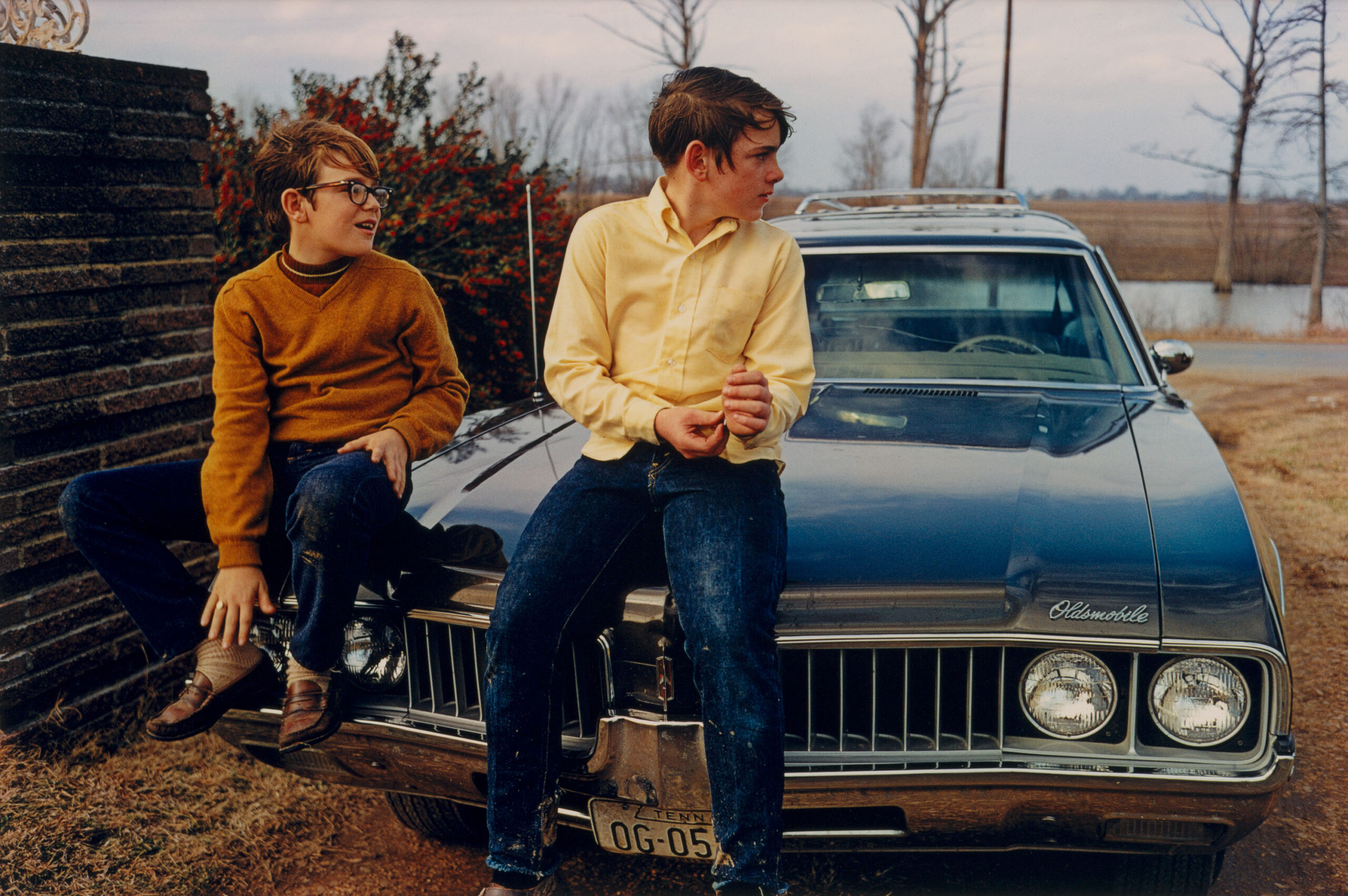
William Eggleston — New York
For a relief from doomscrolling, try The Last Dyes, an exhibition of William Eggleston’s incandescent color photographs from the 1970s. The cars, meals, bedrooms, and gas stations that would otherwise be unremarkable are, in this elegant exhibition at David Zwirner, elevated to icons of Americana, and burned into memory through an extraordinary range of colors. Eggleston ushered color photography into artistic consciousness exactly fifty years ago with his controversial 1976 solo show at the Museum of Modern Art, New York—color being associated, at the time, with the lurid commercialism of print advertising. The toxic and arduous dye-transfer process which Eggleston made famous, and which an explainer on the Zwirner website helpfully illustrates, renders banal scenes both shocking and glorious—a red sweater, a blue ceiling, a sunset like cotton candy. But Kodak stopped making the chemicals in the 1990s, and the works on display are the last of the dyes ever to be made with the remaining supply. The newest iPhone camera has nothing on the experience of encountering these prints in person, each one a vivid dream that’s all too real.
William Eggleston: The Last Dyes at David Zwirner, New York, through March 7, 2026
© the artist
Jeff Wall — Toronto
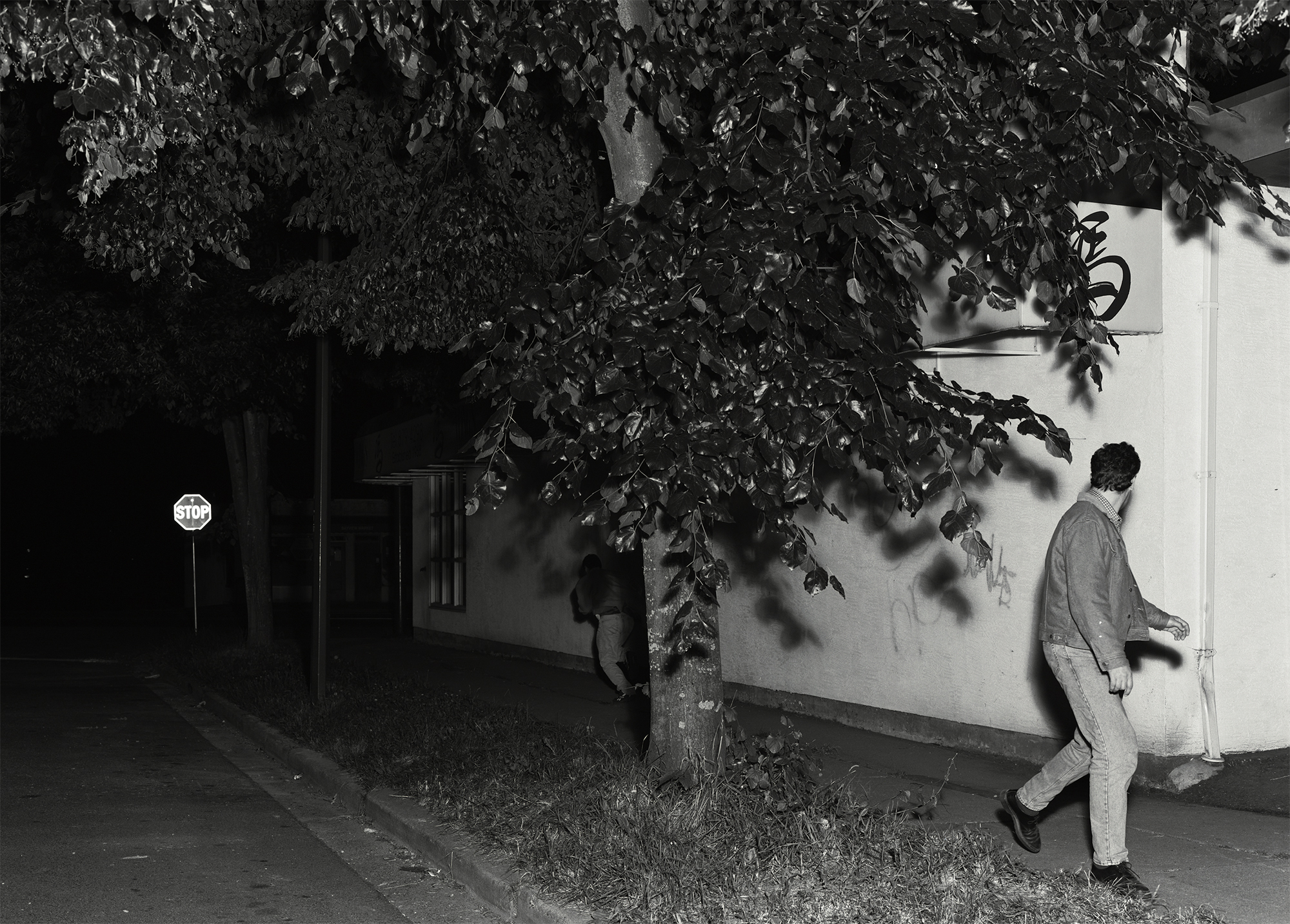
It’s hard to overstate the impact of Jeff Wall’s breakthrough pictures: staged narrative photographs mounted in light boxes that, when they debuted in Vancouver in the late 1970s, confounded and thrilled viewers. They still thrill. Exploring memory, war, and everyday life, his post-truth tableaux demand a level of sustained attention vanishingly rare today, each one resulting from meticulous location scouting, rehearsals, multiple shoots, and post-production magic. If visiting this show in Toronto—his first major Canadian survey in twenty-five years—feels a little like going to the cinema, that’s not by mistake. As the artist famously put it, “I guess you could say I’m like a director, but my movies have only one frame.”
Jeff Wall Photographs 1984–2023 at Museum of Contemporary Art, Toronto, through March 22, 2026
Courtesy the artist and Gagosian
Nan Goldin — London and Paris
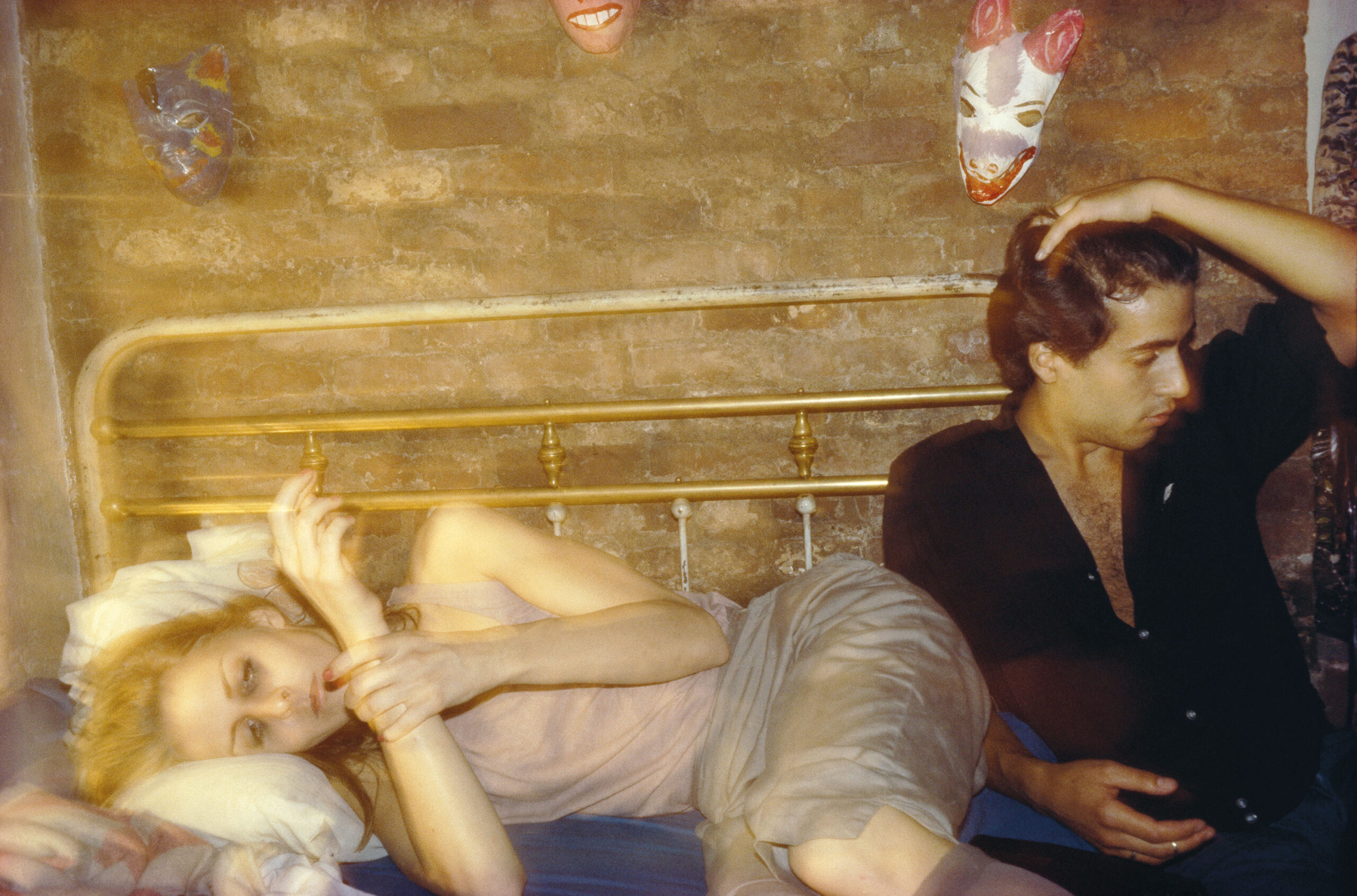
Throughout her career, Nan Goldin has photographed her friends, lovers, and family she made for herself. Her candid, visceral photographs captured a world teeming with life—and challenged censorship, disrupted gender stereotypes, and brought crucial visibility and awareness to the AIDS crisis. First published by Aperture in 1986, The Ballad of Sexual Dependency has had a profound influence on photography and visual culture around the world. Marking the fortieth anniversary of Ballad, two new exhibitions explore its undimmed intensity and towering influence. In London, Gagosian Gallery presents Ballad in full for the first time in the United Kingdom, and later this spring, a retrospective devoted to her videos and slideshows will fill the Grand Palais in Paris.
Nan Goldin: The Ballad of Sexual Dependency at Gagosian Gallery, London, through March 21, 2026, and Nan Goldin: This Will Not End Well, at the Grand Palais, Paris, March 18–June 21, 2026
Courtesy the artist and Grimm Gallery
Dana Lixenberg — Paris
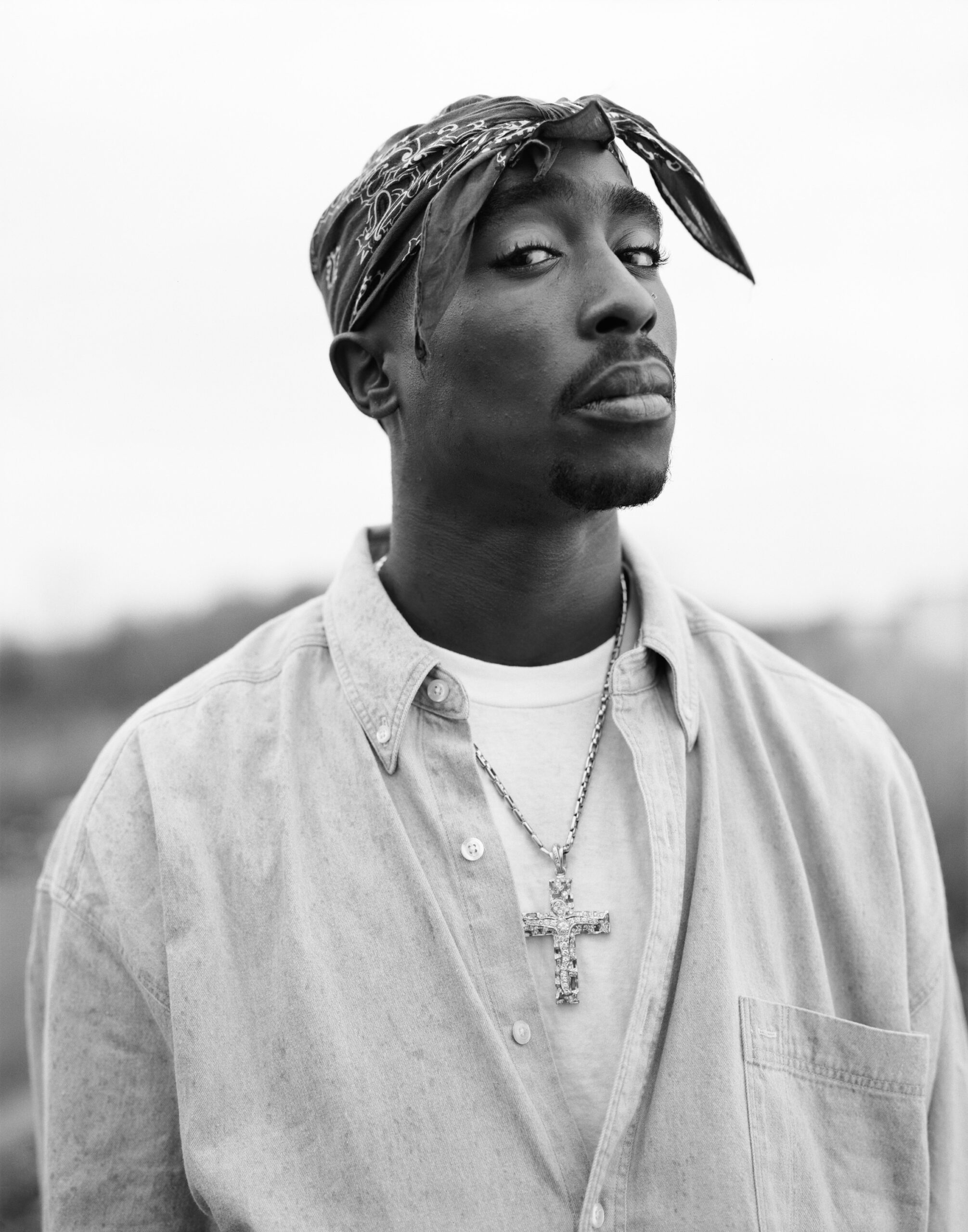
Portraiture has been central to Dutch photographer Dana Lixenberg’s documentary practice for more than three decades, and it likewise anchors her latest solo exhibition, American Images. Bringing together work she has made in the United States since the early 1990s, the exhibition spans two floors of the Maison Européenne de la Photographie in Paris, and ranges from portraits of pop culture icons such as Tupac Shakur to Polaroid test shots and images from her incisive examinations of race and class, including The Last Days of Shishmaref (2007) and Jeffersonville, Indiana (1997–2004). The museum’s top floor is dedicated to Imperial Courts (1993–ongoing), a body of work begun in the 1990s about the residents of a Los Angeles housing project, to which Lixenberg continues to return today.
Dana Lixenberg: American Images at La Maison Européenne de la Photographie, Paris, February 11–May 24, 2026
Courtesy the artist
Janna Ireland — Chicago
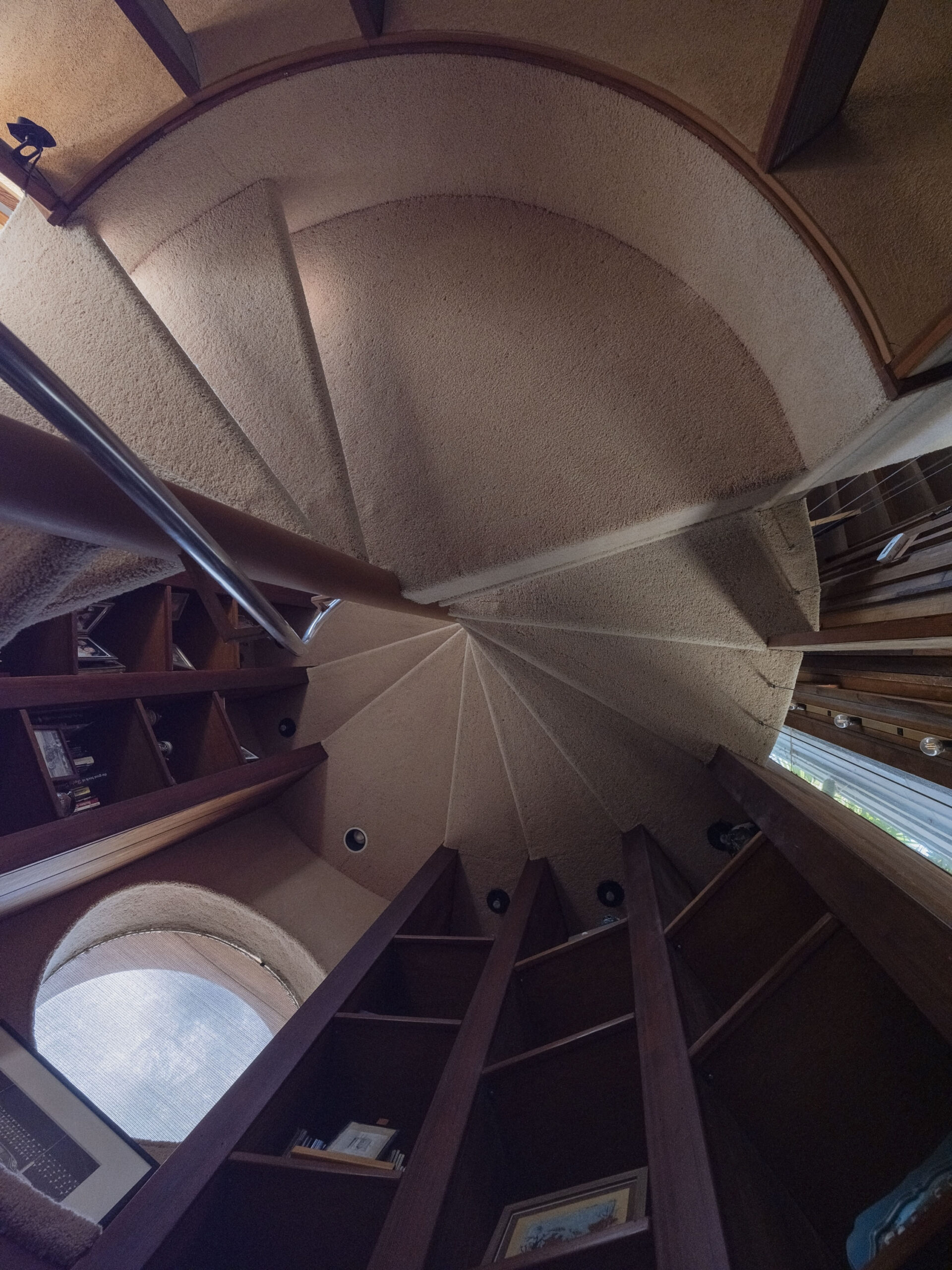
Janna Ireland: A Goff House in Los Angeles explores the last residential project designed by visionary American architect Bruce Goff. Ireland’s photographs delve into the origin story of the Al Struckus House, commissioned in 1979 for the engineer, woodworker, and art collector Al Struckus. Located in Woodland Hills, in northwestern Los Angeles, the four-story cylindrical structure features organic elements, from radical floor joists to rotating circular closets, that create an open yet dizzying atmosphere, reflecting the architect’s eccentric flair as well as the personality of its owner. As Ireland notes, the house is “organic and singular in form, it is a shining example of Bruce Goff’s design philosophy, moving forward through time unimpeded, always somehow in the ‘continuous present.’” The exhibition complements the retrospective Bruce Goff: Material Worlds, also on view this spring at the Art Institute.
Janna Ireland: A Goff House in Los Angeles at the Art Institute of Chicago through May 18, 2026
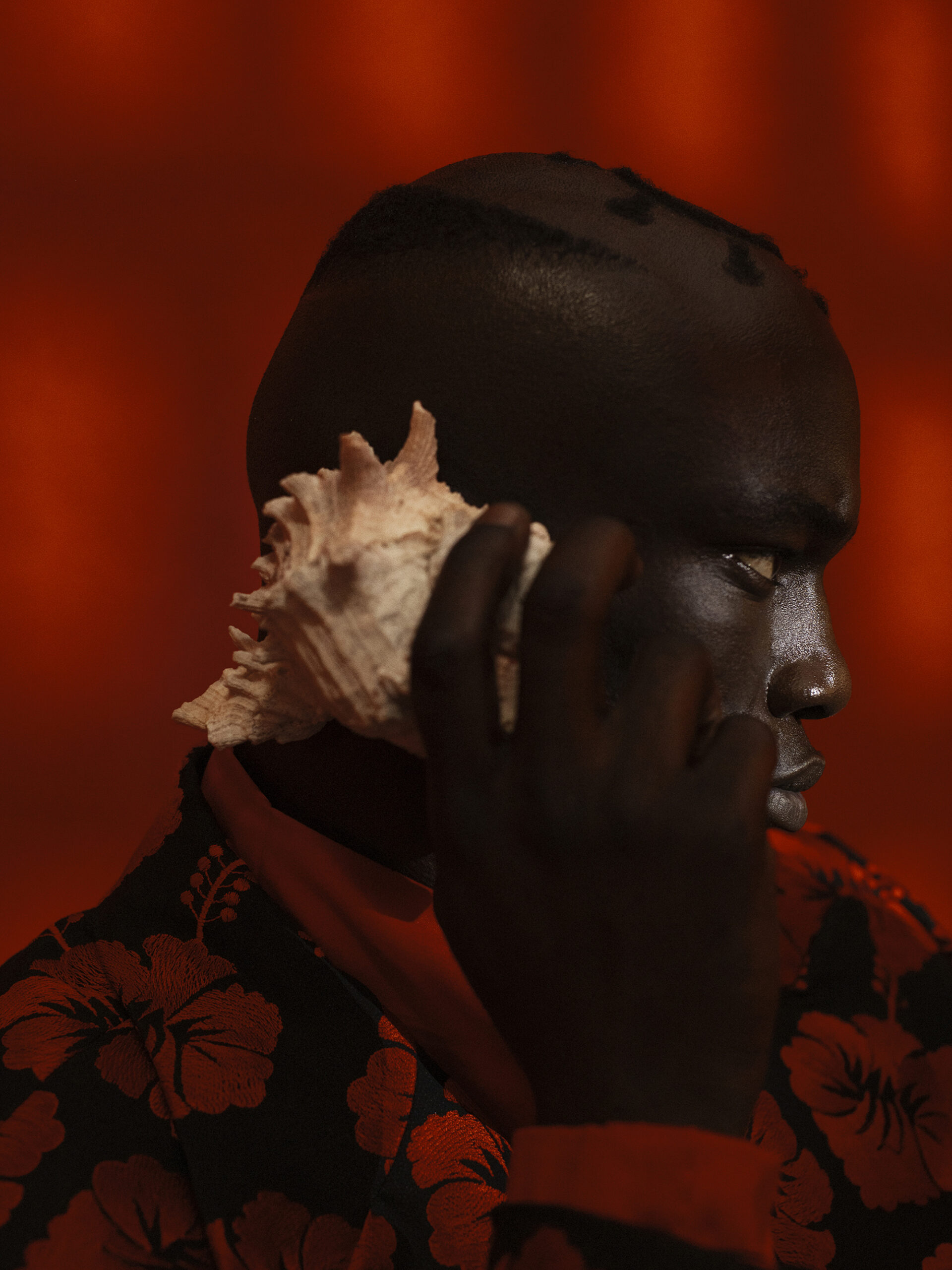
© the artist
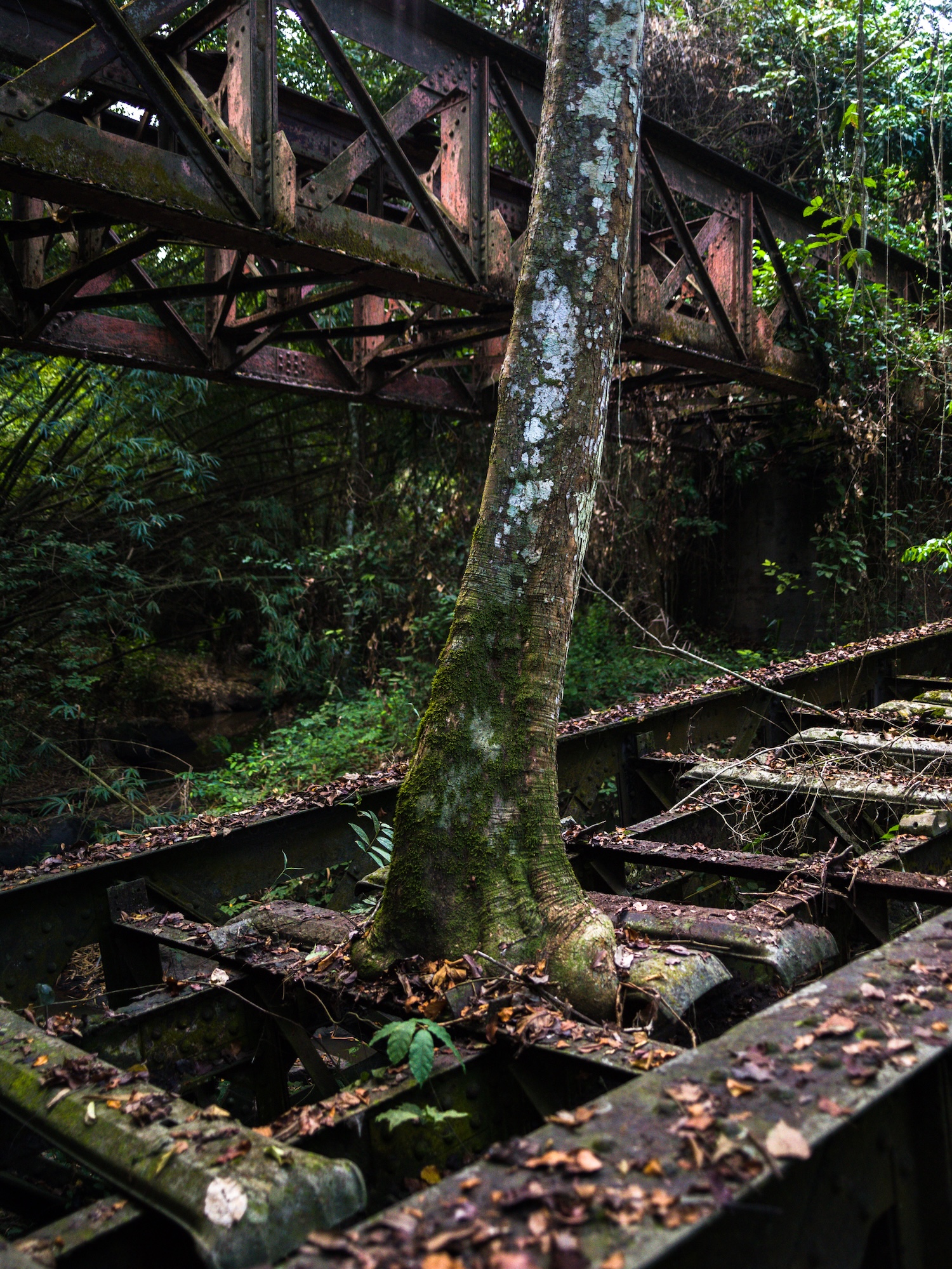
© the artist/ADAGP, Paris
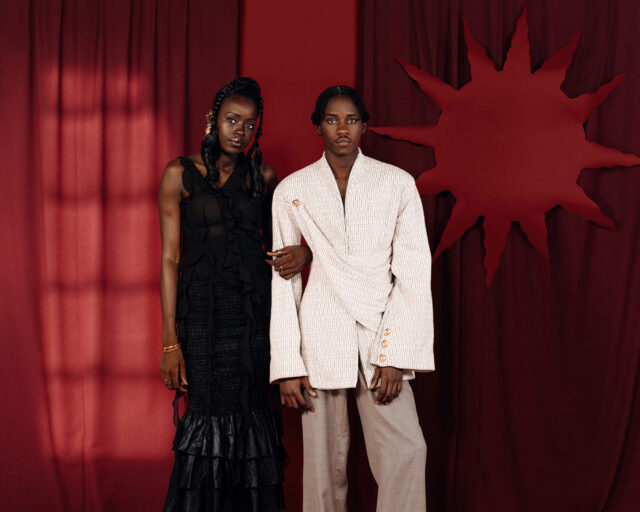
Nuits Balnéaires and François-Xavier Gbré — New York
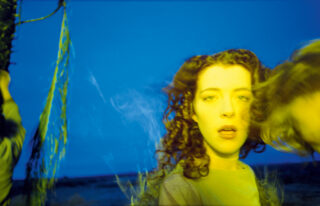
In Latitudes, two distinctive yet complementary photographers present meditations on memory and place in Côte d’Ivoire. François-Xavier Gbré, who was born in France and has worked across West Africa, is known for his precise examination of how architecture forms a living archive of a country’s aspirations. His newest series, Radio Ballast (2025), follows a rail line that connects Abidjan to Niger. He spent a year photographing its aging infrastructure: train cars, stations, and rusted track, against the backdrop of the verdant Ivorian landscape. Nuits Balnéaires is a Grand-Bassam–based visual artist who began his career in the fashion industry. His work explores the multicultural nature of Côte d’Ivoire’s southeastern shores and its deep connection the environment. Inspired by the Nzima and Agni-Bona people’s belief in a return to a single human origin at the end of life, his series Eboro (2025) takes viewers on a metaphorical journey to find his ancestors—and himself. The rich, cinematic palette of colors in Eboro evoke nostalgia and quiet longing. Together, these works offer a remarkable look at how Côte d’Ivoire’s past—spiritual, cosmological, and ecological—seeps into its present.
Latitudes: Nuits Balnéaires and François-Xavier Gbré at the International Center of Photography, New York, through May 4, 2026