Introducing Jenn Hyland, Aperture’s New Director of Development
Editor in Chief Michael Famighetti speaks with the newly appointed development director Jenn Hyland on what inspires her work at Aperture.
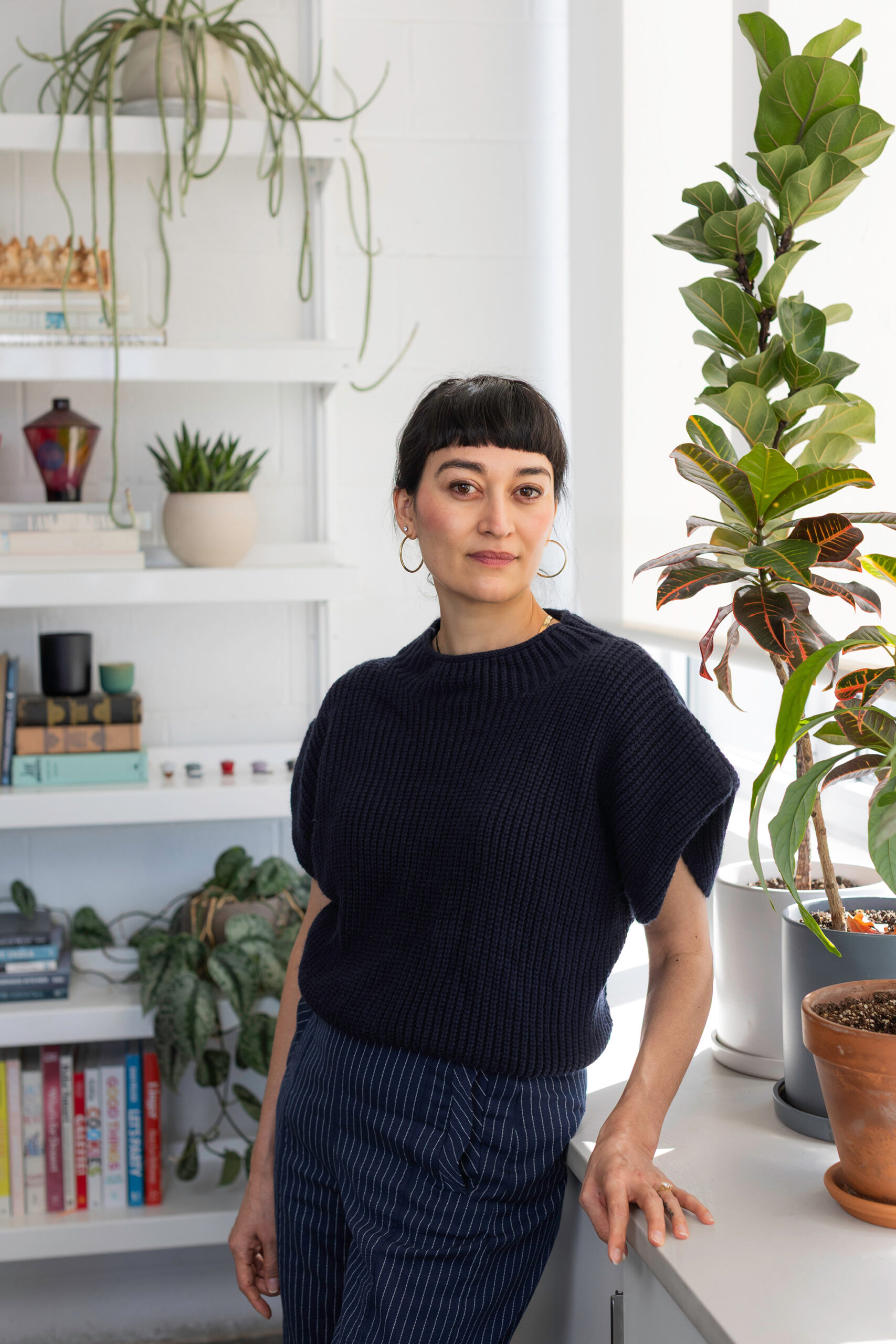
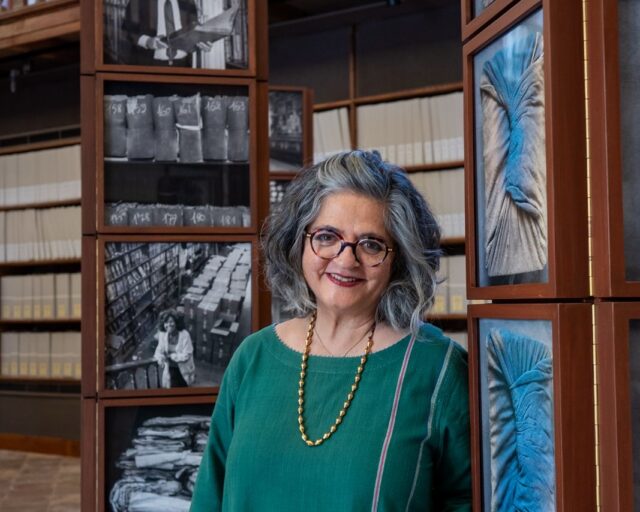
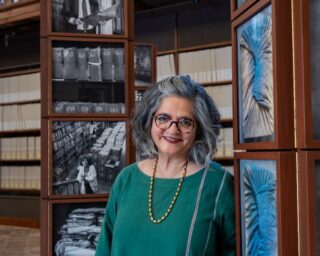
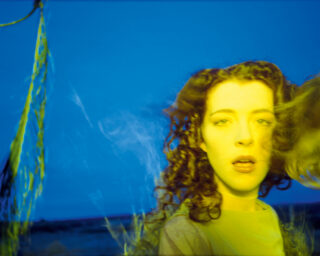
Jenn Hyland, 2026
Photograph by Miria-Sabina Maciągiewicz
Michael Famighetti: You’ve been with Aperture for almost four years, and are newly moving into the role of Director of Development. When did you first learn about Aperture?
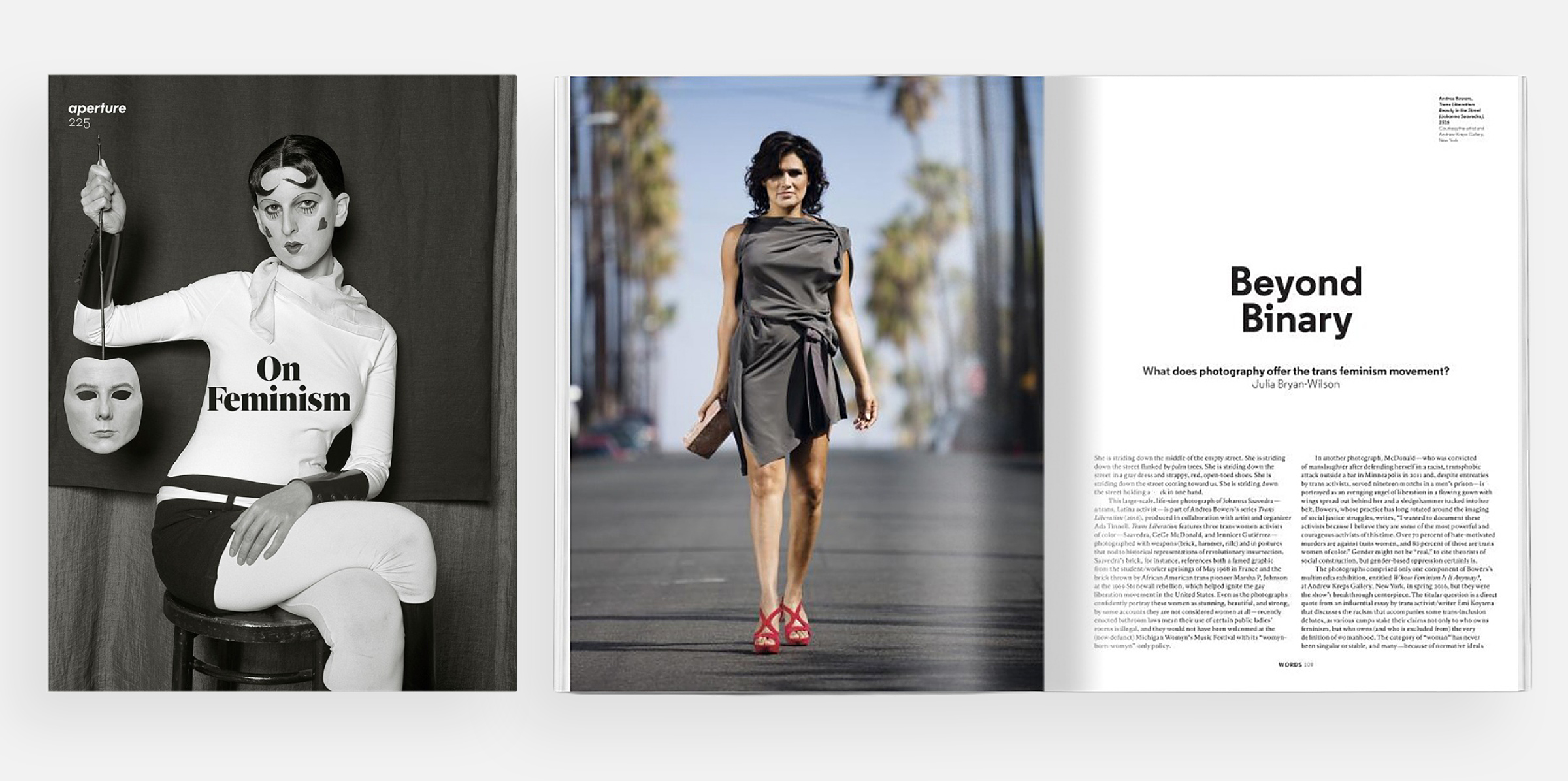
Jenn Hyland: I’m not sure when I first learned about Aperture, but I do remember the first time I absolutely needed to pick up an issue of the magazine—it was the Winter 2016 issue, “On Feminism.” I was curious to see how an organization like Aperture would approach a topic like feminism, and I was so enlivened, and relieved, by the issue’s intersectional approach to the theme.
Famighetti: That’s one from the archive! As we worked on that issue, we were anticipating that Hillary Clinton might soon be elected president. A different reality, of course, emerged. But it’s always fascinating to hear later on about how an issue connected with a reader. Did any specific articles resonate with you?
Hyland: Julia Bryan-Wilson’s “Beyond Binary” article was one of the pieces that drew me into the issue. I was navigating my own relationship to gender at the time, and the piece tackled the question of who gets to be included in feminism and who gets to define womanhood, which felt urgent then and is still relevant today. One image that really stuck with me is from Andrea Bowers’s Trans Liberation series—it shows trans Latina immigrant activist, Johanna Saavedra, walking down a palm-lined LA street in red heels, holding a brick, which references both a 1968 French protest poster and the legacy of Stonewall.
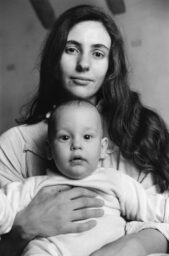
The “On Feminism” issue was also the first time I saw Yurie Nagashima’s Full-figured, yet not full term (2001), an image that stayed with me and has become more meaningful as I’ve moved through different seasons of my life. The work took on infinite more layers of meaning for me especially around bodily autonomy and representation when I experienced pregnancy and early motherhood myself.
Famighetti: I’d like to assume that issue made you want to work here, but what did lead you to Aperture?
Hyland: When I was ready to move on from my previous job, I knew I wanted to work somewhere that was doing work I genuinely admired. That’s something that has always been crucial for me—fundraising requires advocating for projects and artists, and I can do that so much more effectively if I truly believe in the work.
Aperture’s commitment to working with a diverse array of artists—from emerging to established, and especially underrepresented voices—aligns with my own values. The organization has this decades-long history as a steadfast presence in the photography community, but it’s never been static or self-satisfied. The editorial team consistently uplifts perspectives that matter, and they take real risks on projects that push the field forward.
When the work is exceptional, fundraising becomes about connecting the right supporters to meaningful projects, not convincing people something is worthwhile when it isn’t. And when I do my job well, it gives the editors more freedom to pursue projects they’re passionate about without having to worry as much about salability. That reciprocal relationship—where strong programs enable strong fundraising, and strong fundraising enables ambitious programs—is what I was looking for.

Famighetti: I can say, we editors thank you in advance. Healthy fundraising is key to our ability to support emerging artists, who may not yet have a big audience, and, more broadly, to support research, significant production costs for artists who may not have had a gallery or agency helping them set up archives. We sell books and a magazine, but these types of projects cannot sustain themselves without philanthropic support.
We spoke about an issue of the magazine, but how about books. Do you have any favorites from the past or present?
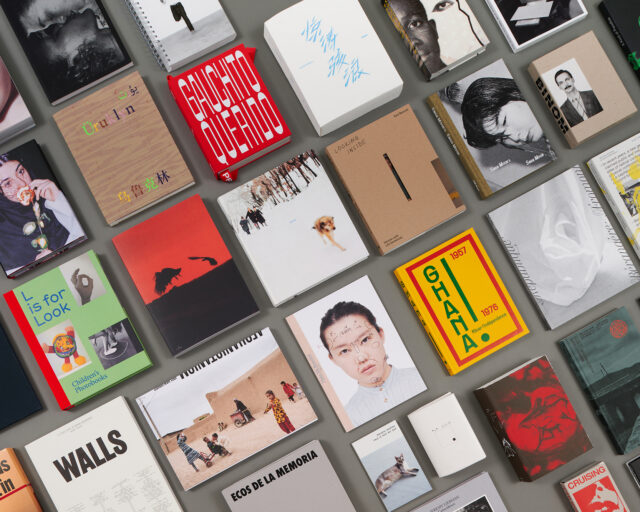
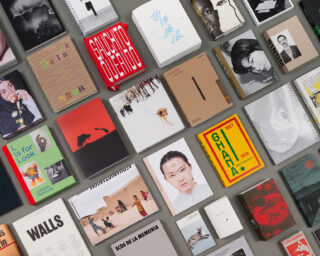
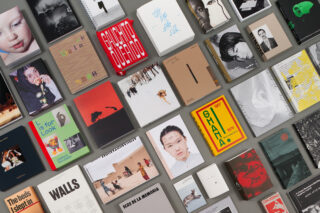
Hyland: That’s a tough question to answer when Aperture has published landmark titles by the likes of Nan Goldin, An-My Lê, and Diane Arbus. I’ll say that my two favorite titles published since I’ve been at Aperture are Myriam Boulos’s What’s Ours (2023) and Coreen Simpson’s monograph (2025). Boulos’s book was the second recipient of the Aperture JGS Book Award; the goal of the award is to support deserving artists whose work holds the potential to shape the field of photography, and Boulos couldn’t fit that description better. Her photographs, the diary entries—it’s all so intimate. There’s this juxtaposition between pleasure and protest, and then you realize there’s a collapsing of the two, and all along these intimacies she’s documenting are revolutionary acts in and of themselves. This body of work really moved me. I love it, Harry Styles loves it . . .
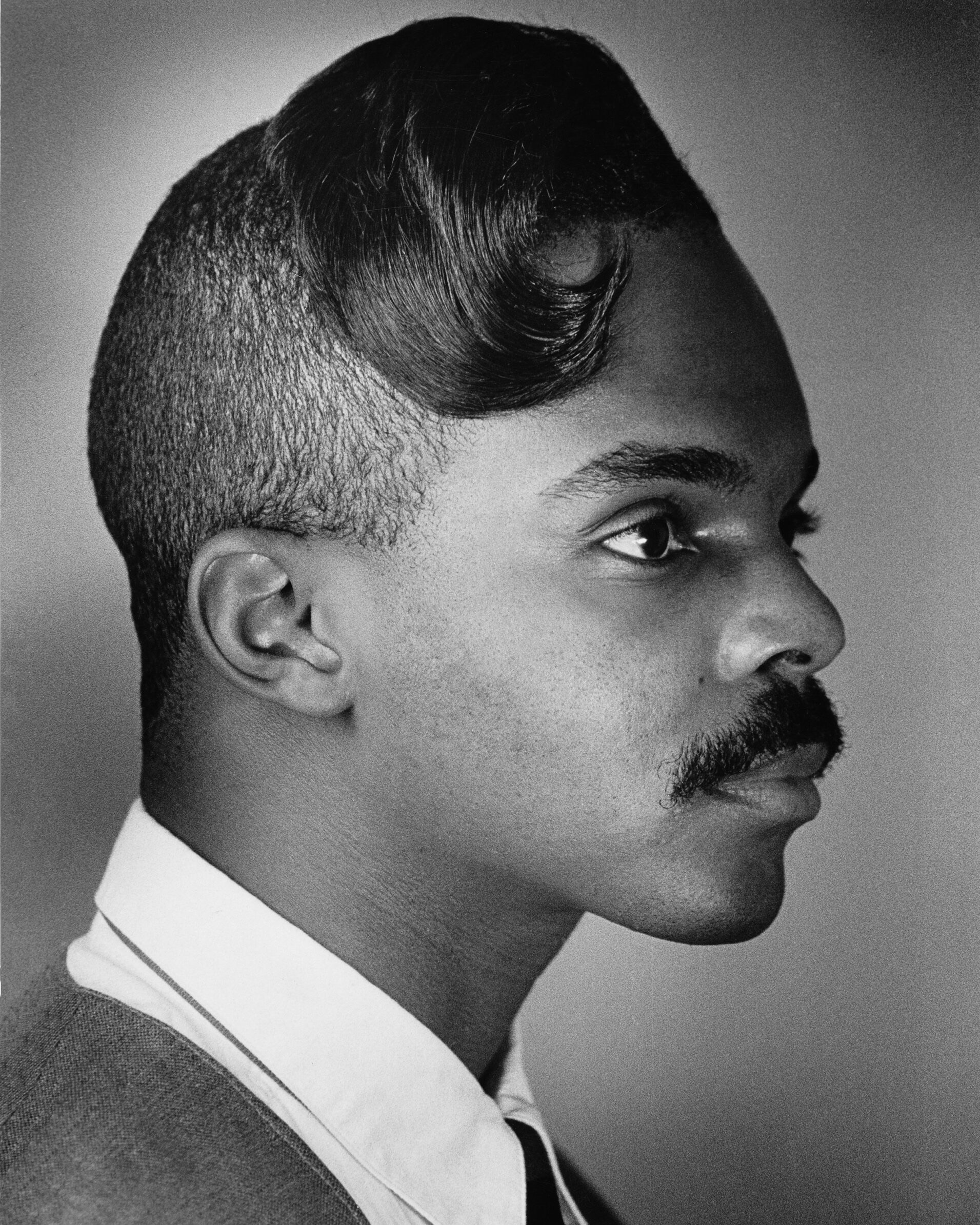
Famighetti: That was a first for us—to have a mega pop star build a campaign around the cover of one of our books! Now, he needs to hire Coreen Simpson too. She is just incredible.
Hyland: Coreen is a singular force, and her pictures have such a powerful and exciting energy to them. Her monograph is the second title in Aperture’s Vision & Justice Book Series, and it’s such a stunning survey of her work documenting Black excellence and style across decades. It’s a who’s who of the twentieth century. And her B-Boys series is phenomenal. It’s a time capsule of an era. The book itself is a beautiful object. The production quality is exceptional; it’s the kind of book you want to hold and look through slowly. It shows Aperture at our best—when the content and the craft come together seamlessly.
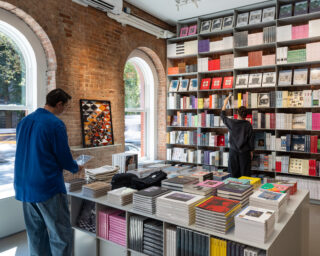
Rendering courtesy LEVENBETTS
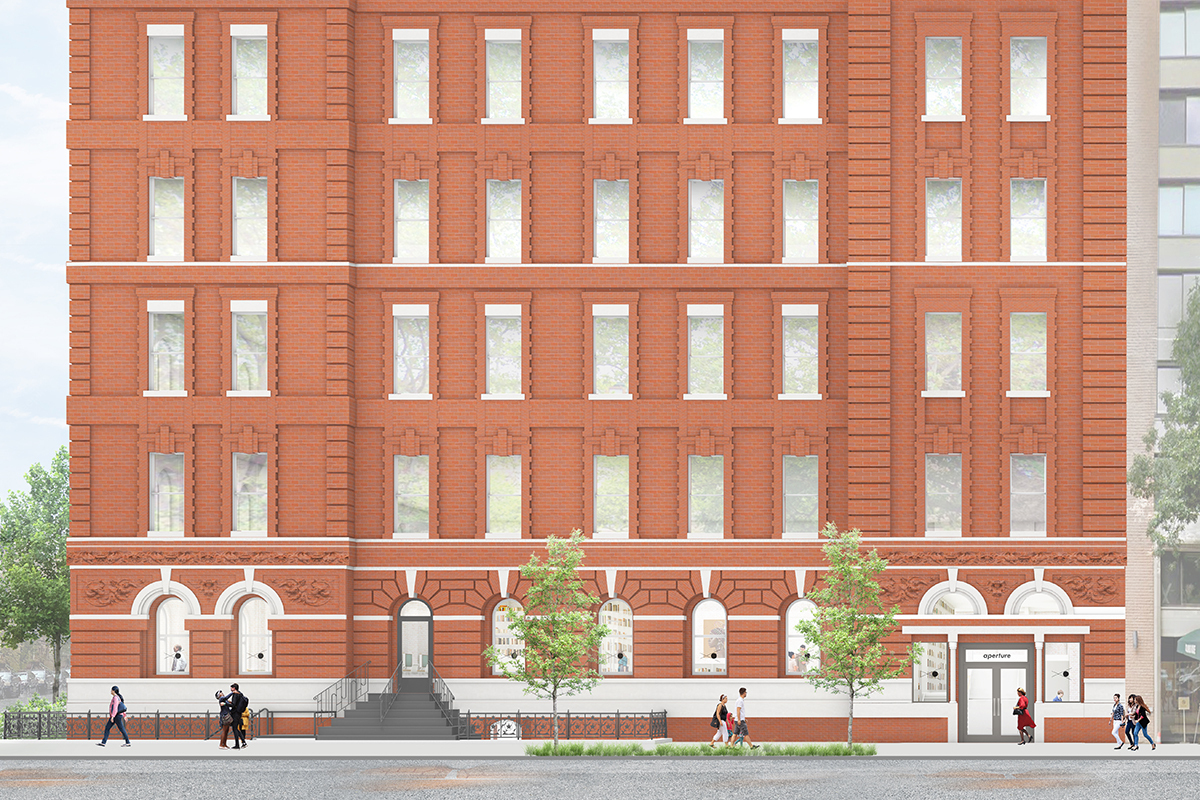
Famighetti: Aperture will be moving to a new home later this year. How do you envision our work there?
Hyland: I’m incredibly excited about 380 Columbus. It really is a once-in-a-generation opportunity. We’re not just moving offices—we’re establishing a permanent home that reflects what Aperture is and where we’re going, and I’m thrilled to be helping lead us through that transition.
The space is going to be a beautiful place to gather; we’re in such good hands with our architects LEVENBETTS. There’s still a lot of work to get us uptown, but I can’t wait to welcome our community of artists, collaborators, supporters, and photography enthusiasts into our new home. The new space will transform how we interact with our audiences. We’ll be able to host more intimate gatherings—behind-the-scenes exhibition previews, artist conversations, member events. The bookstore will be a real destination, and the street presence means we’ll be reaching people who might not have known about Aperture. I am also very excited to soon be within walking distance of Zabar’s on such a regular basis.
Famighetti: We’re looking forward to having an event space, and of course we’ll need music for our gatherings. You moonlight as a DJ—what music is getting you through this frigid winter?
Hyland: It is particularly chilly this year, and one of my favorite ways to warm up is by dancing. My main dance partner these days has been my toddler, and he can’t get enough of Bad Bunny’s album Debí Tirar Más Fotos, and let’s be honest here, neither can I. It’s perfect for kitchen dancing.
I don’t play Bad Bunny when I DJ (yet), but some of my favorite tracks to spin are:
Gettoblaster & Lauren Flax, “Let It Feel Alright”
Akumen, “Move My Body”
AceMo featuring John FM, “Where They At???”
Boddika, “Warehouse”
Strandtuch, “OH Yh BG Band”
Avalon Emerson’s version of Technotronic’s “Pump Up the Jam”