Photography has a new home in New York. Come visit us at 380 Columbus Avenue!
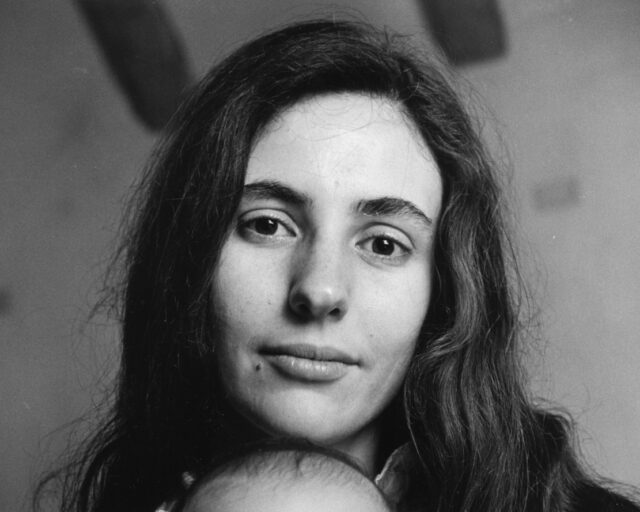
For nearly seventy years, Lee and Maria Friedlander have shared a bond shaped—and at times distorted—by photography.
Rather than simply documenting reality, photographers at this summer’s Arles Festival negotiate memory and challenge dominant narratives.
In the 1970s, Minor White, Aaron Siskind, and Harry Callahan wrested photography into a deeply personal medium, using the camera to explore emotion and the possibility of transcendence.
Ricardo Alcaraz has spent five decades documenting the island’s movements for labor rights, land, and independence.
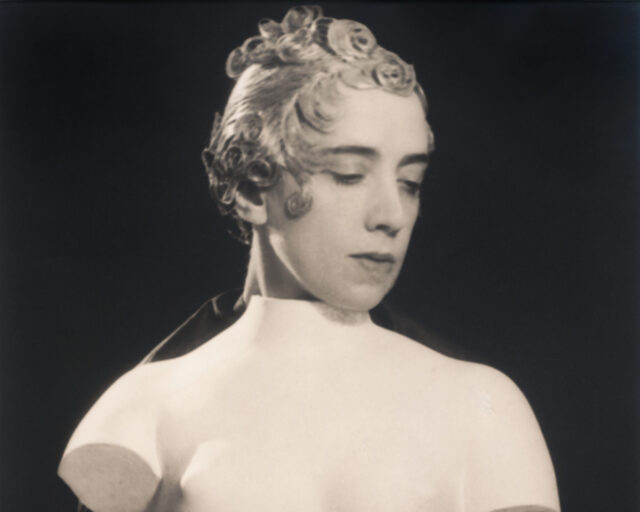
Beyond her innovations in Surrealist dress, Elsa Schiaparelli was perhaps the first designer to fully grasp how the camera could extend and refine the visual language of couture.
Claudio Mansour and Enrique Garcia’s recent photography-based shows dramatized the endurance of sex and exhaustion, exercise and caffeine.
The Swiss photographer’s pictures of youth, sex, and other delights exult in a hedonism haunted by the transience of life.
At the New Museum, “New Humans: Memories of the Future” whirls through a century of human and humanoid evolution—and plenty of photography.
The twentieth FotoFest Biennial charts a sprawling history of global photography.
In Paris, an exhibition considers issues of identity, belonging, and political upheaval—and highlights experiments in hybrid forms of image-making.
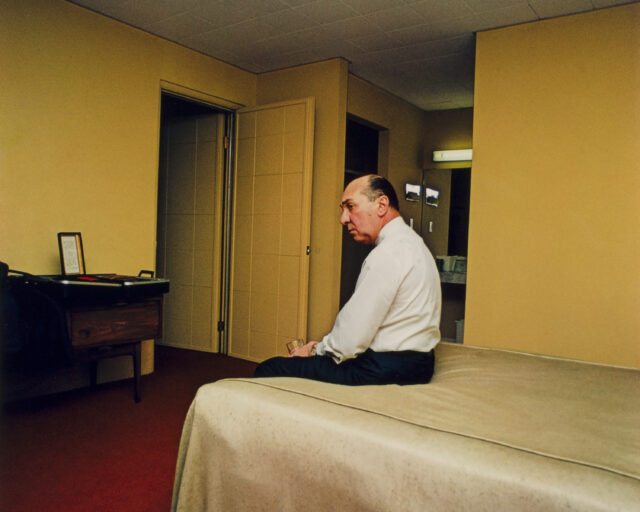
In the 1970s, Eggleston’s pictures were called “perfectly banal.” Fifty years later, the intensity of color in his dye-transfer prints is rarified and precise.
In the 1960s, Casa Susanna empowered a community of self-identified cross-dressers at a time when gender nonconformity was a crime.
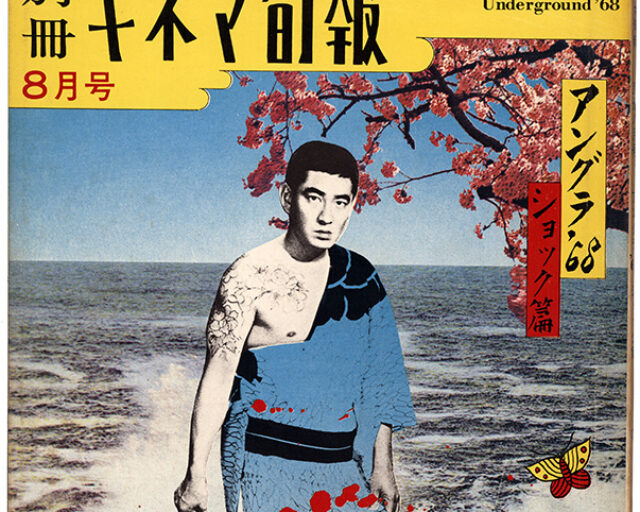
In the late 1960s and early ’70s, a postwar momentum for breaking societal norms profoundly influenced Japanese cultural expression.
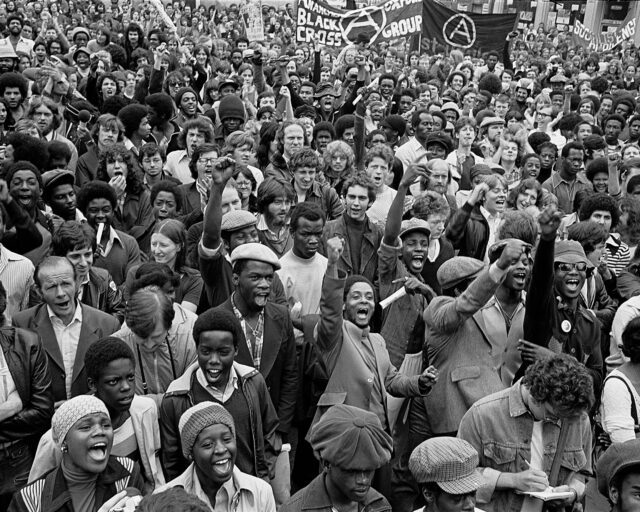
A nostalgic show curated by Steve McQueen about photography and protest misses the creative energy that drives social movements today.
A crucial voice for Black queer desire and liberation, the late poet—finally back in print—has ignited a fire in American artists across generations.
Whether in the UK or Ghana, the British photographer immerses herself in communities, and her images are infused with a spirit of collaboration.
German artists have often used typologies to help us understand the world. But an exhibition in Milan parades photography’s failures: to document, to mourn, to bend experience into arcs of narrative.
A retrospective at the Brooklyn Museum introduces the photographer to a new generation—and reestablishes her place in the canon of modern American art.
The fiftieth anniversary edition of a…